Underneath every home in Las Vegas, there are pipes – water pipes and sewer pipes. They are embedded directly into the concrete foundation slab. And when one of these pipes bursts or starts to leak, that’s a slab leak. It might seem like no big deal – it’s just leaking somewhere down there, right? But, you can’t see it. The water quietly does its job under the concrete, destroying the foundation, and by the time the problem becomes noticeable. That’s why you need to learn about slab leak signs as soon as possible so that you can catch the problem early on – before it’s too late.
How to Recognize the Most Common Slab Leak Signs
The problem is that you can’t just look under the foundation and see what’s going on. The concrete hides everything. That’s why detecting slab leaks is more about observing indirect signs. Any slab leak signs on their own is a reason to be wary.
Unexpected Increase in Your Water Bill
The first thing people usually notice is their water bill. You haven’t changed anything, but the number has gone up. A hidden slab leak in your water line can drain hundreds or thousands of gallons into the ground every month – and it will show up on your bill.
Sound of Running Water When Everything Is Off
This is one of those moments that is really scary. You know for sure that everything is turned off, but from somewhere under the floor or in the wall, you can hear water running. A quiet hissing or gurgling sound. This is a plumbing slab leak – water under pressure is coming out of the pipe and has nowhere to go.
Warm Spots on the Floor
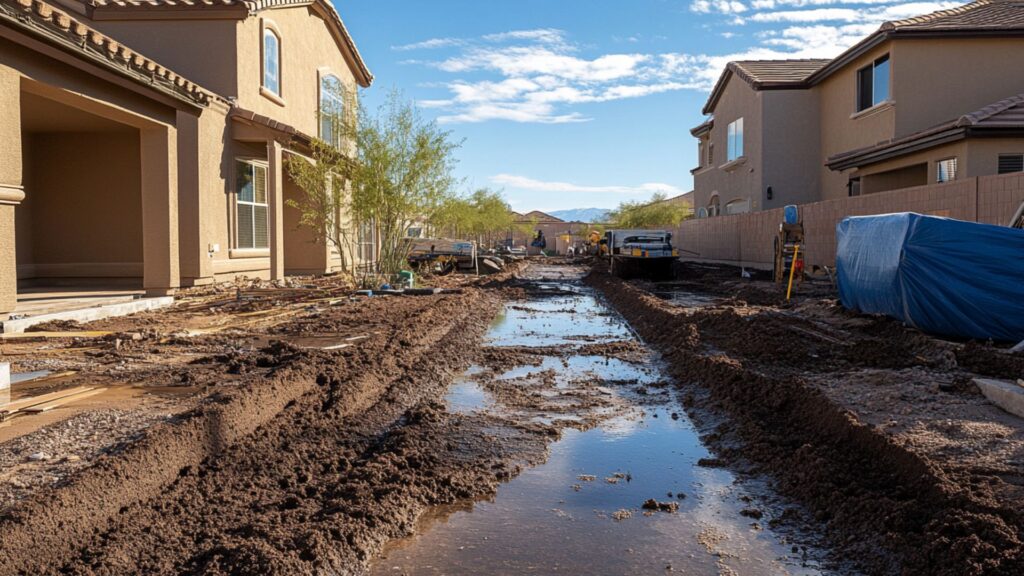
Let’s say you’re walking around the house barefoot and suddenly you feel that one area of the floor is noticeably warmer than the rest. If a hot-water pipe has burst under the slab, heat is seeping through the concrete to the surface. Of course, one warm spot is not a death sentence. But when combined with other symptoms on this list, it’s a serious warning sign.
Damp Flooring, Warped Surfaces, or Wet Baseboards
The carpet is wet, even though no one has spilled anything. Laminate or parquet flooring is swollen in one place. This is a plumbing leak in a slab foundation in action – water is slowly seeping through the concrete and reaching your floor. This doesn’t happen overnight. Therefore, even slight dampness that you can’t explain is already a reason to call someone for diagnostics.
Mold or Persistent Musty Smell
You know that musty smell – like in an old basement? If it has appeared in your home and persists after cleaning, airing out, or replacing the air conditioner filters, it’s not dirt. Most likely, there is moisture somewhere under the floor, and mold has already begun to grow.
Mold isn’t just unpleasant; it’s a real health risk. Plus, if you let it go, you’ll have to pay not only for slab leak repair, but also for complete mold removal.
Cracks in Walls or Foundation
Water from a damaged pipe erodes the soil under the foundation. The slab settles unevenly, and cracks appear. On the walls, in the tiles, sometimes in the concrete itself. It’s important not to panic prematurely.
Thin cracks are normal for a house settling, nothing to worry about. But if the cracks get wider, new ones appear, and at the same time you notice something else from this article – moisture, odor, rising bills – this is one of the slab leak causes that really threatens the foundation.
Signs of a Sewer Leak Under Your Slab
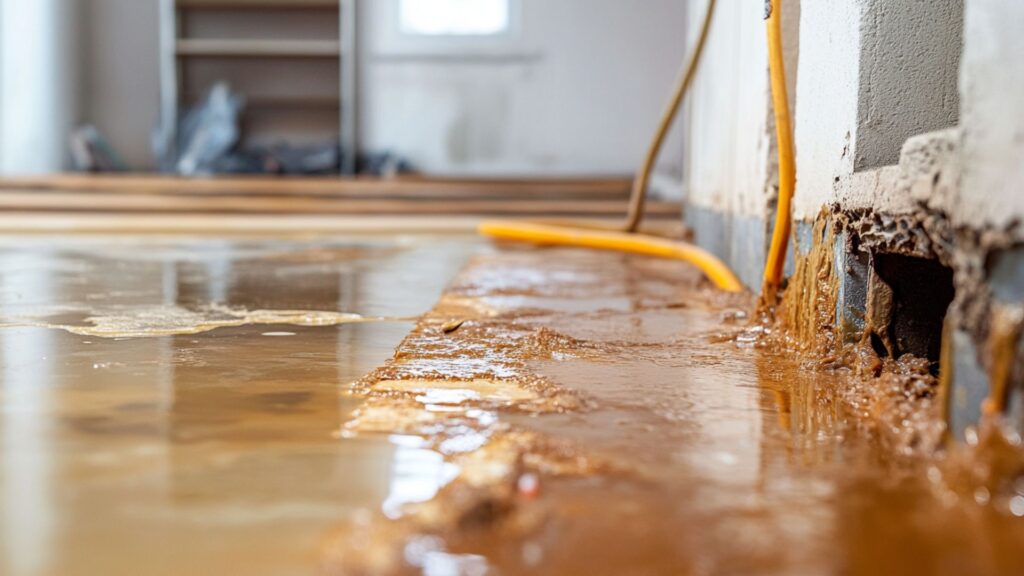
Not every leak under the house is a water pipe. It can be worse: a sewer leak under the slab, i.e., a hole in the sewer pipe. The insidious thing is that your water bill will not increase – after all, the water is already used, it is going out, not coming in. But other signs appear:
- The smell of sewage from drains or directly from under the floor
- The toilet gurgles strangely, even though no one is using it
- The grass near the foundation has suddenly become suspiciously green and lush
- Water drains slowly throughout the house
What Causes Slab Leaks in Las Vegas?
Why does this happen in the first place? Here are the main slab leak causes encountered in Vegas (slab leaks in Las Vegas are not uncommon, but rather the norm):
- Hard water and aggressive minerals in the soil corrode the pipes
- The soil shifts, and the pipes rub against concrete and gravel
- The water pressure in the system is too high, and this affects the joints
- Desert temperature fluctuations: +45 during the day, +20 at night – the metal constantly expands and contracts
None of these factors will kill a pipe in a day. They work together, accumulate over the years, and then you get a plumbing slab leak.
A Simple Slab Leak Test You Can Do at Home
There is one slab leak test that anyone can do. All you need is your water meter and two hours of patience. Here’s what to do:
- Turn off absolutely everything that uses water. Absolutely everything, even the ice maker in the refrigerator.
- Write down the meter reading.
- Leave the house or just don’t touch the water for two hours.
- Come back and check the numbers. If the readings have changed, you have a slab leak.
Another life hack: most meters have a small triangular indicator. If it spins when the water is completely turned off, there is definitely a leak. However, this test will only tell you “yes, there is a problem.” Where exactly – that’s up to a specialist to determine.
How Professional Slab Leak Detection Works
Professional slab leak detection in Las Vegas is not about using a sledgehammer or “let’s break the whole floor and see.” Nowadays, technologies are used that find leaks without causing damage:
- Acoustic sensors amplify the sound of water in the pipe – a specialist can literally hear where it is leaking.
- A thermal imager shows temperature anomalies on the floor surface.
- The pressure in the pipes is tested to understand which line is damaged.
- For sewer systems, video cameras can be inserted from the inside to show everything in real time.
The essence of detecting slab leaks professionally is accuracy. The more accurately the location is found, the less floor will have to be broken and the cheaper the repair will be.
What to Do If You Notice Slab Leak Warning Signs
Okay, you’ve read the article and checked it out; a few points match. What to do next? Don’t panic, but don’t delay either:
- Take pictures of anything that looks suspicious, such as wet spots, cracks, or meter readings. Write down the dates – this will be useful for insurance purposes.
- If the leak is clearly severe, shut off the main water valve.
- Call a specialist who specializes in foundation work.
- Call your insurance company before starting repairs to find out what is covered and what is not.
Every day of delay means more water under the house, more damage, and more money. Slab leak detection in Las Vegas is a necessity for a quick response. If the situation is urgent, there is an emergency service that operates 24/7.
Slab Leak Repair Options for Las Vegas Homeowners
Once the leak has been located, the question arises: how to repair it? The options for slab leak repair in Las Vegas depend on the specific situation:
- Spot repair. A specific section of the slab is opened up, the pipe is accessed, and the damaged section is replaced.
- Redirection. The damaged section is shut off, and a new pipe is routed through the wall or attic.
- Epoxy lining. The pipe is coated on the inside with a special compound that seals small cracks.
The method chosen depends on where the leak is, how worn the pipes are, and how your home is constructed. A slab leak repair Las Vegas specialist will explain everything before starting work, not after.
Conclusion
Now you know what slab leak signs look like, even if you can’t see the leak itself. Slab leaks are a common problem in Las Vegas, and the sooner you fix it, the less you’ll pay for the consequences.Order slab leak detection in Las Vegas from our pros and start with a proper diagnosis. It’s faster, cheaper, and less stressful than waiting for things to get worse.
Have a leak? Don’t wait.
Call Leak Experts USA today for fast, professional service in Las Vegas.
📞 (702) 745-5571