Home ownership having a septic system comes with burdens that one can easily forget about till a time when something fails. One of the most common questions homeowners ask is how often to pump septic tank systems to keep them running efficiently. Late pumping may cause standoffs, unpleasant scent, broken homes and costly fixes. Early pumping on the other hand can be wasting money without cause.
We have helped many homeowners in Leak Experts USA to know how to take proper care of their septic system. Knowing how often to pump septic tank systems is not just about following a rule of thumb–it’s about understanding your household usage, tank size, and long-term maintenance strategy.
This step-by-step guide will guide you through all the information you need to know, such as warning signs, recommendations by the professionals, and preventive maintenance will save your home and your wallet.
Need expert guidance today? Call Leak Experts USA with the phone number (702) 745-5571 to seek professional solutions to septics and sewers.
Why Knowing How Often to Pump Septic Tank Matters
Understanding how often to pump septic tank systems is essential for protecting your home from preventable damage. In the absence of any interventions, solid waste is naturally gathered in the septic tanks. This waste accumulates in the absence of constant pumping and decreases the efficiency of the system.
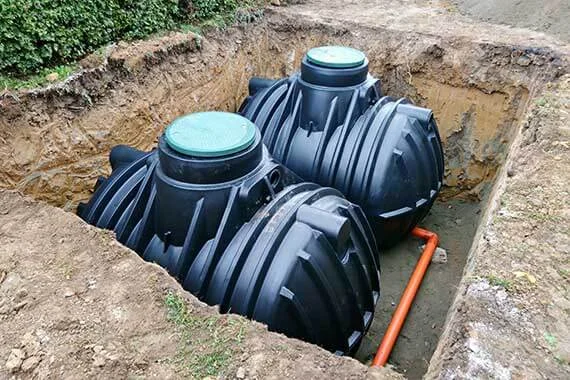
The overflow of a septic tank may lead to solid waste being discharged to the drain field, block sewage pipes and sewage overflow within the house. These problems frequently lead to call-ins and repair services in thousands of dollars.
In the case of home owners and particularly Las Vegas residents, preventive maintenance of the septic is way cheaper than the reactive maintenance. So that your system does not clog down and so that your septic system can last longer, a plan of regular-pumping will help avoid a system failure.
Understanding How a Septic System Works
Before determining how often to pump septic tank systems, it helps to understand how they function.
An average septic system is made up of:
– A wastewater tank that is septic.
– Waste pipes serving home.
– An area where treated water is scattered.
The tank receives wastewater which is divided into three layers:
– The scum (fats and oils) is brought to the surface.
– Solid waste (sludge) is deposited at the bottom.
– Liquid waste enters the drain field.
As time progresses, sludge is formed and it has to be pumped out by professionals. Failing to consider such a cumulation may jeopardize the whole system.
How Often to Pump Septic Tank for Most Homes
So, how often to pump septic tank systems under normal conditions?
The recommended period of interval is 3 to 5 years in most households. This range is taken as average septic tank pumping range, however, it may vary, due to a number of factors.
Professional plumbers test:
– Tank size
– Household usage
– Waste volume
– Age of the system
Proper sepsis tank pumping frequency, this will ensure that the sludge never becomes critical. We usually suggest that inspections at Leak Experts USA are carried out after every two years, and this way, it is ascertained whether pumping will be required earlier or not.
Factors That Affect How Often to Pump Septic Tank
We can tell you that there is no one answer to tell you that how often to pump septic tank systems would be the ideal limit because there are a number of things which could be effecting the ideal schedule for it.
Tank Size
The tank size is the first thing that matters in this regard. We know that big tanks are the most time taking to fill and therefore will be needing more time to pump. So homeowners usually pump it less often. Then there are smaller tanks which fill up quite quickly and are easier to maintain and service.
Household Water Usage
Homes that have a higher water consumption such as that home uses more water in showers, laundry and bathrooms, then there will be a chance that solids will be passing through the tank at a higher rate. All of this will be increasing the requirements for the plumbing.
Type of Waste
With all of that, if there is too much grease, waste of food and more non biodegradable materials, then the waste in the pipes will be moving at a much faster rate so we will not be certain of the best frequency of septic tank maintenance.
Garbage Disposal Use
The more a home uses its garbage disposal system, the more its chances are of shoving solid waste in the tank.
Knowledge about these factors and many other concerns help the homeowners in Las Vegas answer the question of how often to pump septic tank according to their situation. \
How Often to Pump Septic Tank Based on Household Size
Household size plays a major role in determining how often to pump septic tank systems.
1-2 people: Every 4-5 years
3-4 people: Every 3-4 years
5+ people: Every 2-3 years
Big families produce greater wastes, reducing the mean time of pumping of the septic tank. With a bigger tank, there is faster development of sludge with more frequent use.
In case you have recently moved in some members of your family or opened a part of your house to be used as a rent, it is perhaps time to rethink the frequency of pumping of a septic tank.
Signs Septic Tank Needs Pumping
By being aware of the symptoms when the septic tank requires pumping, you will be able to avoid the emergency and damage your property.
Prominent symptomatic indicators are:
– Sluggish drains all over the house.
– Gurgling noises in plumbing
– Musty sewage stench indoor or outdoor.
– Concentrating water around the drain area.
– Slow backup and slow flushing toilets.
You should not wait when you notice any of these problems. Service can be provided immediately avoiding the repair of sewer line or even the more serious work.
Leak Experts USA provides quality assessments in order to check problems at initial stages and suggest the most risk-free resolution.
Creating a Septic Tank Maintenance Schedule
The most effective way to fight expensive breakdowns is to maintain a proactive schedule of the septic tank. This includes:
– Routine inspections
– Scheduled pumping
– Responsible water usage
– The prevention of detrimental substances in drains.
By tracking your service history, you’ll always know how often to pump septic tank systems before problems arise.
Homeowners with regular schedule have less emergencies and are enjoying long lasting sewer systems.
Professional Services That Support Septic Health
Septic systems also depend on interconnected plumbing elements to work well even with proper pumping. The supporting services are:
Drain Cleaning
Cleaning of drains on a regular basis would ensure that the grease, debris and build up do not enter the septic tank too fast. The service assists in prolonging the periods between pumping.
Sewer Line Repair
Broken and clogged sewage pipes may interfere with the passage of waste and clog septic systems. Proper repair of sewer lines will avoid system overload and backups.
Sewer Line Replacement
In the old houses, the old pipes may need to be replaced to facilitate proper steps of waste transportation and efficiency of the system.
Leak Experts USA offers all these services with accuracy and precision so that they can ensure their property owners save their investment in the septic system in the long-run.
How Often to Pump Septic Tank to Avoid Emergency Plumbing Repairs
We have often seen one mistake that many homeowners make is that they wait for the problem to turn so devastating that they need to call a plumber to fix this. This is not a good practice as this would be causing you as a homeowner, thousands of dollars in the repair costs which will be happening because of late detection and maintenance of the septic tank. Waiting of the symptom to turn into a complete problem will turn it into sewage overflow, water clogged backyards and the sewer pipes being damaged. All of this will be costing a high budget later on.
But incase that the septic tank has not been emptied at the correct time, the solids and the solid waste may also overflow into the pipes and other plumbing systems of the home. This pressure will create a new threat of clogs, will make the pipes degrade, and the overall system looting. In many extreme situations, neglected septic systems are the main cause of the main lines being blocked and then professional sewer line repair will be needed or even a replacement could be recommended based on the overall situation of the home.
Therefore a good pumping schedule and timeline will be really helpful in order to prevent the complete system from having unnecessary pressure on it and to keep the emergency calls to the least number possible. With regular plumbing, homeowners should also focus on proactive measures such as those of drain cleaning which will also make sure that there is no more creation of sludge through debris and grease.
At Leak Experts USA, we know that the homeowners who take care of their plumbing systems as much as themselves have to take little to no risk of emergency calls or things which would cause them a lot in repairs later on. Because they take of their home, their home takes care of them in return. If you want to help prevent your system from being clogged or giving you trouble, then call us at (702) 745-5571.
Why Homeowners Trust Leak Experts USA
Homeowners place their trust in Leak Experts USA as we give more emphasis to education, prevention and long-term solutions. We don’t believe in one-size-fits-all recommendations–especially when it comes to how often to pump septic tank systems.
Our team offers:
– Honest assessments
– Transparent pricing
– Advanced diagnostic tools
– Maintenance advice Long-term maintenance.
Our company boasts of serving homeowners across Las Vegas with high reliability solutions that are pegged on experience and integrity.
Septic inspection or consultation. Call (702) 745-5571 today to make your appointment.
FAQs About How Often to Pump Septic Tank
1. How often should a septic tank be pumped if I use a garbage disposal?
Houses that have garbage disposal normally require pumping after every 2 to 3 years just because of the added solids which have been accumulated over time.
2. Can pumping too often damage my septic system?
No it will not hurt to pump it early but it might not be economical when you do not need it such as in emergency situations.
3. What happens if I ignore pumping altogether?
The backups, drain field failure, and costly repairs may occur When pumping is not considered and emergency intervention is likely.
4. Is pumping enough to maintain a septic system?
Pumping alone is not enough as it will also require the inspections, cleaning of drains, and correct usage habits.
Final Thoughts on How Often to Pump Septic Tank
Understanding how often to pump septic tank systems is one of the most important responsibilities of septic ownership of Las Vegas homeowners as a proper schedule, knowledge of warning signs and professional assistance would allow homeowners to prevent expensive emergencies and live in peace.
Homeowners may not know the frequency at which they need to pump their septic tank, are noticing some red flags or are just trying to plan ahead and Leak Experts USA is the one to call so give us a ring at (702) 745-5571 now and talk to a reliable septic and sewer specialist and save your house in the coming years.