When you’re managing a large commercial property—whether it’s a shopping complex, hotel, office building, or manufacturing facility—the last thing you want is an unexpected leak. Leaks in large commercial properties can cause thousands of dollars in damage, disrupt daily operations, and even lead to costly shutdowns.
At Leak Experts USA, we’ve seen firsthand how even a small, undetected leak can escalate into a major issue for building owners and facility managers. From burst pipes and corroded water lines to unnoticed slab leaks beneath expansive floors, the key to avoiding disaster lies in early detection and proactive management.
In this comprehensive guide, we’ll cover how to identify, prevent, and manage leaks in large commercial properties—helping you protect your investment, ensure safety, and maintain uninterrupted business operations.
📞 Need urgent help? Call us today at (702) 745-5571 for 24/7 commercial leak detection and repair services.
Table of Contents
- Understanding the Impact of Leaks in Large Commercial Properties
- Common Causes of Building Plumbing Leaks
- The Warning Signs Every Facility Manager Should Watch For
- Why Early Detection is Crucial in Facility Leak Management
- Step-by-Step Guide to Managing Leak for Large Buildings
- Technologies Used in Commercial Leak Detection
- Preventative Maintenance Strategies for Long-Term Leak Control
- The Cost of Ignoring Water Damage in Commercial Spaces
- How to Create an Effective Leak Response Plan for Commercial Properties
- The Role of Smart Technology in Preventing Future Leaks
- Choosing the Right Commercial Plumbing Partner
- FAQs about Facility Leak Management
Understanding the Impact of Leaks in Large Commercial Properties
Leaks in large commercial properties are not just a maintenance issue—they’re a financial and operational threat. When left untreated, leaks can compromise building integrity, cause structural deterioration, and create health hazards such as mold growth.
A single hidden leak in a high-rise or large facility can waste thousands of gallons of water per month, driving up utility costs and damaging expensive infrastructure. In commercial environments like hotels, hospitals, and data centers, even brief water interruptions can lead to downtime that affects clients, tenants, and revenue.
That’s why a strategic, proactive approach to facility leak management is essential for any property owner or manager overseeing large-scale operations.
Common Causes of Building Plumbing Leaks
Before you can manage leaks effectively, it’s crucial to understand what causes them in the first place. The larger the building, the more complex the plumbing system—and the higher the risk of failure in multiple areas.
Here are the most common causes of building plumbing leaks in commercial properties:
🔧 Aging Infrastructure
Many commercial building leak detection in and around Las Vegas are decades old. Over time, water pressure fluctuations and corrosion can weaken pipes, leading to leaks in both visible and hidden areas.
💧 High Water Pressure
Excessive water pressure stresses joints, valves, and pipe walls, accelerating wear and tear. This is especially common in multi-floor commercial building roof leaks with complex plumbing layouts.
🌡️ Temperature Variations
In regions like Las Vegas, temperature swings can cause pipes to expand and contract, leading to cracks or joint separations over time.
🧱 Foundation Shifts
Ground movement or foundation settling can damage underground pipes, resulting in leak for large buildings that are difficult to detect without professional inspection.
⚙️ Faulty Installation or Poor Maintenance
Improperly installed plumbing systems or neglected maintenance routines are major culprits in early leak development—particularly in newly constructed commercial spaces.
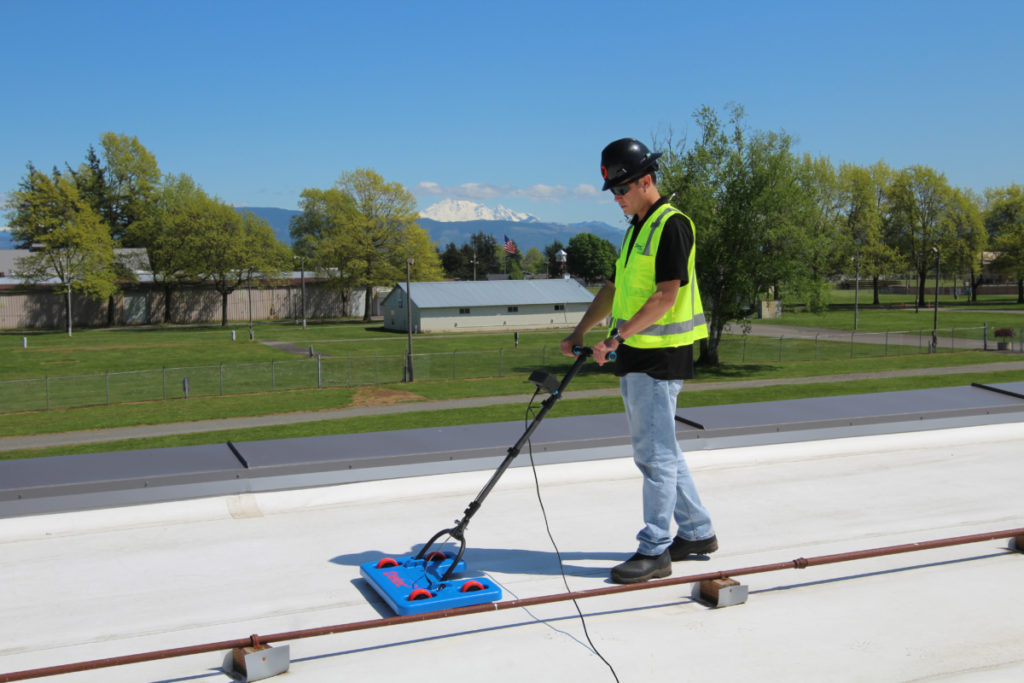
The Warning Signs Every Facility Manager Should Watch For
Detecting leaks in large commercial properties early can save time, money, and extensive repairs. Here are the most common red flags that suggest you might be dealing with hidden leaks:
- Unexplained water bills: A sudden spike in water usage is often a sign of hidden leaks.
- Low water pressure: Indicates a possible pipe break or obstruction.
- Water stains on ceilings or walls: Suggest leaks behind walls or above drop ceilings.
- Mold or mildew odors: Point to long-standing moisture accumulation.
- Uneven floors or soft spots: Indicate possible slab leaks beneath concrete.
- Sound of running water when all taps are closed: A telltale sign of hidden plumbing issues.
If you notice any of these signs, it’s time to call a professional specializing in commercial plumbing Las Vegas to assess the situation before it worsens.
Why Early Detection is Crucial in Facility Leak Management
When managing large commercial buildings, small leaks can escalate quickly. What starts as a minor drip could evolve into hidden water damage in commercial properties that disrupts operations for weeks.
Here’s why early detection matters:
- Prevents Structural Damage: Water infiltration weakens concrete, drywall, and support beams.
- Reduces Operational Downtime: Early detection allows for targeted repairs, minimizing business disruption.
- Saves Money: Proactive maintenance costs far less than post-damage restoration.
- Protects Health: Moisture and mold can trigger respiratory issues for occupants.
- Improves Sustainability: Fixing leaks promptly conserves water and energy.
Our company uses advanced acoustic and thermal imaging technology to locate leaks quickly and accurately—without unnecessary demolition or downtime.
Step-by-Step Guide to Managing Leak for Large Buildings
Handling leaks in large commercial properties requires a systematic approach. Below is a practical step-by-step guide for effective leak management.
Step 1: Identify the Source
Begin by pinpointing the origin of the leak. Use visual inspections and moisture detection tools, or call in professionals who specialize in facility leak management for comprehensive detection.
Step 2: Isolate the Area
Turn off water supply lines to the affected section to minimize further damage. In high-occupancy buildings, ensure safety signage and clear communication with tenants or staff.
Step 3: Assess the Damage
Inspect the extent of the leak—whether it’s surface-level moisture or deep-seated structural damage. Use sensors or infrared cameras to map out affected areas.
Step 4: Repair or Replace Damaged Components
Depending on the type of leak, this could involve pipe sealing, valve replacement, or a more extensive repiping service.
Step 5: Document Everything
Keep detailed records of repairs, inspection reports, and maintenance actions. Documentation is invaluable for insurance claims and future reference.
Step 6: Prevent Future Leaks
After resolving the issue, schedule regular inspections and maintenance to prevent recurrence.
At this company, we provide property managers with tailored maintenance plans for long-term plumbing reliability and minimal downtime.
Technologies Used in Commercial Leak Detection
Modern facility leak management relies on technology to ensure accuracy and minimize disruption. Our company utilizes cutting-edge tools designed for large-scale environments:
- Acoustic Leak Detectors: Identify leaks through sound patterns in pressurized pipes.
- Thermal Imaging Cameras: Detect temperature changes caused by moisture behind walls or floors.
- Pressure Testing Systems: Evaluate pipe integrity across extensive plumbing networks.
- Tracer Gas Detection: Pinpoints minute leaks in sealed systems without damage.
- Moisture Mapping Sensors: Track moisture spread in floors, ceilings, and walls.
By combining these technologies, we ensure efficient and non-invasive leak detection for large buildings, saving both time and repair costs.
Preventative Maintenance Strategies for Long-Term Leak Control
The best way to deal with leaks is to stop them before they happen. Implementing a structured preventative maintenance plan significantly reduces the risk of leaks in large commercial properties.
Key Preventative Steps:
- Schedule Routine Inspections: Have a professional plumber inspect your property every 6–12 months.
- Monitor Water Usage: Use smart meters or digital sensors to detect irregular consumption patterns.
- Flush Plumbing Systems: Periodically clear out debris and mineral build-up from pipes.
- Replace Aging Components: Swap outdated valves, fittings, and gaskets before failure occurs.
- Insulate Exposed Pipes: Prevent thermal expansion and reduce pressure-related damage.
Our company provides maintenance contracts specifically designed for commercial clients, ensuring continuous system performance and preventing unexpected breakdowns.
The Cost of Ignoring Water Damage in Commercial Spaces
Ignoring water damage in commercial spaces can have devastating financial implications. Here’s what’s at stake when leaks go unchecked:
- Structural Repairs: Damaged walls, ceilings, and flooring can cost tens of thousands of dollars to fix.
- Mold Remediation: Mold cleanup in large facilities can be both expensive and time-consuming.
- Equipment Loss: Electrical leak location systems, HVAC units, and machinery are vulnerable to water intrusion.
- Business Interruption: Temporary shutdowns can lead to lost productivity and revenue.
- Insurance Complications: Many insurers reduce payouts if it’s proven that leaks were ignored or maintenance was delayed.
A proactive approach with scheduled facility leak management inspections not only saves money but also protects your property’s long-term value.
How to Create an Effective Leak Response Plan for Commercial Properties
Even the best-maintained facilities can experience unexpected leaks. That’s why every property manager should have a comprehensive leak response plan in place. A well-organized plan minimizes damage, reduces downtime, and ensures that everyone knows exactly what to do when an emergency occurs.
Key Steps to Build a Leak Response Plan:
- Assign Responsibilities:
Identify a leak response team within your facility management staff. Each member should have clearly defined roles—from shutting off the main water supply to communicating with vendors.
- Establish Emergency Protocols:
Create a checklist of immediate actions to take when a leak is discovered, including containment procedures, equipment protection, and notification of affected departments or tenants.
- Keep Contact Lists Handy:
Maintain updated contact information for your commercial plumbing Las Vegas provider, insurance company, and building maintenance personnel.
- Train Staff Regularly:
Conduct periodic training and mock drills so everyone knows how to react under pressure.
- Document and Review:
After each incident, record what happened, what actions were taken, and how future responses can improve.
We help property managers design and implement custom facility leak management protocols, ensuring your building is prepared to handle emergencies effectively and without chaos.
The Role of Smart Technology in Preventing Future Leaks
Modern buildings are smarter than ever—and so are their plumbing systems. Integrating smart leak detection technologies into your property’s infrastructure can prevent leaks before they become costly problems.
Here’s how technology helps prevent leaks in large commercial properties:
- Smart Water Sensors: Wireless sensors installed in key areas (like mechanical rooms, restrooms, and basements) send instant alerts when moisture or irregular flow is detected.
- Automated Shutoff Valves: These systems can automatically turn off the water supply when a leak is detected, minimizing damage even during off-hours.
- Real-Time Monitoring: Cloud-based dashboards allow facility managers to track water usage, detect anomalies, and monitor multiple buildings remotely.
- Predictive Maintenance Software: Uses AI and data analytics to predict which pipes or valves are most likely to fail—allowing timely replacements.
Smart plumbing solutions reduce human error, increase efficiency, and support sustainability goals by preventing water waste.
We specialize in installing and maintaining advanced leak detection systems tailored for large buildings. Whether it’s a commercial tower or an industrial facility, our team ensures your property stays protected around the clock—with minimal disruption and maximum reliability.
Choosing the Right Commercial Plumbing Partner
Finding a reliable partner for commercial plumbing Las Vegas is essential for effective leak management. You need a company with the right expertise, technology, and commitment to customer service.
At this company, we offer:
✅ 24/7 emergency response for leaks in large commercial properties
✅ Advanced diagnostic tools for accurate detection
✅ Certified and experienced commercial plumbing technicians
✅ Tailored maintenance programs for high-demand facilities
✅ Transparent pricing and detailed reporting
Our team has worked with hotels, retail complexes, office towers, and industrial facilities across the region, helping property managers maintain safe, efficient, and leak-free operations.
FAQs about Facility Leak Management
1. How often should I inspect my commercial plumbing system?
It’s recommended to schedule professional inspections at least twice a year, especially for older buildings or those with high water usage.
2. What’s the best way to detect hidden leaks?
Professional leak detection uses tools like acoustic sensors, thermal cameras, and moisture meters for non-invasive inspections.
3. Can small leaks really cause major damage?
Absolutely. Even slow drips can cause significant structural damage and mold over time—especially in hidden areas like ceilings or underground pipes.
4. Do you offer maintenance plans for commercial clients?
Yes, we offers customized maintenance contracts designed for large-scale facilities to ensure long-term plumbing performance.
Protect Your Property from Leaks
Managing leaks in large commercial properties requires vigilance, expertise, and the right technology. From early detection to preventive maintenance, every step you take helps safeguard your building’s integrity, reduce operational disruptions, and cut costs in the long run.
If you suspect leaks or want to establish a preventive plan, trust the experts who understand the complexity of commercial plumbing systems.
📞 Call Leak Experts USA today at (702) 745-5571 to schedule a professional inspection or emergency service. Our team is ready to protect your property and your peace of mind. Follow us on Instagram for regular updates!