When you think of your backyard pool, you picture a refreshing escape — clear water, perfect pressure from the jets, and smooth circulation. But when something goes wrong with that flow, such as a pool return jet leak, it can turn your relaxing retreat into a costly headache.
Pool return jet leaks are one of the most common yet overlooked problems pool owners face. They not only waste water but can also affect your pool’s filtration, chemical balance, and even structural integrity if ignored.
At Leak Experts USA, we’ve seen how small return jet leaks can turn into major issues that damage decks, pool plaster, and underground plumbing. Our licensed technicians have helped countless homeowners identify and fix pool circulation leaks with precision, saving time, water, and money.
This comprehensive guide will help you understand what causes pool return jet leaks, how to spot them early, and what steps you can take to fix them before they cause bigger problems.
📞 Need help now? Call (702) 745-5571 to speak with a pool leak detection expert.
Table of Contents
- Understanding Pool Return Jets and Their Role
- What Are Pool Return Jet Leaks?
- Common Causes of Pool Return Jet Leaks
- Signs You Have a Pool Return Jet Leak
- How Pool Return Jet Leaks Affect Pool Circulation
- Diagnosing Pool Jet Pipe Leaks
- The Importance of Pool Equipment Leak Detection
- Can You Fix Pool Return Jet Leaks Yourself?
- Professional Leak Detection: How Experts Find Hidden Return Line Leaks
- Preventing Future Pool Circulation Leaks
- When to Call Leak Experts USA
- FAQs About Pool Return Jet Leaks
Understanding Pool Return Jets and Their Role
Before discussing pool return jet leaks, let’s understand what pool return jets actually do.
Pool return jets are the small circular fittings you see along the pool walls. They push filtered, clean water back into the pool after it has passed through the pump and filtration system. In simple terms, these jets are responsible for:
- Circulating water evenly throughout the pool
- Helping distribute chemicals like chlorine
- Maintaining proper water temperature and clarity
- Preventing stagnation and debris buildup
When working properly, return jets create a gentle but consistent flow that keeps your pool water fresh and healthy. But if one of these jets starts leaking, the balance of the entire system is disrupted — causing water loss, reduced efficiency, and potential damage to your pool’s structure.
What Are Pool Return Jet Leaks?
A pool return jet leak occurs when water escapes from the plumbing line that connects the return jet fitting to the pool’s circulation system. These leaks can happen either:
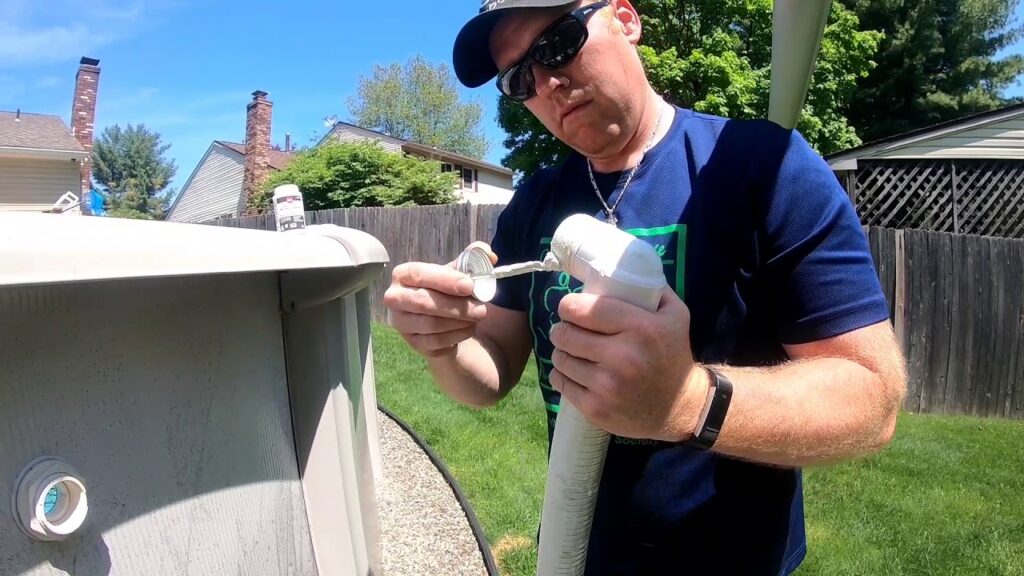
- At the fitting itself — where the return jet meets the pool wall
- Behind the wall — where the return pipe connects underground
- In the return line — the underground pipe that carries water from the filter to the return jets
Most pool owners don’t notice the leak immediately because the water often seeps into the surrounding soil or pool deck. However, over time, this hidden leak can waste thousands of gallons of water and increase your pool’s maintenance costs.
Common Causes of Pool Return Jet Leaks
Understanding the root cause of a pool return jet leak is essential for proper repair. Here are the most frequent culprits we encounter:
✅ 1. Cracked Return Jet Fittings
Plastic fittings can become brittle over time due to exposure to pool chemicals, UV rays, and temperature fluctuations. A small crack can allow water to escape and lead to larger leaks.
✅ 2. Loose Threaded Connections
If the threaded fitting attaching the return jet to the pipe loosens, it creates a small gap for water to leak through.
✅ 3. Damaged Return Line
A return line leak often develops due to shifting soil, ground movement, or poor installation. This is one of the hardest leaks to detect without professional equipment.
✅ 4. Poor Sealant or Gasket Failure
The rubber gasket that seals the return jet to the pool wall can degrade over time, especially in older pools or those exposed to harsh sunlight.
✅ 5. Freezing and Thawing Cycles
Although not common in Las Vegas, sudden temperature drops can cause pipes to expand and contract, leading to cracks and pool jet pipe leaks.
By identifying the cause early, you can avoid unnecessary excavation or costly repairs.
Signs You Have a Pool Return Jet Leak
Detecting pool return jet leaks early can save you thousands of dollars. Here are some warning signs to look out for:
- Unexplained water loss: If you’re refilling your pool more than usual, you might have a leak.
- Air bubbles in return jets: Air entering the plumbing system indicates suction or return line leaks.
- Wet spots near the pool deck: Persistent dampness near pool edges or landscaping could mean underground leakage.
- Decreased water pressure: Weaker jet flow may signal a return line restriction or leak.
- Higher water bills: Continuous leakage means you’re losing more water than you realize.
If you notice any of these symptoms, it’s time to call a professional for pool equipment leak detection.
How Pool Return Jet Leaks Affect Pool Circulation
A pool return jet leak might seem minor, but it disrupts the entire balance of your pool’s ecosystem. The circulation system relies on a closed loop: water is drawn in, filtered, and returned. When there’s a leak in that loop, you lose efficiency and stability.
Here’s how pool circulation leaks can impact your pool:
- Poor Chemical Distribution: Uneven circulation causes chlorine and other chemicals to settle, leading to cloudy water and algae growth.
- Reduced Filtration Efficiency: Less water returns to the pool, meaning the filter isn’t cleaning as effectively.
- Pressure Problems: Leaks create air pockets in the system, reducing water pressure and potentially damaging the pump.
- Structural Damage: Over time, underground leaks can erode soil beneath the deck or pool shell, leading to cracks or sinking.
Fixing a pool return jet leak promptly ensures your pool stays clean, efficient, and structurally sound.
Diagnosing Pool Jet Pipe Leaks
Diagnosing pool jet pipe leaks isn’t always straightforward. Because most of the plumbing is underground or behind walls, leaks can stay hidden for months.
We use advanced detection methods to accurately locate leaks without unnecessary digging. Some techniques include:
- Pressure Testing: We isolate sections of the plumbing system to determine where water loss is occurring.
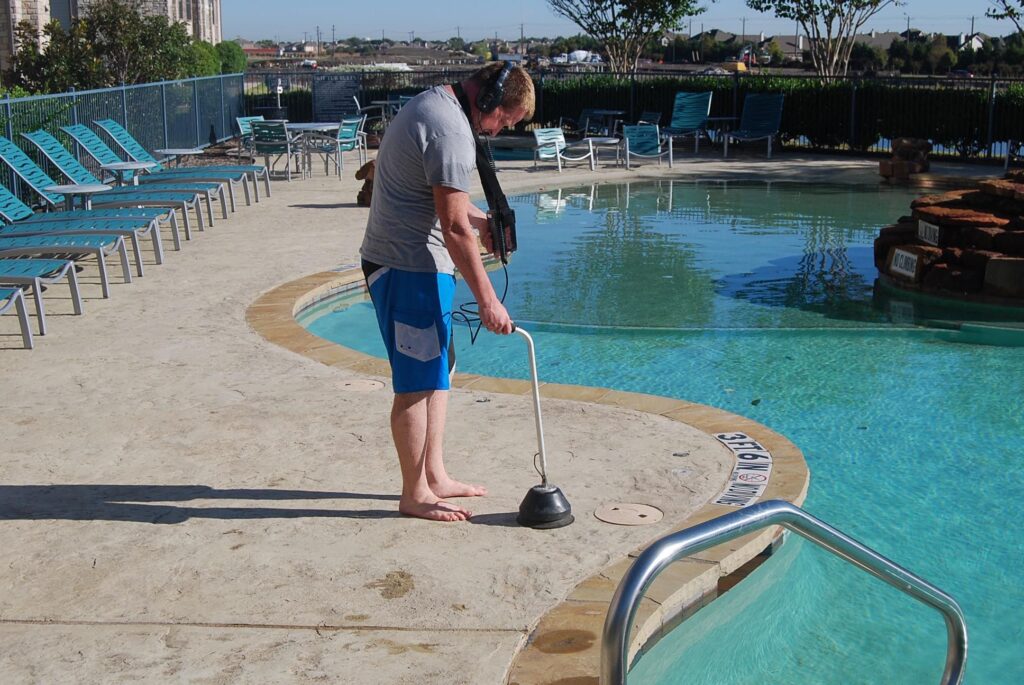
- Electronic Leak Detection: Specialized microphones and sensors detect the sound of escaping water.
- Dye Testing: Harmless dyes are introduced to trace the exact location of leaks near fittings or walls.
- Thermal Imaging: Identifies temperature variations caused by leaking water underground.
These modern tools help us pinpoint leaks with precision and minimize disruption to your property.
The Importance of Pool Equipment Leak Detection
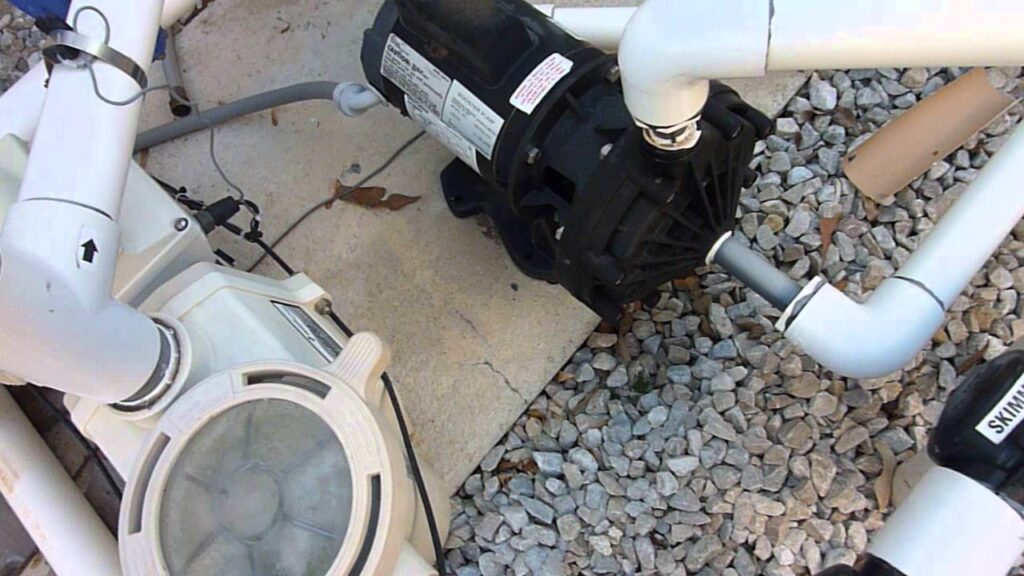
Many pool return jet leaks are linked to issues within the broader equipment area — such as the pump, filter, or heater. A small leak near these components can mimic a return line issue.
That’s why pool equipment leak detection is crucial. It ensures that the entire system — from the return lines to the pump — is inspected thoroughly. Professional detection can help identify:
- Pump seal leaks
- Filter housing cracks
- Heater manifold leaks
- Valve or fitting failures
Our team uses industry-grade tools to inspect and repair pool systems quickly and accurately, ensuring your investment is protected.
Can You Fix Pool Return Jet Leaks Yourself?
It’s tempting to tackle small pool return jet leaks on your own, especially if the problem seems minor. While DIY fixes like tightening fittings or applying sealant can work temporarily, they often don’t address the root cause — especially if the leak is underground.
Here’s what you can safely do:
- Check and tighten return jet fittings.
- Replace visible gaskets if worn out.
- Use epoxy sealant for small surface cracks.
But for underground or recurring leaks, it’s best to leave it to professionals. Attempting complex repairs can cause further damage, requiring more extensive excavation later.
Professional Leak Detection: How Experts Find Hidden Return Line Leaks
Professional leak detection is a combination of technology and experience. When you hire our company, here’s what our specialists do:
- Conduct a Visual Inspection
We check the pool’s surface, deck, and fittings for visible signs of water loss or moisture.
- Perform a Pressure Test
Each plumbing line (return, skimmer, main drain) is tested under pressure to isolate the leak location.
- Use Acoustic Listening Devices
Sensitive equipment detects the subtle sound of water escaping through cracks underground.
- Pinpoint the Leak Location
Once located, we mark the exact spot for repair, ensuring minimal disruption to your pool area.
- Recommend the Best Repair Option
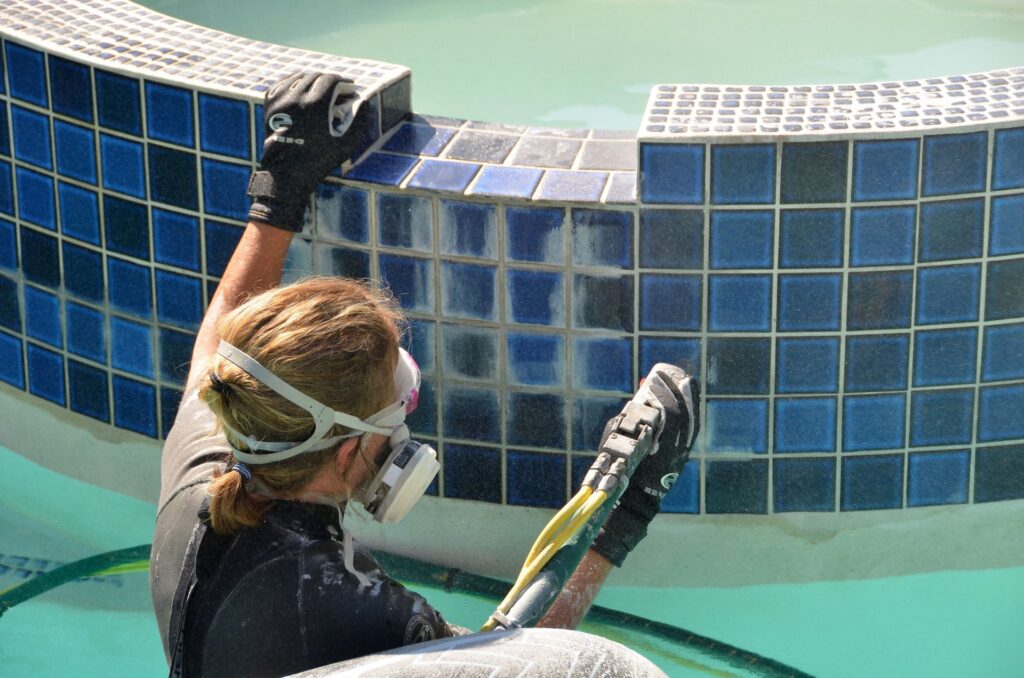
Depending on the leak’s size and location, we may use pipe patching, line replacement, or localized excavation.
Our team takes pride in completing most leak repairs within a day, so you can get back to enjoying your pool quickly.
Preventing Future Pool Circulation Leaks
The best way to deal with pool circulation leaks is to prevent them before they start. Here are some expert tips:
- Regular Inspections: Have your pool’s plumbing and equipment checked annually by professionals.
- Maintain Proper Water Chemistry: Unbalanced chemicals can corrode fittings and seals.
- Monitor Water Levels: A consistent drop in water level may indicate an early leak.
- Avoid Over-Tightening Fittings: This can crack threads or seals.
- Winterize Properly (If Applicable): Prevent expansion damage during cold snaps.
Routine maintenance from professionals like the ones in our company ensures your pool system runs smoothly year-round.
When to Call Leak Experts USA
If you suspect a pool return jet leak, don’t wait until it causes visible damage. A timely inspection can prevent thousands of dollars in wasted water and repairs.
At this company, we specialize in:
✅ Precise pool equipment leak detection
✅ Advanced diagnostics for return line leaks
✅ Fast, non-invasive repairs
✅ Comprehensive pool plumbing services
We also provide specialized solutions like hydro jetting Las Vegas homeowners rely on to clear stubborn blockages from pool and home plumbing systems — helping maintain clean, efficient water circulation.
Our team of licensed professionals offers same-day appointments, free estimates, and honest pricing.
📞 Call (702) 745-5571 today to schedule your pool leak inspection with our company, the most trusted plumbing specialists in the region.
FAQs About Pool Return Jet Leaks
1. How do I know if my pool return jet is leaking?
Look for reduced jet pressure, bubbles in the return flow, wet spots near the pool, or unexplained water loss.
2. Can I use pool putty to fix a leak?
Yes, pool putty can temporarily seal small surface leaks, but it’s not a long-term solution for underground or pressurized leaks.
3. How serious is a return line leak?
A return line leak can lead to soil erosion under your pool deck, higher water bills, and equipment strain — it should be addressed promptly.
4. Will leak detection damage my pool?
No. At this company, we use non-invasive methods to locate leaks accurately without unnecessary digging.
5. How much does professional leak detection cost?
Pricing varies based on pool size and plumbing complexity, but professional detection is far cheaper than repairing extensive damage later.
Let Leak Experts USA Protect Your Pool Investment
A pool return jet leak may start small, but the consequences can be significant if ignored. Whether you’re seeing signs of water loss, air bubbles, or pressure drops, it’s always best to act fast.
At Leak Experts USA, we combine state-of-the-art technology with years of hands-on experience to accurately diagnose and repair pool circulation leaks and pool jet pipe leaks.
From simple gasket replacements to complex underground repairs, our mission is to restore your pool’s health and efficiency — with minimal disruption to your property.
📞 Call (702) 745-5571 or schedule your service online today.
Your pool deserves precision — and so do you.