Blogs

When it comes to protecting your home, most homeowners think about roof repairs, exterior maintenance, or HVAC upkeep. But there’s one hidden issue that can cause catastrophic damage if left unchecked: foundation plumbing leaks. Unlike visible leaks under sinks or behind walls, these leaks happen beneath your home’s foundation, making them harder to detect but far more destructive over time.

At Leak Experts USA, we’ve helped countless homeowners uncover and repair hidden leaks that were quietly weakening their foundation. If you live in a region with shifting soil, older pipes, or unpredictable weather conditions—like many homeowners in Las Vegas—understanding the risks of plumbing-related foundation damage is essential to protecting your biggest investment.

📞 Need immediate help with leaks under your foundation? Call us today at (702) 745-5571 for fast, professional service.


Table of Contents

  1. Why Foundation Plumbing Leaks Are So Dangerous
  2. Common Causes of Foundation Plumbing Leaks
  3. Signs You May Have a Hidden Foundation Leak
  4. Slab Leaks vs. Basement Leaks: What’s the Difference?
  5. How Foundation Damage Progresses Over Time
  6. Repair Options for Leaking Pipes Under Foundation
  7. Preventing Water Damage to Your Foundation
  8. The Hidden Costs of Ignoring Foundation Plumbing Leaks
  9. How Leak Detection Technology Saves Time and Money
  10. Choosing the Right Plumbing Company for Foundation Repairs
  11. Why Professional Leak Detection Matters
  12. How Leak Experts USA Protects Homeowners from Costly Repairs
  13. FAQs About Foundation Plumbing Leaks

Why Foundation Plumbing Leaks Are So Dangerous

The foundation is literally the backbone of your home. When water begins seeping into the soil underneath due to foundation plumbing leaks, it can cause the soil to shift, expand, or contract. Over time, this weakens the stability of your home, leading to cracked walls, uneven floors, and costly structural damage.

Unlike visible leaks inside your home, foundation leaks often go unnoticed for months—or even years—until the damage becomes severe. At that point, homeowners aren’t just facing plumbing repairs; they’re dealing with thousands of dollars in structural restoration.


Common Causes of Foundation Plumbing Leaks

Foundation leaks can occur for several reasons, including:

  • Aging Pipes: Old copper or galvanized steel pipes corrode and develop pinhole leaks.
  • Shifting Soil: Expansive soils shrink and swell with moisture, putting stress on pipes beneath the foundation.
  • Poor Installation: Substandard plumbing work can leave pipes vulnerable to cracks and weak joints.
  • Water Pressure Issues: Excessive pressure strains the system, increasing the likelihood of hidden leaks.

We often find that a small drip under a slab can grow into a full-scale slab leak if not detected early.


Signs You May Have a Hidden Foundation Leak

Detecting foundation plumbing leaks early is key to minimizing damage. Here are the warning signs every homeowner should watch for:

  • Unexplained Water Bills: A sudden spike may indicate hidden water loss.
  • Damp or Warm Spots on Floors: Common with slab leaks when hot water lines burst beneath concrete.
  • Cracks in Walls or Flooring: Shifting caused by water-damaged soil leads to structural cracks.
  • Musty Odors: Persistent dampness promotes mold growth in basements and crawl spaces.
  • Hearing Water Running: If you hear running water when no taps are open, it’s a red flag.

Ignoring these signs allows leaks to keep damaging your foundation silently.

Foundation Plumbing Leaks

Slab Leaks vs. Basement Leaks: What’s the Difference?

Both slab leaks and basement leaks fall under the category of foundation-related water problems, but they differ in where and how they occur.

  • Slab Leaks happen when plumbing lines beneath your concrete slab crack or burst. These are especially common in areas like Las Vegas, where shifting desert soil and high water pressure put stress on buried pipes.
  • Basement Leaks usually occur when groundwater seeps through cracks in basement walls or floors, often made worse by poor drainage or clogged gutters.

Both can lead to water damage foundation, but they require different detection and repair approaches.


How Foundation Damage Progresses Over Time

If foundation plumbing leaks are left unchecked, here’s how the damage usually develops:

  1. Moisture Intrusion – Water begins saturating the soil beneath or around the foundation.
  2. Soil Expansion or Erosion – Depending on soil type, water either washes away support or identification causes and concerns the soil to swell.
  3. Foundation Cracking – Uneven pressure and concerns identification causes and concrete to crack and shift.
  4. Structural Misalignment – Doors stick, floors slope, and walls separate.
  5. Severe Instability – In extreme cases, parts of the home may sink, requiring foundation lifting or rebuilding.

This progression highlights why early leak detection and repair are crucial to protecting your home.


Repair Options for Leaking Pipes Under Foundation

When leaking pipes under a foundation are discovered, homeowners have several repair options:

  • Spot Repairs: Fixing a specific pipe section. Effective for isolated leaks but not always a long-term solution.
  • Rerouting Pipes: Redirecting plumbing around the slab rather than beneath it.
  • Repiping Services: In cases of widespread corrosion or multiple leaks, full repiping services Las Vegas homeowners trust can provide a permanent fix.

We recommend the most cost-effective yet durable option based on your home’s condition.


Preventing Water Damage to Your Foundation

While some leaks are unavoidable, proactive steps can help minimize risks:

These preventive measures save homeowners money and extend the lifespan of their plumbing system.


The Hidden Costs of Ignoring Foundation Plumbing Leaks

One of the most common mistakes homeowners make is underestimating the long-term consequences of foundation plumbing leaks. What might seem like a small issue today can quietly turn into a financial burden tomorrow.

Here’s what happens when leaks go untreated:

  • Escalating Repair Bills – A small leak that could have been fixed for a few hundred dollars can snowball into thousands once foundation repair, mold removal, or flooring replacement is needed.
  • Energy Waste – Hot water leaks under slabs cause your water heater to work harder, driving up energy bills.
  • Decreased Property Value – Homes with a history of slab leaks or visible foundation cracks lose value on the market.
  • Health Concerns – Damp foundations create breeding grounds for mold and mildew, which can cause respiratory problems.

In our experience at this company, many Las Vegas homeowners delay calling because the signs seem minor—like a faint odor or a slightly higher water bill. Unfortunately, the longer the wait, the more extensive (and expensive) the repairs become.

📞 Don’t wait until your foundation needs a major rebuild. Call (702) 745-5571 and let us help you stop leaks before they drain your budget.

Foundation plumbing

How Leak Detection Technology Saves Time and Money

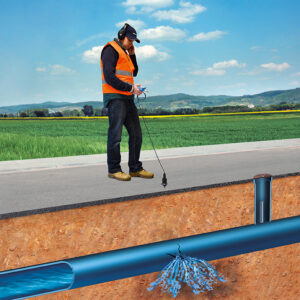
Finding leaking pipes under foundation used to require tearing up floors and guesswork. Today, advanced leak detection technology allows professionals to pinpoint leaks quickly and non-invasively. At this company, we rely on cutting-edge tools that save homeowners both stress and money.

Some of the tools we use include:

  • Acoustic Sensors – These detect the sound of water escaping from pipes.
  • Thermal Imaging Cameras – Hot water leaks show up clearly as heat patterns under slabs.
  • Moisture Detection Meters – These measure hidden dampness inside flooring and walls.
  • Tracer Gas Testing – A safe gas is pushed into pipes, and sensors track where it escapes.

Benefits of this approach include:

  • Faster diagnosis without unnecessary demolition
  • Lower repair costs due to targeted excavation
  • Reduced disruption to your home and lifestyle

Homeowners in Las Vegas appreciate that our team solves problems efficiently, often detecting leaks within a single visit. Technology not only protects your foundation but also ensures you’re paying for solutions—not guesswork.


Choosing the Right Plumbing Company for Foundation Repairs

Not all plumbing companies are created equal, especially when dealing with foundation plumbing leaks. The stakes are high: the wrong repair method can worsen foundation damage or lead to recurring leaks. That’s why choosing the right professionals matters.

When hiring a company, consider the following:

  • Specialization – Do they handle slab and basement leaks regularly?
  • Technology – Are they equipped with modern leak detection tools?
  • Experience – Have they worked with homes in your area and soil conditions?
  • Transparency – Do they provide upfront estimates and explain your options?
  • Guarantees – Are their repairs backed by warranties?

We’ve built our reputation on trust, reliability, and local expertise. We don’t just patch problems; we provide long-term solutions, whether it’s a spot repair or full repiping services Las Vegas homeowners need for peace of mind.

By choosing a company that prioritizes both plumbing integrity and foundation safety, you protect not only your home but also your financial security.

📞 Call (702) 745-5571 today to experience why so many local homeowners rely on us for their toughest plumbing challenges.


Why Professional Leak Detection Matters

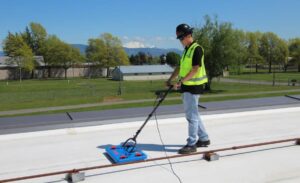
Detecting foundation plumbing leaks isn’t a DIY job. Leaks under concrete or deep in the soil require specialized tools such as:

  • Acoustic listening devices to hear water escaping pipes.
  • Thermal imaging to spot hot water leaks beneath slabs.
  • Moisture meters to measure hidden dampness.

Our technicians use advanced non-invasive methods to locate leaks with precision—saving homeowners from unnecessary demolition and guesswork.


How Leak Experts USA Protects Homeowners from Costly Repairs

Our company has built a reputation as the go-to plumbing company for homeowners dealing with foundation plumbing leaks. Here’s why:

Certified Leak Detection Specialists – We combine technology with years of hands-on expertise.
Affordable Repair Options – From spot fixes to full repiping, we provide transparent pricing.
Local Experience – We understand the unique soil and water conditions in Las Vegas homes.
Emergency Response – Plumbing leaks don’t follow business hours, so neither do we.

When you suspect a slab or basement issue, don’t wait until cracks appear in your walls. Trust the experts who have saved thousands of local homeowners from foundation disasters.

📞 Call (702) 745-5571 today to schedule your inspection.


FAQs About Foundation Plumbing Leaks

1. How do I know if I have a slab leak?

Slab leaks can be tricky to detect since they occur beneath your flooring. The most common signs include unexplained warm spots on floors, higher-than-usual water bills, or the faint sound of running water when all faucets are turned off. Some homeowners also notice damp carpets or hairline cracks in tiles and baseboards. If you observe these issues, it’s time to call a professional.


2. Are foundation leaks covered by insurance?

Insurance coverage depends heavily on your policy and the cause of the leak. In many cases, damage caused by sudden and accidental pipe bursts may be covered. However, if the leak developed gradually due to corrosion, poor maintenance, or higher than normal wear and tear, insurers often deny claims. Reviewing your policy and consulting with your provider is essential before filing.


3. Can small leaks really damage a foundation?

Yes, even minor leaks can cause significant harm. Over time, water saturates the soil beneath your home, leading to shifting, erosion, or expansion. These changes compromise your foundation’s stability, eventually resulting in cracked walls, uneven flooring, or doors that no longer align properly.


4. Should I repair or repipe my plumbing system?

The answer depends on the extent of the damage. If only one area is leaking, a spot repair may suffice. However, if multiple leaks are detected, full repiping services Las Vegas homeowners trust often provide the most cost-effective, long-term solution—eliminating recurring problems and protecting your foundation.


Protect Your Home Before It’s Too Late

Foundation damage is one of the costliest issues homeowners face—and foundation plumbing leaks are often the hidden culprit. Don’t ignore the warning signs or wait until visible cracks appear.

We specialize in detecting and repairing leaks that threaten your home’s stability. Whether you’re worried about slab leaks Las Vegas, basement leaks, or leaking pipes under foundation, our trusted team is here to help.

📞 Call (702) 745-5571 now to schedule a professional inspection. Protect your foundation—and your peace of mind—today. Follow us on Instagram for regular updates!

Related Blogs

image block

Why Your Water Bill Is High in Las Vegas (Hidden Leaks Explained)

When you open your monthly water bill and realize that there is a large amount of money in it that is not normal you automatically think of the first thing: What changed? Perhaps you have not used more water in your household and no visitors have been on top and your water irrigation system appears […]

image block

How Deep Are Sewer Lines Buried? A Homeowner’s Complete Guide

When it comes to your home’s plumbing system, one question many homeowners rarely think about–until there’s a problem–is how deep are sewer lines buried. When waste in the underground pipes are getting moved out of your house, you really are not aware of this; but when something goes wrong it is the depth of these […]

image block

Why Leaks Often Reappear After Temporary Fixes?

When a leak shows up in your home your first reaction is usually to fix it fast and maybe you grab plumber’s tape or a sealant or a patch kit and apply a temporary leak seal to stop the dripping. For a while everything seems fine until a few days or weeks later the leaks […]

image block

Are Flushable Wipes Bad for Plumbing? The Truth Every Homeowner Should Know

It’s one of the most common questions homeowners ask, especially those who want convenience without compromising their plumbing: Are flushable wipes bad for plumbing? Whereas packaging labels might insist that these wipes are indeed flushable, sewer-safe or even septic-friendly, the reality is much more complex- and in most cases, it would be very expensive to […]

image block

Water Leaks During Rain: Is It the Roof or Plumbing Leak?

When heavy rain hits, few things are more stressful than noticing water stains spreading across your ceiling or drips forming where they shouldn’t. The immediate question that homeowners often ask is—“Is it the roof or plumbing leak?” This confusion is completely understandable. After all, leaks during rain can come from a roof problem, a broken […]

image block

Common Shower Pan Leaks and How to Fix Them

When you step into a warm shower, the last thing you want to discover is water pooling on your bathroom floor or damp spots on the ceiling below. Unfortunately, shower pan leaks are one of the most common and frustrating plumbing problems homeowners face. Left untreated, they can cause significant water damage, mold growth, and […]

When something smells off inside your home, it can be more than just unpleasant—it can be a sign of a serious plumbing issue. Few things are more alarming than the foul stench of sewer gas odors wafting through your living space. Not only are these smells unpleasant, but they can also point to hidden problems that affect your family’s health, your home’s safety, and even your property value.

At Leak Experts USA, we’ve helped countless homeowners deal with the mystery of sewer gas odors. From sewer odor leaks under sinks to drain gas problems caused by hidden clogs or failing vents, our licensed professionals know exactly where to look and how to fix it.

This guide explains the most common plumbing problems that cause sewer gas odors indoors, how to recognize the warning signs, and what you can do to protect your home.

📞 Concerned about a persistent smell? Call us today at (702) 745-5571 and schedule a professional inspection with our team.


Table of Contents

  1. Why Sewer Gas Odors Are a Serious Problem
  2. How Plumbing Systems Are Designed to Prevent Odors
  3. Common Plumbing Problems That Cause Sewer Gas Odors Indoors
  4. The Health Risks of Sewer Gas Exposure
  5. How to Identify the Source of Sewer Gas Smell Inside Your Home
  6. Professional Solutions for Eliminating Drain Gas Problems
  7. Preventing Sewer Gas Odors with Regular Maintenance
  8. Why Sewer Gas Odors Are Common in Older Homes
  9. The Cost of Ignoring Sewer Gas Odors
  10. Why Homeowners Trust Leak Experts USA
  11. FAQs About Sewer Gas Odors in Homes

Why Sewer Gas Odors Are a Serious Problem

Sewer gas odors are more than just bad smells. They’re an indication that wastewater fumes are escaping from your plumbing system and entering your home. These odors usually contain hydrogen sulfide, methane, and ammonia—gases that should never be inhaled in a confined indoor space.

Beyond the stench, sewer gas odors can:

  • Pose health risks – Even low-level exposure to sewer gas can cause headaches, nausea, dizziness, and eye irritation. Prolonged exposure may lead to more serious respiratory issues.
  • Signal plumbing damage – Sewer odors are often the first sign of leaking sewer vents, broken seals, or cracked pipes.
  • Reduce home value – Persistent foul smells make properties difficult to sell or rent.

If you notice a does sewer gas smell inside, don’t ignore it. It’s a red flag that something is wrong with your plumbing.


How Plumbing Systems Are Designed to Prevent Odors

Every modern home is equipped with a carefully designed plumbing system that should prevent sewer gas odors from ever reaching your living areas. This includes:

  • P-Traps – Curved sections of pipe under sinks, showers, and tubs that hold water to create a seal against gases.
  • Vents – Vertical pipes (vent stacks) that allow sewer gases to escape outdoors and balance air pressure in the system.
  • Sealed Joints – Toilets and fixtures are connected with wax or rubber seals to block leaks.

When these systems work correctly, sewer odors stay out of your home. But when something fails—whether from age, damage, or improper installation—you may face drain gas problems and unpleasant smells.


Common Plumbing Problems That Cause Sewer Gas Odors Indoors

Now let’s explore the most frequent culprits behind sewer odor leaks.

1. Dry or Damaged P-Traps

One of the most common causes of sewer gas odors indoors is a dry or faulty P-trap.

  • If you rarely use a sink, shower, or floor drain, the water in the trap can evaporate, breaking the seal.
  • Cracks in old traps or improper installation can also allow gases to seep through.

Warning sign: A foul smell coming from a bathroom or laundry room drain that isn’t used often.

Solution: Running water for a few minutes can refill the trap, but if the trap is damaged, replacement is necessary.

2. Cracked or Leaking Sewer Vents

Leaking sewer vents are another frequent source of odor issues.

  • Vents allow gases to escape through your roof, but if a vent pipe is cracked inside a wall or attic, the gases may leak indoors instead.
  • Extreme weather, shifting soil, or poor installation can damage vent pipes.

Warning sign: Strong sewer natural gas smell inside walls, ceilings, or near attic access.

Solution: Professional smoke or tracer gas leak Las Vegas testing can pinpoint hidden vent leaks. Repairs often involve sealing cracks or replacing sections of pipe.

3. Blocked or Broken Drain Lines

Clogged drains do more than slow down water flow. They can cause drain gas problems that lead to strong odors.

  • Grease, food scraps, and hair buildup can trap gases.
  • Tree roots or shifting foundations may crack underground sewer lines, letting odors escape.

Warning sign: Multiple drains in your home emitting foul smells, or slow drainage accompanied by bubbling sounds.

Solution: A professional plumber can perform a camera inspection, clear blockages, and repair damaged lines before the issue worsens.

4. Loose or Failed Toilet Seals

The wax ring or rubber gasket sealing your toilet to the floor plays a vital role in keeping odors out.

  • Over time, these seals can crack, dry out, or become loose, especially if the toilet rocks or shifts.
  • A broken seal allows gases and sometimes liquid waste to escape into the bathroom.

Warning sign: Persistent odor near the base of your toilet, even after cleaning.

Solution: Replacing the wax ring is often an inexpensive but highly effective fix.

5. Hidden Sewer Odor Leaks in Walls or Basements

Sometimes the source of sewer gas odors is out of sight. Hidden sewer odor leaks can develop in crawl spaces, basements, or behind drywall.

  • Small cracks in cast iron or PVC pipes may release gases slowly over time.
  • Poor connections in remodel projects may leave unnoticed gaps.

Warning sign: Odors concentrated in basements, utility rooms, or areas with exposed plumbing.

Solution: Professional leak detection tools are essential for tracking down and repairing hidden leaks safely.

Sewer Gas Odors

The Health Risks of Sewer Gas Exposure

Even if odors seem mild, sewer gases can cause health problems. Hydrogen sulfide, in particular, is hazardous at higher concentrations.

Short-term risks include:

  • Headaches
  • Dizziness
  • Eye, nose, and throat irritation

Long-term risks include:

  • Respiratory issues
  • Aggravated asthma symptoms
  • Fatigue or confusion

Children, seniors, and individuals with existing health conditions are especially vulnerable. If sewer odors persist, treat them as a health priority—not just a nuisance.


How to Identify the Source You Smell Sewer Gas Inside Your Home

Finding the exact source of sewer gas odors can be tricky. Here are some steps homeowners can take before calling a professional:

  • Check unused drains – Run water to refill dry P-traps.
  • Inspect toilets – Look for rocking or movement that suggests a loose seal.
  • Listen for gurgling – Bubbling sounds when using sinks or showers may indicate vent problems.
  • Check for leaks – Look under sinks, behind appliances, and in basements for dampness.

For hidden problems, professional leak detection is best. We use advanced tools, including smoke tests and tracer gas, to identify even the smallest leaks with precision.


Professional Solutions for Eliminating Drain Gas Problems

DIY fixes can help with simple issues like dry traps, but most sewer odor problems require professional attention. Solutions include:

  • Replacing failed P-traps or seals
  • Repairing cracked or leaking sewer vents
  • Clearing blockages and repairing broken drains
  • Sealing gaps in toilet installations
  • Performing camera inspections for hidden leaks

By working with trusted professionals, you’ll not only eliminate the odor but also protect your plumbing system from further damage.


Preventing Sewer Gas Odors with Regular Maintenance

The best way to avoid sewer gas odors is to prevent the problems that cause them in the first place. A little routine maintenance goes a long way in keeping your plumbing system odor-free.

Tips for Prevention:

  • Run water in seldom-used drains – Once a month, pour water down guest bathroom sinks, showers, and basement drains to refill the P-trap and maintain a seal.
  • Check toilet stability – Ensure toilets are firmly bolted to the floor. Even slight rocking can break the wax ring and allow sewer odor leaks.
  • Flush with hot water – Running hot water down drains helps break down soap scum and grease buildup that can contribute to drain gas problems.
  • Inspect outdoor vents – Look for obstructions such as leaves, nests, or debris that can block vent stacks and force odors back indoors.
  • Schedule professional inspections – Annual plumbing check-ups can identify small leaks or developing issues before they turn into costly repairs.

Preventive care not only keeps your home smelling fresh but also extends the lifespan of your pipes and fixtures. At this company, we recommend routine leak detection services, including specialized options like tracer gas leak Las Vegas testing for hidden issues.

Remember: prevention is always cheaper and easier than emergency repairs. Staying ahead of problems helps ensure peace of mind for homeowners.


Why Sewer Gas Odors Are Common in Older Homes

If you live in an older property, you may be more likely to encounter sewer gas odors. Homes built decades ago often have aging plumbing systems that weren’t designed with today’s standards in mind.

Key reasons sewer odor leaks are more common in older homes:

  • Worn-out seals and gaskets – Over time, the materials sealing toilets, sinks, and drains deteriorate, allowing gases to escape.
  • Aging pipes – Cast iron and clay pipes, common in older Las Vegas neighborhoods, are prone to cracking and corrosion, leading to hidden leaks.
  • Improper or outdated venting systems – Older vent pipes may not adequately release gases outdoors, resulting in recurring drain gas problems.
  • Foundation shifts – Decades of soil movement can put stress on sewer lines, creating leaks in basements and crawl spaces.

Unlike modern PVC and ABS systems, older plumbing materials don’t always withstand today’s water usage demands. What was once a minor nuisance can escalate into a major odor issue or even structural damage.

For these reasons, older homes often benefit from professional inspections that focus on detecting leaking sewer vents and compromised seals. We specialize in diagnosing the unique challenges of older properties and providing cost-effective solutions that respect the character of your home while restoring safety and comfort.


The Cost of Ignoring Sewer Gas Odors

It can be tempting to dismiss sewer gas odors as a minor inconvenience, especially if the smell comes and goes. Unfortunately, ignoring the issue can lead to far greater costs—both financially and health-wise.

Potential Consequences of Delaying Repairs:

  • Increased plumbing damage – A small sewer odor leak can spread, corroding pipes and weakening connections, leading to expensive replacements.
  • Health impacts – Prolonged exposure to gases can cause chronic respiratory issues, headaches, and nausea. Sensitive groups like children and seniors are especially at risk.
  • Property damage – Cracked or leaking sewer lines can result in moisture buildup, mold growth, and foundation damage. These issues can cost thousands to remediate.
  • Decreased home value – Persistent drain gas problems and odors can make your home harder to sell or lower its appraisal value.

Why Act Quickly?

Early intervention often means a simple, affordable fix—like replacing a toilet seal or clearing a vent. But the longer odors are ignored, the more extensive the repairs become.

We emphasize proactive solutions. Our advanced diagnostics, including tracer gas leak Las Vegas testing, allow us to catch small issues before they escalate.

Ultimately, fixing the source of sewer odors right away isn’t just about freshening the air—it’s about protecting your family’s health, your plumbing system, and your investment in your home.


Why Homeowners Trust Leak Experts USA

When it comes to solving sewer odor leaks, experience matters.

At this company, we specialize in advanced leak detection and sewer line diagnostics. Homeowners across Las Vegas trust us because we offer:

Licensed professionals with years of plumbing expertise

Advanced leak detection technology including smoke tests and tracer gas systems

Fast response times and same-day appointments when possible

Upfront pricing and honest assessments—no hidden surprises

Long-term solutions that stop odors at the source, not just temporary fixes

Your comfort and safety are our top priorities.

📞 Call (702) 745-5571 now and schedule a sewer odor inspection with our team.

sewer line leak symptoms

FAQs About Sewer Gas Odors in Homes

1. Are sewer gas odors dangerous?

Yes. Prolonged exposure can cause health issues, and the smell itself indicates plumbing problems that need attention.


2. Can sewer odor leaks fix themselves?

No. If ignored, the issue will likely worsen. For example, a small crack in a vent can grow into a costly repair.


3. Why does the smell come and go?

Changes in temperature, water usage, or pressure in your plumbing system may temporarily mask or release odors.


4. Can I use DIY cleaners to stop sewer gas odors?

Cleaning drains may help with clogs, but they won’t fix cracked vents, broken seals, or leaking sewer lines.


5. How can Leak Experts USA help?

We provide comprehensive inspections, advanced leak detection, and permanent repairs to restore your home’s comfort.


Take Action Today

Sewer gas odors indoors are never something to ignore. They’re unpleasant, unhealthy, and often a sign of bigger plumbing problems. From dry traps to leaking sewer vents and hidden pipe cracks, identifying and repairing the source quickly is the key to protecting your home.

We’ve built a reputation as the most trusted provider of sewer odor and leak detection services in the region. Whether you’re dealing with drain gas problems, stubborn sewer odor leaks, or mysterious smells in hidden spaces, our team has the tools and expertise to solve it.

📞 Don’t wait until the odor gets worse. Call (702) 745-5571 today and let our experts restore fresh, clean air to your home. Follow us on Instagram for regular updates!

Related Blogs

image block

Why Your Water Bill Is High in Las Vegas (Hidden Leaks Explained)

When you open your monthly water bill and realize that there is a large amount of money in it that is not normal you automatically think of the first thing: What changed? Perhaps you have not used more water in your household and no visitors have been on top and your water irrigation system appears […]

image block

How Deep Are Sewer Lines Buried? A Homeowner’s Complete Guide

When it comes to your home’s plumbing system, one question many homeowners rarely think about–until there’s a problem–is how deep are sewer lines buried. When waste in the underground pipes are getting moved out of your house, you really are not aware of this; but when something goes wrong it is the depth of these […]

image block

Why Leaks Often Reappear After Temporary Fixes?

When a leak shows up in your home your first reaction is usually to fix it fast and maybe you grab plumber’s tape or a sealant or a patch kit and apply a temporary leak seal to stop the dripping. For a while everything seems fine until a few days or weeks later the leaks […]

image block

Are Flushable Wipes Bad for Plumbing? The Truth Every Homeowner Should Know

It’s one of the most common questions homeowners ask, especially those who want convenience without compromising their plumbing: Are flushable wipes bad for plumbing? Whereas packaging labels might insist that these wipes are indeed flushable, sewer-safe or even septic-friendly, the reality is much more complex- and in most cases, it would be very expensive to […]

image block

Water Leaks During Rain: Is It the Roof or Plumbing Leak?

When heavy rain hits, few things are more stressful than noticing water stains spreading across your ceiling or drips forming where they shouldn’t. The immediate question that homeowners often ask is—“Is it the roof or plumbing leak?” This confusion is completely understandable. After all, leaks during rain can come from a roof problem, a broken […]

image block

Common Shower Pan Leaks and How to Fix Them

When you step into a warm shower, the last thing you want to discover is water pooling on your bathroom floor or damp spots on the ceiling below. Unfortunately, shower pan leaks are one of the most common and frustrating plumbing problems homeowners face. Left untreated, they can cause significant water damage, mold growth, and […]

Plumbing leaks can happen when you least expect them. Whether it’s a dripping faucet, a burst pipe, or a hidden leak behind the wall, quick action is critical to protect your home from costly water damage. One of the most important steps you can take in such situations is learning how to shut off water leak sources before they cause further damage.

In this guide, we’ll walk you through the process of identifying, stopping, and managing plumbing leaks with practical, homeowner-friendly advice. You’ll also learn how professionals like Leak Experts USA help local homeowners take control of emergency water leaks with fast, reliable solutions.

📞 Need immediate help? Call us at (702) 745-5571 for 24/7 professional plumbing assistance.


Table of Contents

  1. Why Knowing How to Shut Off Water Matters
  2. Common Causes of Emergency Water Leaks
  3. Step-by-Step: How to Shut Off Water Leak Sources
  4. Locating Your Main Water Shut Off Valve
  5. Temporary Fixes Until a Plumber Arrives
  6. When DIY Isn’t Enough: Call the Experts
  7. Preventing Future Leaks in Your Home
  8. The Importance of Acting Quickly During Emergency Water Leaks
  9. How to Tell If a Leak Is Hidden or Obvious
  10. Building a Leak-Ready Emergency Plumbing Guide for Your Home
  11. Why Las Vegas Homeowners Trust Leak Experts USA
  12. FAQs on Shutting Off Water During Leaks

Why Knowing How to Shut Off Water Matters

Imagine this: you come home to find water pooling in your kitchen or dripping from the ceiling. Every second counts. Water can spread rapidly, seeping into flooring, drywall, and furniture. Within hours, mold growth may begin, and structural damage could escalate.

By learning how to shut off water leak points in your home, you can significantly minimize damage while waiting for professional help. This simple skill often saves homeowners thousands of dollars in repair costs and gives peace of mind during plumbing emergencies.


Common Causes of Emergency Water Leaks

Not all leaks are created equal. Some are small and slow, while others are sudden and catastrophic. Common causes include:

  • Burst pipes due to pressure buildup or aging materials
  • Leaking water heaters with rusted tanks or faulty valves
  • Clogged drains forcing water back into your home
  • Appliance malfunctions like washing machines or dishwashers
  • Hidden leaks behind walls or under floors that go unnoticed until damage appears

Regardless of the cause, the first step is always the same: stop plumbing leak sources by shutting off the water.

water leaks in walls

Step-by-Step: How to Shut Off Water Leak Sources

Here’s a practical, emergency plumbing guide to handle leaks as soon as they occur:

1. Stay Calm and Act Quickly

Panic won’t help. Take a deep breath, assess the situation, and move swiftly.

2. Shut Off the Nearest Valve

  • For sinks, toilets, or washing machines, look for small knobs or levers under or behind the fixture.
  • Turn the valve clockwise until it stops—this should cut off the water supply to that specific fixture.

3. Turn Off the Main Supply (If Necessary)

If the leak is severe or you can’t find the source, head straight to your main water shut off valve. Turning it off will stop water flow to the entire house.

4. Drain Remaining Water

Open faucets and flush toilets to clear any water left in the lines. This reduces pressure and prevents further leaks.

5. Call a Professional

Once the immediate crisis is under control, call us at (702) 745-5571 to repair the problem properly and prevent future damage.


Locating Your Main Water Shut Off Valve

Every homeowner should know where their main water shut off valve is located—it’s your ultimate defense against large-scale leaks. Common locations include:

  • Inside your home, near the water heater or basement wall
  • In garages or utility rooms
  • Outside your home, near the street in a covered box

Pro tip: Tag your valve with a bright label for easy access during emergencies.


Temporary Fixes Until a Plumber Arrives

After you shut off water leak points, you may still need quick temporary fixes to control damage:

  • Pipe repair clamps or epoxy putty can temporarily seal cracks or holes.
  • Buckets and towels help contain dripping water.
  • Turning off electricity in affected areas prevents shock hazards if water reaches outlets.

Remember: these are short-term measures. Always follow up with a licensed plumber to ensure the leak is fully resolved.


When DIY Isn’t Enough: Call the Experts

While shutting off water is a vital first step, most homeowners aren’t equipped to fully repair emergency water leaks. Improper repairs can worsen the issue and create costly long-term damage.

That’s where professionals like us come in. Our team specializes in:

  • Detecting hidden leaks using advanced technology
  • Performing same-day repairs to stop plumbing leak issues at the source
  • Offering preventive maintenance for long-term peace of mind

When you call us at (702) 745-5571, you get more than a plumber—you get a trusted partner who understands how stressful plumbing emergencies can be.


Preventing Future Leaks in Your Home

Once the crisis is handled, focus on prevention. Here are a few strategies to keep your home protected:

  1. Schedule regular inspections with a professional plumbing company.
  2. Install leak detection devices that alert you to water flow irregularities.
  3. Replace aging pipes and water heaters before they fail.
  4. Keep drains clear of grease, hair, and debris to prevent backups.
  5. Monitor your water bill—a sudden spike may indicate a hidden leak.

Our company also provides water leak detector systems consumer reports Las Vegas homeowners rely on for peace of mind.


The Importance of Acting Quickly During Emergency Water Leaks

When it comes to plumbing issues, time is your biggest enemy. A small leak can escalate into a major disaster if ignored for even a few hours. For example, a burst pipe in your kitchen or bathroom can release gallons of water per minute, soaking into your walls, floors, and ceilings. This doesn’t just cause cosmetic damage—it compromises the structural integrity of your home and leads to costly mold remediation.

The first thing every homeowner should do when facing emergency water leaks is to shut off water leak sources immediately. Even if you’re not sure where the leak is coming from, stopping the water flow buys you time and prevents further damage. Think of it as the emergency brake for your home’s plumbing system.

Beyond damage to your property, leaks can also pose serious health risks. Standing water becomes a breeding ground for bacteria, while hidden leaks behind walls can create damp conditions perfect for mold growth. Both of these issues can affect your indoor air quality and your family’s health.

That’s why knowing how to stop plumbing leak problems quickly is crucial. Acting fast minimizes the chaos, reduces repair costs, and keeps your home safe. And when in doubt, call the professionals at our company—our team is available 24/7 to respond to plumbing emergencies. With one call to (702) 745-5571, you’ll have an expert on the way before water damage spirals out of control.

Emergency water leak response in Whitney homes - we're available 24/7

How to Tell If a Leak Is Hidden or Obvious

Not all plumbing leaks are as obvious as water spraying from a pipe. Many are hidden, and these can be even more dangerous since they go unnoticed until significant damage occurs. Learning how to identify both obvious and hidden leaks is a vital part of homeownership.

Obvious leaks usually present themselves clearly:

  • Water dripping under sinks or around toilets
  • Puddles forming near appliances like washing machines
  • Ceiling stains or wet spots on floors

Hidden leaks, on the other hand, require more detective work. Warning signs include:

  • An unexplained increase in your water bill
  • The sound of running water when no taps are on
  • Musty odors or mold growth in specific areas
  • Warm or damp spots on walls and floors

In either case, the response should be the same: first shut off water leak sources to prevent further damage, then call a professional. Tools like moisture meters and infrared cameras make it possible to pinpoint leaks without tearing up walls, but this is best left to licensed plumbers.

We offers advanced water leak detection Las Vegas services that identify hidden problems before they become disasters. By combining cutting-edge technology with years of hands-on experience, our team ensures no leak goes unnoticed.

If you suspect a hidden leak, don’t wait until damage becomes visible. Take action immediately, and let experts confirm and repair the issue before it escalates.


Building a Leak-Ready Emergency Plumbing Guide for Your Home

Every household should have a clear plan for handling plumbing emergencies. Just like you’d prepare an earthquake kit or fire escape plan, having an emergency plumbing guide helps your family respond quickly and effectively when leaks strike.

Here’s how to build your own:

  1. Know Your Main Water Shut Off – Every family member should know where it is and how to operate it. Mark the valve clearly with a tag or sticker.
  2. Create a Leak Response Checklist – Include steps like turning off the nearest fixture valve, shutting off electricity in affected areas, and calling a plumber.
  3. Assemble an Emergency Kit – Stock items such as towels, buckets, a flashlight, duct tape, and basic tools. These can help you manage water until professional help arrives.
  4. Post Key Contacts – Write down the number for your trusted plumber (hint: (702) 745-5571) and keep it visible in your kitchen or utility area.
  5. Train the Household – Make sure every adult—and even older children—knows how to follow the plan. Emergencies don’t always happen when you’re home.

By preparing ahead of time, you won’t be scrambling during an emergency. Instead, you’ll know exactly how to shut off water leak sources and protect your property from damage.

A well-prepared plan combined with reliable backup from our company means peace of mind, knowing you’re ready for anything plumbing throws your way.


Why Las Vegas Homeowners Trust Leak Experts USA

We’ve built a reputation as the most trusted plumbing company in the region. Here’s why homeowners continue to choose us:

  • 24/7 emergency services for leaks that can’t wait
  • Upfront, transparent pricing—no hidden fees
  • Advanced leak detection systems with automatic tools that pinpoint problems without unnecessary wall damage
  • Friendly, professional technicians who respect your home

From Henderson to Summerlin, we’ve helped countless families safeguard their homes from unexpected leaks.

📞 Call us today at (702) 745-5571 and let our experts handle your plumbing concerns with care and precision.


FAQs on Shutting Off Water During Leaks

1. How do I know if I should shut off the main water supply?

If the leak is severe, widespread, or you cannot find the source, always shut off the main water supply.


2. What if my shut off valve is stuck?

Don’t force it. Call a plumber immediately—forcing a valve can break it, causing more damage.


3. Can shutting off water damage my pipes?

No. Shutting off the water protects your pipes and home from pressure buildup and water damage.


4. Should I try to repair a leak myself?

Minor leaks may be manageable temporarily, but professional repair is always recommended to ensure long-lasting results.


Protect Your Home with Leak Experts USA

Knowing how to shut off water leak points is a skill every homeowner should have, but you don’t have to face plumbing problems alone. Whether you’re dealing with emergency water leaks or want preventive solutions like water leak detection Las Vegas services, Leak Experts USA is here to help.

Call (702) 745-5571 today for fast, reliable plumbing service from the experts Las Vegas trusts most. Follow us on Instagram for regular updates!

Related Blogs

image block

Why Your Water Bill Is High in Las Vegas (Hidden Leaks Explained)

When you open your monthly water bill and realize that there is a large amount of money in it that is not normal you automatically think of the first thing: What changed? Perhaps you have not used more water in your household and no visitors have been on top and your water irrigation system appears […]

image block

How Deep Are Sewer Lines Buried? A Homeowner’s Complete Guide

When it comes to your home’s plumbing system, one question many homeowners rarely think about–until there’s a problem–is how deep are sewer lines buried. When waste in the underground pipes are getting moved out of your house, you really are not aware of this; but when something goes wrong it is the depth of these […]

image block

Why Leaks Often Reappear After Temporary Fixes?

When a leak shows up in your home your first reaction is usually to fix it fast and maybe you grab plumber’s tape or a sealant or a patch kit and apply a temporary leak seal to stop the dripping. For a while everything seems fine until a few days or weeks later the leaks […]

image block

Are Flushable Wipes Bad for Plumbing? The Truth Every Homeowner Should Know

It’s one of the most common questions homeowners ask, especially those who want convenience without compromising their plumbing: Are flushable wipes bad for plumbing? Whereas packaging labels might insist that these wipes are indeed flushable, sewer-safe or even septic-friendly, the reality is much more complex- and in most cases, it would be very expensive to […]

image block

Water Leaks During Rain: Is It the Roof or Plumbing Leak?

When heavy rain hits, few things are more stressful than noticing water stains spreading across your ceiling or drips forming where they shouldn’t. The immediate question that homeowners often ask is—“Is it the roof or plumbing leak?” This confusion is completely understandable. After all, leaks during rain can come from a roof problem, a broken […]

image block

Common Shower Pan Leaks and How to Fix Them

When you step into a warm shower, the last thing you want to discover is water pooling on your bathroom floor or damp spots on the ceiling below. Unfortunately, shower pan leaks are one of the most common and frustrating plumbing problems homeowners face. Left untreated, they can cause significant water damage, mold growth, and […]

When disaster strikes in your plumbing system, few issues are as urgent—or as stressful—as a burst pipe. Whether it happens in the middle of the night or during business hours, the damage from uncontrolled water can escalate quickly, causing costly repairs, structural damage, and potential health hazards. For homeowners and business owners alike, knowing how to handle a burst pipe is critical.

From the first steps you take to minimize damage, to when you should call in the professionals, the right actions can make the difference between a manageable repair and a full-blown catastrophe.

At Leak Experts USA, we’ve helped countless residents and business owners navigate emergencies like this with confidence. With decades of experience, state-of-the-art leak detection equipment, and a commitment to reliability, our team is proud to be one of the most trusted plumbing providers in the region.

📞 If you’re dealing with an emergency right now, don’t wait—call us immediately at (702) 745-5571 for expert assistance.


Table of Contents

  1. Why Burst Pipes Happen
  2. First Steps to Take When a Pipe Bursts
  3. Safety Precautions for Homes and Businesses
  4. Containing the Damage Quickly
  5. When to Call Plumbing Professionals
  6. The Cost of Broken Pipe Leaks
  7. How Businesses Should Respond to Burst Pipes
  8. Long-Term Solutions to Prevent Future Pipe Bursts
  9. Signs That You Might Have a Hidden Burst Pipe
  10. Why Professional Repairs Beat DIY Fixes
  11. Seasonal Tips to Prevent Burst Pipes
  12. Why Choose Leak Experts USA for Emergency Plumbing
  13. FAQs About Burst Pipes

Why Burst Pipes Happen

A burst pipe can feel like it comes out of nowhere, but the truth is, plumbing systems often give warning signs before disaster strikes. Understanding the causes can help you stay prepared.

Common Causes of Pipe Burst Damage Restoration

  • Extreme Temperature Changes: While Las Vegas doesn’t face brutal winters, sudden temperature drops can still cause water inside pipes to freeze, expand, and rupture.
  • Water Pressure Issues: Excessive pressure puts strain on your plumbing, eventually leading to cracks and bursts.
  • Aging Plumbing Materials: Old or corroded pipes are much more likely to fail under normal use.
  • Clogs and Blockages: When water flow is obstructed, it can create pressure pockets that rupture weak pipe walls.
  • Shifting Soil and Foundation Movement: Especially in commercial properties, soil movement can stress underground plumbing.

Knowing these risk factors is the first step to understanding what to do burst pipe situations before they spiral into emergencies.


First Steps to Handle a Burst Pipe

When a pipe bursts, the key is acting fast. Every minute counts. Here’s how to handle a burst pipe before professional help arrives:

  1. Shut Off the Water Supply – Locate your main shutoff valve and turn it off immediately. This stops the flow of water and to prevent pipes further flooding.
  2. Turn Off Electricity (If Necessary) – If water has reached electrical outlets or appliances, shut off power at the breaker box. Safety first.
  3. Drain the System – Turn on your faucets and flush toilets to clear remaining water from the system.
  4. Collect Leaking Water – Place buckets, towels, or containers under leaks to minimize water damage.
  5. Call a Professional Plumber – Once the situation is stabilized, call us at (702) 745-5571 for immediate assistance.

These steps will help you get control of the situation while minimizing damage.


Safety Precautions for Homes and Businesses

In both residential and commercial settings, burst pipes can create safety hazards.

  • Slip Hazards: Wet floors can cause falls, especially in businesses where employees or customers may be present.
  • Electrical Risks: Standing water near electrical systems can lead to electrocution.
  • Mold Growth: Moisture from broken pipe leaks can lead to rapid mold growth within 24–48 hours.

For businesses, shutting down operations until the issue is resolved is often necessary to ensure safety and prevent liability concerns.

Handle a Burst Pipe

Containing the Damage Quickly

Once you’ve stopped the water flow, the next step is controlling the damage:

  • Remove Standing Water: Use a wet/dry vacuum, mop, or towels to clear as much water as possible.
  • Move Furniture and Valuables: Protect items from water damage by relocating them to a dry area.
  • Ventilate the Area: Use fans and open windows to speed up drying and reduce mold risk.

The faster you act, the lower your repair and restoration costs will be.


When to Call Plumbing Professionals

Even if you’ve taken all the right steps to handle a burst pipe, professional help is always necessary. Why?

  • Hidden Damage: Water may seep into walls, ceilings, and floors where it’s not immediately visible.
  • Repairs Beyond DIY: Fixing a pipe requires tools and expertise that go beyond a homeowner’s toolkit.
  • Future Prevention: A licensed plumber can identify why the pipe burst and recommend long-term solutions.

At this company, we offer 24/7 emergency response for situations like emergency burst pipe repairs. Our technicians use advanced leak detection to find and fix the problem quickly, ensuring your system is safe and functional.


The Cost of Broken Pipe Leaks

One of the biggest concerns homeowners and business owners face is cost. Unfortunately, broken pipe leaks don’t just affect your plumbing—they can also damage walls, flooring, insulation, and even structural components.

Average Cost Factors

  • Plumbing Repair: Fixing or replacing the damaged pipe itself.
  • Water Damage Restoration: Removing standing water, drying, and repairing affected areas.
  • Mold Remediation: If moisture lingers, mold treatment may be necessary.

While costs vary, the faster you respond, the less expensive the recovery process becomes.


How Businesses Should Respond to Burst Pipes

For businesses, the stakes are even higher. A pipe bursts home/business scenario can halt operations, affect customers, and cause reputational damage.

Key steps for business owners:

  1. Shut down water and power immediately.
  2. Evacuate staff and customers if needed.
  3. Document damages for insurance purposes.
  4. Call a professional plumber right away.

Our team works with businesses across industries to minimize downtime and restore plumbing systems efficiently.


Long-Term Solutions to Prevent Future Pipe Bursts

Prevention is always better than repair. Here are some strategies to avoid future emergencies:

  • Regular Inspections: Have your plumbing system inspected annually to spot weaknesses.
  • Pressure Regulation: Install a pressure regulator to prevent stress on your pipes.
  • Pipe Insulation: Even in Las Vegas, insulating pipes can protect against sudden temperature changes.
  • Repiping Older Homes: If your property has outdated pipes, consider upgrading. Services like repipe home Las Vegas are an investment in long-term peace of mind.
Pipes Burst

Signs That You Might Have a Hidden Burst Pipe

Not all burst pipes make themselves known with obvious flooding. In fact, many broken pipe leaks start small and go unnoticed until the damage becomes significant. Knowing what to watch for can save you thousands of dollars in repairs.

Common Warning Signs:

  • Unexplained Water Bills: A sudden spike in your monthly bill often points to a hidden leak.
  • Water Stains on Walls or Ceilings: Yellowish or brown patches usually indicate moisture trapped behind drywall.
  • Reduced Water Pressure: If your faucets or showers suddenly lose pressure, water may be escaping elsewhere.
  • Mold or Musty Odors: Persistent dampness is a breeding ground for mold, even if you don’t see visible water.
  • Unusual Sounds: Hissing, dripping, or gurgling behind walls can signal water movement where it shouldn’t be.

Hidden bursts are especially dangerous because they weaken structures silently. By the time you notice visible damage, the underlying problem may already be extensive.

At this company, we use advanced leak detection technology to pinpoint hidden burst pipes without tearing up your walls or floors. If you suspect a leak but can’t find it, don’t wait—call our team at (702) 745-5571 for a professional inspection.


Why Professional Repairs Beat DIY Fixes

It can be tempting to grab some tape or a patch kit when a pipe bursts. While temporary fixes may slow the flow, they rarely solve the problem—and often make things worse. Knowing when to call in experts is part of effectively learning how to handle a burst pipe.

Why DIY Repairs Fall Short:

  • Temporary Solutions: Store-bought patches aren’t designed to withstand water pressure long-term.
  • Hidden Damage Overlooked: Burst pipes often cause internal wall or floor damage that only professionals can detect.
  • Risk of Further Breakage: An untrained hand can crack or damage more of the pipe during a “repair.”
  • Insurance Concerns: Some policies may not cover damages caused by improper DIY repairs.

The Benefits of Professional Service:

  • Expert diagnosis ensures the real cause of the burst is addressed.
  • Licensed plumbers guarantee safe, code-compliant repairs.
  • Advanced tools minimize disruption to your home or business.
  • Work is backed by warranties, giving you peace of mind.

DIY fixes are best reserved as stopgaps until professional help arrives. If you want a permanent, reliable repair, trust the specialists at our company, who bring years of hands-on experience in managing emergency burst pipe scenarios.


Seasonal Tips to Prevent Burst Pipes

Las Vegas may be known for its heat, but desert climates bring their own unique plumbing challenges. Seasonal changes can stress your pipes, making prevention just as important as knowing what to do burst pipe emergencies.

Tips for Warmer Months:

  • Monitor Water Pressure: Summer irrigation systems can strain pipes. Install a regulator if needed.
  • Inspect Outdoor Faucets: Hoses and sprinkler connections should be checked for leaks or wear.
  • Watch for Soil Shifts: Dry, shifting soil can place stress on underground plumbing lines.

Tips for Cooler Months:

  • Insulate Exposed Pipes: Garages, attics, or outdoor spigots are especially vulnerable during cold snaps.
  • Keep Interior Temperatures Consistent: Even mild Las Vegas winters can cause pipes to contract if your home gets too cold.
  • Drain Seasonal Systems: Empty irrigation lines before winter to avoid trapped water freezing and expanding.

Regular maintenance is key to avoiding a costly pipe bursts home/business event. Scheduling an annual inspection with our team ensures your plumbing system is protected year-round.

📞 Call us at (702) 745-5571 to book a preventive inspection and let us help you keep emergencies at bay.


Why Choose Leak Experts USA for Emergency Plumbing

Not all plumbing companies are created equal. Here’s why so many homeowners and businesses trust us:

  • Fast Response Times – We understand the urgency of plumbing emergencies.
  • Expert Technicians – Our licensed plumbers are highly trained and experienced.
  • Advanced Leak Detection – We use cutting-edge technology to locate hidden leaks.
  • Transparent Pricing – No hidden fees—just honest, upfront estimates.
  • Local Expertise – As a trusted provider in the region, we know the unique plumbing challenges of Las Vegas homes and businesses.

Whether you’re facing an emergency burst pipe or planning preventative maintenance, we’re here to help.


FAQs About Burst Pipes

1. How do I know if a pipe has burst?

Look for sudden drops in water pressure, unusual noises, visible water stains, or unexplained puddles.


2. Can I temporarily patch a burst pipe?

Yes, you can use pipe tape or clamps for a temporary fix, but this is only a stopgap until a professional repair is made.


3. Will insurance cover burst pipe damage?

Many homeowners’ and business insurance policies cover water damage from burst pipes. Always document damage and contact your insurer promptly.


4. How long does it take to repair a burst pipe?

Depending on the location and severity, repairs can take anywhere from a few hours to a day. Restoration may take longer.


Let Leak Experts USA Help You Handle Plumbing Emergencies

A burst pipe doesn’t have to be a nightmare. By knowing how to handle a burst pipe quickly and calling in trusted professionals, you can minimize damage and costs.

We specialize in emergency plumbing services, from burst pipe repairs to full system repiping. Whether you’re a homeowner or a business owner, you can count on us for reliable solutions.

📞 Call us today at (702) 745-5571 for immediate assistance or to schedule a preventive plumbing inspection. Protect your property, your peace of mind, and your wallet with the experts who care. Follow us on Instagram for regular updates!

Related Blogs

image block

Why Your Water Bill Is High in Las Vegas (Hidden Leaks Explained)

When you open your monthly water bill and realize that there is a large amount of money in it that is not normal you automatically think of the first thing: What changed? Perhaps you have not used more water in your household and no visitors have been on top and your water irrigation system appears […]

image block

How Deep Are Sewer Lines Buried? A Homeowner’s Complete Guide

When it comes to your home’s plumbing system, one question many homeowners rarely think about–until there’s a problem–is how deep are sewer lines buried. When waste in the underground pipes are getting moved out of your house, you really are not aware of this; but when something goes wrong it is the depth of these […]

image block

Why Leaks Often Reappear After Temporary Fixes?

When a leak shows up in your home your first reaction is usually to fix it fast and maybe you grab plumber’s tape or a sealant or a patch kit and apply a temporary leak seal to stop the dripping. For a while everything seems fine until a few days or weeks later the leaks […]

image block

Are Flushable Wipes Bad for Plumbing? The Truth Every Homeowner Should Know

It’s one of the most common questions homeowners ask, especially those who want convenience without compromising their plumbing: Are flushable wipes bad for plumbing? Whereas packaging labels might insist that these wipes are indeed flushable, sewer-safe or even septic-friendly, the reality is much more complex- and in most cases, it would be very expensive to […]

image block

Water Leaks During Rain: Is It the Roof or Plumbing Leak?

When heavy rain hits, few things are more stressful than noticing water stains spreading across your ceiling or drips forming where they shouldn’t. The immediate question that homeowners often ask is—“Is it the roof or plumbing leak?” This confusion is completely understandable. After all, leaks during rain can come from a roof problem, a broken […]

image block

Common Shower Pan Leaks and How to Fix Them

When you step into a warm shower, the last thing you want to discover is water pooling on your bathroom floor or damp spots on the ceiling below. Unfortunately, shower pan leaks are one of the most common and frustrating plumbing problems homeowners face. Left untreated, they can cause significant water damage, mold growth, and […]

When it comes to protecting your home, few issues are more stressful than discovering ceiling leaks. One moment your home feels secure and comfortable, and the next you notice a water stain spreading across your ceiling or even worse—water dripping from the ceiling onto your furniture or floors.

As a homeowner, knowing when a small issue becomes a big emergency is crucial. Left unchecked, ceiling leaks can lead to severe water damage, structural deterioration, electrical hazards, and even health risks from mold growth.

We’ve helped hundreds of homeowners deal with emergencies like roof leaks and ceiling water damage. Our team understands the urgency, and we are committed to responding quickly, diagnosing the source of the problem, and providing long-lasting solutions.

In this guide, we’ll cover everything you need to know about ceiling leaks—from the most common causes to the critical signs of ceiling water damage that should never be ignored. By the end, you’ll know exactly when to call for immediate help and why our company is the trusted name homeowners rely on.

📞 Have a ceiling leak emergency right now? Call us anytime at (702) 745-5571 for fast, reliable service.


Table of Contents

  1. Why Ceiling Leaks Should Never Be Ignored
  2. Common Causes of Ceiling Leaks
  3. Key Signs of Ceiling Water Damage
  4. Roof Leaks vs. Plumbing Leaks: How to Tell the Difference
  5. Risks of Ignoring Water Dripping from Ceiling
  6. Emergency Steps to Take Before Help Arrives
  7. Professional Solutions for Leaking Ceiling Repair
  8. When Ceiling Leaks Require Immediate Professional Help
  9. Long-Term Prevention of Ceiling Leaks
  10. The Role of Professional Leak Detection Technology
  11. Protecting Your Home’s Value from Ceiling Leaks
  12. Why Choose Leak Experts USA?
  13. FAQs About Ceiling Leaks

Why Ceiling Leaks Should Never Be Ignored

Even the smallest ceiling leaks should be taken seriously. What might look like a harmless stain or a slow drip can be a sign of deeper problems within your roofing, plumbing, or insulation systems.

Some homeowners make the mistake of waiting until the issue becomes unbearable. Unfortunately, by then, repairs are often more costly and the damage more extensive.

Here’s why ignoring a leak is risky:

  • Structural damage: Water weakens wood, drywall, and insulation.
  • Electrical hazards: Moisture near wiring increases the risk of fire or shocks.
  • Mold growth: Damp areas provide the perfect environment for dangerous mold.
  • Increased costs: Delaying repairs can double or triple expenses.

Ceiling leaks are not just a nuisance—they are red flags signaling that your home’s integrity is compromised.


Common Causes of Ceiling Leaks

To properly address a ceiling leak, you first need to identify its cause. Here are the most frequent culprits:

1 Roof Leaks

One of the most common reasons for ceiling leaks is a damaged roof. Missing shingles, broken flashing, or worn-out sealants allow rainwater to seep inside. In areas that experience occasional storms, roof leaks can appear suddenly.

2 Plumbing Failures

Leaking pipes, especially in bathrooms or kitchens above living spaces, can cause water dripping from ceiling fixtures. Burst pipes, faulty connections, or aging plumbing often result in leaks hidden behind walls or ceilings.

3 HVAC Issues

Air conditioners can cause condensation buildup, leading to water stains or leaks around ceiling vents. Improperly insulated ductwork is another source of moisture.

4 Attic or Insulation Problems

Improper insulation allows moisture to accumulate, especially in colder months, causing slow but steady damage to ceilings.

5 Structural Gaps or Poor Construction

In some cases, poor workmanship during home construction leaves small gaps or weak points that eventually lead to ceiling leaks.

Ceiling Leaks

Key Signs of Ceiling Water Damage

Spotting problems early can save you from bigger headaches later. Watch out for these common signs of ceiling water damage:

  • Brown or yellow stains spreading on ceilings or walls
  • Peeling or bubbling paint near the ceiling
  • Sagging or cracking drywall
  • Persistent musty odors
  • Mold spots forming in corners or around vents

If you notice any of these warning signals, it’s time to act quickly. These are more than cosmetic problems—they’re alerts that water is actively compromising your home.


Roof Leaks vs. Plumbing Leaks: How to Tell the Difference

Not all ceiling leaks are created equal. To address the problem, you need to know if it’s from your roof or your plumbing system.

  • Roof leaks usually appear ceiling after heavy rain or storms. The stains may appear directly under the attic or near exterior walls.
  • Plumbing leaks often occur near bathrooms or kitchens. You may hear dripping sounds or notice stains that worsen even in dry weather.

Our technicians specialize in identifying the exact source. We even offer advanced services like slab leak detection Las Vegas homeowners trust, ensuring we pinpoint hidden leaks before they cause major damage.


Risks of Ignoring Water Dripping from Ceiling

When you notice water dripping from the ceiling, your home is already in danger. Ignoring it can lead to:

  • Structural collapse if the ceiling weakens from prolonged water exposure
  • Mold infestations that spread quickly and impact indoor air quality
  • Damage to furniture, flooring, and electronics
  • Increased utility bills from wasted water or reduced insulation efficiency

The longer you wait, the worse the problem becomes.


Emergency Steps to Take Before Help Arrives

If you discover ceiling leaks, here’s what you can do right away:

  1. Move belongings out of the affected area to prevent water damage.
  2. Contain the water by placing buckets or containers under drips.
  3. Puncture sagging drywall carefully to let trapped water drain safely.
  4. Turn off water supply if you suspect plumbing leaks.
  5. Document the damage for insurance purposes.

While these steps provide temporary relief, professional help is always necessary to fix the root cause.


Professional Solutions for Leaking Ceiling Repair

Fixing ceiling leaks is not a simple DIY project. Professional services often involve:

  • Leak detection using advanced tools to find hidden water sources
  • Drywall repair and ceiling restoration
  • Roof patching or replacement if damage is weather-related
  • Pipe repairs or replacements for plumbing-related leaks
  • Mold remediation to ensure safe indoor air quality

At this company, our trained specialists provide comprehensive leaking ceiling repair solutions tailored to your home’s unique needs.


When Ceiling Leaks Require Immediate Professional Help

Not all leaks are emergencies, but there are situations where waiting is dangerous. Call us immediately if you notice:

  • Rapid water dripping from ceiling that won’t stop
  • Stains spreading quickly after a storm
  • Sagging ceilings that look like they may collapse
  • Electrical outlets or lighting fixtures affected by water
  • Recurring leaks despite previous repairs

These issues require urgent attention to prevent catastrophic damage.


Long-Term Prevention of Ceiling Leaks

While immediate repair is critical, prevention is the smartest way to protect your home from future ceiling leaks. With a few proactive steps, homeowners can significantly reduce the likelihood of recurring problems.

Regular Roof Maintenance

Your roof is the first line of defense. Schedule annual inspections to check for:

  • Missing or cracked shingles
  • Worn-out flashing around chimneys and vents
  • Pooling water or sagging areas

Catching small roof leaks early prevents costly repairs later.

Plumbing Inspections

Hidden plumbing issues often result in water dripping from ceiling problems. Routine checks of pipes in kitchens, bathrooms, and basements can identify weak joints or corrosion before leaks start.

Attic and Insulation Care

Poor attic ventilation and damaged insulation can trap moisture. Regularly inspect insulation for damp spots and ensure ventilation fans are working properly.

Quick Action at First Signs

The moment you notice the signs of ceiling water damage—stains, odors, or sagging drywall—take action. Early detection is your strongest defense.

We not only repair current leaks but also provide homeowners with customized prevention tips tailored to the unique conditions of Las Vegas homes. Prevention saves money, preserves your property value, and protects your family’s health.

Ceiling leak caused by slab leak in Enterprise home”

The Role of Professional Leak Detection Technology

Modern technology has transformed how we address ceiling leaks. Gone are the days when contractors relied on guesswork or invasive methods to locate water sources. At this company, we use cutting-edge tools to deliver precise and minimally disruptive results.

Advanced Tools We Use:

  • Infrared Cameras: Detect hidden moisture behind walls or ceilings.
  • Acoustic Sensors: Listen for the sound of water movement in pipes.
  • Moisture Meters: Measure dampness levels in drywall, wood, and insulation.
  • Video Pipe Inspection: Mini-cameras navigate plumbing to pinpoint blockages or breaks.

These tools allow us to distinguish between roof leaks and plumbing issues quickly, ensuring the right repair solution is applied the first time.

Why Technology Matters

  • Reduces unnecessary wall or ceiling damage
  • Cuts down repair time and labor costs
  • Prevents recurring leaks by finding the root cause
  • Provides homeowners with visual proof of the problem

By combining expertise with technology, we make water leaking ceiling repair more efficient and reliable. That’s why homeowners across Las Vegas turn to us—not just for repairs, but for confidence and peace of mind.


Protecting Your Home’s Value from Ceiling Leaks How to Repair

Beyond the immediate inconvenience, ceiling leaks can have long-term effects on your home’s market value. Potential buyers are often wary of homes with water damage history, making timely repairs and proper documentation essential.

How Ceiling Leaks Affect Home Value:

  • Structural Concerns: Weak ceilings or sagging drywall raise red flags during inspections.
  • Aesthetic Issues: Even after repairs, visible stains can deter buyers.
  • Mold and Health Risks: Buyers avoid homes with mold, which is often linked to water damage.
  • Insurance Red Flags: Repeated claims for water damage can increase premiums.

Protecting Your Investment

  1. Repair Promptly: Address water dripping from ceiling issues as soon as they appear.
  2. Document Repairs: Keep records of inspections, repairs, and preventive maintenance to reassure future buyers.
  3. Preventative Maintenance: Regular roof and plumbing checks show buyers that your home has been well cared for.
  4. Professional Service: Hiring trusted experts like us demonstrates quality repair work.

By staying proactive, you not only safeguard your living conditions but also ensure your property retains strong resale value. Ceiling leaks don’t just affect your comfort—they directly impact your financial future.


Why Choose Leak Experts USA?

When your ceiling starts leaking, you don’t just need a plumber—you need a trusted partner who understands urgency and precision. Here’s why homeowners in Las Vegas turn to us:

  • Proven Expertise: We’ve resolved thousands of ceiling leaks and complex water issues.
  • Rapid Response: Our team is available to handle emergencies with speed and professionalism.
  • Advanced Technology: From roof inspections to slab leak detection Las Vegas residents rely on, we use the latest tools for accurate results.
  • Transparent Pricing: No hidden costs—just honest assessments and fair rates.
  • Local Knowledge: We understand the unique challenges Las Vegas homes face, from extreme heat to hard water conditions.

When you choose us, you’re not just getting repairs—you’re gaining peace of mind.

📞 Call us today at (702) 745-5571 to schedule your inspection or emergency service.


FAQs About Ceiling Leaks

1. Can a small ceiling leak fix itself?

No. Leaks never resolve on their own. They only worsen over time and cause more damage.


2. Are ceiling leaks covered by insurance?

Often, yes—if caused by sudden and accidental damage, like a burst pipe or storm. Gradual wear may not be covered.


3. How much does it cost to repair a leaking ceiling?

Costs vary depending on the cause, but addressing leaks early keeps expenses manageable. Call us for a free estimate.


4. Can I patch a ceiling leak myself?

DIY patches may stop drips temporarily but won’t fix the source. Professional repairs are necessary for lasting solutions.


5. How do I know if the leak is from my roof or plumbing?

Timing and location provide clues, but only professional inspection can confirm. Our team specializes in identifying the true source quickly.


Stop That Leak Before It Gets Worse

Ceiling leaks are one of the most stressful problems a homeowner can face. They disrupt your home, threaten your safety, and can escalate into major repairs if left untreated.

Whether the issue stems from roof leaks, plumbing problems, or hidden water damage, the key is to act fast. Recognizing the signs of a leaking ceiling water damage early and calling for professional leaking ceiling repair services ensures your home stays safe and secure.

We’re proud to be the trusted choice for homeowners in Las Vegas. From pinpointing the cause to delivering long-lasting repairs, our mission is simple: protect your home and your peace of mind.

📞 Don’t wait for a small drip to become a disaster. Call (702) 745-5571 today and let Leak Experts USA handle your ceiling leak with precision and care. Follow us on Instagram for regular updates!

Related Blogs

image block

Why Your Water Bill Is High in Las Vegas (Hidden Leaks Explained)

When you open your monthly water bill and realize that there is a large amount of money in it that is not normal you automatically think of the first thing: What changed? Perhaps you have not used more water in your household and no visitors have been on top and your water irrigation system appears […]

image block

How Deep Are Sewer Lines Buried? A Homeowner’s Complete Guide

When it comes to your home’s plumbing system, one question many homeowners rarely think about–until there’s a problem–is how deep are sewer lines buried. When waste in the underground pipes are getting moved out of your house, you really are not aware of this; but when something goes wrong it is the depth of these […]

image block

Why Leaks Often Reappear After Temporary Fixes?

When a leak shows up in your home your first reaction is usually to fix it fast and maybe you grab plumber’s tape or a sealant or a patch kit and apply a temporary leak seal to stop the dripping. For a while everything seems fine until a few days or weeks later the leaks […]

image block

Are Flushable Wipes Bad for Plumbing? The Truth Every Homeowner Should Know

It’s one of the most common questions homeowners ask, especially those who want convenience without compromising their plumbing: Are flushable wipes bad for plumbing? Whereas packaging labels might insist that these wipes are indeed flushable, sewer-safe or even septic-friendly, the reality is much more complex- and in most cases, it would be very expensive to […]

image block

Water Leaks During Rain: Is It the Roof or Plumbing Leak?

When heavy rain hits, few things are more stressful than noticing water stains spreading across your ceiling or drips forming where they shouldn’t. The immediate question that homeowners often ask is—“Is it the roof or plumbing leak?” This confusion is completely understandable. After all, leaks during rain can come from a roof problem, a broken […]

image block

Common Shower Pan Leaks and How to Fix Them

When you step into a warm shower, the last thing you want to discover is water pooling on your bathroom floor or damp spots on the ceiling below. Unfortunately, shower pan leaks are one of the most common and frustrating plumbing problems homeowners face. Left untreated, they can cause significant water damage, mold growth, and […]

When you think about plumbing, most homeowners picture pipes running neatly behind the walls and under the floors, carrying water reliably for decades. While pipes themselves are often sturdy, the places where those pipes connect—called pipe joints—are by far the most vulnerable parts of your system. Over time, these joints can loosen, corrode, or shift, leading to pipe joint compound leaks that can cause hidden water damage, mold growth, and even structural issues if left untreated.

At Leak Experts USA, we’ve seen thousands of cases where a small drip at a joint turned into a costly repair. Understanding why joints fail, how to spot the warning signs, and what you can do about them is crucial for protecting your home and keeping your plumbing running smoothly. In this comprehensive guide, we’ll explore the science behind pipe joint leaks, the common causes of plumbing joint failure, and the best solutions to stop problems before they start.

📞 If you suspect a leak right now, call (702) 745-5571 to schedule an inspection with the most trusted plumbing company in Las Vegas.


Table of Contents

  1. Why Pipe Joints Are the Weakest Link
  2. Common Causes of Pipe Joint Leaks
  3. Types of Pipe Joints and Their Vulnerabilities
  4. Signs You Have a Leak at Pipe Fittings
  5. Risks of Ignoring Leaking Pipe Connectors
  6. Professional vs. DIY Solutions for Pipe Joint Leaks
  7. Preventing Plumbing Joint Failure in Your Home
  8. Why Water Pipe Joints Fail More Often in Older Homes
  9. How Leak Detection Protects Las Vegas Homeowners
  10. The Role of Water Pressure in Pipe Joint Leaks
  11. Seasonal and Environmental Stress on Water Pipe Joints
  12. Why Professional Installation Matters for Long-Term Reliability
  13. Long-Term Solutions: Home Repiping in Las Vegas
  14. FAQs About Pipe Joint Leaks
  15. Why Choose Leak Experts USA for Lasting Plumbing Solutions

Why Pipe Joints Are the Weakest Link

Every plumbing system relies on connections to route water from one place to another. While pipes are usually manufactured in long, durable sections, they must be joined together or connected to fixtures. These water pipe joints—whether soldered, threaded, glued, or pressed—introduce points of weakness.

Unlike the uniform strength of a pipe wall, joints depend on sealants, fittings, and pressure. Temperature fluctuations, water chemistry, and simple wear-and-tear can cause these seals to break down, leading to pipe joint leaks.


Common Causes of Pipe Joint Leaks

Not all leaks occur for the same reason. Here are the most frequent culprits:

  • Corrosion – Metal fittings deteriorate over time, especially in hard water regions.
  • Improper Installation – A joint that wasn’t tightened, soldered, or glued properly may leak within months.
  • Water Pressure Issues – Excessive pressure stresses joints more than straight pipe sections.
  • Temperature Expansion/Contraction – As pipes expand and contract, joints often bear the brunt of the movement.
  • Aging Materials – Old connectors, especially galvanized steel, eventually fail.

These factors make joints the most likely place for plumbing joint failure, even when the pipes themselves are intact.


Types of Pipe Joints and Their Vulnerabilities

Understanding how different joints are made will give you a clearer picture of why they fail:

  • Threaded Joints – Common in steel and brass piping. They rely on sealants like Teflon tape. Over time, threads wear down.
  • Soldered Joints – Used with copper. The solder bond can weaken or crack with heat stress.
  • Compression Fittings – Used under sinks. These can loosen with vibration or water hammer.
  • Glue (Solvent-Welded) Joints – Common to fix PVC pipe. The adhesive can degrade over decades or if improperly applied.
  • Push-Fit Connectors – Convenient but prone to failure under high pressure or improper installation.

Each type has its benefits, but all create more risk for leaking pipe connectors than continuous pipe sections.


Signs You Have a Leak at Pipe Fittings

Detecting leaks at pipe fittings early can save you thousands in repairs. Watch out for:

  • Unexplained water spots on walls or ceilings
  • Mold or mildew odors
  • Hissing sounds near walls or under floors
  • Reduced water pressure in specific to fix a leaky pipe
  • Higher-than-usual water bills

Even a small drip can lead to severe damage if ignored. If you suspect a leak, call a professional immediately.


Risks of Ignoring Leaking Pipe Connectors

A single drip may not seem like a big deal, but ignoring pipe joint leaks can cause:

  • Structural Damage – Water weakens drywall, flooring, and foundations.
  • Mold Growth – Hidden leaks are prime breeding grounds for toxic mold.
  • Increased Bills – Even a tiny leak wastes hundreds of gallons monthly.
  • Sudden Failures – Small leaks often lead to full-blown bursts.

As specialists in plumbing joint failure, we’ve seen cases where a $200 repair turned into a $20,000 restoration project because the homeowner delayed action.


Professional vs. DIY Solutions for Pipe Joint Leaks

You may be tempted to tighten a fitting or patch a leak yourself. While some temporary fixes can hold, they rarely last.

  • DIY Approaches: Epoxy putty, joint tape, or tightening connectors may stop a drip temporarily but don’t solve underlying issues.
  • Professional Solutions: At this company we inspect the system, identify why the joint failed, and provide permanent fixes—from replacing connectors to recommending home repiping Las Vegas homeowners can rely on.

Preventing Plumbing Joint Failure in Your Home

You can’t eliminate all risks, but you can minimize them:

  • Schedule annual plumbing inspections
  • Monitor water pressure with a regulator
  • Use high-quality connectors and fittings
  • Insulate pipes to prevent expansion stress
  • Upgrade aging plumbing systems before leaks occur

Preventive maintenance is always cheaper than emergency repairs.

kitchen plumbing services | kitchen pipe leaks

Why Water Pipe Joints Fail More Often in Older Homes

Homes built decades ago often used galvanized steel, which corrodes easily. In these homes, water pipe joints are especially vulnerable to rust, mineral buildup, and cracking.

Older plumbing systems also experience more shifting due to soil movement, especially in desert climates. This constant stress accelerates pipe joint leaks.


How Leak Detection Protects Las Vegas Homeowners

Modern technology makes it easier than ever to find leaks at pipe fittings before they become disasters. At our company, we use:

  • Acoustic leak detection to listen for water movement
  • Thermal imaging to spot hidden moisture
  • Pressure testing to identify weaknesses

This proactive approach gives Las Vegas homeowners peace of mind.


The Role of Water Pressure in Pipe Joint Leaks

One of the most overlooked factors in pipe joint leaks is water pressure. Homeowners often assume “the stronger the pressure, the better,” but high water pressure actually puts enormous stress on your plumbing system. While pipes can usually withstand the pressure, it’s the joints—the points where connectors, fittings, and sealants are located—that give way first.

  • Ideal Range: The recommended water pressure for most residential systems is between 40–60 psi. Anything consistently above 80 psi dramatically increases the risk of plumbing joint failure.
  • Signs of Excessive Pressure: Banging pipes (also called water hammer), unusually strong bursts when opening faucets, or rapid wear on appliances like dishwashers can all signal pressure issues.
  • Why Joints Suffer First: Joints have more surfaces and seams than solid pipes. When high pressure pushes water through these connections, even a small imperfection in sealing material can become a leak.

Installing a pressure-reducing valve (PRV) is one of the simplest ways to protect against leaking pipe connectors. Regularly checking your water pressure can also prevent hidden damage. We often discover that homes with frequent joint leaks have chronically high pressure—and once it’s regulated, future issues are reduced dramatically.

By keeping your water pressure in check, you’re not only protecting your pipes but also extending the lifespan of your entire plumbing system. It’s one of the most cost-effective preventive measures you can take as a homeowner.


Seasonal and Environmental Stress on Water Pipe Joints

While plumbing problems may seem random, many pipe joint leaks occur due to environmental conditions and seasonal changes. This is especially relevant in desert climates like Southern Nevada, where homes face extreme heat and occasional cold snaps.

  • Temperature Fluctuations: As water temperature changes, pipes expand and contract. Over time, this movement loosens fittings, leading to leaks at pipe fittings.
  • Soil Movement: In certain neighborhoods, shifting soil places added stress on underground water pipe joints, increasing the chance of failure.
  • Hard Water: Las Vegas is known for its mineral-heavy water supply. Hard water deposits accumulate around connectors, corroding metals and degrading seals, making leaking pipe connectors far more common.
  • Seasonal Usage: Many homeowners notice leaks during the summer, when water usage spikes due to sprinklers, pools, and increased cooling demands. This higher demand means greater stress on already weakened joints.

What can you do? Regular maintenance is the key. Flushing your water heater, inspecting exposed pipes, and scheduling seasonal plumbing checks all reduce risk. Installing water softeners can also slow the buildup of scale that weakens fittings.

At this company, we help homeowners anticipate these seasonal challenges. By addressing issues before they escalate, we save families the headache of sudden leaks and costly repairs. Think of your plumbing system like your car—it performs best when it’s cared for regularly and adjusted to handle environmental conditions.


Why Professional Installation Matters for Long-Term Reliability

One of the biggest causes of pipe joint leaks isn’t aging or corrosion—it’s poor installation. A joint that wasn’t connected properly from day one is a ticking time bomb for your plumbing system. Unfortunately, we see this often when work is done by inexperienced contractors or quick DIY projects.

Here’s why professional installation makes such a difference:

  • Precision: Experienced plumbers understand torque levels, correct soldering techniques, and proper sealing methods.
  • Material Compatibility: Different pipes (copper, PEX, PVC) require different types of connectors. Using the wrong fitting often leads to early plumbing joint failure.
  • Code Compliance: Licensed plumbers ensure all connections meet local building codes, reducing liability and future headaches.
  • Fewer Connections Needed: Skilled installers plan pipe layouts to minimize the number of joints, reducing the overall risk of leaks.

While DIY repairs may seem appealing, temporary fixes often mask deeper problems. For example, over-tightening a connector may stop a leak briefly, but it can crack the fitting and cause a major issue later.

At our company, every installation is done with long-term reliability in mind. We don’t just patch leaking pipe connectors—we make sure your system is secure for decades. Whether it’s a small repair or a complete repiping project, professional craftsmanship is the foundation of a leak-free plumbing system.

kitchen plumbing services

Long-Term Solutions

Sometimes repairing individual leaking pipe connectors isn’t enough. If your system suffers repeated plumbing joint failures, the best solution is complete repiping.

With home repiping Las Vegas residents get:

  • A modern, leak-resistant system
  • Fewer joints and fittings
  • Long-term reliability with PEX or copper
  • Increased property value

Repiping eliminates weak points and protects your home for decades.


FAQs About Pipe Joint Leaks

Q1: Why do joints leak more often than straight pipes?

Because joints involve connections, sealants, and fittings that wear out faster than solid pipe walls.


Q2: Can leaking pipe connectors be repaired without replacing them?

Sometimes yes, with resealing or tightening, but often replacement is more reliable.


Q3: Are pipe joint leaks covered by homeowners insurance?

It depends. Insurance may cover sudden damage but not gradual deterioration.


Q4: Should I replace my whole system if I have frequent leaks at pipe fittings?

If leaks are recurring, repiping is usually the most cost-effective long-term solution.


Why Choose Leak Experts USA for Lasting Plumbing Solutions

When it comes to protecting your home, you want more than just a quick fix. At Leak Experts USA, we pride ourselves on:

✅ Expertise in diagnosing and repairing pipe joint leaks

✅ Advanced technology for non-invasive leak detection

✅ Transparent pricing and honest recommendations

✅ Long-term solutions like home repiping Las Vegas homeowners trust

✅ 24/7 emergency service to stop leaks before they cause major damage

We’ve built our reputation as the most trusted plumbing company in Las Vegas because we treat every home like our own.

📞 Call us today at (702) 745-5571 to schedule your inspection or repair. Don’t let weak joints compromise your home’s safety—let us give you peace of mind. Follow us on Instagram for regular updates!

Related Blogs

image block

Why Your Water Bill Is High in Las Vegas (Hidden Leaks Explained)

When you open your monthly water bill and realize that there is a large amount of money in it that is not normal you automatically think of the first thing: What changed? Perhaps you have not used more water in your household and no visitors have been on top and your water irrigation system appears […]

image block

How Deep Are Sewer Lines Buried? A Homeowner’s Complete Guide

When it comes to your home’s plumbing system, one question many homeowners rarely think about–until there’s a problem–is how deep are sewer lines buried. When waste in the underground pipes are getting moved out of your house, you really are not aware of this; but when something goes wrong it is the depth of these […]

image block

Why Leaks Often Reappear After Temporary Fixes?

When a leak shows up in your home your first reaction is usually to fix it fast and maybe you grab plumber’s tape or a sealant or a patch kit and apply a temporary leak seal to stop the dripping. For a while everything seems fine until a few days or weeks later the leaks […]

image block

Are Flushable Wipes Bad for Plumbing? The Truth Every Homeowner Should Know

It’s one of the most common questions homeowners ask, especially those who want convenience without compromising their plumbing: Are flushable wipes bad for plumbing? Whereas packaging labels might insist that these wipes are indeed flushable, sewer-safe or even septic-friendly, the reality is much more complex- and in most cases, it would be very expensive to […]

image block

Water Leaks During Rain: Is It the Roof or Plumbing Leak?

When heavy rain hits, few things are more stressful than noticing water stains spreading across your ceiling or drips forming where they shouldn’t. The immediate question that homeowners often ask is—“Is it the roof or plumbing leak?” This confusion is completely understandable. After all, leaks during rain can come from a roof problem, a broken […]

image block

Common Shower Pan Leaks and How to Fix Them

When you step into a warm shower, the last thing you want to discover is water pooling on your bathroom floor or damp spots on the ceiling below. Unfortunately, shower pan leaks are one of the most common and frustrating plumbing problems homeowners face. Left untreated, they can cause significant water damage, mold growth, and […]

When a burst pipe strikes, it can quickly turn from a small household issue into a disaster. Water damage spreads fast, destroying flooring, walls, furniture, and even electrical systems. For homeowners, few things are as stressful or costly as dealing with burst pipes, especially when they happen unexpectedly.

The good news? With the right knowledge and proactive care, most pipe bursting prevention steps are simple and affordable compared to the cost of major water damage repairs.

At Leak Experts USA, we’ve helped countless homeowners protect their properties, offering trusted advice and reliable plumbing solutions. Whether it’s frozen pipes leaks, pipe pressure leaks, or unexpected pipes bursts in winter, we’re here to guide you through the causes, warning signs, and solutions.

📞 Have an emergency or need an inspection today? Call us at (702) 745-5571 for immediate assistance.


Table of Contents

  1. Understanding Why Pipes Burst
  2. The Top Causes of Burst Pipes
    • Freezing Temperatures
    • High Water Pressure
    • Corrosion and Aging Pipes
    • Physical Damage
    • Clogs and Blockages
  3. Warning Signs Before a Burst Pipe
  4. Risks of Ignoring Burst Pipes
  5. How to Handle a Burst Pipe Emergency
  6. Pipes Bursts in Winter: Special Considerations
  7. Effective Pipes Bursting Prevention Tips
  8. Long-Term Solutions: When to Repipe Your Home
  9. Common Myths About Burst Pipes
  10. Cost of Burst Pipe Repairs vs. Prevention
  11. Why Professional Help Matters
  12. Why Leak Experts USA Is the Trusted Choice
  13. FAQs on Burst Pipes

Understanding Why Pipes Burst

A burst pipe isn’t just about a sudden crack in your plumbing. It’s usually the result of pressure buildup, environmental stress, or long-term wear and tear. Think of your plumbing system as the veins of your home—when one becomes blocked, frozen, or weakened, the pressure forces it to rupture.

Every year, thousands of U.S. homeowners face water damage due to burst pipes, and many of these cases are preventable. By understanding the causes and acting early, you can avoid costly repairs and disruption to your daily life.


The Top Causes of Burst Pipes

Pipes From Freezing Temperatures

One of the most well-known causes of pipes bursts in winter is freezing. When water inside your pipes turns to ice, it expands. That expansion creates pressure inside the pipe walls, eventually leading to frozen pipes leaks or full ruptures.

While winters in Las Vegas are milder compared to other regions, sudden cold snaps can still trigger problems for exposed pipes in garages, basements, or outdoor plumbing.

High Water Pressure

If your home’s water pressure is too high, your plumbing system is constantly under stress. Over time, this can weaken joints and connections, leading to pipe pressure leaks or catastrophic bursts.

A pressure regulator can help maintain safe levels, usually between 40–60 psi, extending the lifespan of your pipes.

Corrosion and Aging Pipes

Old pipes made of galvanized steel or iron are prone to corrosion. As pipes age, the inner lining deteriorates, thinning the walls until they can no longer withstand pressure. This is one of the leading causes of burst pipes in older homes.

Physical Damage

Accidentally hitting a pipe during a DIY project, shifting soil outside, or even construction near your home can compromise pipe integrity. Small cracks may go unnoticed until pressure builds up, leading to sudden failure.

Clogs and Blockages

Grease, hair, mineral deposits, and foreign objects can all cause clogs. When water can’t move freely, pressure builds behind the blockage. Eventually, that pressure causes the pipe to rupture—similar to shaking a sealed soda can until it bursts.


Warning Signs Before a Burst Pipe

Most burst pipes don’t happen without warning. If you know what to look for, you can act before disaster strikes:

  • Unexplained water stains on walls or ceilings
  • Strange gurgling or banging noises in your plumbing
  • A sudden drop in water pressure
  • Unusually high water bills without increased usage
  • Damp or musty odors around sinks, floors, or basements

If you notice any of these issues, don’t wait for a full-blown emergency. Our company offers fast, professional inspections that pinpoint hidden problems before they escalate.


Risks of Ignoring Burst Pipes

Ignoring or delaying repairs for burst pipes can have serious consequences:

  • Structural damage: Water can weaken foundations and wooden beams.
  • Mold growth: Standing water creates the perfect environment for mold, which spreads quickly and poses health risks.
  • Electrical hazards: Water near electrical systems can create dangerous conditions.
  • Soaring repair costs: The longer you wait, the more expensive the damage becomes.

What might start as a small leak could turn into thousands of dollars in water damage. Prevention and fast action are always cheaper than restoration.


How to Handle a Burst Pipe Emergency

If you experience a burst pipe, follow these steps immediately:

  1. Shut off the water supply at the main valve.
  2. Turn off electricity in affected areas to avoid hazards.
  3. Drain faucets to reduce pressure in the pipes.
  4. Contain the leak with towels, buckets, or temporary sealants.
  5. Call us at (702) 745-5571 for emergency plumbing services.

Our licensed plumbers arrive promptly with the tools and expertise to repair the issue and minimize damage.

Pipes Burst

Pipes Bursts in Winter: Special Considerations

Winter presents unique risks for homeowners. Even in areas with mild winters like Las Vegas, a sudden temperature drop can cause pipes bursts in winter.

Pipes in unheated areas—garages, attics, basements, or outdoor spigots—are most vulnerable. Adding insulation, sealing drafts, and letting faucets drip during freezing nights can prevent frozen pipes leaks before they happen.


Effective Pipe Bursting Prevention Tips

Preventing burst pipes doesn’t have to be complicated. Here are some practical steps every homeowner can take:

  • Insulate exposed pipes: Foam or fiberglass insulation keeps water from freezing.
  • Monitor water pressure: Use a pressure gauge or install a regulator.
  • Schedule regular plumbing inspections: A professional eye can catch issues early.
  • Keep indoor temperatures steady: Even when away, don’t let your thermostat drop too low.
  • Clean drains regularly: Avoid buildup that could cause blockages.
  • Seal leaks and cracks: To prevent pipes cold air from reaching your plumbing.

Proactive your water pipes bursting prevention not only safeguards your property but also brings peace of mind.


Long-Term Solutions: When to Repipe Your Home

If your home has recurring plumbing issues, aging pipes, or frequent leaks, it may be time for a full repiping project. Modern materials like PEX and copper are more durable and reliable, reducing the chances of burst pipes in the future.

Our company specializes in home repiping services Las Vegas, offering homeowners lasting solutions that improve water quality, efficiency, and safety. Repiping is an investment that pays off in reduced repairs and a stronger home infrastructure.


Common Myths About Burst Pipes

When it comes to burst pipes, there are a lot of misconceptions that can cause homeowners to delay action or make mistakes. Let’s clear up a few of the most common myths:

  • “Pipes only burst in freezing climates.”

While cold weather increases the risk of pipes bursts in winter, pipes can burst in any climate due to pressure buildup, corrosion, or damage. Even in Las Vegas, we see frequent calls for non-winter burst pipe emergencies.

  • “A small leak isn’t a big deal.”

Even the smallest drip may signal a weak point that could lead to a full rupture. Left unchecked, these leaks often result in major water damage.

  • “Only old homes have pipe problems.”

Aging pipes are more vulnerable, but newer homes can also suffer from pipe pressure leaks or poor installation issues.

  • “DIY fixes are enough.”

Temporary solutions like tape or sealants can buy time, but they don’t resolve the underlying issue. A licensed plumber ensures long-term safety.

We often arrive at homes where these myths led to delayed action and higher repair costs. Understanding the truth helps you respond faster and protect your investment.

📞 If you suspect any pipe issue, don’t risk it. Call (702) 745-5571 for expert inspection and honest advice.


Cost of Burst Pipe Repairs vs. Prevention

The financial impact of burst pipes is one of the biggest concerns for homeowners. Unfortunately, repair costs can vary widely depending on the severity of the damage:

  • Minor burst pipe repairs: $150–$350 for small sections or quick fixes
  • Moderate damage: $500–$2,000 if walls, ceilings, or floors must be opened
  • Major water damage restoration: $5,000–$20,000 when structural repairs, mold removal, and flooring replacement are needed

Now compare that to the cost of prevention:

  • Pipe insulation: $1–$2 per foot
  • Water pressure regulator: $150–$350 installed
  • Annual plumbing inspection: Often under $200

The numbers speak for themselves. Preventative maintenance is not only affordable but can save thousands of dollars in emergency repairs and insurance claims.

We believe in prevention first. Our team offers tailored pipe bursting prevention plans, from inspections to pressure checks, giving you peace of mind without breaking the bank.

📞 Protect your wallet and your home. Call (702) 745-5571 to book a preventative inspection today.


Why Professional Help Matters

Some homeowners hesitate to call a plumber, assuming they can handle small leaks or pipes bursts in winter with a DIY fix. But when it comes to your plumbing system, professional expertise makes all the difference. Here’s why:

  • Accurate diagnosis: Professionals can identify whether it’s a simple pipe pressure leak or a deeper issue affecting your whole system.
  • Proper tools and materials: Burst pipes often require specialized equipment for cutting, sealing, and pressure testing.
  • Code compliance: Repairs done incorrectly may violate building codes, causing issues during resale or insurance claims.
  • Preventing future issues: A professional doesn’t just fix the current problem—they also inspect for underlying risks to avoid repeat failures.
  • Emergency readiness: Burst pipes rarely happen at convenient times. Having a trusted company on call ensures fast action and minimized damage.

At this company, we combine advanced technology with decades of hands-on experience. From home repiping services Las Vegas to emergency burst repairs, we’ve built our reputation on reliability, speed, and trustworthiness.

📞 Don’t gamble with your home’s safety. Call the professionals at (702) 745-5571 for peace of mind and guaranteed workmanship.


Why Leak Experts USA Is the Trusted Choice

Choosing the right plumber makes all the difference when it comes to pipe bursting prevention and repairs. We pride ourselves on:

✅ Decades of combined plumbing experience

✅ Advanced leak detection technology

✅ Fast emergency response, 24/7

✅ Honest pricing with no hidden fees

✅ Commitment to protecting Las Vegas homes from leaks and water damage

From small leaks to complete repiping, we’re the reliable partner homeowners trust.

📞 Don’t wait until a leak becomes a disaster. Call (702) 745-5571 today and let the experts handle your plumbing needs.


FAQs on Burst Pipes

1. Can burst pipes be repaired, or do they always need replacement?

It depends on the severity. Minor cracks can sometimes be patched, but most burst pipes require section replacement to ensure long-term safety.


2. How long does it take to fix a burst pipe?

Small repairs may take a few hours, while larger or hidden damages could take longer, especially if walls or floors need to be opened.


3. Will insurance cover damage from a burst pipe?

Most homeowner policies cover sudden water damage from burst pipes, but not damage caused by neglect or lack of maintenance.


4. How can I prevent frozen pipes leaks in mild climates like Las Vegas?

Insulation, sealing air leaks, and keeping indoor temperatures steady are usually enough. During unusually cold nights, leave faucets dripping slightly.


5. When should I consider repiping my home?

If your home is more than 40 years old, or if you’re experiencing frequent leaks or pipe pressure leaks, it may be time to consider home repiping services Las Vegas.


Protect Your Home, Protect Your Wallet

Dealing with burst pipes is stressful, but with the right preventative measures and a reliable plumbing partner, you can protect your home from costly water damage. Remember: most plumbing disasters are preventable when you stay proactive.

We’re more than just plumbers—we’re your partners in protecting your home’s safety and value. Whether it’s emergency repair, leak detection, or long-term pipe bursting prevention, we’ve got you covered.

📞 Call (702) 745-5571 today to schedule your inspection or emergency service. Don’t wait until it’s too late—let the experts safeguard your plumbing. Follow us on Instagram for regular updates!

Related Blogs

image block

Why Your Water Bill Is High in Las Vegas (Hidden Leaks Explained)

When you open your monthly water bill and realize that there is a large amount of money in it that is not normal you automatically think of the first thing: What changed? Perhaps you have not used more water in your household and no visitors have been on top and your water irrigation system appears […]

image block

How Deep Are Sewer Lines Buried? A Homeowner’s Complete Guide

When it comes to your home’s plumbing system, one question many homeowners rarely think about–until there’s a problem–is how deep are sewer lines buried. When waste in the underground pipes are getting moved out of your house, you really are not aware of this; but when something goes wrong it is the depth of these […]

image block

Why Leaks Often Reappear After Temporary Fixes?

When a leak shows up in your home your first reaction is usually to fix it fast and maybe you grab plumber’s tape or a sealant or a patch kit and apply a temporary leak seal to stop the dripping. For a while everything seems fine until a few days or weeks later the leaks […]

image block

Are Flushable Wipes Bad for Plumbing? The Truth Every Homeowner Should Know

It’s one of the most common questions homeowners ask, especially those who want convenience without compromising their plumbing: Are flushable wipes bad for plumbing? Whereas packaging labels might insist that these wipes are indeed flushable, sewer-safe or even septic-friendly, the reality is much more complex- and in most cases, it would be very expensive to […]

image block

Water Leaks During Rain: Is It the Roof or Plumbing Leak?

When heavy rain hits, few things are more stressful than noticing water stains spreading across your ceiling or drips forming where they shouldn’t. The immediate question that homeowners often ask is—“Is it the roof or plumbing leak?” This confusion is completely understandable. After all, leaks during rain can come from a roof problem, a broken […]

image block

Common Shower Pan Leaks and How to Fix Them

When you step into a warm shower, the last thing you want to discover is water pooling on your bathroom floor or damp spots on the ceiling below. Unfortunately, shower pan leaks are one of the most common and frustrating plumbing problems homeowners face. Left untreated, they can cause significant water damage, mold growth, and […]

When most homeowners think about plumbing problems, they imagine burst pipes, flooded basements, or major leaks. But what if we told you that one of the most damaging plumbing issues in your home might come from something as small as a dripping faucet? A tiny, slow drip may not look like much, but it can waste thousands of gallons of water every year—and significantly increase your monthly bills.

Even more concerning, the early leaking faucet signs often go unnoticed. Homeowners may dismiss a drip as harmless, only to discover months later that they’ve wasted water, money, and even risked damage to their plumbing fixtures.

At Leak Experts USA, we’ve seen firsthand how small dripping faucet leaks can spiral into bigger plumbing problems. That’s why it’s so important to recognize the warning signs early, schedule timely faucet repair, and keep your water system efficient and leak-free.

This guide will walk you through the key leaking faucet signs you should never ignore, the risks of faucet water waste, and how our team can help safeguard your home.

📞 Have a faucet that just won’t stop dripping? Call us today at (702) 745-5571 for a quick inspection and professional repair.


Table of Contents

  1. Why Small Faucet Leaks Should Never Be Ignored
  2. Understanding the Real Cost of Faucet Water Waste
  3. Common Faucet Leaks Homeowners Overlook
  4. Top Leaking Faucet Signs You Need to Watch For
  5. Health and Safety Risks of Faucet Water Waste
  6. Environmental Impact of Dripping Faucet Leaks
  7. DIY Checks vs Professional Faucet Repair
  8. How Leak Experts USA Fixes Leaking Faucets the Right Way
  9. When Faucet Leaks Signal Bigger Plumbing Problems
  10. Preventive Maintenance Tips to Avoid Faucet Leaks
  11. Why Professional Repairs Beat Quick Fixes
  12. Upgrading to Modern Faucets: A Smart Investment
  13. FAQs About Faucet Leaks

Why Small Faucet Leaks Should Never Be Ignored

It’s easy to dismiss a dripping faucet leak as an inconvenience rather than a serious plumbing issue. After all, how much damage can a few drops of water really cause?

The reality is that one faucet dripping at just one drop per second can waste over 3,000 gallons of water annually. Multiply that across several fixtures in your home, and you may literally be pouring money down the drain every day.

Ignoring leaking faucet signs doesn’t just waste water. The constant dripping can wear down washers, corrode parts of the faucet, and even stain your sink. Left unchecked, a minor leak can grow into a larger plumbing repair that costs significantly more to fix.


Understanding the Real Cost of Faucet Water Waste

Water is a precious resource—and in areas like Las Vegas where conservation is a major concern, faucet water waste has a bigger impact than you might think.

Here’s how that seemingly small drip adds up:

  • Increased Utility Bills – A few thousand gallons of wasted water every year can increase your monthly bill noticeably.
  • Fixture Damage – Minerals in water can leave behind deposits, corroding your faucet and sink over time.
  • Mold and Mildew Growth – Even small leaks can create damp conditions where mold thrives.
  • Environmental Impact – Wasting water strains community resources and impacts sustainability efforts.

In short, dripping faucet leaks don’t just hurt your wallet—they hurt your home and the environment too.


Common Faucet Leaks Homeowners Overlook

While a steady drip is the most obvious indicator, common faucet leaks often appear in other, less noticeable ways:

  • Water pooling at the base of the faucet
  • Moisture under the sink cabinet
  • Irregular water flow or sputtering
  • Rust or mineral buildup around handles
  • Foul odors from standing water

These problems may point to faulty seals, worn washers, or damaged cartridges—all of which require timely faucet repair before they escalate.

leaking faucet signs

Top Leaking Faucet Signs You Need to Watch For

Recognizing leaking faucet signs early can save you from costly repairs and water damage later. Here are the most critical red flags:

1 Persistent Dripping Sounds

Even when the faucet is fully turned off, you still hear a steady drip. This is one of the most common and unmistakable dripping faucet leaks.

2 Water Stains in the Sink

If you notice mineral lines or discoloration at the bottom of your sink, that’s a sign water has been dripping over time.

3 Rust or Corrosion Around the Faucet

A slow leak can cause rust on the faucet body or mineral buildup around the handles and spout.

4 Loose Faucet Handles

Loose or wobbly handles can indicate worn internal components that aren’t sealing properly—leading to leaks.

5 Higher Water Bills

A sudden unexplained increase in your water bill is one of the strongest leaking faucet signs.

6 Mold Growth Under the Sink

Moisture buildup from unnoticed leaks can lead to mold or mildew under the cabinet.

If you notice any of these common faucet leaks, it’s time to call in the professionals.


Health and Safety Risks of Faucet Water Waste

Most people think of leaks as a financial issue—but faucet water waste also creates potential health risks:

  • Mold Spores – Damp conditions encourage mold, which can trigger respiratory issues.
  • Slip Hazards – Leaks that drip onto floors can create dangerous slip-and-fall situations.
  • Bacteria Growth – Standing water near faucets or under sinks can harbor harmful bacteria.

By addressing leaking faucet signs early, you’re not only saving money but also protecting your family’s health.


Environmental Impact of Dripping Faucet Leaks

Las Vegas is located in one of the most water-stressed regions of the country. Every drop wasted through dripping faucet leaks contributes to the strain on local resources.

  • Water Scarcity – Nevada depends heavily on Lake Mead, which faces ongoing drought challenges.
  • Energy Waste – Treating and pumping water requires energy, so wasted water also means wasted electricity.
  • Sustainability Concerns – Repairing common faucet leaks is a small but vital way homeowners can contribute to conservation efforts.

By fixing leaks promptly, you’re doing your part to support the community and environment.


DIY Checks vs Professional Faucet Repair

Some homeowners attempt DIY fixes when they notice leaking faucet signs. While replacing a washer or tightening a handle may work temporarily, it doesn’t always solve the root problem.

Here’s why professional faucet repair is often the better choice:

  • Accurate Diagnosis – We identify whether it’s just a washer issue or a bigger plumbing concern.
  • Quality Parts – Using the right replacement parts ensures a longer-lasting repair.
  • Preventative Care – Our experts check for hidden leaks or other common faucet leaks that may be developing.

Our team handles every faucet issue with precision so you don’t waste time, water, or money.

club plumbing leaks

How Leak Experts USA Fixes Leaking Faucets the Right Way

When you call us, you’re not just hiring any plumber—you’re hiring the most trusted plumbing company in the Las Vegas region.

Here’s what sets us apart:

  • Fast Response Times – We understand that leaks can’t wait. Our team arrives promptly to prevent further faucet water waste.
  • Expert Technicians – From simple faucet repair to advanced water leak detection Las Vegas services, we bring years of hands-on expertise.
  • Upfront Pricing – No surprises. We provide transparent pricing so you know exactly what to expect.
  • Lasting Solutions – We don’t just fix the leak—we address the root cause to prevent future problems.

📞 Call us today at (702) 745-5571 for same-day service and reliable repairs.


When Faucet Leaks Signal Bigger Plumbing Problems

Sometimes leaking faucet signs are just the beginning. A persistent drip may point to deeper issues, including:

  • High Water Pressure – Excessive pressure can wear out faucet components quickly.
  • Pipe Corrosion – Aging pipes may cause recurring leaks throughout the home.
  • Hidden Leaks – A small faucet leak may be a symptom of more serious issues in your plumbing system.

This is where professional water leak detection Las Vegas services become essential. Our experts use advanced technology to find hidden leaks before they cause major damage.


Preventive Maintenance Tips to Avoid Faucet Leaks

The best way to deal with leaking faucet signs is to prevent them in the first place. With a little care, you can extend the life of your fixtures and minimize the risk of dripping faucet detection.

Here are some simple but effective preventive measures:

  • Check Washers Regularly – Most leaks are caused by worn washers. Inspect them every few months and replace when they show signs of damage.
  • Avoid Excessive Force – Turning faucet handles too tightly wears out internal parts faster. Close them gently.
  • Clean Aerators and Spouts – Mineral buildup can create pressure imbalances that lead to leaks. Remove and clean aerators every few months.
  • Watch Water Pressure – High water pressure can damage faucets and pipes. Consider installing a pressure regulator if your system is above 60 psi.
  • Schedule Routine Plumbing Inspections – A professional checkup from companies like ourshelps spot early common faucet leaks and other plumbing issues before they worsen.

Preventive care doesn’t take much time, but it can save you thousands of gallons of faucet water waste each year. Plus, regular maintenance helps keep your plumbing system running smoothly and efficiently.


Why Professional Repairs Beat Quick Fixes

Many homeowners try to handle faucet repair themselves when they notice leaks. While DIY fixes can provide temporary relief, they rarely solve the underlying issue. Here’s why professional repair is a smarter investment:

  • Accurate Diagnose a Leaky Faucet – A faucet may drip due to worn washers, damaged cartridges, or corroded valves. Professionals identify the exact cause.
  • Right Tools and Parts – Not all faucets are the same. Technicians use manufacturer-approved parts to ensure a reliable repair.
  • Long-Term Solutions – DIY fixes often last weeks, but professional repairs prevent recurring dripping and fix a leaky faucet.
  • Safety Assurance – Handling plumbing incorrectly can lead to water damage or injuries. Professionals guarantee safe, correct repairs.
  • Wider Inspection – During the repair, our experts often uncover hidden leaks, corrosion, or pressure issues that could have gone unnoticed.

At this company, we’ve built trust with homeowners across Las Vegas by delivering durable solutions that reduce faucet water waste and keep plumbing systems healthy. When you choose professional service, you gain peace of mind knowing the job is done right the first time.


Upgrading to Modern Faucets: A Smart Investment

Sometimes, the best response to persistent leaking faucet signs isn’t repair—it’s replacement. Modern faucets are designed with advanced features that not only stop leaks but also improve efficiency and convenience.

Benefits of Upgrading:

  • Water-Saving Designs – New faucets are engineered to minimize faucet water waste, saving both water and money.
  • Durability – Updated models use stronger seals and materials, reducing the risk of future common faucet leaks.
  • Smart Technology – Touchless or sensor-activated faucets reduce wear on handles and eliminate unnecessary drips.
  • Style and Functionality – Upgrading gives your kitchen or bathroom a fresh, modern look while improving performance.

If your faucet is more than 10–15 years old, has recurring leaks, or shows signs of corrosion, upgrading may be the most cost-effective option. We guide homeowners in selecting the right faucet for their lifestyle and provide expert installation that guarantees long-lasting performance.

📞 Thinking about upgrading? Call us at (702) 745-5571 today to explore modern faucet options that fit your home’s needs.


FAQs About Faucet Leaks

Q1: How much water can a dripping faucet really waste?

A faucet leaking at one drop per second can waste over 3,000 gallons of water per year.


Q2: Can I fix a leaking faucet myself?

Some simple repairs can be DIY-friendly, but professional faucet repair ensures the problem doesn’t return.


Q3: Is faucet water waste expensive?

Yes. Even a small drip can add significantly to your monthly water bill over time.


Q4: How do I know if it’s time to replace my faucet?

If your faucet is old, corroded, or leaking frequently despite repairs, replacement may be the most cost-effective solution.


Don’t Let a Small Leak Drain Your Wallet

Recognizing and addressing leaking faucet signs is one of the simplest yet most effective ways to save money, protect your home, and conserve water.

At Leak Experts USA, we’ve built our reputation as the most reliable plumbing company in Las Vegas by helping homeowners like you prevent costly water damage. Whether it’s a quick faucet repair, advanced water leak detection Las Vegas, or a complete plumbing service, we’re here to help.

📞 Call us today at (702) 745-5571 to schedule your inspection. Don’t let a small leak turn into a big problem—trust the experts to keep your plumbing in perfect shape. Follow us on Instagram for regular updates!

Related Blogs

image block

Why Your Water Bill Is High in Las Vegas (Hidden Leaks Explained)

When you open your monthly water bill and realize that there is a large amount of money in it that is not normal you automatically think of the first thing: What changed? Perhaps you have not used more water in your household and no visitors have been on top and your water irrigation system appears […]

image block

How Deep Are Sewer Lines Buried? A Homeowner’s Complete Guide

When it comes to your home’s plumbing system, one question many homeowners rarely think about–until there’s a problem–is how deep are sewer lines buried. When waste in the underground pipes are getting moved out of your house, you really are not aware of this; but when something goes wrong it is the depth of these […]

image block

Why Leaks Often Reappear After Temporary Fixes?

When a leak shows up in your home your first reaction is usually to fix it fast and maybe you grab plumber’s tape or a sealant or a patch kit and apply a temporary leak seal to stop the dripping. For a while everything seems fine until a few days or weeks later the leaks […]

image block

Are Flushable Wipes Bad for Plumbing? The Truth Every Homeowner Should Know

It’s one of the most common questions homeowners ask, especially those who want convenience without compromising their plumbing: Are flushable wipes bad for plumbing? Whereas packaging labels might insist that these wipes are indeed flushable, sewer-safe or even septic-friendly, the reality is much more complex- and in most cases, it would be very expensive to […]

image block

Water Leaks During Rain: Is It the Roof or Plumbing Leak?

When heavy rain hits, few things are more stressful than noticing water stains spreading across your ceiling or drips forming where they shouldn’t. The immediate question that homeowners often ask is—“Is it the roof or plumbing leak?” This confusion is completely understandable. After all, leaks during rain can come from a roof problem, a broken […]

image block

Common Shower Pan Leaks and How to Fix Them

When you step into a warm shower, the last thing you want to discover is water pooling on your bathroom floor or damp spots on the ceiling below. Unfortunately, shower pan leaks are one of the most common and frustrating plumbing problems homeowners face. Left untreated, they can cause significant water damage, mold growth, and […]

When it comes to the hidden systems inside your home, your plumbing pipes play one of the most important roles. They carry clean water in, remove wastewater, and keep your household running smoothly. But what happens when those pipes start to wear out? One of the most common and damaging issues homeowners face is corroded pipes.

At Leak Experts USA, we’ve helped countless homeowners identify, repair, and replace plumbing systems suffering from corrosion. Many don’t realize the problem until leaks appear or water damage starts spreading through their home. By understanding what pipe corrosion is, why it happens, and how to fix it, you can protect your home from unnecessary repair costs and water damage.

📞 Concerned about the condition of your plumbing? Call us today at (702) 745-5571 for a free inspection.


Table of Contents

  1. What Is Pipe Corrosion?
  2. The Science Behind Corroded Pipes
  3. Signs Your Home May Have Corroded Pipes
  4. How Corroded Pipes Lead to Leaks Over Time
  5. Common Causes of Plumbing Corrosion
  6. Why Rusty Pipe Leaks Are Dangerous
  7. The Hidden Costs of Leaking Old Pipes
  8. How Corroded Water Lines Affect Water Quality
  9. Prevention and Maintenance Tips for Homeowners
  10. Repair vs. Whole House Repipe Solutions
  11. How to Detect Corrosion Before It Causes Damage
  12. Why DIY Fixes Don’t Work for Corroded Pipes
  13. Long-Term Benefits of Repiping with Modern Materials
  14. Why Choose Leak Experts USA for Plumbing Repairs
  15. FAQs – Understanding Pipe Corrosion

What Is Pipe Corrosion?

Pipe corrosion is a natural process where metal slowly deteriorates due to chemical reactions with water, oxygen, and other substances. Over time, this corroded lead pipes that weaken, thin out, and eventually cause leaks. Corrosion can affect all types of metal piping, including galvanized steel, iron, and copper.

Unlike clogs or surface plumbing problems, corrosion happens inside your pipes. You won’t always see it until the problem has become severe. That’s why regular inspections and proactive maintenance are so important.


The Science Behind Corroded Pipes

When water flows through metal, small electrochemical reactions take place. Oxygen molecules, minerals, and even chemicals like chlorine interact with the pipe walls. This slowly breaks down the protective layer of metal, leaving the pipe vulnerable.

  • In copper pipes, pinhole leaks often appear first.
  • In galvanized steel, rust builds up inside until the pipe becomes clogged or springs a leak.
  • Over decades, all untreated metal pipes eventually face some degree of corrosion.

This slow deterioration is the reason so many homes with older plumbing systems eventually need major repairs.


Signs Your Home May Have Corroded Pipes

Worried your home might already have corroded water lines? Here are the most common warning signs:

  • Discolored water (brown, red, or yellow tint)
  • Low water pressure caused by rust and mineral buildup
  • Frequent rusty pipe leaks around joints and fittings
  • Metallic taste or odor in drinking water
  • Stains in sinks, bathtubs, or laundry from rust particles
  • Visible corrosion on exposed piping in basements or utility rooms

If you notice even one of these symptoms, it’s a good idea to have your plumbing inspected.

Corroded Pipes

How Corroded Pipes Lead to Leaks Over Time

Corrosion doesn’t happen overnight—it’s a slow and steady process. But as it progresses, corroded pipes weaken in structure. This makes them far more likely to burst under normal water pressure or develop small pinhole leaks.

At first, these leaks may go unnoticed. Water may drip inside walls, under floors, or in ceilings. Over time, this hidden moisture can:

  • Damage drywall, flooring, and insulation
  • Encourage mold and mildew growth
  • Compromise your home’s structural integrity

Many homeowners only discover the issue after significant water damage has already occurred.


Common Causes of Plumbing Corrosion

Several factors contribute to plumbing corrosion:

  1. Water Chemistry – Hard water, acidic water, and high chlorine levels all speed up corrosion.
  2. Pipe Age – Most metal pipes begin showing problems after 30–50 years.
  3. Oxygen Levels – Oxygen in water accelerates the breakdown of metals.
  4. Water Pressure – High pressure puts added stress on weakened pipes.
  5. Soil Conditions – Pipes that run underground can corrode due to soil acidity and moisture.

Understanding the cause of corrosion in your home helps determine whether repairs or a full repipe is the best solution.


Why Rusty Pipe Leaks Are Dangerous

When left untreated, rusty pipe leaks create far more than just water damage. They can impact your family’s health, your home’s value, and your monthly budget.

  • Health Risks: Rust particles and contaminants can leach into your drinking water.
  • High Utility Bills: Even small leaks waste hundreds of gallons each month.
  • Property Damage: Water seeping into walls and foundations weakens structures.
  • Insurance Issues: Many insurance companies won’t cover damage caused by long-term neglect.

This is why taking action at the first sign of corrosion is critical.


The Hidden Costs of Leaking Old Pipes

Replacing drywall, fixing floors, and remediating mold can cost thousands of dollars. Compare that to the cost of proactive plumbing services, and the choice becomes clear.

Leaking old pipes aren’t just an inconvenience—they’re a ticking time bomb for your wallet. By addressing the root cause early, you can save significantly in the long run.


How Corroded Water Lines Affect Water Quality

Beyond leaks, corroded water lines also compromise water quality. Corrosion often introduces:

  • Iron and rust particles that discolor water
  • Metallic taste and odor
  • Potential contaminants that impact safety

If you’ve noticed a change in your tap water’s taste, smell, or appearance, corrosion may be the culprit.


Prevention and Maintenance Tips for Homeowners

While no plumbing system lasts forever, there are steps you can take to slow down corrosion:

  • Install a water softener to reduce mineral buildup
  • Use a filtration system to balance water chemistry
  • Schedule annual plumbing inspections
  • Replacing corroded pipes before leaks become widespread

Our company provides preventative maintenance services designed to extend the life of your pipes and protect your home from corrosion-related damage.


Repair vs. Whole House Repipe Solutions

When facing corroded pipes, homeowners typically have two options:

1. Spot Repairs

For isolated leaks, replacing small sections of pipe may be enough. This is a temporary fix but can buy you time if a full replacement isn’t immediately possible.

2. Whole House Repipe

If corrosion is widespread, a whole house repipe Las Vegas project is often the smartest choice. Modern materials like PEX are resistant to corrosion, easier to install, and built to last decades.

Our team specializes in both approaches. We’ll evaluate your system, explain the pros and cons, and provide transparent pricing before starting work.


How to Detect Corrosion Before It Causes Damage

One of the biggest challenges with corroded pipes is that the problem develops slowly and often goes unnoticed until leaks appear. Fortunately, there are ways to spot the early signs of corroded pipes corrosion before serious damage occurs.

Tips for Early Detection:

  • Monitor Water Pressure: A steady drop in pressure can mean buildup inside corroded water lines.
  • Check Water Color: Rusty or discolored water, especially when first turning on the tap, is a strong sign of corrosion.
  • Look for Stains: Brown or reddish marks in sinks, tubs, or on clothing from the washing machine may indicate rusty pipe leaks.
  • Inspect Exposed Pipes: Basements, garages, and utility rooms often have exposed plumbing. Look for flaking, discoloration, or green-blue stains around joints.
  • Listen for Noises: Hissing, banging, or dripping sounds within walls could point to hidden leaks caused by corrosion.

Routine professional inspections are the most reliable way to catch corrosion early. At this company, we use advanced leak detection technology to locate weak points before they burst. Taking action early saves you from expensive repairs down the line.


Why DIY Fixes Don’t Work for Corroded Pipes

It may be tempting for homeowners to attempt quick fixes on leaking old pipes, but corrosion is one problem that cannot be solved with a patch or temporary sealant. Here’s why:

  • Surface Fixes Fail: Applying tape or epoxy over a corroded section doesn’t stop the underlying reaction inside the pipe.
  • Hidden Damage: Corrosion spreads through entire pipe systems, not just the visible area of a leak.
  • Recurring Leaks: Even if one spot is sealed, another weak point will soon fail.
  • Water Quality Concerns: DIY repairs don’t address the contamination issues caused by plumbing corrosion.

Ultimately, DIY fixes are short-lived and often end up costing more when the issue worsens. Professional evaluation ensures the right long-term solution is chosen, whether it’s a small replacement or a full repipe.

Our company provides clear recommendations, so you never waste money on temporary fixes. With our expertise, you’ll get solutions that actually protect your home.


Long-Term Benefits of Repiping with Modern Materials

If your home’s plumbing is more than a few decades old, addressing corroded pipes with a full repipe may be the best investment you can make. Unlike spot repairs, repiping replaces your entire system with modern, corrosion-resistant materials.

Benefits of a Whole House Repipe:

  • Peace of Mind: Eliminates the constant worry of new leaks appearing.
  • Improved Water Quality: No more rust particles or metallic tastes in your tap water.
  • Better Water Pressure: New pipes restore normal flow by removing internal buildup.
  • Energy Efficiency: Smooth pipes reduce strain on water heaters and appliances.
  • Increased Home Value: Buyers see repiping as a major upgrade, especially in older homes.

Modern materials like PEX and copper are designed to resist corrosion and last for decades. A whole house repipe Las Vegas project may sound like a big undertaking, but our team specializes in efficient, minimally invasive installations that protect your property and restore your plumbing to like-new condition.

With our service, you can count on expert workmanship, transparent pricing, and a system designed to last for generations. It’s a long-term solution that pays for itself in security, comfort, and property value.


Why Choose Leak Experts USA for Plumbing Repairs

We’re more than just plumbers—we’re your partners in protecting your home. Here’s why homeowners trust us for plumbing corrosion issues:

  • Certified experts with years of local experience
  • Free consultations and upfront pricing
  • Same-day service for urgent leaks
  • Long-lasting repiping solutions tailored to your home
  • Commitment to honesty, reliability, and customer satisfaction

When you call (702) 745-5571, you’re not just getting a repair—you’re getting peace of mind.


FAQs – Understanding Pipe Corrosion

1. How long do pipes last before corrosion becomes a problem?

The lifespan of plumbing depends largely on the material. Galvanized steel pipes, which were common in older homes, usually last between 20 and 50 years before corroded pipes become a serious issue. Copper pipes often last 50 years or more, but even they eventually show signs of wear. No metal pipe lasts forever, which is why inspections are essential as your plumbing ages.


2. Can I stop corrosion once it starts?

Unfortunately, corrosion is a one-way process—it cannot be reversed. Once metal begins breaking down, the damage will continue to spread. That said, maintenance like water softening, filtration, and regular inspections can help slow the process. Ultimately, replacement is the only permanent solution.


3. What type of pipes resist corrosion best?

Today’s homeowners often choose PEX piping when replacing leaking old pipes. PEX is flexible, cost-effective, and resistant to rust, making it a smart option for modern repiping projects. Unlike metal, it won’t corrode, which means fewer worries about future leaks.


4. Should I replace all my pipes at once?

If corrosion is limited to one small section, targeted repairs may be possible. However, if the problem is widespread, a whole house repipe is the safest option. Replacing the entire system ensures reliability, improves water quality, and restores water pressure throughout your home.


Protect Your Home from Corroded Pipes

Corroded pipes may start small, but over time they can cause major leaks, water damage, and costly repairs. Don’t wait until it’s too late.

We are here to help with expert inspections, fast leak repairs, and complete repiping solutions. Our team proudly serves homeowners throughout Las Vegas with unmatched service and reliability.

📞 Call us today at (702) 745-5571 to schedule your inspection. Let’s stop corrosion before it stops your plumbing. Follow us on Instagram for regular updates!

Related Blogs

image block

Why Your Water Bill Is High in Las Vegas (Hidden Leaks Explained)

When you open your monthly water bill and realize that there is a large amount of money in it that is not normal you automatically think of the first thing: What changed? Perhaps you have not used more water in your household and no visitors have been on top and your water irrigation system appears […]

image block

How Deep Are Sewer Lines Buried? A Homeowner’s Complete Guide

When it comes to your home’s plumbing system, one question many homeowners rarely think about–until there’s a problem–is how deep are sewer lines buried. When waste in the underground pipes are getting moved out of your house, you really are not aware of this; but when something goes wrong it is the depth of these […]

image block

Why Leaks Often Reappear After Temporary Fixes?

When a leak shows up in your home your first reaction is usually to fix it fast and maybe you grab plumber’s tape or a sealant or a patch kit and apply a temporary leak seal to stop the dripping. For a while everything seems fine until a few days or weeks later the leaks […]

image block

Are Flushable Wipes Bad for Plumbing? The Truth Every Homeowner Should Know

It’s one of the most common questions homeowners ask, especially those who want convenience without compromising their plumbing: Are flushable wipes bad for plumbing? Whereas packaging labels might insist that these wipes are indeed flushable, sewer-safe or even septic-friendly, the reality is much more complex- and in most cases, it would be very expensive to […]

image block

Water Leaks During Rain: Is It the Roof or Plumbing Leak?

When heavy rain hits, few things are more stressful than noticing water stains spreading across your ceiling or drips forming where they shouldn’t. The immediate question that homeowners often ask is—“Is it the roof or plumbing leak?” This confusion is completely understandable. After all, leaks during rain can come from a roof problem, a broken […]

image block

Common Shower Pan Leaks and How to Fix Them

When you step into a warm shower, the last thing you want to discover is water pooling on your bathroom floor or damp spots on the ceiling below. Unfortunately, shower pan leaks are one of the most common and frustrating plumbing problems homeowners face. Left untreated, they can cause significant water damage, mold growth, and […]

newsletter-image

Our Newsletter


Stay informed about the latest in plumbing solutions, home maintenance tips, and special discounts.

    Privacy policy

    [bft-int-chk checked="true" ] Subscribe for the mailing list