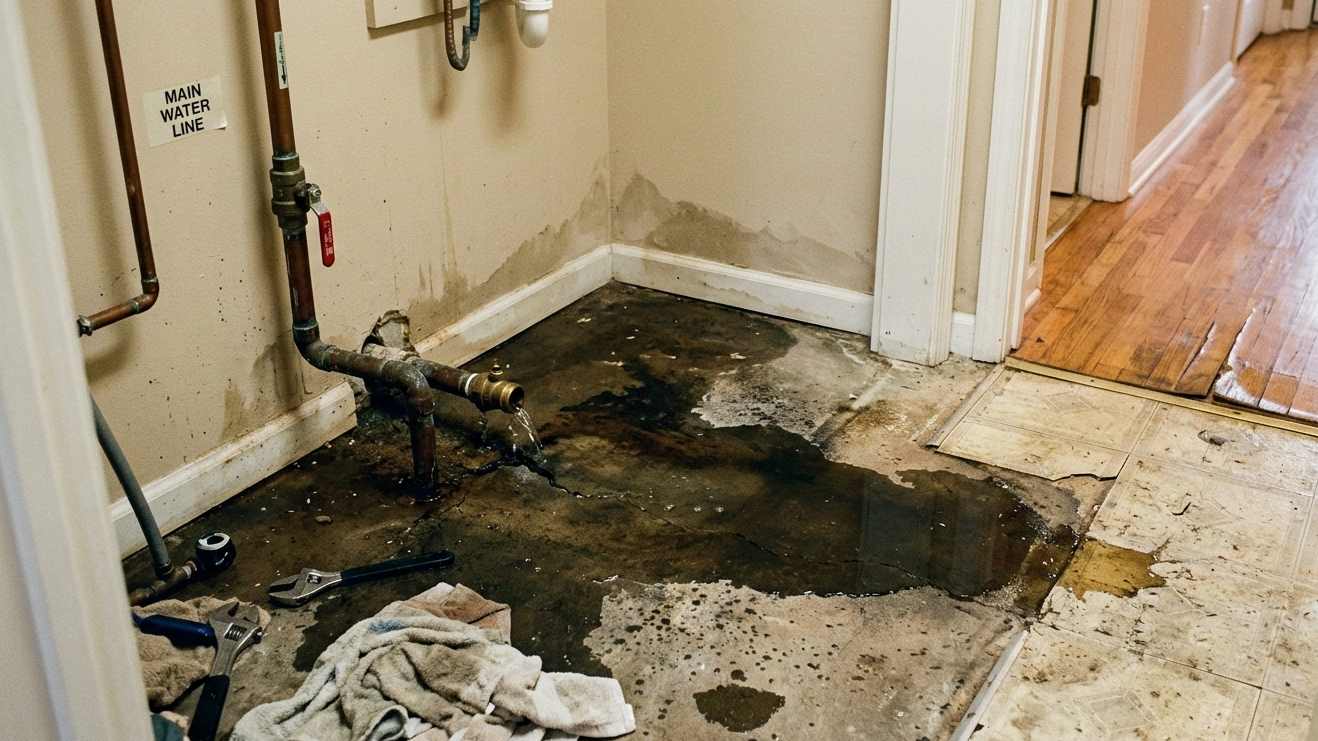
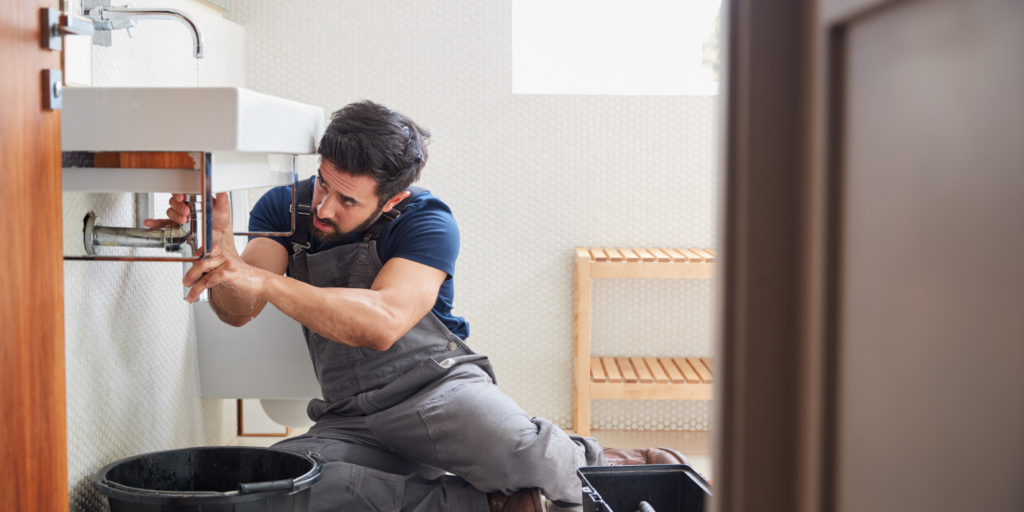
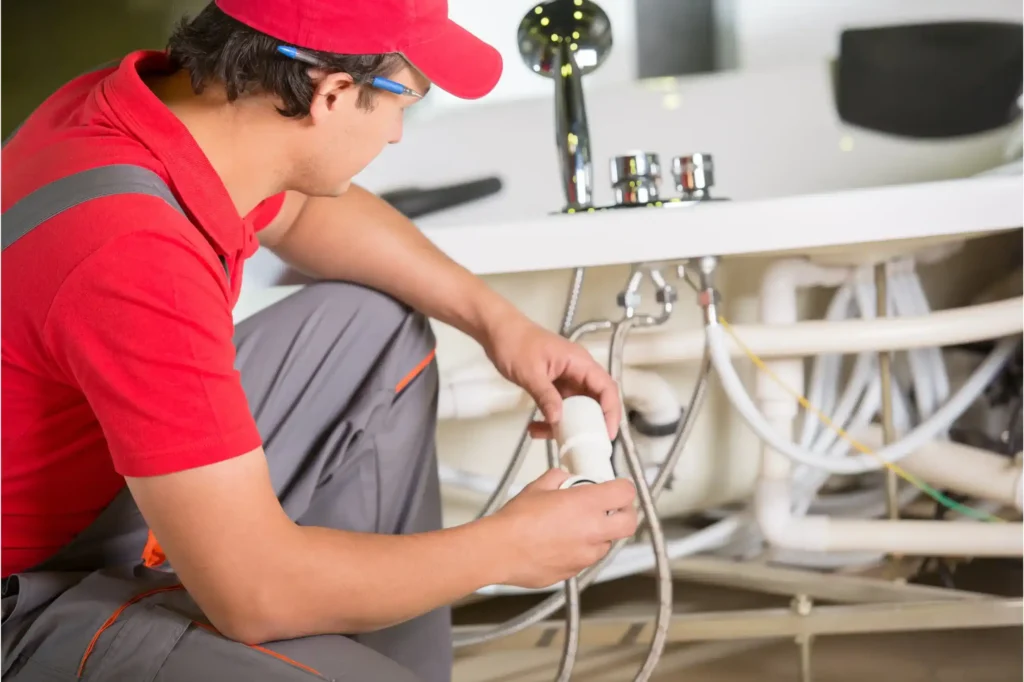
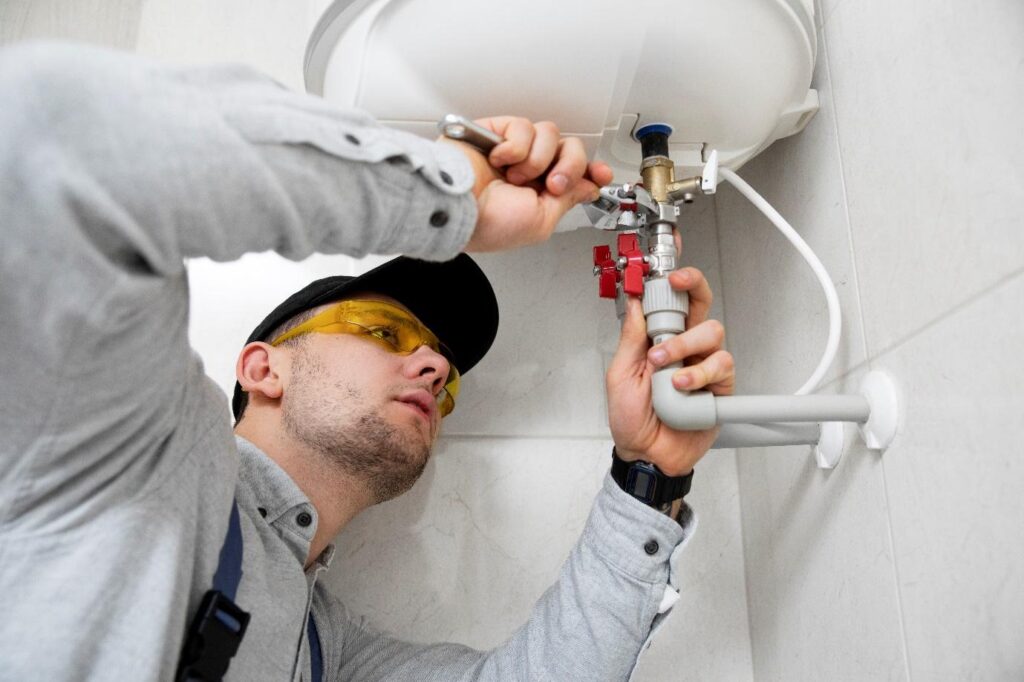
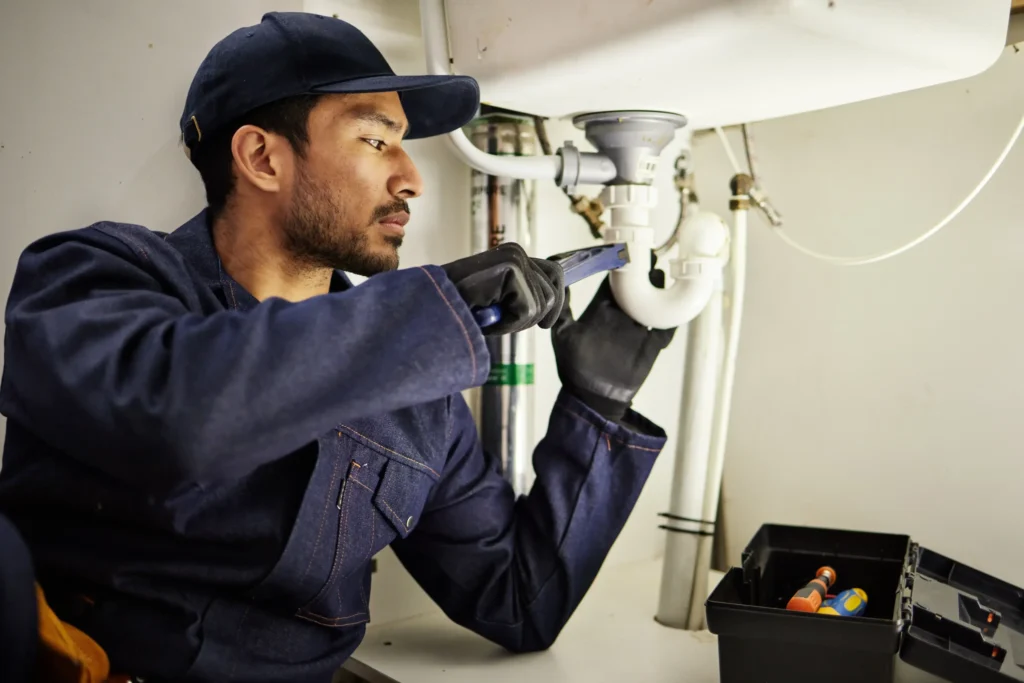
Are you tired of dealing with stubborn Drains clogs? Whether it’s your bathroom, kitchen, or even your sewer line, constant clogs can disrupt daily life and lead to costly plumbing repairs. At Leak Expert USA, we believe that prevention starts with education. Below are the top 5 causes of drain clogs—and how to prevent them effectively.


5 Reasons Your Drains Clogs:

1. Hair and Soap Scum: The Bathroom Blockers

Hair and soap scum are notorious for building up in bathroom drains. As hair goes down the drain, it tangles and traps soap residue, forming sticky clogs in bathtubs, showers, and sinks. Over time, this causes slow draining or full blockages.

Prevent it: Install a hair catcher over your drains and clean it regularly. Avoid rinsing clumps of hair directly into the sink.


2. Grease and Food Waste: Kitchen Culprits

Grease might be a liquid when hot, but it solidifies in your pipes as it cools, sticking to pipe walls and catching food particles. This leads to serious blockages that could impact your garbage disposal and kitchen sink.

Prevent it: Pour leftover grease into a disposable container, not your drain. Use a sink strainer to trap food debris before it washes away.


3. Foreign Objects: What Shouldn’t Be Flushed

Children’s toys, paper towels, feminine hygiene products, or even dental floss—none of these belong down the drain. Yet these are common causes of serious plumbing backups in Las Vegas homes.

Prevent it: Flush only toilet paper. Keep trash bins near toilets and sinks to encourage proper disposal.


4. Tree Roots Invading Sewer Lines

Older plumbing systems and homes surrounded by trees are at risk of root intrusion. Tree roots are drawn to the moisture in your pipes and can cause major underground blockages.

Prevent it: Have a professional inspect your sewer lines annually. If your home is older, consider a camera inspection to detect early root issues.


5. Old, Corroded Pipes

Aging plumbing systems—especially those built before the 1980s—tend to corrode and collapse over time, reducing water flow and trapping debris. This issue is common in Las Vegas neighborhoods with outdated infrastructure.

Prevent it: Schedule routine inspections and consider repiping if your home’s plumbing is over 40 years old.


How to Prevent Drain Clogs (Permanently)

Common causes of clogged drains and frustrating plumbing issues homeowners face. While temporary fixes may seem convenient, they rarely offer a permanent solution. To keep your drains flowing smoothly for years, adopting a proactive approach to maintenance and understanding the causes of clogs is crucial. Here are some permanent ways to prevent drain clogs:

1. Install Drain Screens or Filters

A simple yet highly effective way to prevent drain clogs is to install screens or filters over your drains. These inexpensive devices trap food particles, hair, and other debris that are the main culprits behind clogs. Whether it’s in your kitchen sink or bathroom, regularly homemade drain cleaning solutions these filters can significantly reduce the likelihood of a clog.

2. Use Baking Soda and Vinegar for Maintenance

Instead of relying on harsh chemicals, use natural solutions like baking soda and vinegar to keep your drains clean. Pour a half-cup of baking soda down the drain, followed by a cup of vinegar. Let the mixture sit for 15-30 minutes, then flush it with hot water. This simple routine can help clear minor buildup and maintain healthy flow.

3. Never Pour Grease Down the Drain

Grease, oils, and fats are notorious for clogging drains. When poured down the sink, these substances solidify and can form stubborn blockages over time. Always dispose of grease in the trash or reuse containers instead of pouring it down your drains.

4. Regularly Flush Your Drains with Hot Water

Hot water is one of the best ways to prevent grease and soap buildup in your pipes. Regularly flushing your drains with hot water (once a week or once a month, depending on usage) helps keep things flowing smoothly. You can also mix salt or baking soda with the hot water for an added cleansing effect.

5. Be Mindful of What You Flush

The bathroom is often a hotspot for clogs due to the variety of items people flush. Never flush anything other than toilet paper and human waste down the toilet. Items like paper towels, sanitary products, wipes, and cotton balls can easily cause blockages in your plumbing.

6. Maintain Your Garbage Disposal

If you have a garbage disposal, it’s essential to maintain it regularly. Avoid putting large food scraps, fibrous materials (like corn husks or celery), or coffee grounds down the disposal. Always run water while operating the disposal to help wash debris down the drain. Additionally, cleaning the disposal by grinding ice cubes or citrus peels can help prevent odor and minor clogs.

7. Consider Professional Drain Inspections

If you live in an older home or have frequent clogging issues despite taking preventive measures, it may be time to get your pipes professionally inspected. A licensed plumber can use tools like a camera inspection to identify any underlying issues such as tree roots, pipe corrosion, or poor plumbing design that could be contributing to your clogging problems.

8. Address Plumbing Issues Promptly

Lastly, addressing any signs of plumbing issues early on can prevent bigger, more expensive problems down the road. Strange noises, slow drainage, or unpleasant smells should be dealt with before they turn into major blockages. If in doubt, consult a professional plumber for advice.

Bonus: Pool Leaks? Don’t Ignore the Signs

Noticed your pool water level dropping? That might be a sign of a hidden leak. Here’s what to watch for:

Common Signs of Pool Leaks:

  • Rapid water loss not due to evaporation
  • Cracks in the pool shell or around fittings
  • Wet spots on the pool deck or lawn

What You Can Do:

  • Use a waterproof sealant for minor cracks
  • Call in a professional plumber for pipe or liner inspections
  • Schedule a leak detection service to pinpoint the issue

Need Drain or Pool Leak Help in Las Vegas?

Leak Expert USA offers top-tier plumbing solutions to homeowners in Las Vegas. From routine drains Clogs cleaning and clog removal to advanced pool leak detection, we do it all.

📞 Call us now or book online for a full inspection. Let’s solve your plumbing problems before they cost you more. Follow us on Instagram for regular updates!
Related Blogs

image block

Sewer Leak or Clog: How to Tell the Difference

Slow drains. Bad smells. A wet spot in the yard that won’t go away. These signs can point to two very different problems. Sewer leak detection issues and a stubborn sewer clog can look almost identical from the outside. But they’re not the same thing at all. A clog is a blockage inside the pipe. […]

image block

What to Do After Water Damage from a Leak

You walk into a room, and there’s water on the floor. Or the ceiling is dripping. Your first reaction is panic – but what you do in the next few hours is what really matters. Water leak damage moves fast. It gets into walls, soaks into the ground, and spreads to places you can’t even […]

image block

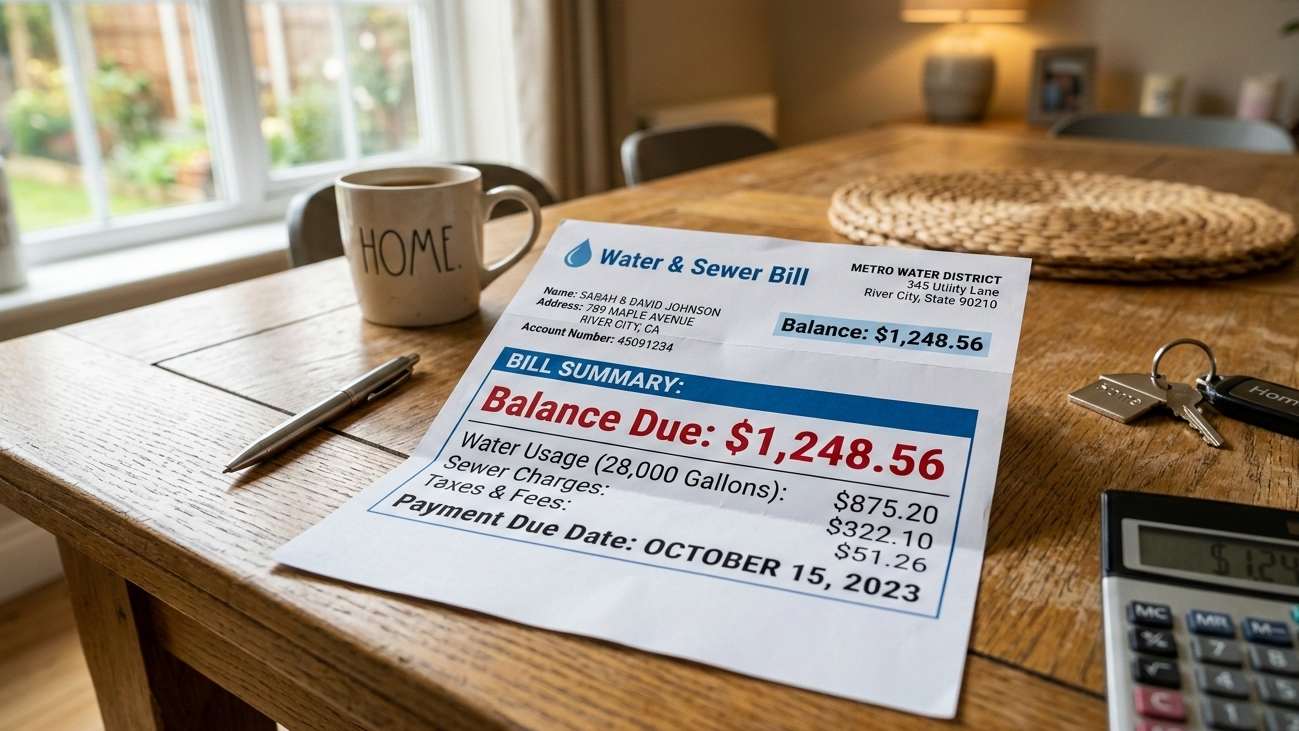
Why Your Water Bill Suddenly Increased

You open the bill, look at the number, and something’s off. Last month was normal. This month it’s doubled. Nothing changed – or so you think. That kind of sudden water bill increase almost always has a cause, and finding it usually doesn’t take long once you know where to look. Some reasons are simple. […]

image block

Common Leak Sources in Las Vegas Homes

Desert homes have their own set of problems. The heat alone puts stress on plumbing that people in other climates never deal with. Add shifting soil and water so full of minerals it practically chews through pipe fittings, and you get a situation where a water leak Las Vegas homeowners find is rarely simple to […]

image block

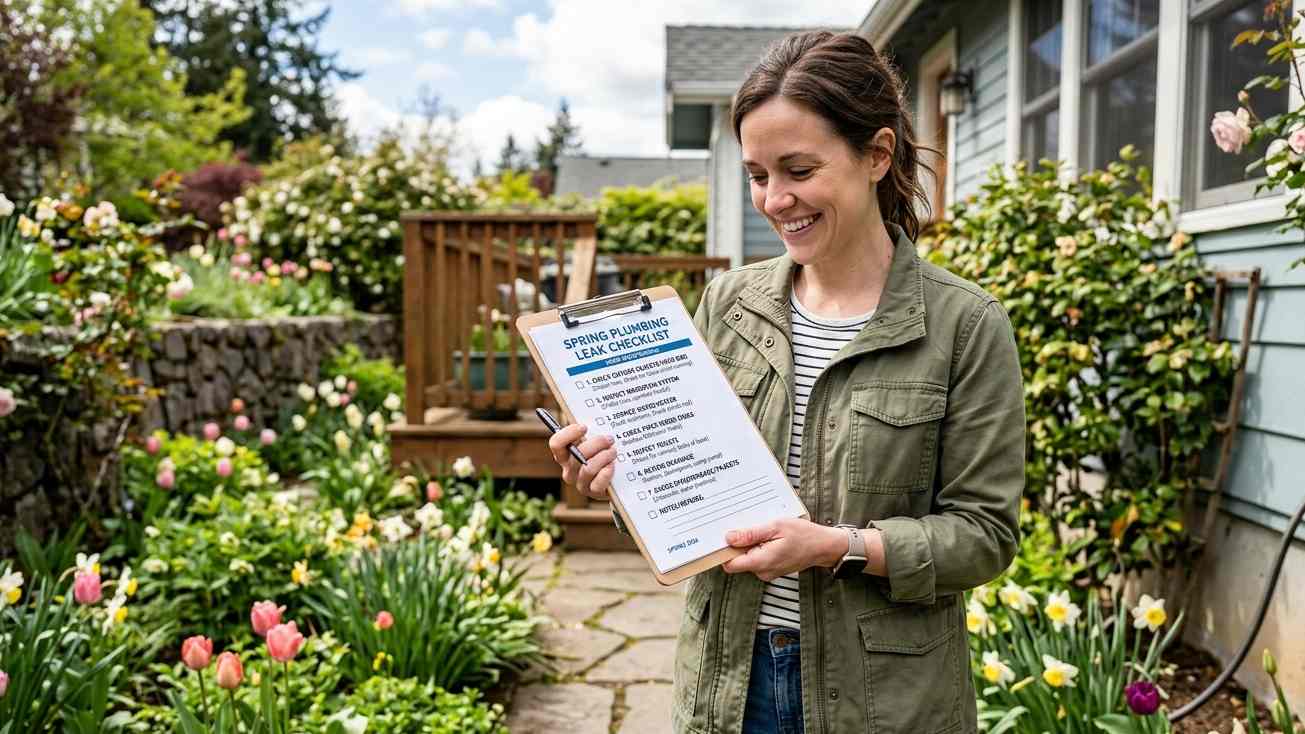
Pre-Spring Plumbing Leak Checklist for Las Vegas

Spring is the right time for a full walk-through of your home’s plumbing. Las Vegas has its own set of conditions that make this worth doing every year. The temperature swings between cold nights and warm days put stress on pipe joints and seals. Months of dry weather mask slow leaks that have been building […]

image block

5 Signs You Have a Slab Leak in Your Las Vegas Home

A slab leak is one of the hardest plumbing problems to detect because it’s hidden. The pipes run under the concrete foundation, buried several inches down. By the time there’s visible damage, the leak has usually been going on for a while. Las Vegas homes are especially vulnerable. The “caliche” soil shifts as it dries […]

Sewer line problems can cause major headaches for homeowners. Whether it’s a clogged pipe, cracked sewer line, or tree root intrusion, issues with your sewer system can lead to expensive repairs if left undetected. However, one of the most effective ways to avoid these costly issues is through a sewer camera inspection. This high-tech process uses a camera to inspect the inside of your pipes, allowing professionals to identify and address problems early on. In this article, we’ll explore how sewer camera inspections can save you thousands in repairs.

Benefits of Sewer Camera Inspections

Pinpoints the Exact Problem

One of the main benefits of a sewer camera inspection is its ability to pinpoint the exact problem with your sewer line. Traditional methods of diagnosing plumbing issues can be invasive and time-consuming. Sewer camera inspections, however, offer a clear view of what’s happening inside your pipes, allowing plumbers to identify cracks, blockages, tree root intrusion, or even pipe corrosion with incredible accuracy. This detailed diagnosis helps professionals avoid guesswork, ensuring that the right repairs are made.

Sewer Camera Inspection Summerlin NV
How a Sewer Camera Inspection Can Save You Thousands in Repairs 3

Prevents Unnecessary Digging

In the past, discovering sewer line issues often required digging up large sections of your yard, which could be both expensive and disruptive. With a sewer camera inspection, there’s no need to tear up your yard to find the problem. The camera is inserted into the pipe through a small access point, and as it travels through the sewer line, it transmits real-time footage to the technician. This means you can pinpoint the exact location of the problem, saving time, effort, and unnecessary excavation.

Saves Money on Repairs

Early detection is key when it comes to plumbing issues. By identifying problems early with a sewer camera inspection, you can prevent minor issues from becoming costly disasters. For example, tree roots in your sewer line might seem like a small problem at first, but left untreated, they can cause serious damage to your pipes, leading to expensive repairs or even a full sewer line replacement. Addressing the issue early on through a sewer camera inspection ensures that repair costs remain low, potentially saving you thousands of dollars in the long run.

Provides Video Evidence

Sewer camera inspections offer an added benefit: video evidence. The footage captured during the inspection can be invaluable for homeowners. If the problem requires an insurance claim, this visual documentation can serve as proof of the issue, making the claims process smoother. Additionally, if you’re buying or selling a property, having a sewer camera inspection can help buyers make informed decisions and provide sellers with evidence of the condition of the sewer system.

Common Issues Found During Inspections

Sewer camera inspections can reveal a variety of issues within your plumbing system. Some of the most common problems discovered during these inspections include:

  • Tree Root Intrusion: Tree roots are one of the most common causes of sewer line blockages. They can infiltrate pipes, causing cracks and significant blockages. Over time, these roots can lead to more severe damage, so it’s crucial to catch this issue early.
  • Pipe Corrosion: Over time, pipes can corrode, especially if they are made of older materials like cast iron. Corroded pipes can leak, weaken, or collapse, leading to costly repairs. Sewer camera inspections allow you to detect pipe corrosion before it causes major problems.
  • Grease or Debris Buildup: Over time, grease, soap, and other debris can build up in your sewer pipes, leading to slow drainage and potential blockages. A sewer camera inspection can identify these buildups, allowing for cleaning before a major blockage occurs.
  • Cracks and Leaks in Sewer Lines: Cracks and leaks in your sewer lines can be caused by a variety of factors, including shifting soil or pipe age. These cracks can lead to water damage and even sewer backups. A camera inspection can detect cracks early, saving you from more extensive damage.
Sewer Line Cleaning & Clean-Outs in Las Vegas
How a Sewer Camera Inspection Can Save You Thousands in Repairs 4

When Should You Get a Sewer Inspection?

Is a sewer camera inspection can save thousands and is a useful tool in a variety of situations. Here are a few instances when you should consider scheduling one:

  • Before Purchasing a Home: If you’re buying a new home, a sewer video camera inspection is an important step in the due diligence process. It helps you understand the condition of the property’s sewer system, preventing costly surprises after the purchase.
  • If You Notice Slow Drains or Foul Odors: Slow drains, foul smells, or recurring clogs are often signs of a bigger problem within your sewer system. A sewer camera inspection can help diagnose the issue before it turns into an expensive repair.
  • After Repeated Sewer Backups: If your home has experienced multiple sewer backups, it may indicate a serious problem with the sewer line. A sewer camera inspection can help identify the cause, whether it’s a blockage, tree root intrusion, or something else.

Conclusion

Sewer camera inspections provide an invaluable service for homeowners, saving both time and money by identifying plumbing problems early. By pinpointing issues like tree root intrusion, pipe corrosion, and blockages, sewer camera inspections allow for more accurate repairs with less disruption. With the ability to prevent unnecessary digging and provide video evidence for insurance or property transactions, these inspections are an investment that can save you thousands in costly repairs down the line. Whether you’re buying a new home, dealing with slow drains, or experiencing repeated sewer backups, a sewer camera inspection is a proactive step to protect your home and wallet.

Contact Leak Expert USA Today for Your Sewer Camera Inspection!

Don’t wait until a small plumbing issue turns into a costly repair. Trust Leak Expert USA for thorough and professional sewer camera inspections. Our team of experts is ready to help you detect issues early and save you thousands in repairs. Call us today to schedule a sewer camera inspection and ensure your sewer lines are in top condition! Follow us on Instagram for regular updates!
Related Blogs

image block

Sewer Leak or Clog: How to Tell the Difference

Slow drains. Bad smells. A wet spot in the yard that won’t go away. These signs can point to two very different problems. Sewer leak detection issues and a stubborn sewer clog can look almost identical from the outside. But they’re not the same thing at all. A clog is a blockage inside the pipe. […]

image block

What to Do After Water Damage from a Leak

You walk into a room, and there’s water on the floor. Or the ceiling is dripping. Your first reaction is panic – but what you do in the next few hours is what really matters. Water leak damage moves fast. It gets into walls, soaks into the ground, and spreads to places you can’t even […]

image block

Why Your Water Bill Suddenly Increased

You open the bill, look at the number, and something’s off. Last month was normal. This month it’s doubled. Nothing changed – or so you think. That kind of sudden water bill increase almost always has a cause, and finding it usually doesn’t take long once you know where to look. Some reasons are simple. […]

image block

Common Leak Sources in Las Vegas Homes

Desert homes have their own set of problems. The heat alone puts stress on plumbing that people in other climates never deal with. Add shifting soil and water so full of minerals it practically chews through pipe fittings, and you get a situation where a water leak Las Vegas homeowners find is rarely simple to […]

image block

Pre-Spring Plumbing Leak Checklist for Las Vegas

Spring is the right time for a full walk-through of your home’s plumbing. Las Vegas has its own set of conditions that make this worth doing every year. The temperature swings between cold nights and warm days put stress on pipe joints and seals. Months of dry weather mask slow leaks that have been building […]

image block

5 Signs You Have a Slab Leak in Your Las Vegas Home

A slab leak is one of the hardest plumbing problems to detect because it’s hidden. The pipes run under the concrete foundation, buried several inches down. By the time there’s visible damage, the leak has usually been going on for a while. Las Vegas homes are especially vulnerable. The “caliche” soil shifts as it dries […]

Repiping your home is a significant investment, and choosing the right type of pipe can make a world of difference in terms of cost, durability, and long-term performance. Two of the most popular options are PEX (cross-linked polyethylene) and copper pipes. Each material has its own set of advantages and disadvantages, and understanding these factors will help you make the best decision for your home. Let’s dive into the details of PEX vs copper pipes to determine which one is right for you.

PEX Vs Copper Pipes Difference:

PEX Pipes: The Flexible and Affordable Choice

PEX, or cross-linked polyethylene, has gained immense popularity in recent years, and for good reason. It’s a modern material that offers several benefits for homeowners considering repiping.

Pros of PEX Pipes

  • Flexible and Easy to Install: One of the biggest advantages of PEX pipes is their flexibility. Unlike copper, which requires precise fitting and soldering, PEX is bendable, making it much easier and faster to install, especially in tight or hard-to-reach spaces.
  • Resistant to Corrosion and Scale Buildup: PEX pipes don’t corrode over time and are resistant to scale buildup, unlike copper pipes which can eventually suffer from these issues. This helps ensure a longer-lasting and efficient water system.
  • More Affordable than Copper: In terms of upfront costs, PEX pipes are significantly cheaper than copper. This makes them an appealing choice for those looking to repipe their home on a budget.
  • Energy-Efficient: PEX pipes are known for their ability to retain heat better than copper. This results in less heat loss, ultimately helping to save energy and reduce heating costs in the long run.

Cons of PEX Pipes

  • Can Degrade Under UV Exposure: One downside of PEX is that it can degrade when exposed to direct UV light, which means it’s not ideal for outdoor installations or areas with exposure to sunlight unless properly protected.
  • Not as Durable in High-Heat Applications: While PEX is resistant to corrosion, it doesn’t handle extreme temperatures as well as copper pipes. For example, PEX can become brittle under high heat conditions, making it unsuitable for certain high-temperature applications.

Copper Pipes: Durability and Longevity

Copper has been a staple in plumbing for decades, and many people continue to choose it for its long-lasting reliability.

Pros of Copper Pipes

  • Extremely Durable and Long-Lasting (50+ Years): Copper pipes are known for their incredible longevity. With proper maintenance, they can last for over 50 years, making them a solid investment for the long term. They’re resistant to wear and tear over time and can withstand a variety of challenging environmental conditions.
  • Resistant to Bacteria and UV Exposure: Copper naturally resists bacteria growth, making it a safer option for your home’s water supply. Additionally, copper pipes are not affected by UV exposure, unlike PEX pipes, making them suitable for both indoor and outdoor applications.
  • Recyclable and Eco-Friendly: Copper is a highly recyclable material, and choosing it for your repiping project means you’re making a more eco-friendly decision. It’s also a sustainable choice, as it has a lower environmental impact compared to some other materials.

Cons of Copper Pipes

  • More Expensive than PEX: One of the most significant drawbacks of copper is its cost. Copper pipes are much more expensive than PEX, which could be a deterrent if you’re working with a tight budget.
  • Susceptible to Corrosion in Acidic Water: Copper pipes can corrode if exposed to acidic water. This can lead to leaks and other plumbing issues that may require expensive repairs or replacements.
  • Requires Soldering, Making Installation Harder: Installing copper pipes is a more complicated process compared to PEX. The need for soldering makes it a more labor-intensive installation, which can increase the cost and time of your repiping project.

Which One Should You Choose?

So, which type of pipe should you go for? Ultimately, it depends on your specific needs and budget.

  • Go with PEX: If you’re looking for an affordable, flexible, and easy-to-install solution, PEX is the better choice. It’s an excellent option for residential repiping projects, especially in areas where cost and installation time are a concern. It’s also a great option if you don’t expect the pipes to be exposed to high heat.
  • Choose Copper: If long-term durability and resistance to high temperatures are your primary concerns, copper may be the better investment. Although it’s more expensive and harder to install, its lifespan and resistance to corrosion make it ideal for certain situations, especially if you’re looking for pipes that will last for several decades.

Conclusion

Choosing between PEX vs. copper pipes comes down to balancing your budget with your long-term needs. PEX is affordable, easy to install, and energy-efficient, while copper offers unmatched durability and long-lasting reliability. Both materials have their strengths, so weigh the pros and cons based on your home’s requirements and make an informed decision.

Related Blogs

image block

Sewer Leak or Clog: How to Tell the Difference

Slow drains. Bad smells. A wet spot in the yard that won’t go away. These signs can point to two very different problems. Sewer leak detection issues and a stubborn sewer clog can look almost identical from the outside. But they’re not the same thing at all. A clog is a blockage inside the pipe. […]

image block

What to Do After Water Damage from a Leak

You walk into a room, and there’s water on the floor. Or the ceiling is dripping. Your first reaction is panic – but what you do in the next few hours is what really matters. Water leak damage moves fast. It gets into walls, soaks into the ground, and spreads to places you can’t even […]

image block

Why Your Water Bill Suddenly Increased

You open the bill, look at the number, and something’s off. Last month was normal. This month it’s doubled. Nothing changed – or so you think. That kind of sudden water bill increase almost always has a cause, and finding it usually doesn’t take long once you know where to look. Some reasons are simple. […]

image block

Common Leak Sources in Las Vegas Homes

Desert homes have their own set of problems. The heat alone puts stress on plumbing that people in other climates never deal with. Add shifting soil and water so full of minerals it practically chews through pipe fittings, and you get a situation where a water leak Las Vegas homeowners find is rarely simple to […]

image block

Pre-Spring Plumbing Leak Checklist for Las Vegas

Spring is the right time for a full walk-through of your home’s plumbing. Las Vegas has its own set of conditions that make this worth doing every year. The temperature swings between cold nights and warm days put stress on pipe joints and seals. Months of dry weather mask slow leaks that have been building […]

image block

5 Signs You Have a Slab Leak in Your Las Vegas Home

A slab leak is one of the hardest plumbing problems to detect because it’s hidden. The pipes run under the concrete foundation, buried several inches down. By the time there’s visible damage, the leak has usually been going on for a while. Las Vegas homes are especially vulnerable. The “caliche” soil shifts as it dries […]

Water leaks, no matter how small, can cause significant damage if left unchecked. In Las Vegas, where water conservation is essential, undetected leaks not only waste precious resources but also lead to structural damage, mold growth, and skyrocketing water bills. Detecting water leaks early can save you thousands of dollars in repair costs and help preserve the integrity of your home. Leak Expert USA specializes in finding and fixing hidden leaks before they become costly disasters. Here’s how you can detect water leaks in your home and prevent major damage.

What Happens When Leaks Go Undetected?

Undetected leaks can lead to mold growth, which can cause respiratory problems, allergies, and other health concerns. Over time, the constant presence of moisture can weaken building materials, compromising the structural integrity of your home. Homeowners often don’t realize the extent of water damage until it’s too late—by then, the damage could be significant, and the repair costs could escalate.

Furthermore, hidden leaks waste valuable water and increase your water bills unnecessarily. On average, homeowners spend thousands of dollars annually on water damage repairs, which could be avoided with timely leak detection.

Emergency Plumbing North Las Vegas

Common Signs of a Water Leak in Your Home

Not all water leaks are visible. Often, leaks occur in hidden places like behind walls, under floors, or beneath your foundation. Here are some warning signs to look out for that may indicate a water leak:

Unexplained High Water Bills

One of the most common signs of a hidden leak is a sudden rise in your water bill. If your water usage hasn’t changed, yet your bill has, it’s a good idea to check for leaks. A hidden leak can silently waste gallons of water each day, driving up your costs without you realizing it.

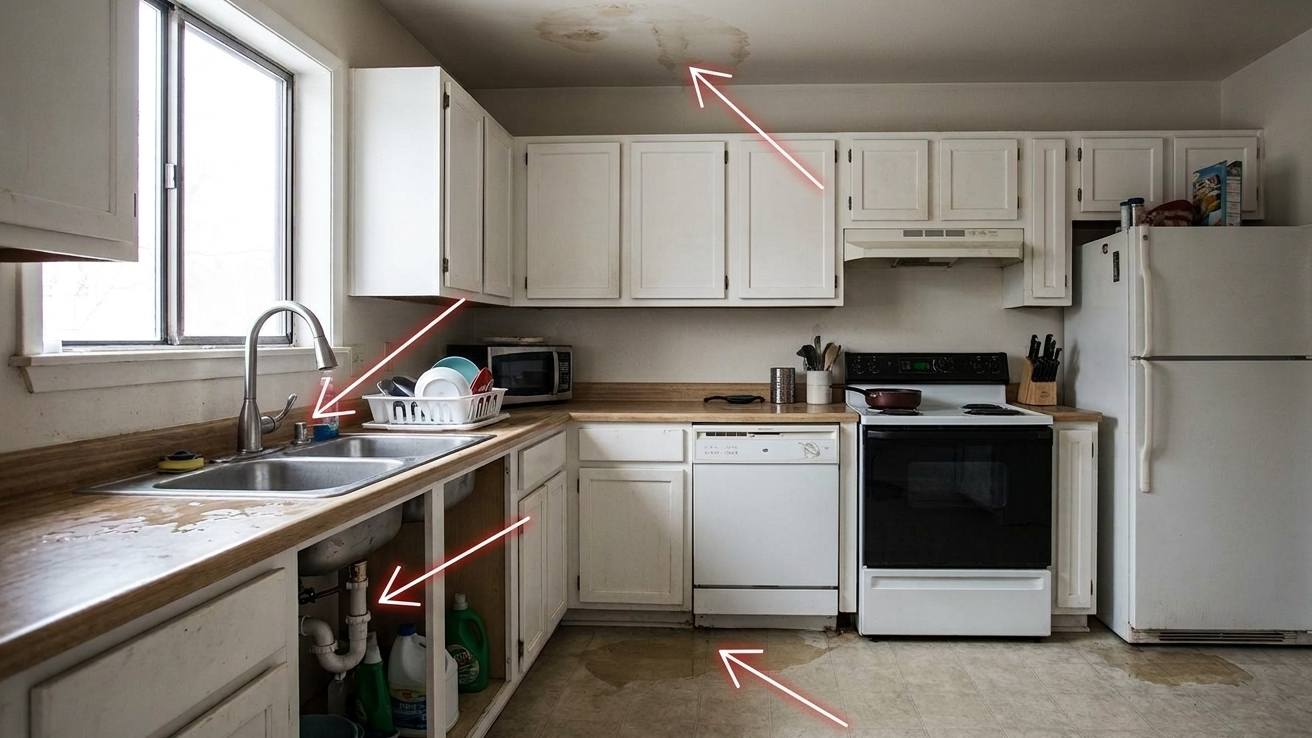
Damp or Discolored Walls & Ceilings

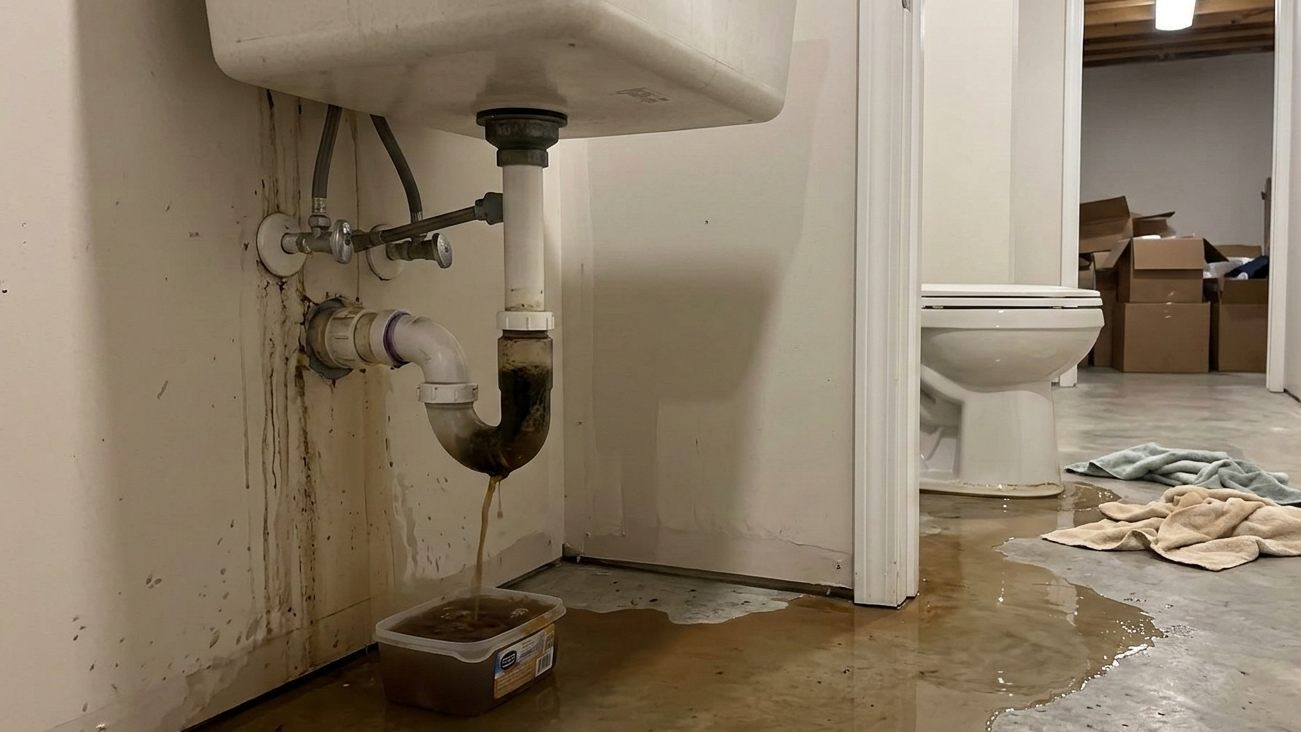
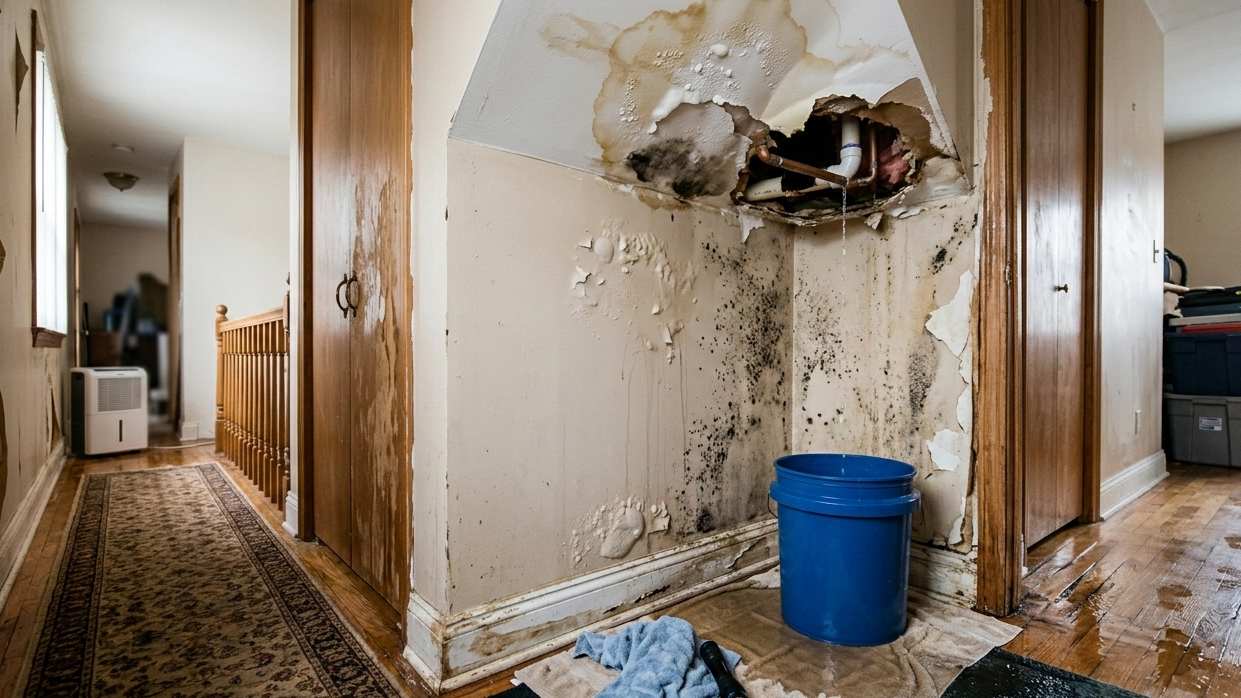
Water stains, dampness, or discoloration on your walls and ceilings are often signs of concealed leaks in your plumbing. This is especially common in areas where pipes run through walls or floors. If you spot these issues, it’s time to investigate further.

Musty Odors & Mold Growth

Excess moisture from leaks can lead to mold and mildew growth. If you notice a musty odor or visible mold, it could be a result of water seeping into walls, floors, or hidden areas of your home. This not only damages your property but also affects indoor air quality.

Low Water Pressure

Leaks in your main water line can lead to a drop in water pressure throughout your home. If you notice that the water flow from faucets or showers is weaker than usual, it could be a sign that a leaking pipe.

Sounds of Running Water

If you hear water running or dripping when no taps are on, it’s a clear sign that there could be a hidden leak somewhere in your system. The sound of water running, especially in areas like walls or floors, often indicates a slow leak that needs immediate attention.

Water Heater Installation

How to Find a Hidden Leak

At Leak Experts USA, we employ state-of-the-art technology to locate and resolve water leaks quickly and accurately. These advanced tools not only help us detect leaks that are hidden from plain sight but also minimize disruption to your home during the repair process.

Check Your Water Meter

Turn off all water-using appliances and fixtures in your home. Then, check the water meter. If the meter is still moving, it means there’s a leak somewhere in your system. This is an easy way to confirm a hidden leak.

Inspect Your Walls & Floors

Look for signs of water damage on your walls and floors. Bubbling paint, warped flooring, or cracks in drywall can all indicate hidden leaks behind the surface. Pay close attention to areas around pipes, especially in bathrooms and kitchens.

Use a Dye Test for Toilets

A simple dye test can help you determine if your toilet is leaking. Add a few drops of food coloring to your toilet tank and wait 15-20 minutes. If the color seeps into the bowl without flushing, you have a leak that needs to be addressed.

Monitor Your Pool & Sprinklers

If you have a pool or an irrigation system, check for leaks. Pool leaks can lead to excessive water loss, while faulty sprinklers can waste hundreds of gallons daily. Regularly check these systems to ensure they’re working properly.

How Leak Expert USA can Help:

We use state-of-the-art leak detection technology to find even the most hidden leaks in your home. Our professional services include:

Electronic Leak Detection

Our electronic leak detection methods allow us to pinpoint leaks quickly and accurately without causing any damage to your walls or floors. We can detect leaks in pipes, walls, and under floors with minimal disruption.

Infrared Thermal Imaging

Using infrared technology, we can detect moisture and temperature changes in your walls and floors. This method helps us locate hidden leaks before they cause further damage to your property.

Sewer Camera Inspections

Our sewer camera inspections allow us to examine the inside of your sewer pipes and identify any leaks or blockages. This technology helps us find problems deep underground without excavation.

Slab Leak Detection

Slab leaks can cause severe damage to your home’s foundation. Our expert team uses advanced tools to detect and to fix a leaky pipe and slab leaks, preventing costly foundation damage and preserving the structural integrity of your home.

Why Las Vegas Homeowners Trust Us

Leak Expert USA is the trusted choice for leak detection and repair services in Las Vegas. Here’s why homeowners rely on us:

  • Fast & Accurate Leak Detection – We find leaks quickly, minimizing damage to your home.
  • Expert Repairs – Not only do we find leaks, but we also provide efficient and reliable repairs.
  • Affordable Pricing – We offer upfront pricing with no hidden fees, ensuring you know exactly what to expect.
  • 24/7 Emergency Services – Water leaks can happen at any time. Our emergency services ensure we’re there when you need us most.

Frequently Asked Questions (FAQs) About Water Leak Detection

1. How can I tell if I have a water leak in my home?

Some common signs of a water leak include:

  • A sudden increase in your water bill without any change in usage.
  • Reduced water pressure.
  • Wet spots, stains, or discoloration on walls, ceilings, or floors.
  • The presence of mold or mildew in areas not usually exposed to moisture.
  • Unusual sounds of running water when all faucets are off.

If you notice any of these signs, it’s important to have your home inspected by professionals.

2. Can I detect a water leak myself?

While some signs of leaks, like visible water damage or unusual sounds, can be noticed without professional help, accurately locating hidden leaks usually requires specialized equipment. Tools like acoustic listening devices, infrared thermography, and video pipe inspections are used by Leak Experts USA to find leaks that are out of sight, such as in walls or underground pipes.

3. How long does it take to detect and repair a water leak?

Leak detection can typically be completed in a few hours, depending on the complexity of the issue and the size of your home. After the leak is identified, repairs may take anywhere from a few hours to a couple of days, depending on the location and extent of the damage. Leak Experts USA offers fast and efficient service, minimizing disruption to your home.

4. What causes water leaks in the first place?

Water leaks can be caused by a variety of factors, including:

  • Aging or deteriorating pipes.
  • Pressure from tree roots or soil movement.
  • Poor installation or defective plumbing.
  • Extreme weather conditions.
  • Corrosion of metal pipes over time.

Proper maintenance and timely inspections can help prevent many of these issues.

5. How much does water leak detection cost?

The cost of water leak detection varies depending on the size of your home, the complexity of the leak, and the technology used. At Leak Experts USA, we offer competitive pricing and free, no-obligation inspections. After detecting the leak, we provide a detailed estimate for repairs.

Don’t Wait Until It’s Too Late! Call Leak Expert USA Today

If you suspect a water leak in your Las Vegas home, don’t wait for the problem to get worse. Early detection is key to saving you time, money, and hassle. We offers professional leak detection and repair services to help protect your home and reduce water waste. Our team is ready to address all your plumbing concerns quickly and efficiently.

Contact Leak Expert USA today to schedule your leak detection service and ensure your home stays safe and dry. Follow us on Instagram for regular updates!
Related Blogs

image block

Sewer Leak or Clog: How to Tell the Difference

Slow drains. Bad smells. A wet spot in the yard that won’t go away. These signs can point to two very different problems. Sewer leak detection issues and a stubborn sewer clog can look almost identical from the outside. But they’re not the same thing at all. A clog is a blockage inside the pipe. […]

image block

What to Do After Water Damage from a Leak

You walk into a room, and there’s water on the floor. Or the ceiling is dripping. Your first reaction is panic – but what you do in the next few hours is what really matters. Water leak damage moves fast. It gets into walls, soaks into the ground, and spreads to places you can’t even […]

image block

Why Your Water Bill Suddenly Increased

You open the bill, look at the number, and something’s off. Last month was normal. This month it’s doubled. Nothing changed – or so you think. That kind of sudden water bill increase almost always has a cause, and finding it usually doesn’t take long once you know where to look. Some reasons are simple. […]

image block

Common Leak Sources in Las Vegas Homes

Desert homes have their own set of problems. The heat alone puts stress on plumbing that people in other climates never deal with. Add shifting soil and water so full of minerals it practically chews through pipe fittings, and you get a situation where a water leak Las Vegas homeowners find is rarely simple to […]

image block

Pre-Spring Plumbing Leak Checklist for Las Vegas

Spring is the right time for a full walk-through of your home’s plumbing. Las Vegas has its own set of conditions that make this worth doing every year. The temperature swings between cold nights and warm days put stress on pipe joints and seals. Months of dry weather mask slow leaks that have been building […]

image block

5 Signs You Have a Slab Leak in Your Las Vegas Home

A slab leak is one of the hardest plumbing problems to detect because it’s hidden. The pipes run under the concrete foundation, buried several inches down. By the time there’s visible damage, the leak has usually been going on for a while. Las Vegas homes are especially vulnerable. The “caliche” soil shifts as it dries […]

Water damage can strike at any time, whether it’s due to a broken pipe, natural disaster, or appliance failure. When it happens, acting quickly can make a huge difference in preventing further damage to your home and possessions. Follow these essential steps to take after water damage and the damage and begin the restoration process. If you’re in Las Vegas, call us for expert water damage restoration services to get your home back to normal.

Shut Off the Water Source

The first and most crucial step after water damage occurs is to stop the source of water. If the damage is caused by a burst pipe, appliance failure, or flooding, locate the water supply and turn it off immediately. This will prevent additional water from entering your home and causing more extensive damage.

  • For Burst Pipes: Locate the main water shutoff valve and turn it off to stop the flow of water.
  • For Appliance Failures (like dishwashers or washing machines): Turn off the specific appliance and disconnect the water supply.
  • For Flooding: If the flooding is due to external factors, contact a professional to assess and address the situation.

Taking this action immediately will help minimize the overall damage and protect your property from further loss.

Water Damage Restoration

Document Damage for Insurance

Once the water source is shut off, document the damage for insurance purposes. This is an essential step that can help ensure you receive proper compensation for repairs. Take clear photographs or videos of the affected areas, and make notes of what was damaged. Make sure to capture all visible damage to floors, walls, furniture, electronics, and other valuable items.

  • Tip: Be thorough and take multiple pictures from different angles.
  • Don’t Dispose of Damaged Items Right Away: Keep everything in place until the insurance adjuster has had a chance to assess the damage.

This documentation will be vital for your insurance claim, so take your time to ensure you have a detailed record.

Remove Standing Water

After documenting the damage, it’s time to remove any standing water. The longer water sits, the more damage it will cause. Standing water can lead to mold growth, rot, and structural damage, so it’s important to act fast.

  • Use a Wet/Dry Vacuum: If the water levels are manageable, use a wet/dry vacuum to remove excess water from floors, carpets, and other surfaces.
  • Mops and Towels: For smaller areas, mopping or using towels to soak up the water can help.
  • Call a Professional: If there’s a significant amount of water or flooding, it’s best to contact a professional water damage restoration company to remove the water safely and efficiently.

Getting rid of standing water quickly will help prevent secondary damage like mold growth and wood warping.

Dry Affected Areas

Once the standing water is removed, the next step is to dry out the affected areas. Water can seep into walls, carpets, and furniture, leading to prolonged damage if not properly dried. To prevent mold and further structural issues, it’s important to ensure the area is thoroughly dried.

  • Air Circulation: Use fans and open windows to promote airflow and speed up the drying process.
  • Dehumidifiers: Renting or using a dehumidifier will help remove moisture from the air and accelerate drying.
  • Furniture and Carpets: Move furniture and carpets out of the affected area to prevent further damage and dry them separately.

The drying process is critical to preventing mold growth and other long-term damage.

Call a Experts

While taking the above steps will help mitigate the damage in the short term, it’s crucial to call a professional water damage restoration expert. Companies have the tools, knowledge, and experience to handle complex situations, ensuring that your home is thoroughly cleaned and restored.

Leak Expert USA is proud to serve homeowners in Las Vegas with professional water damage restoration services. Our expert technicians will handle everything from water extraction to complete restoration, including drying and mold remediation. Don’t risk further damage—call us today!

Preventing Future Water Damage

Water damage can have devastating effects on your home, from structural issues to mold growth, leading to costly repairs. Understanding the steps of water damage is crucial in mitigating the risk of recurring problems. However, prevention is key. By taking proactive measures, you can minimize the chances of water damage impacting your property again.

Regularly Inspect Your Plumbing System

One of the first steps to preventing future water damage is ensuring your plumbing is in good condition. Over time, pipes can weaken or corrode, leading to leaks. Check for any signs of water damage around pipes, such as discoloration or moisture on walls, floors, or ceilings. If you notice any issues, don’t hesitate to have them inspected and repaired by a professional. Regular maintenance can help you catch potential problems before they cause significant damage.

Maintain Your Roof and Gutters

Your roof is the first line of defense against rainwater. A damaged roof or clogged gutters can lead to leaks, which can quickly escalate into water damage inside your home. Regularly inspect your roof for missing or damaged shingles, and ensure gutters and downspouts are clear of debris. This will help water flow freely and away from your home, reducing the risk of water entering your attic or walls. If you’re unsure about the condition of your roof or gutters, consider hiring a professional for an annual inspection.

Proper Drainage Around Your Home

Water damage often occurs when water pools around the foundation of your home. Poor drainage can cause water to seep into your basement or crawl spaces. To prevent this, make sure your yard is properly graded, with a slope away from your home. This allows water to drain away from your foundation. Additionally, ensure that your downspouts extend at least 3 to 4 feet from the house to prevent water from flowing back toward the foundation.

Install Sump Pumps and Water Alarms

For homes in flood-prone areas, installing a sump pump is an effective way to prevent water damage. A sump pump works by removing excess water that accumulates in your basement or crawl space. Additionally, installing water alarms that detect leaks or rising water levels can provide early warning signs, allowing you to take action before significant damage occurs.

Seal Cracks and Gaps

Inspect your foundation for any cracks or gaps that could allow water to seep in. Sealing these cracks with waterproof sealants can significantly reduce the risk of water entering your home. Don’t forget to check windows and doors as well. Properly sealed windows and doors will prevent water from entering during heavy rains.

By taking these steps of water damage prevention, you can safeguard your home from future water-related issues. A little preventive maintenance goes a long way in preserving your property and preventing costly repairs in the future.

FAQs

1. How can I prevent water damage in my home?

To prevent water damage, regularly inspect your plumbing, roof, and gutters. Ensure proper drainage around your foundation, install sump pumps if necessary, and seal any cracks or gaps in your home’s structure. Regular maintenance and early detection are key to reducing the risk of water damage.


2. What are the early signs of water damage?

Common early signs of water damage include discoloration on walls or ceilings, a musty smell, damp spots, and peeling paint or wallpaper. You might also notice mold growth, warped flooring, or a sudden increase in your water bill. Catching these signs early can prevent major damage.


3. How often should I inspect my plumbing for potential issues?

It’s recommended to inspect your plumbing system at least once a year. Look for leaks, corrosion, or water stains around pipes, faucets, and fixtures. Regular inspections can help you catch issues early before they develop into costly water damage problems, protecting your home in the long run.


4. Is my roof causing water damage?

A damaged roof can allow water to seep into your home, leading to water damage. Regularly inspect your roof for missing shingles, cracks, or damage after storms. Ensure that gutters and downspouts are clean to allow proper water flow, preventing potential leaks and water-related issues.


5. How does poor drainage affect water damage prevention?

Poor drainage can cause water to accumulate around your home’s foundation, leading to potential leaks in basements and crawl spaces. Ensure your yard slopes away from the house and clean gutters regularly to keep water flowing away from your foundation. Proper drainage significantly reduces water damage risks.

Conclusion

Water damage can be a stressful and overwhelming experience, but knowing the right steps to take immediately can minimize the damage and help you restore your home efficiently. Start by shutting off the water source, documenting the damage for insurance, removing standing water, and drying the affected areas. Finally, get in touch with Leak Expert USA for expert water damage restoration in Las Vegas. With our professional services, you can rest assured that your home will be restored to its pre-damage condition in no time.

Call us for Expert:

If you’re dealing with water damage, don’t wait! Contact us today for professional water damage repair restoration services in Las Vegas. Our team is ready to help you through the restoration process and ensure your home is safe, dry, and damage-free. Follow us on Instagram for regular updates!
Related Blogs

image block

Sewer Leak or Clog: How to Tell the Difference

Slow drains. Bad smells. A wet spot in the yard that won’t go away. These signs can point to two very different problems. Sewer leak detection issues and a stubborn sewer clog can look almost identical from the outside. But they’re not the same thing at all. A clog is a blockage inside the pipe. […]

image block

What to Do After Water Damage from a Leak

You walk into a room, and there’s water on the floor. Or the ceiling is dripping. Your first reaction is panic – but what you do in the next few hours is what really matters. Water leak damage moves fast. It gets into walls, soaks into the ground, and spreads to places you can’t even […]

image block

Why Your Water Bill Suddenly Increased

You open the bill, look at the number, and something’s off. Last month was normal. This month it’s doubled. Nothing changed – or so you think. That kind of sudden water bill increase almost always has a cause, and finding it usually doesn’t take long once you know where to look. Some reasons are simple. […]

image block

Common Leak Sources in Las Vegas Homes

Desert homes have their own set of problems. The heat alone puts stress on plumbing that people in other climates never deal with. Add shifting soil and water so full of minerals it practically chews through pipe fittings, and you get a situation where a water leak Las Vegas homeowners find is rarely simple to […]

image block

Pre-Spring Plumbing Leak Checklist for Las Vegas

Spring is the right time for a full walk-through of your home’s plumbing. Las Vegas has its own set of conditions that make this worth doing every year. The temperature swings between cold nights and warm days put stress on pipe joints and seals. Months of dry weather mask slow leaks that have been building […]

image block

5 Signs You Have a Slab Leak in Your Las Vegas Home

A slab leak is one of the hardest plumbing problems to detect because it’s hidden. The pipes run under the concrete foundation, buried several inches down. By the time there’s visible damage, the leak has usually been going on for a while. Las Vegas homes are especially vulnerable. The “caliche” soil shifts as it dries […]

Hidden water leaks are one of the most common yet overlooked issues in both residential and commercial properties. While some leaks are obvious—like a dripping faucet or a burst pipe—many others go undetected for weeks or even months, silently wasting water and driving up your utility bills. Knowing how to spot the early signs is crucial, and that’s where expert leak detection tips can help you prevent damage before it starts.

If you’ve been noticing higher water bills, unexplained moisture, or moldy odors, it might be time to investigate. As a trusted provider of leak detection in Las Vegas, Leak Experts USA is here to help you spot the signs early and take fast action.


Why Quick Leak Detection Matters

Every minute a leak goes unnoticed, water is being wasted—and potential damage grows. Over time, small leaks can erode drywall, warp wooden floors, and even undermine your foundation. Mold and mildew thrive in damp conditions, putting your home’s indoor air quality at risk.

Acting quickly means you can:

  • Avoid costly structural repairs
  • Prevent mold growth and health issues
  • Reduce your monthly water bill
  • Prolong the lifespan of your plumbing system

Common Signs of Hidden Water Leaks

While some leaks are visible, many are hidden behind walls, beneath slabs, or within ceilings. Knowing what to look for can help you catch issues early:

  • Sudden spikes in your water bill with no increase in usage
  • Damp or discolored spots on walls, ceilings, or floors
  • Moldy or musty smells, even in well-ventilated areas
  • Peeling paint or wallpaper
  • Warped or buckling floorboards
  • Sound of running water when all fixtures are off
  • Low water pressure in showers, faucets, or appliances

If you notice any combination of these signs, it’s time to dig deeper—or call a professional.


How Professionals Detect Water Leaks

At Leak Experts USA, we use non-invasive tools and proven techniques to locate hidden plumbing issues quickly and accurately, without damaging your property.

Our most effective tools include:

  • Acoustic Listening Devices
    These tools amplify the sound of leaking water, helping us pinpoint the exact source—even if it’s under concrete or behind walls.
  • Thermal Imaging Cameras
    Infrared technology allows us to detect temperature differences caused by moisture accumulation, ideal for identifying slab leaks or ceiling drips.
  • Moisture Meters
    These digital devices measure the moisture content in drywall, flooring, and wood to reveal leaks not visible to the naked eye.
  • Pressure Testing
    We isolate sections of your plumbing system to determine if there’s a drop in pressure, signaling a potential leak.

Simple Leak Detection Tips You Can Try at Home

Before calling a professional, you can take these DIY steps to check for possible leaks:

  1. Monitor Your Water Meter
    Turn off all water fixtures and appliances, then check your meter. If it’s still spinning, there’s a leak somewhere.
  2. Inspect Under Cabinets and Around Toilets
    Look for puddles, corrosion, or a moldy smell in enclosed spaces.
  3. Use Food Coloring in Toilet Tanks
    Add a few drops of food coloring to the tank and wait 30 minutes. If the bowl water changes color without flushing, your toilet has a silent leak.
  4. Check Your Outdoor Irrigation System
    Sprinkler heads, valves, and hose bibs are often overlooked sources of water loss.

The Risks of Ignoring a Leak

Many homeowners delay repairs due to cost concerns—but the real expense comes from what happens if the leak is left untreated. Water damage restoration, mold remediation, and structural repairs can easily cost thousands.

Even more concerning, hidden leaks under concrete slabs can lead to foundation issues, which are much more expensive to repair than a simple pipe fix.


Why Choose Leak Experts USA?

Our licensed plumbers specialize in advanced leak detection for Las Vegas homes and businesses. Whether it’s a minor pinhole leak in a copper pipe or a major underground slab leak, our team uses cutting-edge tools to diagnose and fix the issue fast—saving you time, stress, and money.

  • Fully licensed and insured technicians
  • Non-invasive detection tools
  • Same-day service available
  • Transparent pricing and honest recommendations
  • Emergency leak detection and repair

Schedule Your Leak Detection Today

Water leaks don’t fix themselves—and waiting only makes the damage worse. If you suspect a leak in your home or commercial property, don’t wait.

Call Leak Experts USA today or schedule your inspection online. Our team is ready to help you protect your property and restore your peace of mind.

Related Blogs

image block

Sewer Leak or Clog: How to Tell the Difference

Slow drains. Bad smells. A wet spot in the yard that won’t go away. These signs can point to two very different problems. Sewer leak detection issues and a stubborn sewer clog can look almost identical from the outside. But they’re not the same thing at all. A clog is a blockage inside the pipe. […]

image block

What to Do After Water Damage from a Leak

You walk into a room, and there’s water on the floor. Or the ceiling is dripping. Your first reaction is panic – but what you do in the next few hours is what really matters. Water leak damage moves fast. It gets into walls, soaks into the ground, and spreads to places you can’t even […]

image block

Why Your Water Bill Suddenly Increased

You open the bill, look at the number, and something’s off. Last month was normal. This month it’s doubled. Nothing changed – or so you think. That kind of sudden water bill increase almost always has a cause, and finding it usually doesn’t take long once you know where to look. Some reasons are simple. […]

image block

Common Leak Sources in Las Vegas Homes

Desert homes have their own set of problems. The heat alone puts stress on plumbing that people in other climates never deal with. Add shifting soil and water so full of minerals it practically chews through pipe fittings, and you get a situation where a water leak Las Vegas homeowners find is rarely simple to […]

image block

Pre-Spring Plumbing Leak Checklist for Las Vegas

Spring is the right time for a full walk-through of your home’s plumbing. Las Vegas has its own set of conditions that make this worth doing every year. The temperature swings between cold nights and warm days put stress on pipe joints and seals. Months of dry weather mask slow leaks that have been building […]

image block

5 Signs You Have a Slab Leak in Your Las Vegas Home

A slab leak is one of the hardest plumbing problems to detect because it’s hidden. The pipes run under the concrete foundation, buried several inches down. By the time there’s visible damage, the leak has usually been going on for a while. Las Vegas homes are especially vulnerable. The “caliche” soil shifts as it dries […]

newsletter-image

Our Newsletter


Stay informed about the latest in plumbing solutions, home maintenance tips, and special discounts.

    Privacy policy

    [bft-int-chk checked="true" ] Subscribe for the mailing list