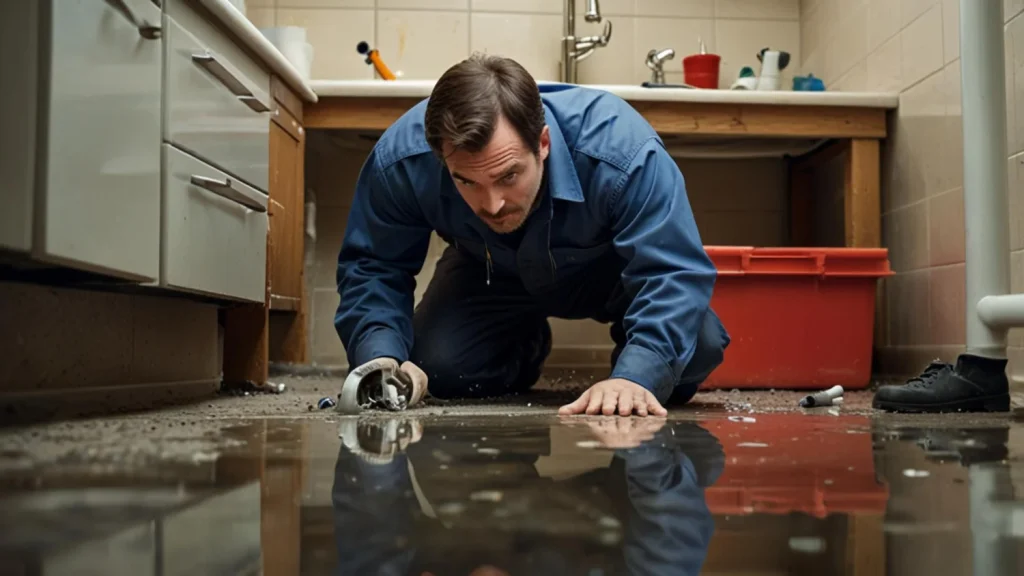
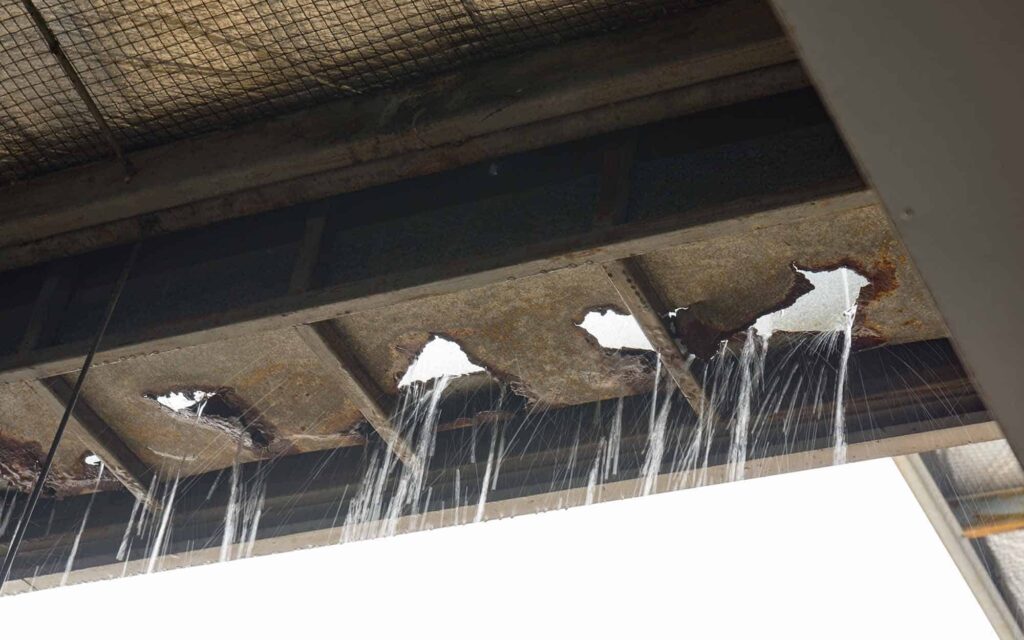
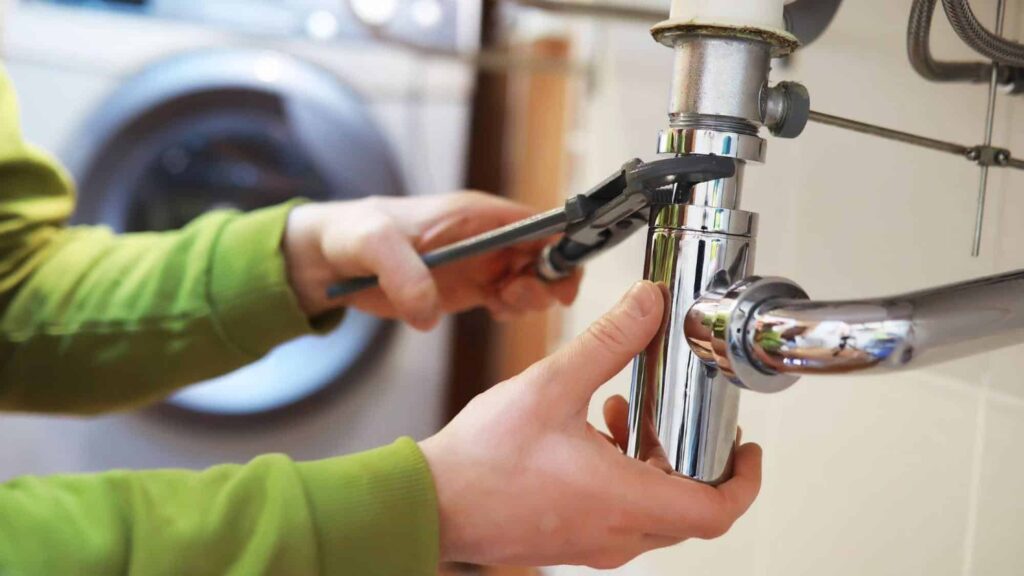
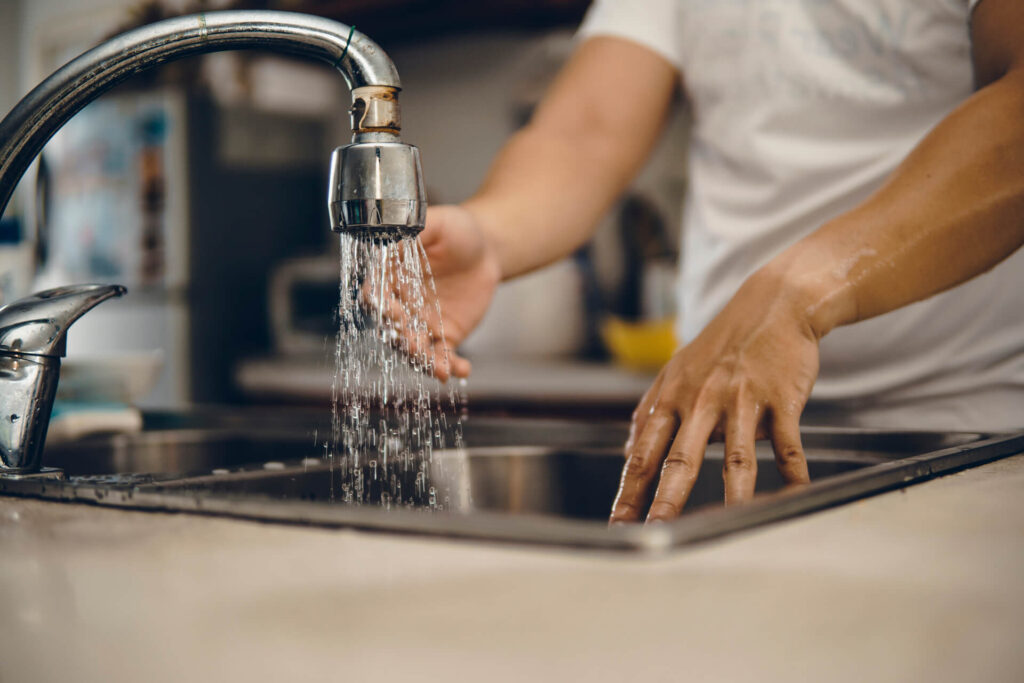
Plumbing is one of those things in your home that you never think about—until something goes wrong. A dripping faucet, hidden pipe leak, or sudden water stain on the ceiling can turn into an expensive repair if left unchecked. That’s why scheduling an annual leak inspection is one of the smartest investments you can make as a homeowner.

At Leak Experts USA, we’ve helped thousands of homeowners avoid costly water damage and unnecessary stress through our professional inspection and plumbing maintenance services. Regular inspections not only protect your property but also keep your water bills low and extend the life of your plumbing system.

In this guide, we’ll explain why annual leak inspections are so valuable, what they include, and how they can save you thousands of dollars in the long run.

📞 Need to schedule your inspection now? Call (702) 745-5571 to book your appointment with us today.


Table of Contents

  1. The Importance of Regular Plumbing Care
  2. What Is an Annual Leak Inspection?
  3. Common Hidden Leaks That Go Unnoticed
  4. Top Benefits of an Annual Leak Inspection
  5. Signs You Might Need a Plumbing Check Sooner
  6. How an Annual Inspection Prevents Major Water Damage
  7. The Cost of Skipping Yearly Plumbing Checks
  8. What to Expect During a Professional Leak Inspection
  9. Why Leak Experts USA Is the Trusted Choice for Leak Detection
  10. FAQs About Annual Leak Inspections
  11. Book Your Free Plumbing Inspection Las Vegas

The Importance of Regular Plumbing Care

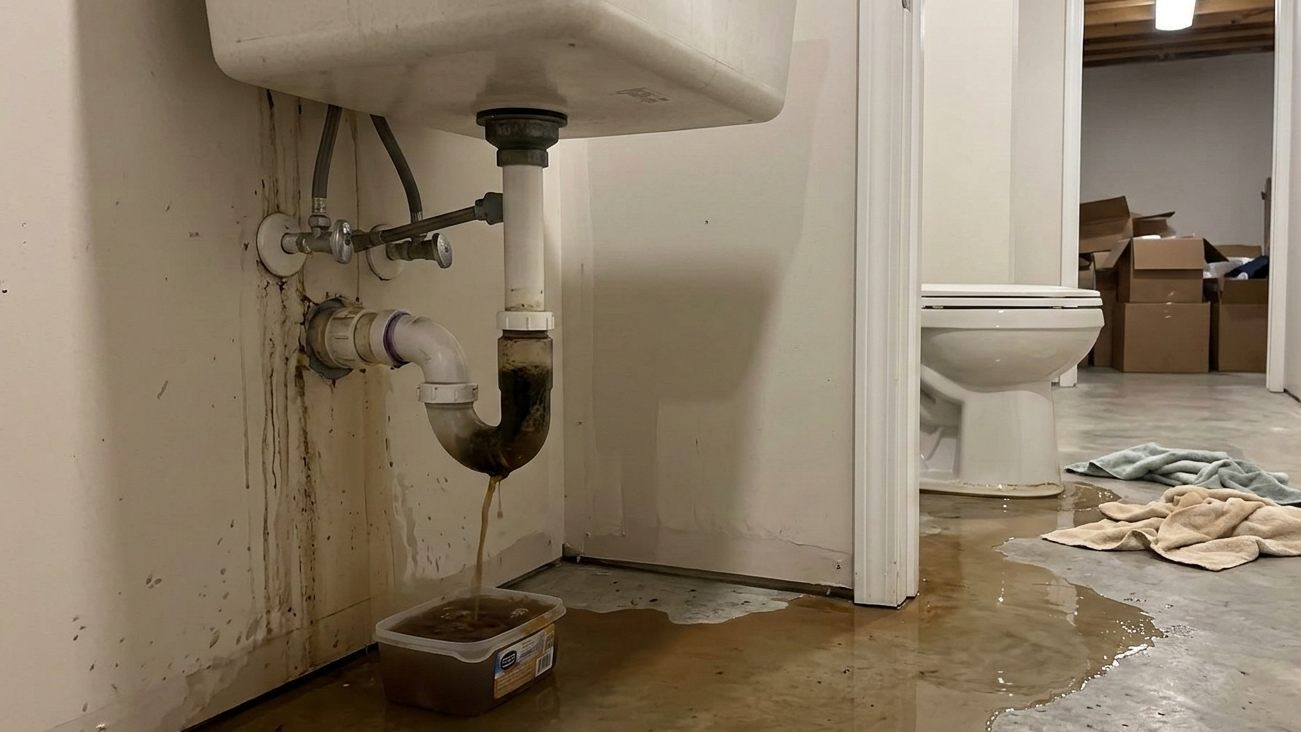
Most homeowners take their plumbing for granted until a leak causes visible damage. However, your plumbing system works around the clock—carrying water to and from your sinks, showers, and appliances. Over time, even minor wear and tear can lead to hidden leaks behind walls or under floors.

That’s where consistent plumbing maintenance comes in. Much like changing your car’s oil or servicing your HVAC system, your plumbing system requires periodic attention. A yearly plumbing check helps detect small issues before they become big ones, saving you from costly repairs or replacements down the road.

What Is an Annual Leak Inspection?

An annual leak inspection is a comprehensive evaluation of your home’s plumbing system conducted by professional plumbers. It involves checking every major and minor component for signs of leaks, corrosion, blockages, or pressure issues.

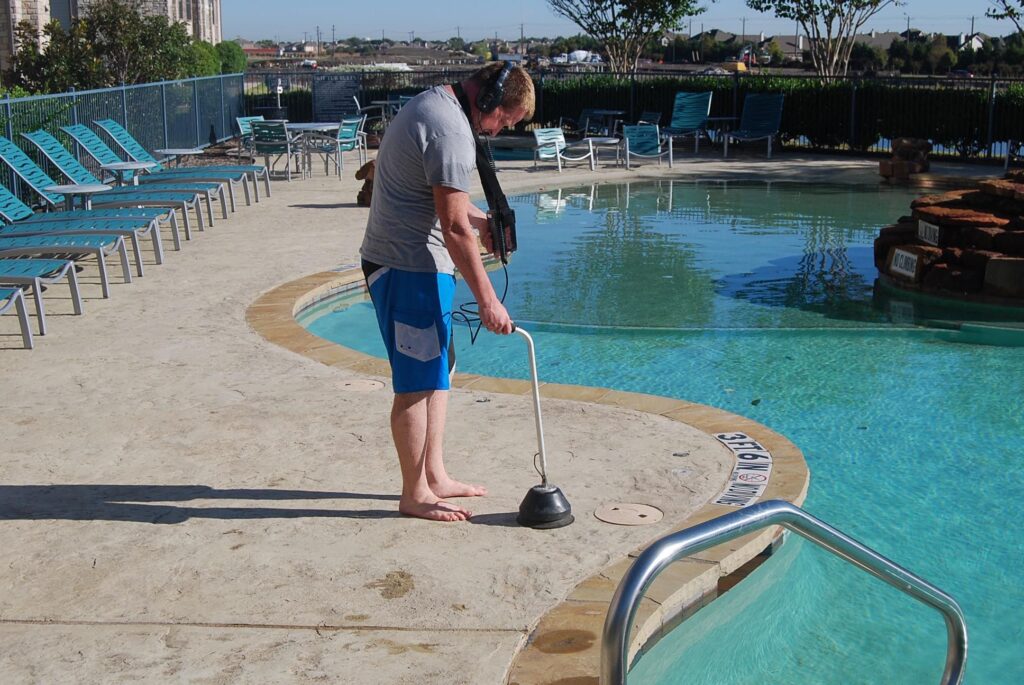
During an inspection, our team uses state-of-the-art technology such as:

  • Acoustic leak detectors
  • Thermal imaging cameras
  • Moisture meters
  • Pressure testing equipment

These tools help us locate even the smallest leaks—often long before you notice any visible signs.

Your annual leak inspection typically covers:

  • Main water lines
  • Kitchen and bathroom fixtures
  • Slab and foundation areas
  • Water heater and supply lines
  • Outdoor irrigation systems

This proactive approach keeps your plumbing system running efficiently year-round.

Common Hidden Leaks That Go Unnoticed

Not all leaks are easy to spot. Some can go unnoticed for months or even years, quietly causing damage behind the scenes. During our yearly plumbing checks, we often uncover leaks in areas most homeowners never think to inspect.

Here are some of the most common hidden leaks:

  • Under-slab leaks: These occur beneath your foundation and can cause uneven flooring or mold growth.
  • Toilet base leaks: A worn wax ring can lead to slow water seepage that damages bathroom floors.
  • Pipe joint leaks: Small drips at joints can go undetected until water pressure drops or walls show signs of moisture.
  • Water heater leaks: Corrosion or loose connections often cause slow leaks that lead to rust and water damage.
  • Outdoor line leaks: Sprinkler or irrigation system leaks waste gallons of water daily without you noticing.

Catching these early through an annual leak inspection is far less costly than waiting for them to cause serious structural damage.

Top Benefits of an Annual Leak Inspection

Scheduling a yearly inspection is not just a preventive measure—it’s an investment in your home’s long-term safety and value. Let’s explore some of the biggest advantages:

🏠 1. Early Leak Detection

A professional annual leak inspection can identify leaks that aren’t visible to the naked eye. Early detection prevents mold, wood rot, and foundation damage.

💧 2. Reduced Water Bills

Even a tiny leak—like a dripping faucet—can waste up to 3,000 gallons a year. Regular plumbing maintenance helps you conserve water and lower monthly costs.

⚙️ 3. Increased Plumbing Lifespan

Regular checks keep pipes and fixtures in optimal condition. A yearly plumbing check ensures that minor corrosion or mineral buildup doesn’t escalate into a burst pipe.

🔧 4. Improved Water Pressure

Leaks or partial blockages can cause low water pressure. Annual inspections help identify these issues early so you can enjoy a consistent flow throughout your home.

🧰 5. Peace of Mind

Knowing your plumbing system is leak-free gives you confidence that your home is protected from unexpected emergencies.

Signs You Might Need a Plumbing Check Sooner

While one annual leak inspection per year is ideal, some signs indicate you may need one sooner. Watch for these red flags:

  • Unexplained increase in your water bill
  • Low water pressure in multiple fixtures
  • Sounds of running water when no taps are open
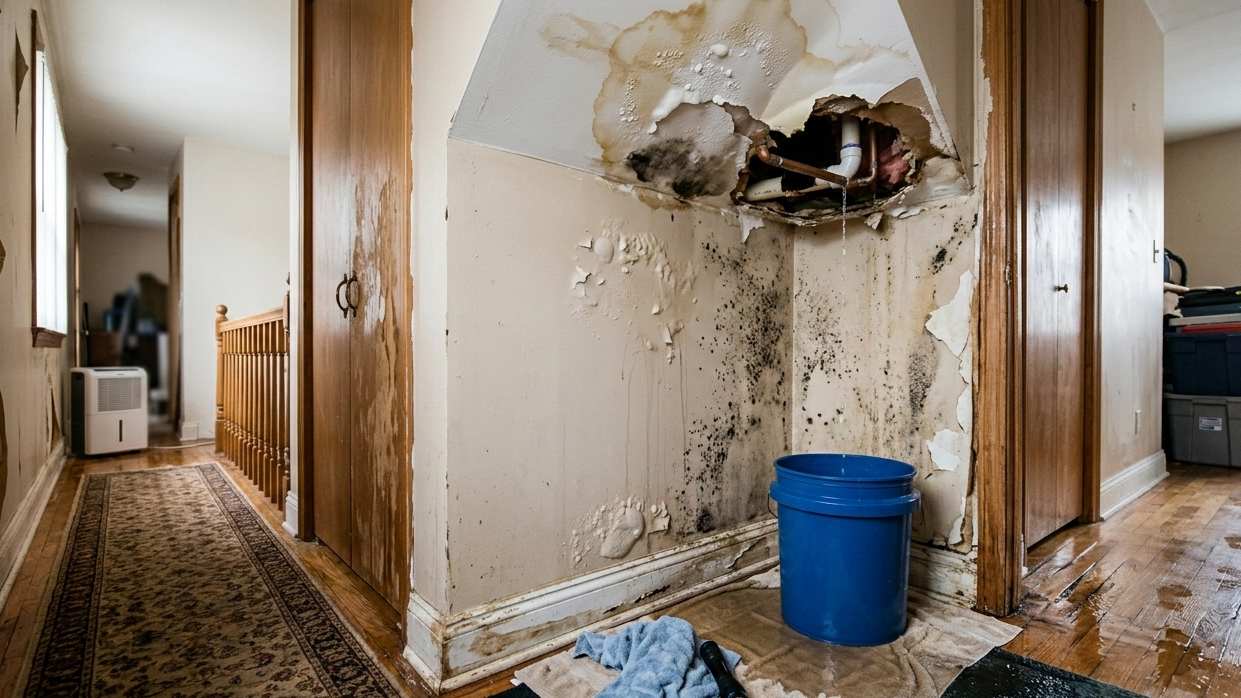
  • Musty odors or visible mold
  • Warm spots on floors or wet drywall
  • Cracks in the walls or foundation

If any of these occur, contact us right away. We’ll provide a free plumbing inspection Las Vegas homeowners can rely on to identify the issue before it worsens.

How an Annual Inspection Prevents Major Water Damage

Water damage is one of the most expensive problems a homeowner can face. A small leak under your sink can eventually cause thousands of dollars in repairs if ignored.

An annual leak inspection acts as your first line of defense. By spotting moisture buildup, pressure drops, or slow leaks early, you can prevent:

  • Mold growth and health hazards
  • Structural weakening of floors or walls
  • Ruined insulation and electrical wiring
  • Costly drywall or flooring replacements

At this company, we’ve seen firsthand how one missed leak can escalate into a major home restoration project. Regular plumbing maintenance prevents those scenarios, keeping your home safe and dry.

Environmental and Financial Benefits of Annual Leak Inspections

One of the most overlooked advantages of an annual leak inspection is its positive impact on both your wallet and the environment. Water is one of our most valuable resources, and in areas like Las Vegas, where conservation is crucial, preventing waste makes a real difference.

A single dripping faucet can waste up to 3,000 gallons of water annually. Multiply that by multiple fixtures, and you’re not just losing water—you’re paying for it. By investing in regular plumbing maintenance, you ensure your home’s system runs efficiently, minimizing waste and unnecessary utility costs.

Here are a few key benefits:

  • Reduced Utility Bills: Small leaks add up quickly. Stopping them early helps you save on monthly expenses.
  • Lower Carbon Footprint: Less wasted water means less energy spent on heating or transporting it.
  • Improved Home Value: Eco-conscious buyers are increasingly drawn to homes that demonstrate efficient, well-maintained systems.
  • Compliance with Local Regulations: Regular inspections can help meet local water conservation standards.

Scheduling a yearly plumbing check with professionals like ours keeps your system running efficiently and helps you contribute to a greener community—while keeping more money in your pocket.

So, whether you’re concerned about the environment, your budget, or both, there’s no denying that annual leak inspections are a smart and sustainable choice for every homeowner.

How to Prepare for Your Annual Leak Inspection

Getting ready for your annual leak inspection doesn’t require much effort, but a little preparation can help our technicians perform their work more efficiently. A few simple steps will ensure a smooth and thorough evaluation of your plumbing system.

Here’s how you can prepare:

  1. Clear Access Points: Make sure areas under sinks, around water heaters, and near shutoff valves are clear of clutter.
  2. Note Any Issues: If you’ve noticed unusual sounds, drops in water pressure, or recent spikes in water bills, jot them down for your technician.
  3. Check Outdoor Fixtures: Clear pathways to hose bibs, sprinkler valves, and irrigation lines to help us inspect them easily.
  4. Secure Pets: Keep pets in a safe area so technicians can move freely around your home.
  5. Review Past Repairs: If you’ve had plumbing work done recently, share that information—it helps us understand your system’s history.

During your inspection, our team will assess visible and hidden components to ensure everything functions properly. Preparing ahead of time allows our professionals to focus on detecting hidden leaks, pressure inconsistencies, or early signs of wear.

Remember, your plumbing maintenance routine is only as effective as the inspections you schedule. By taking a few moments to prepare, you’ll get the most accurate, efficient, and beneficial results from your yearly plumbing check—protecting your home and ensuring every drop of water stays where it belongs.

The Cost of Skipping Yearly Plumbing Checks

Many homeowners think skipping their yearly plumbing check saves money—but in reality, it can cost far more in the long run.

Here’s what can happen if you neglect regular inspections:

  • Rising water bills: Undetected leaks waste water every day.
  • Hidden damage: Leaks behind walls or floors cause unseen rot and mold.
  • Emergency repairs: Burst pipes or slab leaks often require immediate, expensive fixes.
  • Decreased home value: Persistent leaks or water stains reduce resale appeal.

In contrast, a routine annual leak inspection is affordable, quick, and provides immense value—especially when performed by trusted professionals like us.

What to Expect During a Professional Leak Inspection

When you schedule an annual leak inspection with our team, here’s what the process typically looks like:

Step 1: Consultation

We discuss any plumbing concerns you’ve noticed—such as high bills or reduced pressure.

Step 2: System Overview

Our technicians review your water supply system, fixtures, and connections to identify potential weak spots.

Step 3: Advanced Leak Detection

Using non-invasive tools like thermal imaging and acoustic sensors, we pinpoint any hidden leaks.

Step 4: Report and Recommendations

We provide a detailed report outlining any findings and recommend the most effective solutions.

Step 5: Preventive Maintenance

If small issues are found, we perform quick fixes or schedule convenient repairs to prevent future damage.

Our plumbing maintenance services are designed to minimize disruption and maximize protection for your home.

Why Leak Experts USA Is the Trusted Choice for Leak Detection

When it comes to your home’s plumbing, you need a team that combines expertise, technology, and reliability. We’ve built our reputation as the go-to professionals for leak detection and repair across Las Vegas.

Here’s why homeowners trust us year after year:

  • 🧰 Certified Technicians: Our licensed plumbers use advanced diagnostic tools for accurate detection.
  • ⚡ Fast, Non-Invasive Service: We find leaks without tearing through walls or floors.
  • 💬 Transparent Pricing: No hidden fees—just clear, upfront estimates.
  • 🚰 Comprehensive Care: From inspections to repairs and repiping, we handle it all.
  • 🌟 Customer Satisfaction: We stand by our work with service guarantees and 5-star reviews.

Whether you need a free plumbing inspection Las Vegas or a full-scale leak repair, our company is committed to protecting your home and peace of mind.

FAQs About Annual Leak Inspections

Q1: How often should I get my plumbing inspected?

We recommend scheduling an annual leak inspection once a year. However, older homes or properties with previous water damage may benefit from semi-annual checks.

Q2: Can I perform my own plumbing check?

You can monitor for surface leaks and unusual water usage, but professional inspections use advanced technology that detects hidden leaks invisible to homeowners.

Q3: How long does a leak inspection take?

Most yearly plumbing checks take 60–90 minutes, depending on your home’s size and plumbing complexity.

Q4: Does homeowners’ insurance cover leak repairs?

Insurance typically covers sudden damage, not long-term leaks caused by neglect. That’s why proactive inspections are crucial.

Q5: Is it expensive to have an annual inspection?

Not at all. Compared to the thousands you might spend on water damage repairs, a professional annual leak inspection is extremely cost-effective.


Book Your Free Plumbing Inspection in Las Vegas

Don’t wait until a leak becomes a flood. Protect your home with a reliable annual leak inspection from the experts who know Las Vegas plumbing best.

At Leak Experts USA, we offer:

📞 Call (702) 745-5571 today or visit our website to book your inspection. With us on your side, you can relax knowing your home’s plumbing is in the best possible hands. Follow us on Instagram for regular updates!
Related Blogs

image block

Sewer Leak or Clog: How to Tell the Difference

Slow drains. Bad smells. A wet spot in the yard that won’t go away. These signs can point to two very different problems. Sewer leak detection issues and a stubborn sewer clog can look almost identical from the outside. But they’re not the same thing at all. A clog is a blockage inside the pipe. […]

image block

What to Do After Water Damage from a Leak

You walk into a room, and there’s water on the floor. Or the ceiling is dripping. Your first reaction is panic – but what you do in the next few hours is what really matters. Water leak damage moves fast. It gets into walls, soaks into the ground, and spreads to places you can’t even […]

image block

Why Your Water Bill Suddenly Increased

You open the bill, look at the number, and something’s off. Last month was normal. This month it’s doubled. Nothing changed – or so you think. That kind of sudden water bill increase almost always has a cause, and finding it usually doesn’t take long once you know where to look. Some reasons are simple. […]

image block

Common Leak Sources in Las Vegas Homes

Desert homes have their own set of problems. The heat alone puts stress on plumbing that people in other climates never deal with. Add shifting soil and water so full of minerals it practically chews through pipe fittings, and you get a situation where a water leak Las Vegas homeowners find is rarely simple to […]

image block

Pre-Spring Plumbing Leak Checklist for Las Vegas

Spring is the right time for a full walk-through of your home’s plumbing. Las Vegas has its own set of conditions that make this worth doing every year. The temperature swings between cold nights and warm days put stress on pipe joints and seals. Months of dry weather mask slow leaks that have been building […]

image block

5 Signs You Have a Slab Leak in Your Las Vegas Home

A slab leak is one of the hardest plumbing problems to detect because it’s hidden. The pipes run under the concrete foundation, buried several inches down. By the time there’s visible damage, the leak has usually been going on for a while. Las Vegas homes are especially vulnerable. The “caliche” soil shifts as it dries […]

When it comes to home maintenance, few issues are as costly or frustrating as unexpected water leaks. A small drip can quietly lead to major damage — weakening walls, floors, and even your home’s foundation. The good news? With the right preventive strategies, homeowners can avoid future water leaks and save thousands in repairs.

At Leak Experts USA, we’ve spent years helping homeowners protect their properties with smart plumbing practices, advanced leak detection, and timely maintenance. Our licensed technicians have seen firsthand how a few simple habits and inspections can stop water damage before it even begins.

Whether you’re in a brand-new house or maintaining an older property, this guide will show you how to stop leaks before they start and safeguard your home for years to come.

📞 Have a question or need expert help? Call (702) 745-5571 to schedule a leak inspection today!


Table of Contents

  1. Understanding the Impact of Water Leaks
  2. Common Causes of Household Leaks
  3. Top Preventive Tips to Avoid Future Water Leaks
  4. Early Warning Signs You Shouldn’t Ignore
  5. The Importance of Regular Plumbing Inspections
  6. Seasonal Maintenance Tips to Avoid Future Water Leaks
  7. Long-Term Home Upgrades for Leak Prevention
  8. Smart Home Devices That Detect Leaks
  9. Why Professional Leak Detection Matters
  10. FAQs
  11. Protect Your Home with Leak Experts USA

Understanding the Impact of Water Leaks

Before we get into water leak prevention tips, it’s important to understand why leaks occur and the kind of damage they cause.

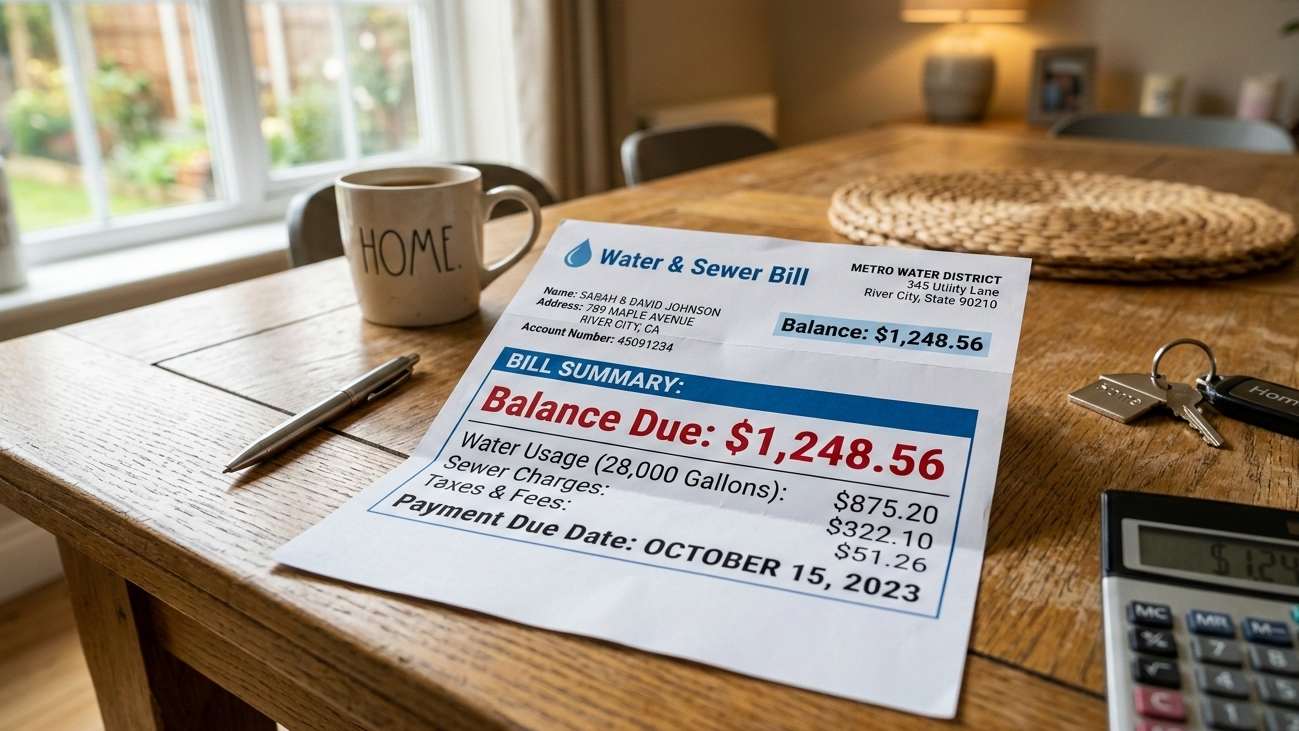
A slow drip under your sink or a hidden slab leak beneath your home can waste thousands of gallons of water each year. Beyond the spike in your water bill, leaks lead to:

  • Mold and mildew growth
  • Structural damage to the flooring and drywall
  • Rotting wood beams
  • Electrical hazards
  • Costly repairs that could’ve been avoided

Even minor leaks can weaken your home over time. By being proactive, you can avoid future water leaks and maintain both your home’s comfort and value.

Common Causes of Household Leaks

Understanding the root causes is the first step in stopping leaks before they start.
Here are the most common reasons leaks develop:

  • Aging or corroded pipes – Over time, metal pipes corrode, and plastic pipes weaken, leading to cracks.
  • High water pressure – Excessive pressure strains joints and fittings.
  • Temperature fluctuations – In extreme heat or cold, pipes expand and contract, increasing the chance of breaks.
  • Clogged drains or toilets – Pressure buildup from blockages can cause pipes to burst.
  • Poor installation or DIY fixes – Incorrect fittings or improper sealing lead to recurring leaks.

Knowing these causes helps you apply effective water leak prevention tips that address your home’s unique plumbing setup.

Top Preventive Tips to Avoid Future Water Leaks

Let’s get into the practical steps every homeowner can take to avoid future water leaks and ensure a healthy plumbing system.

A. Schedule Regular Plumbing Inspections

Most leaks begin small — too small for the eye to catch. Regular inspections by a trusted plumbing professional can uncover early warning signs like corrosion, moisture buildup, or loose fittings.

Our advanced water leak detection Las Vegas service uses infrared cameras and acoustic sensors to detect hidden leaks before they cause major issues.

By scheduling yearly inspections, you can avoid future water leaks and make small repairs before they turn into large, costly disasters.

B. Monitor Your Water Pressure

High water pressure may feel nice in the shower, but it can damage your plumbing system over time. Most homes should maintain pressure between 40 and 60 psi.

Install a pressure regulator or gauge on your main water line to monitor changes. This simple step is one of the most effective water leak prevention tips available — keeping pipes strong and joints secure.

C. Replace Aging Pipes Before They Fail

Pipes don’t last forever. Copper pipes can last up to 70 years, while PEX and PVC typically last 40–50 years. If your home is older or you’re noticing frequent small leaks, it might be time for repiping.

Modern materials like PEX offer flexibility and resistance to corrosion, reducing the risk of leaks in the future. Preventive upgrades like these are smart investments that help avoid future water leaks and boost property value.

D. Insulate Exposed Pipes

Even in warmer climates, exposed pipes in garages, crawl spaces, or exterior walls are at risk of temperature changes. Pipe insulation keeps them protected and prevents expansion, contraction, and cracking.

Homeowners who wonder how to stop leaks before they start often overlook this simple yet effective step. Insulating your pipes ensures long-term stability and reliability.

E. Check Appliances and Fixtures Regularly

Dishwashers, washing machines, and water heaters are common culprits behind leaks. Check hoses, valves, and connectors every few months. If you notice moisture, rust, or drips, replace the parts immediately.

For added security, install automatic shut-off valves that cut off water flow if a leak is detected — another smart way to avoid future water leaks.

F. Keep Drains Clear and Flowing

Clogged drains can put unnecessary pressure on pipes, leading to leaks or bursts. Avoid pouring grease, coffee grounds, or food scraps down the drain. Use drain screens to catch debris and clean them regularly.

A little preventive care today keeps your plumbing system healthy tomorrow. This simple habit ranks high among effective water leak prevention tips.

G. Use Smart Leak Detection Devices

Technology now makes it easier than ever to monitor your plumbing system. Smart sensors and water leak detectors alert you the moment moisture is detected — even if you’re away from home.

Installing a water leak detection Las Vegas not only prevents extensive damage but also gives you peace of mind that your home is protected around the clock.

H. Test Your Water Meter for Hidden Leaks

Here’s a simple trick:

  1. Turn off all faucets and appliances using water.
  2. Check your water meter and record the reading.
  3. Wait two hours without using any water.
  4. Check again.

If the reading changes, there’s likely a hidden leak somewhere. This test can help homeowners avoid future water leaks before they become severe.

I. Maintain Gutters and Downspouts

Poor drainage can cause water to pool near your home’s foundation, eventually seeping into basements or crawl spaces. Clean gutters regularly and ensure downspouts direct water away from your home.

A well-drained home is a leak-free home — a key step in how to stop leaks before they start.


Early Warning Signs You Shouldn’t Ignore

Catching problems early is the easiest way to avoid future water leaks. Watch for these signs:

  • Sudden spikes in your water bill
  • Musty or damp smells in rooms
  • Stains or discoloration on ceilings or walls
  • Reduced water pressure
  • Sounds of dripping or running water when all fixtures are off

If you notice any of these, it’s time to call in a professional plumber for water leak detection Las Vegas before the problem worsens.

The Importance of Regular Plumbing Inspections

Even the most careful homeowners can’t see behind walls or beneath floors. Professional plumbing inspections uncover what your eyes can’t. These checks often include:

  • Pressure tests
  • Pipe corrosion analysis
  • Leak detection scans
  • Fixture and seal inspections

Regular inspections are among the top water leak prevention tips and a key part of long-term home care.

Seasonal Maintenance Tips to Avoid Future Water Leaks

Your plumbing system faces different challenges throughout the year, especially with temperature changes and increased household activity. Following seasonal maintenance routines can significantly help you avoid future water leaks and costly surprises.

Spring & Summer

  • Inspect outdoor faucets and sprinklers: Freezing winter temperatures (even mild ones in Nevada) can cause minor cracks that leak once water starts flowing again.
  • Clean gutters and downspouts: Ensure rainwater flows away from your foundation. Pooling water can seep into basements and weaken structural integrity.
  • Check washing machine hoses: Summer means more laundry, so make sure hoses aren’t brittle, bulging, or loose.

Fall & Winter

  • Insulate exposed pipes: Areas like garages, attics, or outdoor walls are most at risk. Foam pipe sleeves are affordable and effective.
  • Shut off outdoor spigots: Disconnect garden hoses and drain them to prevent residual water from freezing inside pipes.
  • Test your water heater: Ensure your water heater is functioning efficiently, as pressure imbalances often lead to leaks.

Performing these small seasonal checks can drastically reduce the likelihood of leaks. Our team offers seasonal inspection packages that make it simple to avoid future water leaks all year round.

📞 Call (702) 745-5571 to schedule a seasonal plumbing check-up and protect your home from unexpected water damage.

Long-Term Home Upgrades for Leak Prevention

If you’re serious about learning how to stop leaks before they start, investing in long-term upgrades is one of the best decisions you can make for your property. These modern improvements not only enhance efficiency but also strengthen your home’s defenses against leaks.

  • Upgrade to corrosion-resistant pipes: Modern PEX piping is flexible, durable, and resistant to mineral buildup — perfect for homes in Las Vegas with hard water issues.
  • Install whole-home water filtration systems: Filters reduce sediment and mineral deposits that can erode pipes from the inside.
  • Add automatic shut-off valves: These smart devices detect abnormal water flow and instantly turn off your water supply, preventing extensive damage.
  • Replace old fixtures: Aging faucets, showerheads, and toilets often leak due to worn-out seals or washers.
  • Seal foundation cracks: Water seeping through the ground can weaken your home’s base and lead to leaks inside walls or basements.

While these upgrades require an upfront investment, they pay off in peace of mind, lower repair bills, and improved water efficiency.

Our licensed professionals can assess your plumbing system and recommend the best upgrades for your home’s needs. We’re committed to helping homeowners avoid future water leaks with reliable products, expert installation, and proactive maintenance solutions.

Smart Home Technology for Leak Detection

In modern homes, prevention goes digital. Smart home leak detectors monitor humidity levels, temperature changes, and even the sound of dripping water. Many systems connect to your phone, allowing you to shut off your water remotely if a leak is detected.

This level of protection helps homeowners avoid future water leaks even when they’re not home — perfect for frequent travelers or those with rental properties in Las Vegas.

Why Professional Leak Detection Matters

DIY fixes can help in some situations, but hidden leaks often require professional-grade tools. With services like water leak detection Las Vegas, you can identify leaks deep within walls, floors, or slabs without demolition.

We use advanced acoustic and thermal imaging to pinpoint problems accurately, saving you time, stress, and money. Our experienced team ensures that you not only fix leaks but also understand how to stop leaks before they start in the future.

Why Choose Leak Experts USA

When it comes to leak prevention, trust and technology matter.

Here’s why homeowners consistently choose us:

  • Certified and insured technicians
  • Advanced diagnostic tools for precise detection
  • Transparent pricing and free estimates
  • Fast response times and same-day service availability
  • Proven record of helping homeowners avoid future water leaks

Our local expertise allows us to understand the specific plumbing challenges in Las Vegas, including hard water buildup and soil movement that can stress underground pipes.

📞 Call (702) 745-5571 today or schedule an inspection online!

Your home deserves protection, and we’re here to deliver it.

FAQs – Preventing Future Water Leaks

1. How often should I check my plumbing for leaks?

We recommend a professional inspection at least once a year. Routine checks help you avoid future water leaks and spot early signs of damage.

2. Can small leaks fix themselves over time?

No — even a slow drip worsens over time. Left unaddressed, small leaks can lead to mold, rot, and costly repairs.

3. What’s the best way to detect hidden leaks?

Professional water leak detection Las Vegas uses tools like thermal imaging and pressure tests to find hidden leaks without tearing into walls.

4. Are smart leak detectors worth it?

Absolutely! Smart devices are one of the best water leak prevention tips available. They provide instant alerts, giving you time to shut off the water before major damage occurs.

5. Should I handle plumbing leaks myself?

For visible leaks like a dripping faucet, DIY fixes may work temporarily. But for hidden or recurring leaks, always call professionals like us for a lasting solution.

Protect Your Home with Leak Experts USA

Water damage is one of the most expensive home repairs — but it’s also one of the most preventable.
With consistent maintenance, regular inspections, and professional assistance when needed, you can confidently prevent future water leaks and maintain the safety of your property.

At Leak Experts USA, we don’t just fix leaks — we help you prevent them. From thorough inspections to advanced leak detection, our goal is to protect your home and your peace of mind.

📞 Call (702) 745-5571 or visit our website today to schedule your inspection and discover why we’re the most trusted name in Las Vegas plumbing. Follow us on Instagram for regular updates!
Related Blogs

image block

Sewer Leak or Clog: How to Tell the Difference

Slow drains. Bad smells. A wet spot in the yard that won’t go away. These signs can point to two very different problems. Sewer leak detection issues and a stubborn sewer clog can look almost identical from the outside. But they’re not the same thing at all. A clog is a blockage inside the pipe. […]

image block

What to Do After Water Damage from a Leak

You walk into a room, and there’s water on the floor. Or the ceiling is dripping. Your first reaction is panic – but what you do in the next few hours is what really matters. Water leak damage moves fast. It gets into walls, soaks into the ground, and spreads to places you can’t even […]

image block

Why Your Water Bill Suddenly Increased

You open the bill, look at the number, and something’s off. Last month was normal. This month it’s doubled. Nothing changed – or so you think. That kind of sudden water bill increase almost always has a cause, and finding it usually doesn’t take long once you know where to look. Some reasons are simple. […]

image block

Common Leak Sources in Las Vegas Homes

Desert homes have their own set of problems. The heat alone puts stress on plumbing that people in other climates never deal with. Add shifting soil and water so full of minerals it practically chews through pipe fittings, and you get a situation where a water leak Las Vegas homeowners find is rarely simple to […]

image block

Pre-Spring Plumbing Leak Checklist for Las Vegas

Spring is the right time for a full walk-through of your home’s plumbing. Las Vegas has its own set of conditions that make this worth doing every year. The temperature swings between cold nights and warm days put stress on pipe joints and seals. Months of dry weather mask slow leaks that have been building […]

image block

5 Signs You Have a Slab Leak in Your Las Vegas Home

A slab leak is one of the hardest plumbing problems to detect because it’s hidden. The pipes run under the concrete foundation, buried several inches down. By the time there’s visible damage, the leak has usually been going on for a while. Las Vegas homes are especially vulnerable. The “caliche” soil shifts as it dries […]

When you step into your bathroom or kitchen, the last thing you expect to notice is an unpleasant odor. Yet many homeowners find themselves wondering why their space smells like a sewer. These sewer smells are not just bothersome — they can be signs of underlying plumbing issues that may pose risks to your home’s hygiene and safety.

We’ve helped hundreds of homeowners identify and eliminate sewer smells in their bathrooms and kitchens. From plumbing vent leaks to dry traps and hidden clogs, these problems are more common than you might think.

This guide breaks down the main causes behind these unpleasant drain odors, how to spot them early, and what you can do to eliminate them — once and for all.

📞 Need fast help? Call (702) 745-5571 to schedule an inspection with one of our plumbing specialists today.


Table of Contents

  1. Understanding Why Sewer Smells Occur
  2. Common Causes of Sewer Smells in Bathrooms
  3. Common Causes of Sewer Smells in Kitchens
  4. How Plumbing Vent Leaks Contribute to Odors
  5. How to Identify the Source of the Smell
  6. Quick Fixes You Can Try at Home
  7. Health and Safety Risks of Sewer Smells
  8. Professional Solutions to Eliminate Sewer Smells
  9. When to Call a Professional Plumber
  10. How Sewer Camera Inspection Helps
  11. Preventing Sewer Smells from Returning
  12. FAQs

Understanding Why Sewer Smells Occur

Every plumbing system is designed to carry wastewater away efficiently and keep gases from re-entering your living space. When sewer smells begin to rise from drains or fixtures, it usually means that something in that system isn’t working properly.

Inside your pipes, there’s a balance between air pressure, water traps, and venting that keeps sewer gas smell indoors from escaping. When this balance is disturbed — by a blockage, leak, or dry trap — those foul gases can make their way up through your drains.

Common indicators of this issue include:

  • Persistent or occasional bathroom drain smell
  • Unexplained kitchen sink odor
  • Gurgling sounds from drains
  • Air bubbles when flushing the toilet
  • Slow water drainage

Understanding these early signs is the first step to resolving the issue before it turns into a major plumbing problem.

Common Causes of Sewer Smells in Bathrooms

Bathrooms are one of the most frequent sources of sewer smells in the home. Between toilets, showers, and sinks, even small plumbing issues can lead to strong odors. Here are the most common culprits:

🛁 1. Dry or Damaged P-Traps

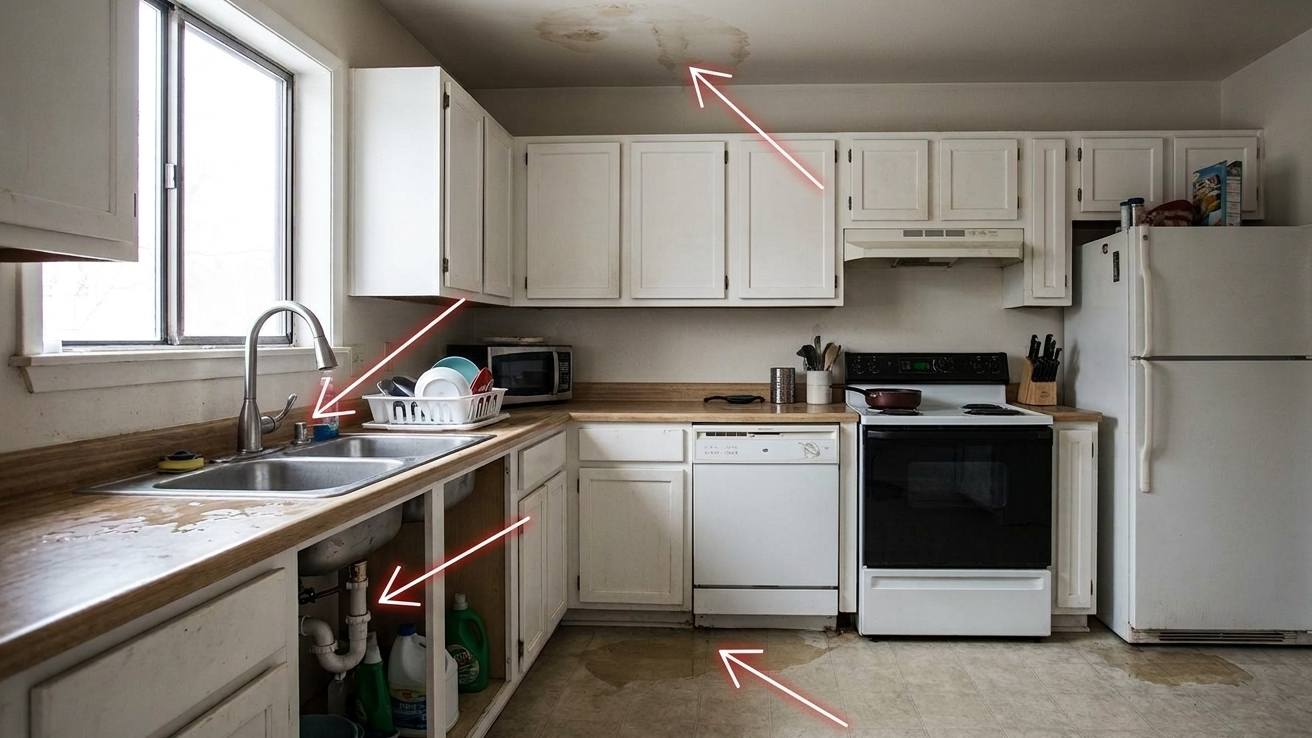
The P-trap is the curved pipe under your sink or shower drain that holds a small amount of water. This water acts as a barrier that prevents sewer gases from escaping. If it dries out — often in rarely used bathrooms — it leaves an open path for sewer gas smell indoors.

🚽 2. Toilet Wax Ring Leaks

A broken or loose wax ring at the base of your toilet allows gases to escape from the sewer line. This is a common but often overlooked cause of sewer smells in bathrooms.

🚿 3. Shower Drain Biofilm

Over time, soap scum, hair, and debris can build up in the shower drain, forming a layer of bacteria known as biofilm. When disturbed, it releases an unpleasant bathroom drain smell.

🧰 4. Clogged Vent Pipes

Your plumbing vents carry gases from your drain system to the outdoors. If the vent pipe becomes clogged with debris, bird nests, or leaves, pressure builds up — pushing odors back into your bathroom.

⚙️ 5. Plumbing Vent Leaks

Small cracks or disconnections in vent pipes can release gases into the walls or ceiling. These plumbing vent leaks often cause faint but persistent smells that seem impossible to trace.

Sewer Smells in Bathrooms
Causes of Sewer Smells in Bathrooms and Kitchens 2

Common Causes of Sewer Smells in Kitchens

Your kitchen can also develop sewer smells, often due to different factors than the bathroom. The combination of grease, food waste, and sink drains creates ideal conditions for odors to form.

🍽️ 1. Clogged or Dirty Drains

Grease, oil, and food scraps can accumulate in your kitchen pipes, leading to partial blockages. As this buildup decomposes, it emits a strong kitchen sink odor that can resemble sewer gas.

🧴 2. Garbage Disposal Issues

Food particles trapped under the blades or in the splash guard of your disposal can start to rot. Running water or turning on the disposal can release these drain odors.

🔩 3. Faulty Air Admittance Valve (AAV)

Many modern kitchens have an air admittance valve to regulate air pressure in the plumbing system. If this valve fails, it can cause sewer smells to escape into the room.

💧 4. Dishwasher Connection Problems

Dishwashers often share a drain line with the sink. If that line isn’t properly installed or becomes clogged, dirty water can backflow — spreading an unpleasant kitchen sink odor.

How Plumbing Vent Leaks Contribute to Odors

One of the less visible but major contributors to sewer smells is a plumbing vent leak.

The plumbing vent, also known as a vent stack, runs through your home’s walls and exits through the roof. It allows sewer gases to escape outdoors and keeps water flowing smoothly through your drains.

When there’s a leak or break in this vent line — even a small one — sewer gases can seep into your home. Since vent pipes are hidden behind drywall or insulation, these plumbing vent leaks are hard to detect without professional tools.

Common signs include:

  • A faint sewer gas smell indoors that comes and goes
  • Odors are stronger after flushing or draining water
  • Gurgling drains or toilets
  • No visible water leaks, yet a persistent odor

How to Identify the Source of the Smell

Finding the cause of sewer smells can be tricky. Since multiple fixtures share the same drainage network, odors can travel. Here’s how to start troubleshooting:

  1. Check all drains and fixtures: Run water in every sink, tub, and shower. If one fixture smells worse, it’s likely the source.
  2. Inspect the toilet base: Any looseness or visible gaps in the wax seal can be the problem.
  3. Look for slow drainage: Slow water flow may point to a partial clog or venting issue.
  4. Listen for gurgling sounds: This usually signals air pressure imbalance or a blocked vent.
  5. Sniff near walls or ceilings: If the smell is stronger in certain areas, a plumbing vent leak could be behind the wall.

If you’ve checked all the visible areas and still can’t find the cause, it’s time to bring in professionals.

Quick Fixes You Can Try at Home

Before calling a plumber, there are some safe DIY methods you can try to temporarily eliminate drain odors:

  • Run water in unused drains: Refill dry P-traps to block gases.
  • Pour baking soda and vinegar: This helps break down organic buildup, causing bathroom drain smell or kitchen sink odor.
  • Clean your garbage disposal: Use ice cubes and citrus peels to freshen it.
  • Check vent outlets: If you can access the roof, inspect for blockages in vent pipes.
  • Flush drains with hot water: Helps melt grease and flush away residues.

If the sewer smells return quickly or worsen, these solutions likely only mask a deeper plumbing issue.

Health and Safety Risks of Sewer Smells

While sewer smells are often dismissed as a nuisance, they can actually indicate serious health and safety risks inside your home. Sewer gas is a mix of hydrogen sulfide, methane, ammonia, and other harmful compounds. Prolonged exposure to these gases — even in small amounts — can affect both your health and your home’s air quality.

☠️ 1. Short-Term Health Effects

When sewer gas smell indoors becomes noticeable, it can cause headaches, eye irritation, coughing, dizziness, or nausea. Sensitive individuals, especially children and the elderly, may experience stronger reactions.

🏠 2. Long-Term Exposure

Chronic exposure to sewer gases can cause fatigue, memory issues, or respiratory irritation. In rare cases, high levels of methane can even create an explosion risk if the gas builds up in enclosed spaces.

💨 3. Structural Damage

Aside from the health risks, the moisture and bacteria released by drain odors can cause corrosion or mold growth inside walls and under floors. Over time, this can lead to costly repairs and even compromise your home’s structural integrity.

That’s why it’s important not to ignore a persistent bathroom drain smell or a kitchen sink odor. We take every odor complaint seriously, offering advanced leak detection and sewer camera inspection Las Vegas services to identify and repair the source safely and permanently.

Professional Solutions to Eliminate Sewer Smells

If DIY solutions aren’t enough to eliminate sewer smells, it’s time to turn to professionals who specialize in plumbing diagnostics and odor removal. Our process combines expertise, technology, and precision to restore clean, odor-free air to your home.

🔍 Step 1: Comprehensive Inspection

We start with a full visual and pressure inspection of all drains, traps, and vent lines. Using smoke testing and advanced sensors, we pinpoint leaks or pressure imbalances that cause plumbing vent leaks or recurring drain odors.

🎥 Step 2: Sewer Camera Inspection

A sewer camera inspection Las Vegas allows us to identify internal pipe damage, cracks, or buildup causing sewer gas smell indoors — without tearing through walls or floors.

🧰 Step 3: Targeted Repairs

Depending on the issue, we reseal toilets, clean or replace P-traps, clear clogs, or repair damaged vent systems. Our repairs focus on preventing future leaks and keeping your plumbing system balanced.

🌿 Step 4: Long-Term Prevention

Finally, we provide maintenance plans and odor-prevention tips customized to your home’s layout. With regular inspections, bathroom drain smell and kitchen sink odor can be eliminated before they return.

If you’re struggling with persistent sewer smells, let us handle the dirty work. Call (702) 745-5571 to schedule an expert inspection and breathe clean, fresh air again.

When to Call a Professional Plumber

Persistent sewer smells are more than an inconvenience — they’re a warning sign. Sewer gas contains hydrogen sulfide, methane, and ammonia, which can be hazardous to health. If you’ve tried DIY solutions without success, contact a licensed plumber immediately.

Our technicians use advanced diagnostic tools to pinpoint the exact source of drain odors. Whether it’s a plumbing vent leak, cracked drain line, or hidden clog, we’ll identify and fix the problem safely and efficiently.

We’ve worked with homes across Las Vegas, from older neighborhoods to modern properties, helping homeowners eliminate sewer odors for good.

📞 Call us today at (702) 745-5571 for an inspection you can trust.

How Sewer Camera Inspection Helps

Sometimes, the only way to accurately locate the cause of sewer smells is by inspecting the pipes directly. That’s where a sewer camera inspection Las Vegas service comes in.

Using a waterproof camera attached to a flexible cable, plumbers can view real-time footage inside your sewer lines. This helps detect:

  • Cracks or leaks in underground pipes
  • Blockages from grease, debris, or roots
  • Collapsed or misaligned pipes
  • Hidden sources of drain odors

This non-invasive method saves time, prevents unnecessary digging, and identifies the precise repair needed. A sewer camera inspection Las Vegas not only helps solve existing odor problems but can also prevent future leaks or backups.

Preventing Sewer Smells from Returning

Once the sewer smells are gone, the next step is preventing them from coming back. Here are some expert tips to maintain a clean and odor-free plumbing system:

🧼 1. Regularly Clean Drains

Use a mix of baking soda and vinegar monthly to keep buildup under control.

💧 2. Run Water in Unused Fixtures

If you have guest bathrooms, run the sink and shower for a minute weekly to prevent dry traps.

🔍 3. Avoid Pouring Grease Down the Sink

Grease and oil harden in pipes, causing future kitchen sink odor and clogs.

🌬️ 4. Check Vent Pipes Periodically

Inspect your roof vent to ensure it’s not blocked by leaves or debris.

🧰 5. Schedule Annual Plumbing Inspections

Professional inspections from companies like ours can detect issues before they become severe.

Our team provides routine maintenance and inspection services designed to keep your drains clear, your vents secure, and your home free of sewer smells year-round.


Frequently Asked Questions – Sewer Smells in Bathrooms and Kitchens

1. Why does sewer gas smell my bathroom like a sewer even after cleaning?

Cleaning only removes surface debris. The odor often comes from deeper issues like dry traps, clogged vents, or plumbing vent leaks!

2. Can sewer gas make me sick?

Yes. Prolonged exposure can cause headaches, dizziness, or nausea. That’s why eliminating smell sewer gas quickly is crucial.

3. How do I know if it’s my vent pipe causing the smell?

If you notice odors near walls or ceilings, especially after flushing or draining, a plumbing vent leak is likely.

4. What’s the best way to get rid of kitchen drain odors?

Regularly clean your garbage disposal, flush the drain with baking soda and vinegar, and avoid putting grease or coffee grounds down the sink.

5. When should I get a professional inspection?

If the sewer smells persist for more than a few days, or if you can’t locate the source, schedule an inspection for a detailed diagnosis.


Say Goodbye to Sewer Smells for Good

No one should have to live with foul odors in their home. Whether it’s a bathroom drain smell, kitchen sink odor, or mysterious sewer gas smell indoors, identifying the cause early can prevent damage and protect your family’s health.

At Leak Experts USA, we specialize in odor detection, leak repair, and sewer inspections. Our experienced team uses advanced technology and proven techniques to eliminate sewer gas smells quickly and permanently.

✅ Fast same-day service

✅ Expert diagnosis and repair

✅ Trusted by Las Vegas homeowners 📞 Call (702) 745-5571 or book your appointment online today. Let the experts restore freshness — and peace of mind — to your home. Follow us on Instagram for regular updates!
Related Blogs

image block

Sewer Leak or Clog: How to Tell the Difference

Slow drains. Bad smells. A wet spot in the yard that won’t go away. These signs can point to two very different problems. Sewer leak detection issues and a stubborn sewer clog can look almost identical from the outside. But they’re not the same thing at all. A clog is a blockage inside the pipe. […]

image block

What to Do After Water Damage from a Leak

You walk into a room, and there’s water on the floor. Or the ceiling is dripping. Your first reaction is panic – but what you do in the next few hours is what really matters. Water leak damage moves fast. It gets into walls, soaks into the ground, and spreads to places you can’t even […]

image block

Why Your Water Bill Suddenly Increased

You open the bill, look at the number, and something’s off. Last month was normal. This month it’s doubled. Nothing changed – or so you think. That kind of sudden water bill increase almost always has a cause, and finding it usually doesn’t take long once you know where to look. Some reasons are simple. […]

image block

Common Leak Sources in Las Vegas Homes

Desert homes have their own set of problems. The heat alone puts stress on plumbing that people in other climates never deal with. Add shifting soil and water so full of minerals it practically chews through pipe fittings, and you get a situation where a water leak Las Vegas homeowners find is rarely simple to […]

image block

Pre-Spring Plumbing Leak Checklist for Las Vegas

Spring is the right time for a full walk-through of your home’s plumbing. Las Vegas has its own set of conditions that make this worth doing every year. The temperature swings between cold nights and warm days put stress on pipe joints and seals. Months of dry weather mask slow leaks that have been building […]

image block

5 Signs You Have a Slab Leak in Your Las Vegas Home

A slab leak is one of the hardest plumbing problems to detect because it’s hidden. The pipes run under the concrete foundation, buried several inches down. By the time there’s visible damage, the leak has usually been going on for a while. Las Vegas homes are especially vulnerable. The “caliche” soil shifts as it dries […]

When it comes to maintaining your home’s plumbing system, few issues are as serious—and as easy to overlook—as a broken sewer pipe. Hidden underground or behind walls, your sewer line silently carries away wastewater from your home every day. But when it cracks, collapses, or clogs, it can lead to messy, unhealthy, and expensive consequences.

Understanding the signs of a broken sewer pipe early can help you act fast, save thousands in potential repairs, and prevent property damage. At Leak Experts USA, we’ve seen firsthand how quickly small warning signs can turn into big plumbing emergencies. Our licensed plumbers specialize in diagnosing and repairing cracked sewer pipe problems efficiently and with minimal disruption.

In this detailed guide, we’ll walk you through the common signs of a broken sewer pipe, the main causes, and what steps to take when you suspect trouble beneath your home.

📞 Got plumbing concerns? Call us today at (702) 745-5571 for a quick inspection or sewer camera inspection that Las Vegas homeowners rely on.


Table of Contents

  1. Why Sewer Pipes Break
  2. Early Warning Signs of a Broken Sewer Pipe
  3. The Hidden Dangers of Ignoring a Cracked Sewer Pipe
  4. How to Tell If You Have a Sewer Pipe Leak in Your Yard
  5. Common Causes of a Sewer Line Break
  6. How Professionals Diagnose a Broken Sewer Pipe
  7. Repair and Replacement Options
  8. Preventing Future Sewer Line Problems
  9. When to Call Leak Experts USA
  10. FAQs About Sewer Pipe Damage

Why Sewer Pipes Break

Your sewer line is one of the most important yet overlooked parts of your plumbing system. It connects all your home’s drains—from sinks and toilets to showers and washing machines—to the city’s sewer main.

Over time, these underground pipes can develop weak points due to factors such as corrosion, soil movement, and tree roots. In Las Vegas, fluctuating soil conditions, older clay pipes, and hard water buildup can all increase the risk of a broken sewer pipe.

The lifespan of a sewer line depends on the material:

  • Clay pipes: 50–60 years
  • Cast iron pipes: 70–100 years
  • PVC pipes: 100+ years

But regardless of material, issues like shifting ground, temperature changes, or clogs can lead to cracks or collapses long before the expected lifespan.

Early Warning Signs of a Broken Sewer Pipe

Catching the signs early can save you from costly repairs and health hazards. Here are some of the most common signs of a broken sewer pipe that homeowners should look for:

1. Slow Draining Fixtures

When multiple fixtures in your home start draining slowly—like your sink, bathtub, and toilet—it’s often a red flag that there’s a blockage or cracked sewer pipe deeper in the line. Unlike a simple clog in one drain, a main line issue affects multiple drains at once.

2. Unpleasant Odors (Sewage Smell in Yard or Home)

If you notice a sewage smell in yard, basement, or bathroom, it’s a clear indication that sewer gas is escaping somewhere it shouldn’t. This foul odor is one of the most recognizable signs of sewer pipe leak and can signal cracks or loose joints in your line.

3. Gurgling Noises from Drains

Strange gurgling or bubbling sounds when flushing toilets or running sinks indicate trapped air escaping through the sewer line. This happens when wastewater flow is obstructed by a broken sewer pipe or a clog.

4. Mold Growth or Moist Spots

If your walls, floors, or ceilings feel damp or you notice mold growth, especially near bathrooms or utility areas, it could be due to a cracked sewer pipe leaking behind the walls. Sewer leaks often create a moist environment perfect for mold.

5. Lush Green Patches in the Yard

While a greener lawn might look nice, an unusually vibrant patch of grass could be a hidden warning. Sewer water acts as fertilizer, so a sign of a sewer pipe leak can be an area that’s suddenly greener and softer than the surrounding yard.

6. Foundation Cracks or Sinkholes

A leaking or broken sewer pipe under your property can wash away soil, creating voids that cause your foundation to crack or sink. This is a serious problem that requires immediate professional attention.

7. Rodent or Insect Infestation

Cracks or openings in your sewer line can allow pests—like rats, cockroaches, and sewer flies—to enter your home. If you’ve noticed more pests than usual, a cracked sewer pipe could be the hidden cause.

The Hidden Dangers of Ignoring a Cracked Sewer Pipe

Ignoring a broken sewer pipe can lead to much bigger problems than bad smells or slow drains. Over time, untreated sewer leaks can cause:

  • Extensive property damage to foundations and landscaping
  • Health hazards from bacteria, mold, and sewer gas exposure
  • Increased repair costs as damage spreads
  • Environmental contamination if wastewater seeps into the soil

Delaying repairs not only risks your property but can also impact your family’s health. The longer a cracked sewer pipe leaks, the more complex and costly the fix becomes.

If you suspect any signs of a sewer pipe leak, it’s best to schedule a sewer camera inspections that Las Vegas residents trust to pinpoint the issue before it worsens.

Broken Sewer Pipe

How to Tell If You Have a Sewer Pipe Leak in Your Yard

Your yard often tells the first story of what’s happening underground. Look out for these outdoor signs of a sewer pipe leak:

  • Sewage smell in the yard that lingers even on dry days
  • Pooling water or soggy patches that don’t dry out
  • Sunken areas or soft ground near your sewer line
  • Unusual plant growth or bright green streaks in certain areas

Sometimes, these symptoms appear gradually. That’s why routine inspections are so valuable. At this company, our team uses advanced sewer camera technology to identify the exact location of a broken sewer pipe, saving homeowners time, money, and unnecessary digging.

Common Causes of a Sewer Line Break

A cracked sewer pipe doesn’t happen overnight. Here are some of the most common causes:

1. Tree Root Intrusion

Roots from nearby trees can find their way into even the smallest cracks, eventually breaking through the line entirely. This is one of the most frequent causes of a broken sewer pipe in residential areas.

2. Ground Movement

Soil shifting, earthquakes, or construction nearby can dislodge or crack sewer pipes, especially older clay or cast-iron systems.

3. Corrosion

Metal pipes corrode over time due to constant exposure to water and chemicals. This weakens the structure and increases the risk of leaks or breaks.

4. Clogs and Pressure Build-Up

When grease, wipes, or debris accumulate, pressure builds up behind the blockage. Eventually, this can cause the line to crack or collapse.

5. Poor Installation

A sewer line that wasn’t properly graded or installed may develop weak spots or stress fractures, leading to premature failure.

How Professionals Diagnose a Broken Sewer Pipe

At this company, we don’t rely on guesswork. Our expert technicians use state-of-the-art tools and techniques to diagnose broken sewer pipe issues with precision.

Here’s how we typically handle the process:

Step 1: Initial Assessment

We start with a thorough inspection of your plumbing symptoms—slow drains, odors, or soggy lawns—to narrow down potential areas of concern.

Step 2: Sewer Camera Inspection

Using advanced waterproof cameras, we feed a flexible line through your drains to capture live video inside your sewer pipe. This sewer camera inspection Las Vegas homeowners love, provides clear visuals of any cracked sewer pipe, blockages, or misalignments.

Step 3: Locating the Damage

Once we identify the exact spot of the break, our technicians mark the area, allowing for minimal excavation and faster repairs.

Step 4: Customized Repair Plan

Every home is unique, so we develop a repair plan tailored to your property’s layout and plumbing materials. We focus on providing durable, cost-effective solutions that prevent future issues.

Repair and Replacement Options

When it comes to fixing a broken sewer pipe, there are several options depending on the severity and location of the damage:

Trenchless Sewer Repair

Modern technology allows us to repair pipes without tearing up your entire yard. Methods like pipe lining and pipe bursting reinforce or replace the damaged pipe internally, saving time and preserving landscaping.

Traditional Excavation

For severe cases where the pipe has completely collapsed, we may need to excavate and replace the damaged section. Our team handles this process efficiently, ensuring minimal disruption to your property.

Spot Repairs

If only a small section of the pipe is damaged, a targeted repair may be all that’s needed. This is often quicker and more affordable than a full replacement.

Regardless of the method, our goal is to restore your sewer system’s functionality and ensure lasting performance. With us, you can trust that repairs are done right the first time.

Preventing Future Sewer Line Problems

Prevention is always better—and cheaper—than repair. Here are some steps homeowners can take to reduce the risk of another cracked sewer pipe:

  • Schedule regular inspections: Routine sewer camera inspection Las Vegas services can identify small issues before they become big problems.
  • Avoid flushing non-degradable items: Keep wipes, grease, and sanitary products out of drains.
  • Trim nearby trees: Prevent root intrusion by maintaining distance between trees and sewer lines.
  • Install a backwater valve: This prevents sewage from backing up into your home during heavy rain or blockages.
  • Monitor drainage performance: Slow or gurgling drains should never be ignored—they’re often the first signs of a sewer pipe leak.

When to Call Leak Experts USA

If you’ve noticed any signs of a sewer pipe leak, strange odors, or damp areas in your yard, don’t wait until the problem escalates.

At this company, we specialize in diagnosing and repairing broken sewer pipes and cracked sewer pipes quickly and affordably. Our certified plumbers bring years of experience and cutting-edge technology to every job.

We proudly serve homeowners throughout Las Vegas and the surrounding areas, offering:

✅ Fast response and 24/7 emergency service

✅ Advanced sewer camera inspection Las Vegas

✅ Honest estimates and transparent pricing

✅ Long-lasting solutions backed by warranty

📞 Call us today at (702) 745-5571 or schedule an appointment online. Let us restore your peace of mind and keep your plumbing flowing smoothly.


FAQs About Sewer Pipe Damage

1. How long does a sewer line repair take?

Most broken sewer pipe repairs can be completed in one to two days, depending on the extent of damage and whether trenchless repair methods are used.

2. Is a sewer line break covered by homeowners’ insurance?

It depends on the cause. Sudden, accidental damage may be covered, while gradual wear and tear typically isn’t. We can help you document the issue for your claim.

3. Can I prevent a cracked sewer pipe completely?

While no system lasts forever, routine inspections, mindful flushing habits, and tree management can greatly reduce your risk.

4. What is the average cost to repair a broken sewer pipe?

Costs vary by damage and location, but early detection through sewer inspection camera Las Vegas services can significantly lower repair expenses.

5. How do I know if I need a full replacement?

If your system is old, made of clay or cast iron, or has multiple leaks, full replacement may be the most cost-effective long-term solution.


Don’t Wait for Disaster — Act Fast on Sewer Problems

A broken sewer pipe is more than just an inconvenience—it’s a ticking time bomb beneath your home. Early recognition of signs of a sewer pipe leak can save you from extensive damage, foul odors, and costly repairs.

At Leak Experts USA, we pride ourselves on being the go-to plumbing professionals for Las Vegas homeowners who want reliable, honest, and high-quality sewer solutions. Whether you need a cracked sewer pipe repaired or want peace of mind with an inspection, our experts are just a call away.

📞 Call (702) 745-5571 today to schedule your sewer inspection and protect your home from hidden plumbing disasters. Your home deserves the best care—and we deliver it every time. Follow us on Instagram for regular updates!
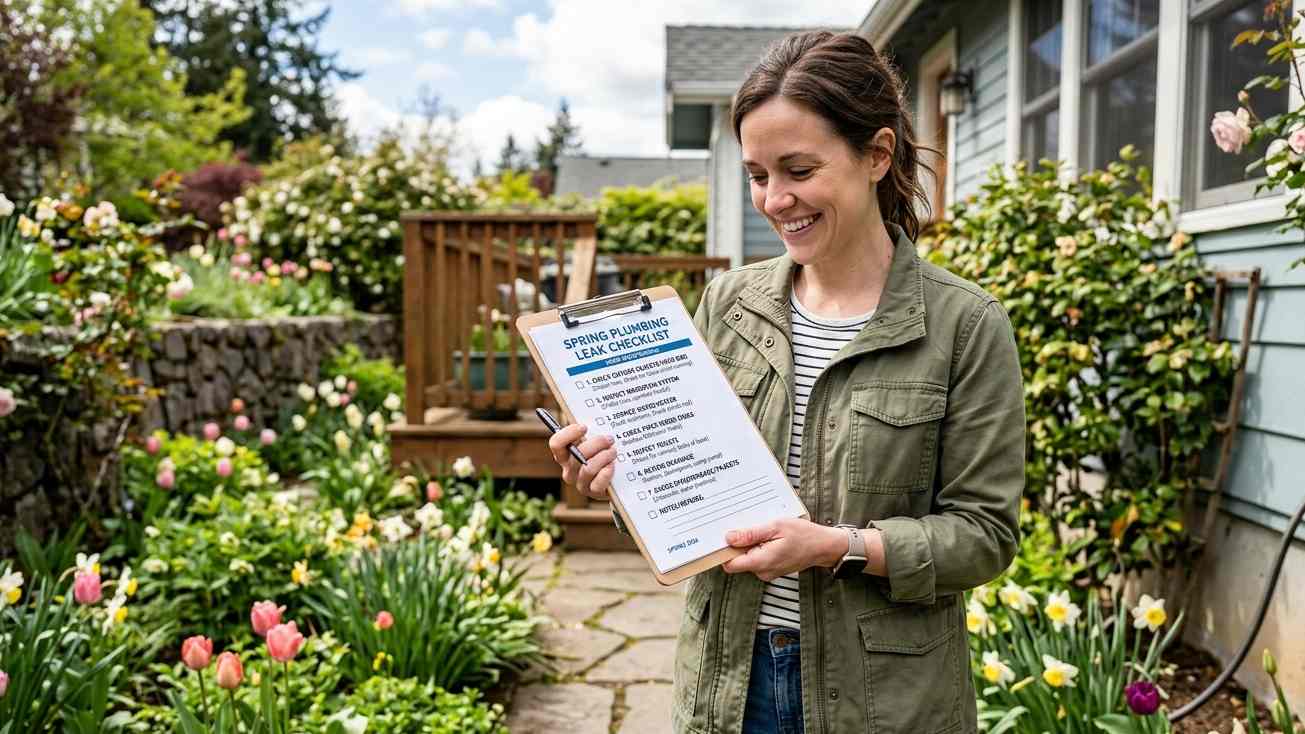
Related Blogs

image block

Sewer Leak or Clog: How to Tell the Difference

Slow drains. Bad smells. A wet spot in the yard that won’t go away. These signs can point to two very different problems. Sewer leak detection issues and a stubborn sewer clog can look almost identical from the outside. But they’re not the same thing at all. A clog is a blockage inside the pipe. […]

image block

What to Do After Water Damage from a Leak

You walk into a room, and there’s water on the floor. Or the ceiling is dripping. Your first reaction is panic – but what you do in the next few hours is what really matters. Water leak damage moves fast. It gets into walls, soaks into the ground, and spreads to places you can’t even […]

image block

Why Your Water Bill Suddenly Increased

You open the bill, look at the number, and something’s off. Last month was normal. This month it’s doubled. Nothing changed – or so you think. That kind of sudden water bill increase almost always has a cause, and finding it usually doesn’t take long once you know where to look. Some reasons are simple. […]

image block

Common Leak Sources in Las Vegas Homes

Desert homes have their own set of problems. The heat alone puts stress on plumbing that people in other climates never deal with. Add shifting soil and water so full of minerals it practically chews through pipe fittings, and you get a situation where a water leak Las Vegas homeowners find is rarely simple to […]

image block

Pre-Spring Plumbing Leak Checklist for Las Vegas

Spring is the right time for a full walk-through of your home’s plumbing. Las Vegas has its own set of conditions that make this worth doing every year. The temperature swings between cold nights and warm days put stress on pipe joints and seals. Months of dry weather mask slow leaks that have been building […]

image block

5 Signs You Have a Slab Leak in Your Las Vegas Home

A slab leak is one of the hardest plumbing problems to detect because it’s hidden. The pipes run under the concrete foundation, buried several inches down. By the time there’s visible damage, the leak has usually been going on for a while. Las Vegas homes are especially vulnerable. The “caliche” soil shifts as it dries […]

When managing an industrial facility, maintaining the integrity of the building structure is crucial. Among the most common and costly problems facility managers face are roof and ceiling leaks. These leaks not only threaten the building’s infrastructure but can also disrupt operations, damage inventory, and compromise safety.

For industrial buildings—such as factories, manufacturing plants, and warehouses—the roof is the first line of defense against the elements. Unfortunately, over time, exposure to harsh weather, poor maintenance, or faulty roofing systems can cause leaks that are difficult to detect until the damage becomes severe.

At Leak Experts USA, we’ve helped numerous facility managers and property owners identify and repair roof and ceiling leaks before they escalate into expensive emergencies. Our certified technicians specialize in leak detection and repair services that protect your facility, equipment, and bottom line in residental plumbing las vegas.

📞 Need immediate assistance? Call (702) 745-5571 for expert industrial leak repair today.


Table of Contents

  1. Understanding Roof and Ceiling Leaks in Industrial Facilities
  2. Common Causes of Industrial Roof Leaks
  3. Hidden Signs of Roof and Ceiling Leaks
  4. The Impact of Roof Leaks on Industrial Operations
  5. Early Leak Detection: Why It Matters
  6. Industrial Leak Detection Techniques
  7. How to Prevent Water Damage in Warehouses
  8. When to Call a Professional Leak Detection Company
  9. Long-Term Maintenance Tips for Industrial Roofs
  10. The Cost of Ignoring Roof and Ceiling Leaks
  11. Why Choose Leak Experts USA for Industrial Leak Repair
  12. FAQs About Industrial Roof and Ceiling Leaks

Understanding Roof and Ceiling Leaks in Industrial Facilities

Industrial facilities differ from residential buildings in both size and function, which makes identifying roof and ceiling leaks more challenging. These buildings often have flat or low-slope roofs, extensive ceiling areas, and complex HVAC or plumbing systems running through them—all of which increase the risk of hidden leaks.

A minor drip from the ceiling might seem harmless, but in an industrial setting, it could indicate a serious structural issue above. Left unchecked, industrial roof leaks can lead to significant repair costs and safety risks. That’s why early identification is key to preventing widespread damage.

Facility owners should develop a proactive maintenance plan that includes regular roof inspections and industrial leak detection services. This ensures small issues are found before they turn into operational disruptions.

Common Causes of Industrial Roof Leaks

Understanding what causes roof and ceiling leaks helps prevent them in the first place. Here are some of the most common culprits behind industrial roof leaks:

✅ 1. Aging Roofing Materials

Industrial roofing systems are built to last, but over time, exposure to sunlight, temperature fluctuations, and heavy rain can degrade the material. When roofing membranes crack or joints weaken, water starts seeping through.

✅ 2. Poor Installation

Improperly installed or failing, flashing, seams, or insulation layers are a common source of leaking roof signs. Even a small mistake during installation can create weak points that lead to future leaks.

✅ 3. Clogged Gutters and Drains

Industrial roofs often rely on drainage systems to prevent water accumulation. When debris clogs gutters or internal drains, standing water (known as “ponding”) puts immense pressure on roofing materials, eventually causing leaks.

✅ 4. Roof Penetrations and HVAC Equipment

Industrial roofs often contain penetrations for vents, pipes, and HVAC units. When seals around these openings fail, water finds its way into the ceiling cavities below.

✅ 5. Extreme Weather

Hailstorms, heavy rain, and high winds are notorious for damaging roofing membranes. Even in Las Vegas, where rainfall is infrequent, intense storms can cause leaks in poorly maintained roofs.

Hidden Signs of Roof and Ceiling Leaks

Spotting roof and ceiling leaks early can save your business from expensive repairs. Here are subtle leaking roof signs every facility manager should watch for:

  • Water stains on ceilings or walls: Brown or yellowish stains are early indicators of leaks above.
  • Peeling paint or bubbling plaster: Moisture trapped behind walls or ceilings can cause materials to swell or peel.
  • Mold or mildew growth: Persistent dampness provides a breeding ground for mold, which is hazardous to employees’ health.
  • Warped or sagging ceiling tiles: This usually means water has accumulated above, weakening the structure.
  • Musty odors: If you notice a persistent musty smell, hidden leaks might be creating a damp environment behind walls.
  • Increased utility bills: Moisture intrusion can affect insulation, making your HVAC system work harder to maintain temperature.

Ignoring these warning signs can lead to severe water damage in warehouses, affecting stored goods, electrical systems, and even machinery.

The Impact of Roof Leaks on Industrial Operations

The consequences of ignoring industrial roof leaks extend far beyond the visible damage. Even a small leak can lead to:

⚙️ Operational Downtime

Leaks near production areas can halt operations, delay shipments, and result in lost revenue.

💸 Equipment Damage

Electrical panels, conveyor systems, or storage racks exposed to water can suffer irreversible damage.

🏭 Inventory Loss

Water damage in warehouses can ruin packaging, spoil goods, and increase insurance claims.

⚠️ Safety Hazards

Standing water creates slippery surfaces and raises the risk of electrical hazards, putting employees at risk.

🏗️ Structural Weakness

Continuous exposure to moisture weakens roof decks, beams, and insulation, leading to long-term structural compromise.

By acting early, businesses can avoid these costly outcomes and protect both assets and personnel.

Early Leak Detection: Why It Matters

The earlier you identify roof and ceiling leaks, the less you spend on repairs and downtime. Many facility managers underestimate how quickly a small leak can worsen.

Moisture seeps into insulation, corrodes metal components, and causes hidden mold growth—issues that often go unnoticed until visible damage appears.

Scheduling industrial leak detection services at least twice a year can help you stay ahead of potential problems. This proactive approach ensures your roofing system remains watertight, energy-efficient, and compliant with building safety standards.

Industrial Leak Detection Techniques

We employ advanced technology and years of expertise to locate even the smallest leaks. Our industrial leak detection methods include:

🛰️ Infrared Thermal Imaging

Thermal cameras identify temperature variations caused by trapped moisture beneath roofing membranes.

💧 Moisture Scanning

Non-invasive electronic scanners detect water presence without cutting into the roof or ceiling.

🌬️ Tracer Gas Testing

A safe, odorless gas is released beneath the roofing surface, and sensitive detectors locate where the gas escapes—revealing the precise leak location.

🔦 Visual and Drone Inspections

Drones allow safe and detailed inspections of large industrial roofs, especially in areas difficult to access.

By combining these methods, our technicians can pinpoint leaks without unnecessary disruption to your operations.

How to Prevent Water Damage in Warehouses

Preventing water damage in warehouses requires consistent maintenance and attention to detail. Here’s how you can keep your facility leak-free:

  • Schedule regular roof inspections: At least twice a year or after major storms.
  • Clean gutters and drains: Prevent standing water that can strain your roof membrane.
  • Check for damaged flashing and sealants: Ensure all penetrations are properly sealed.
  • Maintain HVAC and ventilation systems: Condensation from HVAC units can contribute to ceiling leaks.
  • Monitor ceiling tiles and insulation: Replace any damp or discolored materials immediately.
  • Use professional services: Partner with certified experts like us for routine leak detection.

Preventive maintenance might seem like an extra expense, but it’s far more affordable than dealing with extensive water damage later.

Roof and Ceiling Leaks
Signs of Roof and Ceiling Leaks in Industrial Facilities 17

When to Call a Professionals

Some roof and ceiling damage from roof leaks are simply too complex to diagnose without professional equipment. Call in experts when you notice:

  • Persistent water stains that keep returning after repairs
  • Visible mold or mildew on ceilings
  • Large pools of water on flat roofs
  • Leaks near electrical installations
  • Sudden spikes in energy costs or humidity levels

Professional technicians can identify the exact source of the problem without unnecessary guesswork. We provide fast and precise solutions that minimize business disruption and prevent repeat issues.

Long-Term Maintenance Tips for Industrial Roofs

Even the best roofing system can develop roof and ceiling leaks over time if not properly maintained. Industrial facilities face unique challenges—large surface areas, heavy HVAC equipment, and exposure to extreme weather conditions—all of which demand regular care and preventive maintenance.

To extend the lifespan of your industrial roof and prevent industrial roof leaks, follow these proven maintenance strategies:

  • Schedule Biannual Inspections: Have your roof professionally inspected every six months to identify weak spots or damaged seals before they lead to major leaks.
  • Keep Roof Drains Clear: Regularly remove debris, leaves, and dirt buildup from gutters and internal drains to prevent standing water (a leading cause of leaks).
  • Monitor Roof Flashing Problems and Seals: Check around vents, skylights, and HVAC units to ensure the sealant hasn’t cracked or deteriorated.
  • Inspect After Storms: High winds and heavy rain can loosen materials and expose vulnerable areas. Always perform a post-storm inspection.
  • Repair Minor Issues Promptly: Small cracks or punctures may seem insignificant, but they can quickly lead to water damage in warehouses if ignored.

At this company, we also recommend maintaining a documented roof maintenance log. This record helps track repairs, warranties, and inspection dates—allowing you to stay proactive about roof health.

A well-maintained roof not only prevents leaks but also protects your investment, enhances energy efficiency, and ensures compliance with safety standards—keeping your facility operating at peak performance.

The Cost of Ignoring Roof and Ceiling Leaks

Many facility managers underestimate the long-term financial consequences of untreated roof and ceiling leaks. What starts as a slow drip can escalate into major damage that impacts operations, safety, and profits.

Ignoring industrial roof leaks can lead to:

  • Expensive Structural Repairs: Prolonged moisture weakens beams, insulation, and ceiling materials, leading to costly reconstruction work.
  • Downtime and Lost Productivity: Flooded work areas and damaged equipment can bring operations to a halt, disrupting supply chains.
  • Increased Insurance Premiums: Frequent claims for water damage in warehouses can raise your premiums and affect future coverage eligibility.
  • Mold Remediation Costs: Mold thrives in damp environments caused by ceiling leaks, requiring specialized—and expensive—cleaning and removal.
  • Health and Safety Liabilities: Leaks near electrical panels or walkways increase the risk of accidents, creating potential legal and safety liabilities.

In short, neglecting a small leak today can mean paying thousands in repairs tomorrow. The most cost-effective solution is early industrial leak detection and timely repair from a trusted company like ours.

Our team provides fast, reliable solutions to prevent minor leaks from becoming major disasters. With our advanced technology and expertise, you can rest assured that your facility stays safe, efficient, and compliant—all while protecting your bottom line.

Why Choose Leak Experts USA for Industrial Leak Repair

When it comes to industrial roof leaks, experience matters. At this company, we combine state-of-the-art leak detection tools with hands-on expertise to deliver reliable, long-term results.

Here’s what sets us apart:
  • 🛠️ Certified Leak Detection Specialists: Trained professionals equipped with advanced moisture detection systems.
  • 🚚 Fast Response Time: Available for emergency calls to prevent further damage.
  • 💧 Comprehensive Services: From industrial ceiling repairs to residential plumbing Las Vegas services, we handle all leak-related issues.
  • 💬 Transparent Pricing: No hidden fees—just clear, upfront estimates.
  • 🏆 Proven Reputation: Trusted by industrial property owners and facility managers across Nevada.

Whether you’re managing a warehouse, manufacturing facility, or large retail property, we provide end-to-end leak detection and repair tailored to your building’s needs.

📞 Call (702) 745-5571 today to schedule an inspection and protect your facility from costly roof and ceiling leaks.


FAQs About Industrial Roof and Ceiling Leaks

1. How do I know if my roof is leaking?

Look for leaking roof signs such as water stains, sagging tiles, or mold growth. Regular inspections by professionals can help detect leaks early.

2. Can small leaks fix themselves?

No—roof leaks worsen over time. Even a minor drip can lead to insulation damage or corrosion beneath the surface.

3. How often should I schedule leak detection?

For industrial buildings, schedule industrial leak detection services at least twice a year, or immediately after heavy storms.

4. What’s the biggest risk of ignoring leaks?

Unaddressed leaks can cause severe water damage in warehouses, lead to mold contamination, and jeopardize employee safety.

5. Do you handle both roof and plumbing leaks?

Yes! While our primary expertise lies in industrial and commercial leak detection, our team also handles residential plumbing Las Vegas services for local homeowners.


Let Leak Experts USA Protect Your Facility

Roof and ceiling leaks can quietly destroy your building’s structure, damage expensive equipment, and put your workforce at risk. Don’t wait until it’s too late—early detection and professional repairs can save your business thousands in repair and downtime costs.

At Leak Experts USA, we specialize in identifying and repairing industrial roof leaks using proven technology and decades of experience. Whether it’s a small drip or a full-scale ceiling leak, our technicians deliver efficient, reliable solutions to safeguard your facility.

📞 Call (702) 745-5571 today or schedule your inspection online.

We proudly serve Las Vegas and surrounding areas with precision, integrity, and unbeatable expertise. Follow us on Instagram for regular updates!
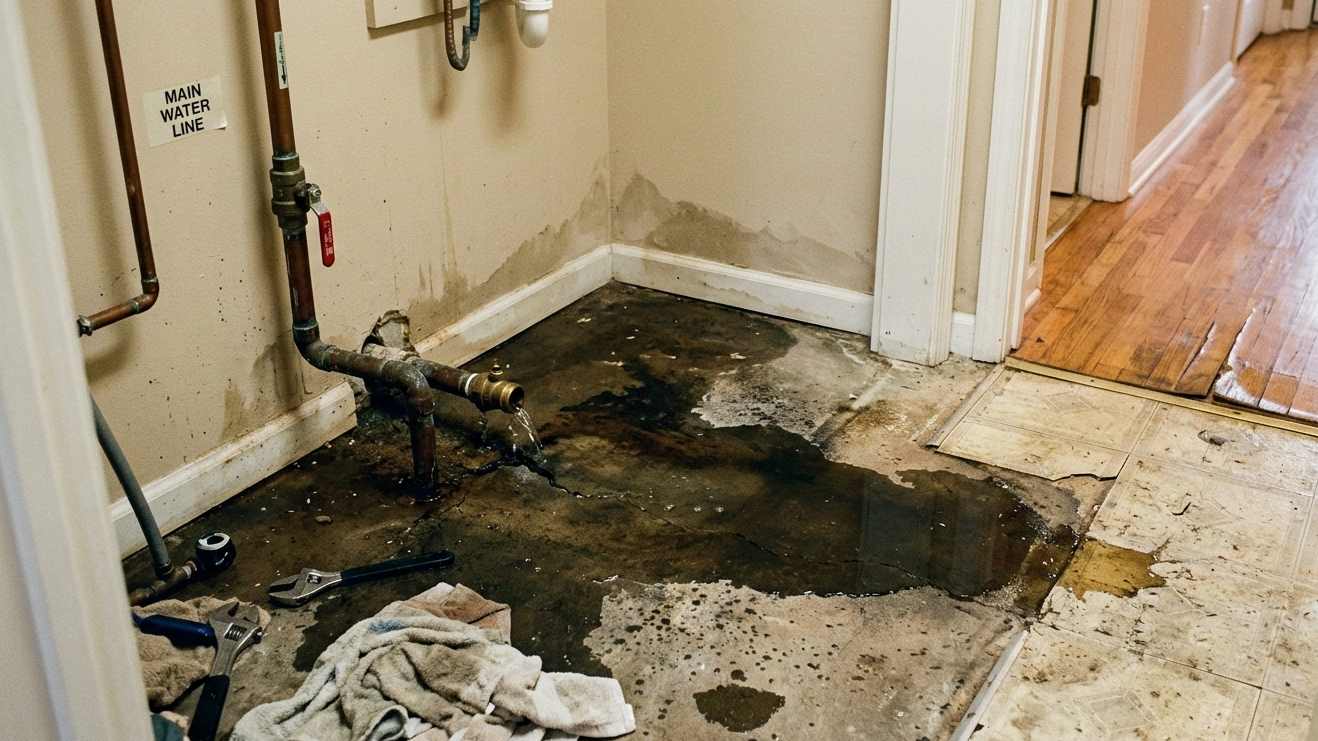
Related Blogs

image block

Sewer Leak or Clog: How to Tell the Difference

Slow drains. Bad smells. A wet spot in the yard that won’t go away. These signs can point to two very different problems. Sewer leak detection issues and a stubborn sewer clog can look almost identical from the outside. But they’re not the same thing at all. A clog is a blockage inside the pipe. […]

image block

What to Do After Water Damage from a Leak

You walk into a room, and there’s water on the floor. Or the ceiling is dripping. Your first reaction is panic – but what you do in the next few hours is what really matters. Water leak damage moves fast. It gets into walls, soaks into the ground, and spreads to places you can’t even […]

image block

Why Your Water Bill Suddenly Increased

You open the bill, look at the number, and something’s off. Last month was normal. This month it’s doubled. Nothing changed – or so you think. That kind of sudden water bill increase almost always has a cause, and finding it usually doesn’t take long once you know where to look. Some reasons are simple. […]

image block

Common Leak Sources in Las Vegas Homes

Desert homes have their own set of problems. The heat alone puts stress on plumbing that people in other climates never deal with. Add shifting soil and water so full of minerals it practically chews through pipe fittings, and you get a situation where a water leak Las Vegas homeowners find is rarely simple to […]

image block

Pre-Spring Plumbing Leak Checklist for Las Vegas

Spring is the right time for a full walk-through of your home’s plumbing. Las Vegas has its own set of conditions that make this worth doing every year. The temperature swings between cold nights and warm days put stress on pipe joints and seals. Months of dry weather mask slow leaks that have been building […]

image block

5 Signs You Have a Slab Leak in Your Las Vegas Home

A slab leak is one of the hardest plumbing problems to detect because it’s hidden. The pipes run under the concrete foundation, buried several inches down. By the time there’s visible damage, the leak has usually been going on for a while. Las Vegas homes are especially vulnerable. The “caliche” soil shifts as it dries […]

Running a restaurant comes with many responsibilities—from food safety and customer service to managing staff and suppliers. But there’s one area many restaurant owners tend to overlook until it’s too late—plumbing maintenance checklist for restaurants. A single unnoticed leak or clogged drain can quickly escalate into a major disaster that disrupts service, ruins flooring, and drives customers away.

To help you keep your establishment running smoothly and efficiently, we’ve put together the ultimate restaurant plumbing checklist. This guide will walk you through key inspection points, maintenance best practices, and expert tips to help you prevent leaks, minimize downtime, and protect your bottom line.

At Leak Experts USA, we specialize in restaurant plumbing Las Vegas services designed to keep kitchens, restrooms, and utility areas in top condition. Our experienced technicians understand the demands of commercial food environments—and we’re here to ensure your plumbing works as hard as you do.

📞 Need immediate assistance? Call (702) 745-5571 today for a professional inspection or emergency service.


Table of Contents

  1. Why Restaurant Plumbing Maintenance Matters
  2. Common Plumbing Issues in Restaurants
  3. The Ultimate Restaurant Plumbing Checklist
  4. Daily, Weekly, and Monthly Maintenance Routines
  5. Leak Prevention Guide: How to Stop Problems Before They Start
  6. How to Avoid Restaurant Water Damage
  7. When to Call Professional Plumbing Help
  8. Why Choose Leak Experts USA for Your Restaurant Plumbing
  9. FAQs

Why Restaurant Plumbing Maintenance Matters

Restaurant kitchens are bustling environments with high water usage—from dishwashers and sinks to beverage machines and ice makers. Every pipe, faucet, and drain is constantly in use, making your plumbing system one of the most hardworking parts of the building.

Ignoring plumbing maintenance can lead to:

  • Costly water damage repairs
  • Food contamination from cross-connections or backflow
  • Mold growth and foul odors
  • Customer complaints or health code violations
  • Emergency shutdowns and revenue loss

That’s why having a restaurant plumbing checklist is critical. It’s not just about fixing problems—it’s about preventing them before they disrupt your business operations.

Common Plumbing Issues in Restaurants

Before diving into the checklist, it helps to know what problems are most common in restaurants. Recognizing these early can make leak prevention much easier.

a) Leaky Faucets and Pipes

A dripping faucet may seem harmless, but over time, it can waste hundreds of gallons of water every month. Even worse, a hidden pipe leak can cause structural damage and lead to expensive restoration work.

b) Clogged Drains

Restaurants deal with fats, oils, grease, and food scraps daily—all of which contribute to stubborn clogs. Slow-draining sinks or backups can be a sign your plumbing needs attention.

c) Faulty Water Heaters

Hot water is essential for sanitation and cooking. A malfunctioning water heater can disrupt service and put your restaurant out of compliance with health standards.

d) Grease Trap Overflows

If not cleaned regularly, grease traps can overflow, causing foul smells, sewer backups, and potential fines from local authorities.

e) Restroom Issues

Customer restrooms reflect your restaurant’s cleanliness and professionalism. Clogged toilets or leaky flush valves can leave a lasting negative impression.

By following a detailed restaurant plumbing checklist, you can identify these issues early and schedule timely repairs before they escalate.

The Ultimate Restaurant Plumbing Checklist

Here’s your step-by-step restaurant plumbing checklist to maintain a leak-free and efficient plumbing system.

✔️ Kitchen Area

  • Inspect under-sink pipes and fittings for moisture or drips
  • Check faucet aerators and sprayers for proper water pressure
  • Clean grease traps and ensure they’re functioning correctly
  • Ensure dishwasher drains are clear
  • Verify water temperature at sinks meets health standards
  • Inspect refrigerator and ice maker water lines for leaks

✔️ Restrooms

  • Test all faucets and flush valves for leaks
  • Check toilet bases for pooling water
  • Inspect supply lines and shut-off valves
  • Verify proper drainage and water pressure
  • Refill traps to prevent sewer gas odors

✔️ Drains and Sewer Lines

  • Schedule hydro jetting or drain cleaning as restaurant preventive maintenance checklist
  • Keep floor drains clear of debris
  • Check for slow-draining sinks or backup odors

✔️ Water Heaters

  • Inspect for rust, leaks, or water pooling around the base
  • Flush sediment buildup every few months
  • Test temperature and pressure relief valves

✔️ Outdoor Plumbing

  • Inspect irrigation lines or outdoor sinks for leaks
  • Ensure downspouts and drains channel water away from the building

✔️ Backflow Prevention

  • Test backflow devices annually to protect against water contamination
  • Keep certification records for local compliance

By consistently following this restaurant plumbing checklist, you’ll minimize plumbing emergencies, extend equipment life, and maintain a safe and clean dining environment.

Restaurant Plumbing Checklist

Daily, Weekly, and Monthly Maintenance Routines

A one-time inspection isn’t enough. Plumbing systems in restaurants need routine attention. Here’s a breakdown of what to do and when.

Daily Tasks

  • Wipe up standing water immediately
  • Check for leaks around sinks and prep tables
  • Run garbage disposals and flush drains with hot water
  • Ensure restrooms are fully functional

Weekly Tasks

  • Clean grease traps
  • Test water pressure in sinks and dishwashers
  • Inspect visible piping for condensation or corrosion

Monthly Tasks

  • Flush water heaters
  • Check backflow preventers
  • Schedule professional drain cleaning if needed

When these tasks are performed regularly, you’ll notice fewer emergencies and smoother operations overall.

Leak Prevention Guide: How to Stop Problems Before They Start

Preventing leaks is far easier—and cheaper—than repairing them. Use this leak prevention guide to keep your plumbing system in excellent condition:

Tip 1: Monitor Water Usage

Keep an eye on your monthly water bills. A sudden spike often indicates an unseen leak in pipes or fixtures.

Tip 2: Use Drain Screens

Drain screens capture food debris and prevent blockages that lead to leaks and overflows.

Tip 3: Maintain Grease Traps

Never pour grease down the drain. Regularly clean and service your grease traps to prevent buildup and overflow.

Tip 4: Inspect Hidden Areas

Check behind dishwashers, under sinks, and around toilets regularly. Leaks often start small and hidden.

Tip 5: Schedule Professional Inspections

Even with the best maintenance routine, only a licensed plumber can detect early warning signs of damage.

We provide thorough commercial inspections as part of our restaurant plumbing Las Vegas services. Our experts use advanced leak detection technology to identify and repair potential issues before they become costly emergencies.

How to Avoid Restaurant Water Damage

Water damage can be devastating to a restaurant—ruining floors, furniture, and equipment while forcing you to close your doors temporarily.

Here’s how to avoid restaurant water damage:

  • Install moisture alarms near dishwashing areas and water heaters
  • Insulate pipes to prevent bursting
  • Keep floor drains clean and accessible
  • Ensure shut-off valves are clearly labeled and functional
  • Schedule regular plumbing maintenance

If you experience even minor leaks, address them immediately. Small drips can turn into large, expensive problems overnight.

We specialize in preventing and repairing water damage in commercial kitchens and dining spaces. We know the unique challenges Las Vegas restaurants face—from hard water corrosion to high usage demands—and we tailor our maintenance plans accordingly.

Signs Your Restaurant Plumbing System Needs Immediate Attention

Even with a thorough restaurant plumbing checklist, certain warning signs mean your system needs professional solution right away. Ignoring these could risk water damage, health code violations, and expensive downtime.

Here’s what to watch out for:

1️⃣ Sudden Water Pressure Drops

If water pressure in your kitchen or restrooms suddenly falls, it could indicate a leak, mineral buildup, or a failing pressure regulator.

2️⃣ Persistent Drain Odors

Unpleasant smells coming from sinks or floor drains usually signal grease buildup, sewer line blockages, or broken trap seals.

3️⃣ Unexplained Water Bills

A spike in your monthly water bill often points to hidden leaks beneath floors or behind walls.

4️⃣ Water Stains or Damp Floors

Soft or discolored flooring near sinks, dishwashers, or restrooms often suggests slow leaks that can lead to mold or rot.

5️⃣ Noisy Pipes or Fixtures

Banging, gurgling, or whistling sounds might indicate air in the pipes or high water pressure—both of which can damage your plumbing system.

If you notice any of these symptoms, call us right away at 📞 (702) 745-5571

Restaurants Water Leaks

Creating a Long-Term Plumbing Maintenance Plan

A one-time commercial plumbing inspection checklist is helpful—but for true leak prevention, every restaurant should have a long-term plumbing maintenance plan. This ensures your systems run efficiently and stay compliant with local health and safety codes.

Here’s how to create one:

🔧 Schedule Routine Inspections

Partner with a trusted provider like us for semi-annual inspections. Regular professional assessments catch issues early and extend your plumbing system’s lifespan.

📋 Keep Maintenance Logs

Document all repairs, cleanings, and equipment replacements. This helps you track trends and prove compliance during inspections.

🚰 Train Your Staff

Educate your kitchen and cleaning teams about early leak signs, proper grease disposal, and what to do in case of an emergency.

💡 Upgrade When Needed

Old pipes, outdated water heaters, and failing fixtures increase leak risk. Budget for gradual upgrades to maintain efficiency and prevent unexpected failures.

A proactive maintenance plan not only helps you avoid restaurant water damage, but also saves money on emergency repairs and water bills. By partnering with us, you can build a custom plan tailored to your restaurant’s unique needs and equipment.

When to Call Professional Plumbing Help

Even with a comprehensive restaurant plumbing checklist, there are times when professional help is the smartest move.

Call a licensed plumber if you notice:

  • Persistent low water pressure
  • Unexplained water pooling
  • Slow drains despite cleaning
  • Sewer smells coming from floor drains
  • Water heater malfunctions

Ignoring these warning signs can lead to expensive downtime. A quick call to the experts can save you thousands in repairs and lost revenue.

📞 Call (702) 745-5571 to schedule an inspection or emergency plumbing service today.

Why Choose Leak Experts USA for Your Restaurant Plumbing

Our company has earned the trust of countless business owners for one reason: reliability.

We understand that restaurant operations can’t stop for plumbing issues. That’s why we provide:

✅ 24/7 emergency response

✅ Preventive maintenance plans customized for restaurants

✅ State-of-the-art leak detection and hydro jetting services

✅ Experienced, licensed technicians

✅ Transparent pricing and guaranteed satisfaction

Whether you’re opening a new restaurant or maintaining an established one, our leak prevention guide and services are designed to keep your plumbing system safe, efficient, and compliant.

We’re proud to be one of the most trusted providers of restaurant plumbing Las Vegas business owners rely on for long-term peace of mind.

FAQs – Restaurant Plumbing Maintenance

Q1: How often should I inspect my restaurant’s plumbing?

You should visually inspect daily, perform routine checks weekly, and schedule professional inspections at least twice a year.

Q2: What’s the biggest cause of restaurant plumbing problems?

Grease buildup is the number one issue, followed by neglected leaks and poor maintenance.

Q3: How do I know if I have a hidden leak?

A sudden increase in your water bill or damp flooring is often the first sign. Our company uses advanced tools to detect hidden leaks quickly.

Q4: What’s included in professional restaurant plumbing maintenance?

Inspections, drain cleaning, backflow testing, water heater servicing, and emergency response—all designed to prevent leaks and keep systems efficient.


Don’t Wait for a Leak to Shut You Down — Schedule Your Inspection Now!

A well-maintained plumbing system is the backbone of any successful restaurant. With this restaurant plumbing checklist, you can prevent leaks, protect your investment, and maintain smooth daily operations.

If you want expert support in implementing this checklist or scheduling a maintenance visit, trust Leak Experts USA—the plumbing professionals who understand the demands of commercial kitchens.

📞 Call (702) 745-5571 today to schedule a free consultation and keep your restaurant leak-free year-round. Follow us on Instagram for regular updates!
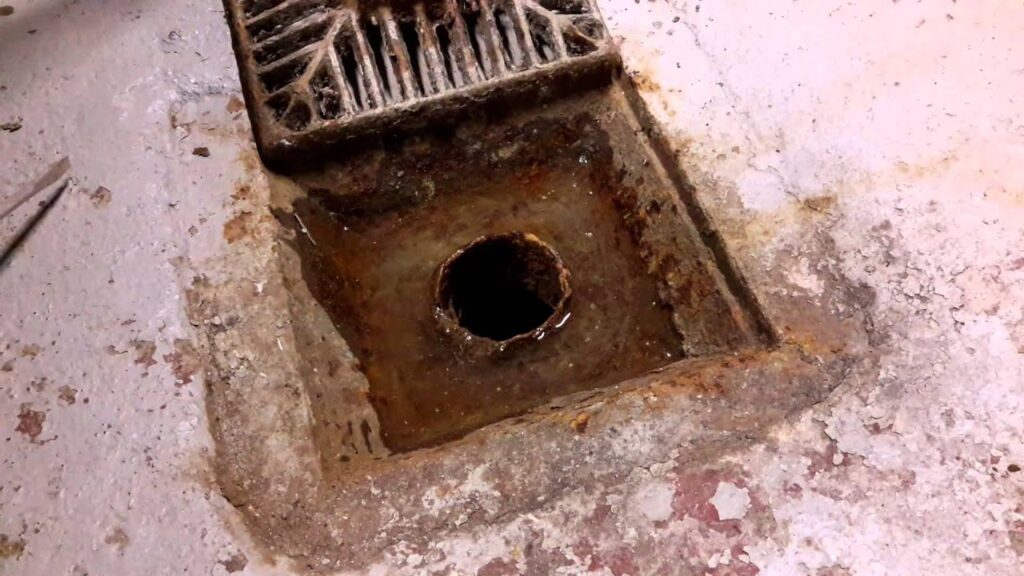
Related Blogs

image block

Sewer Leak or Clog: How to Tell the Difference

Slow drains. Bad smells. A wet spot in the yard that won’t go away. These signs can point to two very different problems. Sewer leak detection issues and a stubborn sewer clog can look almost identical from the outside. But they’re not the same thing at all. A clog is a blockage inside the pipe. […]

image block

What to Do After Water Damage from a Leak

You walk into a room, and there’s water on the floor. Or the ceiling is dripping. Your first reaction is panic – but what you do in the next few hours is what really matters. Water leak damage moves fast. It gets into walls, soaks into the ground, and spreads to places you can’t even […]

image block

Why Your Water Bill Suddenly Increased

You open the bill, look at the number, and something’s off. Last month was normal. This month it’s doubled. Nothing changed – or so you think. That kind of sudden water bill increase almost always has a cause, and finding it usually doesn’t take long once you know where to look. Some reasons are simple. […]

image block

Common Leak Sources in Las Vegas Homes

Desert homes have their own set of problems. The heat alone puts stress on plumbing that people in other climates never deal with. Add shifting soil and water so full of minerals it practically chews through pipe fittings, and you get a situation where a water leak Las Vegas homeowners find is rarely simple to […]

image block

Pre-Spring Plumbing Leak Checklist for Las Vegas

Spring is the right time for a full walk-through of your home’s plumbing. Las Vegas has its own set of conditions that make this worth doing every year. The temperature swings between cold nights and warm days put stress on pipe joints and seals. Months of dry weather mask slow leaks that have been building […]

image block

5 Signs You Have a Slab Leak in Your Las Vegas Home

A slab leak is one of the hardest plumbing problems to detect because it’s hidden. The pipes run under the concrete foundation, buried several inches down. By the time there’s visible damage, the leak has usually been going on for a while. Las Vegas homes are especially vulnerable. The “caliche” soil shifts as it dries […]

When you think of your backyard pool, you picture a refreshing escape — clear water, perfect pressure from the jets, and smooth circulation. But when something goes wrong with that flow, such as a pool return jet leak, it can turn your relaxing retreat into a costly headache.

Pool return jet leaks are one of the most common yet overlooked problems pool owners face. They not only waste water but can also affect your pool’s filtration, chemical balance, and even structural integrity if ignored.

At Leak Experts USA, we’ve seen how small return jet leaks can turn into major issues that damage decks, pool plaster, and underground plumbing. Our licensed technicians have helped countless homeowners identify and fix pool circulation leaks with precision, saving time, water, and money.

This comprehensive guide will help you understand what causes pool return jet leaks, how to spot them early, and what steps you can take to fix them before they cause bigger problems.

📞 Need help now? Call (702) 745-5571 to speak with a pool leak detection expert.


Table of Contents

  1. Understanding Pool Return Jets and Their Role
  2. What Are Pool Return Jet Leaks?
  3. Common Causes of Pool Return Jet Leaks
  4. Signs You Have a Pool Return Jet Leak
  5. How Pool Return Jet Leaks Affect Pool Circulation
  6. Diagnosing Pool Jet Pipe Leaks
  7. The Importance of Pool Equipment Leak Detection
  8. Can You Fix Pool Return Jet Leaks Yourself?
  9. Professional Leak Detection: How Experts Find Hidden Return Line Leaks
  10. Preventing Future Pool Circulation Leaks
  11. When to Call Leak Experts USA
  12. FAQs About Pool Return Jet Leaks

Understanding Pool Return Jets and Their Role

Before discussing pool return jet leaks, let’s understand what pool return jets actually do.

Pool return jets are the small circular fittings you see along the pool walls. They push filtered, clean water back into the pool after it has passed through the pump and filtration system. In simple terms, these jets are responsible for:

  • Circulating water evenly throughout the pool
  • Helping distribute chemicals like chlorine
  • Maintaining proper water temperature and clarity
  • Preventing stagnation and debris buildup

When working properly, return jets create a gentle but consistent flow that keeps your pool water fresh and healthy. But if one of these jets starts leaking, the balance of the entire system is disrupted — causing water loss, reduced efficiency, and potential damage to your pool’s structure.

What Are Pool Return Jet Leaks?

A pool return jet leak occurs when water escapes from the plumbing line that connects the return jet fitting to the pool’s circulation system. These leaks can happen either:

  • At the fitting itself — where the return jet meets the pool wall
  • Behind the wall — where the return pipe connects underground
  • In the return line — the underground pipe that carries water from the filter to the return jets

Most pool owners don’t notice the leak immediately because the water often seeps into the surrounding soil or pool deck. However, over time, this hidden leak can waste thousands of gallons of water and increase your pool’s maintenance costs.

Common Causes of Pool Return Jet Leaks

Understanding the root cause of a pool return jet leak is essential for proper repair. Here are the most frequent culprits we encounter:

✅ 1. Cracked Return Jet Fittings

Plastic fittings can become brittle over time due to exposure to pool chemicals, UV rays, and temperature fluctuations. A small crack can allow water to escape and lead to larger leaks.

✅ 2. Loose Threaded Connections

If the threaded fitting attaching the return jet to the pipe loosens, it creates a small gap for water to leak through.

✅ 3. Damaged Return Line

A return line leak often develops due to shifting soil, ground movement, or poor installation. This is one of the hardest leaks to detect without professional equipment.

✅ 4. Poor Sealant or Gasket Failure

The rubber gasket that seals the return jet to the pool wall can degrade over time, especially in older pools or those exposed to harsh sunlight.

✅ 5. Freezing and Thawing Cycles

Although not common in Las Vegas, sudden temperature drops can cause pipes to expand and contract, leading to cracks and pool jet pipe leaks.

By identifying the cause early, you can avoid unnecessary excavation or costly repairs.

Signs You Have a Pool Return Jet Leak

Detecting pool return jet leaks early can save you thousands of dollars. Here are some warning signs to look out for:

  • Unexplained water loss: If you’re refilling your pool more than usual, you might have a leak.
  • Air bubbles in return jets: Air entering the plumbing system indicates suction or return line leaks.
  • Wet spots near the pool deck: Persistent dampness near pool edges or landscaping could mean underground leakage.
  • Decreased water pressure: Weaker jet flow may signal a return line restriction or leak.
  • Higher water bills: Continuous leakage means you’re losing more water than you realize.

If you notice any of these symptoms, it’s time to call a professional for pool equipment leak detection.

How Pool Return Jet Leaks Affect Pool Circulation

A pool return jet leak might seem minor, but it disrupts the entire balance of your pool’s ecosystem. The circulation system relies on a closed loop: water is drawn in, filtered, and returned. When there’s a leak in that loop, you lose efficiency and stability.

Here’s how pool circulation leaks can impact your pool:

  • Poor Chemical Distribution: Uneven circulation causes chlorine and other chemicals to settle, leading to cloudy water and algae growth.
  • Reduced Filtration Efficiency: Less water returns to the pool, meaning the filter isn’t cleaning as effectively.
  • Pressure Problems: Leaks create air pockets in the system, reducing water pressure and potentially damaging the pump.
  • Structural Damage: Over time, underground leaks can erode soil beneath the deck or pool shell, leading to cracks or sinking.

Fixing a pool return jet leak promptly ensures your pool stays clean, efficient, and structurally sound.

Diagnosing Pool Jet Pipe Leaks

Diagnosing pool jet pipe leaks isn’t always straightforward. Because most of the plumbing is underground or behind walls, leaks can stay hidden for months.

We use advanced detection methods to accurately locate leaks without unnecessary digging. Some techniques include:

  • Pressure Testing: We isolate sections of the plumbing system to determine where water loss is occurring.
  • Electronic Leak Detection: Specialized microphones and sensors detect the sound of escaping water.
  • Dye Testing: Harmless dyes are introduced to trace the exact location of leaks near fittings or walls.
  • Thermal Imaging: Identifies temperature variations caused by leaking water underground.

These modern tools help us pinpoint leaks with precision and minimize disruption to your property.

The Importance of Pool Equipment Leak Detection

Many pool return jet leaks are linked to issues within the broader equipment area — such as the pump, filter, or heater. A small leak near these components can mimic a return line issue.

That’s why pool equipment leak detection is crucial. It ensures that the entire system — from the return lines to the pump — is inspected thoroughly. Professional detection can help identify:

  • Pump seal leaks
  • Filter housing cracks
  • Heater manifold leaks
  • Valve or fitting failures

Our team uses industry-grade tools to inspect and repair pool systems quickly and accurately, ensuring your investment is protected.

Can You Fix Pool Return Jet Leaks Yourself?

It’s tempting to tackle small pool return jet leaks on your own, especially if the problem seems minor. While DIY fixes like tightening fittings or applying sealant can work temporarily, they often don’t address the root cause — especially if the leak is underground.

Here’s what you can safely do:

  • Check and tighten return jet fittings.
  • Replace visible gaskets if worn out.
  • Use epoxy sealant for small surface cracks.

But for underground or recurring leaks, it’s best to leave it to professionals. Attempting complex repairs can cause further damage, requiring more extensive excavation later.

Professional Leak Detection: How Experts Find Hidden Return Line Leaks

Professional leak detection is a combination of technology and experience. When you hire our company, here’s what our specialists do:

  1. Conduct a Visual Inspection

We check the pool’s surface, deck, and fittings for visible signs of water loss or moisture.

  1. Perform a Pressure Test

Each plumbing line (return, skimmer, main drain) is tested under pressure to isolate the leak location.

  1. Use Acoustic Listening Devices

Sensitive equipment detects the subtle sound of water escaping through cracks underground.

  1. Pinpoint the Leak Location

Once located, we mark the exact spot for repair, ensuring minimal disruption to your pool area.

  1. Recommend the Best Repair Option

Depending on the leak’s size and location, we may use pipe patching, line replacement, or localized excavation.

Our team takes pride in completing most leak repairs within a day, so you can get back to enjoying your pool quickly.

Preventing Future Pool Circulation Leaks

The best way to deal with pool circulation leaks is to prevent them before they start. Here are some expert tips:

  • Regular Inspections: Have your pool’s plumbing and equipment checked annually by professionals.
  • Maintain Proper Water Chemistry: Unbalanced chemicals can corrode fittings and seals.
  • Monitor Water Levels: A consistent drop in water level may indicate an early leak.
  • Avoid Over-Tightening Fittings: This can crack threads or seals.
  • Winterize Properly (If Applicable): Prevent expansion damage during cold snaps.

Routine maintenance from professionals like the ones in our company ensures your pool system runs smoothly year-round.


When to Call Leak Experts USA

If you suspect a pool return jet leak, don’t wait until it causes visible damage. A timely inspection can prevent thousands of dollars in wasted water and repairs.

At this company, we specialize in:

✅ Precise pool equipment leak detection

✅ Advanced diagnostics for return line leaks

✅ Fast, non-invasive repairs

✅ Comprehensive pool plumbing services

We also provide specialized solutions like hydro jetting Las Vegas homeowners rely on to clear stubborn blockages from pool and home plumbing systems — helping maintain clean, efficient water circulation.

Our team of licensed professionals offers same-day appointments, free estimates, and honest pricing.

📞 Call (702) 745-5571 today to schedule your pool leak inspection with our company, the most trusted plumbing specialists in the region.


FAQs About Pool Return Jet Leaks

1. How do I know if my pool return jet is leaking?

Look for reduced jet pressure, bubbles in the return flow, wet spots near the pool, or unexplained water loss.

2. Can I use pool putty to fix a leak?

Yes, pool putty can temporarily seal small surface leaks, but it’s not a long-term solution for underground or pressurized leaks.

3. How serious is a return line leak?

A return line leak can lead to soil erosion under your pool deck, higher water bills, and equipment strain — it should be addressed promptly.

4. Will leak detection damage my pool?

No. At this company, we use non-invasive methods to locate leaks accurately without unnecessary digging.

5. How much does professional leak detection cost?

Pricing varies based on pool size and plumbing complexity, but professional detection is far cheaper than repairing extensive damage later.


Let Leak Experts USA Protect Your Pool Investment

A pool return jet leak may start small, but the consequences can be significant if ignored. Whether you’re seeing signs of water loss, air bubbles, or pressure drops, it’s always best to act fast.

At Leak Experts USA, we combine state-of-the-art technology with years of hands-on experience to accurately diagnose and repair pool circulation leaks and pool jet pipe leaks.

From simple gasket replacements to complex underground repairs, our mission is to restore your pool’s health and efficiency — with minimal disruption to your property.

📞 Call (702) 745-5571 or schedule your service online today.

Your pool deserves precision — and so do you.

Related Blogs

image block

Sewer Leak or Clog: How to Tell the Difference

Slow drains. Bad smells. A wet spot in the yard that won’t go away. These signs can point to two very different problems. Sewer leak detection issues and a stubborn sewer clog can look almost identical from the outside. But they’re not the same thing at all. A clog is a blockage inside the pipe. […]

image block

What to Do After Water Damage from a Leak

You walk into a room, and there’s water on the floor. Or the ceiling is dripping. Your first reaction is panic – but what you do in the next few hours is what really matters. Water leak damage moves fast. It gets into walls, soaks into the ground, and spreads to places you can’t even […]

image block

Why Your Water Bill Suddenly Increased

You open the bill, look at the number, and something’s off. Last month was normal. This month it’s doubled. Nothing changed – or so you think. That kind of sudden water bill increase almost always has a cause, and finding it usually doesn’t take long once you know where to look. Some reasons are simple. […]

image block

Common Leak Sources in Las Vegas Homes

Desert homes have their own set of problems. The heat alone puts stress on plumbing that people in other climates never deal with. Add shifting soil and water so full of minerals it practically chews through pipe fittings, and you get a situation where a water leak Las Vegas homeowners find is rarely simple to […]

image block

Pre-Spring Plumbing Leak Checklist for Las Vegas

Spring is the right time for a full walk-through of your home’s plumbing. Las Vegas has its own set of conditions that make this worth doing every year. The temperature swings between cold nights and warm days put stress on pipe joints and seals. Months of dry weather mask slow leaks that have been building […]

image block

5 Signs You Have a Slab Leak in Your Las Vegas Home

A slab leak is one of the hardest plumbing problems to detect because it’s hidden. The pipes run under the concrete foundation, buried several inches down. By the time there’s visible damage, the leak has usually been going on for a while. Las Vegas homes are especially vulnerable. The “caliche” soil shifts as it dries […]

When the weather warms up, garden hoses become an essential tool for homeowners — whether it’s for watering plants, washing cars, or cleaning patios. But nothing can be more frustrating than discovering water spraying where it shouldn’t. Garden hose leaks may seem like a small inconvenience, yet they can waste gallons of water every day and inflate your utility bills before you even notice.

If you’ve ever dealt with a soaked driveway or weak water pressure from your outdoor faucet, chances are your garden hose leaks are to blame. The good news? Most hose leaks are easy to identify and fix with the right approach.

Our experts have helped countless homeowners resolve how to fix garden hose leaks and outdoor faucet leaks efficiently — saving water, preventing damage, and restoring strong water flow. This complete guide will help you understand why these leaks happen, how to fix them, and when to call in a professional.

📞 Got a leak you can’t locate? Call (702) 745-5571 to speak with our water leak specialists for fast, same-day help.


Table of Contents

  1. Understanding Garden Hose Leaks
  2. Common Causes of Garden Hose Leaks
  3. How to Identify Where the Leak Is Coming From
  4. Easy DIY Fixes for Garden Hose Leaks
  5. How to Fix Outdoor Faucet Leaks
  6. Preventing Hose Connection Leaks
  7. When a Leaking Hose Bib Becomes a Bigger Problem
  8. Seasonal Maintenance Tips to Avoid Garden Hose Leaks
  9. Upgrading Your Outdoor Plumbing System
  10. How to Prevent Outdoor Water Waste
  11. When to Call a Professional
  12. Why Las Vegas Homeowners Shouldn’t Ignore Garden Hose Leaks
  13. FAQs About Garden Hose Leaks
  14. Call the Leak Experts Today

Understanding Garden Hose Leaks

A garden hose leak can start small — a drip at the nozzle, a crack near the faucet, or a pinhole spraying from the hose body. However, over time, these leaks can waste hundreds of gallons of water and create soggy spots around your yard.

Most homeowners don’t realize how much outdoor water waste occurs through leaking hoses and faucets. In fact, a single drip per second from a leaking hose bib can waste more than 3,000 gallons per year.

That’s why identifying and repairing leaks quickly is not only about keeping your water pressure strong but also about protecting your home’s foundation, garden, and water bills.

Garden Hose Leaks

Common Causes of Garden Hose Leaks

If your hose is leaking, the cause usually falls into one of the following categories:

Wear and Tear: Over time, hoses dry out, crack, and split due to constant exposure to sunlight and fluctuating temperatures.

Loose or Damaged Connections: Hose connection leaks are often caused by worn-out washers, loose fittings, or improper tightening.

Leaking Hose Bibs: A leaking hose bib (the outdoor faucet) can create backflow, wasting water and causing erosion near your home’s foundation.

Punctures or Holes: Accidentally running over the hose with a lawnmower or dragging it across sharp surfaces can cause small holes that grow with water pressure.

Cold Weather Damage: Freezing temperatures can cause trapped water in the hose or faucet to expand, leading to cracks and ruptures.

Understanding these causes helps you take the right steps to prevent leaks before they become expensive repairs.

How to Identify Where the Leak Is Coming From

Finding the source of a garden hose leak is the first step toward fixing it. Here’s how:

  1. Inspect the Connection Points

Turn on the water and check where the hose attaches to the outdoor faucet or nozzle. Leaks at these points often indicate loose fittings or worn washers.

  1. Check the Hose Length

Run your hand along the hose to detect moisture, cracks, or sprays. Small pinholes may not be visible, but you’ll feel them.

  1. Examine the Hose Bib

If water is dripping where the faucet meets the wall, you likely have a leaking hose bib, which may require tightening or professional repair.

  1. Look at Attachments

Sprinklers, sprayers, and splitters often have gaskets that deteriorate over time, creating hose connection leaks.

Once you pinpoint the leak’s location, you can move on to the appropriate repair solution.

Easy DIY Fixes for Garden Hose Leaks

The majority of garden hose leaks can be fixed at home with minimal tools. Here are some quick solutions based on the leak’s source:

🧩 Leak at the Faucet or Nozzle

  • Replace the Washer: Unscrew the connection and inspect the rubber washer. If it’s cracked or flattened, replace it with a new one.
  • Use Thread Seal Tape: Wrap plumber’s tape around the threads to create a tight seal.

💧 Leak in the Middle of the Hose

  • Patch the Hole: Dry the hose completely and wrap waterproof tape tightly around the leak.
  • Use a Hose Repair Kit: Cut out the damaged section and reconnect both ends using a coupling repair kit.

🔩 Leak at the Connection or Coupling

  • Tighten the Fitting: Hand-tighten first, then gently snug it with pliers if needed — but don’t overtighten.
  • Replace the Coupling: If the metal or plastic end is cracked, replace it entirely using a hose-end repair kit.

These simple fixes can extend the life of your garden hose and help reduce outdoor water waste dramatically.

How to Fix Outdoor Faucet Leaks

Sometimes the issue isn’t with the hose at all — it’s with the outdoor faucet leak. A dripping faucet can waste gallons of water every day and increase pressure on your plumbing system.

Common Fixes:

Tighten the Packing Nut: A small turn of the nut just behind the handle can stop minor drips.

Replace the Washer or Packing: If tightening doesn’t help, remove the handle, replace the worn washer, and reassemble.

Check for Freeze Damage: Cracks behind the faucet housing may require professional repair or replacement.

If you’re unsure whether the leak is from the faucet or the hose, call our water leak detection Las Vegas specialists for an accurate inspection.

Preventing Hose Connection Leaks

Hose connection leaks are among the most common outdoor plumbing problems homeowners face. Fortunately, they’re also the easiest to prevent:

  • Inspect washers regularly: Replace them once a year to maintain a watertight seal.
  • Avoid cross-threading: When connecting the hose, ensure the threads align properly before tightening.
  • Store hoses properly: Keep hoses off the ground and away from sharp edges.
  • Relieve pressure: Always shut off the water supply before detaching the hose.

Following these tips helps extend your hose’s lifespan and prevents recurring garden hose leaks every season.

When a Leaking Hose Bib Becomes a Bigger Problem

A leaking hose bib may seem minor, but if ignored, it can cause major structural damage. Continuous dripping near your home’s exterior wall can lead to:

  • Foundation erosion
  • Mold or mildew growth
  • Basement water seepage
  • Increased utility bills

If tightening or washer replacement doesn’t fix it, the valve seat may be corroded — a repair best handled by professionals. We use advanced water leak detection Las Vegas equipment to identify and repair even hidden leaks quickly, saving homeowners time and money.

Seasonal Maintenance Tips to Avoid Garden Hose Leaks

Preventing garden hose leaks starts long before they appear. Just like indoor plumbing, outdoor water systems benefit from regular maintenance — especially before and after each season. Here’s how you can keep your hose and faucet leak-free all year long:

Spring & Summer Tips

  • Inspect Before Use: After months of disuse, check for cracks or stiffness caused by cold weather. Replace any damaged washers.
  • Avoid Sun Damage: The Las Vegas sun is intense. Store your hose in the shade or on a reel when not in use to prevent UV cracking.
  • Don’t Overstretch: Pulling the hose too tight around corners can weaken the fittings and cause hose connection leaks.

Fall & Winter Tips

  • Drain Before Storing: Always disconnect and empty the hose before freezing temperatures arrive.
  • Cover Outdoor Faucets: Use insulated covers to protect against freeze damage and leaking hose bibs.
  • Store Indoors: Coil your hose neatly and keep it in a dry space to extend its lifespan.

Regular maintenance not only prevents garden hose leaks but also conserves water, saves money, and ensures reliable performance every time you turn on the tap.

Garden Hose Leaks

Upgrading Your Outdoor Plumbing System

If you find yourself repairing garden hose leaks frequently, it might be time for an upgrade. Modern outdoor plumbing systems are designed for convenience, efficiency, and durability — eliminating many common garden hose problems and causes of outdoor faucet leaks and hose connection leaks.

Here are some upgrade ideas worth considering:

Install a Frost-Free Hose Bib: These advanced faucets prevent trapped water from freezing and bursting the pipe — perfect for cooler desert nights.

Use Quick-Connect Fittings: Replace threaded connections with quick-connect adapters for a tighter seal and faster setup.

Upgrade to Heavy-Duty Hoses: Reinforced, kinks blockages and leaks-resistant hoses can withstand high pressure and harsh weather conditions common in Las Vegas.

Add a Smart Irrigation System: Connect your hose to an automated system that monitors moisture levels and prevents outdoor water waste.

Schedule a Professional Inspection: Our water leak detection Las Vegas experts can assess your outdoor plumbing and identify hidden weak spots before they cause bigger issues.

Small upgrades today can prevent major garden hose leaks tomorrow — protecting your landscape, preserving water, and keeping your outdoor plumbing in peak condition year-round.

How to Prevent Outdoor Water Waste

In a desert climate like Las Vegas, conserving water is essential. Even small garden hose leaks contribute significantly to outdoor water waste.

Here’s how you can prevent it:

Check for Leaks Regularly: Inspect hoses and faucets monthly.

Use Automatic Timers: Prevent overwatering and wasted water.

Install Shutoff Valves: Control water flow directly at the hose connection.

Upgrade to Durable Hoses: High-quality reinforced hoses resist cracking and UV damage.

Taking these small steps ensures your outdoor plumbing remains efficient and environmentally friendly.

When to Call a Professional

While most minor leaks are DIY-friendly, there are times when calling an expert is your best option — especially when the leak’s source isn’t obvious.

Call a professional if:

  • The garden hose leak keeps returning even after repair.
  • Your outdoor faucet leak continues despite replacing washers.
  • You suspect a broken underground pipe near your spigot.
  • You notice pooling water around the foundation or walls.

Our team uses non-invasive detection methods to locate hidden leaks without tearing up your yard or walls.

📞 Don’t let a small leak turn into a costly problem — call (702) 745-5571 to schedule a same-day inspection.


Why Las Vegas Homeowners Shouldn’t Ignore Garden Hose Leaks

In Las Vegas, where water conservation is more than just a good habit — it’s a responsibility — ignoring a garden hose leak can have real consequences.

Not only does it waste precious water, but the constant dampness can also damage stucco, cause slippery driveways, and invite pests. Plus, with local water rates increasing, fixing even minor leaks can lead to noticeable savings.

By acting early and repairing or replacing faulty hoses, fittings, and faucets, you protect both your property and your wallet.


FAQs About Garden Hose Leaks

1. What causes most garden hose leaks?

Most garden hose leaks are caused by worn washers, cracked hoses, or damaged fittings. Regular inspection and proper storage help prevent these issues.

2. How do I fix a leaking hose bib?

Tighten the packing nut slightly or replace the internal washer. If water still drips, the valve seat may be corroded — in which case, professional repair is recommended.

3. Can I use duct tape to fix a hose leak?

Temporarily, yes. But duct tape isn’t waterproof and may fail quickly. Use waterproof repair tape hose clamps or a coupling repair kit for long-term results.

4. Why is my outdoor faucet leaking when the hose is off?

This often indicates worn-out washers or a damaged valve stem inside the faucet. It’s a sign that you should fix your outdoor faucet leak immediately.

5. How can I reduce outdoor water waste?

Inspect hoses and faucets regularly, use automatic shutoff timers, and store hoses indoors during extreme weather.

Call the Leak Experts USA Today

Whether you’re dealing with garden hose leaks, outdoor faucet leaks, or stubborn hose connection leaks, our certified specialists are ready to help.

We provide:

✅ Accurate leak inspections

✅ Professional repair and replacement services

✅ Long-term prevention solutions

✅ Honest pricing and same-day availability

With years of experience serving homeowners across Las Vegas, we understand the region’s climate and plumbing challenges better than anyone.

📞 Call (702) 745-5571 today or schedule your appointment online. Let’s keep your water where it belongs — in your garden, not on your driveway. Follow us on Instagram for regular updates!
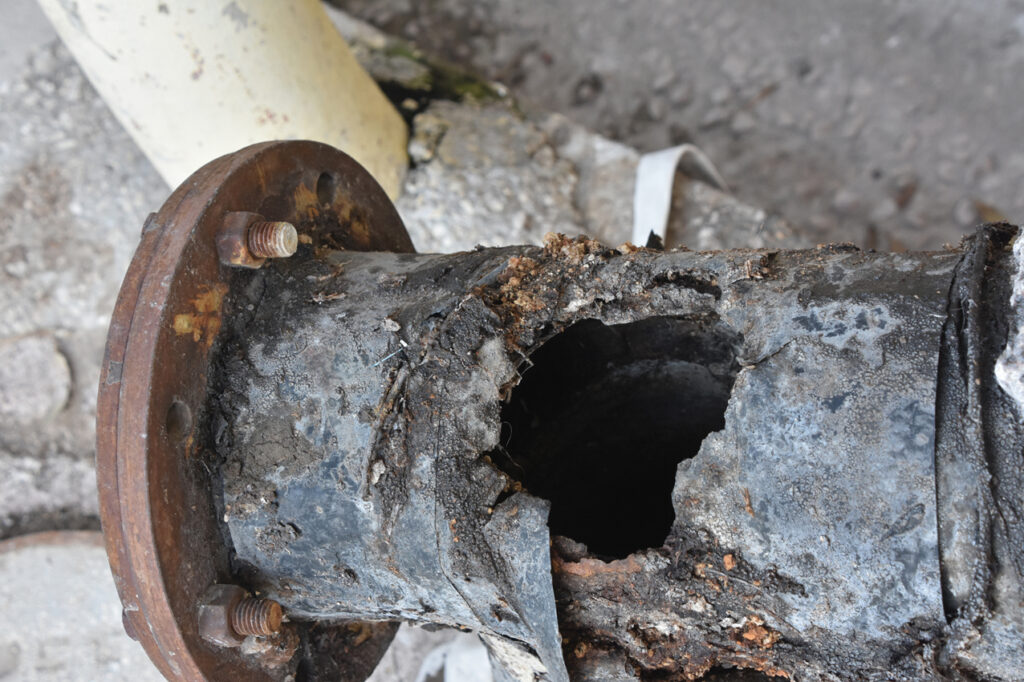
Related Blogs

image block

Sewer Leak or Clog: How to Tell the Difference

Slow drains. Bad smells. A wet spot in the yard that won’t go away. These signs can point to two very different problems. Sewer leak detection issues and a stubborn sewer clog can look almost identical from the outside. But they’re not the same thing at all. A clog is a blockage inside the pipe. […]

image block

What to Do After Water Damage from a Leak

You walk into a room, and there’s water on the floor. Or the ceiling is dripping. Your first reaction is panic – but what you do in the next few hours is what really matters. Water leak damage moves fast. It gets into walls, soaks into the ground, and spreads to places you can’t even […]

image block

Why Your Water Bill Suddenly Increased

You open the bill, look at the number, and something’s off. Last month was normal. This month it’s doubled. Nothing changed – or so you think. That kind of sudden water bill increase almost always has a cause, and finding it usually doesn’t take long once you know where to look. Some reasons are simple. […]

image block

Common Leak Sources in Las Vegas Homes

Desert homes have their own set of problems. The heat alone puts stress on plumbing that people in other climates never deal with. Add shifting soil and water so full of minerals it practically chews through pipe fittings, and you get a situation where a water leak Las Vegas homeowners find is rarely simple to […]

image block

Pre-Spring Plumbing Leak Checklist for Las Vegas

Spring is the right time for a full walk-through of your home’s plumbing. Las Vegas has its own set of conditions that make this worth doing every year. The temperature swings between cold nights and warm days put stress on pipe joints and seals. Months of dry weather mask slow leaks that have been building […]

image block

5 Signs You Have a Slab Leak in Your Las Vegas Home

A slab leak is one of the hardest plumbing problems to detect because it’s hidden. The pipes run under the concrete foundation, buried several inches down. By the time there’s visible damage, the leak has usually been going on for a while. Las Vegas homes are especially vulnerable. The “caliche” soil shifts as it dries […]

When it comes to maintaining a comfortable and productive office environment, few systems work as hard as your HVAC unit. From cooling during scorching summers to maintaining indoor air quality, your HVAC system keeps your workplace running smoothly. However, one of the most common and overlooked issues in commercial buildings is water leaks in office HVAC systems.

These leaks may seem minor at first—a damp ceiling tile, a small puddle near the vent—but left unchecked, they can cause serious damage to your building’s structure, lead to mold growth, disrupt your operations, and cost thousands in repairs.

At Leak Experts USA, we’ve seen firsthand how HVAC systems for commercial buildings can develop hidden water leaks that go unnoticed for weeks or months. Our technicians have helped numerous businesses in and around Las Vegas detect, repair, and prevent these leaks before they spiral into costly damage.

This blog will explore the common causes of HVAC water leaks, how to identify early warning signs, and the best solutions to prevent future issues—keeping your office safe, dry, and efficient.

📞 If you’re already dealing with an HVAC leak or water pooling around your system, don’t wait—call (702) 745-5571 to schedule a professional inspection today.


Table of Contents

  1. Understanding Water Leaks in Office HVAC Systems
  2. Common Causes of HVAC Leaks
  3. Signs of Water Damage in Office Spaces
  4. The Role of Condensation in Cooling System Leaks
  5. Why AC Condensation Leaks Are Common in Commercial Buildings
  6. The Hidden Dangers of Drain Pan Overflow
  7. Consequences of Ignoring HVAC Water Leaks
  8. The Importance of Regular HVAC Maintenance Contracts
  9. Energy Efficiency and the Impact of HVAC Water Leaks
  10. Preventing Water Leaks in Office HVAC Systems
  11. How Leak Detection Experts Can Help
  12. FAQs About HVAC Water Leaks
  13. Protect Your Office with Leak Experts USA

Understanding Water Leaks in Office HVAC Systems

Office buildings rely heavily on HVAC systems for multitenant commercial buildings to maintain comfortable temperatures year-round. However, these systems handle large volumes of air and water vapor daily. When condensation or drainage is disrupted, it often results in cooling system leaks.

Office HVAC systems consist of various components—evaporator coils, condensate drain pans, and drain lines—that manage moisture generated during the cooling process. Even a minor blockage or malfunction in these components can lead to pooling water, stains, and damage to ceilings or floors.

Most leaks occur gradually, making them difficult to spot early. This is why proactive maintenance and periodic water leak detection are crucial for commercial properties.

Office HVAC Systems

Common Causes of HVAC Leaks

Several factors contribute to HVAC leaks, especially in busy office environments where systems run continuously. The most frequent causes include:

✅ 1. Clogged Condensate Drain Line

The drain line removes moisture collected by the evaporator coil. Dust, algae, and debris can clog this line, causing water to back up and overflow.

✅ 2. Damaged or Rusted Drain Pan

Over time, the metal drain pan can corrode or develop cracks, leading to HVAC drain pan overflow. Once this happens, water begins dripping into ceilings or ducts.

✅ 3. Dirty Air Filters

Restricted airflow from dirty filters can cause coils to freeze. When they thaw, excess water can overwhelm the drain system.

✅ 4. Low Refrigerant Levels

Low refrigerant reduces pressure, making coils freeze. When the ice melts, it leads to water leaks around your unit.

✅ 5. Improper Installation or Slope

If the unit or drain line isn’t level, water can pool inside instead of flowing out properly.

Each of these issues may seem technical, but they all point to one root problem—moisture that’s not being drained correctly. That’s where professional water leak detection Las Vegas services can make a big difference.

Signs of Water Damage in Office Spaces

Recognizing early warning signs of leaks in office HVAC systems can prevent expensive repairs later. Some of the most common red flags include:

  • Damp or discolored ceiling tiles
  • Musty odors or mold growth near vents
  • Visible water pooling under ceiling-mounted units
  • Increased humidity indoors
  • Unexplained water stains on walls or ductwork
  • HVAC system shutting down unexpectedly

If you notice any of these symptoms, it’s crucial to call a trusted plumbing and leak detection professional immediately. What appears to be a small office air conditioner leak may actually signal a major issue deep within your system.

The Role of Condensation in Cooling System Leaks

Air conditioners work by extracting heat and moisture from the air. This process naturally creates condensation on the evaporator coil. Normally, this condensation drips into a drain pan and flows out through a condensate line.

However, if any part of this drainage process fails—due to blockages, corrosion, or misalignment—you’ll start seeing cooling system leaks in your office.

In high-use commercial buildings, especially during peak summer months, the condensation rate increases significantly. Without regular inspection, even small blockages can quickly lead to overflow or water buildup inside ceilings or ductwork.

Why AC Condensation Leaks Are Common in Commercial Buildings

AC condensation leaks are particularly prevalent in large office complexes because these systems operate for longer hours and manage higher humidity levels than residential units.

Here are the key reasons:

  • Continuous Operation: Office HVAC units run all day, allowing condensation to form constantly.
  • Neglected Maintenance: Many offices overlook routine HVAC maintenance, leading to unnoticed drain issues.
  • Shared Systems: In shared office buildings, a single malfunction can affect multiple floors or suites.
  • Hidden Installations: Units installed above ceilings or in service rooms make leaks harder to spot until visible damage occurs.

Preventing AC condensation leaks starts with consistent cleaning, inspection, and timely repairs by experienced professionals who understand commercial systems inside and out.

The Hidden Dangers of Drain Pan Overflow

An HVAC drain pan overflow might not sound serious, but it’s one of the leading causes of ceiling and wall damage in office buildings.

When the condensate drain line clogs or the drain pan becomes damaged, water collects until it spills over. This overflow can:

  • Damage insulation, drywall, and ceiling tiles
  • Promote mold and mildew growth
  • Short-circuit nearby electrical systems
  • Compromise indoor air quality
  • Interrupt daily business operations

Worse still, water damage from HVAC drain pan overflow often goes unnoticed until it causes visible stains or dripping. By then, the repairs can be extensive and costly.

Our company offers specialized water leak detection Las Vegas services to locate and fix hidden leaks in drain pans, condensate lines, and other HVAC components before serious damage occurs.

snaking

Consequences of Ignoring HVAC Water Leaks

Ignoring HVAC leaks can have far-reaching consequences for your office:

🏢 Structural Damage

Persistent leaks can weaken drywall, ceiling beams, and insulation—leading to expensive restoration work.

⚡ Electrical Hazards

Water and electricity are a dangerous mix. Leaks near lighting fixtures or power conduits pose serious safety risks.

🌿 Mold and Mildew

Damp environments are perfect breeding grounds for mold, which can affect employee health and productivity.

💸 Higher Energy Bills

Leaking or inefficient office HVAC systems force the unit to work harder, consuming more energy and increasing costs.

🧰 Unexpected Downtime

Severe leaks may require emergency shutdowns, disrupting business operations and causing employee discomfort.

For business owners, prevention isn’t just about saving money—it’s about protecting your people and property from preventable water damage.

The Importance of Regular HVAC Maintenance Contracts

One of the most effective ways to prevent HVAC leaks and system malfunctions in commercial spaces is to invest in a scheduled maintenance contract. Many office buildings wait until a problem appears, but by then, the water damage is often extensive. A maintenance plan ensures that your office HVAC systems are regularly checked, cleaned, and optimized to prevent potential leaks and energy inefficiencies.

When you partner with a professional service provider like us, you gain access to a proactive approach rather than a reactive one. Our technicians routinely inspect every component—drain lines, evaporator coils, condensate pumps, and drain pans—to catch issues before they escalate.

Benefits of Regular Maintenance Include:

  • Early detection of HVAC leaks and worn components
  • Improved indoor air quality for employees
  • Lower repair and replacement costs
  • Increased lifespan of your HVAC system
  • Better energy efficiency and reduced utility bills

Regular maintenance is particularly crucial for office air conditioner leaks, which can develop quietly in ceiling-mounted units or ducts. By having professionals perform seasonal inspections, businesses can maintain optimal comfort without interruptions.

A well-maintained HVAC system isn’t just a technical requirement—it’s a financial and operational safeguard for your business. Leak Experts USA offers flexible maintenance contracts customized for small offices and large commercial buildings across Las Vegas, helping you protect your investment year-round.

Energy Efficiency and the Impact of HVAC Water Leaks

Few business owners realize how much HVAC water leaks can affect their building’s energy efficiency. Even a small leak in a drain line or condensation overflow can force the system to work harder than necessary, driving up electricity usage and monthly expenses.

When moisture builds up due to cooling system leaks, the evaporator coils can freeze or become less effective at transferring heat. As a result, the HVAC unit cycles more frequently and consumes more power to maintain the same temperature. This constant strain shortens the lifespan of components like the compressor and fan motors.

Common Ways Leaks Affect Efficiency:

  • Increased humidity levels reduce cooling efficiency
  • Blocked drain lines cause internal moisture buildup
  • Water damage to insulation around ducts leads to energy loss
  • Stressed components draw more electricity over time

By addressing leaks early, you not only protect the structure of your office but also significantly reduce energy waste. A well-maintained, leak-free HVAC system can lower energy consumption by up to 20% annually, saving hundreds of dollars every year.

Our company focuses on both water leak detection Las Vegas and long-term performance optimization. Our technicians don’t just fix leaks—they ensure that your system operates efficiently and sustainably, reducing costs and environmental impact. Keeping your HVAC system sealed, clean, and well-drained means lower bills and a greener workplace.

Preventing Water Leaks in Office HVAC Systems

The best way to deal with leaks is to stop them before they start. Here are some practical prevention tips:

✅ 1. Schedule Routine Maintenance

Regular inspections and cleaning of drain lines, pans, and filters can prevent most HVAC leaks.

✅ 2. Install Overflow Safety Switches

These sensors detect pan overflows and automatically shut down the system before damage occurs.

✅ 3. Replace Air Filters Monthly

Clean filters ensure proper airflow, reducing coil freezing and water buildup.

✅ 4. Monitor Humidity Levels

Use dehumidifiers or smart thermostats to keep indoor moisture within safe levels.

✅ 5. Conduct Annual Leak Detection Checks

Professional leak inspections can reveal small leaks before they cause major damage.

Our company provides comprehensive water leak detection Las Vegas services designed for commercial properties, using advanced equipment to locate leaks hidden behind walls, ceilings, or HVAC components.

How Leak Detection Experts Can Help

When it comes to office HVAC systems, accurate diagnosis is key. At this company, we combine years of experience with cutting-edge technology to identify even the smallest water leaks.

Here’s how our team can help your office stay leak-free:

  • Infrared Thermal Imaging: Detects moisture behind walls and ceilings without damage.
  • Moisture Meters: Pinpoint areas of active leaks or hidden dampness.
  • Video Inspection Tools: Examine drain lines and pans for cracks or blockages.
  • Comprehensive Repair Solutions: We don’t just find the leak—we fix it, ensuring long-term reliability.

Our technicians are trained to handle commercial HVAC systems safely and efficiently, providing fast and non-invasive services that minimize downtime.

If your office HVAC system has been showing signs of leakage, call (702) 745-5571 to schedule an inspection today.


FAQs About HVAC Water Leaks

1. Why do HVAC systems leak water?

Leaks usually occur due to clogged condensate drain lines, rusted pans, or coil freezing. Proper maintenance can prevent these issues.

2. Can I fix an HVAC leak myself?

Minor drain cleaning can sometimes be handled in-house, but most leaks require professional tools and expertise to prevent recurrence.

3. How often should office HVAC systems be inspected?

Commercial units should be inspected every 6–12 months, especially before peak summer or winter seasons.

4. What happens if an HVAC drain pan overflows?

Overflowing pans can lead to ceiling damage, mold growth, and electrical hazards. Always turn off the system and call a leak detection expert immediately.

5. How can Leak Experts USA help?

We provide full inspection, leak detection, and repair services for office and commercial properties, ensuring your HVAC system operates safely and efficiently.


Protect Your Office with Leak Experts USA

Water leaks HVAC systems for office buildings can start small but quickly escalate into costly disasters if ignored. Regular inspections, preventive maintenance, and professional leak detection are your best defense against damage and downtime.

At Leak Experts USA, we take pride in helping businesses across Las Vegas maintain safe, dry, and efficient HVAC systems. Whether you’re dealing with AC condensation leaks, HVAC drain pan overflow, or unexplained dampness around your unit, our experts are just one call away.

📞 Call (702) 745-5571 or book online today to schedule a commercial HVAC inspection. With us, your comfort and safety always come first. Follow us on Instagram for regular updates!
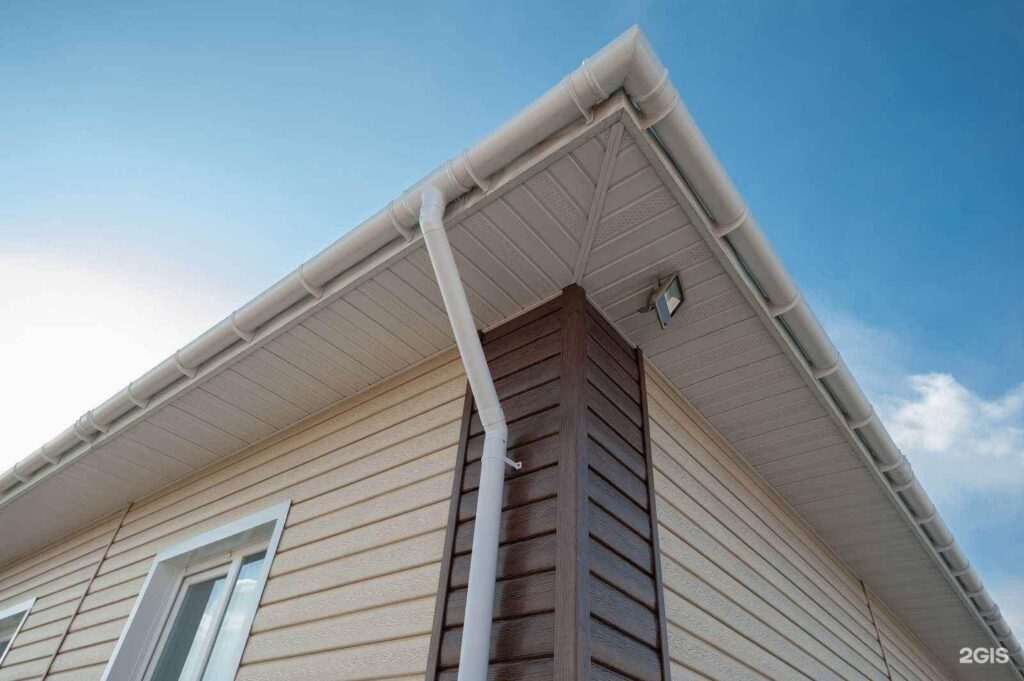
Related Blogs

image block

Sewer Leak or Clog: How to Tell the Difference

Slow drains. Bad smells. A wet spot in the yard that won’t go away. These signs can point to two very different problems. Sewer leak detection issues and a stubborn sewer clog can look almost identical from the outside. But they’re not the same thing at all. A clog is a blockage inside the pipe. […]

image block

What to Do After Water Damage from a Leak

You walk into a room, and there’s water on the floor. Or the ceiling is dripping. Your first reaction is panic – but what you do in the next few hours is what really matters. Water leak damage moves fast. It gets into walls, soaks into the ground, and spreads to places you can’t even […]

image block

Why Your Water Bill Suddenly Increased

You open the bill, look at the number, and something’s off. Last month was normal. This month it’s doubled. Nothing changed – or so you think. That kind of sudden water bill increase almost always has a cause, and finding it usually doesn’t take long once you know where to look. Some reasons are simple. […]

image block

Common Leak Sources in Las Vegas Homes

Desert homes have their own set of problems. The heat alone puts stress on plumbing that people in other climates never deal with. Add shifting soil and water so full of minerals it practically chews through pipe fittings, and you get a situation where a water leak Las Vegas homeowners find is rarely simple to […]

image block

Pre-Spring Plumbing Leak Checklist for Las Vegas

Spring is the right time for a full walk-through of your home’s plumbing. Las Vegas has its own set of conditions that make this worth doing every year. The temperature swings between cold nights and warm days put stress on pipe joints and seals. Months of dry weather mask slow leaks that have been building […]

image block

5 Signs You Have a Slab Leak in Your Las Vegas Home

A slab leak is one of the hardest plumbing problems to detect because it’s hidden. The pipes run under the concrete foundation, buried several inches down. By the time there’s visible damage, the leak has usually been going on for a while. Las Vegas homes are especially vulnerable. The “caliche” soil shifts as it dries […]

newsletter-image

Our Newsletter


Stay informed about the latest in plumbing solutions, home maintenance tips, and special discounts.

    Privacy policy

    [bft-int-chk checked="true" ] Subscribe for the mailing list