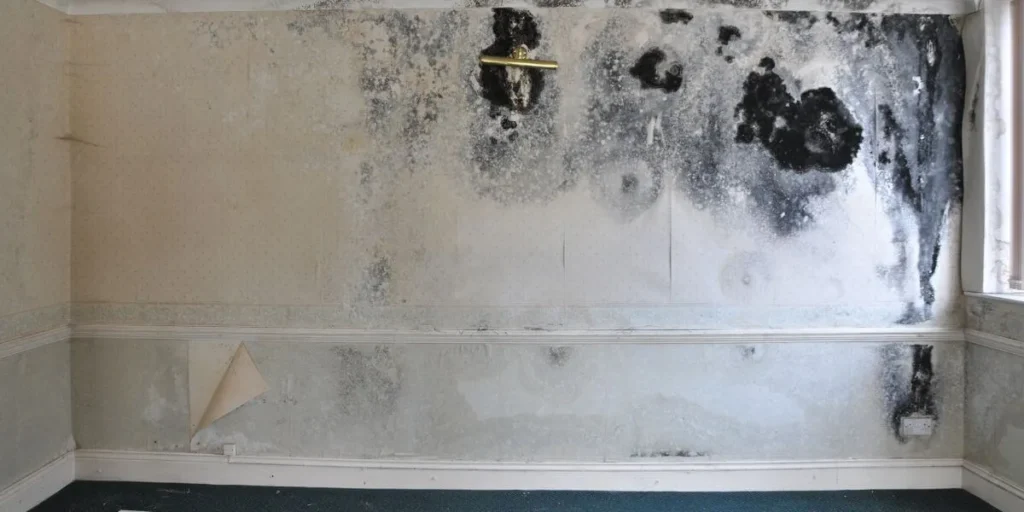
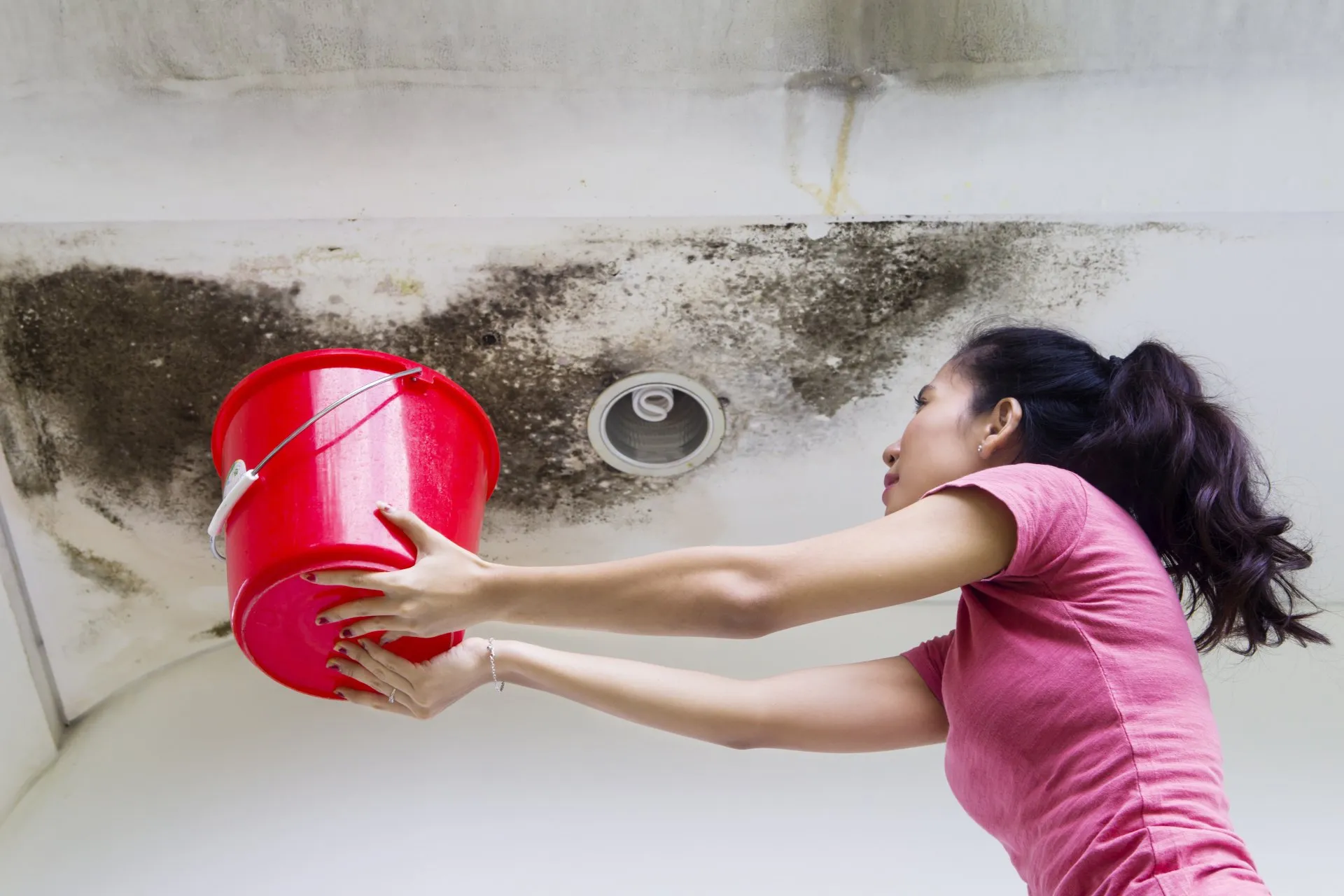
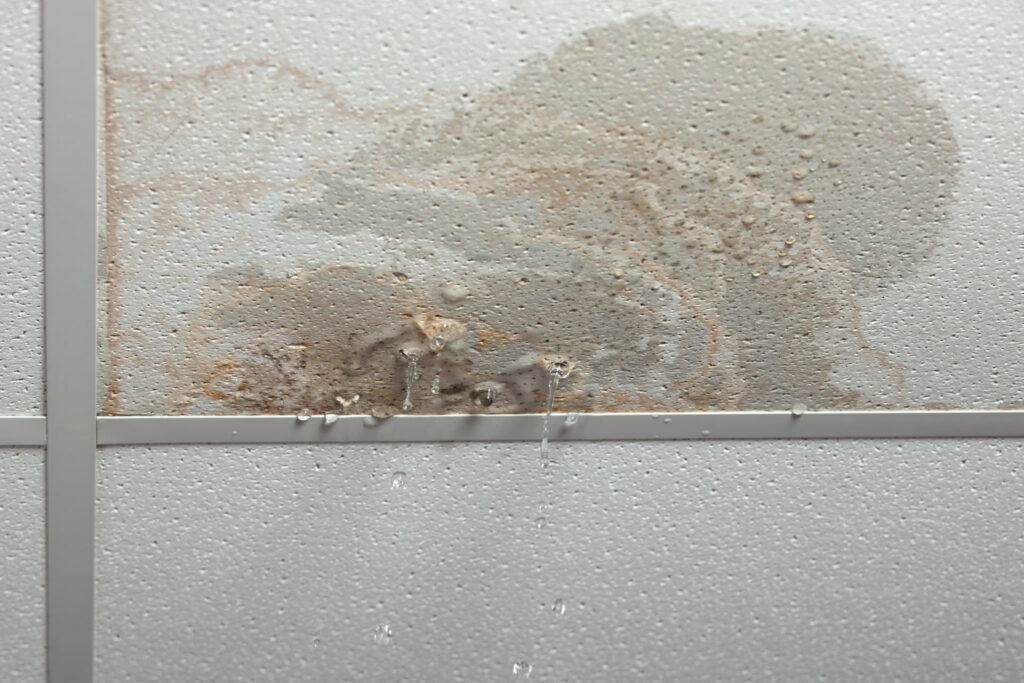
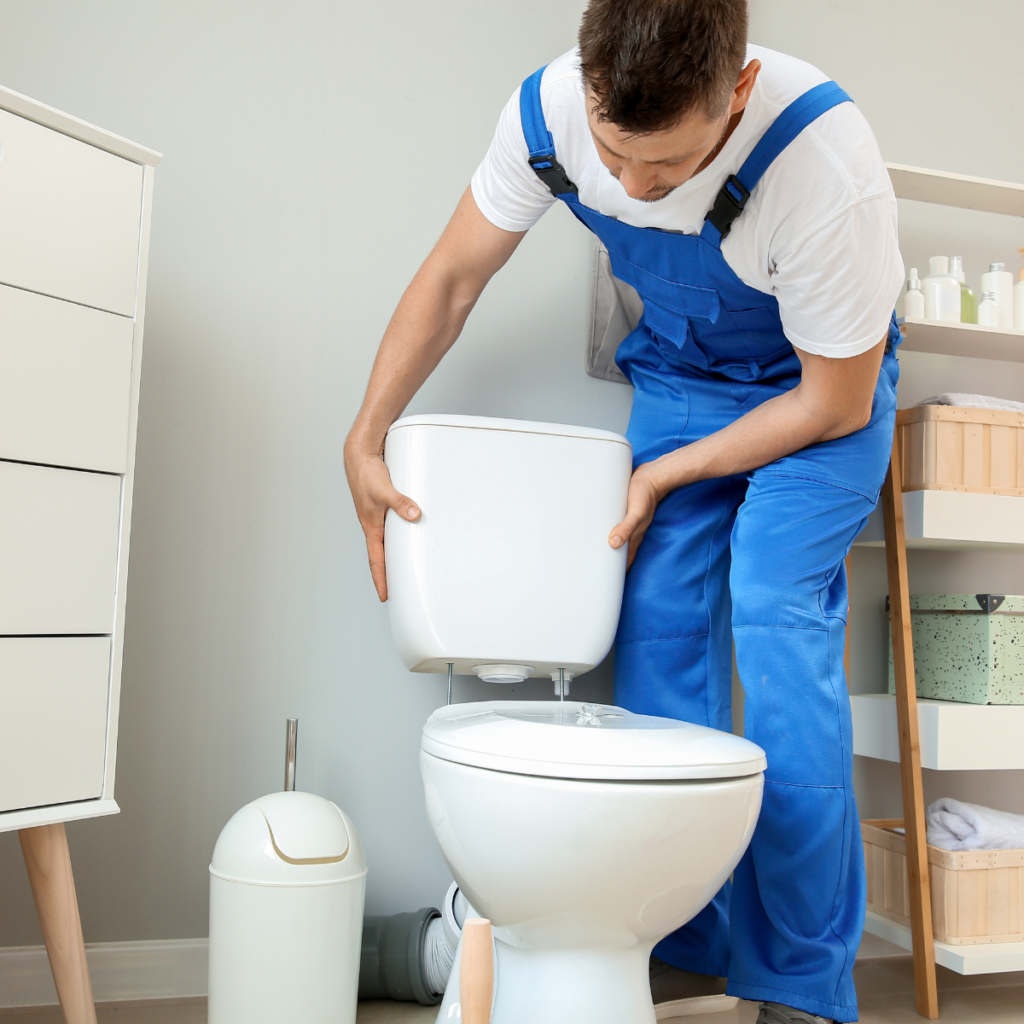
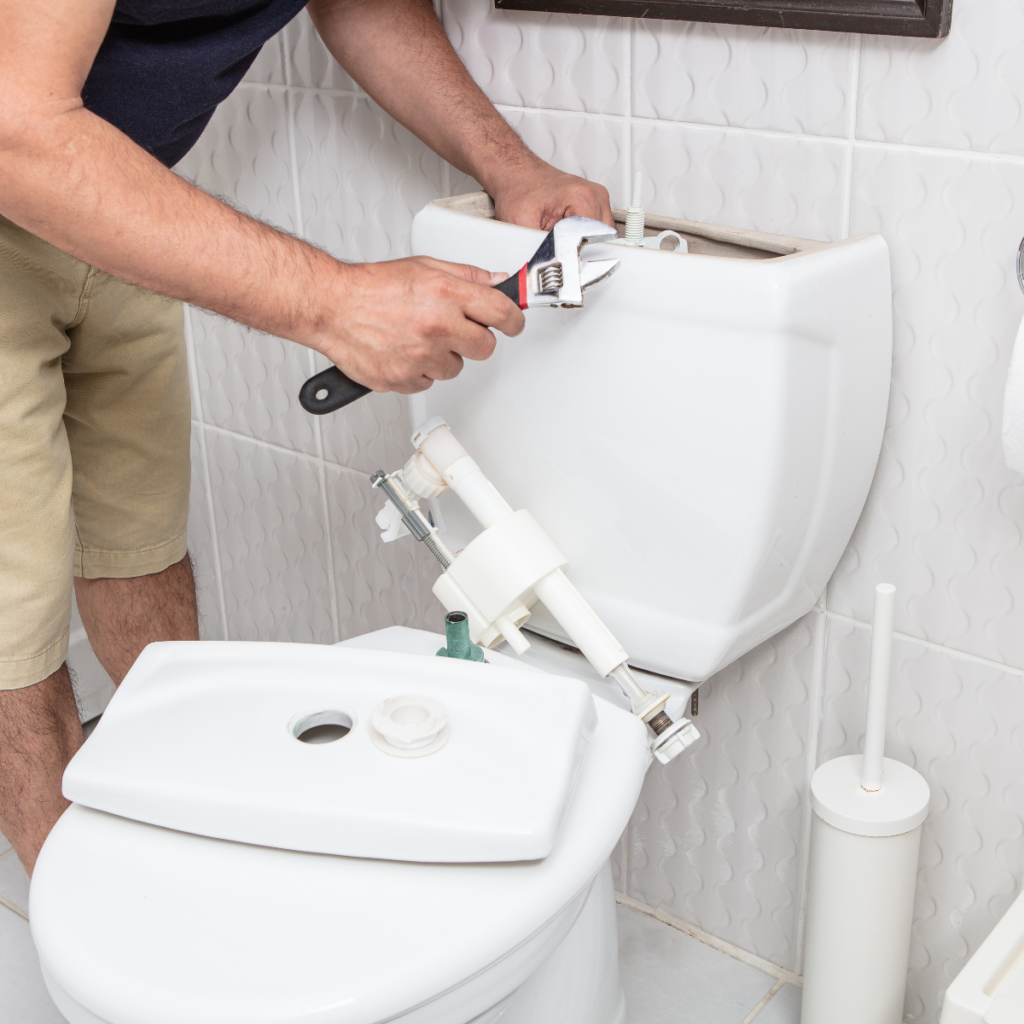
When you step into a warm shower, the last thing you want to discover is water pooling on your bathroom floor or damp spots on the ceiling below. Unfortunately, shower pan leaks are one of the most common and frustrating plumbing problems homeowners face. Left untreated, they can cause significant water damage, mold growth, and expensive repairs.

We’ve helped countless homeowners diagnose and fix shower pan leaks efficiently and permanently. With years of experience handling complex bathroom leaks, we understand how even a small drip can lead to major damage if not addressed promptly.

In this detailed guide, we’ll explain what causes shower pan leaks, how to identify them, and the best methods to fix them—along with expert insights on prevention and waterproofing.

Need help now? Call us at (702) 745-5571.


Table of Contents

  1. Understanding Shower Pan Leaks
  2. What Causes Shower Pan Leaks?
  3. Common Signs of Shower Pan Leak
  4. How to Confirm a Shower Pan Leak
  5. Step-by-Step: How to Fix Shower Pan Leaks
  6. Shower Pan Waterproofing and Prevention Tips
  7. When to Call a Professional Plumber
  8. DIY vs Professional Shower Pan Leak Repair – Which Is Better?
  9. Long-Term Maintenance Tips to Prevent Future Shower Leaks
  10. Why Las Vegas Homes Are Prone to Bathroom Floor Leaks
  11. How Leak Experts USA Solves Shower Base Leaks
  12. FAQs

Understanding Shower Pan Leaks

A shower pan is the waterproof base under your shower floor. Its job is to collect and direct all the water from your shower drain to prevent leaks into the subfloor or walls. When this waterproof barrier becomes damaged or improperly installed, shower pan leaks occur.

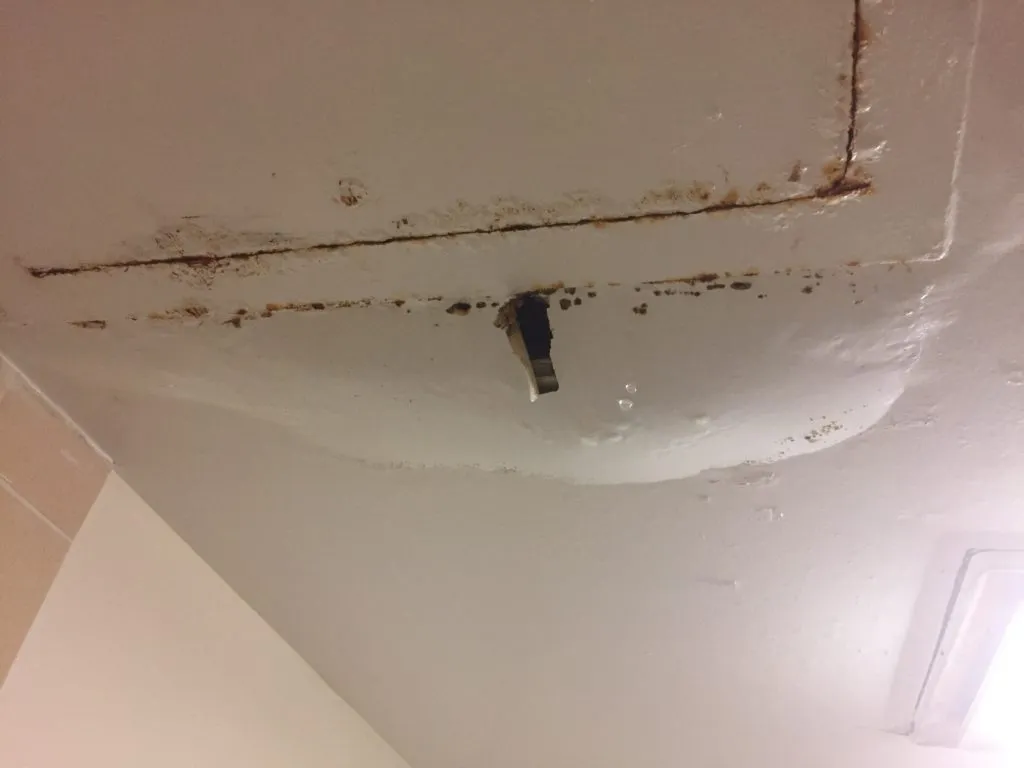
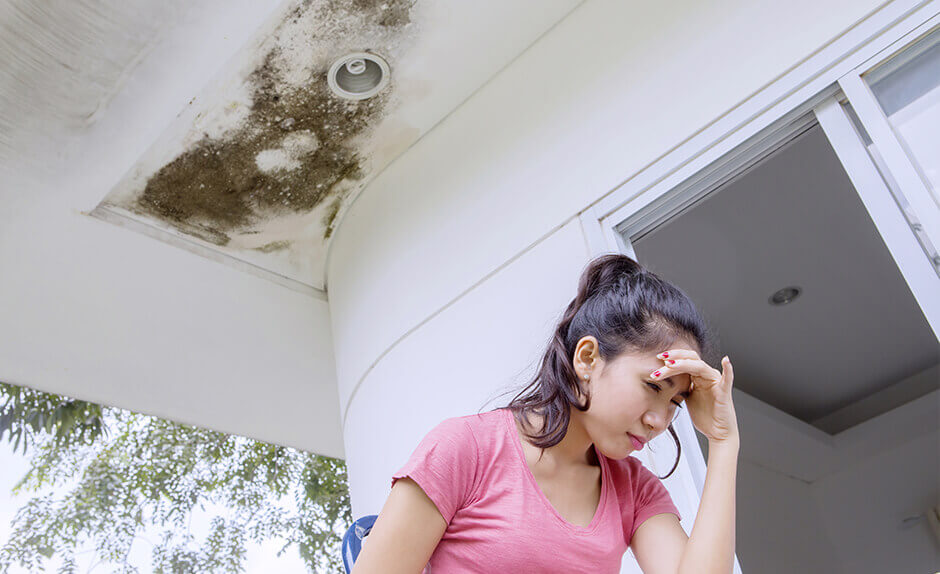
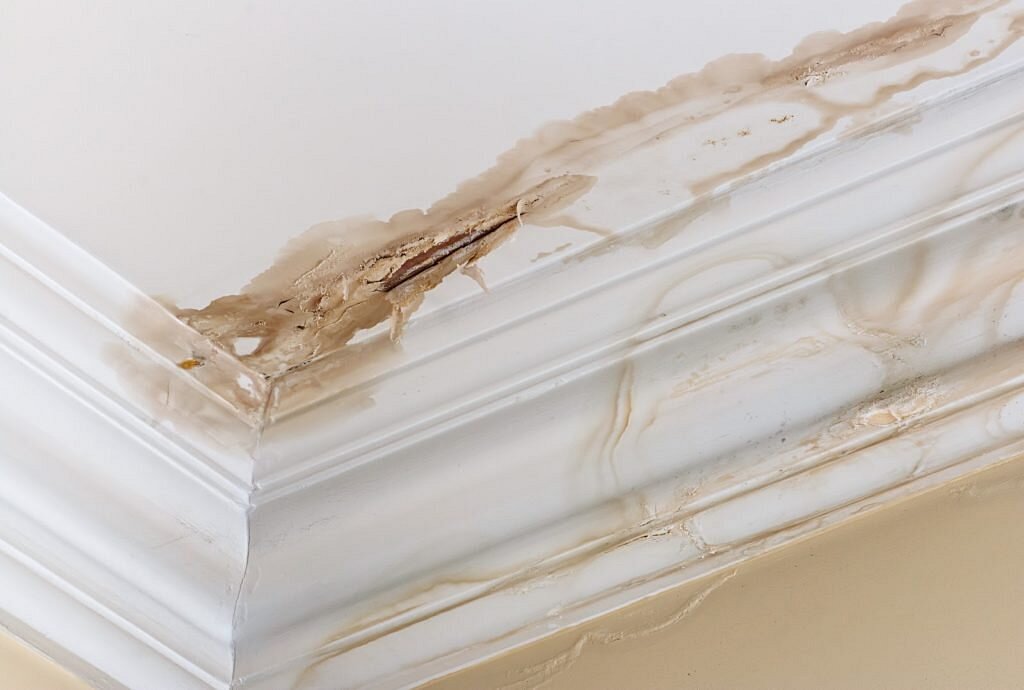
These leaks are often hidden beneath tiles or behind walls, making them difficult to detect until noticeable damage appears—like bathroom floor leaks, musty odors, or stains on the ceiling below the bathroom.

Because of the hidden nature of these leaks, many homeowners don’t realize there’s a problem until it’s too late. That’s why early detection and prompt repair are critical.

What Causes Shower Pan Leaks?

Several factors can cause shower pan leaks, from poor installation to material wear. Understanding the cause is key to to troubleshoot a leaky and finding the right solution.

Common Causes Include:

  1. Improper Installation

If your shower pan wasn’t installed correctly or lacks proper waterproofing, water can seep through cracks and gaps.

  1. Aging or Cracked Shower Pan

Over time, materials like fiberglass or acrylic can crack under pressure, leading to shower base leaks.

  1. Failed Waterproof Membrane

The waterproof liner or membrane beneath the tiles can deteriorate, allowing water to escape into the subfloor.

  1. Loose or Damaged Grout

Missing or cracked grout between tiles can allow water to reach the shower pan, leading to leaking shower floors.

  1. Blocked or Misaligned Drain

A clogged or poorly sealed drain can allow water to pool and eventually leak through theshower pan.

  1. Foundation Shifts (Common in Las Vegas)

The clay-like soil in Las Vegas expands and contracts with temperature changes, potentially causing tiny cracks in your shower base.
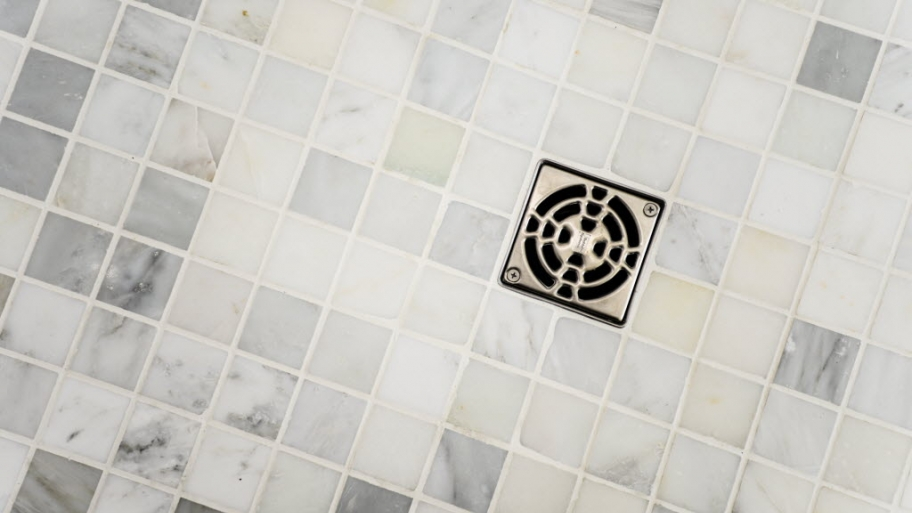
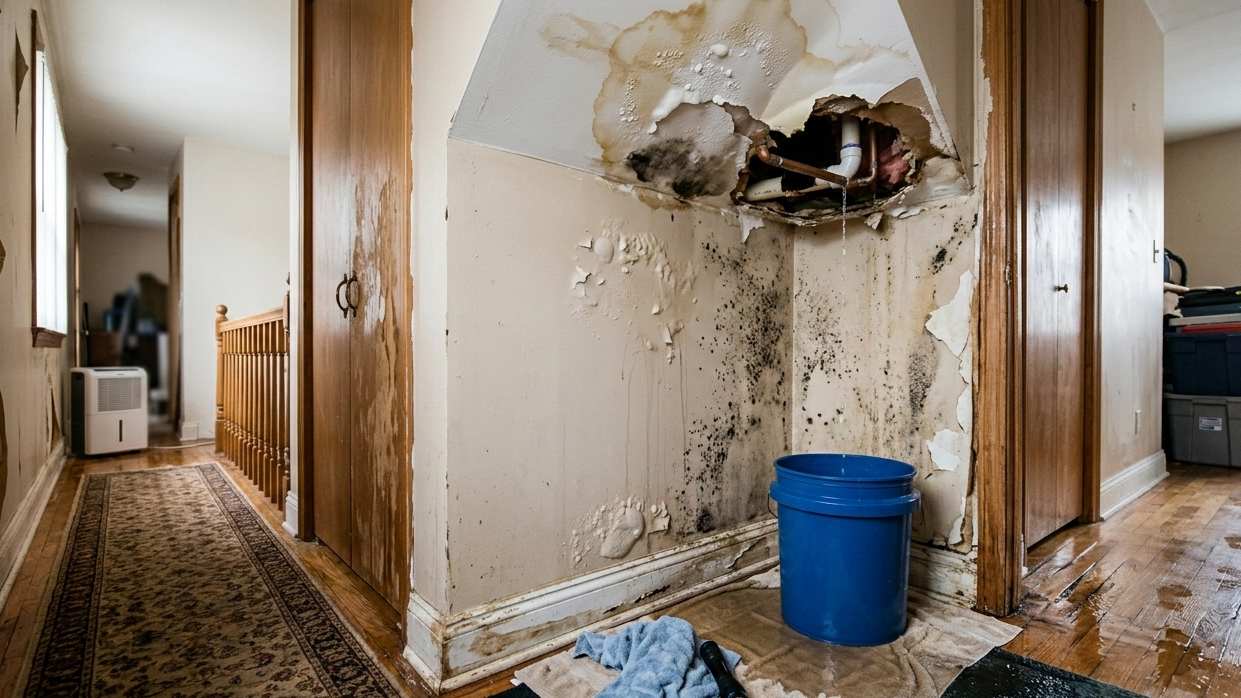
shower pan leaks

Common Signs of Shower Pan Leak

Spotting signs of leaky shower valve early can save you thousands in repair costs. Some indicators are obvious, while others are subtle and easy to miss.

Look for These Warning Signs:

  • Damp or discolored bathroom floors near the shower.
  • Peeling paint or bubbling drywall in the adjacent room.
  • Musty or mildew odors, indicating trapped moisture.
  • Soft or spongy flooring when you step near the shower.
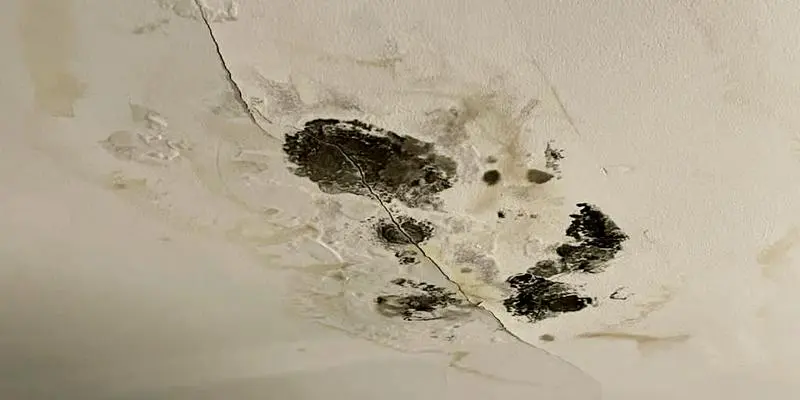
  • Ceiling stains below the bathroom.
  • Water pooling outside the shower even after it’s been off for hours.

If you notice any of these symptoms, it’s time to investigate whether you’re dealing with shower pan leaks.

How to Confirm a Shower Pan Leak

Before you start tearing up tiles, you’ll want to confirm that the leak is indeed coming from the shower pan, not from plumbing lines or grout joints.

Here’s a Simple DIY Test:

  1. Dry the shower floor completely.
  2. Seal the drain using duct tape or a test plug.
  3. Fill the shower base with water—about 1 inch deep.
  4. Mark the water level with tape.
  5. Wait 8–12 hours and check if the level has dropped.

If the water level decreases, you likely have a leaking shower floor or a crack in your shower pan.

However, if you notice moisture elsewhere or inconsistent results, the issue might be related to the plumbing or wall seals—something a professional plumber from our company can inspect accurately.

Step-by-Step: How to Fix Shower Pan Leaks

Repairing shower pan leaks can range from a simple patch to a full replacement, depending on the severity. Below are the general steps professionals follow:

Step 1: Identify the Source

A leak detection specialist uses moisture meters, infrared cameras, or dye tests to locate the exact point of failure.

Step 2: Remove Damaged Tiles and Grout

The surrounding tiles and old grout must be removed to expose the leaking area.

Step 3: Repair or Replace the Shower Pan

  • Minor Cracks: Can often be sealed using a waterproof epoxy or repair kit.
  • Major Damage: Requires complete replacement of the shower pan and possibly the subfloor.

Step 4: Reseal the Drain Connection

Plumbers ensure the drain fitting is properly sealed to prevent future shower base leaks.

Step 5: Reinstall Tiles and Apply Waterproof Membrane

After repairs, a waterproof barrier is applied before tiles are reset and grouted.

Step 6: Final Testing

Once the repair is complete, the area is tested again to confirm that no leaks remain.

Note: DIY repairs often only mask the problem temporarily. For long-term results, contact us at (702) 745-5571 for professional shower leak repair in Las Vegas.

Shower Pan Waterproofing and Prevention Tips

Once repaired, the next step is preventing shower pan leaks from recurring.

Here are Proven Prevention Tips:

  1. Invest in Quality Waterproofing:

Use a high-grade waterproof membrane beneath your tiles.

  1. Inspect Grout and Caulk Regularly:

Replace cracked or missing grout as soon as you spot it.

  1. Check Drain Seals:

Ensure the drain flange is tight and sealed with silicone.

  1. Avoid Harsh Cleaners:

Chemical cleaners can weaken sealants over time.

  1. Schedule Annual Inspections:

Routine leak checks by professionals can detect small issues before they become bathroom floor leaks.

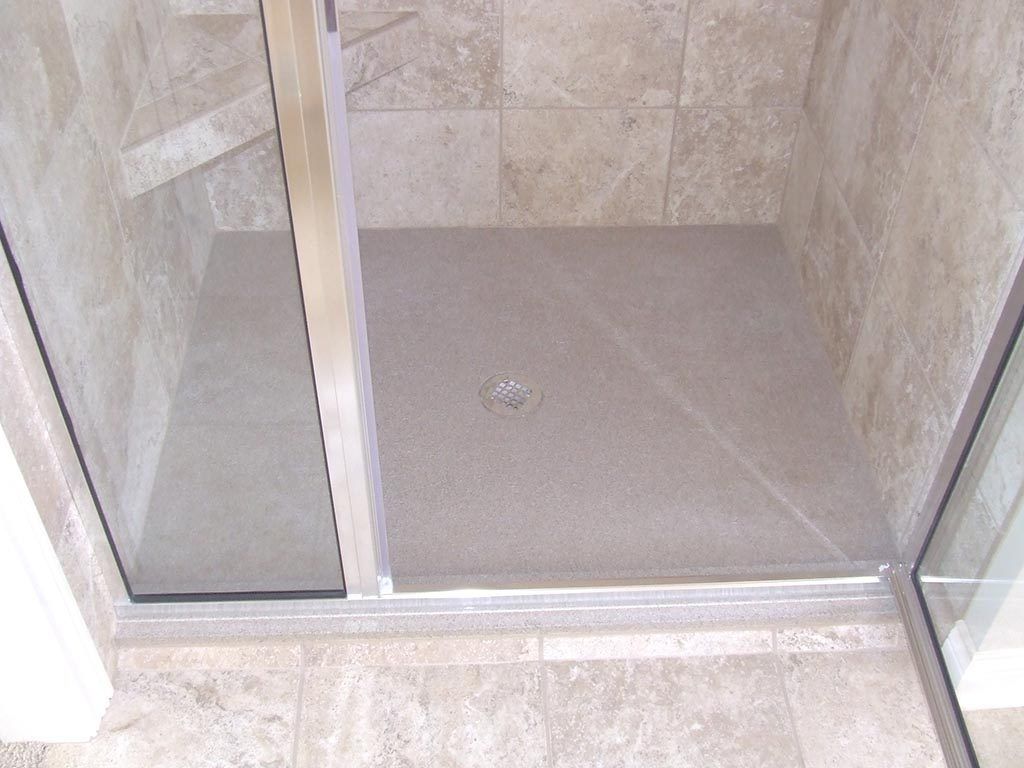
Proper shower pan waterproofing not only prevents future leaks but also increases the lifespan of your bathroom flooring and walls.
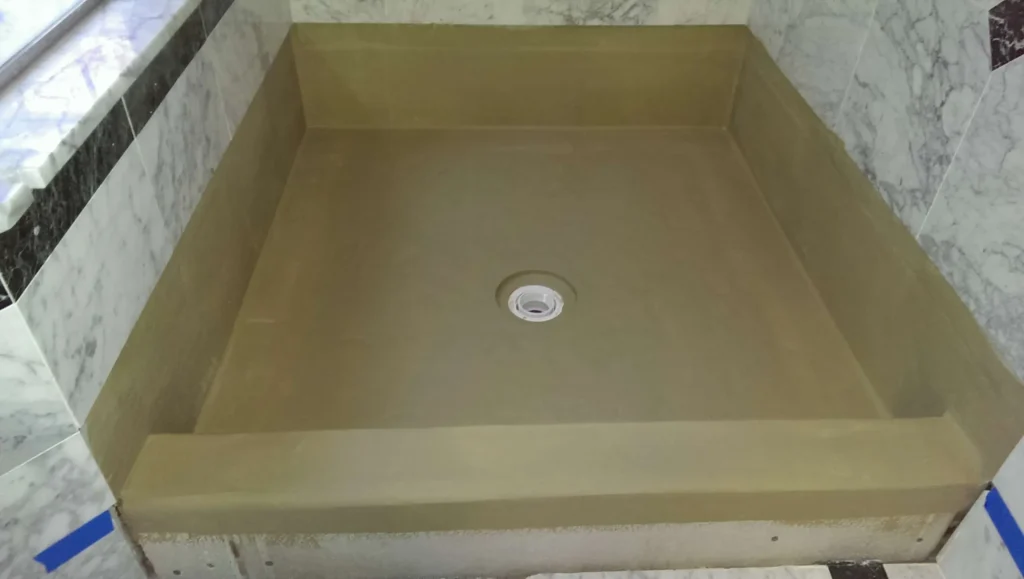
When to Call a Professional Plumber

While small cracks might seem manageable, shower pan leaks often signal deeper structural or plumbing problems. Call a professional plumber if:

  • You notice persistent bathroom floor leaks.
  • The grout or tiles near your shower are deteriorating.
  • Your DIY patch didn’t solve the issue.
  • You smell mildew or notice mold spots.

Professional plumbers use advanced tools and methods to accurately diagnose and fix shower base leaks without unnecessary demolition.

At this company, we specialize in shower leak repair Las Vegas homeowners trust. We ensure a lasting, watertight solution with minimal disruption to your home.

DIY vs Professional Shower Pan Leak Repair – Which Is Better?

When it comes to shower pan leaks, many homeowners wonder if they can fix the issue themselves to save time and money. While minor leaks may seem manageable, it’s important to understand the difference between a quick patch and a lasting solution.

DIY Repairs:

  • Pros:
    • Inexpensive temporary fix (using epoxy or sealants).
    • Suitable for surface cracks or worn grout lines.
  • Cons:
    • Often only masks the problem rather than fixing the root cause.
    • Lacks professional leak detection tools to pinpoint hidden damage.
    • Can worsen leaks if the shower base is improperly sealed.

Professional Repairs:

Certified plumbers at our company handle everything from detection to replacement. They use moisture meters, pressure tests, and waterproof membranes to ensure a lasting repair.

Professional shower leak repair Las Vegas services also include testing adjacent plumbing lines, drains, and subfloor integrity—ensuring no water escapes where it shouldn’t.

Remember: DIY repairs might stop the leak today, but without addressing deeper issues like membrane failure or drain seal damage, the leak will return.

For homeowners who want a reliable, warranty-backed solution, hiring us guarantees that your shower base leaks are resolved properly—protecting your bathroom and peace of mind for years to come.
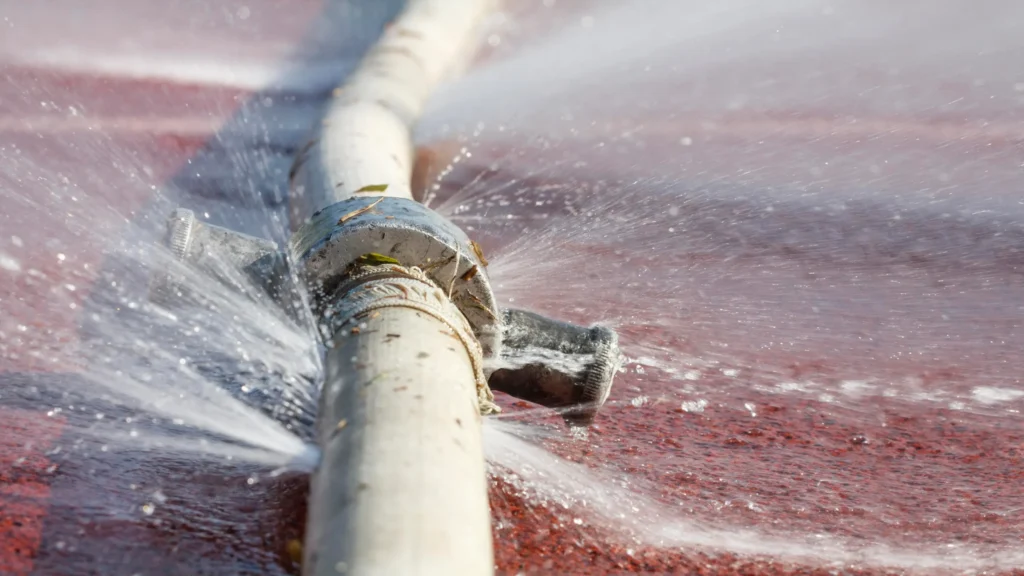
Pipe Joint Leaks

Long-Term Maintenance Tips to Prevent Future Shower Leaks

Fixing a leak is one thing—preventing it from happening again is even more important. Regular care and inspection can save you thousands in future bathroom floor leak repairs.

Maintenance Tips to Keep Your Shower Leak-Free:

  1. Inspect the Grout and Caulking Every 6 Months:

Replace cracked grout or peeling caulk immediately to prevent water seepage.

  1. Clean Drains Regularly:

Keep your drain clear of soap scum and hair to prevent water backup that stresses your shower pan waterproofing.

  1. Avoid Using Abrasive Cleaners:

These can weaken sealants and scratch the surface, allowing water intrusion.

  1. Check for Loose Tiles:

A hollow sound when tapping tiles may indicate trapped moisture beneath.

  1. Use a Shower Mat Carefully

Rubber mats can trap moisture if not cleaned and dried frequently.

  1. Schedule Annual Leak Inspections

Having professionals inspect your leaking shower floor once a year helps detect hidden moisture before it becomes a visible problem.

At this company, we offer comprehensive inspection and maintenance programs to ensure your shower system stays watertight.

A few preventive steps today can protect your floors, walls, and home’s structure from the costly consequences of shower pan leaks tomorrow.

Call (702) 745-5571 today to book your annual inspection or schedule preventive maintenance from the most trusted plumbing experts in Las Vegas.
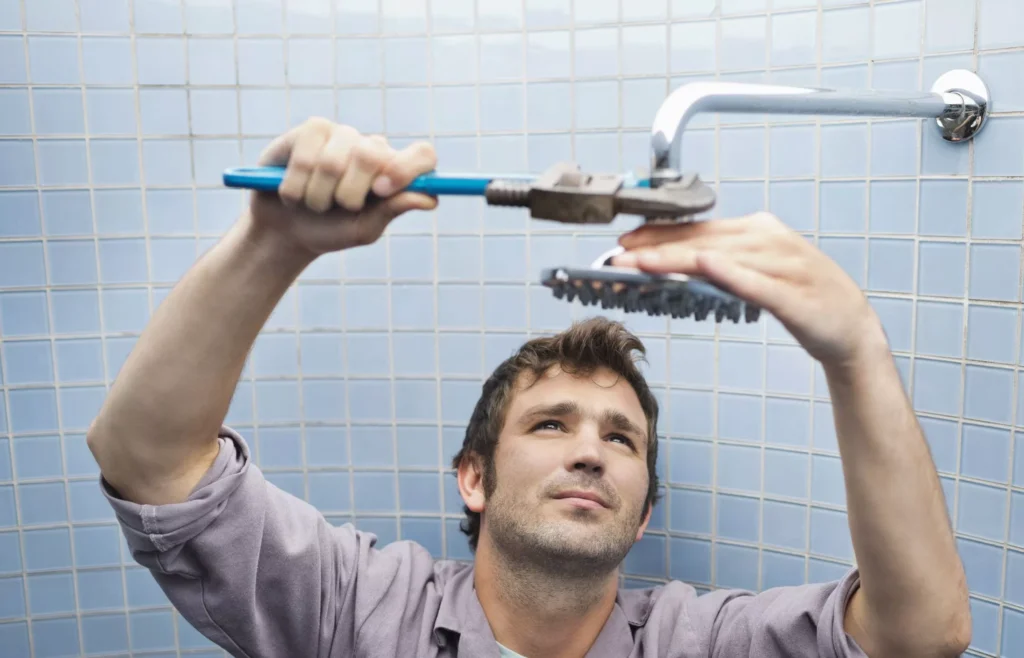
Shower Plumbing Henderson

Why Las Vegas Homes Are Prone to Bathroom Floor Leaks

Homeowners in Las Vegas often face unique plumbing challenges due to local soil conditions, water hardness, and construction trends.

🌵 Here’s Why:

  • Hard Water: The mineral-heavy water in Las Vegas can deteriorate grout, seals, and caulking faster.
  • Clay-Based Soil: Foundation shifting can cause cracks in tile flooring and shower pans.
  • Extreme Temperature Changes: Rapid expansion and contraction of materials can weaken seals.
  • Fast-Paced Construction: Some homes, especially in newer communities, may have insufficient shower pan waterproofing.

That’s why many homeowners in Las Vegas turn to us for leak detection, waterproofing, and shower leak repair services that are specifically tailored to the region’s conditions.

How Leak Experts USA Solves Shower Base Leaks

At this company, we understand that every leak is different. That’s why our team follows a detailed process designed for accuracy and reliability.

Our Process:

  1. Comprehensive Leak Detection – Using moisture sensors and infrared cameras to pinpoint leaks.
  2. Damage Assessment – Evaluating tiles, grout, and subfloor conditions.
  3. Customized Repair Plan – Whether it’s sealing cracks, resealing drains, or replacing the entire shower pan, we choose the most effective solution.
  4. Waterproof Reinforcement – We apply advanced waterproof membranes to ensure long-lasting protection.
  5. Final Testing and Cleanup – We leave your bathroom spotless and leak-free.

With decades of experience serving Las Vegas homeowners, our licensed and insured plumbers deliver lasting results with honesty, transparency, and precision.

Our company guarantees:

  • Honest upfront pricing
  • Same-day appointments
  • 24/7 emergency plumbing support
  • 100% satisfaction on all shower leak repair Las Vegas projects

Call (702) 745-5571 today for fast, professional service from the most trusted plumbing experts in Las Vegas.

FAQs – Shower Pan Leaks and Repairs

1. How serious are shower pan leaks?

Very serious. Even small leaks can damage subfloors, cause mold growth, and weaken your bathroom’s structure over time.

2. Can I repair a shower pan leak without removing tiles?

In minor cases, yes. Sealants or epoxy repairs might help temporarily. However, permanent fixes often require tile removal and proper waterproofing.

3. How much does it cost to fix a shower pan leak?

Costs vary depending on the extent of the damage. Minor repairs can cost a few hundred dollars, while full replacements may run into the thousands. Our company offers free estimates to help you plan effectively.

4. How long does a shower pan last?

A properly installed and waterproofed shower pan can last 20–30 years or more. Regular inspections and maintenance extend its lifespan.

5. Can a leaking shower floor cause mold?

Yes. Persistent moisture under tiles or behind walls is the perfect environment for mold growth, which can impact your health and indoor air quality.

Let the Leak Experts Protect Your Home

Don’t let shower pan leaks compromise your bathroom’s beauty or your home’s foundation. Whether it’s a small crack or a major shower base leak, the sooner you act, the less damage you’ll face.

At Leak Experts USA, we specialize in leak detection, waterproofing, and permanent shower repair solutions. Our certified plumbers ensure your shower remains watertight and worry-free for years to come. Call (702) 745-5571 today or schedule your inspection online to get your leaking shower floor fixed by the best in Las Vegas. Follow us on Instagram for regular updates!
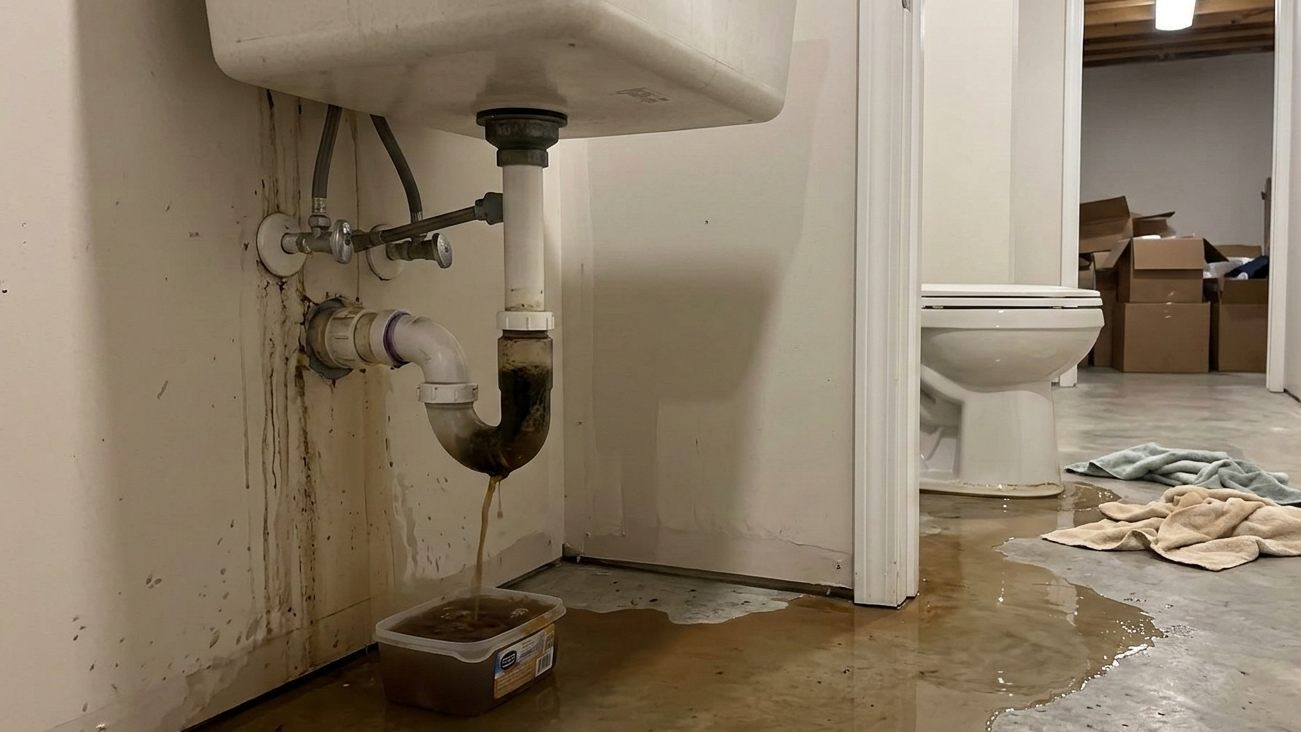
Related Blogs

image block

Sewer Leak or Clog: How to Tell the Difference

Slow drains. Bad smells. A wet spot in the yard that won’t go away. These signs can point to two very different problems. Sewer leak detection issues and a stubborn sewer clog can look almost identical from the outside. But they’re not the same thing at all. A clog is a blockage inside the pipe. […]

image block

What to Do After Water Damage from a Leak

You walk into a room, and there’s water on the floor. Or the ceiling is dripping. Your first reaction is panic – but what you do in the next few hours is what really matters. Water leak damage moves fast. It gets into walls, soaks into the ground, and spreads to places you can’t even […]

image block

Why Your Water Bill Suddenly Increased

You open the bill, look at the number, and something’s off. Last month was normal. This month it’s doubled. Nothing changed – or so you think. That kind of sudden water bill increase almost always has a cause, and finding it usually doesn’t take long once you know where to look. Some reasons are simple. […]

image block

Common Leak Sources in Las Vegas Homes

Desert homes have their own set of problems. The heat alone puts stress on plumbing that people in other climates never deal with. Add shifting soil and water so full of minerals it practically chews through pipe fittings, and you get a situation where a water leak Las Vegas homeowners find is rarely simple to […]

image block

Pre-Spring Plumbing Leak Checklist for Las Vegas

Spring is the right time for a full walk-through of your home’s plumbing. Las Vegas has its own set of conditions that make this worth doing every year. The temperature swings between cold nights and warm days put stress on pipe joints and seals. Months of dry weather mask slow leaks that have been building […]

image block

5 Signs You Have a Slab Leak in Your Las Vegas Home

A slab leak is one of the hardest plumbing problems to detect because it’s hidden. The pipes run under the concrete foundation, buried several inches down. By the time there’s visible damage, the leak has usually been going on for a while. Las Vegas homes are especially vulnerable. The “caliche” soil shifts as it dries […]

Bathrooms are one of the most used—and most leak-prone—areas in your home. While some leaks are easy to spot, others remain unseen until they cause significant damage. One of the most frustrating and costly types of water damage homeowners face is leaks under bathroom tiles. These hidden problems can quietly cause floor tile damage, mold growth, and structural weakening before you even realize there’s an issue.

We’ve helped countless homeowners in and around Las Vegas uncover and fix these tricky leaks with precision and care. Our specialists use advanced diagnostic tools to locate the source of the problem without unnecessary demolition—saving both time and money.

In this blog, we’ll guide you through how to detect, fix, and prevent leaks under bathroom tiles, helping you protect your home from costly repairs and water damage.

📞 Need professional help now? Call us at (702) 745-5571 for fast, expert leak detection and repair services today.


Table of Contents

  1. Understanding the Problem: What Are Leaks Under Bathroom Tiles?
  2. Early Signs You May Have a Hidden Leak
  3. Common Causes of Leaks Under Bathroom Tiles
  4. How to Detect Water Under Tiles Like a Pro
  5. The Risks of Ignoring Hidden Leaks
  6. Step-by-Step: How to Fix Leaks Under Bathroom Tiles
  7. When to Call the Professionals
  8. Preventing Future Leaks and Tile Damage
  9. Why Leak Experts USA Is the #1 Choice for Bathroom Leak Repairs
  10. FAQs About Bathroom Tile Leaks

Understanding the Problem: What Are Leaks Under Bathroom Tiles?

Leaks under bathroom tiles occur when water seeps beneath the surface of your tiles—often through small cracks in the grout, loose seals, or broken pipes below the floor. Over time, these hidden leaks accumulate moisture beneath the tiles, softening the adhesive and causing them to loosen or pop up.

These types of leaks are particularly deceptive. You might see a slightly discolored tile or feel a damp patch, but underneath, there could be gallons of water slowly damaging your subfloor.

Whether it’s a leaking shower floor or a cracked drainpipe, ignoring these leaks can lead to major problems like:

  • Floor tile damage and detachment
  • Mold and mildew growth
  • Costly bathroom waterproofing repairs
  • Weakening of the floor’s structural integrity

That’s why it’s crucial to understand the early signs of water leaks and act fast.

Early Signs You May Have a Hidden Leak

Spotting leaks under bathroom tiles early can save you from expensive repairs down the road. While these leaks are often subtle, here are key indicators to watch for:

🔹 Damp or Spongy Floor Tiles

If certain tiles feel soft, spongy, or slightly bouncy when you step on them, that’s a strong sign of trapped moisture beneath.

🔹 Musty Odors

Water trapped under tiles often leads to mold growth. A persistent musty smell in your bathroom—even after cleaning—signals a hidden leak.

🔹 Discoloration or Stains

Dark patches on grout lines or tile surfaces may indicate moisture buildup below. Over time, water stains will become more pronounced.

🔹 Warm Spots on the Floor

If your bathroom floor feels unusually warm in one area, it might indicate a hot water line leak under the tiles.

🔹 Rising Water Bills

Unexplained spikes in your water bill often mean there’s an unseen leak in your plumbing system.

If you notice any of these symptoms, it’s time to investigate how to detect water under tiles before the damage worsens.

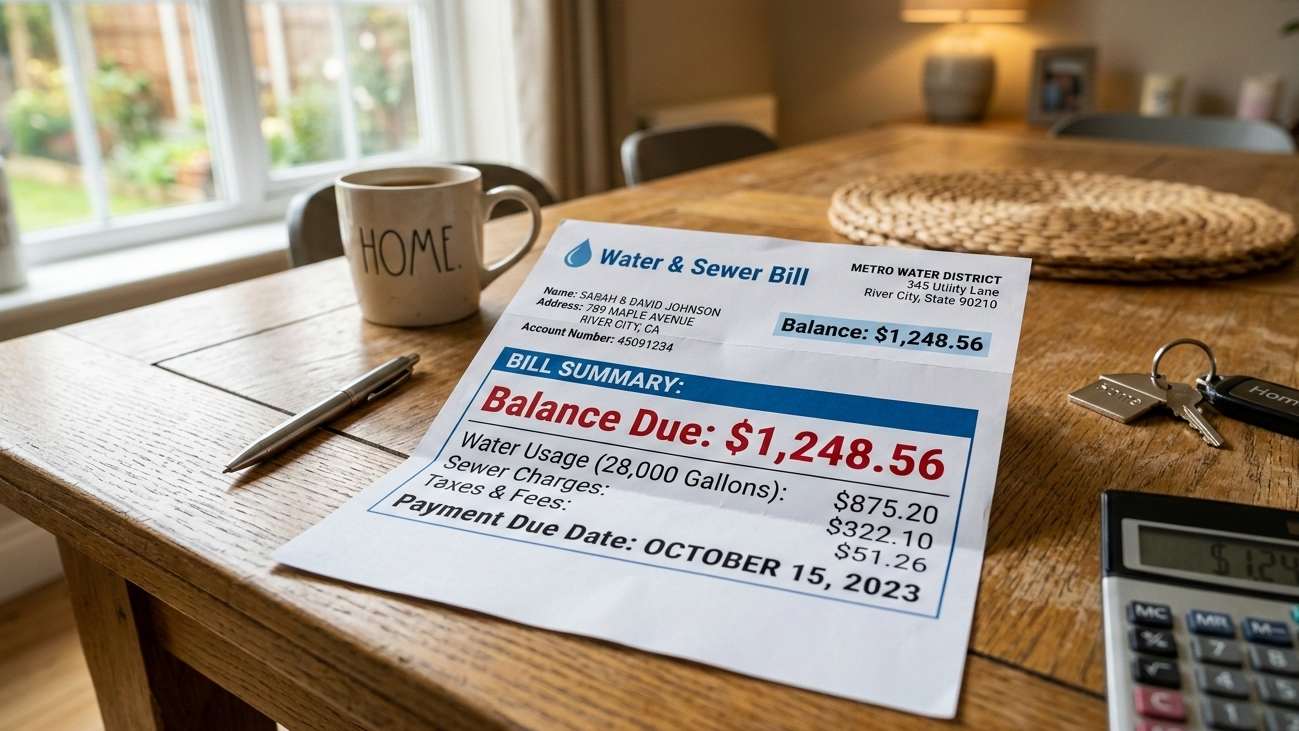
leaks under bathroom tiles

Common Causes of Leaks Under Bathroom Tiles

Understanding what causes these leaks helps you prevent future issues. Here are the most frequent culprits behind floor tile damage and hidden water problems:

1. Cracked Grout or Missing Sealant

Over time, grout wears out, cracks, or erodes, allowing water to seep beneath the tiles.

2. Leaking Shower Floor or Drain

A leaking shower floor is one of the most common sources. Faulty waterproofing or an old shower pan can cause leaks that spread beyond the shower area.

3. Broken or Loose Pipes

Pipes beneath the bathroom floor can develop small cracks or loose joints, leading to hidden leaks that saturate the subfloor.

4. Poor Bathroom Waterproofing

Improper bathroom waterproofing during installation leaves vulnerable spots where water can penetrate over time.

5. Faulty Toilet or Sink Connections

Leaking supply lines or drain connections from sinks and toilets often let water flow underneath nearby tiles.

Even a small plumbing issue can cause major damage if it’s not addressed quickly—especially in humid climates like Las Vegas, where moisture spreads fast.

How to Detect Water Under Tiles Like a Pro

Wondering how to detect water under tiles before it’s too late? There are several proven methods used by professionals and homeowners alike.

🔹 Visual Inspection

Start by looking for loose or discolored tiles, mold on grout lines, or areas where tiles appear lifted or swollen.

🔹 Tap Test

Gently tap the tiles with a coin or screwdriver handle. A hollow sound means the adhesive has been weakened by moisture.

🔹 Moisture Meter

These devices measure moisture levels beneath tiles without removing them. Elevated readings usually indicate a hidden leak.

🔹 Thermal Imaging

Professional leak detection companies like our company use infrared cameras to detect temperature differences caused by moisture under tiles.

🔹 Dye or Flood Test

If you suspect a leaking shower floor, add a small amount of food dye to the drain water and observe if the color seeps into surrounding grout lines.

Detecting leaks accurately requires experience and proper equipment. If you’re unsure, calling a professional for an expert bathroom plumbing repair Las Vegas inspection is the safest move.


The Risks of Ignoring Hidden Leaks

Ignoring leaks under bathroom tiles can lead to serious long-term consequences. What starts as a small damp patch could escalate into thousands of dollars in repairs.

Here’s what can happen when you delay addressing hidden leaks:

⚠️ Mold and Mildew Growth

Moisture trapped under tiles creates an ideal environment for mold, which not only damages your home but also poses health risks.

⚠️ Structural Damage

Water can seep into subfloors and wooden joists, causing warping, rot, and structural instability over time.

⚠️ Tile Detachment

Water weakens the tile adhesive, leading to loose, uneven, or cracked tiles that can pose a safety hazard.

⚠️ Increased Utility Bills

Leaking pipes waste water constantly, increasing your bills and putting unnecessary stress on your plumbing system.

⚠️ Costly Repairs

What could have been a small repair often turns into a complete bathroom remodel if the problem is ignored.

The sooner you identify and fix leaks under bathroom tiles, the more you’ll save in both time and money.


Step-by-Step: How to Fix Leaks Under Bathroom Tiles

While some minor issues can be handled on your own, many hidden leaks require professional attention. Here’s a general step-by-step process to understand how it’s done.

Step 1: Identify the Source

First, determine whether the leak originates from a pipe, grout, or fixture. Professionals use moisture meters and cameras to pinpoint the source.

Step 2: Isolate the Affected Area

Once located, the affected area is isolated to prevent further water spread.

Step 3: Remove Damaged Tiles

Tiles and grout in the damaged zone are carefully removed. Salvageable tiles may be reused after drying.

Step 4: Dry the Subfloor

The subfloor is completely dried using fans or dehumidifiers to prevent mold and rot.

Step 5: Repair the Leak

If it’s a plumbing issue, the broken pipe or fitting is repaired or replaced. For a leaking shower floor, the shower pan or drain system might need re-sealing.

Step 6: Reinstall Tiles and Re-Grout

After repairs, tiles are reinstalled with waterproof adhesive and sealed with high-quality grout.

Step 7: Waterproofing and Testing

Professionals often apply bathroom waterproofing membranes for extra protection and conduct a final leak test to ensure everything is secure.

While DIY solutions might seem tempting, professional repair ensures long-term protection against future leaks.


When to Call the Professionals

If you’re dealing with leaks under bathroom tiles that don’t have an obvious source—or you’ve already noticed extensive floor tile damage—it’s time to call in the experts.

You should contact a plumber immediately if:

  • The leak reappears after a DIY repair
  • There’s visible mold or mildew
  • Tiles feel soft or hollow across a large area
  • You suspect plumbing beneath the floor is damaged

At this company, our technicians specialize in locating and repairing hidden leaks using non-invasive methods. We can detect moisture behind walls and under floors with precision tools—without tearing apart your entire bathroom.

📞 Call (702) 745-5571 today to schedule an inspection with our leak detection specialists.

10 Common Bathroom Plumbing Issues in Southern Highlands Homes (And How to Fix Them)

Preventing Future Leaks and Tile Damage

Prevention is always better than repair. With the right care and maintenance, you can keep your bathroom dry and damage-free for years to come.

Regularly Inspect Grout and Seals

Check grout lines and silicone seals around showers, tubs, and sinks every few months. Reapply sealant when cracks appear.

Schedule Annual Plumbing Inspections

Routine plumbing checks by us can help detect hidden leaks before they cause damage.

Maintain Proper Bathroom Waterproofing

If you’re renovating, ensure your contractor applies a waterproofing membrane beneath tiles.

Use Bath Mats and Ventilation

Keep surfaces dry and ensure your bathroom fan is functioning properly to reduce moisture buildup.

Replace Aging Fixtures and Pipes

Older plumbing is more prone to leaks. Regular upgrades prevent unexpected failures.

Proactive maintenance and professional inspections go a long way in avoiding leaks under bathroom tiles and saving you from major repair costs.


Why Leak Experts USA Is the #1 Choice for Bathroom Leak Repairs

Homeowners across Las Vegas trust our company because we bring precision, transparency, and reliability to every job. Our certified technicians specialize in identifying leaks under bathroom tiles and repairing them efficiently with minimal disruption to your home.

Here’s why we stand out:

✅ Advanced, non-destructive leak detection technology

✅ Experienced, licensed, and insured professionals

✅ Transparent pricing with free estimates

✅ Fast response times and same-day service options

✅ Expertise in bathroom waterproofing and tile restoration

Whether you’re facing a leaking shower floor or need full expert bathroom plumbing repair Las Vegas, we have the tools and experience to get it done right the first time.

Don’t let hidden leaks undermine your home’s comfort and safety.

📞 Call us at (702) 745-5571 or request service online to schedule your leak inspection today.


FAQs About Bathroom Tile Leaks

1. How can I tell if water is leaking under my bathroom tiles?

You may notice loose tiles, musty smells, or damp areas on the floor. A moisture meter or professional inspection can confirm it.


2. Can I repair leaks under bathroom tiles myself?

Minor grout repairs can be DIY, but if the leak comes from plumbing or a shower base, professional repair is strongly recommended.


3. Will insurance cover the damage from leaks under tiles?

Coverage depends on your policy. Gradual leaks may not be covered, but sudden pipe bursts often are.


4. How long does it take to fix leaks under bathroom tiles?

Small repairs can be completed in one day, while complex plumbing fixes or waterproofing may take two to three days.


5. How often should I check my bathroom for hidden leaks?

Inspect your bathroom every few months and schedule professional leak detection once a year for early prevention.


Let Leak Experts USA Protect Your Bathroom From Hidden Leaks

Leaks under bathroom tiles are more than just an inconvenience—they can threaten the integrity of your entire home if ignored. Don’t wait until water damage becomes visible or mold takes hold.

At Leak Experts USA, we combine advanced leak detection technology with trusted craftsmanship to find and fix the issue before it worsens. Whether you’re dealing with a leaking shower floor or tile detachment, our team is ready to help.

📞 Call (702) 745-5571 today to book your inspection and keep your bathroom leak-free for years to come. Follow us on Instagram for regular updates!
Related Blogs

image block

Sewer Leak or Clog: How to Tell the Difference

Slow drains. Bad smells. A wet spot in the yard that won’t go away. These signs can point to two very different problems. Sewer leak detection issues and a stubborn sewer clog can look almost identical from the outside. But they’re not the same thing at all. A clog is a blockage inside the pipe. […]

image block

What to Do After Water Damage from a Leak

You walk into a room, and there’s water on the floor. Or the ceiling is dripping. Your first reaction is panic – but what you do in the next few hours is what really matters. Water leak damage moves fast. It gets into walls, soaks into the ground, and spreads to places you can’t even […]

image block

Why Your Water Bill Suddenly Increased

You open the bill, look at the number, and something’s off. Last month was normal. This month it’s doubled. Nothing changed – or so you think. That kind of sudden water bill increase almost always has a cause, and finding it usually doesn’t take long once you know where to look. Some reasons are simple. […]

image block

Common Leak Sources in Las Vegas Homes

Desert homes have their own set of problems. The heat alone puts stress on plumbing that people in other climates never deal with. Add shifting soil and water so full of minerals it practically chews through pipe fittings, and you get a situation where a water leak Las Vegas homeowners find is rarely simple to […]

image block

Pre-Spring Plumbing Leak Checklist for Las Vegas

Spring is the right time for a full walk-through of your home’s plumbing. Las Vegas has its own set of conditions that make this worth doing every year. The temperature swings between cold nights and warm days put stress on pipe joints and seals. Months of dry weather mask slow leaks that have been building […]

image block

5 Signs You Have a Slab Leak in Your Las Vegas Home

A slab leak is one of the hardest plumbing problems to detect because it’s hidden. The pipes run under the concrete foundation, buried several inches down. By the time there’s visible damage, the leak has usually been going on for a while. Las Vegas homes are especially vulnerable. The “caliche” soil shifts as it dries […]

When you hear a faint dripping sound behind a wall or notice a small damp patch on your ceiling, it might not seem like a big deal. Many apartment owners and tenants think, “It’s just a small leak — I’ll deal with it later.” But in reality, small leaks in apartments are silent budget drainers that can lead to massive repair bills, structural damage, and even health risks if left untreated.

We’ve seen how a tiny leak can spiral into a major headache. Our certified technicians specialize in identifying, repairing, and preventing leaks before they wreak havoc on your home. Whether you own a single apartment or manage an entire building, understanding the hidden costs of ignoring these leaks is the first step toward protecting your investment.

📞 Have a leak right now? Call us at (702) 745-5571 — we’re ready to help you prevent hidden water leak detection and damage before it’s too late.


Table of Contents

  1. The True Cost of Ignoring Minor Plumbing Issues
  2. Why Small Leaks in Apartments Should Never Be Overlooked
  3. Common Signs of Apartment Leaking You Should Watch For
  4. The Hidden Plumbing Problems Behind a “Simple Drip”
  5. Long-Term Structural and Financial Damage
  6. The Health Risks of Moisture and Mold Growth
  7. How Apartment Leak Expenses Escalate Over Time
  8. Preventing Leaks with Professionals
  9. Water Damage Insurance: What You Need to Know About Apartment Leaks
  10. Smart Technology for Preventing Apartment Leaks
  11. Why Leak Experts USA Is Your Trusted Partner in Leak Detection
  12. FAQs About Apartment Leaks

The True Cost of Ignoring Minor Plumbing Issues

A small leak in your apartment may seem harmless at first glance — maybe it’s a slow drip under the sink or a small wet patch near the shower. But even a single drop per second can waste more than 3,000 gallons of water per year, driving up utility bills and quietly damaging your property.

The cost of ignoring leaks often goes far beyond simple water waste. Over time, these leaks can compromise drywall, flooring, insulation, and even the apartment’s foundation. What might start as a $100 repair can escalate into a $5,000+ restoration project involving mold removal and structural repairs.

In a city like Las Vegas, where water conservation is critical and living spaces often experience dry, shifting soil, small leaks can become major structural threats faster than most homeowners realize.

Why Small Leaks in Apartments Should Never Be Overlooked

The danger of small leaks in apartments lies in their subtlety. Unlike burst pipes, they often go unnoticed for weeks or months — hidden behind walls, under bathtubs, or beneath floor tiles. During that time, moisture can seep into structural materials, feeding mold and rot while slowly weakening your home’s integrity.

Ignoring these leaks can lead to:

  • Higher monthly water bills
  • Mold and mildew growth
  • Warped flooring and damaged paint
  • Weakened foundations and ceilings
  • Pest infestations (termites, silverfish, and cockroaches thrive in damp areas)

By addressing even the smallest apartment leaking early on, you can prevent a host of hidden plumbing problems that could later demand extensive repair or replacement.

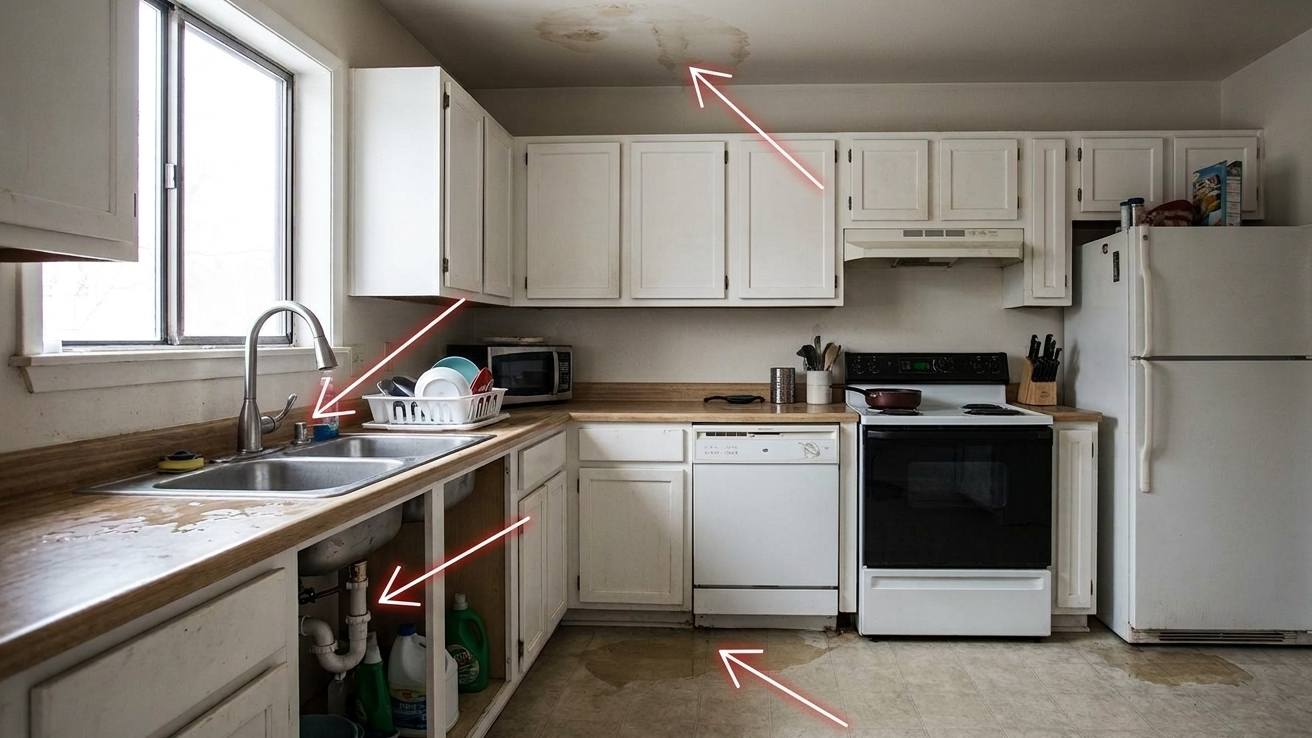
small leaks in apartments

Common Signs of Apartment Leaking You Should Watch For

Most apartment leaking issues aren’t immediately visible. However, subtle signs can warn you before things get out of hand. Look for these common apartment plumbing issues and red flags:

  • Unexplained increases in water bills – A small leak can waste thousands of gallons unnoticed.
  • Mold or mildew smells – Persistent musty odors often indicate hidden water damage.
  • Peeling paint or bubbling wallpaper – A telltale sign of moisture behind the walls.
  • Ceiling stains – Often found under bathrooms or kitchen areas of upper units.
  • Soft or warped flooring – Leaks under appliances or fixtures can weaken floors.
  • Sound of dripping water – Especially when faucets and appliances are off.

If you notice even one of these symptoms, don’t delay. Contact us to locate the source quickly and prevent the situation from worsening.

The Hidden Plumbing Problems Behind a “Simple Drip”

Behind that innocent drip often lies a complex issue. Many hidden plumbing problems develop silently within walls, under slabs, or between apartment floors.

Here are some of the most common causes:

  • Worn-out seals and gaskets in faucets and toilets.
  • Corroded or cracked pipes due to hard water or age.
  • Leaking water heater tanks in shared building systems.
  • Faulty connections in washing machines or dishwashers.
  • Damaged seals around showers and tubs.

When left unchecked, these problems allow water to spread to nearby units, leading to disputes between neighbors, insurance claims, and extensive apartment leak expenses.

An expert using advanced tools like thermal imaging and acoustic sensors can detect even the smallest leaks before they cause serious damage.

Long-Term Structural and Financial Damage

When you ignore small leaks in apartments, the damage accumulates layer by layer. Water slowly seeps into drywall, insulation, and floorboards — materials not designed to handle long-term moisture exposure.

Over time, the consequences can include:

  • Structural damage: Wooden beams rot, and drywall crumbles.
  • Electrical hazards: Water can reach wiring and outlets, creating fire risks.
  • Ceiling collapses: Prolonged leaks can weaken ceilings between floors.
  • Reduced property value: Visible water damage discourages buyers and tenants.
  • Insurance complications: Claims may be denied if negligence is proven.

It’s not just the cost of ignoring leaks that hurts — it’s the domino effect. What begins as a $50 drip could become a $10,000 reconstruction project within months.

The Health Risks of Moisture and Mold Growth

Beyond property damage, ignoring small leaks in apartments also puts your health at risk. Damp environments are breeding grounds for mold and bacteria, which can grow in less than 48 hours in hidden corners.

Common Health Issues Caused by Mold:

  • Chronic coughing and sneezing
  • Skin irritation or rashes
  • Sinus infections and asthma flare-ups
  • Eye and throat irritation

Children, seniors, and those with respiratory conditions are especially vulnerable. Prolonged exposure can lead to severe allergic reactions and long-term health effects.

If you ever notice a musty smell or see dark spots forming on walls, it’s time to call us immediately for an inspection. We’ll not only fix the leak but also help prevent mold from returning.

How Apartment Leak Expenses Escalate Over Time

One of the biggest surprises for apartment owners is how fast apartment leak expenses can pile up.

Here’s how a minor leak typically evolves:

  • Week 1: Small increase in water usage and mild dampness.
  • Month 1: Paint begins to peel or bubble.
  • Month 2: Mold growth begins; air smells musty.
  • Month 3–6: Structural damage appears in drywall, baseboards, and floors.
  • After 6 months: Major restoration is required, possibly costing thousands.

Even if you can’t see visible water, hidden plumbing problems behind walls can cause widespread damage before you notice. That’s why regular plumbing maintenance — especially for apartment plumbing in Las Vegas — is essential for long-term cost savings and safety.

water leak mold growths

Preventing Leaks with Professionals

Preventing leaks isn’t just about saving money — it’s about peace of mind. As a property owner or manager, you can take several proactive steps to stop leaks before they start:

Schedule Regular Inspections

Hire professionals like us to check pipes, valves, and fixtures annually. Our technicians use non-invasive leak detection tools to spot early warning signs.

Upgrade Old Plumbing

If your apartment complex is over 20 years old, replacing aging pipes and seals can drastically reduce leak risks.

Monitor Water Usage

Unexplained spikes in your water bill often point to hidden leaks. Installing smart water meters can alert you to unusual usage patterns.

Respond Immediately

Never postpone repairs. Even minor apartment leaking should be fixed promptly to prevent escalating apartment leak expenses later.

Our team offers fast and affordable services for apartment plumbing Las Vegas, ensuring every system is leak-free, efficient, and up to code.

Water Damage Insurance: What You Need to Know About Apartment Leaks

When it comes to small leaks in apartments, many property owners assume their insurance will cover any resulting damage — but that’s not always the case. In fact, water damage is one of the most common reasons for denied claims across the U.S.

Most standard insurance policies cover sudden and accidental water damage — for example, from a burst pipe or broken appliance. However, slow, ongoing leaks are typically classified as “preventable maintenance issues.” If the insurer determines that the homeowner or tenant ignored a known problem, coverage can be denied, leaving you responsible for costly repairs and replacements.

What You Can Do:

  • Document issues early: Take photos and keep records of any apartment leaking incidents.
  • Act quickly: Report and repair leaks immediately to show proactive maintenance.
  • Schedule professional inspections: Companies like ours provide written inspection reports that can support insurance claims.
  • Review your policy: Make sure you understand what is and isn’t covered regarding hidden plumbing problems.

Being proactive not only protects your apartment but also strengthens your claim if damage occurs. Insurance companies value documented maintenance and timely repairs — so having a trusted partner like ours gives you peace of mind both structurally and financially.

Smart Technology for Preventing Apartment Leaks

Today’s homeowners and property managers have more tools than ever to prevent the cost of ignoring leaks. Smart technology is revolutionizing plumbing maintenance, offering instant detection and control over potential water damage.

Popular Smart Leak Prevention Tools:

  • Smart Water Sensors: These small devices detect moisture and send instant alerts to your phone when water is detected under sinks, appliances, or behind toilets.
  • Automatic Shut-Off Valves: When leaks are detected, these systems automatically stop water flow, minimizing apartment leak expenses.
  • Smart Water Meters: Track water usage in real time and identify unusual spikes — a strong indicator of hidden leaks.

Integrating these devices can significantly reduce the likelihood of small leaks in apartments turning into full-blown emergencies. When combined with routine inspections from us, smart tech provides a double layer of protection — digital monitoring plus human expertise.

In Las Vegas, where apartments often share interconnected plumbing systems, smart water management is especially beneficial. It allows building managers and homeowners alike to react instantly, saving time, money, and property integrity.

Investing in smart leak prevention isn’t just a tech upgrade — it’s an insurance policy for your peace of mind.

Why Leak Experts USA Is Your Trusted Partner in Leak Detection

At this company, we take leak detection seriously because we’ve seen firsthand how devastating water damage can be — especially when it’s preventable.

Here’s why Las Vegas residents trust us:

  • Advanced Leak Detection Technology: We use state-of-the-art equipment to pinpoint leaks without tearing down walls.
  • Certified Technicians: Every technician is trained and licensed to handle residential and apartment plumbing systems.
  • Fast Response: We offer same-day appointments and emergency services.
  • Transparent Pricing: No hidden fees — ever.
  • Satisfaction Guaranteed: We don’t just fix leaks; we protect your home for the long haul.

Whether you suspect a small leak in your apartment or need a full inspection for your building, we’re here to help. Protect your property and your peace of mind with our trusted, professional service.

FAQs About Apartment Leaks

1. How serious can small leaks really be?

Very serious. Even a tiny leak can cause major structural and financial damage if left untreated. Over time, water compromises flooring, drywall, and insulation.

2. Who is responsible for fixing leaks in an apartment building?

Typically, it depends on the source. If the leak comes from shared plumbing or between units, the building management is usually responsible. For internal fixtures, tenants may need to report it to maintenance.

3. How can I tell if I have a hidden leak?

Watch for musty smells, peeling paint, or unusually high water bills. A professional can identify hidden leaks before they cause visible damage.

4. Are leaks covered by insurance?

Insurance may cover sudden or accidental leaks, but if it’s proven that the issue was ignored or due to poor maintenance, coverage could be denied.

5. How fast can Leak Experts USA fix an apartment leak?

Most leaks can be located and repaired the same day. For complex or large-scale issues, we provide a clear repair plan and transparent estimate upfront.

Call Leak Experts USA Before It’s Too Late

A small drip today could turn into a major disaster tomorrow. Don’t let small leaks in apartments ruin your home or rack up unnecessary expenses.

At our company, we’re committed to providing fast, reliable, and affordable services. Whether you’re a homeowner, tenant, or property manager, our experts ensure your plumbing system stays leak-free and efficient year-round.

📞 Call (702) 745-5571 today to schedule your time or request same-day service.
Your home deserves expert care — and with Leak Experts USA, you’ll always have peace of mind knowing your leaks are fixed right the first time. Follow us on Instagram for regular updates!
Related Blogs

image block

Sewer Leak or Clog: How to Tell the Difference

Slow drains. Bad smells. A wet spot in the yard that won’t go away. These signs can point to two very different problems. Sewer leak detection issues and a stubborn sewer clog can look almost identical from the outside. But they’re not the same thing at all. A clog is a blockage inside the pipe. […]

image block

What to Do After Water Damage from a Leak

You walk into a room, and there’s water on the floor. Or the ceiling is dripping. Your first reaction is panic – but what you do in the next few hours is what really matters. Water leak damage moves fast. It gets into walls, soaks into the ground, and spreads to places you can’t even […]

image block

Why Your Water Bill Suddenly Increased

You open the bill, look at the number, and something’s off. Last month was normal. This month it’s doubled. Nothing changed – or so you think. That kind of sudden water bill increase almost always has a cause, and finding it usually doesn’t take long once you know where to look. Some reasons are simple. […]

image block

Common Leak Sources in Las Vegas Homes

Desert homes have their own set of problems. The heat alone puts stress on plumbing that people in other climates never deal with. Add shifting soil and water so full of minerals it practically chews through pipe fittings, and you get a situation where a water leak Las Vegas homeowners find is rarely simple to […]

image block

Pre-Spring Plumbing Leak Checklist for Las Vegas

Spring is the right time for a full walk-through of your home’s plumbing. Las Vegas has its own set of conditions that make this worth doing every year. The temperature swings between cold nights and warm days put stress on pipe joints and seals. Months of dry weather mask slow leaks that have been building […]

image block

5 Signs You Have a Slab Leak in Your Las Vegas Home

A slab leak is one of the hardest plumbing problems to detect because it’s hidden. The pipes run under the concrete foundation, buried several inches down. By the time there’s visible damage, the leak has usually been going on for a while. Las Vegas homes are especially vulnerable. The “caliche” soil shifts as it dries […]

When you see a water stain spreading across your ceiling or notice a musty smell at home, it’s natural to panic and wonder where it’s coming from. Is it a leaking vent pipes or a roof issue? The answer isn’t always obvious — and guessing wrong can cost you time, money, and even structural damage.

Understanding the difference between plumbing leaks vs roof leaks is essential for homeowners who want to act fast and fix the problem before it worsens. The signs can look similar — dripping water, bubbling paint, damp insulation — but the source and solution are completely different.

We’ve helped hundreds of homeowners identify whether their water damage was caused by a plumbing leak or a roof leak, saving them from unnecessary repairs and stress. Whether it’s a burst pipe hidden behind the walls or a slow roof seep after a storm, finding the true cause is the key to restoring your peace of mind.

📞 Call us at (702) 745-5571 for professional leak detection and repair. Our certified technicians specialize in pinpointing leaks before they turn into costly disasters.


Table of Contents

  1. Why Identifying the Leak Source Matters
  2. Understanding Plumbing Leaks vs Roof Leaks
  3. Common Causes of Plumbing Leaks
  4. Common Causes of Roof Leaks
  5. How to Tell If Leak Is From Roof or Plumbing
  6. Key Roof vs Pipe Leak Signs to Watch For
  7. Long-Term Damage: What Happens If You Ignore a Leak
  8. DIY Leak Checks Every Homeowner Should Know
  9. How Professionals Determine the Ceiling Leak Source
  10. Costs and Damage: Plumbing Leaks vs Roof Leaks
  11. Prevention Tips for Homeowners
  12. When to Call the Experts
  13. FAQs About Plumbing and Roof Leaks

Why Identifying the Leak Source Matters

Many homeowners see a wet spot on the ceiling and immediately assume it’s the roof. Others may blame old plumbing. But treating the wrong cause leads to wasted repairs and lingering damage.

Here’s why identifying the correct source matters:

  • Wrong repair = recurring problem. Fixing the roof won’t help if a burst pipe is hidden in your ceiling.
  • Water spreads fast. Hidden plumbing leaks can saturate insulation, drywall, and wood framing.
  • Insurance coverage differs. Many policies cover sudden plumbing leaks but not long-term roof damage.
  • Mold growth. Unchecked moisture from either source can create unhealthy mold in just 48 hours.

Understanding the difference between plumbing leaks vs roof leaks helps you take the right steps, call the right professionals, and prevent long-term damage to your Las Vegas home.

Understanding Plumbing Leaks vs Roof Leaks

Let’s break down what each type really means.

What Is a Plumbing Leak?

A plumbing leak occurs when water escapes from the pipes that run through your walls, ceilings, or floors. It can be from supply lines, drain pipes, or fixtures like faucets and showers. These leaks often continue unnoticed for days or weeks, slowly damaging your home.

Typical signs include:

  • Constant dripping sound inside walls
  • Water stains below bathrooms or kitchens
  • A sudden increase in your water bill
  • Damp flooring or mold behind cabinets

What Is a Roof Leak?

A roof leak happens when rainwater enters your home through damaged shingles, roof flashing problems, or vents. Roof leaks usually appear after storms or heavy rainfall and are localized to upper areas of the home.

Common symptoms include:

  • Water stains appearing only after rain
  • Damp insulation in the attic
  • Missing or cracked shingles
  • Daylight visible through roof boards

Both types can lead to ceiling leaks, but knowing which you’re dealing with is critical to choosing the correct repair.

Common Causes of Plumbing Leaks

Plumbing systems in Las Vegas homes are complex, and leaks can occur anywhere. Here are the most frequent causes we see:

  • Corroded pipes: Hard water and minerals eat away at metal pipes over time.
  • Loose fittings or joints: Weak seals eventually let water escape.
  • High water pressure: Continuous pressure can cause cracks in older plumbing.
  • Temperature changes: Expansion and contraction stress pipes, especially near attics.
  • Appliance connections: Washing machines, dishwashers, and water heaters are common leak sources.

Even a small plumbing leak can release hundreds of gallons of water in a month, quietly damaging drywall and framing.

Common Causes of Roof Leaks

Roof leaks are often linked to wear and tear or extreme weather. In areas with intense sun and occasional downpours like Las Vegas, roofs endure a lot.

Typical causes include:

  • Aging shingles: UV rays dry out and crack roof materials.
  • Improper flashing: The metal seals around vents and chimneys improperly installed or failing over time.
  • Clogged gutters: Water backs up and seeps under roofing materials.
  • Storm damage: High winds can lift shingles and break seals.
  • Poor installation: Even new roofs can leak if not properly installed.

How to Tell If Leak Is From Roof or Plumbing

This is one of the most common homeowner questions: how to tell if the leak is from roof or plumbing.

Here’s a quick guide:

SymptomLikely Cause
Leak happens only when it rainsRoof leak
Leak is constant, rain or shinePlumbing leak
Water appears under bathroom or kitchenPlumbing leak
Ceiling spots near chimney or ventRoof leak
Wet insulation in atticRoof leak
Hissing or dripping inside wallsPlumbing leak
Spike in water billPlumbing leak

Still not sure? Don’t guess — professional water leak detection Las Vegas from us can quickly identify the exact source without damaging your walls or ceiling.

Key Roof vs Pipe Leak Signs to Watch For

Spotting roof vs pipe leak signs early can save you major repair bills. Here’s what to look out for:

Roof Leak Signs

  • Stains appear only after rainfall
  • Mold growth around attic beams
  • Peeling paint on upper walls
  • Sagging roof decking

Pipe Leak Signs

  • Damp or warm spots on ceilings or floors
  • Mold near plumbing fixtures
  • Persistent dripping sounds
  • Water meter running when no taps are open

If you suspect a leak but aren’t sure where it’s coming from, shut off your home’s main water supply. If the leak stops, it’s plumbing. If it continues, it’s probably the roof.

Long-Term Damage: What Happens If You Ignore a Leak

Ignoring a leak — whether it’s from your plumbing or roof — might seem harmless at first, especially if the dripping stops or stains dry up. But beneath the surface, the problem continues to grow. Over time, both plumbing leaks and roof leaks can cause serious structural and health issues that are far costlier to fix than the initial repair.

Here’s what can happen when leaks go untreated:

  • Structural Damage: Water weakens ceiling drywall, wood beams, and floor joists, leading to sagging or collapse.
  • Electrical Hazards: Moisture from leaks can reach electrical wiring, posing a serious fire risk.
  • Mold and Mildew: Even small leaks create a perfect breeding ground for mold, which spreads fast and can cause respiratory problems.
  • Insulation Damage: Wet insulation loses effectiveness, increasing heating and cooling costs.
  • Decreased Property Value: Visible water damage or ongoing leak issues can reduce your home’s resale value.

Whether it’s a minor roof leak repair you’ve postponed or a slow plumbing leak behind a wall, water damage only worsens with time.

If you suspect any signs of hidden moisture, contact us immediately. Our trained technicians will locate the ceiling leak source quickly and provide cost-effective solutions to prevent further damage. Protecting your home starts with early detection and prompt action.

DIY Leak Checks Every Homeowner Should Know

While professional inspection is always best, homeowners can take simple steps to detect early signs of plumbing leaks vs roof leaks before they escalate. Regular DIY checks help you stay proactive and prevent expensive surprises.

Here are some easy things you can do:

Check for Plumbing Leaks

  • Monitor your water meter: Turn off all taps and note the meter reading. If it changes after an hour, you may have a hidden leak.
  • Inspect under sinks: Look for damp spots, rusted fittings, or mold.
  • Check toilets: Add food coloring to the tank; if it seeps into the bowl, the flapper valve is leaking.
  • Listen for drips: Late at night, dripping sounds behind walls or ceilings usually mean a plumbing leak.

Check for Roof Leaks

  • Inspect your attic: Look for dark spots, damp insulation, or light shining through roof boards.
  • Examine ceilings after rain: New stains or bubbling paint may indicate a roof leak.
  • Clean gutters: Clogged gutters can redirect rainwater under shingles.
  • Walk around your property: Check for missing shingles or damaged flashing after storms.

These DIY steps can help you spot early roof vs pipe leak signs, but only a professional can confirm the exact source.

If you’re unsure whether your problem is from plumbing or the roof, don’t guess — schedule a water leak detection Las Vegas with our company for an accurate, damage-free diagnosis.

How Professionals Determine the Ceiling Leak Source

When you call us, our team uses advanced water leak detection technology to trace the leak accurately — without tearing apart your home.

We use methods such as:

  • Thermal imaging cameras to detect hidden moisture patterns
  • Acoustic sensors to locate dripping water inside walls
  • Pressure testing to confirm plumbing integrity
  • Roof inspections for visible and hidden entry points

By identifying whether you’re dealing with plumbing leaks vs roof leaks, we ensure you get the correct repair right from the start.

Costs and Damage: Plumbing Leaks vs Roof Leaks

The costs of repairs depend heavily on the source and extent of the leak.

Plumbing Leak Costs

  • Small fixture leaks: $150 – $300
  • Pipe leaks in walls or ceilings: $500 – $1,200
  • Major water line break: $2,000+

Hidden plumbing leaks can also lead to drywall repair, flooring replacement, and mold remediation.

Roof Leak Repair Costs

  • Minor patch repair: $300 – $600
  • Shingle or flashing replacement: $600 – $1,500
  • Full roof replacement: $7,000+

Water damage from either type can reach thousands if not addressed quickly — another reason to contact professionals early.

Prevention Tips for Homeowners

Whether the issue is on the roof or in the plumbing, prevention is always better than repair.

To Prevent Plumbing Leaks:

  • Inspect under sinks and around toilets monthly
  • Check your water heater and appliances for rust or moisture
  • Install a pressure regulator if your water pressure is high
  • Schedule annual water leak detection in Las Vegas with our company

To Prevent Roof Leaks:

  • Clear gutters and downspouts regularly
  • Replace damaged shingles promptly
  • Seal around vents and chimneys every few years
  • Schedule yearly roof inspections, especially after storms

Taking these proactive steps can significantly reduce your risk of unexpected water damage.

When to Call the Experts

If you’ve noticed water stains, musty odors, or unexplained moisture — it’s time to act fast. DIY patch jobs rarely fix the root cause and often make things worse.

Call us if:

  • You’re unsure whether the leak is from plumbing or the roof
  • You’ve had recurring ceiling leaks after repairs
  • You notice damp walls or a constant dripping sound
  • Your water bill suddenly increases

Our certified specialists provide fast, non-invasive inspections, ensuring the right fix the first time. We offer same-day service for plumbing leaks vs roof leaks across Las Vegas.

📞 Call (702) 745-5571 today for a free estimate and peace of mind knowing your home is protected.

FAQs About Plumbing and Roof Leaks

1. Can a roof leak look like a plumbing leak?

Yes. Water from a roof leak can travel along rafters or drywall, making it appear like a plumbing issue. Only professional detection can confirm the real cause.

2. Why is my ceiling leaking but it hasn’t rained?

If it hasn’t rained recently, you’re likely dealing with a plumbing leak — possibly from an upstairs bathroom or pipe in the attic.

3. What should I do first if I see a ceiling leak?

Turn off your home’s main water supply and electricity in the affected area. Then, call us immediately for inspection and repair.

4. Can leaks cause mold or health problems?

Absolutely. Moisture from both roof and plumbing leaks can lead to mold, which causes respiratory issues and structural damage.

5. Is leak detection covered by insurance?

Many homeowner policies cover sudden or accidental plumbing leaks but may exclude long-term roof damage. Always check your policy for details.

Stop the Leak Before It Gets Worse

Determining whether water damage comes from plumbing leaks vs roof leaks can be tricky, but it’s one of the most important maintenance steps for homeowners. Both can cause significant structural and health damage if ignored, yet both can be quickly managed with expert help.

We combine years of experience with advanced diagnostic tools to identify and fix leaks fast — whether from pipes, roofs, or hidden sources. Our reputation as the most trusted plumbing company in Las Vegas comes from our commitment to accuracy, transparency, and quality workmanship.

💧 Don’t wait until the drip becomes a disaster. 📞 Call Leak Experts USA at (702) 745-5571 today or schedule your inspection online. We’ll find your leak fast and fix it right the first time.

Follow us on Instagram for regular updates!
Related Blogs

image block

Sewer Leak or Clog: How to Tell the Difference

Slow drains. Bad smells. A wet spot in the yard that won’t go away. These signs can point to two very different problems. Sewer leak detection issues and a stubborn sewer clog can look almost identical from the outside. But they’re not the same thing at all. A clog is a blockage inside the pipe. […]

image block

What to Do After Water Damage from a Leak

You walk into a room, and there’s water on the floor. Or the ceiling is dripping. Your first reaction is panic – but what you do in the next few hours is what really matters. Water leak damage moves fast. It gets into walls, soaks into the ground, and spreads to places you can’t even […]

image block

Why Your Water Bill Suddenly Increased

You open the bill, look at the number, and something’s off. Last month was normal. This month it’s doubled. Nothing changed – or so you think. That kind of sudden water bill increase almost always has a cause, and finding it usually doesn’t take long once you know where to look. Some reasons are simple. […]

image block

Common Leak Sources in Las Vegas Homes

Desert homes have their own set of problems. The heat alone puts stress on plumbing that people in other climates never deal with. Add shifting soil and water so full of minerals it practically chews through pipe fittings, and you get a situation where a water leak Las Vegas homeowners find is rarely simple to […]

image block

Pre-Spring Plumbing Leak Checklist for Las Vegas

Spring is the right time for a full walk-through of your home’s plumbing. Las Vegas has its own set of conditions that make this worth doing every year. The temperature swings between cold nights and warm days put stress on pipe joints and seals. Months of dry weather mask slow leaks that have been building […]

image block

5 Signs You Have a Slab Leak in Your Las Vegas Home

A slab leak is one of the hardest plumbing problems to detect because it’s hidden. The pipes run under the concrete foundation, buried several inches down. By the time there’s visible damage, the leak has usually been going on for a while. Las Vegas homes are especially vulnerable. The “caliche” soil shifts as it dries […]

When it comes to maintaining a healthy and efficient plumbing system, one of the most overlooked yet powerful tools at your disposal is your water meter. Whether you’ve noticed a sudden spike in your water bill, damp patches in the yard, or just want to stay proactive, learning how to read your water meter for leak detection can save you from costly repairs and wasted water.

We’ve seen countless cases where homeowners could have saved hundreds—sometimes thousands—of dollars simply by knowing how to perform a quick water meter leak detection test. With Las Vegas homes especially prone to hidden leaks due to hard water, shifting soil, and aging pipes, understanding your water meter can make a world of difference.

This guide will walk you through everything you need to know—from how to read your water meter correctly to using it as a powerful tool to detect hidden leaks using your meter.

📞 If you suspect a leak or want professional help, call (702) 745-5571 today. Our team at specializes in accurate and reliable leak detection services for homeowners across the region.


Table of Contents

  1. Understanding the Role of a Water Meter
  2. Why Water Meter Leak Detection Matters
  3. How to Find and Read Your Water Meter
  4. Step-by-Step: How to Check for Leaks with Water Meter
  5. Interpreting the Results and Common Signs of Leaks
  6. Water Usage Monitoring for Smarter Home Management
  7. What It Means When Your Water Meter Spinning with No Water Used
  8. When to Call the Professionals
  9. Preventing Future Leaks
  10. Why Las Vegas Homeowners Trust Leak Experts USA

Understanding the Role of a Water Meter

Every drop of water that enters your home passes through a single device—your water meter. It’s the small but mighty gauge that records your household’s water usage in real-time. Beyond helping your utility company measure water consumption, it’s also your best friend when it comes to water meter leak detection.

A water meter can reveal hidden plumbing issues long before they become visible. By simply learning how to interpret its readings, you can spot leaks behind walls, under floors, or even underground.

Think of it this way: if your water meter continues running when no water is being used, that’s your system’s way of whispering, “There’s a leak somewhere.” The key is knowing how to listen.

Why Water Meter Leak Detection Matters

Leaks are silent culprits. They waste water, inflate bills, and cause structural damage over time. According to the Environmental Protection Agency (EPA), an average household leak can waste up to 10,000 gallons of water per year—and most homeowners never realize it until the damage is already done.

That’s where water meter leak detection comes in. It allows you to catch leaks early, saving money, water, and potential repair headaches.

Here’s why it’s so crucial:

  • Early detection prevents major damage to walls, flooring, and foundations.
  • Saves on monthly bills by stopping unnoticed water loss.
  • Protects property value—a home with leak-free plumbing is always worth more.
  • Reduces environmental impact by minimizing unnecessary water waste.

In a city like Las Vegas, where water conservation is especially important, staying on top of your water usage is both a smart and responsible habit.

How to Find and Read Your Water Meter

Before you can perform any tests, you need to locate your water meter.

Finding the Meter

In most Las Vegas homes, the water meter is located:

  • Near the sidewalk or curb in front of your property, often inside a concrete box with a metal or plastic lid.
  • In some homes, particularly townhouses or condos, meters might be mounted on the side of the building or within a shared utility area.

Use a screwdriver or meter key to carefully lift the lid, and you’ll find the dial beneath it. Be cautious—small insects sometimes make their homes inside the box!

Reading the Meter

Most residential water meters in the U.S. display usage in either gallons or cubic feet. The meter face usually has:

  • A sweep hand that rotates like a clock—each full turn represents a set amount of water (often 10 gallons).
  • A low-flow indicator (a small triangle, star, or dial) that moves when even a tiny amount of water flows through the system.
  • An analog meters digital or mechanical register showing the total water used.

When it comes to detecting leaks using your meter, that small low-flow indicator is your best clue—it moves even when a faucet drip or hidden leak is occurring.

Step-by-Step: How to Check for Leaks with Water Meter

Now that you know where your meter is and how it works, it’s time to use it to uncover potential leaks.

Here’s a simple how to check for leaks with water meter guide:

Step 1: Turn Off All Water

Make sure no one in the home is using water. Turn off all faucets, appliances, and irrigation systems.

Step 2: Observe the Meter

Look closely at your meter’s low-flow indicator. If it’s spinning or moving, even slightly, when no water is in use, you likely have a leak somewhere in your plumbing system.

Step 3: Record the Reading

Write down the exact numbers (or take a photo) from your meter display.

Step 4: Wait 30 Minutes

Do not use any water during this time—no flushing toilets, washing hands, or running dishwashers.

Step 5: Recheck the Meter

After 30 minutes, return to the meter and read it again. If the numbers have changed, you’ve confirmed a leak.

This simple water meter leak detection test can reveal leaks that are completely invisible to the eye.

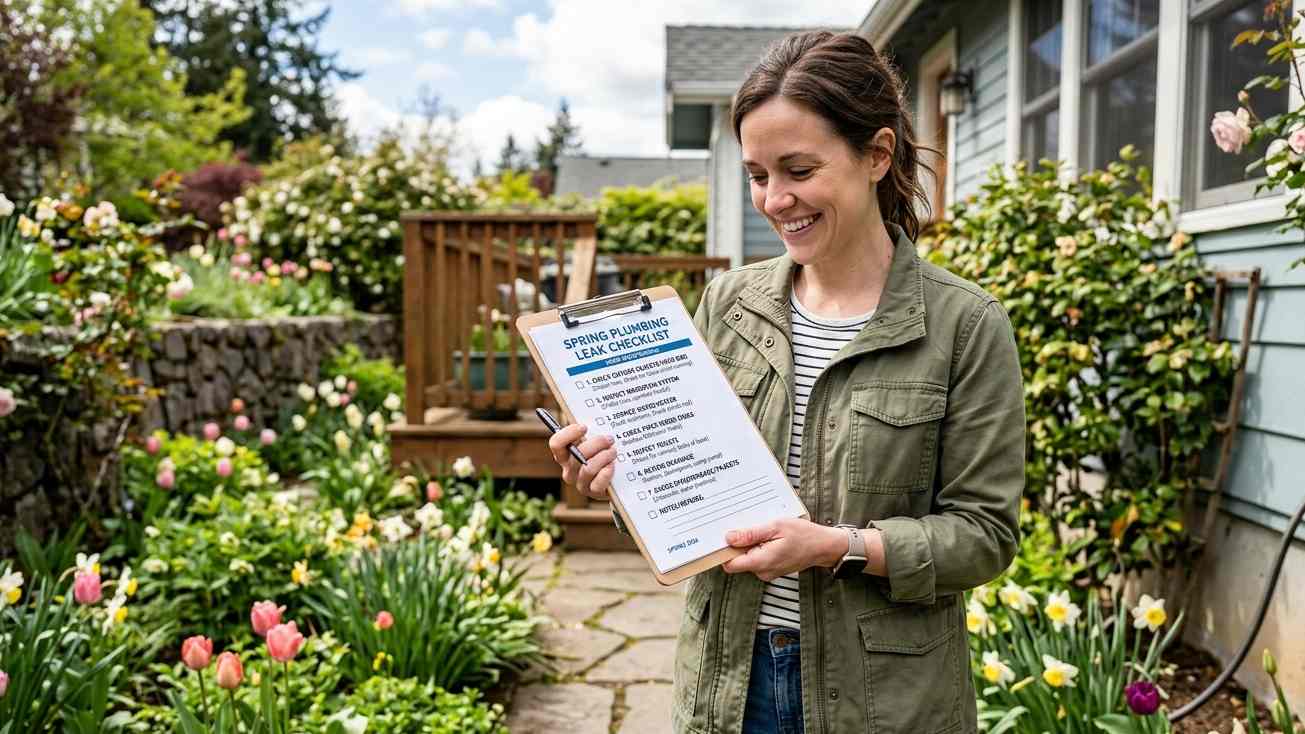
How to Read Your Water Meter Leak Detection

Interpreting the Results and Common Signs of Leaks

If your meter shows movement or a reading increase even when no water is being used, that’s a definite sign of a leak.

Here are a few tips on narrowing down where the problem might be:

  • Check toilets first – A running toilet can waste hundreds of gallons daily. Add food coloring to the tank; if it appears in the bowl without flushing, you’ve found your leak.
  • Inspect outdoor spigots – Garden hoses or irrigation lines are frequent culprits.
  • Listen for running water – A hissing or dripping sound in walls or floors may indicate a hidden leak.
  • Monitor your bill – A sudden, unexplained increase in water usage is often the first red flag.

If your water meter spinning when no water is used, it’s best not to ignore it. That’s often the sign of an underground or slab leak—problems that need professional attention right away.

Water Usage Monitoring for Smarter Home Management

While water meter leak detection is about finding problems, water usage monitoring is about prevention. By regularly tracking your meter readings, you’ll notice changes in your consumption patterns and spot potential leaks before they escalate.

Set a routine to check your water meter monthly. Record readings and compare them over time. This simple practice helps:

  • Detect gradual leaks early.
  • Identify high-usage periods.
  • Encourage conservation habits.
  • Keep bills consistent and predictable.

Modern smart meters and home monitoring systems make this process even easier, providing real-time alerts for abnormal water usage. But even with basic meters, consistent monitoring can save you money and stress in the long run.

What It Means When Your Water Meter Spinning When No Water Used

This is one of the most common concerns homeowners report—and it’s also one of the most telling signs of trouble.

If your water meter spinning when no water is used, here’s what it typically means:

  • A hidden leak is somewhere in your plumbing system (behind walls, under floors, or underground).
  • An irrigation system may have a broken pipe or faulty valve.
  • Toilets or water softeners might be slowly running.
  • A small slab leak could be continuously losing water beneath your home’s foundation.

Even a tiny leak can add up. A pinhole leak in a copper line can waste over 10 gallons per day. Over weeks, that can cost hundreds of dollars and cause significant water damage.

If your water meter keeps moving, but you can’t locate the leak, don’t wait—professional water leak detection Las Vegas services can pinpoint the problem using advanced tools like acoustic sensors and infrared cameras.


When to Call the Professionals

While a simple how to check for leaks with water meter test can help you confirm a problem, finding the exact source often requires specialized expertise.

That’s where our company comes in. Our technicians use advanced diagnostic technology to detect hidden leaks using meter readings, pressure tests, and non-invasive tools that identify leaks behind walls or beneath concrete slabs—without unnecessary digging or damage.

You should call a professional plumber if:

  • Your meter indicates a leak, but you can’t find the source.
  • You notice damp or warm spots on floors.
  • Water bills are unusually high despite normal use.
  • There’s a musty odor or signs of mold.
  • Your water pressure suddenly drops.

Professional water meter leak detection ensures precise results and long-term solutions—protecting your home from costly water damage.


Preventing Future Leaks

Leak prevention is just as important as leak detection. Once you’ve identified and repaired leaks, it’s time to safeguard your plumbing system for the future.

Here’s how:

  • Schedule annual plumbing inspections. Early checks prevent surprises.
  • Install water pressure regulators. High pressure can strain pipes and cause leaks.
  • Use quality materials. Opt for reliable pipe materials during repairs or repiping projects.
  • Soften hard water. Las Vegas water is known for being mineral-heavy, which accelerates corrosion.
  • Monitor usage monthly. Keep an eye on trends through water usage monitoring to catch irregularities early.

By taking these steps, you’ll extend the life of your plumbing and reduce the risk of future leaks.


Why Las Vegas Homeowners Trust Leak Experts USA

When it comes to detect water leaks, experience and precision matter. At this company, we’ve built a reputation for excellence through accurate leak detection, transparent service, and long-term plumbing solutions tailored to the needs of Las Vegas homeowners.

Here’s what sets us apart:

✅ Advanced Equipment: We use industry-leading technology to locate leaks quickly and precisely.

✅ Non-Invasive Methods: No unnecessary drilling or digging—we prioritize your property’s integrity.

✅ Honest Assessments: We explain what we find and recommend only the repairs you truly need.

✅ Local Expertise: We understand the unique plumbing challenges Las Vegas homes face—like soil movement, extreme heat, and hard water.

✅ Emergency Response: Our team is ready to handle urgent situations, offering fast, reliable service when you need it most.

Whether it’s a slab leak, an underground pipe issue, or a dripping faucet that just won’t stop, you can count on our company for dependable, professional service every time.

If you’re unsure about your home’s plumbing condition or want to stay proactive, a quick water meter leak detection check is the best place to start. And if you need help, we’re just a call away.

📞 Call (702) 745-5571 today to schedule an inspection or consultation. Let us help you keep your home leak-free and your water bills under control.


FAQs: Water Meter Leak Detection

1. How accurate is water meter leak detection?

Extremely accurate! Your water meter responds to even the smallest water flow, making it one of the most precise ways to detect leaks early.


2. Can I perform a leak test myself?

Yes, you can. By following the how to check for leaks with water meter steps above, you can confirm if a leak exists. For pinpointing its location, professional assistance is recommended.


3. Why does my water meter spin when no one is using water?

If your water meter spinning when no water used, it likely means there’s a hidden or underground leak that needs immediate attention.


4. How often should I check my water meter?

Monthly checks are ideal. Regular water usage monitoring helps you identify leaks early and track your household’s water efficiency.


5. What areas do you serve?

We proudly serve homeowners throughout Las Vegas, offering reliable water leak detection Las Vegas services and comprehensive plumbing solutions for every type of home.


Stop Hidden Leaks Before They Drain Your Wallet — Call the Leak Experts Today!

Your water meter is more than just a billing device—it’s your first line of defense against hidden leaks and high utility bills. Learning how to read your water meter for leak detection is an easy, cost-free step that can prevent major damage and save you thousands in repairs.

At Leak Experts USA, we believe that every homeowner deserves a reliable, leak-free plumbing system. Whether you’re checking for leaks, scheduling maintenance, or need expert repairs, our skilled technicians are here to help.

Don’t wait until a small leak becomes a big problem.

📞 Call (702) 745-5571 today to schedule your professional leak inspection—your trusted partner in plumbing excellence. Follow us on Instagram for regular updates!
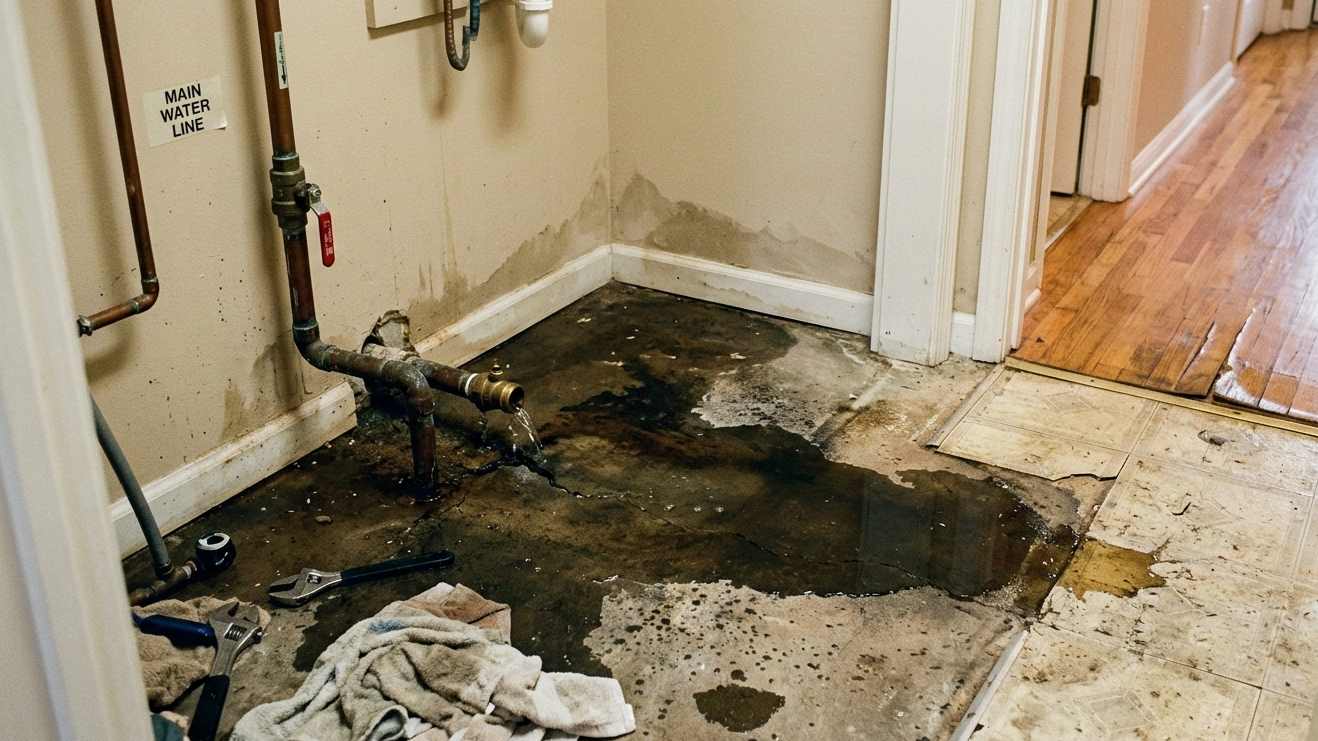
Related Blogs

image block

Sewer Leak or Clog: How to Tell the Difference

Slow drains. Bad smells. A wet spot in the yard that won’t go away. These signs can point to two very different problems. Sewer leak detection issues and a stubborn sewer clog can look almost identical from the outside. But they’re not the same thing at all. A clog is a blockage inside the pipe. […]

image block

What to Do After Water Damage from a Leak

You walk into a room, and there’s water on the floor. Or the ceiling is dripping. Your first reaction is panic – but what you do in the next few hours is what really matters. Water leak damage moves fast. It gets into walls, soaks into the ground, and spreads to places you can’t even […]

image block

Why Your Water Bill Suddenly Increased

You open the bill, look at the number, and something’s off. Last month was normal. This month it’s doubled. Nothing changed – or so you think. That kind of sudden water bill increase almost always has a cause, and finding it usually doesn’t take long once you know where to look. Some reasons are simple. […]

image block

Common Leak Sources in Las Vegas Homes

Desert homes have their own set of problems. The heat alone puts stress on plumbing that people in other climates never deal with. Add shifting soil and water so full of minerals it practically chews through pipe fittings, and you get a situation where a water leak Las Vegas homeowners find is rarely simple to […]

image block

Pre-Spring Plumbing Leak Checklist for Las Vegas

Spring is the right time for a full walk-through of your home’s plumbing. Las Vegas has its own set of conditions that make this worth doing every year. The temperature swings between cold nights and warm days put stress on pipe joints and seals. Months of dry weather mask slow leaks that have been building […]

image block

5 Signs You Have a Slab Leak in Your Las Vegas Home

A slab leak is one of the hardest plumbing problems to detect because it’s hidden. The pipes run under the concrete foundation, buried several inches down. By the time there’s visible damage, the leak has usually been going on for a while. Las Vegas homes are especially vulnerable. The “caliche” soil shifts as it dries […]

When it comes to home maintenance, few problems can escalate as quickly — or as quietly — as a water leak. While a dripping pipe or a damp wall may not seem like a major concern, even a small leak can lead to one of the most dangerous household issues: water leak mold growth.

We’ve seen firsthand how fast mold can spread after a water incident and the severe damage it can cause to both your property and your health. Whether it’s a burst pipe behind the wall, a slow ceiling leak, or an unnoticed plumbing issue under the floor, the longer moisture remains trapped, the higher the risk of leak and mold for after water damage restoration.

In this blog, we’ll break down exactly how long it takes for mold to grow after a leak, what signs to watch for, and how you can protect your home. If you suspect a hidden leak, it’s critical to act fast — and our expert water leak detection Las Vegas team can help.

📞 Call us today at (702) 745-5571 for fast, reliable leak inspection and mold prevention services.


Table of Contents

  1. Understanding the Link Between Water Leaks and Mold Growth
  2. How Long Does It Take for Mold to Grow After a Leak?
  3. Factors That Affect How Fast Mold Grows After Leak
  4. Common Areas Where Mold Appears After a Leak
  5. Early Signs of Mold from Leak You Should Never Ignore
  6. Health Risks Associated with Mold After Water Leak
  7. How to Stop Water Leak Mold Growth Before It Starts
  8. Professional Mold and Leak Damage Restoration Process
  9. DIY vs Professional Mold Cleanup: What’s the Right Choice?
  10. How Mold Affects Your Home’s Value and Structural Integrity
  11. How to Prevent Future Leaks and Mold Issues
  12. FAQs

Understanding the Link Between Water Leaks and Mold Growth

Mold thrives on three things: moisture, warmth, and organic material — all of which can be found inside your home after a water leak. Whether it’s drywall, carpeting, insulation, or even wooden framing, any damp area can become a breeding ground for mold spores.

When a plumbing line bursts or a pipe starts leaking, moisture seeps into hidden spaces. Without immediate drying or proper ventilation, mold can begin to develop — often within 24 to 48 hours. This process, known as water leak mold growth, can go unnoticed for days or even weeks, causing damage beneath the surface before visible signs appear.

The connection between water causing mold is simple: no moisture means no mold. That’s why detecting and fixing leaks promptly is the key to preventing long-term water damage strategies for mold.


How Long Does It Take for Mold to Grow After a Leak?

The short answer: as little as 24 hours.

In ideal conditions — such as high humidity, warm temperatures, and stagnant air — mold after water leak can begin forming within just one day, and colonies can fully develop within three to five days.

Here’s a quick timeline of what typically happens after a water leak:

Time Since LeakWhat Happens
0–24 HoursMoisture seeps into walls, floors, and furniture.
24–48 HoursMold spores start to germinate and attach to wet surfaces.
3–5 DaysVisible mold growth may appear; musty odors begin.
1–2 WeeksMold colonies spread deeper, damaging materials.
2+ WeeksStructural decay and major leak and mold damage occur.

Even minor leaks — like a dripping faucet under the sink — can lead to water leak mold growth if left unaddressed. The key is time. The longer moisture lingers, the greater the chance that mold will take hold and multiply.


Factors That Affect How Fast Mold Grows After Leak

Not all leaks cause mold at the same rate but we have to understand how fast mold grows after leak. Several factors influence how quickly water leaks cause mold in your home:

🌡️ 1. Temperature

Mold thrives in warm, damp environments (typically between 77°F and 86°F). Las Vegas homes often maintain these indoor temperatures, making quick response crucial.

💧 2. Humidity

If your home’s humidity level is above 60%, it creates the perfect environment for mold spores to spread rapidly.

🪵 3. Porous Materials

Surfaces like drywall, carpet, insulation, and wood absorb water quickly and retain it longer — leading to faster mold after water leak.

🏚️ 4. Airflow and Ventilation

Poor ventilation allows moist air to remain trapped, encouraging water leak mold growth behind walls or under floors.

5. Duration of the Leak

A sudden burst pipe might dry out quickly if caught early, but a slow leak over weeks creates long-term dampness, ideal for hidden mold growth.

Understanding these conditions helps explain why early detection are essential for preventing mold before it becomes a costly problem.


Common Areas Where Mold Appears After a Leak

Mold doesn’t always appear where you expect it. Some of the most common areas affected by water leak mold growth include:

  • Behind walls and ceilings — often from leaky pipes or roof leaks.
  • Under sinks — from faulty plumbing connections or slow drips.
  • Around bathtubs and showers — due to cracks in grout or caulking.
  • Under flooring or carpets — where water seeps unnoticed after flooding or pipe bursts.
  • Basements and crawl spaces — from groundwater or foundation leaks.

If you suspect a leak but don’t see visible damage, it’s important to schedule an inspection immediately. Our professionals use non-invasive tools to locate hidden leaks before mold has the chance to grow.


Early Signs of Mold from Leak You Should Never Ignore

Catching mold early can save thousands of dollars in repairs. Here are some signs of mold from leak that every homeowner should look for:

  • Musty Odors: A damp, earthy smell is often the first warning sign of hidden water leak mold growth.
  • Discoloration: Yellow, green, or black patches on walls, ceilings, or baseboards.
  • Peeling Paint or Bubbling Wallpaper: Indicates moisture trapped behind surfaces.
  • Allergy Symptoms: Sneezing, coughing, and itchy eyes that worsen indoors.
  • Warped Wood or Soft Drywall: Sign of prolonged water exposure and potential mold underneath.

If you notice any of these symptoms, don’t wait — call (702) 745-5571 for an immediate inspection by us. Our specialists can confirm whether your leak has caused mold growth and provide targeted solutions.

water leak mold growths
How Long Does It Take for a Water Leak to Cause Mold? 37
water leak mold growths

Health Risks Associated with Mold After Water Leak

While leak and mold damage can ruin your home structurally, the health impact is just as concerning. Mold spores can cause a range of issues, especially for those with respiratory conditions, allergies, or weakened immune systems.

Common health problems caused by mold after water leak include:

  • Persistent coughing or wheezing
  • Nasal congestion and throat irritation
  • Skin rashes and allergic reactions
  • Headaches and fatigue
  • Aggravation of asthma or chronic sinus infections

Black mold (Stachybotrys chartarum), in particular, can release toxic spores that pose serious health risks if exposure continues. Acting quickly to eliminate leaks and mold growth is critical to maintaining a safe, healthy home environment.

best water leak mold growths

How to Stop Water Leak Mold Growth Before It Starts

Prevention is always cheaper than repair. Here are proactive steps homeowners can take to minimize water leak mold growth:

Inspect Plumbing Regularly: Check under sinks, around toilets, and behind appliances for any dampness.

Fix Leaks Immediately: Even small drips can lead to leak and mold damage over time.

Use Dehumidifiers: Maintain indoor humidity below 50% to slow mold development.

Ventilate Moist Areas: Ensure proper airflow in bathrooms, kitchens, and laundry rooms.

Schedule Annual Leak Inspections: Professional water leak detection Las Vegas services can identify hidden leaks before they cause problems.

By combining preventive maintenance with regular professional inspections, you can drastically reduce the risk of mold after a water leak.


Professional Mold and Leak Damage Restoration Process

When you’re already dealing with leak and mold damage, DIY cleanup often isn’t enough. At our company, we follow a meticulous step-by-step process to restore your home safely:

  1. Leak Detection: Using advanced moisture meters and thermal imaging to locate hidden leaks.
  2. Water Extraction: Removing standing water and drying affected areas with industrial equipment.
  3. Mold Inspection: Identifying the extent of water leak mold growth using air and surface testing.
  4. Mold Removal: Safely cleaning and sanitizing contaminated areas.
  5. Restoration: Replacing damaged drywall, flooring, or insulation to restore your home’s integrity.
  6. Final Quality Check: Ensuring moisture levels are back to safe levels to prevent future growth.

With years of experience serving the Las Vegas community, our certified team ensures every step meets EPA and IICRC standards — giving you peace of mind that your home is truly mold-free.


DIY vs Professional Mold Cleanup: What’s the Right Choice?

When you discover mold after a leak, it’s natural to wonder whether you can handle the cleanup yourself or if you should call in professionals. The truth is, the right choice depends on the extent of the water leak mold growth.

If the affected area is less than 10 square feet and the mold hasn’t penetrated deep into walls or flooring, a homeowner can often manage light cleaning using protective gear and commercial disinfectants. However, even small patches can hide deeper leak and mold damage behind the surface. That’s where the problem begins.

Professional restoration teams, like those at our company, use advanced tools such as air scrubbers, moisture meters, and HEPA vacuums to detect and remove mold completely — not just what’s visible. They also ensure proper containment, preventing mold spores from spreading throughout your home during the cleanup.

In cases where mold was caused by hidden or ongoing water leaks, experts also identify and repair the leak source, preventing future growth. This dual approach of remediation ensures long-term safety and savings.

So while a DIY solution might seem cheaper, professional service provides something you can’t get with store-bought cleaners — peace of mind that your home is truly mold-free and safe for your family.

water leak mold growths

How Mold Affects Your Home’s Value and Structural Integrity

Most homeowners worry about the health risks of mold after a water leak, but few realize the serious impact it can have on property value and structure. Real estate experts often cite mold as one of the top deal breakers for potential buyers.

When water leaks cause mold, the affected materials — drywall, insulation, and even framing — begin to deteriorate. Over time, moisture weakens structural components, leading to sagging walls, warped floors, and compromised foundations. This kind of leak and mold damage can dramatically reduce your home’s integrity and resale value.

Buyers are often hesitant to invest in homes with a history of water leak mold growth, as remediation can be costly if not handled by professionals. Insurance claims may also become complicated if mold damage wasn’t addressed promptly after the leak occurred.

By scheduling regular plumbing inspections, homeowners can prevent mold before it begins — protecting both their investment and peace of mind.

At this company, we’ve helped countless clients restore their homes and maintain full value by tackling leaks early and preventing recurring mold issues. A dry home is not only safer — it’s worth more.


How to Prevent Future Leaks and Mold Issues

Once the current issue is resolved, preventing future problems is the next step. Here are long-term strategies to keep water leaks causing mold at bay:

  • Upgrade old pipes: Consider replacing corroded or aging plumbing with PEX piping.
  • Insulate exposed pipes: Prevent condensation and leaks caused by temperature fluctuations.
  • Check appliances regularly: Water heaters, dishwashers, and washing machines are common leak sources.
  • Maintain your HVAC system: Clean air ducts and replace filters to control indoor humidity.
  • Seal cracks and gaps: Prevent moisture intrusion around windows, doors, and roofs.

These simple preventive measures can extend the life of your plumbing system and prevent future water leak mold growth.


FAQs – Mold Growth After Water Leaks

1. How quickly does mold grow after a water leak?

Mold can start growing within 24 to 48 hours after a leak, depending on humidity and temperature.


2. Can I clean mold myself?

Small areas (under 10 sq. ft.) can be cleaned with household disinfectants, but extensive leak and mold damage requires professional treatment to ensure safety.


3. What are the most common signs of mold from leak?

Musty odors, wall discoloration, peeling paint, and allergic symptoms are telltale signs of mold from leak.


4. Will fixing the leak stop mold growth?

Fixing the leak prevents further moisture buildup, but existing water leak mold growth must still be removed professionally.


5. How can I prevent mold in the future?

Schedule annual inspections and maintain proper ventilation to control humidity.


Protect Your Home with Us

Even a small water leak can have big consequences. Within just 24 hours, moisture can lead to water leak mold growth, damaging your walls, floors, and health. The key to preventing these issues is early detection and professional intervention.

We specialize in finding and fixing leaks before they turn into costly disasters. Our expert technicians provide non-invasive water leak detection Las Vegas services, mold inspection, and complete restoration solutions — ensuring your home stays safe, dry, and healthy.

📞 Call (702) 745-5571 today to schedule your inspection and speak with a certified technician.
Because when it comes to water leaks and mold, every hour counts — and with our company, you’ll always have the region’s most trusted plumbing experts on your side. Follow us on Instagram for regular updates!
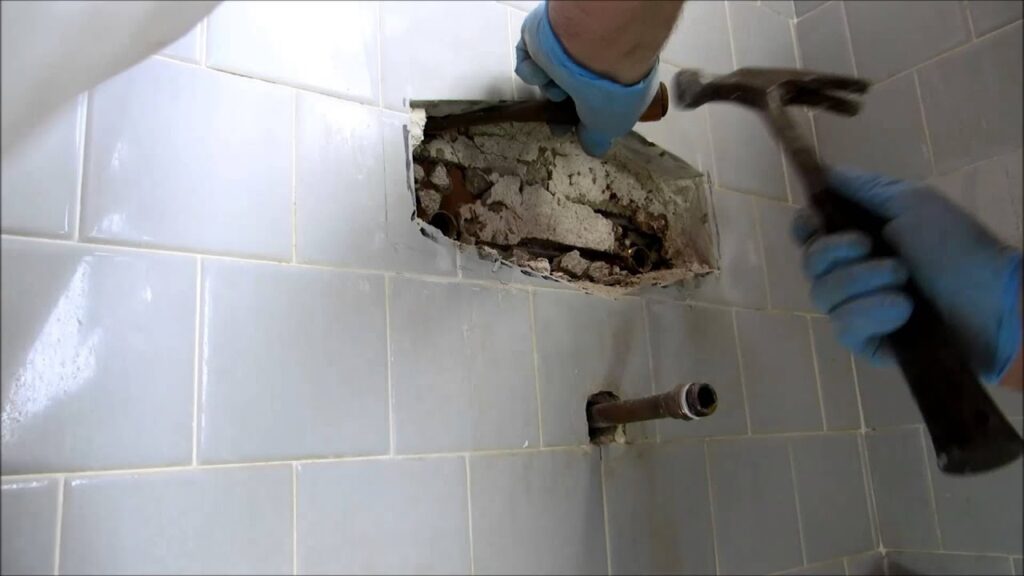
Related Blogs

image block

Sewer Leak or Clog: How to Tell the Difference

Slow drains. Bad smells. A wet spot in the yard that won’t go away. These signs can point to two very different problems. Sewer leak detection issues and a stubborn sewer clog can look almost identical from the outside. But they’re not the same thing at all. A clog is a blockage inside the pipe. […]

image block

What to Do After Water Damage from a Leak

You walk into a room, and there’s water on the floor. Or the ceiling is dripping. Your first reaction is panic – but what you do in the next few hours is what really matters. Water leak damage moves fast. It gets into walls, soaks into the ground, and spreads to places you can’t even […]

image block

Why Your Water Bill Suddenly Increased

You open the bill, look at the number, and something’s off. Last month was normal. This month it’s doubled. Nothing changed – or so you think. That kind of sudden water bill increase almost always has a cause, and finding it usually doesn’t take long once you know where to look. Some reasons are simple. […]

image block

Common Leak Sources in Las Vegas Homes

Desert homes have their own set of problems. The heat alone puts stress on plumbing that people in other climates never deal with. Add shifting soil and water so full of minerals it practically chews through pipe fittings, and you get a situation where a water leak Las Vegas homeowners find is rarely simple to […]

image block

Pre-Spring Plumbing Leak Checklist for Las Vegas

Spring is the right time for a full walk-through of your home’s plumbing. Las Vegas has its own set of conditions that make this worth doing every year. The temperature swings between cold nights and warm days put stress on pipe joints and seals. Months of dry weather mask slow leaks that have been building […]

image block

5 Signs You Have a Slab Leak in Your Las Vegas Home

A slab leak is one of the hardest plumbing problems to detect because it’s hidden. The pipes run under the concrete foundation, buried several inches down. By the time there’s visible damage, the leak has usually been going on for a while. Las Vegas homes are especially vulnerable. The “caliche” soil shifts as it dries […]

When most homeowners think about plumbing problems, they picture burst pipes, clogged drains, or noisy water heaters. But one of the most overlooked (yet costly) problems is right in plain sight: kitchen sink leaks. While a drip under the sink may seem minor, over time it can cause severe damage to cabinets, flooring, and even the structural integrity of your home.

We’ve seen firsthand how small leaks escalate into big headaches. From warped wood and mold growth to ruined cabinetry, homeowners often don’t realize the hidden costs until it’s too late. This blog will break down why kitchen sink leaks are more serious than they appear, how to spot early warning signs, and what you can do to prevent lasting damage.

📞 Concerned about your plumbing? Call our trusted team today at (702) 745-5571 for same-day service.


Table of Contents

  1. Why Kitchen Sink Leaks Shouldn’t Be Ignored
  2. How Leaks Start: Common Sink Plumbing Issues
  3. Hidden Consequences of Leaks Under the Sink
  4. The Cost of Repairing Leaking Kitchen Cabinets and Flooring
  5. Signs of Under-Sink Damage Every Homeowner Should Watch For
  6. Long-Term Risks of Water Damage in Kitchens
  7. Preventing Leaks: Maintenance Tips for Homeowners
  8. Why Professional Help Is Worth It
  9. DIY Fixes vs. Professional Plumbing Solutions
  10. Environmental Impact of Ignoring Kitchen Leaks
  11. How to Choose the Right Plumbing Company
  12. How Leak Experts USA Protects Las Vegas Homes
  13. FAQs About Kitchen Sink Leaks

Why Kitchen Sink Leaks Shouldn’t Be Ignored

A dripping faucet or damp cabinet floor might feel like a minor inconvenience, but kitchen sink leaks rarely stay small. Water has a way of spreading, seeping, and creating damage in layers. Cabinets, flooring, and even subflooring absorb moisture like a sponge, leading to mold, odors, and costly repairs.

Ignoring these leaks can shorten the lifespan of your cabinetry and make your kitchen look aged before its time. Worse, leaks that go unchecked can spread to other rooms, weakening the structure beneath your home.


How Leaks Start: Common Sink Plumbing Issues

Most sink plumbing issues begin with small, preventable problems. Here are some common culprits:

  • Loose or Worn-Out Connections – Water supply lines and drain pipes can loosen over time, creating slow drips.
  • Corroded Pipes – Metal pipes beneath the sink may corrode due to moisture and cleaning chemicals.
  • Worn Gaskets and Seals – Rubber seals in faucets and drains eventually wear out, allowing leaks.
  • Clogged Drains – When drains back up, pressure builds, sometimes forcing water into weak spots.
  • Improper Installations – Poorly fitted pipes or DIY fixes often lead to leaks in the long run.

A professional inspection can quickly identify the exact cause and prevent further damage.

Kitchen Sink Leaks

Hidden Consequences of Leaks Under the Sink

The biggest danger of kitchen sink leaks isn’t the drip itself—it’s the damage you don’t see until it’s too late.

  • Cabinet Damage – Moisture softens wood, leading to warping, bubbling, or even rotting.
  • Flooring Issues – Hardwood and laminate flooring absorb water, causing discoloration and buckling.
  • Mold Growth – Dark, damp spaces under sinks are perfect breeding grounds for mold.
  • Structural Concerns – Severe leaks can affect subflooring, joists, and even load-bearing structures.

What starts as a few drops can quickly escalate into thousands of dollars in restoration work.


The Cost of Repairing Leaking Kitchen Cabinets and Flooring

Repair costs for leaking kitchen cabinets depend on the extent of the damage:

  • Minor Surface Damage – Sanding and repainting may be enough if caught early.
  • Warped Wood Panels – Replacement is usually required, especially for laminate or MDF cabinets.
  • Flooring Repairs – Affected sections may need to be replaced, and matching flooring isn’t always easy.
  • Mold Remediation – Professional treatment is often necessary to eliminate health risks.

According to home improvement experts, the average repair cost for water-damaged cabinetry and flooring ranges from $500 to $3,000 or more, depending on severity.


Signs of Under-Sink Damage Every Homeowner Should Watch For

Early detection can save you from major headaches. Look for these warning signs of under-sink damage:

  • Damp or soft wood beneath the sink
  • Musty odors or visible mold spots
  • Warping or discoloration in cabinets or flooring
  • Peeling paint or bubbling finishes
  • Rust around sink plumbing connections

If you notice any of these, it’s best to schedule a professional inspection before the damage spreads.


Long-Term Risks of Water Damage in Kitchens

Unresolved water damage in kitchens carries risks far beyond aesthetics:

  • Mold & Mildew Health Concerns – Exposure can trigger allergies and respiratory issues.
  • Decreased Home Value – Buyers are wary of water damage and the hidden costs it may bring.
  • Higher Utility Bills – Leaks waste water, increasing monthly expenses.
  • Pest Attraction – Damp wood and moisture attract insects like termites and ants.

These risks highlight why small leaks should be addressed as soon as they are discovered.


Preventing Leaks: Maintenance Tips for Homeowners

While you can’t prevent every plumbing problem, regular care reduces risks:

  • Inspect under-sink plumbing monthly for drips or condensation.
  • Replace worn seals and gaskets promptly.
  • Avoid chemical drain cleaners that corrode pipes.
  • Keep supply lines tightened and check for corrosion.
  • Clean and dry under-sink cabinets regularly.

These habits help prevent sink plumbing issues from turning into emergencies.


Why Professional Help Is Worth It

DIY repairs may offer a quick fix, but they often mask bigger problems. A professional plumber ensures:

  • Accurate diagnosis of the leak source
  • Lasting repairs with proper materials
  • Prevention of future leaks with reinforced connections
  • Early detection of related plumbing issues

Calling an expert early often costs less than repairing extensive damage later.


DIY Fixes vs. Professional Plumbing Solutions

When dealing with kitchen sink leaks, many homeowners wonder if they should attempt a DIY repair or call in the pros. While fixing a leak yourself may seem cost-effective, it often results in temporary solutions rather than long-term reliability.

DIY Fixes Often Include:

  • Tightening loose connections with a wrench
  • Replacing worn-out washers or gaskets
  • Applying plumber’s tape to small leaks
  • Using store-bought sealants

These methods can temporarily stop drips but don’t always address the root cause. For example, a hidden crack in a drainpipe or corroded joint may continue to leak despite your best efforts.

Professional Plumbing Solutions Provide:

  • Accurate diagnosis with specialized tools
  • Permanent repairs using durable materials
  • Protection against future leaks through system checks
  • Warranty on workmanship for peace of mind

Think of it this way: a DIY patch might save money today but cost more tomorrow when the leak returns and damages cabinets or flooring. Professionals not only fix the problem but also prevent further under-sink damage.

If you’re facing persistent leaks, calling a plumber for kitchen plumbing repair Las Vegas services is the smarter, more cost-effective choice in the long run.

Diagnosing sudden water pressure drops in Anthem, NV homes

Environmental Impact of Ignoring Kitchen Leaks

Beyond damage to your home, kitchen sink leaks have a surprising environmental cost. Even a small drip can waste gallons of water over time. According to the EPA, a faucet dripping once per second can waste more than 3,000 gallons annually—water that could otherwise serve households in need.

Environmental Effects of Unchecked Leaks:

  • Water Waste – Strains municipal water supplies, especially in arid climates.
  • Energy Waste – Hot water leaks waste not only water but also energy used for heating.
  • Increased Carbon Footprint – Treating and pumping wasted water contributes to greenhouse gas emissions.

In areas like Las Vegas, where water conservation is critical, this waste adds pressure to already limited resources. Beyond environmental concerns, the extra gallons show up in your monthly utility bills, adding unnecessary expenses.

By repairing sink plumbing issues promptly, you’re not just protecting your home—you’re also playing a part in conserving vital natural resources. Partnering with professionals ensures leaks are addressed thoroughly, reducing both environmental and financial costs.


How to Choose the Right Plumbing Company

When it comes to fixing kitchen sink leaks, selecting the right plumbing company makes all the difference. With so many providers available, homeowners should look beyond flashy ads and focus on trust, reliability, and proven expertise.

What to Look For in a Plumbing Company:

  • Experience – A team familiar with local homes and regional plumbing challenges.
  • Certifications & Licenses – Ensure the company meets industry standards.
  • Transparent Pricing – Clear estimates with no hidden charges.
  • Customer Reviews – Positive feedback from past clients shows reliability.
  • Emergency Availability – Leaks don’t wait, and neither should repairs.

At this company, we pride ourselves on being the most trusted choice for kitchen plumbing repair Las Vegas homeowners can rely on. Our technicians don’t just to fix a leaky faucet—they protect your cabinets, flooring, and overall home investment.

By choosing a company with a proven track record, you’re ensuring your plumbing is repaired correctly the first time, saving money and stress in the long run. When in doubt, always select a plumber who values both craftsmanship and customer care.

📞 Call (702) 745-5571 today to schedule your leak inspection and protect your home from hidden water damage.


How Leak Experts USA Protects Las Vegas Homes

We specialize in protecting homes from hidden water damage. Our certified technicians handle everything from minor drips to full-scale kitchen plumbing repair Las Vegas homeowners can trust.

Here’s why homeowners choose us:

✅ Same-day inspections and repairs

✅ Expertise in leak detection and water damage prevention

✅ Transparent pricing with no hidden fees

✅ Trusted by families across the region

Whether you’re dealing with kitchen sink leaks or broader sink plumbing issues, we’re here to protect your home and peace of mind.

📞 Call us today at (702) 745-5571 to schedule your appointment.


FAQs About Kitchen Sink Leaks

1. How do I know if my sink is leaking?

The most common signs of a leak are dampness, mold growth, or visible water stains under the sink. You might also notice bubbling paint, warped cabinet wood, or a persistent musty odor. Even small drips can signal a bigger problem hidden behind the plumbing.


2. Can leaking cabinets be repaired, or do they need replacing?

It depends on the extent of the damage. If the leak is caught early, minor swelling or surface stains can often be repaired with sanding, drying, and sealing. However, advanced warping, rot, or mold growth usually means replacement is the safer and more cost-effective option.


3. Are kitchen sink leaks covered by homeowners insurance?

In some cases, yes. Insurance often covers sudden or accidental leaks, but it typically excludes gradual damage caused by neglect. If you suspect a leak, addressing it quickly increases the chances of coverage and reduces repair costs.


4. How quickly should I call a plumber for a sink leak?

Immediately. Even slow drips can ruin cabinets and flooring over time. Acting fast protects your home, prevents mold, and keeps repair bills lower.


5. Can I prevent leaks with DIY maintenance?

Yes—regularly check under the sink for moisture, tighten fittings, and replace worn seals. Still, professional inspections are invaluable. Plumbers can catch hidden issues before they cause serious damage, giving you peace of mind and long-term protection.


Stop Small Leaks Before They Become Big Problems

Your kitchen is the heart of your home—but it’s also one of the most vulnerable areas for water damage. Kitchen sink leaks may seem harmless, but they can quickly ruin cabinets, flooring, and your budget if left unchecked.

Instead of waiting for costly repairs, partner with experts who understand how to protect your home. At Leak Experts USA, we’re committed to keeping your kitchen dry, safe, and functional for years to come.

📞 Don’t wait for a small leak to become a disaster. Call (702) 745-5571 today and let our professionals handle your plumbing with precision and care. Follow us on Instagram for regular updates!
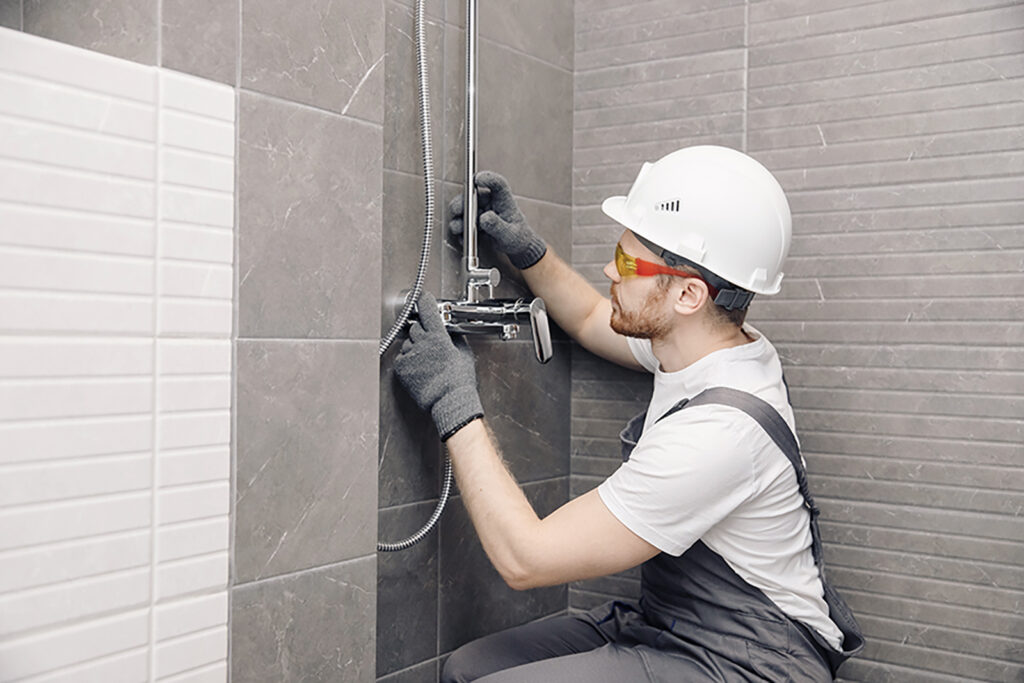
Related Blogs

image block

Sewer Leak or Clog: How to Tell the Difference

Slow drains. Bad smells. A wet spot in the yard that won’t go away. These signs can point to two very different problems. Sewer leak detection issues and a stubborn sewer clog can look almost identical from the outside. But they’re not the same thing at all. A clog is a blockage inside the pipe. […]

image block

What to Do After Water Damage from a Leak

You walk into a room, and there’s water on the floor. Or the ceiling is dripping. Your first reaction is panic – but what you do in the next few hours is what really matters. Water leak damage moves fast. It gets into walls, soaks into the ground, and spreads to places you can’t even […]

image block

Why Your Water Bill Suddenly Increased

You open the bill, look at the number, and something’s off. Last month was normal. This month it’s doubled. Nothing changed – or so you think. That kind of sudden water bill increase almost always has a cause, and finding it usually doesn’t take long once you know where to look. Some reasons are simple. […]

image block

Common Leak Sources in Las Vegas Homes

Desert homes have their own set of problems. The heat alone puts stress on plumbing that people in other climates never deal with. Add shifting soil and water so full of minerals it practically chews through pipe fittings, and you get a situation where a water leak Las Vegas homeowners find is rarely simple to […]

image block

Pre-Spring Plumbing Leak Checklist for Las Vegas

Spring is the right time for a full walk-through of your home’s plumbing. Las Vegas has its own set of conditions that make this worth doing every year. The temperature swings between cold nights and warm days put stress on pipe joints and seals. Months of dry weather mask slow leaks that have been building […]

image block

5 Signs You Have a Slab Leak in Your Las Vegas Home

A slab leak is one of the hardest plumbing problems to detect because it’s hidden. The pipes run under the concrete foundation, buried several inches down. By the time there’s visible damage, the leak has usually been going on for a while. Las Vegas homes are especially vulnerable. The “caliche” soil shifts as it dries […]

When it comes to maintaining a safe and comfortable home, one of the most overlooked but serious issues is hidden plumbing leaks outside your house. Unlike indoor drips that you can quickly spot under a sink, outdoor pipe leaks often go unnoticed until they cause extensive property damage, skyrocketing water bills, and even health hazards.

We’ve seen firsthand how something as small as a hairline crack in an outdoor line can escalate into major flooding, structural damage, and costly repairs. The tricky part is that these leaks aren’t always obvious—you need to know the red flags before they spiral out of control.

This comprehensive guide will walk you through the most urgent warning signs of outdoor leaks, the risks they pose, and how to address them before they threaten your home’s safety and value. If you’re already concerned about a possible leak, don’t wait—📞 call us today at (702) 745-5571 for expert help.


Table of Contents

  1. Why Outdoor Pipe Leaks Are a Serious Threat
  2. Top 10 Urgent Warning Signs You Have an Outdoor Leak
  3. Common Causes of Outdoor and Underground Leaks
  4. How Outdoor Leaks Affect Your Yard and Home’s Value
  5. Professional vs. DIY Detection: What Actually Works
  6. The Role of Technology in Detecting Outdoor Pipe Leaks
  7. How Leak Experts USA Solves Yard Plumbing Issues
  8. Why Acting Quickly Saves You Money
  9. The Hidden Costs of Ignoring Outdoor Pipe Leaks
  10. Outdoor Pipe Leaks vs. Irrigation Problems: How to Tell the Difference
  11. Why Leak Detection Should Be Part of Regular Home Maintenance
  12. Preventive Steps to Avoid Future Outdoor Leaks
  13. FAQs About Outdoor and Underground Leaks

Why Outdoor Pipe Leaks Are a Serious Threat

Many homeowners assume that plumbing issues are confined to what’s inside the house—bathrooms, kitchens, and laundry rooms. However, a significant portion of your plumbing system lies underground, stretching through your yard and connecting your home to the main water line.

If these pipes develop cracks or weak joints, water can seep silently into the soil. Over time, this leads to yard plumbing issues like erosion, damaged landscaping, foundation weakening, and water waste. Even worse, leaks under the ground may remain hidden for weeks or months until they surface as visible damage.

Outdoor leaks are not just a nuisance—they’re a financial and structural risk. That’s why knowing the signs of outdoor leak problems can help you protect your biggest investment: your home.

outdoor pipe leaks

Top 10 Urgent Warning Signs You Have an Outdoor Leak

Here are the most critical red flags that every homeowner should keep an eye on:

1. Unexplained Wet Patches in the Yard

If your yard has sudden damp or muddy areas that don’t dry out—even when there’s been no rain—you might have leaking garden pipes beneath the surface. This is one of the most obvious indicators of outdoor pipe leaks.

2. Sudden Spike in Water Bills

An increase in your monthly bill without changes in water usage is often linked to underground pipe leaks. If your water bill doesn’t match your habits, it’s time to investigate.

3. Lush Green Spots Among Dry Grass

When certain areas of your lawn look unnaturally vibrant or grow faster than the rest, it could mean a hidden leak is acting like a constant irrigation system below ground.

4. Water Pooling Near the Foundation

Puddles near the base of your home are dangerous. They indicate water seeping toward the foundation, which can cause cracks, settling, and costly structural repairs.

5. Low Water Pressure Indoors

If faucets or showers suddenly have weak flow, an outdoor pipe leak may be diverting water before it even reaches your taps.

6. Unusual Sounds Coming from Pipes

Hissing, bubbling, or gurgling noises when the water is off are strong clues that water is escaping underground.

7. Cracks in Driveways or Walkways

Excessive moisture below concrete can cause cracks, sinking, or lifting in paved areas. If you notice spreading cracks, don’t ignore them.

8. Persistent Muddy or Soggy Areas

Some leaks may saturate soil to the point where walking across your yard feels spongy. This creates uneven ground and potential safety hazards.

9. Mold or Mildew Near Exterior Walls

Outdoor leaks that creep toward your home can introduce excess moisture into walls, creating mold problems and musty odors indoors.

10. Foul Odors from the Ground

If you smell sewage or stagnant water in your yard, it could be from broken water pipe outside leaking contaminated water underground.

Common Causes of Outdoor and Underground Leaks

Understanding what leads to these problems can help you act faster. Some of the most common culprits include:

  • Aging pipes that weaken and crack over time
  • Tree root intrusion, where roots seek water and invade joints
  • Soil shifting due to droughts, floods, or construction
  • High water pressure stressing weak points
  • Improper installation or use of low-quality materials
  • Seasonal temperature fluctuations causing pipes to expand and contract

At this company, we’ve seen all of these causes firsthand. Our experience allows us to quickly pinpoint the source of yard plumbing issues and stop the problem before it spreads.

How Outdoor Leaks Affect Your Yard and Home’s Value

Outdoor plumbing problems don’t just waste water—they can have serious long-term consequences:

  • Landscaping damage: Saturated soil drowns plants and weakens trees.
  • Foundation issues: Continuous leaks erode soil supporting your home.
  • Pest infestations: Damp environments attract mosquitoes, termites, and rodents.
  • Decreased property value: Prospective buyers see leaks as expensive liabilities.
  • Health risks: Mold, mildew, and sewage leaks can harm your family’s well-being.

Fixing underground pipe leaks early is always more affordable than repairing the damage they leave behind.

Professional vs. DIY Detection: What Actually Works

While some signs are obvious, locating the exact source of outdoor pipe leaks isn’t always straightforward. Homeowners may try DIY methods like food coloring tests or shutting off valves, but these approaches often fail to reveal the real problem.

Professional plumbers use advanced tools like:

  • Acoustic listening devices to detect underground water movement
  • Soil probes to sense moisture below the surface
  • Sewer cameras to inspect pipes from the inside

Hiring experts not only saves time but also ensures accuracy, preventing unnecessary digging and guesswork.

The Role of Technology in Detecting Outdoor Pipe Leaks

Modern leak detection relies on precision technology. We use:

  • Electronic leak locators that identify even the smallest leaks
  • Infrared thermal imaging to spot temperature differences caused by water
  • Tracer gas detection for pinpoint accuracy in tough cases

These tools allow us to locate and to fix a leaky pipe without tearing up your yard unnecessarily.

How Leak Experts USA Solves Yard Plumbing Issues

When you choose us, you’re getting more than just a repair—you’re getting peace of mind. Here’s how we help:

  • Thorough inspection using state-of-the-art tools
  • Accurate leak detection without excessive digging
  • Efficient repairs that address both symptoms and root causes
  • Preventive recommendations to keep your system healthy

Whether you need quick fixes for leaking garden pipes or long-term solutions for underground pipe leaks, we are your trusted partner. Many homeowners searching for water pipe repair near me Las Vegas turn to us because of our unmatched expertise and reliable service.

Why Acting Quickly Saves You Money

Delaying action on outdoor pipe leaks may seem harmless at first, but costs add up fast:

  • Higher water bills month after month
  • Increased repair costs as leaks worsen
  • Potential foundation or structural damage
  • Health expenses due to mold or pest issues

Calling a professional as soon as you notice warning signs can save thousands in long-term repairs.

The Hidden Costs of Ignoring Outdoor Pipe Leaks

Many homeowners underestimate the financial impact of letting an outdoor pipe leak linger. While the drip may seem minor, water escaping underground is relentless—it never stops running until it’s fixed. That constant flow translates into more than just wasted gallons; it hits your budget and property hard.

Hidden Costs Include:

  • Escalating water bills: Even a small leak can waste thousands of gallons monthly, adding up to hundreds of dollars annually.
  • Yard restoration: Leaks erode soil, drown plants, and destroy landscaping. Repairing lawns, gardens, and hardscaping after months of saturation often costs more than the plumbing fix itself.
  • Structural repairs: Water undermines driveways, patios, and foundations. Repairing cracked slabs or sunken concrete can easily reach thousands.
  • Mold and health issues: Moisture creeping into walls and basements leads to mold remediation expenses, which are rarely covered by insurance.

The longer you delay, the worse these expenses become. In many cases, what could have been a straightforward fix for yard plumbing issues turns into a massive repair project. Acting quickly not only saves money but also preserves the safety and comfort of your home.

At this company we emphasize prevention and early intervention. If you’ve noticed warning signs, scheduling a fast inspection can mean the difference between a simple repair and an overwhelming financial burden.

Outdoor Pipe Leaks vs. Irrigation Problems: How to Tell the Difference

Sometimes homeowners confuse outdoor pipe leaks with common irrigation issues. While both can cause soggy lawns or patchy growth, the solutions are very different. Knowing how to distinguish between the two saves time and money.

Signs of Irrigation Issues:

  • Water pooling only near sprinkler heads
  • Broken sprinkler heads spraying water irregularly
  • Timer or valve malfunctions causing overwatering
  • Easy-to-spot leaks above ground

Signs of Underground Pipe Leaks:

  • Constant soggy spots, even when sprinklers are off
  • High water bills despite normal irrigation use
  • Cracks in nearby concrete or driveways
  • Low water pressure inside the home

A quick test is to turn off your irrigation system entirely. If water still pools or your meter continues running, you’re most likely dealing with a hidden underground pipe leak.

While irrigation repairs are often simple DIY fixes, mainline leaks require professional attention. They involve your home’s primary water supply and can’t be patched with temporary solutions.

We use advanced detection methods to determine whether you’re facing a sprinkler issue or a deeper plumbing problem. Homeowners searching for water pipe repair near me Las Vegas trust us to make the right call and solve the issue at its source.

Why Leak Detection Should Be Part of Regular Home Maintenance

Most homeowners schedule routine tasks like HVAC tune-ups, roof inspections, or gutter cleaning. Yet leak detection rarely makes it onto the maintenance checklist—until a disaster happens. Making it part of your regular home care routine can save thousands.

Benefits of Routine Leak Detection:

  • Early detection: Catching leaks in their earliest stages prevents major yard or foundation damage.
  • Lower costs: Repairs are smaller, faster, and more affordable when leaks are identified quickly.
  • Improved efficiency: Ensures water is only being used where it’s needed, cutting waste and bills.
  • Peace of mind: Homeowners rest easier knowing no hidden leaks are silently draining money.

Experts recommend a professional inspection every 1–2 years, especially in regions with aging infrastructure, shifting soils, or hard water conditions. Las Vegas homeowners, in particular, benefit from scheduled checks due to the city’s unique water and soil challenges.

At this company, we make leak detection straightforward. Using non-invasive tools, we can scan your property quickly, identify vulnerabilities, and suggest preventive measures. By treating leak detection as part of normal upkeep—just like servicing your AC—you’ll avoid costly surprises and extend the lifespan of your plumbing system.

📞 Call us today at (702) 745-5571 to schedule your next routine inspection.


Preventive Steps to Avoid Future Outdoor Leaks

Here are a few practical tips to keep your system in top shape:

  • Schedule annual inspections with trusted professionals
  • Monitor water bills for sudden changes
  • Avoid planting trees near pipes to reduce root intrusion
  • Check irrigation systems regularly for hidden leaks
  • Install pressure regulators if your home has high water pressure

Prevention is always better—and more affordable—than repair.


FAQs About Outdoor and Underground Leaks

Q1: How do I know if my leak is underground or just surface-level?

Surface leaks are usually visible puddles near sprinklers or hoses, while underground pipe leaks show through soggy soil, unexplained lush spots, or cracks in hardscapes.


Q2: Can you fix a water pipe outside your house by yourself?

Small irrigation leaks may be DIY-friendly, but larger leaks in main supply lines require professional tools and expertise.


Q3: How quickly should I call a plumber if I suspect a leak?

Immediately. Even minor leaks can escalate rapidly, leading to expensive damage.


Q4: Are outdoor leaks covered by homeowners’ insurance?

Coverage varies. Many policies include sudden and accidental damage but exclude gradual leaks. Always check your policy details.


Protect Your Home, Yard, and Peace of Mind with Leak Experts USA

Outdoor pipe leaks are not just inconvenient—they can compromise your yard, foundation, health, and wallet. Recognizing the warning signs early and acting fast makes all the difference.

At Leak Experts USA, we pride ourselves on being the most trusted plumbing specialists in the region. Whether you’re dealing with yard plumbing issues, leaking garden pipes, or need advanced detection for underground pipe leaks, we’re here to help.

📞 Call us now at (702) 745-5571 or schedule a consultation online. Let us protect your home, your water, and your peace of mind. Follow us on Instagram for regular updates!
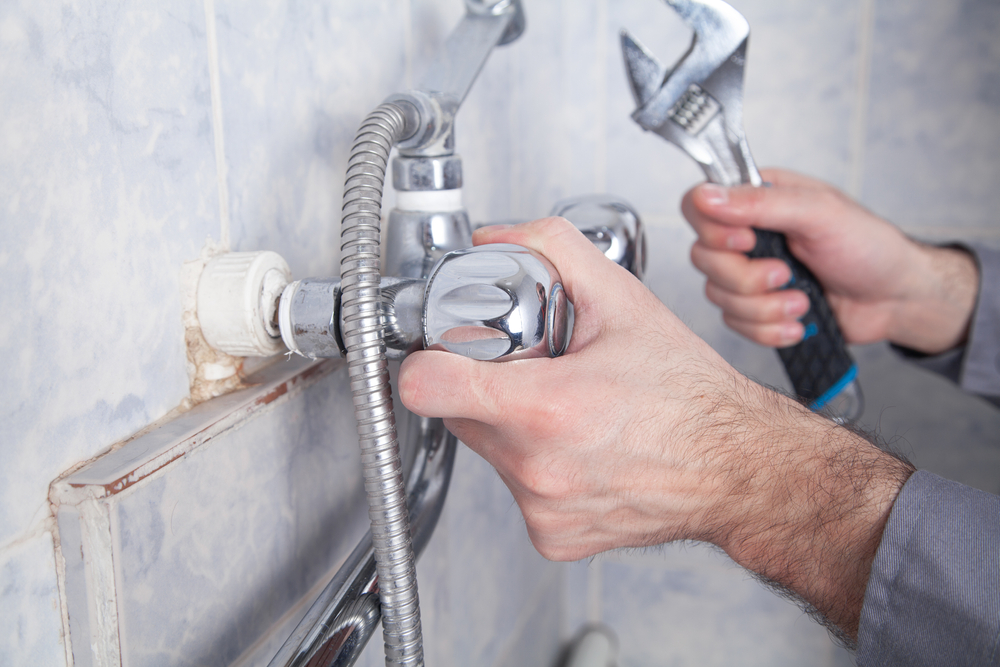
Related Blogs

image block

Sewer Leak or Clog: How to Tell the Difference

Slow drains. Bad smells. A wet spot in the yard that won’t go away. These signs can point to two very different problems. Sewer leak detection issues and a stubborn sewer clog can look almost identical from the outside. But they’re not the same thing at all. A clog is a blockage inside the pipe. […]

image block

What to Do After Water Damage from a Leak

You walk into a room, and there’s water on the floor. Or the ceiling is dripping. Your first reaction is panic – but what you do in the next few hours is what really matters. Water leak damage moves fast. It gets into walls, soaks into the ground, and spreads to places you can’t even […]

image block

Why Your Water Bill Suddenly Increased

You open the bill, look at the number, and something’s off. Last month was normal. This month it’s doubled. Nothing changed – or so you think. That kind of sudden water bill increase almost always has a cause, and finding it usually doesn’t take long once you know where to look. Some reasons are simple. […]

image block

Common Leak Sources in Las Vegas Homes

Desert homes have their own set of problems. The heat alone puts stress on plumbing that people in other climates never deal with. Add shifting soil and water so full of minerals it practically chews through pipe fittings, and you get a situation where a water leak Las Vegas homeowners find is rarely simple to […]

image block

Pre-Spring Plumbing Leak Checklist for Las Vegas

Spring is the right time for a full walk-through of your home’s plumbing. Las Vegas has its own set of conditions that make this worth doing every year. The temperature swings between cold nights and warm days put stress on pipe joints and seals. Months of dry weather mask slow leaks that have been building […]

image block

5 Signs You Have a Slab Leak in Your Las Vegas Home

A slab leak is one of the hardest plumbing problems to detect because it’s hidden. The pipes run under the concrete foundation, buried several inches down. By the time there’s visible damage, the leak has usually been going on for a while. Las Vegas homes are especially vulnerable. The “caliche” soil shifts as it dries […]

When it comes to plumbing problems at home, few things are as frustrating—or as damaging—as a leaking toilet. Whether it’s a trickle from the tank or a pool forming around base, toilet leaks can cause more than just an inconvenience. They lead to higher water bills, hidden water damage, and potential health risks if left unresolved.

But when it comes to the big question—toilet tank leaks vs. base leaks, which is worse?—the answer depends on several factors, including the source of the leak, how quickly you catch it, and how much damage it’s already caused. In this in-depth toilet thats leaking comparison, we’ll break down the signs, risks, and solutions for both tank and base leaks so you can protect your home.

At Leak Experts USA, we’ve seen firsthand how small leaks turn into major repairs if homeowners delay action. Our team has helped countless families across Las Vegas prevent expensive water damage with quick, reliable plumbing solutions. This blog will help you understand your options and guide you toward the best next steps if you’re facing a leak right now.

📞 Need immediate help? Call us at (702) 745-5571 for expert toilet leak inspections and repairs.


Table of Contents

  1. Why Toilet Leaks Matter More Than You Think
  2. Toilet Leaks Comparison: Tank Leaks vs. Base Leaks
  3. Signs of a Toilet Tank Leaking
  4. Signs of a Toilet Base Leaking
  5. Risks of Toilet Water Damage in Your Home
  6. Toilet Repair Issues You Shouldn’t Ignore
  7. Which Is Worse: Tank or Base Leaks?
  8. Professional Repairers
  9. DIY Fixes vs. Calling a Professional
  10. Preventing Toilet Leaks Before They Start
  11. The Hidden Costs of Ignoring Toilet Leaks
  12. Why Homeowners in Las Vegas Trust Leak Experts USA
  13. How Leak Experts USA Protects Your Home
  14. FAQs About Toilet Leaks

Why Toilet Leaks Matter More Than You Think

Many homeowners assume that a small drip or puddle near the toilet isn’t an emergency. But toilets account for nearly 30% of indoor water use in a typical household, and even minor leaks waste thousands of gallons annually. Beyond wasted water, leaks create hidden damage: rotted subflooring, weakened joists, mold growth, and even structural issues.

Catching leaks early is the best way to avoid costly repairs. But first, you need to understand what type of leak you’re dealing with—and that’s where a toilet leaks comparison becomes critical.


Toilet Leaks Comparison: Tank Leaks vs. Base Leaks

Toilets can leak in multiple ways, but the two most common are:

  • Toilet Tank Leaking: Water seeps from the tank due to faulty seals, cracks, or worn components.
  • Toilet Base Leaking: Water escapes from the bottom of the toilet, often caused by a failed wax ring or improper installation.

Both types are serious, but their impacts differ. Tank leaks typically waste water, while base leaks can cause hidden structural and health hazards. Let’s explore each in detail.

Toilet Leaks Comparison

Signs of a Toilet Tank Leaking

A toilet tank leaking problem is often easier to spot because the tank is above ground and visible. Common signs include:

  • Water pooling on top or behind the tank
  • Constant hissing or running water sounds
  • Moisture along the bolts connecting the tank to the bowl
  • A spike in your water bill without explanation

The causes vary—worn flappers, cracked tanks, corroded bolts, or faulty fill valves. While some issues can be fixed with a quick part replacement, cracks or severe corrosion often require more intensive repairs.


Signs of a Toilet Base Leaking

A toilet base leaking situation can be harder to detect because water often seeps under the flooring. Warning signs include:

  • Puddles forming at the base after each flush
  • Discoloration or soft spots on the bathroom floor
  • A persistent musty odor near the toilet
  • Visible mold or mildew around caulking or tile

Base leaks usually indicate a failed wax seal—the ring that connects the toilet to the waste pipe. Over time, this seal can deteriorate, shift, or crack, especially in older homes. Unfortunately, water escaping here doesn’t just sit on the surface; it penetrates flooring and subflooring, leading to expensive toilet water damage.

Toilet Leaks Comparison

Risks of Toilet Water Damage in Your Home

Not all leaks are created equal, but both tank and base leaks can have serious consequences:

  • Rotting Wood Subfloors: Constant moisture weakens structural integrity.
  • Mold Growth: Damp conditions encourage mold, which poses health risks.
  • Increased Utility Bills: Even small tank leaks waste hundreds of gallons monthly.
  • Bathroom Renovation Costs: Repairing warped floors, walls, and tile can cost thousands.
  • Unpleasant Odors: Leaks near base often mix with wastewater, creating foul smells.

When comparing toilet leaks, base leaks are more likely to cause long-term hidden damage, while tank leaks are more visible and wasteful.


Toilet Repair Issues You Shouldn’t Ignore

Ignoring toilet leaks—whether from the tank or base—only makes problems worse. Common toilet repair issues that escalate if neglected include:

  • Loose Mounting Bolts: Can destabilize the toilet and cause rocking.
  • Flapper Problems: Lead to constant water cycling and wasted money.
  • Wax Ring Failure: Causes leaks beneath the toilet, often unnoticed until flooring is damaged.
  • Hairline Tank Cracks: Small cracks expand over time and eventually flood your bathroom.

These issues might start small, but within weeks, they can result in full-scale repairs that cost far more than a simple fix.


Which Is Worse: Tank or Base Leaks?

So, in the battle of toilet tank leaks vs. base leaks, which is worse?

  • Tank Leaks: Waste water, increase utility bills, and are easier to detect.
  • Base Leaks: Cause hidden structural damage, mold growth, and expensive repairs.

From a homeowner’s perspective, base leaks are generally worse because they often go unnoticed until significant damage occurs. Tank leaks are inconvenient but usually resolved more quickly. That said, neither should ever be ignored.


Professional Repairers

If you suspect a leak, the safest move is to call in professionals. We specialize in toilet plumbing repairs Las Vegas homeowners can rely on. Whether it’s reseating your toilet, replacing a wax ring, or repairing a cracked tank, our certified plumbers provide fast, effective solutions tailored to your home’s needs.

We also use advanced leak detection technology to ensure we catch even the smallest leaks before they escalate. With decades of combined experience, we’ve seen it all and fixed it all.

📞 Call us today at (702) 745-5571 for expert service.


DIY Fixes vs. Calling a Professional

Some leaks can be addressed with DIY fixes—like replacing a flapper or tightening tank bolts. However, when it comes to base leaks or persistent tank leaks, calling a professional is the smarter choice.

Here’s why:

  • Professionals ensure proper installation and sealing.
  • They identify hidden damage you might miss.
  • They use high-quality parts for lasting results.
  • Repairs are done quickly, minimizing disruption to your home.

While DIY repairs may save money upfront, improper fixes can make the problem worse—and costlier to resolve.


Preventing Toilet Leaks Before They Start

The best way to handle leaks is to stop them from happening in the first place. Preventative maintenance goes a long way in keeping your toilet working smoothly and avoiding costly repairs.

Here are some simple habits and checks you can incorporate into your routine:

  • Inspect Seals and Bolts Regularly: At least twice a year, check the tank bolts, flush valve, and wax ring for signs of wear. Loose bolts or dried seals are often early indicators of future leaks.
  • Clean Mineral Buildup: Hard water in many homes contributes to scaling inside the tank. Use safe cleaning products to prevent corrosion of parts.
  • Listen for Running Water: If you hear water cycling when the toilet hasn’t been flushed, it’s a clear warning sign of a leak.
  • Avoid Over-Tightening Bolts: While you want bolts snug, over-tightening can crack porcelain, leading to leaks that are harder to fix.
  • Replace Parts Proactively: Flappers, fill valves, and wax rings are inexpensive parts. Replacing them every few years keeps your system reliable.
Toilet Leaks Comparison

A little prevention can save thousands of dollars in repair costs. At this company, we recommend a quick annual plumbing check-up to ensure your bathroom fixtures are in top shape. These small steps give homeowners peace of mind and extend the life of their plumbing system.

📞 Call (702) 745-5571 to schedule a maintenance inspection today.


The Hidden Costs of Ignoring Toilet Leaks

It’s easy to brush off a minor leak as “not urgent,” but homeowners often underestimate the financial impact. Even a slow trickle adds up over time. The EPA estimates that a single leaking toilet can waste up to 200 gallons of water a day—that’s thousands of gallons a month, silently inflating your water bill.

The costs don’t stop there. When leaks go unchecked, they create:

  • Subfloor Damage: Repairs often involve tearing out flooring and replacing rotted wood.
  • Mold Remediation: Mold removal can cost more than the plumbing repair itself.
  • Health Costs: Prolonged exposure to mold spores triggers allergies, asthma, and other respiratory issues.
  • Property Value Decline: Evidence of water damage can lower your home’s market value, making it harder to sell.
Spring Valley
Toilet Repair & Installation in Las Vegas

For perspective:

  • A small tank leak may raise your utility bill by $30–$50 per month.
  • A base leak can lead to $3,000–$10,000 in structural repairs if ignored.

When you weigh the risks, calling a plumber early isn’t just about saving money on repairs—it’s about protecting your investment and your family’s health.

We’ve helped countless Las Vegas homeowners avoid these financial headaches by fixing leaks before they spiral out of control. A quick call today could save you thousands tomorrow.


Why Homeowners in Las Vegas Trust Leak Experts USA

When it comes to toilet repairs, you want more than just a quick patch—you need a solution that lasts. That’s why so many homeowners in Las Vegas turn to usas their go-to plumbing provider. Our reputation has been built on three key pillars: trust, expertise, and customer care.

Here’s why homeowners choose us over other providers:

  • Local Experience: We understand the unique plumbing challenges in the region, from hard water issues to shifting soil conditions.
  • Reliable Service: We arrive on time, every time, and we don’t leave until the job is done right.
  • Upfront Pricing: Transparent quotes mean no surprise bills.
  • Advanced Tools: From high-tech leak detection equipment to durable replacement parts, we use the best in the industry.
  • Customer-First Approach: We treat your home with respect, clean up after every job, and prioritize long-term solutions over quick fixes.

Many of our customers come to us after being frustrated with short-lived repairs elsewhere. We’re proud to deliver lasting results that keep homes dry, safe, and worry-free.

📞 Whether you’re dealing with a tank leak, a base leak, or you just want peace of mind, call us at (702) 745-5571 today. Your home deserves nothing less than the most trusted plumbing care in the region.


How Leak Experts USA Protects Your Home

At this company, we’re more than just plumbers. We’re partners in protecting your home from water damage. Here’s what sets us apart:

Trusted Reputation: The most reliable plumbing company in the Las Vegas region.

Certified Technicians: Skilled in both tank and base leak repairs.

Upfront Pricing: No surprises, no hidden fees.

24/7 Availability: Because plumbing problems don’t wait.

Cutting-Edge Technology: Advanced leak detection to prevent future issues.

When it comes to a toilet leaks comparison, we don’t just fix the symptoms—we address the root cause so your home remains safe and dry.


FAQs About Toilet Leaks

Q1: How do I know if my toilet tank is leaking into the bowl?

You can perform a dye test. Drop food coloring into the tank and wait 15 minutes. If the color shows up in the bowl without flushing, you have a leak.


Q2: Can a toilet base leak be dangerous?

Yes. Base leaks often contain wastewater, which can expose your home to bacteria and cause serious water damage.


Q3: How much does it cost to fix a toilet leak?

It depends on the issue. Minor tank repairs may cost under $200, while base leaks involving subfloor repairs can cost significantly more. We provide free estimates for all jobs.


Q4: Can I keep using my toilet if it’s leaking?

Technically yes, but it’s not recommended. Continued use increases water damage and repair costs.


Q5: How quickly should I call a plumber if I notice a leak?

Immediately. The longer you wait, the more damage occurs—especially with base leaks.


Don’t Wait on Toilet Leaks

When it comes to toilet leaks comparison, both tank and base leaks are serious, but base leaks pose greater risks due to hidden damage. Regardless of which type you’re dealing with, the smartest move is to address it right away.

We provide fast, effective toilet plumbing repairs Las Vegas homeowners can count on. Don’t wait until a small puddle turns into a costly renovation—our certified team is ready to help.

📞 Call us now at (702) 745-5571 to schedule an inspection or repair. Protect your home, your health, and your wallet with the trusted experts in plumbing. Follow us on Instagram for regular updates!
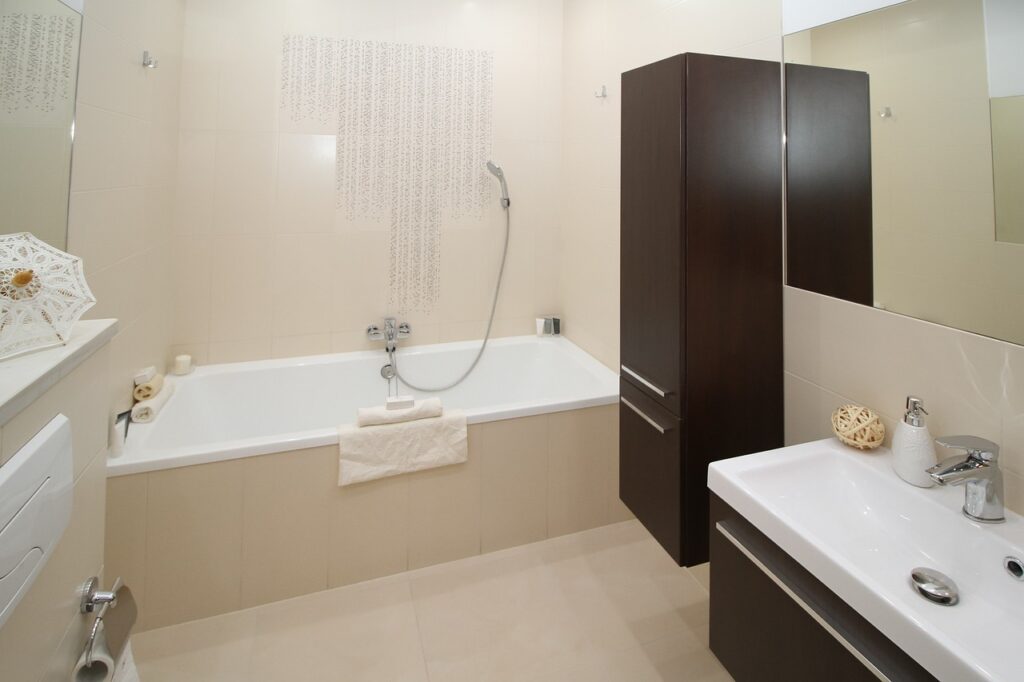
Related Blogs

image block

Sewer Leak or Clog: How to Tell the Difference

Slow drains. Bad smells. A wet spot in the yard that won’t go away. These signs can point to two very different problems. Sewer leak detection issues and a stubborn sewer clog can look almost identical from the outside. But they’re not the same thing at all. A clog is a blockage inside the pipe. […]

image block

What to Do After Water Damage from a Leak

You walk into a room, and there’s water on the floor. Or the ceiling is dripping. Your first reaction is panic – but what you do in the next few hours is what really matters. Water leak damage moves fast. It gets into walls, soaks into the ground, and spreads to places you can’t even […]

image block

Why Your Water Bill Suddenly Increased

You open the bill, look at the number, and something’s off. Last month was normal. This month it’s doubled. Nothing changed – or so you think. That kind of sudden water bill increase almost always has a cause, and finding it usually doesn’t take long once you know where to look. Some reasons are simple. […]

image block

Common Leak Sources in Las Vegas Homes

Desert homes have their own set of problems. The heat alone puts stress on plumbing that people in other climates never deal with. Add shifting soil and water so full of minerals it practically chews through pipe fittings, and you get a situation where a water leak Las Vegas homeowners find is rarely simple to […]

image block

Pre-Spring Plumbing Leak Checklist for Las Vegas

Spring is the right time for a full walk-through of your home’s plumbing. Las Vegas has its own set of conditions that make this worth doing every year. The temperature swings between cold nights and warm days put stress on pipe joints and seals. Months of dry weather mask slow leaks that have been building […]

image block

5 Signs You Have a Slab Leak in Your Las Vegas Home

A slab leak is one of the hardest plumbing problems to detect because it’s hidden. The pipes run under the concrete foundation, buried several inches down. By the time there’s visible damage, the leak has usually been going on for a while. Las Vegas homes are especially vulnerable. The “caliche” soil shifts as it dries […]

newsletter-image

Our Newsletter


Stay informed about the latest in plumbing solutions, home maintenance tips, and special discounts.

    Privacy policy

    [bft-int-chk checked="true" ] Subscribe for the mailing list