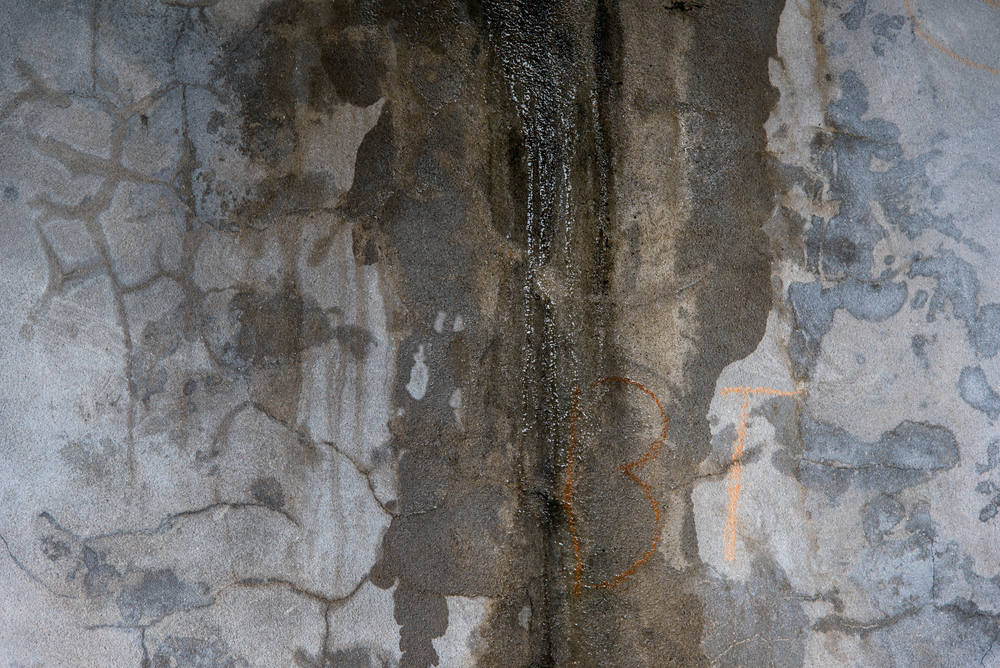
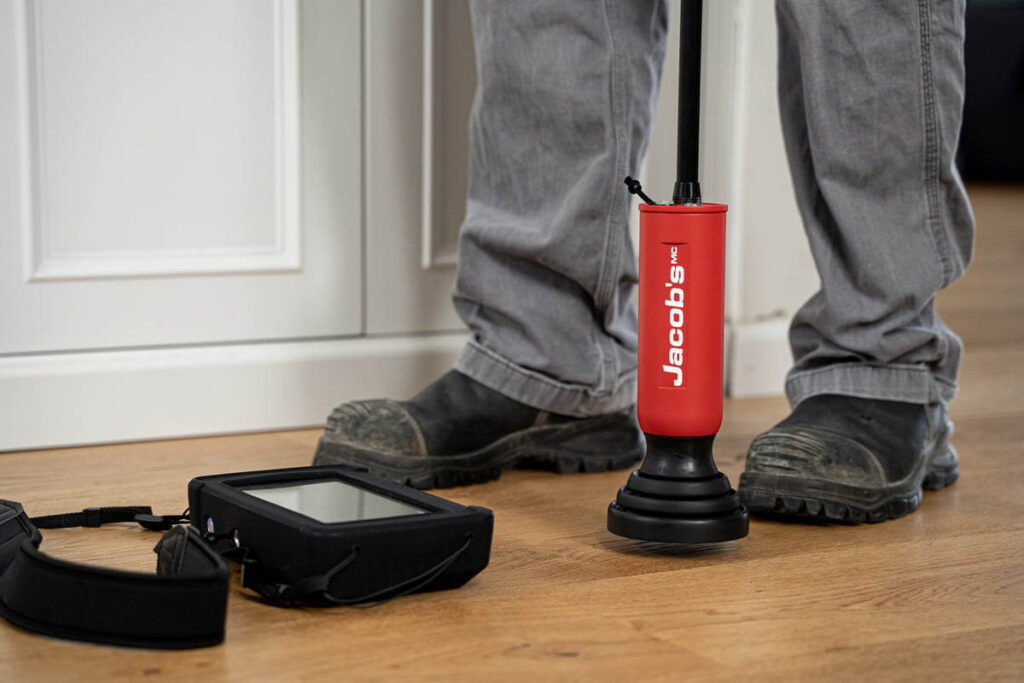
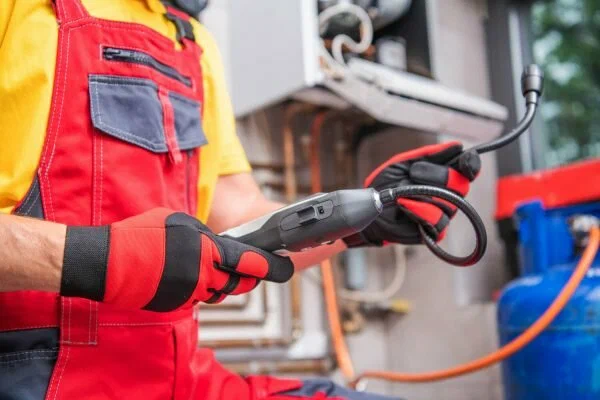
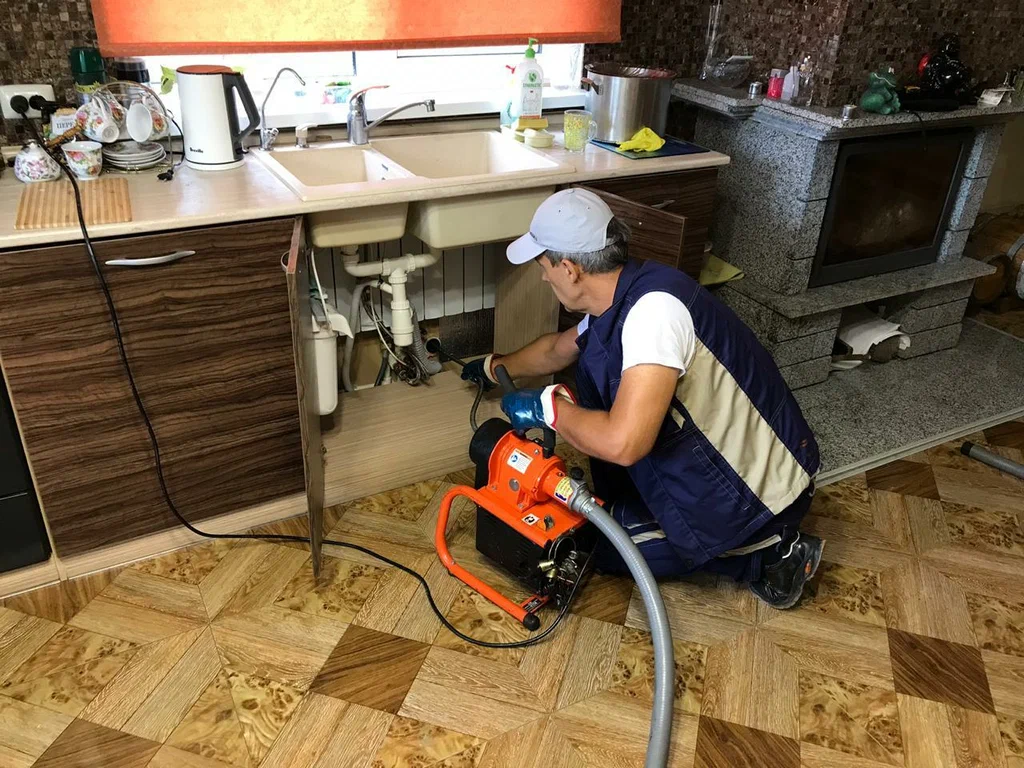
When running a business, there are countless things that demand your attention—sales, staff management, customer service, and operations. But one of the most expensive and disruptive problems a business can face often goes unnoticed until it’s too late: commercial water damage restoration.

From burst pipes to hidden roof leaks, water damage can bring your operations to a grinding halt, costing you revenue, damaging valuable inventory, and even creating health hazards. The good news? With the right prevention measures and fast action, you can avoid the worst of it. That’s where we come in—providing trusted, round-the-clock commercial water damage restoration for businesses across the region.

📞 If you’re dealing with water damage right now, call (702) 745-5571 for immediate help from our certified team.

In this guide, we’ll break down how commercial water damage mitigation happens, why fast action is critical, and how you can protect your property before disaster strikes.


Table of Contents

  1. Understanding Commercial Water Damage Restoration
  2. The Hidden Cost of Delaying Repairs
  3. Common Business Plumbing Issues That Lead to Water Damage
  4. Office Leak Checks: Your First Line of Defense
  5. Preventive Maintenance Strategies for Businesses
  6. The Role of Technology in Preventing Water Damage
  7. How Commercial Water Damage Restoration Works Step-by-Step
  8. Why Leak Experts USA Is the Go-To for Businesses in Las Vegas
  9. Case Studies: Real Stories from Local Businesses
  10. Employee Awareness and Training: A Hidden Defense
  11. FAQs on Commercial Water Damage
  12. Proactive Checklist for Business Owners
  13. The Bottom Line on Commercial Water Damage Prevention

Understanding Commercial Water Damage Restoration

Commercial water damage restoration is the process of repairing and restoring business properties after water-related incidents—whether caused by plumbing failures, storms, or accidental flooding.

Unlike residential restoration, commercial projects are often larger, more complex, and time-sensitive. They require:

  1. Emergency water removal – Quickly extracting standing water to minimize damage.
  2. Drying & dehumidification – Preventing mold growth and structural deterioration.
  3. Sanitization – Eliminating bacteria or contaminants, especially in food-service businesses.
  4. Repairs & reconstruction – Restoring affected walls, flooring, ceilings, and equipment.

Speed is the key here. Water damage spreads quickly, and in commercial spaces, that often means more than just property loss—it means lost revenue, unhappy customers, and potential safety violations.


The Hidden Cost of Delaying Repairs

Many business owners make the costly mistake of waiting to “see how bad it is” before acting on water damage. Unfortunately, every hour that passes can multiply the damage—and the repair bill.

Some of the biggest risks of delay include:

  • Increased financial loss – Not just in repairs, but in lost sales during downtime.
  • Permanent equipment damage – Electronics, appliances, and machinery may become irreparable.
  • Mold and air quality issues – Mold can develop in as little as 24–48 hours, posing health risks for staff and customers.
  • Reputation damage – A visibly damaged property or closed doors can drive customers away.

For example, one retail client of ours in Henderson experienced a roof leak during a rare desert downpour. Instead of calling immediately, they waited until the weekend was over. By then, the water had spread into storage areas, ruining thousands of dollars in merchandise. Immediate commercial water damage restoration could have prevented most of that loss.
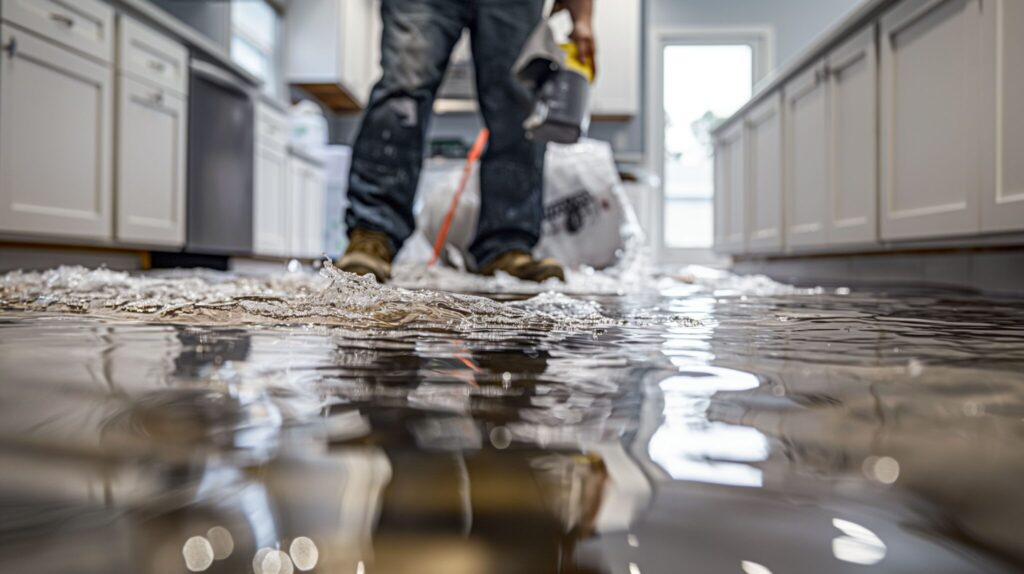
Water Damage Restoration Steps

Common Business Plumbing Issues That Lead to Water Damage

While extreme weather can cause water damage, the majority of commercial cases we handle come from business plumbing problems—issues that often develop quietly over time.

Some of the most frequent culprits include:

  • Worn-out pipes & fittings – Over time, pipes corrode, crack, or loosen, leading to leaks.
  • Faulty appliances – Commercial dishwashers, refrigerators, ice machines, and coffee makers can spring leaks that go unnoticed until damage is done.
  • Clogged drains & sewer backups – Grease buildup, debris, or foreign objects can cause serious blockages.
  • Sprinkler system leaks – In large commercial buildings, aging sprinkler systems can leak behind walls or above ceilings.

The best prevention strategy is proactive inspection. Services like commercial leak detection Las Vegas can pinpoint hidden leaks before they cause major damage, saving you thousands in repairs.


Office Leak Checks: Your First Line of Defense

One of the simplest yet most effective ways to prevent costly water damage is by scheduling regular office leak checks. These are routine inspections designed to identify hidden leaks in your plumbing, roofing, and HVAC systems before they become expensive emergencies.

A thorough leak check typically includes:

  • Restroom inspections – Checking under sinks, around toilets, and behind walls for moisture.
  • Kitchen & break room reviews – Inspecting dishwashers, ice machines, coffee stations, and water dispensers.
  • HVAC system evaluation – Making sure condensation lines and drain pans aren’t overflowing.
  • Roof entry point assessments – Looking for water intrusion around vents, skylights, and HVAC units.

We’ve seen firsthand how routine office leak checks save businesses thousands of dollars. In one Summerlin office complex, a slow-drip HVAC leak went unnoticed until our inspection revealed significant moisture in the ceiling. Early detection meant the ceiling was repaired in a day—without disrupting the tenant’s operations.
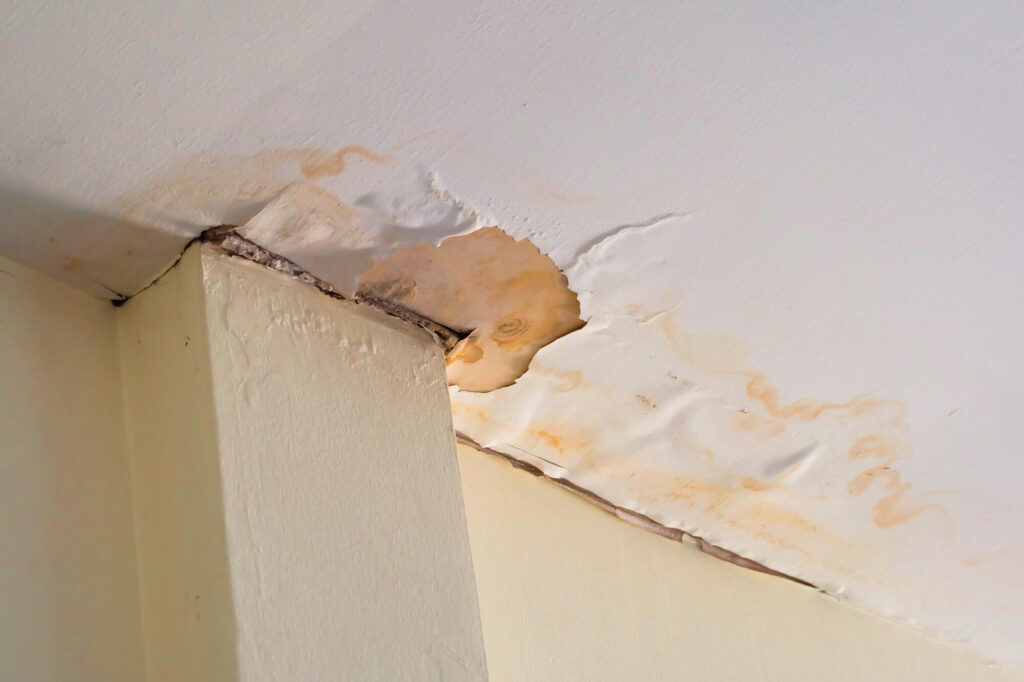
Leak detection

Preventive Maintenance Strategies for Businesses

Preventing water damage isn’t just about reacting quickly—it’s about staying ahead of problems. Here are some proven strategies every business should adopt:

  1. Schedule annual business plumbing inspections – A licensed plumber can spot worn fittings, aging pipes, and potential hazards before they fail.
  2. Install smart water monitoring systems – These devices can alert you to leaks instantly, even when your building is closed.
  3. Train staff to recognize early signs – Teach employees how to spot water stains, strange odors, or low water pressure.
  4. Maintain your roof & gutters – In areas like Henderson or Paradise, dust and debris can clog drainage systems, leading to water pooling and leaks.

Preventive maintenance is not just a cost—it’s an investment in keeping your doors open and your revenue flowing. Follow us on Instagram for regular updates!


The Role of Technology in Preventing Water Damage

Modern technology plays a huge role in preventing commercial water damage restoration emergencies. Smart leak inspection systems can alert business owners the moment a pipe begins to leak or a drain overflows. These systems often integrate with building management software, giving facilities managers a real-time view of water flow and pressure throughout the building.

In addition to hardware, thermal imaging cameras and moisture sensors are now widely used by professionals to detect hidden leaks before they cause structural damage. For example, routine office leak checks using these tools can uncover small leaks behind walls or under floors that would otherwise go unnoticed.

Read More About: Water damage restoration Steps​ from a Slab Leak

For businesses in Las Vegas and surrounding areas, combining technology with regular business plumbing maintenance ensures that minor issues are resolved early, preventing costly downtime and minimizing the need for emergency commercial water damage restoration services.


How Commercial Water Damage Restoration Works Step-by-Step

When water damage strikes, knowing what to expect from the restoration process can make the situation far less stressful. Here’s how commercial water damage restoration is typically handled:

Step 1: Emergency Water Extraction

Using industrial pumps and vacuums, technicians remove standing water quickly to prevent further spread.

Step 2: Drying & Dehumidification

Commercial-grade air movers and dehumidifiers eliminate moisture trapped in walls, floors, and ceilings.

Step 3: Sanitization & Mold Prevention

Surfaces are cleaned and treated with antimicrobial solutions to prevent bacterial growth.

Step 4: Structural Repairs & Restoration

Damaged drywall, flooring, and fixtures are repaired or replaced to restore your business to pre-loss condition.

Step 5: Final Inspection & Insurance Documentation

A detailed report is provided for your insurance claim, ensuring you get the coverage you’re entitled to.


Why Leak Experts USA Is the Go-To for Businesses in Las Vegas

When you’re facing water damage, you don’t just need restoration—you need a partner who understands the unique challenges of running a business. We are trusted by local restaurants, offices, and retail stores for a reason:

  • 24/7 emergency service – Because water damage doesn’t wait for business hours.
  • Advanced commercial water damage restoration equipment – From high-powered extraction units to thermal imaging cameras.
  • Expert commercial leak detection Las Vegas – Locating the source of leaks fast, even behind walls or under floors.
  • Proven track record – Serving businesses in Las Vegas.

Our goal isn’t just to fix the problem—it’s to help you avoid it in the first place.
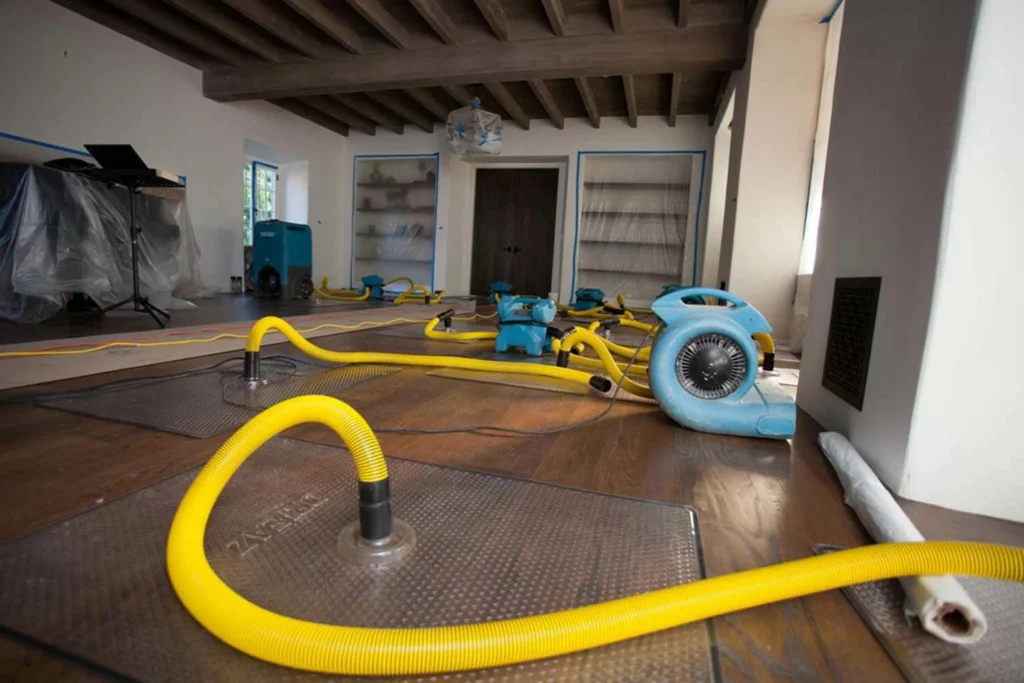
Commercial Water Damage Restoration

Case Studies: Real Stories from Local Businesses

Case Study #1 – Restaurant Basement Flood

A Henderson restaurant experienced a burst pipe under its prep kitchen during peak dinner hours. We arrived within 45 minutes, stopped the leak, and completed commercial water damage restoration overnight. The restaurant was able to open the next day without losing its weekend revenue.

Case Study #2 – Retail Store Ceiling Leak During Heavy Rain

A clothing retailer in Summerlin noticed water dripping from ceiling tiles during a rare storm. Our team performed immediate water extraction and roof patching, preventing further damage to merchandise.

Case Study #3 – Office HVAC Pipe Burst Over a Weekend

A North Las Vegas office building’s HVAC system failed, flooding a large conference room. Our crew removed water, dried the space, and coordinated carpet replacement—allowing Monday’s meetings to go on as scheduled.


Employee Awareness and Training: A Hidden Defense

Even the most advanced systems can’t fully protect a business without human awareness. Educating employees on spotting leaks and reporting unusual moisture is a cost-effective way to prevent major water damage. Simple training can cover: noticing dripping pipes, identifying pooling water near appliances, and understanding the location of shut-off valves.

Regular office leak checks can be supplemented by staff vigilance, creating a culture of prevention. This proactive approach reduces the likelihood of requiring emergency commercial water damage restoration.
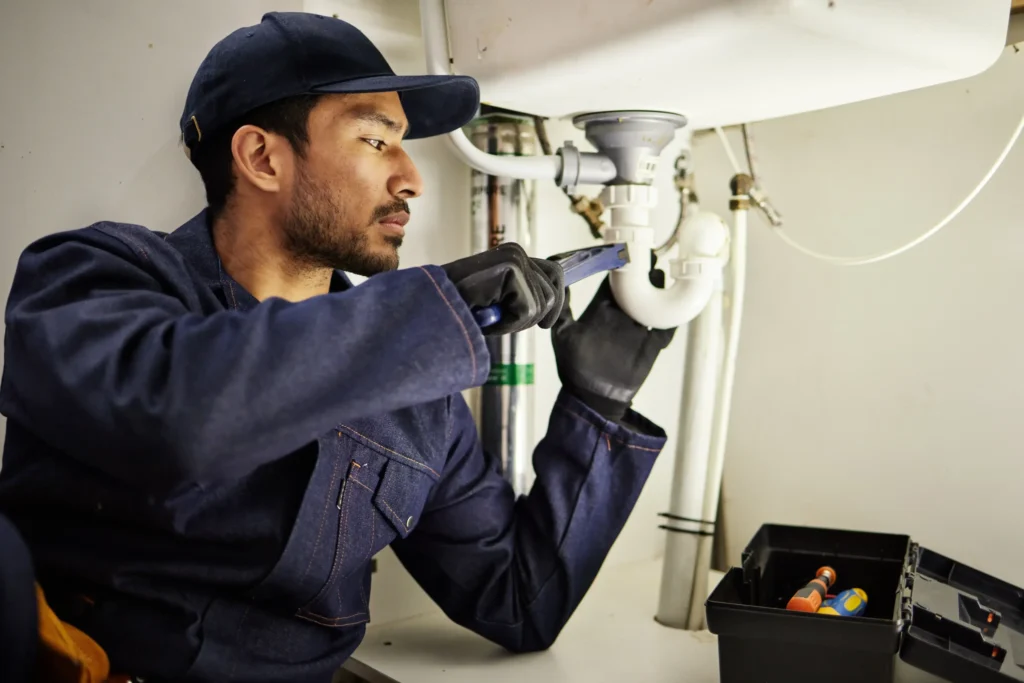
Water Damage Restoration

We also offer guidance for business owners on creating an internal monitoring routine. Combining technology, routine business plumbing inspections, and staff awareness creates a comprehensive defense against water-related disruptions, protecting your property, employees, and bottom line.


FAQs on Commercial Water Damage Restoration

Q1: How quickly should I start restoration after a leak?

Immediate action is critical. Water spreads fast, and delays can lead to structural damage, mold growth, and costly repairs. With commercial water damage restoration, our team at responds quickly to minimize downtime.


Q2: Can insurance cover my business plumbing repairs?

In many cases, yes. Policies often cover sudden or accidental water damage. Documenting the damage and working with certified restoration professionals improves your claim approval.


Q3: How do I prevent mold after water damage?

Quick drying and proper sanitization are key. Our team uses industrial dehumidifiers and antimicrobial treatments to stop mold before it starts.


Q4: Do you offer after-hours emergency service?

Absolutely. Water emergencies don’t follow a schedule, which is why we provide 24/7 restoration services for Las Vegas businesses.


Proactive Checklist for Business Owners

Staying ahead of water damage is simpler than you think. Here’s a checklist that can help:

  • Weekly Visual Inspections – Look for damp spots, dripping pipes, or unusual odors.
  • Monthly Office Leak Checks – Inspect restrooms, kitchens, and HVAC systems.
  • Quarterly Business Plumbing Reviews – Hire a licensed plumber to ensure everything is in top shape.
  • Annual Roof & Gutter Inspection – Prevent leaks from storms or heavy dust accumulation.
  • Install Smart Water Monitoring Devices – Receive instant alerts if a leak occurs, even when your building is empty.

By following these steps, businesses in Las Vegas can prevent most water-related emergencies before they escalate.


The Bottom Line on Commercial Water Damage Prevention

Water damage can disrupt your business, create safety hazards, and rack up repair costs. But the combination of regular office leak checks, preventive maintenance, and prompt commercial water damage restoration service can protect your property, employees, and bottom line.

Whether it’s a minor plumbing leak or a major pipe burst, having a trusted partner like Leak Experts USA ensures you get fast, reliable service. With certified technicians, modern equipment, and years of experience serving businesses in Las Vegas you can rest assured your property is in safe hands.

Don’t wait for a minor leak to turn into a major disaster. Preventive inspections, timely repairs, and professional restoration services are key to keeping your business running smoothly.

We specialize in:

✅ Emergency commercial water damage restoration

✅ Routine office leak checks and preventive inspections

✅ Expert business plumbing maintenance

✅ Fast commercial leak detection Las Vegas

📞 Call us today at (702) 745-5571 or book online to schedule a consultation. Protect your business, your employees, and your investment—before water damage strikes. Follow us on Instagram for regular updates!
Related Blogs

image block

Sewer Leak or Clog: How to Tell the Difference

Slow drains. Bad smells. A wet spot in the yard that won’t go away. These signs can point to two very different problems. Sewer leak detection issues and a stubborn sewer clog can look almost identical from the outside. But they’re not the same thing at all. A clog is a blockage inside the pipe. […]

image block

What to Do After Water Damage from a Leak

You walk into a room, and there’s water on the floor. Or the ceiling is dripping. Your first reaction is panic – but what you do in the next few hours is what really matters. Water leak damage moves fast. It gets into walls, soaks into the ground, and spreads to places you can’t even […]

image block

Why Your Water Bill Suddenly Increased

You open the bill, look at the number, and something’s off. Last month was normal. This month it’s doubled. Nothing changed – or so you think. That kind of sudden water bill increase almost always has a cause, and finding it usually doesn’t take long once you know where to look. Some reasons are simple. […]

image block

Common Leak Sources in Las Vegas Homes

Desert homes have their own set of problems. The heat alone puts stress on plumbing that people in other climates never deal with. Add shifting soil and water so full of minerals it practically chews through pipe fittings, and you get a situation where a water leak Las Vegas homeowners find is rarely simple to […]

image block

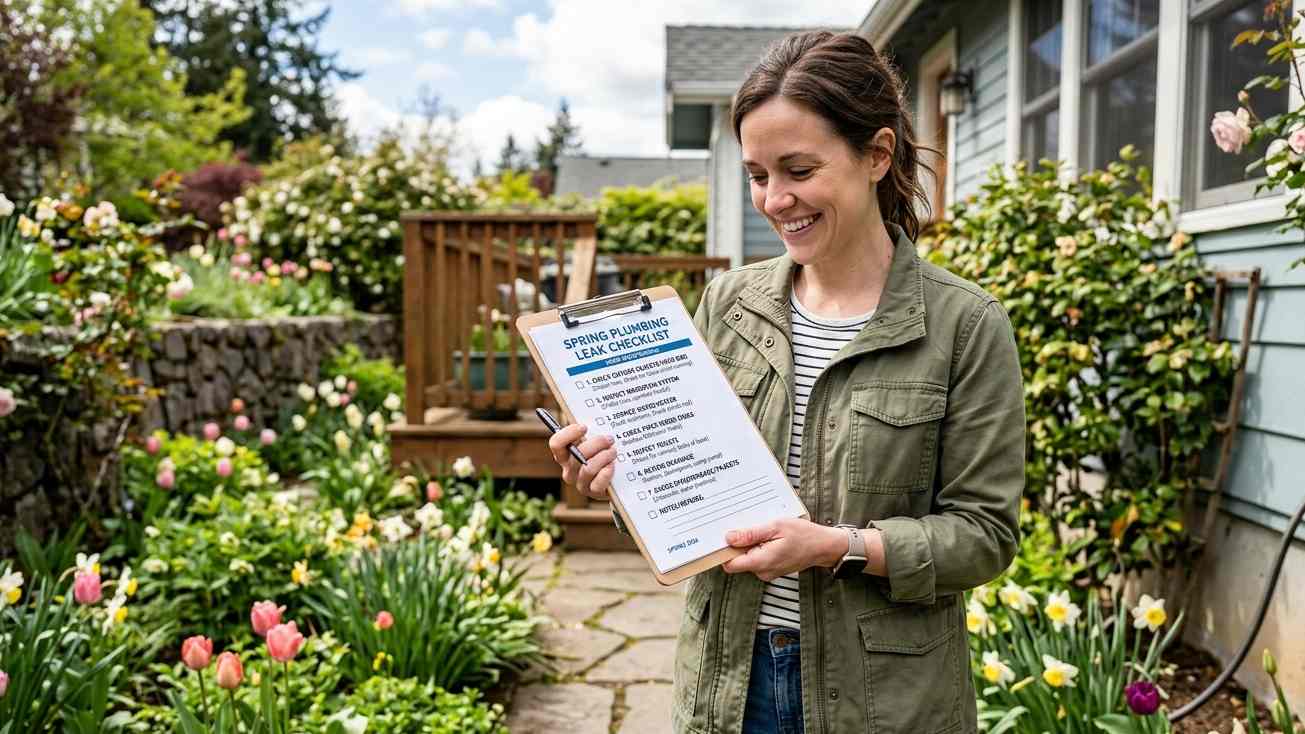
Pre-Spring Plumbing Leak Checklist for Las Vegas

Spring is the right time for a full walk-through of your home’s plumbing. Las Vegas has its own set of conditions that make this worth doing every year. The temperature swings between cold nights and warm days put stress on pipe joints and seals. Months of dry weather mask slow leaks that have been building […]

image block

5 Signs You Have a Slab Leak in Your Las Vegas Home

A slab leak is one of the hardest plumbing problems to detect because it’s hidden. The pipes run under the concrete foundation, buried several inches down. By the time there’s visible damage, the leak has usually been going on for a while. Las Vegas homes are especially vulnerable. The “caliche” soil shifts as it dries […]

Homeowners often face unexpected plumbing issues that can lead to costly repairs and significant stress. From slow drains to sewer line backups, problems can escalate quickly if left unchecked. That’s why understanding the sewer camera inspection benefits is crucial for homeowners in Las Vegas and nearby areas.

A sewer camera inspection is a non-invasive solution that allows plumbers to examine the interior of your pipes without digging up your yard or breaking through walls. By identifying blockages, leaks, or structural issues early, this technology can save homeowners thousands of dollars in emergency repairs.

We’ve helped hundreds of homeowners see the advantages of proactive plumbing care. Our professional team uses the latest equipment to ensure your plumbing system runs smoothly, avoiding surprises down the road. By opting for regular inspections, you can maintain a healthier home while enjoying peace of mind knowing that potential problems are caught before they become emergencies.

📞 Call us at (702) 745-5571 to learn how our sewer camera inspection services can help you prevent costly plumbing damage and protect your home’s plumbing system.


Table of Contents

  1. What Is a Sewer Camera Inspection?
  2. Top Sewer Camera Inspection Benefits for Homeowners
  3. How Preventive Maintenance Reduces Plumbing Costs
  4. When Should You Schedule a Sewer Camera Inspection?
  5. DIY vs Professional Sewer Inspections
  6. Real-Life Examples of Sewer Camera Inspection Success
  7. How Leak Experts USA Can Help
  8. FAQs About Sewer Camera Inspection

What Is a Sewer Camera Inspection?

A sewer camera inspection, sometimes called a pipeline video inspection, is a specialized plumbing procedure where a small, high-resolution camera is inserted into your sewer or drain line. The camera transmits live video to a monitor, giving technicians a clear view of the pipe’s interior condition.

Unlike traditional methods that require digging or guesswork, sewer camera inspections provide precise information about your plumbing system. From blockages caused by grease or debris to tree root infiltration, this technology allows professionals to pinpoint problems without unnecessary disruption to your home.

For homeowners in Las Vegas, where hard water and shifting soil are common, understanding your plumbing system’s condition is essential. Regular inspections help catch problems early, reducing the likelihood of emergency plumbing repairs and unexpected costs.

One of the key advantages of hiring experts like ours is that we combine modern camera technology with extensive experience. We not only detect the issue but also recommend the most effective solution, whether it’s a minor cleaning, a targeted repair, or a preventive maintenance plan.

Using sewer camera inspection Las Vegas services ensures that homeowners receive a thorough evaluation of their pipelines. This inspection method is safe, fast, and highly accurate, making it the preferred choice for proactive plumbing care.


Top Sewer Camera Inspection Benefits for Homeowners

Investing in a sewer camera inspection is one of the smartest decisions a homeowner can make. From preventing emergencies to saving on costly repairs, the advantages extend far beyond just identifying a blockage. Let’s explore the main sewer camera inspection benefits that make it an essential part of home plumbing care.


1. Identify Blockages Quickly

One of the most significant advantages of a sewer camera inspection is its ability to detect blockages with pinpoint accuracy. Common culprits include grease buildup, sediment, or intrusive tree roots that can infiltrate pipes over time.

By using high-resolution cameras, technicians can see exactly where the obstruction is located, eliminating the need for guesswork or unnecessary digging. Early identification allows for targeted repairs, saving both time and money. Homeowners often find that minor blockages can be cleared before they cause serious backups.

This is a prime example of how sewer camera inspection benefits help you catch problems early, preventing disruptions to your daily life and minimizing property damage.

Sewer Video Scan

2. Prevent Major Plumbing Emergencies

Sewer backups or pipe collapses can lead to extensive damage, including flooding, mold growth, and structural common issues detected. By scheduling a sewer pipe camera inspection, homeowners can uncover hidden problems before they escalate.

Incorporating preventive maintenance into your plumbing routine allows you to address issues proactively rather than reactively. For example, identifying a small crack in a pipe early can prevent a full replacement later, which often costs thousands of dollars.

Where older homes and fluctuating soil conditions are common, preventive inspections can be a real lifesaver. The ability to detect issues early ensures that minor problems don’t develop into expensive emergencies.

3. Accurate Problem Diagnosis

Another major sewer camera inspection benefit is the precision of the diagnosis. Traditional methods often rely on trial-and-error, which can lead to unnecessary excavation or ineffective repairs.

A camera inspection provides a complete view of your plumbing system, allowing technicians to accurately determine the type and location of the problem. Whether it’s a partial clog, a pipe collapse, or corrosion, the solution can be implemented immediately.

Accurate diagnosis also reduces repair times and minimizes disruption to your home. Instead of breaking through walls or digging up yards, homeowners can rely on targeted fixes that are efficient and cost-effective.

4. Save Money on Repairs

One of the most tangible sewer camera inspection benefits is the financial savings. By catching problems early, you avoid the need for major excavation, full pipe replacements, or emergency plumbing calls.

For example, a minor grease buildup identified during a routine inspection can be cleared with a simple hydro-jetting service, avoiding a complete sewer line replacement. Over time, consistent inspections and preventive maintenance can save homeowners thousands of dollars.

Even when repairs are necessary, having a clear view of the problem allows technicians to provide accurate estimates upfront, eliminating hidden costs and unexpected surprises.

5. Extend the Life of Your Plumbing System

Regular inspections and early interventions not only prevent emergencies but also extend the overall lifespan of your plumbing system. Pipes that are maintained and checked for issues regularly are less likely to suffer from corrosion, root intrusion, or other damage.

Incorporating sewer inspections as part of your home maintenance routine ensures that minor issues are addressed promptly, keeping your plumbing system healthy for years to come. This proactive approach maximizes your investment in your home and reduces stress over unexpected repairs.


How Preventive Maintenance Reduces Plumbing Costs

For homeowners, the concept of preventive maintenance is a game-changer. Rather than waiting for a plumbing disaster to strike, investing in regular checkups, inspections, and minor repairs can significantly reduce long-term costs. One of the most effective ways to implement preventive maintenance is through a sewer inspection.

By identifying issues before they escalate, you save money on emergency repairs, excavation, and potential property damage. For instance, small clogs, pipe corrosion, or root intrusions detected early can often be resolved with minimal disruption. In contrast, ignoring these issues can lead to complete pipe replacement or extensive water damage repairs.

In Las Vegas homes, where hard water, shifting soil, and older plumbing systems are common, preventive maintenance is especially important. A routine inspection helps homeowners catch problems early, maintaining consistent water flow and preventing costly backups.

Moreover, incorporating sewer inspections as part of a preventive maintenance plan ensures your plumbing system remains in top condition. Over time, this proactive approach extends the life of pipes and fixtures while reducing the likelihood of unexpected emergencies. Homeowners often find that the investment in preventive maintenance pays for itself through avoided repair costs and increased peace of mind.

We help homeowners design personalized maintenance schedules. Our team provides expert advice, identifies potential risks, and recommends solutions to protect your home’s plumbing system before small issues become expensive problems.


When Should You Schedule a Sewer Inspection?

Timing is key when it comes to maximizing the sewer camera inspection benefits. While emergencies clearly demand immediate attention, regular inspections are equally important for preventing long-term damage.

Here are common indicators that a sewer inspection is necessary:

  • Slow Drains: If water is draining slowly in sinks, tubs, or showers, there may be a blockage forming in your pipes.
  • Frequent Backups: Repeated toilet or sewer backups indicate underlying issues that need inspection.
  • Foul Odors: Unpleasant smells near drains or outdoor sewer lines often point to cracks or leaks.
  • Visible Tree Roots or Landscaping Issues: Roots can invade sewer lines over time, causing blockages and damage.

Even if none of these signs are present, many plumbing experts recommend scheduling a sewer inspection every 2–3 years as part of regular preventive maintenance. Homes in North Las Vegas and surrounding neighborhoods often benefit from proactive inspections due to soil shifts or older sewer lines.

One of the greatest sewer camera inspection benefits is that problems are identified before they escalate, avoiding costly repairs and reducing disruption. The technology allows technicians to assess pipe condition, identify small leaks, and recommend targeted solutions quickly and efficiently.

Choosing us for your inspections ensures you get accurate, reliable results from certified professionals. Our team serves homeowners across Las Vegas and nearby areas, using the latest equipment to deliver detailed reports and actionable recommendations. By scheduling inspections at the right intervals, you maintain a healthy plumbing system and maximize the life of your pipes.

📞 Call (702) 745-5571 today to schedule a sewer inspection and take a proactive step in protecting your home.


DIY vs Professional Sewer Camera Inspection Benefits

In the age of online tutorials and hardware store rentals, it’s tempting to think you can perform your own sewer camera inspection. While DIY might seem like a money-saving option, the reality is that it often leads to missed problems and incomplete solutions.

Professional plumbers have access to advanced, high-resolution camera equipment capable of capturing detailed images in challenging environments. More importantly, they have the training to interpret what they see. A small crack or subtle corrosion pattern might be invisible to an untrained eye but obvious to an experienced technician.

Another issue with DIY is the lack of preventive maintenance follow-up. Even if you identify a problem, knowing the best repair method and preventing recurrence requires professional expertise. By hiring a trusted local company like ours homeowners can be confident they’re getting accurate assessments and tailored solutions.

When it comes to sewer camera inspection benefits, professional service means faster detection, fewer mistakes, and long-term savings. It’s not just about finding the issue—it’s about fixing it correctly the first time.


Real-Life Examples of Sewer Inspection Success

We’ve seen firsthand how sewer inspections prevent disasters and save homeowners thousands of dollars.

Example 1 – Root Intrusion Prevented

A Summerlin homeowner noticed occasional slow drains. Our inspection revealed a tree root beginning to grow into the sewer line. We removed it immediately, avoiding what could have been a complete pipe collapse within months.

Example 2 – Hidden Leak Found

A Henderson resident reported a faint odor in the backyard. Using our camera, we found a small crack in an underground pipe. This early detection prevented soil erosion and a potential foundation problem.

Example 3 – Grease Buildup Cleared

In North Las Vegas, a kitchen line repeatedly clogged. Our camera inspection pinpointed grease buildup as the cause. After a quick cleaning, the problem was solved—and preventive steps were recommended to stop it from happening again.

In each of these cases, the sewer camera inspection benefits were clear: catch problems early, avoid major repairs, and save money.


How Leak Experts USA Can Help

When you choose us for your sewer camera inspection Las Vegas services, you’re partnering with a trusted local team dedicated to accuracy, honesty, and long-term results. We serve homeowners delivering reliable inspections and effective solutions.

Our advantages include:

  • State-of-the-art camera technology for detailed, accurate inspections.
  • Experienced, licensed technicians who know what to look for.
  • Clear, upfront pricing with no hidden fees.
  • Comprehensive reports with video footage for your records.
  • Preventive maintenance plans to extend your plumbing system’s life.

📞 Call us at (702) 745-5571 to schedule your inspection and experience the difference.


FAQs About Video Sewer Inspections

Q1: How much does a sewer inspection cost?

Prices vary, but most inspections are affordable compared to the cost of major repairs. Our rates are competitive, and we provide free estimates.

Q2: How long does an inspection take?

Most inspections are completed in under two hours, depending on the complexity of the system.

Q3: Can the camera detect all problems?

Yes—our advanced cameras can detect blockages, cracks, corrosion, and even root intrusions.

Q4: How often should I schedule an inspection?

Every 2–3 years for most homes, or sooner if you notice slow drains, odors, or backups.

Q5: Is it messy or disruptive?

Not at all. The process is clean, non-invasive, and requires no digging unless repairs are necessary.


Inspect Now and leave your worries behind!

Whether you’re experiencing plumbing issues now or want to prevent them in the future, understanding the sewer camera inspection benefits can save you money, protect your property, and extend the life of your plumbing system.

By investing in this technology and incorporating it into your preventive maintenance routine, you ensure problems are caught early—before they turn into expensive emergencies.

At Leak Experts USA, we pride ourselves on delivering honest, reliable, and professional service across Las Vegas and surrounding areas. From inspections to repairs, our goal is to keep your plumbing system healthy for years to come.

📞 Call (702) 745-5571 or book online today to book your sewer inspection and take the first step toward a worry-free plumbing system. Follow us on Instagram for regular updates!
Related Blogs

image block

Sewer Leak or Clog: How to Tell the Difference

Slow drains. Bad smells. A wet spot in the yard that won’t go away. These signs can point to two very different problems. Sewer leak detection issues and a stubborn sewer clog can look almost identical from the outside. But they’re not the same thing at all. A clog is a blockage inside the pipe. […]

image block

What to Do After Water Damage from a Leak

You walk into a room, and there’s water on the floor. Or the ceiling is dripping. Your first reaction is panic – but what you do in the next few hours is what really matters. Water leak damage moves fast. It gets into walls, soaks into the ground, and spreads to places you can’t even […]

image block

Why Your Water Bill Suddenly Increased

You open the bill, look at the number, and something’s off. Last month was normal. This month it’s doubled. Nothing changed – or so you think. That kind of sudden water bill increase almost always has a cause, and finding it usually doesn’t take long once you know where to look. Some reasons are simple. […]

image block

Common Leak Sources in Las Vegas Homes

Desert homes have their own set of problems. The heat alone puts stress on plumbing that people in other climates never deal with. Add shifting soil and water so full of minerals it practically chews through pipe fittings, and you get a situation where a water leak Las Vegas homeowners find is rarely simple to […]

image block

Pre-Spring Plumbing Leak Checklist for Las Vegas

Spring is the right time for a full walk-through of your home’s plumbing. Las Vegas has its own set of conditions that make this worth doing every year. The temperature swings between cold nights and warm days put stress on pipe joints and seals. Months of dry weather mask slow leaks that have been building […]

image block

5 Signs You Have a Slab Leak in Your Las Vegas Home

A slab leak is one of the hardest plumbing problems to detect because it’s hidden. The pipes run under the concrete foundation, buried several inches down. By the time there’s visible damage, the leak has usually been going on for a while. Las Vegas homes are especially vulnerable. The “caliche” soil shifts as it dries […]

Noticing water pooling around the base of your toilet can be alarming. Many homeowners often wonder: is toilet leaking at base an emergency? While a small puddle might seem harmless at first, even minor leaks can quickly escalate into costly problems. Water damage, mold growth, and structural issues are real risks if a leak is left untreated.

We’ve helped countless homeowners assess and repair toilet leaks, ensuring fast, reliable solutions that prevent further damage. Understanding when a toilet leak becomes an emergency is the first step in protecting your home and your wallet.

In this guide, we’ll walk you through the common causes of toilet base leaks, the signs of a bathroom plumbing emergency, the potential costs of repairs, and why calling a professional for toilet leak repair Las Vegas can save you time and money.


Table of Contents

  1. Common Causes of a Toilet Leaking at Base
  2. Signs That Indicate a Bathroom Plumbing Emergency
  3. Is Toilet Leaking at Base an Emergency? The Risks Explained
  4. Cost of Bathroom Plumbing Repairs for Toilet Base Leaks
  5. DIY Fixes vs Professionals
  6. Understanding the Long-Term Risks of Ignoring Toilet Base Leaks
  7. How Leak Experts USA Handles Toilet Base Leaks
  8. When to Schedule a Plumbing Inspection for Toilet Leaks
  9. Preventing Toilet Leaks: Maintenance Tips for Homeowners
  10. FAQs – Toilet Base Leaks

Common Causes of a Toilet Leaking at Base

A toilet leak at the base rarely appears without a reason. Some of the most common causes include:

  1. Worn Wax Ring or Seal

The wax ring forms a watertight seal between your toilet and the drain pipe. Over time, it can deteriorate or shift, allowing water to escape.

  1. Loose Toilet Bolts

Bolts that secure the toilet to the floor can loosen with regular use, creating gaps for water to leak.

  1. Cracked Toilet Bowl or Flange

Damage to the toilet itself or the flange that connects it to the waste pipe can result in leaks at the base.

  1. Water Damage to Flooring

Sometimes, leaks aren’t from the toilet at all—water can seep through the subfloor if it’s already compromised, creating the appearance of a base leak.

If you notice any of these issues, prompt action is critical. Ignoring a leak, no matter how minor it seems, can lead to much higher costs of bathroom plumbing repairs later.


Signs That Indicate a Bathroom Plumbing Emergency

Not all toilet leaks are urgent, but certain signs mean you should act immediately. Here’s how to know if you’re facing a bathroom plumbing emergency:

  • Persistent Water Pooling – Water accumulating around the base of your toilet over time.
  • Unusual Noises – Gurgling or hissing sounds during flushing can indicate hidden leaks.
  • Stains or Discoloration on Floors – Signs of water damage on tile or laminate floors.
  • Mold or Mildew Growth – Moisture from leaks can quickly cause mold, which poses health risks.
  • Soft or Sagging Flooring – Subfloor damage can become severe if left untreated.

If you notice any of these warning signs, you’re likely asking: is my toilet leaking at the base an emergency? In most cases, the answer is yes. Quick action can prevent more serious damage.


Is Toilet Leaking at Base an Emergency? The Risks Explained

A leaking toilet base may appear small, but the risks can be significant:

  1. Water Damage to Subflooring and Walls

Even a slow leak can saturate the subfloor, weakening structural support and potentially causing rot.

  1. Mold and Mildew Growth

Moist environments created by leaks are ideal for mold, which can lead to health problems and costly remediation.

  1. Increased Repair Costs

Delaying repairs often increases the cost of bathroom plumbing issues, as water damage spreads.

  1. Potential for Larger Plumbing Issues

A minor leak at the base can signal problems with the toilet flange or plumbing connections, which may lead to a bigger bathroom plumbing emergency if ignored.

In Las Vegas homes with older flooring, the combination of dry heat and occasional moisture can exacerbate the damage from a toilet base leak. That’s why homeowners often ask, is toilet leaking at base an emergency? We advise treating it as urgent to avoid larger problems.


Cost of Bathroom Plumbing Repairs for Toilet Base Leaks

One of the first concerns homeowners have is the cost of bathroom plumbing repairs. The price can vary depending on the cause of the leak and whether you attempt a DIY fix or hire a professional.

  • Wax Ring Replacement: This is the most common fix for a toilet leaking at base. Material costs are minimal—usually around $10–$20—but labor can range from $150–$300 in Las Vegas homes.
  • Flange Repair or Replacement: If the flange is cracked or corroded, repairs can cost between $200–$400. This often requires removing the toilet and carefully aligning the plumbing.
  • Full Toilet Replacement: In rare cases where the toilet itself is damaged, the cost may range from $250–$800 or more, depending on the model and installation.
  • Additional Water Damage Repairs: If the leak has affected the subfloor or surrounding areas, additional costs for floor replacement or mold remediation can add several hundred dollars more.

Even minor delays can significantly increase expenses. Homeowners often underestimate the true cost of bathroom plumbing when leaks are left untreated. That’s why acting quickly is key.

We provide transparent pricing and free estimates for repair projects, so you know exactly what to expect before work begins.


DIY Fixes vs Professionals

When facing a base leak, many homeowners consider a DIY solution. While some minor issues may be manageable, there are significant risks:

DIY Repairs:

  • Pros: Low material costs, immediate action.
  • Cons: Incorrect installation can worsen the leak, damage flooring, or fail to address underlying plumbing problems.

Professional Repairs:

  • Pros: Technicians can accurately diagnose the source, replace worn wax rings or flanges properly, and handle potential water damage.
  • Professionals like ushave the tools, experience, and certifications to complete repairs efficiently.
  • Peace of mind knowing the leak is fully resolved and less likely to return.

For homeowners in Las Vegas professional service ensures that a minor toilet leak does not escalate into a full-blown bathroom plumbing emergency.


Understanding the Long-Term Risks of Ignoring Toilet Base Leaks

Many homeowners underestimate the potential long-term impact of a base leak. Even a small, slow leak can compromise your bathroom floor and subfloor over time. Moisture trapped beneath the tiles or laminate can lead to warping, structural weakening, and costly repairs.

Beyond structural damage, persistent leaks create an environment for mold and mildew growth, which can affect indoor air quality and pose health risks for your family. Ignoring these signs can turn a minor inconvenience into a serious bathroom plumbing emergency, especially in older Las Vegas homes where plumbing and flooring may already be susceptible to wear.

By addressing leaks early, you not only protect your home’s value but also avoid inflated costs of bathroom plumbing repairs. Acting quickly is essential, which is why professional services like oursare trusted for efficient and reliable solutions across Las Vegas and surrounding areas.


How Leak Experts USA Handles Toilet Base Leaks

Our approach to toilet leaks focuses on speed, accuracy, and reliability:

  1. Comprehensive Inspection – We identify whether the leak originates from a worn wax ring, loose bolts, a cracked flange, or other hidden issues.
  2. Transparent Solutions – We provide a clear estimate for toilet leak repair Las Vegas, explaining repair options and costs upfront.
  3. Professional Repair – From replacing wax rings to fixing flanges or performing full toilet replacements, our certified technicians ensure long-lasting results.
  4. Preventive Advice – After repair, we advise homeowners on maintenance tips to avoid future leaks, protecting your bathroom from unexpected costs.

We treat every call as a priority, especially when homeowners are asking, is toilet leaking at base an emergency?


When to Schedule a Plumbing Inspection for Toilet Leaks

Scheduling regular inspections can prevent small issues from escalating. Homeowners should consider a professional check if they notice water pooling, unusual odors, or soft flooring. Even if the leak seems minor, it could signal underlying problems with the toilet flange, wax ring, or subfloor integrity.

A professional plumber can diagnose the exact cause, perform necessary repairs, and provide advice on preventing future leaks. This proactive approach reduces the risk of a sudden bathroom plumbing emergency and helps manage long-term repair expenses. Regular inspections also give homeowners peace of mind, knowing their plumbing is functioning properly and efficiently.

Services like toilet leak repair Las Vegas offered by us ensure quick response times, expert repairs, and preventative maintenance recommendations, helping you avoid costly damage and maintaining a safe, leak-free bathroom environment.


Preventing Toilet Leaks: Maintenance Tips for Homeowners

Prevention is always better than repair, especially when it comes to toilet leaks. With a few simple habits, homeowners can reduce the risk of a base leak and avoid a bathroom plumbing emergency:

  • Regularly Inspect Toilet Bolts and Seals

Check the bolts that secure your toilet to the floor and the wax ring seal. Tighten any loose bolts and replace seals if they appear worn.

  • Avoid Harsh Chemicals

Strong chemical cleaners can damage the wax ring and other plumbing components. Use gentle cleaning products to protect your toilet’s base.

  • Watch for Early Signs of Leaks

Water pooling, unusual odors, or soft flooring are early warning signs. Acting quickly can prevent more serious damage.

  • Routine Professional Inspections

Scheduling periodic inspections with a trusted plumber ensures your toilets and plumbing system are in good condition. This helps prevent minor issues from escalating into costly repairs.

By maintaining your toilet and being proactive, you can prevent damage, save money on cost of bathroom plumbing, and keep your home safe from water-related issues.


FAQs – Toilet Base Leaks

1. Is it safe to use a toilet with a base leak?

Using a toilet that is leaking at the base is not recommended. Even a small leak can lead to water damage, weaken your subfloor, and create an ideal environment for mold and mildew growth. Homeowners often ask, is toilet leaking at base an emergency? The answer is yes, particularly if you notice water pooling around the floor or persistent dampness. Prompt attention helps prevent structural damage and higher costs of bathroom plumbing repairs down the line.

2. Should I call a plumber for the base How?

As soon as you spot any signs of water around the base of your toilet, you should contact a licensed plumber. Immediate action is crucial to prevent further damage, including warped floors, mold growth, and potential plumbing complications. Delaying repairs increases both the risk of a bathroom plumbing emergency and the overall repair costs.

3. Can I fix the leak myself, or should I hire a professional?

While minor leaks may be manageable for experienced DIYers, professional repair is the safest and most reliable option. Certified plumbers can accurately identify the source of the leak, replace worn wax rings, repair or replace the toilet flange, and ensure a long-lasting solution. Attempting a DIY fix without the proper knowledge or tools may worsen the leak or cause additional damage.

4. How much does it cost to repair a toilet leak?

Repair costs vary depending on the problem. Wax ring replacement usually ranges from $150–$300, while flange repairs or complete toilet replacements may be higher. Hiring a professional ensures the repair is done correctly the first time, often saving money in the long run and preventing repeat issues.


Get Fast, Reliable Repairs

Don’t wait until a small leak turns into a bathroom plumbing emergency. If you notice water pooling around your toilet, unusual noises, or floor damage, it’s time to act.

At Leak Experts USA, we provide:

✅ Same-day inspections and repairs

✅ Certified technicians experienced in toilet leak repair Las Vegas

✅ Transparent pricing and free estimates

✅ Service across Las Vegas

📞 Call (702) 745-5571 today or book online to schedule your repair. Protect your home, prevent water damage, and ensure your toilet functions safely and efficiently. Follow us on Instagram for regular updates!
Related Blogs

image block

Sewer Leak or Clog: How to Tell the Difference

Slow drains. Bad smells. A wet spot in the yard that won’t go away. These signs can point to two very different problems. Sewer leak detection issues and a stubborn sewer clog can look almost identical from the outside. But they’re not the same thing at all. A clog is a blockage inside the pipe. […]

image block

What to Do After Water Damage from a Leak

You walk into a room, and there’s water on the floor. Or the ceiling is dripping. Your first reaction is panic – but what you do in the next few hours is what really matters. Water leak damage moves fast. It gets into walls, soaks into the ground, and spreads to places you can’t even […]

image block

Why Your Water Bill Suddenly Increased

You open the bill, look at the number, and something’s off. Last month was normal. This month it’s doubled. Nothing changed – or so you think. That kind of sudden water bill increase almost always has a cause, and finding it usually doesn’t take long once you know where to look. Some reasons are simple. […]

image block

Common Leak Sources in Las Vegas Homes

Desert homes have their own set of problems. The heat alone puts stress on plumbing that people in other climates never deal with. Add shifting soil and water so full of minerals it practically chews through pipe fittings, and you get a situation where a water leak Las Vegas homeowners find is rarely simple to […]

image block

Pre-Spring Plumbing Leak Checklist for Las Vegas

Spring is the right time for a full walk-through of your home’s plumbing. Las Vegas has its own set of conditions that make this worth doing every year. The temperature swings between cold nights and warm days put stress on pipe joints and seals. Months of dry weather mask slow leaks that have been building […]

image block

5 Signs You Have a Slab Leak in Your Las Vegas Home

A slab leak is one of the hardest plumbing problems to detect because it’s hidden. The pipes run under the concrete foundation, buried several inches down. By the time there’s visible damage, the leak has usually been going on for a while. Las Vegas homes are especially vulnerable. The “caliche” soil shifts as it dries […]

When a stubborn clog stops water from flowing freely, homeowners are faced with an important decision — how to clear it effectively without causing further damage to their plumbing system. Among the most popular clog removal methods are hydro jetting vs. snaking, but each comes with its own strengths and limitations.

At Leak Experts USA, we’ve helped countless homeowners compare Hydro Jetting vs. Snaking so they can choose the solution that best fits their plumbing needs. With years of experience handling everything from minor kitchen clogs to major sewer blockages, our team understands that the right choice can save you time, money, and future headaches.

This guide will break down how both methods work, the pros and cons of each, when to choose one over the other, and how to keep your drains running smoothly for years to come.

📞 Need help right now? Call us at (702) 745-5571 for professional clog removal services from a trusted team serving you always.


Table of Contents

  1. Understanding Hydro Jetting and Snaking
  2. What is Drain Snaking?
  3. How Each Method Works
  4. Hydro Jetting: Pros and Cons
  5. Snaking: Pros and Cons
  6. Hydro Jetting vs Snaking Which Works Best for Different Types of Clogs?
  7. Cost Comparison – Which is More Budget-Friendly?
  8. Preventive Maintenance: Avoiding Clogs Before They Start
  9. Which Option is Better for Older Plumbing Systems?
  10. When It’s the Smart Choice
  11. Why Leak Experts USA is the Right Choice
  12. FAQs – Hydro Jetting vs. Snaking

Understanding Hydro Jetting and Snaking

Before deciding which method is better for your home, it’s essential to understand how each one works and what problems they solve best.

What is Hydro Jetting?

Hydro jetting uses a specialized high-pressure hose that blasts water through your pipes at pressures ranging from 3,000 to 8,000 PSI. This process not only pushes blockages through but also scrubs the inside of the pipe walls, removing grease, mineral buildup, and even tree roots in some cases.

  • Best for: Severe clogs, recurring blockages, or when you need a thorough pipe cleaning.
  • Not ideal for: Fragile or severely corroded pipes.

Many homeowners choose Hydro Jetting in Las Vegas because the method is effective against the buildup caused by hard water and sediment — two common issues in the region.


What is Drain Snaking?

Drain snaking, also called an auger, is a flexible metal cable with a coiled end that physically breaks up or pulls out clogs. A plumber inserts the snake into the drain and turns it manually or with a motor until it pushes through or hooks onto the blockage.

  • Best for: Minor to moderate clogs close to the drain opening.
  • Not ideal for: Heavy grease buildup, thick tree roots, or large-scale blockages in sewer lines.

While drain snaking is often quicker and cheaper upfront, it doesn’t clean the full diameter of the pipe — meaning debris can remain and cause future clogs.

hydro jet drain cleaning​

How Each Method Works

While both Hydro Jetting vs. Snaking aim to restore normal water flow, the way they work is very different.

Hydro Jetting Process:

  1. A camera inspection ensures the pipes are in good condition.
  2. A high-pressure hose with a special nozzle is inserted into the drain line.
  3. Water blasts through, loosening and flushing away debris.
  4. The result is a fully cleaned pipe interior, free from grease, roots, and buildup.

Drain Snaking Process:

  1. The plumber feeds the snake cable into the drain.
  2. The coiled tip either drills through or grabs onto the clog.
  3. The debris is pulled back out or pushed further down the line.
  4. The pipe is passable again, but residue may remain on the walls.

Hydro Jetting: Pros and Cons

Like all clog removal methods, hydro jetting comes with clear advantages — and a few considerations to keep in mind.

Pros

  • Thorough Cleaning: Completely removes buildup along pipe walls.
  • Long-Term Results: Reduces the chance of recurring clogs.
  • Versatility: Works on grease, sludge, mineral deposits, and even small tree roots.
  • Prevents Future Blockages: Leaves pipes almost like new inside.

Cons

  • Cost: Typically higher upfront than drain snaking.
  • Pipe Condition Requirements: Can damage old or brittle pipes if used without inspection.
  • Professional-Only: Requires experienced plumbers with the right equipment.

Snaking: Pros and Cons

While it’s not as powerful as hydro jetting, drain snaking remains one of the most common clog removal methods used in homes.

Pros

  • Affordable: Generally costs less than hydro jetting, making it a budget-friendly first option for simple blockages.
  • Quick Service: Most snaking jobs can be completed within an hour.
  • Minimal Equipment: Smaller snakes can be used for household drains without heavy machinery.
  • Gentle on Older Pipes: Less risk of damaging fragile lines compared to high-pressure water jets.

Cons

  • Not a Full Clean: Breaks through clogs but doesn’t remove all debris from the pipe walls.
  • Short-Term Fix: Clogs can return if buildup isn’t fully removed.
  • Limited Reach: Struggles with deeper or more stubborn blockages like tree roots or heavy grease.

If you have a slow-draining sink or a minor hair clog in the shower, snaking can be the right choice. But for recurring or large-scale blockages, a deeper clean like hydro jetting is often more effective.


Hydro Jetting vs. Snaking: Which Works Best for Different Types of Clogs?

Choosing between these two clog removal methods depends largely on what’s causing the blockage and where it’s located.

Kitchen Grease & Food Waste

  • Best Method: Hydro jetting.
  • Why: Grease sticks to pipe walls, and only high-pressure water can wash it away completely.

Hair & Soap Scum in Bathroom Drains

  • Best Method: Drain snaking.
  • Why: Hair clogs are usually localized near the drain opening, making a quick snake pass effective.

Tree Root Intrusion

  • Best Method: Hydro jetting.
  • Why: High-pressure streams can cut through and flush out smaller root masses (though severe cases may require mechanical root cutting first).

Mineral & Hard Water Buildup

  • Best Method: Hydro jetting.
  • Why: In areas like Las Vegas with hard water, mineral deposits build up on pipe walls — hydro jetting restores full pipe diameter.

Foreign Objects

  • Best Method: Drain snaking.
  • Why: The snake can hook and remove small solid items like toys or utensils that accidentally fall into drains.

Cost Comparison – Which is More Budget-Friendly?

When comparing Hydro Jetting vs. Snaking, cost is often the deciding factor for homeowners.

Typical Price Ranges:

  • Drain Snaking: $100 – $275 depending on the length of cable needed and location of the clog.
  • Hydro Jetting: $300 – $600 for most residential jobs, with price variations based on pipe length and severity of buildup.

Long-Term Value:

  • While snaking has a lower upfront cost, it may require repeat visits if clogs return — which can add up.
  • Hydro jetting, though more expensive initially, provides a more thorough cleaning that can extend the time between service calls.

We perform a camera inspection before every service so you know exactly what’s in your pipes and whether drain snaking or hydro jetting is the smarter investment. That way, you’re not paying for more service than you truly need.


Preventive Maintenance: Avoiding Clogs Before They Start

While deciding between Hydro Jetting vs. Snaking is important when you have a blockage, the best approach is to avoid clogs in the first place. Preventive maintenance keeps your drains flowing and reduces emergency calls.

  • Regular Inspections: Annual camera inspections help spot buildup early.
  • Routine Cleaning: Scheduling Hydro Jetting in Las Vegas every 1–2 years can prevent grease, mineral deposits, and roots from becoming full blockages.
  • Mindful Disposal: Avoid pouring grease down the sink, and use drain strainers to catch hair and debris.

We believe proactive care is the smartest investment in your plumbing. Not only does it save you money long term, but it also keeps your home running smoothly year-round.


Which Option is Better for Older Plumbing Systems?

When deciding between Hydro Jetting vs. Snaking for older homes, the condition of the pipes is a major factor.

  • Hydro Jetting: While powerful and thorough, the high-pressure water can be risky for pipes that are brittle, corroded, or already compromised.
  • Drain Snaking: Puts less strain on pipes, making it safer for fragile plumbing.

This is why we always recommend a video camera inspection before performing hydro jetting on older plumbing. If your home’s pipes are in good condition, hydro jetting can still be used safely. If not, drain snaking or a lower-pressure cleaning method may be the smarter choice.


When It’s the Smart Choice

Las Vegas homes face unique plumbing challenges:

  • Hard Water: Leads to mineral deposits and scale buildup inside pipes.
  • Mature Landscaping: Tree roots can intrude into underground sewer lines.
  • Sediment from Older Infrastructure: Can collect in drains over time.

For these reasons, Hydro Jetting in Las Vegas is often the go-to choice for deep cleaning and restoring proper water flow. Many local homeowners schedule hydro jetting as preventive maintenance every 18–24 months, ensuring their plumbing stays clear before blockages become severe.


Why Leak Experts USA is the Right Choice

When comparing clog removal methods, you want a company that offers both expertise and honesty. We don’t push one service over the other. Instead, we assess your plumbing’s condition, explain your options, and recommend the best solution for your needs. Whether it’s drain snaking for a quick fix or hydro jetting for a deep clean, we bring the right tools and experience to every job.

Our customers know us for fast response times, transparent pricing, and long-lasting results. We also back our work with a satisfaction guarantee — because your peace of mind matters as much as your plumbing.

📞 Call (702) 745-5571 today and let the experts restore your drains to perfect working order.


FAQs – Hydro Jetting vs. Snaking

1. Does hydro jetting damage pipes?

When performed by trained professionals, hydro jetting is safe for most modern plumbing systems, including PVC, copper, and newer cast iron pipes. The high-pressure water stream is powerful enough to clear grease, roots, and scale, but it won’t harm pipes in good condition. That said, if your plumbing is old, corroded, or already damaged, it’s important to have a camera inspection first. This ensures the pipes can handle the pressure without risk.


2. How often should I get hydro jetting done?

For most homeowners, hydro jetting every 1–2 years keeps pipes clean and prevents stubborn clogs from forming. This is especially beneficial in areas with hard water, heavy grease use, or older sewer lines. Regular maintenance can also reduce emergency repair costs and extend your plumbing’s lifespan.


3. Is drain snaking enough for slow drains?

Yes — for smaller, localized clogs close to the drain opening, drain snaking is often the fastest and most cost-effective solution. It’s ideal for hair, soap buildup, and minor debris blockages. However, if slow drains are caused by heavy buildup deeper in the system, hydro jetting may be needed for a complete clean.


4. Can I do these methods myself?

Homeowners can use small handheld drain snakes for very basic clogs, such as removing hair from a bathroom sink. But for deeper or recurring blockages, professional-grade equipment is required. Hydro jetting, in particular, should only be handled by experienced plumbers due to the water pressure involved and the need for proper technique. Attempting DIY hydro jetting can damage pipes or cause injury.

In short, whether you choose hydro jetting or snaking depends on the clog’s location, severity, and your plumbing’s condition — and the safest results come from professional service.


Choosing the Right Method for Your Home

Both Hydro Jetting vs. Snaking have their place in modern plumbing:

  • Choose drain snaking for smaller, localized clogs and when working with older, fragile pipes.
  • Choose hydro jetting when you want a deep clean, need to clear recurring blockages, or are dealing with stubborn grease, mineral buildup, or roots.

We take the guesswork out of the decision by providing:

✅ Detailed camera inspections before starting work

✅ Honest recommendations based on your specific plumbing system

✅ Affordable, transparent pricing with no hidden fees

✅ Expert service across Henderson, Summerlin, North Las Vegas, Paradise, and surrounding communities

📞 Call us today at (702) 745-5571 or book online to schedule your clog removal service. Whether it’s hydro jetting or drain snaking, we’ll make sure your plumbing flows like new again. Follow us on Instagram for regular updates!
Related Blogs

image block

Sewer Leak or Clog: How to Tell the Difference

Slow drains. Bad smells. A wet spot in the yard that won’t go away. These signs can point to two very different problems. Sewer leak detection issues and a stubborn sewer clog can look almost identical from the outside. But they’re not the same thing at all. A clog is a blockage inside the pipe. […]

image block

What to Do After Water Damage from a Leak

You walk into a room, and there’s water on the floor. Or the ceiling is dripping. Your first reaction is panic – but what you do in the next few hours is what really matters. Water leak damage moves fast. It gets into walls, soaks into the ground, and spreads to places you can’t even […]

image block

Why Your Water Bill Suddenly Increased

You open the bill, look at the number, and something’s off. Last month was normal. This month it’s doubled. Nothing changed – or so you think. That kind of sudden water bill increase almost always has a cause, and finding it usually doesn’t take long once you know where to look. Some reasons are simple. […]

image block

Common Leak Sources in Las Vegas Homes

Desert homes have their own set of problems. The heat alone puts stress on plumbing that people in other climates never deal with. Add shifting soil and water so full of minerals it practically chews through pipe fittings, and you get a situation where a water leak Las Vegas homeowners find is rarely simple to […]

image block

Pre-Spring Plumbing Leak Checklist for Las Vegas

Spring is the right time for a full walk-through of your home’s plumbing. Las Vegas has its own set of conditions that make this worth doing every year. The temperature swings between cold nights and warm days put stress on pipe joints and seals. Months of dry weather mask slow leaks that have been building […]

image block

5 Signs You Have a Slab Leak in Your Las Vegas Home

A slab leak is one of the hardest plumbing problems to detect because it’s hidden. The pipes run under the concrete foundation, buried several inches down. By the time there’s visible damage, the leak has usually been going on for a while. Las Vegas homes are especially vulnerable. The “caliche” soil shifts as it dries […]

A sparkling, well-maintained pool is more than just a luxury — it’s an investment in your home’s value, your family’s enjoyment, and your peace of mind. But even the most beautiful pools can hide a costly secret: leaks. Left undetected, a small leak can waste thousands of gallons of water, spike your utility bills, and damage your pool’s structure and surrounding property. That’s where understanding pool leak inspection frequency comes in.

Knowing how often to check for leaks isn’t just about preventing water loss — it’s about protecting your investment and ensuring your pool stays in top condition year after year.

We’ve helped countless homeowners safeguard their pools with thorough, precise inspections. Our team understands the unique challenges of pools in the Southwest, from intense summer heat to shifting soils, and we use advanced detection methods to find a leak even the smallest leaks before they become big problems.

If you’re ready to get answers about your pool’s condition today, call 📞 (702) 745-5571 for a professional inspection from the most trusted leak inspection specialists in the region.


Table of Contents

  1. Why Checking for Pool Leaks Is Essential
  2. Understanding Pool Leak Inspection Frequency
  3. Signs You Might Have a Pool Leak
  4. The Role of Seasonal Checks in Pool Maintenance
  5. Monthly Monitoring for Year-Round Protection
  6. Factors That Affect How Often You Should Inspect
  7. DIY Pool Care Tips vs. Professional Inspection
  8. Why Professional Makes Sense
  9. How Leak Experts USA Can Help Protect Your Pool Investment
  10. FAQs About Pool Leak Inspection Frequency

Why Checking for Pool Leaks Is Essential

Owning a pool means balancing the joys of summer swims and backyard gatherings with the responsibility of proper maintenance. One of the most overlooked — and most important — aspects of maintenance is checking for leaks.

Even a small, slow leak can create big problems:

  • Higher water bills from constantly refilling the pool.
  • Structural damage to the pool shell or deck from water infiltration.
  • Equipment strain as pumps and filters work overtime to maintain water levels.
  • Chemical imbalance that makes it harder to keep water clean and safe.

Water is precious, and in desert climates, wasting thousands of gallons due to a leak isn’t just expensive — it’s environmentally irresponsible. By prioritizing the right swimming pool inspection frequency, you’re not only protecting your budget but also doing your part to conserve resources.

We have seen firsthand how routine inspections can prevent costly repairs, extend a pool’s lifespan, and keep families enjoying safe, clean water all season long.


Understanding Pool Leak Inspection Frequency

The phrase regular pool inspections frequency refers to how often you or a professional should check your pool for leaks. While there’s no one-size-fits-all answer, there are some general guidelines:

  • Annual inspection is recommended for most pools as a minimum.
  • Twice-yearly inspections are ideal if your pool sees heavy use or is older than 10 years.
  • Quarterly inspections may be best for high-traffic commercial or community pools.

Your inspection schedule should consider factors like:

  • Pool age – Older pools often have more wear and tear.
  • Usage – Heavy use increases the chances of damage.
  • Location – Regions with extreme temperatures or soil movement require more frequent checks.

In areas with hot summers and dry climates, like much of Nevada, evaporation can mask a leak, making it tricky to spot without professional help. That’s why many homeowners choose a combined strategy of seasonal checks and simple monthly monitoring to stay ahead of problems.


Signs You Might Have a Pool Leak

Before you even schedule a professional pool leak inspection, there are some telltale warning signs to watch for:

  1. Unexplained water loss – A normal pool loses about ¼ inch of water per day to evaporation; anything more may signal a leak.
  2. Wet spots or soggy ground – This can mean water is seeping out underground.
  3. Algae growth despite treatment – Leaks dilute chemicals, making water balance harder to maintain.
  4. Cracks in the pool shell or tiles – Physical damage can lead to gradual water loss.
  5. Air in the pump system – Indicates possible suction-side leaks.

If you notice one or more of these issues, don’t wait for them to get worse. Early detection is the key, and the right pool leak inspection frequency can prevent a minor issue from turning into a major repair.


The Role of Seasonal Checks in Pool Maintenance

While annual inspections are important, most pool care experts recommend seasonal checks to keep your pool in top shape year-round. Seasonal checks allow you to identify issues that could arise from temperature changes, weather events, or seasonal usage patterns.

Spring Checks

  • Prepare your pool for heavy summer use.
  • Inspect for cracks, worn seals, or loose tiles that may have formed during the cooler months.
  • Test equipment such as pumps and heaters before peak season.

Summer Checks

  • Monitor for signs of accelerated evaporation and distinguish them from actual leaks.
  • Ensure water chemistry is balanced despite increased usage.
  • Watch for equipment strain during prolonged hot weather.

Fall Checks

  • Address minor repairs before winter to avoid costly damage.
  • Inspect covers and ensure they fit properly to prevent debris buildup.

Winter Checks

  • In warmer climates, winter doesn’t mean no pool use — but reduced activity can make leaks harder to spot.
  • Check for standing water around the pool that might signal underground leakage.

By integrating seasonal checks into your maintenance routine, you catch potential problems early and prevent the kind of long-term damage that can shorten your pool’s life span.


Monthly Monitoring for Year-Round Protection

For homeowners who want to be proactive, monthly monitoring is a valuable addition to professional inspections. This doesn’t have to be complicated — with just a few simple checks each month, you can identify leaks early:

  • Water Level Check – Mark your pool wall with waterproof tape at the waterline, and check it after 24–48 hours without using the pool.
  • Bucket Test – Place a bucket filled with pool water on the pool step; compare water loss inside the bucket with the pool’s water loss over a day or two.
  • Equipment Inspection – Look for air bubbles in the pump basket, fluctuating pressure gauge readings, or water pooling near equipment pads.
  • Deck and Landscaping Check – Walk the perimeter and feel for soft or muddy areas that might indicate underground leaks.
How To Detect Pool Leaks in an Inground Pool

Monthly monitoring isn’t a replacement for professional inspection, but it’s a great way to spot changes early. When combined with the right pool leak inspection frequency, it gives you a clear picture of your pool’s health throughout the year.


Factors That Affect How Often You Should Inspect

While general guidelines help, the right pool leak inspection frequency depends on your pool’s unique circumstances. Here are the most common factors:

1. Age of the Pool

Older pools naturally develop wear in seals, fittings, and plumbing. Pools over 10 years old may require inspections twice a year or more.

2. Construction Materials

Concrete, vinyl, and fiberglass pools have different lifespans and vulnerabilities. For example, concrete pools are prone to small cracks, while vinyl liners can tear more easily.

3. Frequency of Use

If your pool is in constant use — especially in a household with kids or as part of a vacation rental — you should plan for more frequent checks.

4. Local Climate and Soil Conditions

Extreme heat, such as that in Nevada summers, can accelerate wear and tear. Shifting soils can cause underground pipes to move or crack, particularly in desert environments.

5. Landscaping and Surrounding Structures

Tree roots can infiltrate plumbing lines, and heavy decking materials can shift over time, putting stress on the pool shell.

The bottom line: if your pool faces any of these high-risk conditions, increasing your inspection schedule beyond the standard once-a-year recommendation is a smart move. And when in doubt, a quick call to a swimming pool leak detection Las Vegas professional like Leak Experts USA can save you time, money, and water.


DIY Pool Care Tips vs. Professional Inspection

When it comes to pool maintenance, many homeowners prefer a hands-on approach. There’s nothing wrong with taking care of your pool yourself — in fact, certain pool care tips can go a long way in keeping your water clear and your equipment in good shape.

DIY Pool Care Tips

  • Skim and Vacuum Regularly – Remove debris before it can clog filters or cause staining.
  • Test Water Chemistry Weekly – Maintain balanced pH, chlorine, and alkalinity to protect equipment and swimmers.
  • Visually Inspect Pool Surfaces – Look for cracks, loose tiles, or liner wrinkles.
  • Check Equipment Connections – Ensure hoses, seals, and fittings are secure and free of leaks.

While these steps are essential, they have their limitations. A small leak in underground plumbing, for instance, can go undetected for months — even with diligent DIY care.

Why Professional Inspection Matters

  • Professionals use advanced listening devices, pressure testing, and dye tests to pinpoint leak sources.
  • They can differentiate between normal evaporation and an actual leak.
  • Early detection by a pro can save thousands of dollars in water, chemicals, and repairs.

Your regular pool care tips routine is your first line of defense, but professional inspections are the safety net that catches the problems you can’t see.


Why Professional Makes Sense

Pools in the Las Vegas area face unique challenges:

  • Extreme Heat – Prolonged sun exposure accelerates material wear and increases evaporation, which can mask leaks.
  • Hard Water – Mineral buildup can damage equipment and sealants.
  • Soil Movement – Desert soils expand and contract with moisture changes, affecting underground plumbing.

A professional pool leak detection Las Vegas service doesn’t just identify leaks — it diagnoses why they’re happening and prevents future occurrences. We use non-invasive techniques to detect leaks without unnecessary digging or pool draining.

Real-World Example

A Summerlin homeowner called us after noticing a 2-inch drop in water level every week. Their regular cleaning service assumed it was evaporation, but our inspection revealed a small crack in the return line under the decking. The repair took one day, saving the homeowner from future structural damage that could have cost tens of thousands of dollars.

When you invest in expert detection, you’re protecting your pool, your property, and your wallet.


How Leak Experts USA Can Help Protect Your Pool Investment

Our mission is to provide accurate, efficient, and stress-free inspection for homeowners in Las Vegas and surrounding areas like Henderson, Summerlin, North Las Vegas, and Paradise.

Our Services Include:

  • Routine Inspection Packages – Custom schedules based on your preferred pool leak inspection frequency.
  • Advanced Leak Detection Technology – Acoustic, thermal, and dye testing for pinpoint accuracy.
  • Detailed Reporting – Clear documentation so you can make informed repair decisions.
  • Same-Day Emergency Service – Because leaks don’t wait for a convenient time.

Why Homeowners Choose Us:

  • Trusted by hundreds of local residents.
  • Transparent pricing with no hidden fees.
  • Commitment to water conservation in desert communities.

📞 Call (702) 745-5571 today to schedule your inspection and keep your pool performing at its best.


FAQs About Pool Leak Inspection Frequency

1. How often should I schedule a pool leak inspection?

Most pools should be inspected at least once a year, but older pools or those in heavy use may need seasonal checks or more frequent assessments.


2. Can I just rely on my regular pool maintenance company to spot leaks?

Not always. Many maintenance providers focus on cleaning and water chemistry, not detailed leak inspection.


3. What’s the fastest way to confirm if I have a leak?

The bucket test is a quick at-home option, but professional inspection is the most reliable method.


4. Does insurance cover pool leak repairs?

Coverage depends on your policy and the cause of the leak. Some insurance plans cover sudden damage but not gradual wear and tear.


5. What’s the difference between evaporation and a leak?

Evaporation rates vary, but losing more than ¼ inch of water per day is typically beyond normal evaporation, especially if chemical levels fluctuate quickly.


Don’t Wait for a Leak to Get Worse

A well-maintained pool is a source of relaxation and joy, but neglecting inspections can turn it into a costly headache. By following the right pool leak inspection frequency and combining monthly monitoring with professional seasonal checks, you protect your investment, save money, and enjoy peace of mind.

Whether you’ve spotted suspicious water loss or simply want to be proactive, we arehere to help. Our team is committed to providing the most trusted inspection services in the region, backed by years of experience and cutting-edge technology.

📞 Call (702) 745-5571 or book online today and schedule your inspection. Because your pool deserves the same attention to detail as the rest of your home. Follow us on Instagram for regular updates!
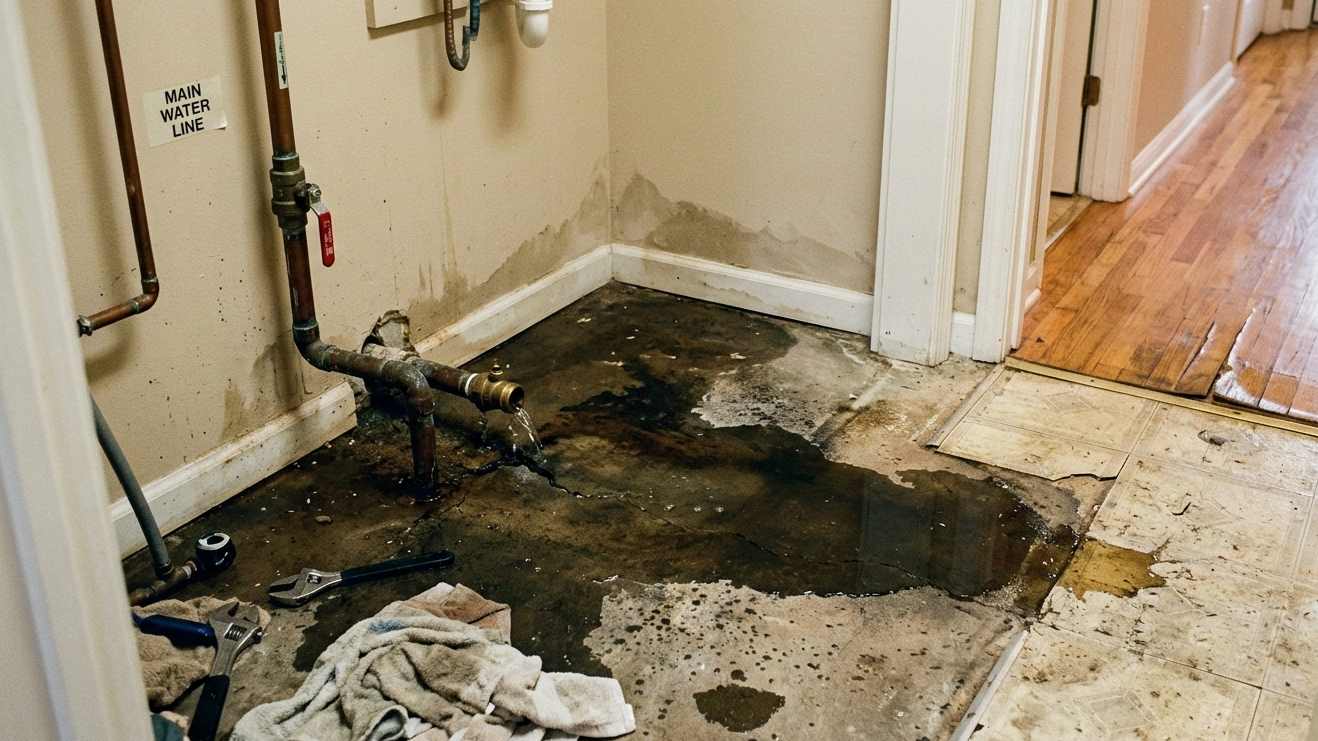
Related Blogs

image block

Sewer Leak or Clog: How to Tell the Difference

Slow drains. Bad smells. A wet spot in the yard that won’t go away. These signs can point to two very different problems. Sewer leak detection issues and a stubborn sewer clog can look almost identical from the outside. But they’re not the same thing at all. A clog is a blockage inside the pipe. […]

image block

What to Do After Water Damage from a Leak

You walk into a room, and there’s water on the floor. Or the ceiling is dripping. Your first reaction is panic – but what you do in the next few hours is what really matters. Water leak damage moves fast. It gets into walls, soaks into the ground, and spreads to places you can’t even […]

image block

Why Your Water Bill Suddenly Increased

You open the bill, look at the number, and something’s off. Last month was normal. This month it’s doubled. Nothing changed – or so you think. That kind of sudden water bill increase almost always has a cause, and finding it usually doesn’t take long once you know where to look. Some reasons are simple. […]

image block

Common Leak Sources in Las Vegas Homes

Desert homes have their own set of problems. The heat alone puts stress on plumbing that people in other climates never deal with. Add shifting soil and water so full of minerals it practically chews through pipe fittings, and you get a situation where a water leak Las Vegas homeowners find is rarely simple to […]

image block

Pre-Spring Plumbing Leak Checklist for Las Vegas

Spring is the right time for a full walk-through of your home’s plumbing. Las Vegas has its own set of conditions that make this worth doing every year. The temperature swings between cold nights and warm days put stress on pipe joints and seals. Months of dry weather mask slow leaks that have been building […]

image block

5 Signs You Have a Slab Leak in Your Las Vegas Home

A slab leak is one of the hardest plumbing problems to detect because it’s hidden. The pipes run under the concrete foundation, buried several inches down. By the time there’s visible damage, the leak has usually been going on for a while. Las Vegas homes are especially vulnerable. The “caliche” soil shifts as it dries […]

The moment you become aware of possible water leaks in your home determines how your response should proceed. A leak detection visit represents your primary protection against water-related destruction and mold formation and expensive utility expenses. Homeowners who fail to properly prepare their home before the inspection miss out on substantial benefits which enhance both the speed and accuracy of problem detection.

Homeowners who prepare their homes before the appointment will benefit from shorter disruptions while saving money on their repair costs. All homeowners who reside in Henderson’s historic houses, Summerlin’s modern condos and Paradise’s family properties should be prepared for technicians to arrive efficiently.

Our comprehensive guide explains the correct procedures for preparing before and during your leak detection visit as well as post-inspection procedures. The practical guide provides you with a plumber visit checklist together with guidance about maintaining unobstructed pipe access and explanations about our inspection process.

You need immediate professional assistance? Reach out to us at (702) 745-5571 to arrange an inspection appointment right now.


Table of Contents

  1. Why Preparing for a Leak Detection Visit Matters
  2. Step-by-Step Plumber Visit Checklist for Leak Detection
  3. Clearing Pipe Access: Why It’s Crucial
  4. What to Expect During a Leak Detection Visit
  5. Preparing Your Home’s Plumbing System Before the Visit
  6. Common Mistakes to Avoid Before a Leak Detection Visit
  7. After the Leak Detection Visit: Next Steps
  8. FAQ – Leak Detection Visit

Why Preparing for a Leak Detection Visit Matters

Many homeowners believe the technician will understand the situation without any preparation. A leak detection visit requires optimal home preparation to achieve accurate results because skilled plumbers need proper conditions to perform their work effectively.

When your home is ready:

  • Inspections are faster – Less time moving furniture or searching for access points.
  • Diagnostics are more accurate – We can test more areas without interruptions.
  • Costs can be lower – Reduced labor time means smaller invoices.

Medical check-ups become more productive when patients bring their health information and make necessary preparations before the examination. Plumbing is no different. The laundry room water damage at one Henderson client became evident before we finished our assessment. The client who followed our plumber visit checklist received a leak detection in fifteen minutes which prevented drywall destruction and reduced repair expenses by 20%.

Emergency Plumbing Boulder City, NV

Preparation helps decrease the chances of overlooking possible problems during inspections. Leaks remain silent because they hide behind walls and beneath floors and beneath landscaping. Clearing all pipe access points together with reducing avoidable interruptions enables the technician to discover all problem areas during their first visit.

We maintain a collaborative relationship with homeowners throughout every inspection we conduct. Our inspection process becomes more efficient while results become more reliable and peace of mind arrives sooner when homeowners prepare themselves for our visit.


Step-by-Step Plumber Visit Checklist for Leak Detection

Before your scheduled leak detection visit becomes simpler when you follow a basic plumber visit checklist. The preparation work creates an environment that enables your technician to execute their task efficiently and without causing extensive disturbance to your home.

Here’s what to do before your appointment:

1.Clear Pipe Access

Move any furniture, rugs, boxes, or appliances that might block plumbing fixtures. Make sure all spaces leading to sinks, washing machines and water heaters remain unobstructed. The inspection becomes faster and unnecessary heavy item movements can be avoided through this process.

2. Shut Off Unnecessary Water Usage

Pause dishwashers, washing machines, sprinklers, and other water-using appliances during the visit. This method enables our detection tools to identify only signals caused by leaks.

Water Damage Restoration Steps

3.Gather Leak-Related History

Note down any unusual water bill payments together with observed dampness and previous plumbing problems. A visual inspection becomes easier through the use of water damage pictures together with mold development images and wall discoloration photos.

4.Secure Pets

The presence of dogs and cats creates anxiety in these situations when strangers enter the home. The technicians require this secure area to conduct their work without disturbance.

5.Be Available to Answer Questions

A leak detection visit produces the best results when homeowners remain present to answer questions and grant access to restricted areas and verify needed tests.

The steps you follow enable the technician to devote more time toward detection accuracy instead of handling logistics. Our clients who follow this checklist typically see faster results and lower service costs.


Clearing Pipe Access: Why It’s Crucial

The success of a leak detection visit heavily depends on obtaining complete pipe accessibility across your entire house. Most leaks occur in areas that people normally do not check including bathroom vanity areas and fridge locations and laundry spaces and crawl space regions.

Inspection time becomes less effective when technicians need to move heavy items or dig through clutter. Hidden leaks may never be detected if technicians cannot access particular areas. The lack of access to pipes results in continued water damage alongside mold development which ultimately causes expensive future repairs.

Here’s how to ensure clear pipe access:

  • Under sinks: Remove cleaning supplies, trash bins, and storage boxes.
  • The washer and dryer need to be shifted approximately two inches away from the wall in the laundry area.
  • The front or sides of the water heater require storage items to be moved out of the way.
  • The technicians must have complete access to bathtub and shower plumbing panels found in bathroom areas.
  • It is important to inspect outdoor spaces as part of the preparation.
  • The access path to exterior water lines or meters becomes restricted by hoses and patio furniture and landscaping tools.
  • Your plumber receives assistance from the clear accessibility you provide to your home at the same time.

Our leak detection Las Vegas specialists gain superior tool effectiveness through fast and unblocked access that produces rapid results and accurate diagnostic outcomes.


What to Expect During a Leak Detection Visit

The information about the American leak detection visit process will provide you with better confidence and preparedness. We execute a method which combines exactness with home interruption minimization.

Here’s what typically happens:

1. Initial Conversation

The initial stage begins with a discussion about your problems and leak-related issues and specific locations that need attention. Your plumber visit checklist notes become beneficial during this time.

2. Visual Inspection

Our technicians begin by inspecting all visible plumbing fixtures and exposed pipes and conducting inspections in bathrooms and kitchens and basements.

Leak Detection Centennial Hills

3.Advanced Leak Detection Tools

We use non-invasive technologies such as:

  • The acoustic sensors perform an auditory function to detect escaping water.
  • Thermal imaging cameras identify temperature fluctuations from hidden leaks.

The moisture meters help detect wetness locations which exist behind walls or beneath the flooring.

4. System Testing

The pressure testing of water lines together with area isolation will be performed based on your home’s configuration to determine the leak source.

5. Detailed Report & Recommendations

After discovering the leak our team will explain all findings while presenting the most suitable repair solutions to you. The evaluation will reveal all aspects of the situation and both the origin and prevention methods for future occurrences.

The inspection process maintains thoroughness without causing significant home disruption. Home preparation typically prevents heavy demolition procedures during this process.


Preparing Your Home’s Plumbing System Before the Visit

The preparation for plumbing inspection demands both pipe access clearance and regular maintenance of plumbing systems.

Your system will benefit from two additional preparation steps which include:

Turn Off Unnecessary Water Usage

To enable leak detection equipment operation turn off all sprinklers and appliances such as washing machines and dishwashers.

Check Your Water Meter

The inspection technician can perform the job more efficiently if you record the water meter reading when he arrives at your location. The existence of leaks can be confirmed by observing any movement of the meter even though no water usage occurs.

Pause Irrigation Systems and Water Features

Acoustic sensors become unable to detect leak sounds when background noises from these systems are present. The plumber needs unobstructed access to shut-off valves for testing and line isolation purposes.

Make sure the main water shut-off valve remains accessible because hidden obstructions will delay testing operations.

These actions enable your leak detection visit to progress efficiently which reduces setup inspection time and maximizes leak detection time.


Common Mistakes to Avoid Before a Leak Detection Visit

Leak detection visit success becomes more complicated for homeowners who unintentionally create additional problems that require the inspection. The following mistakes should be avoided since they produce more efficient and accurate inspection results.

1. Not Providing Leak History

The best results from technicians depend on receiving complete information. Forgetting to inform the technician about previous plumbing problems and water damage issues can extend the detection process.

2. Blocking Access Points

Plumbing fixtures need to be accessible because storage bins, heavy furniture and cleaning supplies placed in front of them create barriers. The importance of completing the plumber visit checklist and providing unrestricted pipe access stands as the primary reason.

3. Scheduling During Busy Household Times

The detection tools will detect extraneous water movement when household members take showers or perform cooking duties or operate washing machines which extends the inspection time.

Leak Detection Southern Highlands

4. Not Being Available

A leak detection process needs the homeowner to be present because technicians must reschedule their tests or make unproven assumptions which results in suboptimal results.

5.Ignoring Small Signs

You should handle leak detection before damage appears or becomes severe. Early detection enables cost reduction and minimizes stressful situations.

The technician will achieve the best results in leak detection when you avoid these common mistakes during the initial visit.


After the Leak Detection Visit: Next Steps

After your leak detection visit finishes the inspector will present a detailed document with photos alongside test outcomes and suggested maintenance work. This is how to extract the most from this collected data.

Review the Report Carefully

Verify your understanding of both leak position and detection urgency and its root cause.

Ask Questions

The detection of uncertainty requires communication from the user. The Leak Experts USA staff provides detailed information about inspection results in easy-to-understand terms.

Act Quickly on Repairs

The delay in performing repairs leads to increased water damage as well as mold growth while raising total expenses.

leak detection checkup

Schedule future inspections to monitor your system’s condition.

Regular assessments of homes with multiple aged plumbing systems help stop unexpected crises from occurring.

The implementation of preventive measures should be considered.

Water pressure management alongside fixture replacement and moisture alarm installation provide proactive solutions that protect you from upcoming problems.

The clearwater water leak detection Las Vegas experts at our company assist clients in fixing identified problems as well as implementing solutions to stop future occurrences. Your property value and emotional well-being receive protection when you respond quickly to the inspection results.


FAQ – Leak Detection Visit

1. How long does a leak detection visit take?

The duration of a leak detection visit spans from 1 to 3 hours depending on property dimensions and problem complexity. The detection of serious leaks that exist beneath concrete slabs or within wall spaces demands more time for location.

2. What tools are used during a leak detection visit?

The plumbing field incorporates sophisticated technology through acoustic listening devices together with thermal imaging cameras and moisture meters as well as tracer gas applications in specific situations. These tools enable exactdetection while preserving walls and floors from unnecessary damage.

3. Is a leak detection visit worth the cost?

The cost of leak detection will save you thousands by discovering problems at an early stage. The early discovery of small leaks helps protect your property and prevents expensive emergency situations even if the leak appears minor.

4. A leak detection visit will it provide immediate solutions to my leak problem?

Yes. The plumber can perform leak repairs immediately if they possess all required tools and replacement parts available on the site. The repair of significant problems like pipe replacements or slab leaks often requires additional visits after the initial assessment.

5. When should I plan my scheduled leak detection visit?

You should book an emergency leak detection visit if you believe there is a leak in your system. A yearly inspection serves as an excellent preventive measure for both older homes and properties which have experienced leaks in the past.


Don’t wait for a leak to drain your wallet!

You should book a professional leak detection service immediately when you detect unusual water bills or notice damp spots or experience low water pressure because it will safeguard your property and give you peace of mind. Our Las Vegas plumbing experts employ state-of-the-art equipment to detect and solve leaks efficiently with minimal disturbance to your home.

Our professionals helped thousands of clients so hurry up and call us at (702) 745-5571 or schedule your visit online today. Early detection leads to reduced damage and lower costs and a healthier plumbing system. Follow us on Instagram for regular updates!
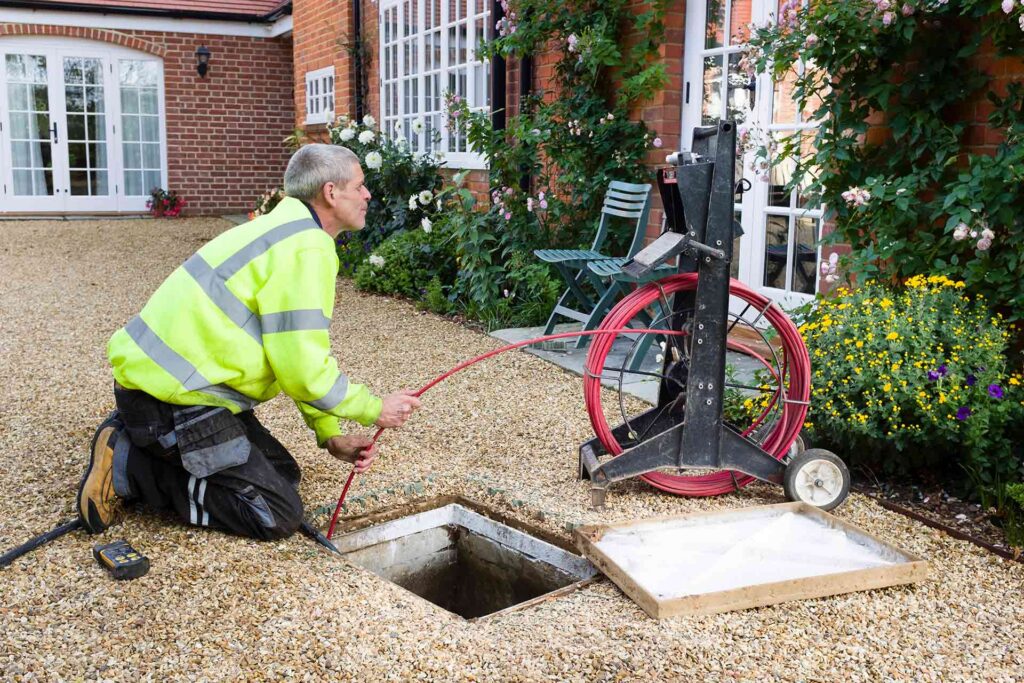
Related Blogs

image block

Sewer Leak or Clog: How to Tell the Difference

Slow drains. Bad smells. A wet spot in the yard that won’t go away. These signs can point to two very different problems. Sewer leak detection issues and a stubborn sewer clog can look almost identical from the outside. But they’re not the same thing at all. A clog is a blockage inside the pipe. […]

image block

What to Do After Water Damage from a Leak

You walk into a room, and there’s water on the floor. Or the ceiling is dripping. Your first reaction is panic – but what you do in the next few hours is what really matters. Water leak damage moves fast. It gets into walls, soaks into the ground, and spreads to places you can’t even […]

image block

Why Your Water Bill Suddenly Increased

You open the bill, look at the number, and something’s off. Last month was normal. This month it’s doubled. Nothing changed – or so you think. That kind of sudden water bill increase almost always has a cause, and finding it usually doesn’t take long once you know where to look. Some reasons are simple. […]

image block

Common Leak Sources in Las Vegas Homes

Desert homes have their own set of problems. The heat alone puts stress on plumbing that people in other climates never deal with. Add shifting soil and water so full of minerals it practically chews through pipe fittings, and you get a situation where a water leak Las Vegas homeowners find is rarely simple to […]

image block

Pre-Spring Plumbing Leak Checklist for Las Vegas

Spring is the right time for a full walk-through of your home’s plumbing. Las Vegas has its own set of conditions that make this worth doing every year. The temperature swings between cold nights and warm days put stress on pipe joints and seals. Months of dry weather mask slow leaks that have been building […]

image block

5 Signs You Have a Slab Leak in Your Las Vegas Home

A slab leak is one of the hardest plumbing problems to detect because it’s hidden. The pipes run under the concrete foundation, buried several inches down. By the time there’s visible damage, the leak has usually been going on for a while. Las Vegas homes are especially vulnerable. The “caliche” soil shifts as it dries […]

An underground pipe leak is one of the most frustrating and costly plumbing problems a homeowner can face. Unlike a dripping faucet or a burst pipe under the sink, this type of leak happens out of sight—beneath your lawn, driveway, or foundation—making it difficult to detect until the damage is already significant.

Left unresolved, these leaks can cause soil erosion, foundation issues, mold growth, and skyrocketing water bills. The good news is that most underground leaks occur in predictable locations, and knowing where to look can save you time, money, and stress.

At Leak Experts USA, we’ve spent years helping homeowners identify and repair hidden leaks with precision and minimal disruption. In this blog, we’ll explore where underground pipe leaks most often happen, what causes them, and how to spot the early warning signs before it’s too late.

📞 If you suspect you might have a leak, call (702) 745-5571 today for a same-day inspection and expert advice.


Table of Contents

  1. Why Underground Pipe Leaks Are a Serious Concern
  2. Common Locations for Underground Pipe Leaks
  3. Causes of Underground Pipe Leaks
  4. How to Spot an Underground Pipe Leak Early
  5. Repair & Prevention Options
  6. Why Professional Detection Matters
  7. Signs You May Have an Underground Pipe Leak
  8. Why Homeowners Choose Leak Experts USA
  9. Preventing Future Underground Pipe Leaks
  10. FAQs About Underground Pipe Leaks

Why Underground Pipe Leaks Are a Serious Concern

Not all plumbing problems are created equal. While a visible leak is inconvenient, it’s often easy to spot and repair quickly. An underground pipe leak, however, can go unnoticed for weeks—or even months—before showing clear signs.

Here’s why that’s a serious issue:

  • Structural Risks – Continuous water seepage can weaken your home’s foundation and cause cracks in walls or flooring.
  • Landscape Damage – Lawns, trees, and plants can be overwatered in one area while other areas dry out.
  • Health Hazards – Standing water can lead to mold growth, mosquito breeding, and bacteria contamination.
  • High Utility Bills – Even a small underground leak can waste hundreds of gallons of water each month, sending your bill through the roof.

And unlike above-ground leaks, underground issues often require specialized equipment to detect. This is where choosing a trusted pipe repair service makes all the difference. We use non-invasive methods that locate leaks with pinpoint accuracy—without tearing up your entire yard.


Common Locations for Underground Pipe Leaks

While underground leaks can happen anywhere there’s a water line, certain areas are more vulnerable.

A. Under the Yard

One of the most common spots for yard leaks is in the main water line running from the street to your home. Over time, this pipe can be damaged by:

  • Tree root intrusion seeking moisture.
  • Shifting soil from seasonal changes or construction work.
  • Corrosion in older metal pipes.

Signs of trouble include unusually lush patches of grass, soggy spots after dry weather, or visible water pooling. If your yard remains damp long after the rain stops, it’s time to call a professional.

B. Beneath the Driveway

Another hotspot is beneath paved surfaces—especially in homes with concrete or asphalt driveways. Driveway leaks often occur due to:

  • Heavy vehicle weight causing pipe stress.
  • Soil erosion underneath the pavement.
  • Poorly installed lines during original construction.

Because the water can’t easily escape through the solid surface, you might see cracks, stains, or sections of the driveway sinking. A small leak here can quickly worsen if ignored.

C. Near the Foundation

Pipes running close to your home’s foundation are at risk from soil movement, corrosion, or freeze-thaw cycles. Leaks in this area can be particularly dangerous, as they may undermine the stability of your home over time.

D. Under Patios or Walkways

Many outdoor living spaces are built over utility lines. A leak under a patio or walkway may cause the surface to shift, crack, or become uneven. These are often overlooked because the symptoms are subtle in the early stages.

E. In Irrigation Lines

Irrigation systems are another common source of underground water waste. Damage from lawn equipment, root growth, or seasonal changes can lead to leaks that waste hundreds of gallons weekly—without affecting your home’s plumbing performance enough to draw attention.


Causes of Underground Pipe Leaks

Knowing what causes an underground pipe leak can help you take steps to prevent it in the future. While some causes are unavoidable due to age or environmental factors, others can be minimized with proper installation and maintenance.

Common causes include:

  • Corrosion – Older metal pipes, especially galvanized steel or copper, can corrode over time, eventually leading to leaks. Soil acidity and mineral-heavy water can speed up this process.
  • Soil Movement – Changes in soil density and composition, such as swelling and shrinking from moisture, can put pressure on buried pipes until they crack or separate at joints.
  • Freezing and Thawing Cycles – While less common in Southern Nevada, unusually cold winters can cause water in underground pipes to freeze, expand, and rupture the line.
  • Poor Installation – Using low-quality materials, improper bedding, or incorrect pipe sizing can shorten the lifespan of a water line dramatically.
  • Tree Roots – Root systems actively search for moisture and can break into pipes through small cracks, widening them over time and causing significant leaks.

How to Spot an Underground Pipe Leak Early

One of the most challenging aspects of dealing with an underground pipe leak is detecting it early. The faster you identify a problem, the less damage it will cause—and the cheaper it will be to fix.

Look for these signs:

  • Wet or muddy spots in the yard – Even when there hasn’t been recent rain. This is one of the clearest signs of yard leaks.
  • Sudden drop in water pressure – A break in your main line will reduce flow to your fixtures.
  • Unexpected water bill spikes – A leak running 24/7 can add up to hundreds of dollars quickly.
  • Sound of running water – If you can hear water flowing when all taps are off, it’s a red flag.
  • Driveway damage – Cracks, sinking spots, or discoloration could indicate driveway leaks.

We use advanced leak inspection tools—such as acoustic sensors, thermal imaging, and tracer gas systems—to locate leaks without unnecessary digging. Our non-invasive approach ensures we solve the problem efficiently and with minimal disruption.


Repair & Prevention Options

Once an underground pipe leak is confirmed, the next step is choosing the best repair method. The right approach depends on the pipe’s condition, location, and the extent of the damage.

Repair methods include:

  • Trenchless Pipe Repair – This modern technique allows us to repair or replace pipes without digging large trenches. Methods like pipe bursting or cured-in-place pipe lining can restore your water line with minimal property disruption.
  • Spot Repairs – If the leak is confined to one area, we can replace just that section of pipe.
  • Full Replacement – For severely damaged or old systems, a complete replacement may be more cost-effective in the long run. This is where a repipe Las Vegas service is often recommended to avoid future breakdowns.

Prevention tips:

  • Schedule annual plumbing inspections, especially for older homes.
  • Monitor water bills for unexplained increases.
  • Install root barriers near large trees.
  • Keep heavy vehicles off areas where water lines run under driveways or yards.

Our pipe repair service not only fixes the immediate leak but also addresses the root cause to help prevent future problems.


Why Professional Detection Matters

While some homeowners try to locate an underground pipe leak themselves, the reality is that DIY detection often leads to guesswork, unnecessary digging, and higher repair costs in the long run.

Here’s why professional help matters:

  • Accuracy – Experts use specialized tools to pinpoint the leak’s exact location.
  • Less Property Damage – Non-invasive techniques protect landscaping, driveways, and patios.
  • Time Savings – Skilled technicians can find and repair the problem much faster than trial-and-error digging.
  • Long-Term Solutions – Professionals don’t just patch leaks—they fix the underlying cause to prevent repeat issues.

Our process combines advanced technology with years of local experience. Whether it’s yard leaks, driveway leaks, or irrigation line breaks, we can diagnose and repair it without tearing up your entire property.

Slab Leak Repair Paradise
Where Underground Pipe Leaks Commonly Occur 14

Signs You May Have an Underground Pipe Leak

Catching an underground water leaks pipe leak early can save you significant repair costs and prevent serious property damage. One of the first signs is a sudden drop in water pressure without any visible reason. You might also notice wet, muddy patches in your lawn even during dry weather—these “yard leaks” are often a clear indicator of a hidden problem.

In driveways, leaks can cause cracks or potholes to form as water erodes the soil beneath. Unexplained spikes in your water bill are another red flag, especially if your usage habits haven’t changed. Indoors, you may hear running water when no taps are on, or experience musty odors caused by moisture buildup.

If you spot one or more of these signs, it’s best to contact a professional pipe repair service immediately. Prompt action can minimize damage, protect your foundation, and keep repair costs manageable.


Why Homeowners Choose Leak Experts USA

Homeowners across the region trust us for one reason: we deliver results with minimal disruption.

Here’s what sets us apart:

  • Local Knowledge – We understand the soil conditions, water pressure issues, and climate factors unique to this area.
  • Licensed & Insured – Full protection and peace of mind for every project.
  • Emergency Availability – Same-day service for urgent leaks.
  • Comprehensive Services – From small leak repairs to complete repipe Las Vegas projects, we do it all.
  • Transparent Pricing – No hidden fees—ever.

📞 Don’t wait until a small underground leak turns into a major repair bill—call (702) 745-5571 today to schedule your inspection.


Preventing Future Underground Pipe Leaks

While repairs are essential when a problem arises, prevention is the best way to avoid costly damage and disruptions. Start by monitoring your water bill each month—unexpected spikes can indicate a hidden underground pipe leak. Visually inspect your yard and driveway for unusual damp spots, sinkholes, or cracks, which may signal leaking pipes below the surface.

Tree roots are another common culprit. If you have large, mature trees near water or sewer lines, consider installing root barriers or consulting with an arborist to prevent intrusion. For older properties, proactive upgrades—such as replacing outdated galvanized or clay pipes with more durable materials—can drastically reduce leak risks.

Finally, schedule regular professional inspections. A qualified plumber can use advanced tools like leak inspection equipment and video pipe cameras to spot issues early, before they escalate. A little preventative maintenance today can protect your property, save thousands in future repairs, and give you peace of mind.


FAQs About Underground Pipe Leaks

Q1: How much does it cost to repair an underground pipe leak?

The cost depends on factors like the leak’s location, severity, and the chosen repair method. Traditional excavation can be more expensive due to restoration needs, while trenchless repair methods—though sometimes higher in upfront cost—often save money in the long run by avoiding major landscaping or driveway repairs.

Q2: Will homeowners insurance cover the damage?

Coverage varies between policies. Many insurers will cover sudden, accidental leaks, including the resulting water damage. However, gradual deterioration, corrosion, or poor maintenance is often excluded. It’s best to review your policy and confirm specifics with your provider before scheduling repairs.

Q3: How long does a pipe repair service take?

The duration depends on the scope of work. Minor spot repairs may be completed within a few hours, while more extensive replacements or trenchless rehabilitations may take one to two days. Accessibility and the condition of surrounding infrastructure also play a role in timing.

Q4: Can underground leaks cause health problems?

Yes. Standing water from a hidden leak can promote mold growth and encourage bacterial contamination. This can degrade indoor air quality, potentially triggering allergies, respiratory irritation, or other health issues—especially in sensitive individuals.

Q5: How often should I check for leaks?

For prevention, schedule a yearly rooter plumbing inspection, especially for older homes or properties with large, mature trees nearby. Root intrusion is a common cause of underground leaks, and early detection can prevent costly repairs and property damage.


Protect Your Property from Hidden Damage

Underground plumbing issues don’t have to be a nightmare. By knowing the most common leak locations—such as under yards, driveways, and near foundations—you can stay alert for early warning signs of an underground water and take quick action.

If you suspect an underground pipe leak, don’t delay. A small crack today can lead to major damage tomorrow. With professional detection and repair, you can protect your property, save money, and maintain peace of mind.

At Leak Experts USA, we provide:

✅ Expert leak detection and repair

✅ Friendly, professional service

✅ Long-term plumbing solutions tailored to your home’s needs

📞 Call (702) 745-5571 today or book online to schedule your inspection. Protect your property—the smart way. Follow us on Instagram for regular updates!

Related Blogs

image block

Sewer Leak or Clog: How to Tell the Difference

Slow drains. Bad smells. A wet spot in the yard that won’t go away. These signs can point to two very different problems. Sewer leak detection issues and a stubborn sewer clog can look almost identical from the outside. But they’re not the same thing at all. A clog is a blockage inside the pipe. […]

image block

What to Do After Water Damage from a Leak

You walk into a room, and there’s water on the floor. Or the ceiling is dripping. Your first reaction is panic – but what you do in the next few hours is what really matters. Water leak damage moves fast. It gets into walls, soaks into the ground, and spreads to places you can’t even […]

image block

Why Your Water Bill Suddenly Increased

You open the bill, look at the number, and something’s off. Last month was normal. This month it’s doubled. Nothing changed – or so you think. That kind of sudden water bill increase almost always has a cause, and finding it usually doesn’t take long once you know where to look. Some reasons are simple. […]

image block

Common Leak Sources in Las Vegas Homes

Desert homes have their own set of problems. The heat alone puts stress on plumbing that people in other climates never deal with. Add shifting soil and water so full of minerals it practically chews through pipe fittings, and you get a situation where a water leak Las Vegas homeowners find is rarely simple to […]

image block

Pre-Spring Plumbing Leak Checklist for Las Vegas

Spring is the right time for a full walk-through of your home’s plumbing. Las Vegas has its own set of conditions that make this worth doing every year. The temperature swings between cold nights and warm days put stress on pipe joints and seals. Months of dry weather mask slow leaks that have been building […]

image block

5 Signs You Have a Slab Leak in Your Las Vegas Home

A slab leak is one of the hardest plumbing problems to detect because it’s hidden. The pipes run under the concrete foundation, buried several inches down. By the time there’s visible damage, the leak has usually been going on for a while. Las Vegas homes are especially vulnerable. The “caliche” soil shifts as it dries […]

Imagine waking up to find your hardwood floors warped, your carpet damp, and a faint musty smell in the air. You call a plumber, only to discover that water has been quietly leaking beneath your home’s concrete foundation for months. By the time you notice, the repairs cost thousands, and your home’s stability is at risk.

This is the reality for many homeowners who underestimate slab leak risks. Hidden leaks under your home’s foundation can cause significant damage if left unaddressed, from weakening the very structure of your property to creating dangerous health hazards.

Soil movement, older plumbing, and water quality issues mean that these leaks can strike without warning. At Leak Experts USA, we’ve seen firsthand how quickly a small leak can turn into a full-blown disaster—and how early detection can save you from stress and costly repairs.


Table of Contents

  1. Understanding Slab Leaks: What’s Happening Under Your Home
  2. The Top Slab Leak Risks You Should Never Ignore
  3. Early Warning Signs That You Might Have a Slab Leak
  4. How Professionals Detect Slab Leaks
  5. Repair Options for Slab Leaks
  6. Preventing Future Slab Leak Risks
  7. Why Las Vegas Homeowners Trust Leak Experts USA
  8. FAQs About Slab Leak Risks

Understanding Slab Leaks: What’s Happening Under Your Home

Before we explore the dangers, it’s important to understand what a slab leak actually is.

A slab leak occurs when a water pipe running beneath your home’s concrete slab develops a crack, hole, or loose joint. Over time, this allows water to seep into the foundation and surrounding soil.

In many cases, slab leaks are the result of:

  • Corrosion from minerals in the water.
  • Abrasion as pipes rub against the concrete during temperature changes.
  • Poor installation in older or rushed builds.
  • Soil movement that stresses and shifts plumbing lines.

When left undetected, a slab leak often leads to a foundation leak, where water begins to affect the structural integrity of the concrete base itself.

Older homes, especially those built before modern plumbing standards, are more vulnerable—but newer homes aren’t immune. In fact, in areas with hard water or shifting soil, slab leaks can occur in just a few years after construction.


The Top Slab Leak Risks You Should Never Ignore

Risk #1 – Severe Structural Damage

One of the most alarming slab leak risks is the potential for structural damage to your home. Over time, water saturates the soil beneath the foundation, causing it to expand and contract. This movement can crack the concrete, misalign support beams, and even cause parts of your home to sink.

Signs of structural problems via slab leak includes:

  • Cracks in walls or ceilings.
  • Doors and windows that suddenly stick.
  • Sloped or uneven flooring.

Once the foundation is compromised, repairs become complicated and expensive. What could have been a relatively simple pipe repair may evolve into a major reconstruction project.

Slab Leak Signs

Risk #2 – Costly Repairs and Home Value Loss

Ignoring slab leaks doesn’t just damage your home—it also impacts your financial investment. The longer water is left to pool beneath your foundation, the more extensive the repairs will be.

A small leak fixed early may cost a few hundred dollars. But if the leak causes a foundation leak that compromises your home’s structure, you could be looking at repairs in the tens of thousands.

Additionally, homes with known slab leak history can suffer a drop in resale value, especially if the damage wasn’t professionally repaired and documented.

Risk #3 – Mold Spread and Indoor Health Hazards

Moisture trapped under floors and in walls is the perfect breeding ground for mold. Once it starts to grow, mold can quickly spread to other areas of your home—often undetected.

The mold spread caused by slab leaks can:

  • Trigger allergies and asthma.
  • Cause chronic respiratory issues.
  • Produce unpleasant odors that are difficult to eliminate.

For families with children, elderly members, or anyone with a weakened immune system, mold exposure can be a serious health threat.

Risk #4 – Damage to Flooring and Interior Spaces

Another overlooked consequence of slab leaks is the damage to your home’s interior. Hardwood floors can warp and buckle, tiles can loosen, and carpets can develop stains and mildew.

In some cases, the water will seep upward into walls, damaging insulation and drywall. This not only affects your home’s appearance but also adds to repair costs.

Risk #5 – Skyrocketing Water Bills

One of the earliest red flags of a slab leak is an unexplained increase in your water bill. Even a small leak can waste hundreds of gallons of water per month, which adds up quickly.

While a high water bill alone doesn’t confirm a slab leak, it’s a strong indicator—especially if combined with other warning signs of a slab leak like warm floor spots or reduced water pressure.


Early Warning Signs That You Might Have Slab Leak

Catching a slab leak early is the best way to avoid the dangers we just discussed. Here are some common signs that may indicate you’re facing slab leak risks:

  • Unexplained dampness on floors or carpets.
  • Hot spots on the floor where hot water pipes have leaked.
  • The sound of running water when all taps are off.
  • Sudden drop in water pressure.
  • Cracks appearing in walls or flooring without a clear cause.
  • Musty odors that don’t go away with cleaning.

If you notice any combination of these symptoms, it’s important to act immediately. Professional inspection can confirm whether a slab leak is the culprit, allowing you to stop the damage before it escalates.


How Professionals Detect Slab Leaks

Slab leaks are notoriously hard to find without the right equipment. Unlike a leaky faucet or a burst pipe, the problem is hidden deep under your home’s concrete base. That’s why calling a licensed plumber with advanced diagnostic tools is essential.

We use a combination of methods for accurate detection:

  1. Electronic Listening Devices
    • These allow us to hear water movement through pipes under concrete, even when the leak is small.
  2. Tracer Gas Testing
    • A safe, odorless gas is introduced into your water line, and special sensors detect where it’s escaping. This is especially effective for pinpointing hidden foundation leak locations.
  3. Thermal Imaging Cameras
    • These detect subtle temperature changes in floors and walls caused by water leaks, revealing hidden hot or cold spots.
  4. Moisture Meters
    • Used to measure water levels in flooring and walls, identifying areas with excess moisture that could lead to mold spread.

By combining these methods, we can locate the exact point of a leak without unnecessary drilling or breaking through concrete. If you’re in need of slab leak detection Las Vegas, our team can provide same-day inspections and accurate results.


Repair Options for Slab Leaks

Once the problem is found, the next step is repair. The right method depends on the leak’s size, location, and your home’s overall plumbing condition.

1. Spot Repair

  • Ideal for small, isolated leaks in newer plumbing systems.
  • The damaged section of pipe is accessed through the slab, repaired or replaced, and the concrete is restored.
  • Least disruptive and most affordable option for minor leaks.

2. Pipe Rerouting

  • Suitable when the leaking pipe is hard to access or there are multiple leaks in the same area.
  • A new pipe is installed above the slab, bypassing the damaged section.
  • Minimizes risk of further slab leak risks in that area.

3. Full Re-Piping

  • Best for older plumbing systems where corrosion or wear is widespread.
  • Involves replacing most or all water lines, significantly reducing the risk of future foundation leak issues.
  • Although more costly upfront, it’s the most reliable long-term solution.

Preventing Future Slab Leak Risks

While not all slab leaks are avoidable, there are steps you can take to minimize your chances of facing this problem again:

  1. Schedule Annual Plumbing Inspections
    • Have a professional check your water pressure, pipe condition, and potential corrosion points.
  2. Monitor Your Water Bills
    • A sudden spike could mean water is leaking somewhere you can’t see.
  3. Soften Hard Water
    • Hard water in Nevada can accelerate pipe corrosion. A water softener can extend your plumbing’s lifespan.
  4. Avoid Harsh Chemicals
    • Chemical drain cleaners can eat away at pipe linings, increasing the risk of leaks.
  5. Address Small Issues Immediately
    • Low water pressure, odd noises, or damp spots should be checked right away before they turn into bigger problems.

Taking preventative steps now can save you from the costly consequences of ignoring slab leaks risk later.


Why Las Vegas Homeowners Trust Leak Experts USA

When it comes to something as serious as a slab leak, you need a company that combines expertise, technology, and genuine care for your home.

Here’s why homeowners in Henderson, Summerlin, North Las Vegas, and Paradise choose us:

  • Specialized Slab Leak Detection – Using industry-leading technology to find leaks fast and accurately.
  • Honest, Transparent Pricing – No hidden fees; you’ll know exactly what to expect before work begins.
  • Decades of Experience – Our team has repaired thousands of leaks, from minor drips to major structural damage threats.
  • Same-Day Service – In emergencies, we can be there the same day to stop water damage in its tracks.
  • Customer Satisfaction Guarantee – We stand behind our work with warranties and ongoing support.

📞 Call (702) 745-5571 today to schedule your inspection.


FAQs About Slab Leak Risks

1. How quickly can a slab leak cause structural damage?

The timeline depends on the severity of the leak. A major slab leak can start weakening the structure within just a few weeks. Smaller leaks may take months to produce visible signs like cracks or warping. However, hidden deterioration, such as the erosion of soil beneath the foundation, can begin immediately, putting the entire structure at risk over time.


2. Can a slab leak lead to a foundation leak?

Absolutely. When water penetrates the concrete base of a property, it can cause the foundation to weaken, leading to a foundation leak. This compromises both strength and stability, potentially resulting in uneven floors, wall cracks, or even partial foundation collapse if left untreated.


3. Does homeowner’s insurance cover slab leak repairs?

Coverage depends entirely on the specific policy. Many policies cover the cost of locating and accessing the leak but may exclude the actual pipe repair or water damage restoration. Since every insurer has different terms, it’s crucial to review your policy carefully and confirm what’s included before you face an emergency.


4. What’s the fastest way to detect a slab leak?

The most reliable and quickest method is a professional inspection using advanced tools such as electronic listening devices and tracer gas testing. These methods pinpoint the leak’s location without unnecessary digging, saving time, money, and property damage.


5. How much does slab leak repair cost in Las Vegas?

Repair costs vary widely depending on the leak’s location, severity, and chosen repair method. In Las Vegas, early slab leak detection can help you avoid expensive consequences like mold spread, flooring replacement, or major structural repairs—potentially saving thousands of dollars in the long run.


Your Next Step Toward a Leak-Free Home

Slab leak risks are nothing to ignore. From structural damage to mold spread, the consequences can be devastating—not just to your home but to your health and finances as well.

The good news? With early detection, the right repair method, and preventative maintenance, you can protect your home and avoid costly surprises.

We’re committed to safeguarding homes across the Las Vegas area with our advanced leak inspection services, skilled repair team, and dedication to customer satisfaction.

📞 Call (702) 745-5571 or book your inspection online today. Don’t wait until it’s too late—let us help you stop slab leaks before they cause lasting damage. Follow us on Instagram for regular updates!
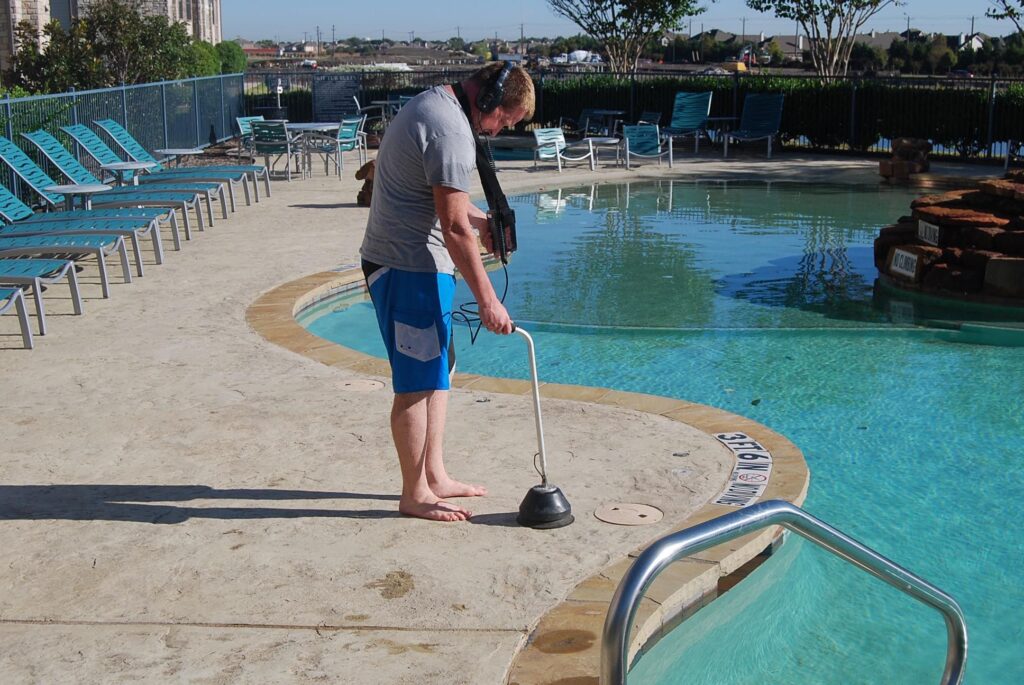
Related Blogs

image block

Sewer Leak or Clog: How to Tell the Difference

Slow drains. Bad smells. A wet spot in the yard that won’t go away. These signs can point to two very different problems. Sewer leak detection issues and a stubborn sewer clog can look almost identical from the outside. But they’re not the same thing at all. A clog is a blockage inside the pipe. […]

image block

What to Do After Water Damage from a Leak

You walk into a room, and there’s water on the floor. Or the ceiling is dripping. Your first reaction is panic – but what you do in the next few hours is what really matters. Water leak damage moves fast. It gets into walls, soaks into the ground, and spreads to places you can’t even […]

image block

Why Your Water Bill Suddenly Increased

You open the bill, look at the number, and something’s off. Last month was normal. This month it’s doubled. Nothing changed – or so you think. That kind of sudden water bill increase almost always has a cause, and finding it usually doesn’t take long once you know where to look. Some reasons are simple. […]

image block

Common Leak Sources in Las Vegas Homes

Desert homes have their own set of problems. The heat alone puts stress on plumbing that people in other climates never deal with. Add shifting soil and water so full of minerals it practically chews through pipe fittings, and you get a situation where a water leak Las Vegas homeowners find is rarely simple to […]

image block

Pre-Spring Plumbing Leak Checklist for Las Vegas

Spring is the right time for a full walk-through of your home’s plumbing. Las Vegas has its own set of conditions that make this worth doing every year. The temperature swings between cold nights and warm days put stress on pipe joints and seals. Months of dry weather mask slow leaks that have been building […]

image block

5 Signs You Have a Slab Leak in Your Las Vegas Home

A slab leak is one of the hardest plumbing problems to detect because it’s hidden. The pipes run under the concrete foundation, buried several inches down. By the time there’s visible damage, the leak has usually been going on for a while. Las Vegas homes are especially vulnerable. The “caliche” soil shifts as it dries […]

Imagine this: you notice your water bill has jumped, but there’s no visible puddle, no dripping faucet, no clue where the leak is hiding. You call a plumber, and they start poking holes in your walls or tearing up your floor — only to discover the leak was in a completely different spot. Not only is this frustrating, but it can also cost you thousands in unnecessary repairs.

That’s why accuracy matters when it comes to acoustical leak detection. The right method can mean the difference between a quick fix and a costly, drawn-out headache.

Two common methods for locating leaks are dye tests and tracer gas testing. While dye tests have been around for decades, technology has moved forward — and tracer gas testing is quickly becoming the gold standard for accuracy and efficiency.

We’ve seen firsthand how much time and money homeowners can save with the right approach. Whether you’re in Henderson, Summerlin, North Las Vegas, or Paradise, we make sure leaks are found without the guesswork.

📞 If you want answers now, call (702) 745-5571 and speak with a certified leak inspection specialist today.


Table of Contents

  1. Understanding Tracer Gas Testing
  2. How Dye Tests Work – and Their Limitations
  3. Tracer Gas Testing vs Dye Tests – A Direct Comparison
  4. Why Accuracy Matters – The Cost of a Misdiagnosed Leak
  5. The Technology Behind Advanced Leak Testing
  6. Benefits of Tracer Gas Testing for Homeowners
  7. Real-World Example: How Leak Experts USA Solved a Hidden Leak
  8. When to Choose Tracer Gas Testing Over Dye Tests
  9. Cost Considerations and Value for Money
  10. FAQs about Tracer Gas Testing

Understanding Tracer Gas Testing

Tracer gas testing is a highly accurate inspection method that uses a safe, non-toxic gas — usually leak detection with helium or hydrogen — to pinpoint the exact location of leaks in plumbing systems, heating systems, or even underground pipelines.

Here’s how it works:

  1. The plumbing system is drained or isolated.
  2. A small, carefully measured amount of tracer gas is introduced into the pipe.
  3. Using sensitive detectors, technicians monitor where the gas escapes — this is the leak’s exact location.

One of the most advanced versions of this is helium detection, which can find leaks so small they might be completely invisible to the naked eye. Helium is ideal because it’s a very light gas, allowing it to travel quickly through even the tiniest openings.

Unlike visual inspection methods, tracer gas doesn’t rely on staining, color change, or human guesswork. It’s all about pinpoint accuracy, which makes it perfect for leaks hidden behind walls, under concrete, or in underground lines.

Why homeowners love it:

  • No unnecessary wall demolition.
  • Fast results, often in under an hour.
  • Safe for drinking water systems.
Tracer Gas Leak Detection Paradise | tracer gas testing

How Dye Tests Work – and Their Limitations

Dye testing has been a go-to method for detecting certain leaks, particularly in pools and toilets. The process is simple:

  1. Colored dye (usually red or blue) is added to the suspected leak area.
  2. The technician waits to see if the color appears in a different area — indicating the leak’s path.

While dye tests can be useful in some scenarios, they have major limitations when compared to tracer gas:

  • Slower detection: You have to wait for the dye to visibly move.
  • Messy results: The dye can stain surfaces or require clean-up.
  • Limited reach: Dye only works if water is actively moving through the leak path.
  • No precision: It might show the general leak area but not the exact point.

For example, if you have a slab leak under your kitchen floor, a dye test might indicate water loss, but it won’t tell you which exact tile to lift. In contrast, tracer gas can pinpoint the leak to a single square foot.


Tracer Gas Testing vs Dye Tests – A Direct Comparison

When it comes to speed, accuracy, and long-term value, tracer gas testing consistently outperforms dye tests.

FeatureTracer Gas TestingDye Tests
Detection SpeedMinutesHours or more
AccuracyPinpoint accuracy (within inches)General area only
Hidden LeaksDetectableOften missed
Mess or StainingNonePossible staining
Environmental Safety100% safeSafe, but can leave residue
Best ForPipes, slabs, underground leaksPools, toilets, simple leaks

With tracer gas, you’re not relying on gravity or flow to move the dye — the gas moves independently and escapes at the exact leak point, making it ideal for advanced leak testing in complex plumbing systems.


Why Accuracy Matters – The Cost of a Misdiagnosed Leak

Finding a leak isn’t just about spotting water — it’s about knowing exactly where the problem lies. Inaccurate detection can lead to:

  • Unnecessary demolition: Knocking down walls or pulling up flooring in the wrong area.
  • Wasted labor costs: Multiple visits from plumbers without solving the problem.
  • Ongoing water damage: If the leak isn’t fixed quickly, mold and structural damage can develop.

For example, we’ve seen cases where a homeowner thought the leak was near the bathroom because of damp floor tiles. A traditional dye test suggested the same — but when we used tracer gas testing, the real problem turned out to be a small crack in a pipe under the laundry room. That’s nearly 15 feet away from where the dye indicated the issue.

This is where advanced leak testing truly shines. By using scientific methods instead of guesswork, you save money, protect your property, and get the repair right the first time.


The Technology Behind Advanced Leak Testing

Our approach to advanced leak testing combines the latest tools with highly trained technicians.

The Process:

  1. System Isolation – We isolate the section of plumbing suspected to have a leak.
  2. Tracer Gas Injection – A mix of hydrogen or helium is introduced into the pipes.
  3. Sensitive Detection – Our equipment, designed for helium detection, measures even the smallest concentrations of gas escaping from the pipe.
  4. Pinpoint Accuracy – The detectors identify the precise spot where the gas is escaping — whether it’s behind a wall, beneath concrete, or buried underground.

Why helium?

  • It’s lighter than air, so it rises and escapes quickly from leaks.
  • It’s inert and completely safe for humans, pets, and drinking water systems.
  • Its molecules are small enough to pass through the tiniest cracks — which means pinpoint accuracy is possible even for microscopic leaks.

This combination of modern gas detection tools and expert interpretation ensures that no leak goes unnoticed.


Benefits of Tracer Gas Testing for Homeowners

When you choose tracer gas testing over dye tests, you’re investing in more than just finding a leak — you’re investing in your home’s long-term health.

Here’s why homeowners trust it:

Pinpoint accuracy means minimal damage — no tearing apart entire walls to find a single crack.

✅ Works on all types of plumbing, including copper, PEX, and PVC.

✅ Effective for hidden and underground leaks that other methods might miss.

✅ No staining, contamination, or mess to clean up afterward.

✅ Safe for all water systems, including drinking water lines.

✅ Backed by our years of hands-on experience.

Tracer Gas Leak Detection Boulder City

We’ve performed tracer gas leak testing and detection services Las Vegas for countless properties — from single-family homes to luxury estates — and in almost every case, the homeowners were relieved that the leak could be located without expensive, invasive destruction.


Real-World Example: How Leak Experts USA Solved a Hidden Leak

A homeowner in Henderson contacted us after noticing a musty smell in their living room. They had already tried a dye test with another company, which suggested a leak somewhere near the guest bathroom. The contractor began removing floor tiles but found nothing — and the leak persisted.

We decided to use tracer gas testing right away. Here’s what happened:

  1. We isolated the home’s main water line feeding the affected area.
  2. We introduced a safe hydrogen gas mix into the system.
  3. Using our helium detection equipment, we scanned the home.
  4. Within 25 minutes, we found the leak — in a copper pipe joint hidden inside a wall on the opposite side of the living room.

Because of the pinpoint accuracy of the tracer gas method, the repair involved opening just a 12-inch square of drywall. The homeowner avoided removing additional flooring or breaking through concrete — saving thousands in restoration costs.

Tracer Gas Leak Detection Spring Valley

When to Choose Tracer Gas Testing Over Dye Tests

While dye tests have their place (such as basic pool leak checks or toilet tank leaks), there are clear situations where tracer gas testing is the better choice:

Multiple possible leak locations – When the source is unclear and you need a definitive answer.

Hidden leaks behind walls or under concrete – Gas travels easily and escapes exactly where the leak is, allowing for advanced leak testing without destruction.

High-value or historic properties – Minimal disruption is essential to protect finishes and structures.

Leaks in pressurized systems – Dye needs water flow; tracer gas works even without water moving through the system.

On the other hand, if you have a straightforward leak with visible access — like a faulty toilet flapper or a pool skimmer leak — a dye test might be faster and cheaper. But for accuracy and versatility, tracer gas remains the clear winner.


Cost Considerations and Value for Money

Some homeowners hesitate when they hear that tracer gas testing may cost slightly more than dye testing upfront. But when you factor in the total repair cost, tracer gas almost always saves money in the long run.

Here’s why:

  • Fewer unnecessary repairs – No guessing means you only fix what’s broken.
  • Less demolition – Smaller, targeted openings reduce restoration costs.
  • Faster results – Technicians can start repairs immediately after detection.
  • Prevention of further damage – Finding and fixing leaks quickly avoids costly water damage and mold remediation.

We’ve had clients tell us that the additional $100–$200 for tracer gas testing saved them thousands in flooring, drywall, and labor.

We keep pricing transparent and fair. Our tracer gas leaks detection Las Vegas service includes both the testing and a detailed explanation of the results — so you know exactly what’s happening and how to fix it.


FAQs about Tracer Gas Testing

Q1: What is tracer gas testing?

Tracer gas testing is a precise inspection method that uses safe, non-toxic gases—commonly helium or hydrogen—to locate leaks in plumbing, pipelines, or sealed systems. It’s highly effective because the gas can seep through even the smallest openings, allowing technicians to pinpoint the exact leak location.


Q2: Is tracer gas testing safe?

Yes. Tracer gases like helium and hydrogen are non-toxic and environmentally friendly when used in proper concentrations. They pose no risk to occupants, making this a safe choice for residential, commercial, and industrial leak detection.


Q3: How accurate is tracer gas testing compared to other methods?

Tracer gas testing offers pinpoint accuracy that surpasses many traditional leak detection methods. Unlike visual inspections or water pressure tests, it can detect extremely small leaks—often before they become major problems.


Q4: How long does the process take?

The duration depends on the system size and complexity. In most cases, leak inspections can be completed within a few hours. Large or intricate systems may require more time to ensure thorough testing.


Q5: Can tracer gas testing be used for swimming pools and spas?

Absolutely. Tracer gas testing is ideal for locating hard-to-find leaks in swimming pools, spas, and other water features without unnecessary digging or costly guesswork.


Q6: How much does tracer gas testing cost in Las Vegas?

Costs vary depending on the size of the system, the location of the leak, and the complexity of the job. However, it’s often more cost-effective in the long run because it prevents damage and avoids repeated, unsuccessful repair attempts.


Sealing the Deal: Your Next Step to Leak-Free Living

When it comes to leak detection, accuracy matters more than guesswork. Tracer gas testing delivers unmatched precision, allowing you to detect and repair leaks before they escalate into expensive, time-consuming issues. Whether you’re dealing with a residential plumbing leak, a commercial system, or a tricky pool problem, this advanced leak testing method offers pinpoint accuracy and peace of mind.

If you’re in Las Vegas and want a solution that saves you time, money, and unnecessary hassle, don’t settle for outdated Inspection methods. Choose a proven approach that works the first time.

Call us today to schedule your professional tracer gas leak detection in Las Vegas and experience the difference of advanced leak testing done right!

📞 Call us now at (702) 745-5571 Follow us on Instagram for regular updates!

Related Blogs

image block

Sewer Leak or Clog: How to Tell the Difference

Slow drains. Bad smells. A wet spot in the yard that won’t go away. These signs can point to two very different problems. Sewer leak detection issues and a stubborn sewer clog can look almost identical from the outside. But they’re not the same thing at all. A clog is a blockage inside the pipe. […]

image block

What to Do After Water Damage from a Leak

You walk into a room, and there’s water on the floor. Or the ceiling is dripping. Your first reaction is panic – but what you do in the next few hours is what really matters. Water leak damage moves fast. It gets into walls, soaks into the ground, and spreads to places you can’t even […]

image block

Why Your Water Bill Suddenly Increased

You open the bill, look at the number, and something’s off. Last month was normal. This month it’s doubled. Nothing changed – or so you think. That kind of sudden water bill increase almost always has a cause, and finding it usually doesn’t take long once you know where to look. Some reasons are simple. […]

image block

Common Leak Sources in Las Vegas Homes

Desert homes have their own set of problems. The heat alone puts stress on plumbing that people in other climates never deal with. Add shifting soil and water so full of minerals it practically chews through pipe fittings, and you get a situation where a water leak Las Vegas homeowners find is rarely simple to […]

image block

Pre-Spring Plumbing Leak Checklist for Las Vegas

Spring is the right time for a full walk-through of your home’s plumbing. Las Vegas has its own set of conditions that make this worth doing every year. The temperature swings between cold nights and warm days put stress on pipe joints and seals. Months of dry weather mask slow leaks that have been building […]

image block

5 Signs You Have a Slab Leak in Your Las Vegas Home

A slab leak is one of the hardest plumbing problems to detect because it’s hidden. The pipes run under the concrete foundation, buried several inches down. By the time there’s visible damage, the leak has usually been going on for a while. Las Vegas homes are especially vulnerable. The “caliche” soil shifts as it dries […]

newsletter-image

Our Newsletter


Stay informed about the latest in plumbing solutions, home maintenance tips, and special discounts.

    Privacy policy

    [bft-int-chk checked="true" ] Subscribe for the mailing list