Your home’s plumbing system works quietly in the background, but when something goes wrong with your main line, it can cause massive headaches—literally and financially. For homeowners in Las Vegas, understanding when and why Main Line Replacement in Las Vegas is necessary can save you from costly repairs and serious property damage.

In this post, we’ll walk you through the top signs your main line is failing, what typically causes the damage, and how professional replacement services can protect your home.


What Is a Main Line and Why Is It So Important?

The main sewer line is the large pipe that carries waste from your home’s plumbing system to the city sewer or septic tank. When this line is damaged, it affects every toilet, shower, and sink in your house.

Ignoring the issue or delaying repairs can lead to sewage backups, water damage, and even structural issues with your property. That’s why main line replacement isn’t something to postpone.


Signs You Might Need a Main Line Replacement in Las Vegas Homes:

If you’re seeing any of these symptoms, it’s time to call in a plumbing professional:

  • Frequent Drain Clogs: Constant clogs in multiple drains? That’s a red flag.
  • Slow Drainage: Water taking forever to go down the drain is a warning sign.
  • Gurgling Noises: If you hear bubbling sounds in your pipes or toilet, that’s likely due to a blockage or crack in the line.
  • Sewage Smells: Unpleasant odors around your home or yard usually mean there’s a breach in the sewer line.
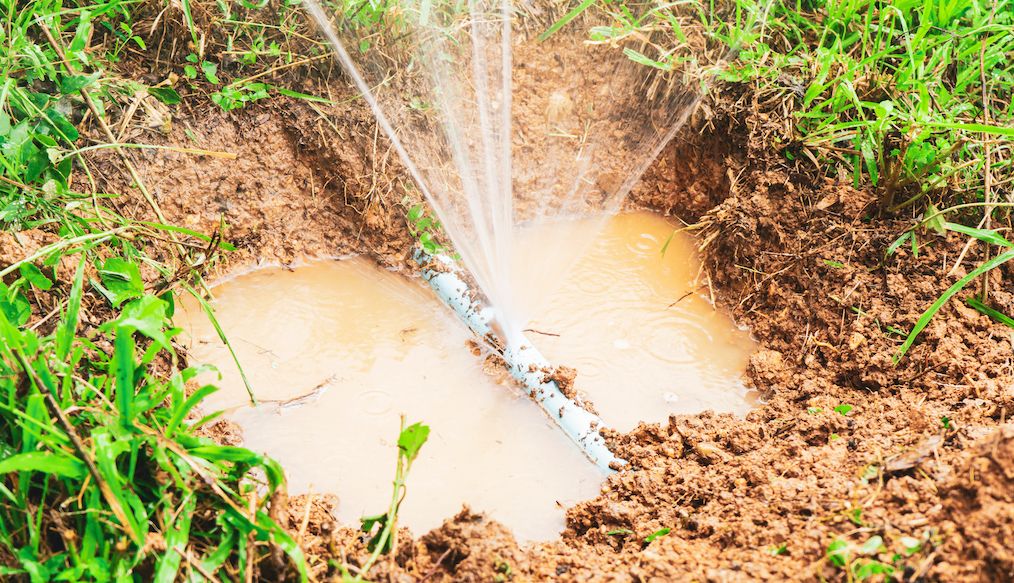
  • Soggy or Sinking Yard Areas: Soft patches or unusual green spots can signal a leaking main line.

What Causes Damage to the Main Line?

Several factors can lead to main line failure, especially in Las Vegas homes:

  • Tree Root Intrusion: Roots seek out moisture and can crack or clog pipes.
  • Shifting Soil or Earthquakes: Ground movement can cause older lines to break.
  • Corrosion: Over time, metal pipes can rust and weaken.
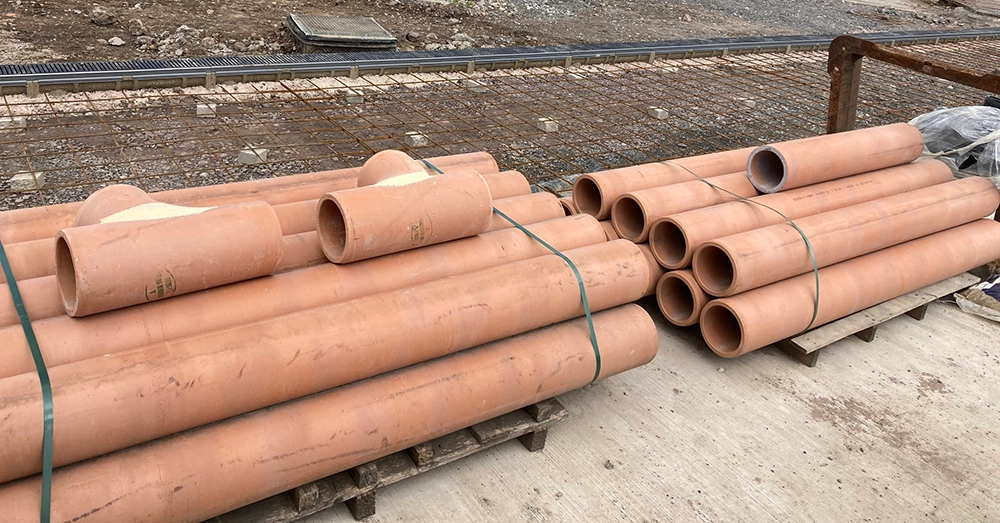
  • Old Pipe Materials: Many homes built decades ago still have clay or cast iron pipes prone to deterioration.

Why You Shouldn’t Wait on Main Line Replacement

Delaying main line repairs or replacement can cause severe water damage, mold growth, and increased repair costs down the line. Catching problems early is key.

A licensed plumber can run a video camera inspection to diagnose the issue and determine whether repair or full replacement is necessary.


What to Expect from a Professional Replacement Service

When you hire a trusted plumbing company in Las Vegas for main line replacement, here’s what you can expect:

  • Accurate Diagnosis with advanced video tools
  • Minimal Excavation with trenchless or no-dig methods (when applicable)
  • Fast Turnaround Time to get your plumbing back to normal
  • Long-Lasting Materials that are more durable than old pipes
  • Permits and Code Compliance handled for you

Protect Your Property with Expert Main Line Services

Main line problems don’t fix themselves—they only get worse with time. Whether you’re dealing with slow drains, sewage smells, or foundation issues, it could all point to your main sewer line.

A timely main line replacement will not only restore your home’s plumbing but also increase your property value and peace of mind.

If you’re in Las Vegas and suspect your main line might be failing, don’t wait. Call a licensed plumbing expert today to get a full inspection and replacement estimate.


Need professional main line replacement in Las Vegas?
Protect your home today with reliable, efficient service from a local expert.

Related Blogs

image block

How Often to Pump Septic Tank

Home ownership having a septic system comes with burdens that one can easily forget about till a time when something fails. One of the most common questions homeowners ask is how often to pump septic tank systems to keep them running efficiently. Late pumping may cause standoffs, unpleasant scent, broken homes and costly fixes. Early […]

image block

How Long Do Clay Sewer Pipes Last?

When your house was constructed many decades ago, there are high chances that your sewerage system contains clay piping. This leads many homeowners to ask an important question: how long do clay sewer pipes last? The knowledge of the answer will assist you in avoiding unexpected backups, expensive repairs and significant property damage. The industry […]

image block

Water Leak in Yard Who to Call

There is no explanation to a sudden surge in your water bill. A very big lawn which never dries. Green spots, odd enough, growing out of your yard. These hints reveal that there is something amiss out there. When this is noticed by the homeowners, they will ask themselves: Who do I call to fix […]

image block

Frozen Pipe Repair Service – The Complete Homeowner’s Guide

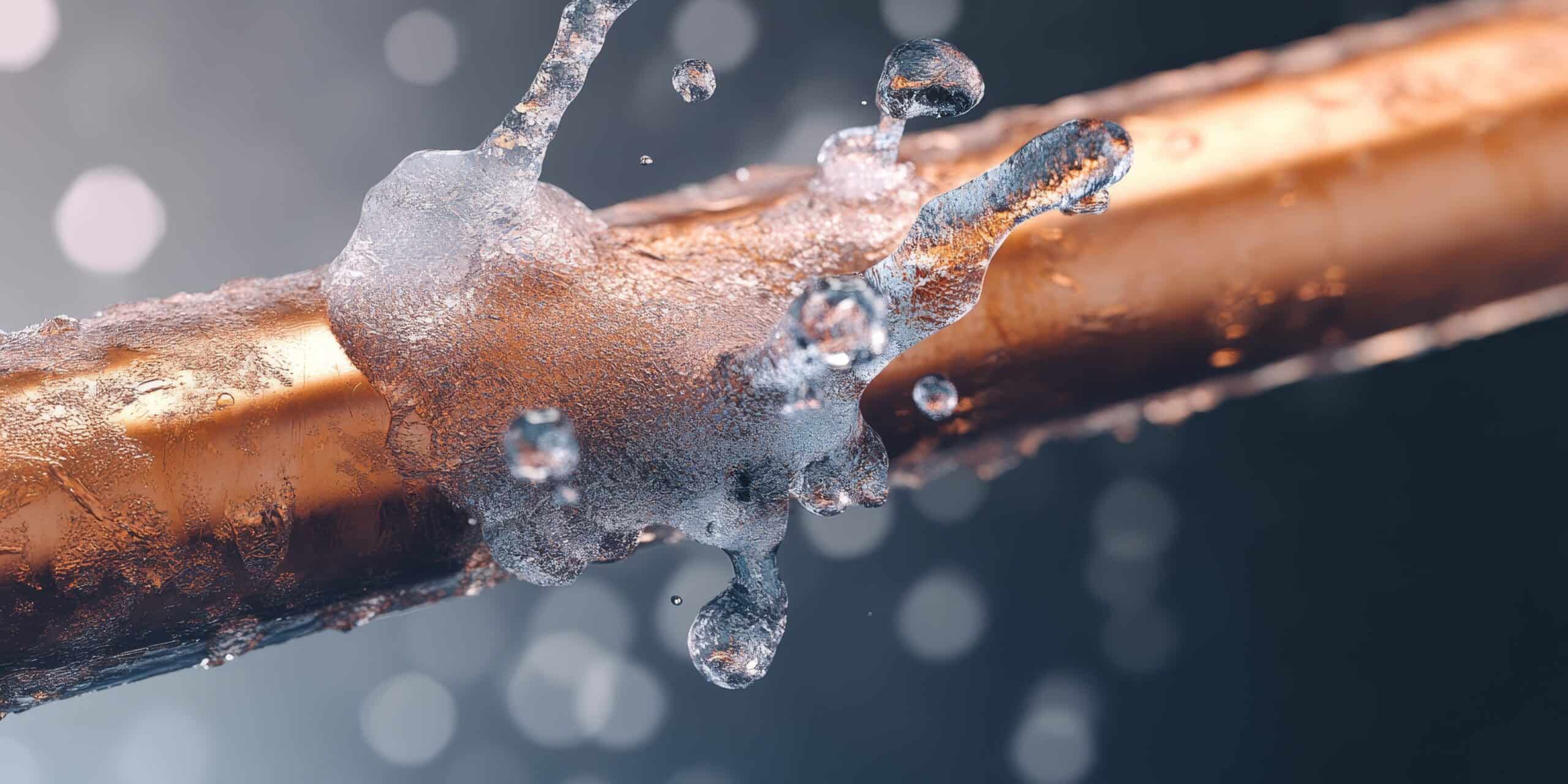
The plumbing system of your home can be quite detrimental to temperatures especially the low temperatures that prevail during winter seasons. Water in the pipes freezes, and in the process, it expands exerting significant pressure on the pipes. This can easily lead to cracks, damage or rupture and this may cost them a lot to […]

image block

How to Manually Drain a Washing Machine

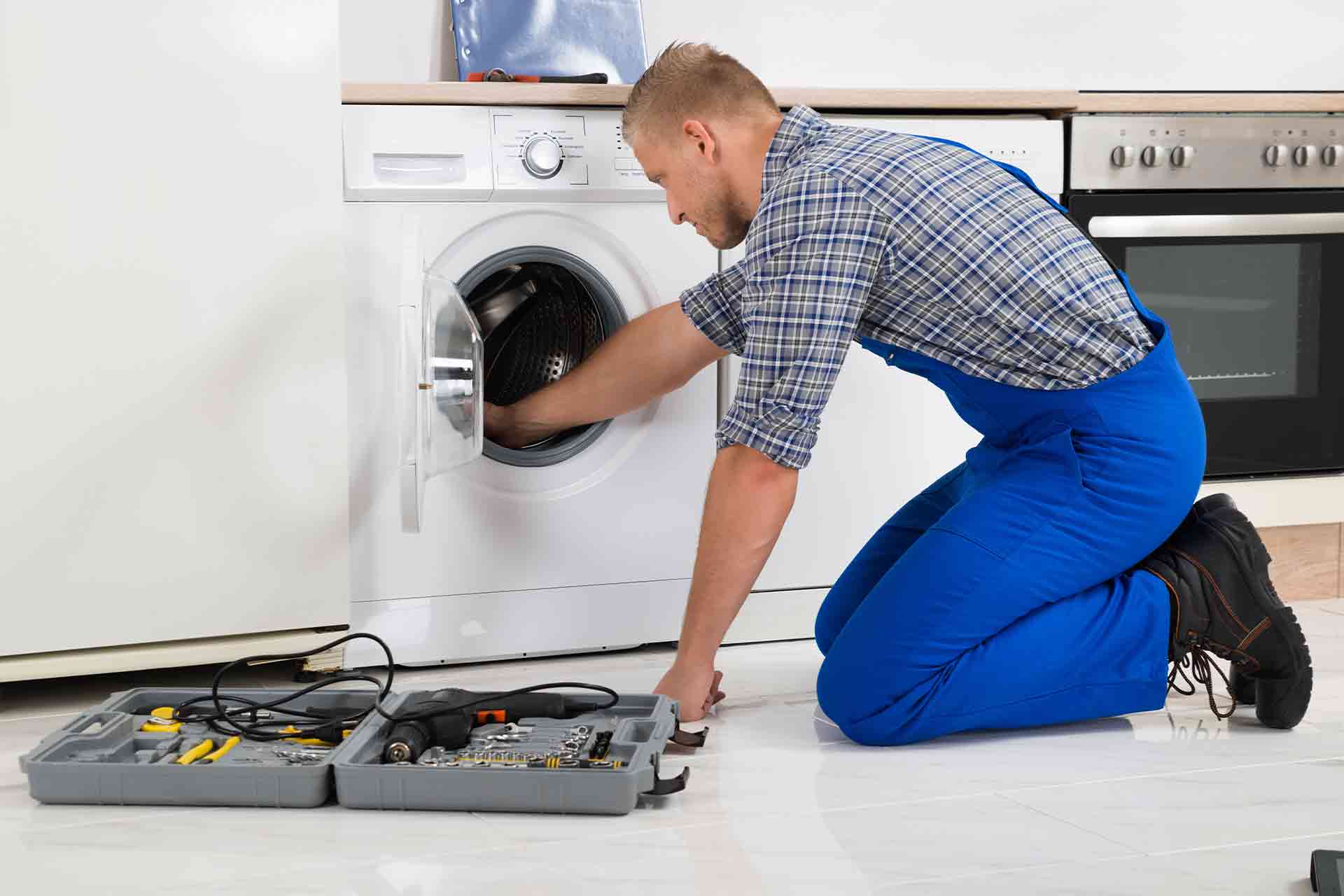
The presence of standing water in a machine washer can break your day just like that. Whether the power suddenly goes out, the washer stops mid-cycle, or you’re dealing with an unexpected plumbing issue, knowing how to manually drain a washing machine can save you time, stress, and potential water damage. This is too overwhelming […]

image block

What Causes a Water Heater to Leak? A Complete Homeowner’s Guide

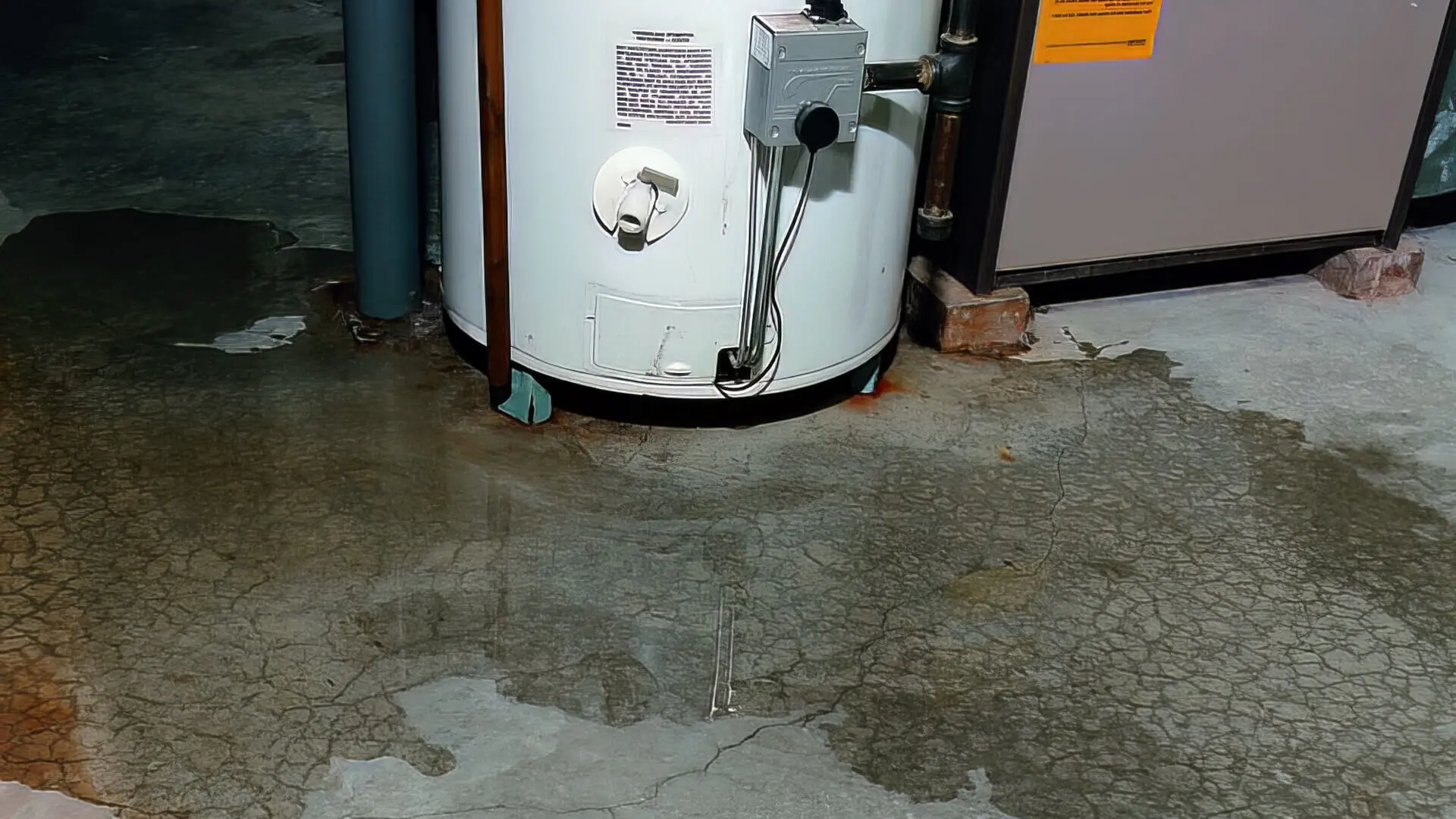
The most depended upon appliance in a Las Vegas home is the water heater which silently does its work in the background to ensure that the homeowners have hot water available at all times while they shower, wash clothes, do the dishes and for the overall comfort of their day. But because it works behinds […]

At Leak Experts USA, we know the shock of opening a higher water bill than expected. While seasonal usage or rate hikes can sometimes explain a small increase, a sudden spike is often a red flag for hidden plumbing problems quietly draining water—and your wallet.

Let’s explore 7 sneaky culprits that could be behind your higher water bill and what to do about them.


7 ways to Reduce Higher Water Bill?

1. Leaky Faucets: A Small Drip with Big Consequences

That slow, constant drip from your bathroom or kitchen faucet might seem minor, but it could be wasting up to 20 gallons of water per day. Over the course of a month, that’s hundreds of gallons of water—and dollars—going straight down the drain.

Signs to look for include visible drips, mineral buildup around faucet bases, or moisture under the sink. Replacing washers or tightening loose parts often does the trick, but if in doubt, call in the pros.


2. Running Bathrooms: Silent Water Waste

A running bathroom is one of the most common reasons for unexplained water usage. It might not be loud, but a worn-out flapper valve or faulty float arm can cause your toilet to keep cycling water, wasting hundreds of gallons per day.

You can usually hear the refill noise, but if not, try the food coloring test: Add a few drops to the tank and see if it leaks into the bowl without flushing.


3. Leaky or Burst Pipes: A Hidden Drain on Your Bill

Hidden leaks behind walls or under floors can quietly drain your water supply without any visible signs. Look for water stains, mold, warped flooring, or sudden drops in water pressure.

Older homes and homes exposed to extreme temperatures are especially prone to burst pipes. If you suspect a leak, we offers professional leak detection services to pinpoint and repair the issue before it gets worse.

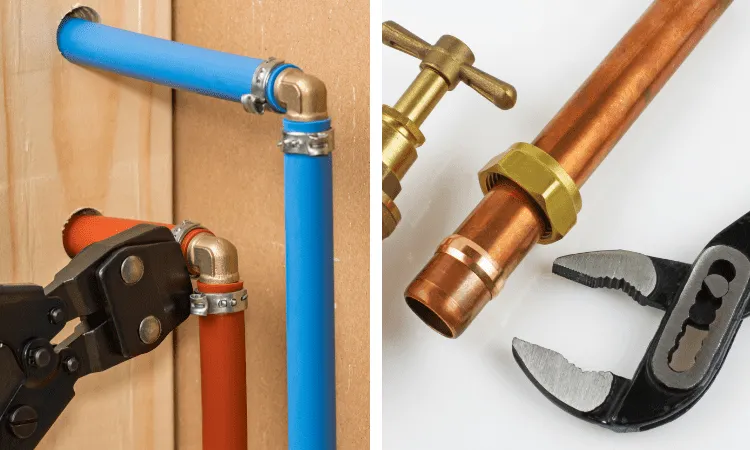
Kitec Plumbing vs. PEX vs. Copper

4. Hidden Costs in Hot Water

Your water heater might be contributing to higher bills more than you realize. Sediment buildup, internal leaks, or incorrect thermostat settings can cause the unit to overwork, using more water and energy than necessary.

If you notice reduced hot water supply, strange noises, or leaks around the tank, it might be time for maintenance—or a replacement. Lowering the temp to 120°F and flushing the tank annually can help improve efficiency.


5. Leaky Outdoor Faucets and Irrigation Systems

Water waste isn’t just an indoor issue. Outdoor faucets and irrigation systems can also be major culprits, especially if they’re leaking or poorly maintained.

Broken sprinkler heads, misaligned spray patterns, or faulty timers can lead to water soaking driveways instead of lawns. Check your hoses, bibs, and sprinklers regularly, and don’t forget to turn off the system in rainy weather.


6. Faulty Water Pressure Regulators

Excessive water pressure may feel luxurious, but it causes appliances and fixtures to use more water than necessary. Signs include noisy pipes, aggressive spray from faucets, and rapid draining.

A simple pressure gauge test can show if your system exceeds the ideal 50–60 psi range. Adjusting or replacing the water pressure regulator is usually a straightforward fix that can prevent overuse and reduce wear on your plumbing system.


7. Unexpected Culprits: Water Softeners and Appliances

Old or malfunctioning water softeners can cycle too frequently or leak, wasting water without any obvious symptoms. Similarly, aging appliances like dishwashers, washing machines, and even refrigerators with water lines may be the root of the problem.

If your appliances are more than 10–15 years old, consider upgrading to water-efficient models. Modern ENERGY STAR-rated appliances can drastically reduce usage without sacrificing performance.


Stop the Drip, Save the Dollars

We specialize in uncovering the unseen. Whether it’s a hidden pipe leak, faulty appliance, or irrigation mishap, our experienced team can quickly identify and fix the issue—saving you money and stress in the long run.

If your water bill is skyrocketing and you’re not sure why, don’t wait. Schedule a professional inspection today and let us help you get control over your water usage.

Common Causes of Higher Water Bills

Higher water bills are a common frustration for homeowners, often caused by hidden or unnoticed plumbing issues. Identifying the source of these problems is crucial to preventing future water wastage and unnecessary expenses. Below are the most common reasons of higher water bills:

1. Leaking Toilet

  • Impact on water usage: A leaking toilet is one of the leading causes of higher water bills. Even a small leak can waste significant amounts of water.
  • Example: A leaking toilet can waste up to 200 gallons of water per day if left unchecked, which can add up to thousands of gallons per month.
  • How to identify: Listen for continuous running water or conduct the dye test: drop food coloring into the tank and wait for 30 minutes. If the color appears in the bowl, you have a leak.

2. Dripping Faucet

  • Impact on water usage: A dripping faucet may seem harmless, but over time it leads to considerable water waste.
  • Example: A faucet that drips once per second can waste up to 3,000 gallons of water per year—equivalent to filling a swimming pool!
  • How to identify: If you hear water dripping, it may be time to check the seals or washers. Even slight leaks add up, especially in frequently used faucets like bathroom sinks or kitchen taps.

3. Running Restroom

  • Impact on water usage: A toilet that constantly runs is another culprit for higher water bills.
  • Example: A running bathroom can use as much as 4,000 gallons of water per day. Often caused by a faulty flapper valve or float, this issue is easily overlooked but can quickly add up.
  • How to identify: You may hear the water running even when the toilet isn’t in use. Check the tank for a malfunctioning flapper valve or an improperly adjusted float.
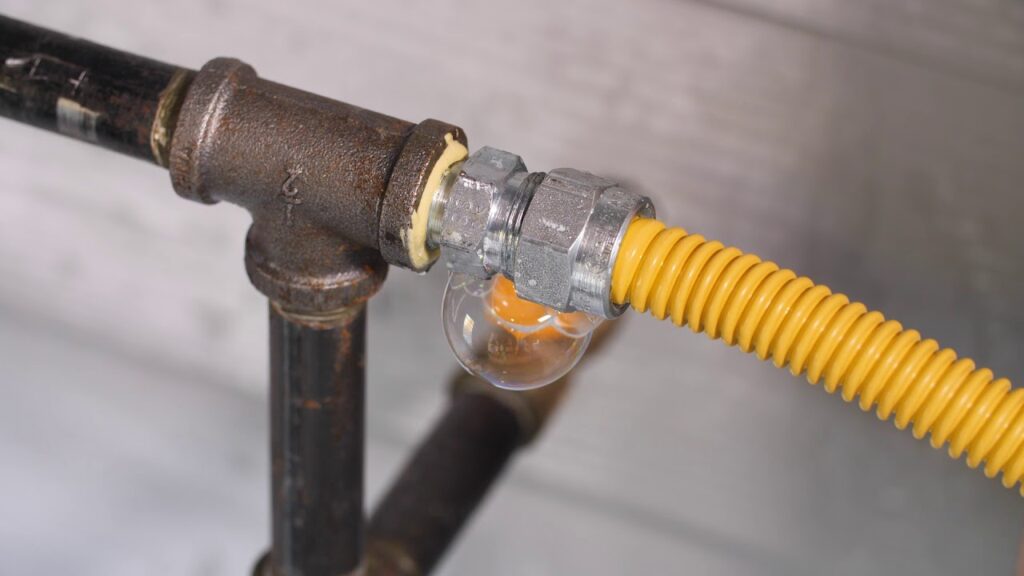
Detect a Gas Leak

4. Irrigation System Leaks

  • Impact on water usage: Leaks in your irrigation system can lead to an unnoticed increase in water consumption.
  • Example: A sprinkler system with a small leak could waste hundreds of gallons every week. This can be particularly problematic during the summer months when watering is more frequent.
  • How to identify: Inspect sprinkler heads and pipes for leaks. Ensure that water isn’t pooling around the sprinkler heads or running off unnecessarily. Check the timer and settings for over-watering.

5. Water Softener Issues

  • Impact on water usage: While water softeners are helpful, malfunctioning units can use excessive water during regeneration cycles.
  • Example: A faulty water softener may continue to run even when not needed, increasing water usage. This can waste hundreds of gallons per month.
  • How to identify: If your water softener isn’t regenerating properly or runs longer than usual, it’s time to call a professional.
CausePotential Water WasteHow to Identify
Leaking ToiletUp to 200 gallons/dayDye test or hear continuous running water
Dripping FaucetUp to 3,000 gallons/yearListen for dripping or check washers
Running ToiletUp to 4,000 gallons/dayHear water running or check flapper valve
Irrigation System LeaksHundreds of gallons/weekCheck sprinkler heads and irrigation pipes
Water Softener IssuesHundreds of gallons/monthObserve regeneration cycles and water usage

By recognizing and addressing these issues promptly, homeowners can avoid unnecessarily high water bills and reduce overall water consumption. If you suspect any of these problems, it’s important to take action immediately to save water and money.

How to Detect Hidden Water Leaks

Hidden water leaks can cause substantial damage to your home and significantly increase your water bill. Many homeowners don’t realize there’s a problem until it’s too late. Detecting water leaks early can save you money and prevent long-term damage to your property. Here are some effective ways to detect hidden water leaks:

1. Water Meter Check

  • How it works: One of the easiest and most reliable methods to detect leaks is by checking your water meter. If you suspect a leak but can’t find the source, you can perform a water meter check.
  • Steps:
    1. Turn off all water sources in your home, including taps, appliances, and irrigation systems.
    2. Record the meter reading and leave the water off for a few hours (preferably overnight).
    3. Check the water meter again. If the reading has changed, there may be a hidden leak somewhere in your home.
  • Why it works: If water is still flowing through the system while everything is turned off, this indicates a leak somewhere in the plumbing.

2. Dye Test for Toilets

  • How it works: Toilets are one of the most common sources of water waste due to leaks. A simple dye test can help detect hidden toilet leaks that you might not hear or notice.
  • Steps:
    1. Add a few drops of food coloring or dye into the toilet tank (avoid flushing).
    2. Wait 30 minutes without flushing.
    3. If you notice the dye in the toilet bowl, it indicates a leak from the flapper valve or other components inside the tank.
  • Why it works: This test helps identify subtle leaks that waste gallons of water daily.

3. Professional Leak Detection

  • How it works: If you’re unable to find the leak with DIY methods, hiring a professional for leak detection is a smart choice. Professionals use specialized equipment to locate leaks with precision.
  • What they do: They use tools like acoustic sensors, infrared cameras, and even pressure testing to pinpoint leaks behind walls, under floors, or underground.
  • Why it works: Experts can find leaks that are invisible to the untrained eye, ensuring no hidden damage or water waste is overlooked.

4. Slab Leaks

  • How it works: A slab leak occurs when water pipes beneath the concrete foundation of your home begin to leak. These leaks can be difficult to detect, as they happen underground.
  • Signs:
    • Warm spots on the floor
    • Increased water bill with no clear explanation
    • Sound of running water when no taps are in use
  • Why it works: If you notice these signs, a professional plumber should be contacted to assess and repair the slab leak.

5. Irrigation System Inspection

  • How it works: Irrigation systems are often overlooked when checking for leaks, but they are common culprits of water waste. Leaks in sprinkler heads, pipes, or hoses can lead to significant water loss.
  • Steps:
    1. Inspect sprinkler heads for cracks or leaks.
    2. Check for pooling water around the irrigation system.
    3. Test the pressure to ensure it’s not too high, as this can cause leaks and over-watering.
  • Why it works: Regular inspections of your irrigation system help catch leaks early, preventing waste and ensuring your system operates efficiently.

Effective Solutions to Lower Your Higher Water Bill

Reducing your higher water bill is not only beneficial for your wallet but also for the environment. By making a few simple adjustments around your home, you can significantly reduce your water usage and costs. Here are some effective solutions to help lower your higher water bill:

1. Install Water-Efficient Fixtures

  • Low-Flow Showerheads: Switching to low-flow showerheads is one of the most cost-effective ways to conserve water. These fixtures use less water without compromising water pressure, reducing your water usage by up to 50% during showers.
  • Dual Flush Toilets: Installing dual flush toilets can save you significant amounts of water. These toilets offer two flush options: a low-volume flush for liquid waste and a higher-volume flush for solid waste. This can cut your water consumption by up to 67% compared to standard toilets.

2. Adjust Your Irrigation System

  • Irrigation System Adjustments: Ensure your irrigation system is operating efficiently. Overwatering your lawn or garden wastes significant amounts of water. Use a smart irrigation controller that adjusts watering schedules based on weather conditions. Additionally, check for leaks in sprinkler heads or hoses, as they can cause water waste without your knowledge.
  • Watering During Optimal Times: Water your plants early in the morning or late in the evening to reduce evaporation and ensure more water reaches the roots.

3. Timely Leak Repairs

  • Leak Repair: Leaking pipes, faucets, or toilets can silently increase your water bill. A small drip may seem insignificant, but over time, it can waste hundreds of gallons of water. Promptly repair any leaks in your home to prevent unnecessary water waste. Regularly check faucets, toilets, and irrigation systems for leaks and replace faulty components as needed.

By implementing these simple yet effective solutions, you can enjoy lower water bills while contributing to water conservation efforts.

FAQs

1. What are low-flow showerheads and how do they save water?

Low-flow showerheads are designed to reduce water flow without compromising water pressure. They typically use less than 2.5 gallons per minute, compared to standard showerheads that use up to 5 gallons per minute. By installing these, you can cut water usage in half and lower your higher water bill.


2. How do dual flush toilets work?

Dual flush toilets offer two flush options: a low-volume flush for liquid waste and a higher-volume flush for solid waste. This system allows you to choose the appropriate flush depending on the situation, helping to reduce water consumption by as much as 67% compared to traditional toilets.


3. What are the benefits of adjusting my irrigation system?

Adjusting your irrigation system ensures your lawn or garden isn’t overwatered, saving water. Using a smart controller that adjusts based on weather conditions and fixing any leaks can prevent unnecessary water waste. Proper irrigation timing, such as watering early in the morning, also reduces evaporation and improves water efficiency.


4. Why is leak repair important for lowering higher water bills?

Even small leaks can waste significant amounts of water over time, increasing your higher water bill. Repairing leaking faucets, toilets, or pipes as soon as possible can prevent the loss of hundreds of gallons of water monthly, helping you maintain a lower, more consistent higher water bill and avoid costly repairs later.

💸 Get Your Water Bill Back Under Control

Don’t let hidden leaks or inefficient systems drain your wallet. Call us today at (702) 745-5571 or Book Online Today!

We’ll find the problem fast and help you fix it for good—serving Las Vegas, Henderson, North Las Vegas, and surrounding communities with trusted, affordable plumbing solutions.

Related Blogs

image block

How Often to Pump Septic Tank

Home ownership having a septic system comes with burdens that one can easily forget about till a time when something fails. One of the most common questions homeowners ask is how often to pump septic tank systems to keep them running efficiently. Late pumping may cause standoffs, unpleasant scent, broken homes and costly fixes. Early […]

image block

How Long Do Clay Sewer Pipes Last?

When your house was constructed many decades ago, there are high chances that your sewerage system contains clay piping. This leads many homeowners to ask an important question: how long do clay sewer pipes last? The knowledge of the answer will assist you in avoiding unexpected backups, expensive repairs and significant property damage. The industry […]

image block

Water Leak in Yard Who to Call

There is no explanation to a sudden surge in your water bill. A very big lawn which never dries. Green spots, odd enough, growing out of your yard. These hints reveal that there is something amiss out there. When this is noticed by the homeowners, they will ask themselves: Who do I call to fix […]

image block

Frozen Pipe Repair Service – The Complete Homeowner’s Guide

The plumbing system of your home can be quite detrimental to temperatures especially the low temperatures that prevail during winter seasons. Water in the pipes freezes, and in the process, it expands exerting significant pressure on the pipes. This can easily lead to cracks, damage or rupture and this may cost them a lot to […]

image block

How to Manually Drain a Washing Machine

The presence of standing water in a machine washer can break your day just like that. Whether the power suddenly goes out, the washer stops mid-cycle, or you’re dealing with an unexpected plumbing issue, knowing how to manually drain a washing machine can save you time, stress, and potential water damage. This is too overwhelming […]

image block

What Causes a Water Heater to Leak? A Complete Homeowner’s Guide

The most depended upon appliance in a Las Vegas home is the water heater which silently does its work in the background to ensure that the homeowners have hot water available at all times while they shower, wash clothes, do the dishes and for the overall comfort of their day. But because it works behinds […]

Water damage can strike at any time, whether it’s due to a broken pipe, natural disaster, or appliance failure. When it happens, acting quickly can make a huge difference in preventing further damage to your home and possessions. Follow these essential steps to minimize the damage and begin the restoration process. If you’re in Las Vegas, call Leak Experts USA for expert water damage restoration service to get your home back to normal.

Shut Off the Water Source

The first and most crucial step after water damage occurs is to stop the source of water. If the damage is caused by a burst pipe, appliance failure, or flooding, locate the water supply and turn it off immediately. This will prevent additional water from entering your home and causing more extensive damage.

  • For Burst Pipes: Locate the main water shutoff valve and turn it off to stop the flow of water.
  • For Appliance Failures (like dishwashers or washing machines): Turn off the specific appliance and disconnect the water supply.
  • For Flooding: If the flooding is due to external factors, contact a professional to assess and address the situation.

Taking this action immediately will help minimize the overall damage and protect your property from further loss.

Document Damage for Insurance

Once the water source is shut off, document the damage for insurance purposes. This is an essential step that can help ensure you receive proper compensation for repairs. Take clear photographs or videos of the affected areas, and make notes of what was damaged. Make sure to capture all visible damage to floors, walls, furniture, electronics, and other valuable items.

  • Tip: Be thorough and take multiple pictures from different angles.
  • Don’t Dispose of Damaged Items Right Away: Keep everything in place until the insurance adjuster has had a chance to assess the damage.

This documentation will be vital for your insurance claim, so take your time to ensure you have a detailed record.

Remove Standing Water

After documenting the damage, it’s time to remove any standing water. The longer water sits, the more damage it will cause. Standing water can lead to mold growth, rot, and structural damage, so it’s important to act fast.

  • Use a Wet/Dry Vacuum: If the water levels are manageable, use a wet/dry vacuum to remove excess water from floors, carpets, and other surfaces.
  • Mops and Towels: For smaller areas, mopping or using towels to soak up the water can help.
  • Call a Professional: If there’s a significant amount of water or flooding, it’s best to contact a experts water damage restoration company to remove the water safely and efficiently.

Getting rid of standing water quickly will help prevent secondary damage like mold growth and wood warping.

Dry Affected Areas

Once the standing water is removed, the next step is to dry out the affected areas. Water can seep into walls, carpets, and furniture, leading to prolonged damage if not properly dried. To prevent mold and further structural issues, it’s important to ensure the area is thoroughly dried.

  • Air Circulation: Use fans and open windows to promote airflow and speed up the drying process.
  • Dehumidifiers: Renting or using a dehumidifier will help remove moisture from the air and accelerate drying.
  • Furniture and Carpets: Move furniture and carpets out of the affected area to prevent further damage and dry them separately.

The drying process is critical to preventing mold growth and other long-term damage. Follow us on Instagram for regular updates!

virtual leak detection

Understanding Water Damage Categories and Their Implications

Water damage is a common but often devastating issue that homeowners face, and understanding the types of water damage is essential for effective cleanup and prevention. Water damage is classified into three primary categories based on contamination levels: clean water, gray water, and black water. Each category presents different health risks and requires specific cleanup methods, making it crucial for homeowners to recognize the type of water they are dealing with.

Clean Water

Clean water is the least hazardous type of water damage. It originates from clean, potable sources, such as broken pipes, malfunctioning appliances, or rainfall. In most cases, this type of water does not contain harmful contaminants and poses minimal health risks. However, if clean water sits for extended periods, it can evolve into a more contaminated type, especially if bacteria and mold begin to grow. Prompt water removal and drying are essential to prevent this from happening.

Health Risks: Limited, but prolonged exposure can lead to mold growth, which can cause respiratory issues.

Cleanup Methods: Clean water can generally be handled by homeowners using basic cleaning tools, such as a wet vac or mop. However, large-scale water damage may require professional restoration services.

Gray Water

Gray water is water that contains some level of contamination, but not to the extent of black water. This type of water typically comes from sources such as washing machines, dishwashers, bathtubs, and sinks. It may contain chemicals, soap, food particles, or other organic material, making it more dangerous than clean water. While it is not considered immediately harmful, exposure to gray water can pose health risks if not dealt with quickly.

Health Risks: Exposure to gray water can cause gastrointestinal problems, skin rashes, or infections, particularly if the water is left untreated for too long.

Cleanup Methods: Gray water requires more caution during cleanup, and it’s recommended to wear protective gear, such as gloves and masks. In most cases, a professional restoration service is needed to properly remove and disinfect the area to avoid further contamination.

Black Water

Black water is the most dangerous and heavily contaminated type of water damage. It comes from sewage backups, floodwaters, or water that has been contaminated by hazardous substances. Black water can contain bacteria, viruses, chemicals, and other harmful pathogens, making it a significant health risk. Exposure to black water can lead to severe illnesses, including infections, gastrointestinal diseases, and even more serious conditions in extreme cases.

Health Risks: The health risks associated with black water are significant, ranging from severe infections to long-term illnesses if not addressed immediately. It poses a threat to the respiratory, gastrointestinal, and immune systems.

Cleanup Methods: Due to the hazardous nature of black water, it is essential to call a pro water damage restoration company with the expertise and proper equipment to handle it safely. Specialized equipment, including powerful pumps, disinfectants, and protective suits, is necessary for both water removal and the restoration process.

The Role of Professional Restoration Services in Water Damage Recovery

Water damage is a serious issue that can cause extensive damage to a home or business. While some homeowners may attempt to address the problem themselves, hiring professional restoration services is essential for a comprehensive and effective recovery. Certified professionals bring expertise, experience, and specialized equipment to ensure that the water damage is properly mitigated, preventing further complications like mold growth or structural damage. Here’s why professional services play such a critical role in water damage recovery.

1. Expert Water Damage Assessment

The first step in any water damage restoration process is a thorough assessment. Professional restoration services have the knowledge to quickly evaluate the extent of the damage, identify potential hazards, and determine the appropriate course of action. They use advanced tools, such as moisture detectors and thermal imaging, to pinpoint hidden moisture that could lead to mold growth or structural issues. By accurately assessing the damage, professionals can develop a tailored recovery plan that addresses the root cause of the problem.

2. Mold Remediation

One of the most common and dangerous consequences of water damage is the growth of mold. Mold thrives in damp, humid environments, and if water damage is not addressed promptly and effectively, it can lead to widespread mold contamination. Mold remediation requires specialized knowledge and equipment, as mold can pose serious health risks, including respiratory issues, allergies, and skin irritations.

Certified mold remediation professionals can safely remove mold and prevent it from spreading. They will not only clean and sanitize the affected areas but also take steps to address the underlying moisture issues to prevent future mold growth. Professional services ensure that the mold is thoroughly eliminated and the environment is safe for inhabitants.

3. Structural Repairs

Water damage often leads to structural issues that can compromise the integrity of a building. Water can weaken walls, ceilings, flooring, and even foundations. In some cases, water damage can lead to wood rot, rusted metal, or compromised insulation. Professional restoration services have the skills and equipment necessary to perform structural repairs and ensure that the home or building is safe and stable.

Professional contractors will inspect the affected areas for structural damage and make necessary repairs to restore the building’s integrity. Whether it’s replacing damaged drywall, reinforcing weakened beams, or repairing damaged flooring, professionals can handle the full scope of repairs needed to return the property to its pre-damaged condition. Follow us on Instagram for regular updates!

4. Handling Insurance Claims

Navigating the insurance claims process after water damage can be complex and time-consuming. Professional restoration services can help homeowners and business owners handle their insurance claims effectively. Many restoration companies have experience working with insurance companies and can assist in documenting the damage, preparing reports, and ensuring that the claims process goes smoothly.

Certified professionals will also provide accurate estimates of the damage and restoration costs, which can help ensure that you receive the appropriate compensation for repairs and restoration efforts. By partnering with professional services, you can avoid costly mistakes and ensure that your claim is processed efficiently.

5. Comprehensive Cleanup and Drying

A thorough cleanup and drying process is essential to prevent further damage and restore the property to its original condition. Professional restoration services use high-powered drying equipment, such as industrial dehumidifiers and air movers, to remove excess moisture from the affected areas. This process not only helps to speed up the recovery but also prevents issues like mold, mildew, and lingering odors.

Professional teams are trained to remove water from all types of surfaces—whether it’s wood, carpet, concrete, or drywall—ensuring that every area is thoroughly dried and sanitized. This prevents long-term damage and reduces the risk of future complications.

Preventative Measures to Protect Your Home from Future Water Damage

Water damage is one of the most costly and disruptive problems a homeowner can face. To avoid the financial and emotional toll of future water damage, it is important to take preventive actions. By installing protective systems, maintaining your property regularly, and being prepared for potential floods, you can significantly reduce the risk of water damage. Here are some key preventative measures to consider:

1. Waterproofing

Waterproofing is one of the most effective ways to protect your home from water damage. Installing waterproofing systems on your foundation and exterior walls can prevent water from seeping into your home. This is especially important for homes in areas with high groundwater levels or frequent rainfall. By using sealants, membranes, or exterior coatings, you can safeguard your home from water infiltration.

2. Sump Pump Installation

A sump pump is essential for homes with basements or crawl spaces. It helps to remove excess water and prevents flooding in the lower levels of your home. Sump pumps are particularly useful in flood-prone areas or homes with poor drainage. Make sure to have a battery backup for the sump pump to ensure it continues to operate during power outages.

3. Gutter Maintenance

Clogged or damaged gutters are a common cause of water damage. Regularly cleaning and maintaining your gutters ensures that rainwater flows freely away from your home. Clogged gutters can cause water to overflow, potentially damaging your roof, walls, or foundation. Ensure that downspouts direct water away from the foundation to prevent pooling around the base of your home.

4. Flood Insurance

Even with preventive measures in place, unexpected water events can still occur. Flood insurance offers peace of mind by covering the cost of damage caused by floods. It is essential to have flood insurance, especially if you live in a flood-prone area. Standard homeowners insurance often does not cover flooding, so a separate policy is necessary for complete protection.

FAQs

What is waterproofing and why is it important?

Waterproofing involves applying materials to your foundation or exterior walls to prevent water from seeping into your home. It’s crucial for protecting your home from water damage, especially in areas with high rainfall or groundwater. It helps maintain the structural integrity of your home and prevents mold growth.

How often should I clean my gutters?

Gutters should be cleaned at least twice a year—once in the spring and once in the fall. However, if you live in an area with many trees, you may need to clean them more often to prevent clogs and water overflow.

What are the benefits of a sump pump?

A sump pump is a valuable tool for removing excess water from basements or crawl spaces, especially during heavy rain or flooding. It helps prevent basement flooding, protects your foundation, and reduces the risk of mold growth, keeping your home dry and safe.

Does homeowner’s insurance cover water damage?

Standard homeowner’s insurance typically does not cover water damage caused by flooding or poor maintenance. Flood insurance, purchased separately, covers water damage from flooding, while most policies cover water damage caused by burst pipes or appliance malfunctions.

Is flood insurance necessary for my home?

Flood insurance is essential, especially if you live in an area prone to flooding. While your homeowner’s policy may cover some water damage, it generally doesn’t cover flooding. Flood insurance provides financial protection in case of flood-related damage, which can be devastating without coverage.

Call Experts

While taking the above steps will help mitigate the damage in the short term, it’s crucial to call a professional water damage restoration expert. Water damage restoration companies have the tools, knowledge, and experience to handle complex situations, ensuring that your home is thoroughly cleaned and restored.

Leak Experts USA is proud to serve homeowners in Las Vegas with water damage restoration services. Our expert technicians will handle everything from water extraction to complete restoration, including drying and mold remediation. Don’t risk further damage—call us today!

Conclusion

Water damage can be a stressful and overwhelming experience, but knowing the right steps to take immediately can minimize the damage and help you restore your home efficiently. Start by shutting off the water source, documenting the damage for insurance, removing standing water, and drying the affected areas. Finally, get in touch with Leak Experts USA for expert residential water damage restoration in Las Vegas. With our professional services, you can rest assured that your home will be restored to its pre-damage condition in no time.

Call us for Expert Water Damage Cleanup Restoration in Las Vegas! If you’re dealing with water damage, don’t wait! Contact us today for professional services. Our team is ready to help you through the restoration process and ensure your home is safe, dry, and damage-free. Follow us on Instagram for regular updates!
Related Blogs

image block

How Often to Pump Septic Tank

Home ownership having a septic system comes with burdens that one can easily forget about till a time when something fails. One of the most common questions homeowners ask is how often to pump septic tank systems to keep them running efficiently. Late pumping may cause standoffs, unpleasant scent, broken homes and costly fixes. Early […]

image block

How Long Do Clay Sewer Pipes Last?

When your house was constructed many decades ago, there are high chances that your sewerage system contains clay piping. This leads many homeowners to ask an important question: how long do clay sewer pipes last? The knowledge of the answer will assist you in avoiding unexpected backups, expensive repairs and significant property damage. The industry […]

image block

Water Leak in Yard Who to Call

There is no explanation to a sudden surge in your water bill. A very big lawn which never dries. Green spots, odd enough, growing out of your yard. These hints reveal that there is something amiss out there. When this is noticed by the homeowners, they will ask themselves: Who do I call to fix […]

image block

Frozen Pipe Repair Service – The Complete Homeowner’s Guide

The plumbing system of your home can be quite detrimental to temperatures especially the low temperatures that prevail during winter seasons. Water in the pipes freezes, and in the process, it expands exerting significant pressure on the pipes. This can easily lead to cracks, damage or rupture and this may cost them a lot to […]

image block

How to Manually Drain a Washing Machine

The presence of standing water in a machine washer can break your day just like that. Whether the power suddenly goes out, the washer stops mid-cycle, or you’re dealing with an unexpected plumbing issue, knowing how to manually drain a washing machine can save you time, stress, and potential water damage. This is too overwhelming […]

image block

What Causes a Water Heater to Leak? A Complete Homeowner’s Guide

The most depended upon appliance in a Las Vegas home is the water heater which silently does its work in the background to ensure that the homeowners have hot water available at all times while they shower, wash clothes, do the dishes and for the overall comfort of their day. But because it works behinds […]

newsletter-image

Our Newsletter


Stay informed about the latest in plumbing solutions, home maintenance tips, and special discounts.

    Privacy policy

    [bft-int-chk checked="true" ] Subscribe for the mailing list