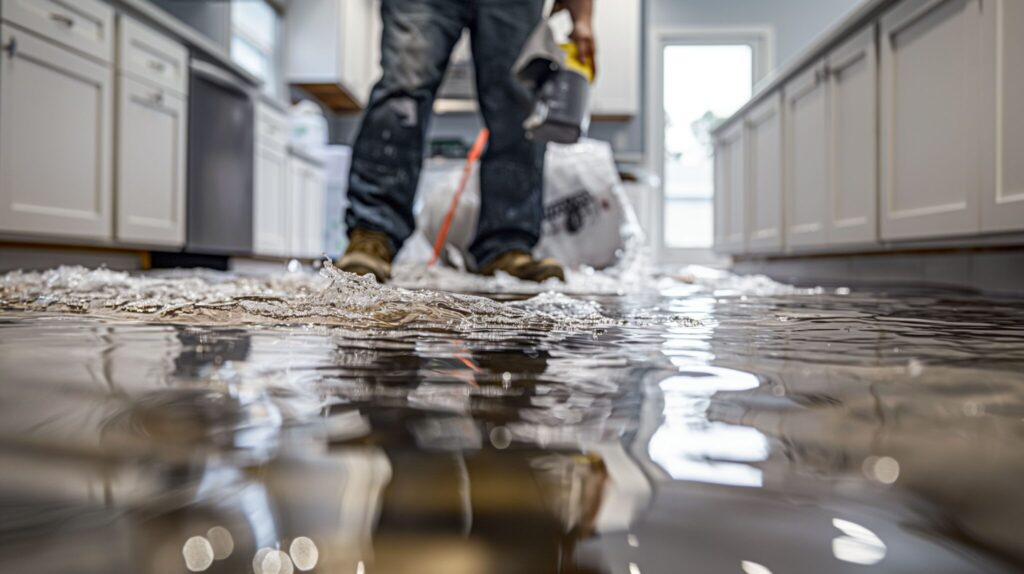
When it comes to protecting your home, few problems can cause as much hidden damage is a slab leak. Unfortunately, many homeowners don’t take slab leaks seriously until the problem spirals into costly repairs. Why? Because of the many slab leak myths floating around the internet and passed along by word of mouth.

These myths often leave homeowners misinformed, unprepared, and vulnerable to unnecessary expenses. At Leak Experts USA, we’ve seen firsthand how believing the wrong information can make a manageable issue much worse. That’s why we’ve created this comprehensive guide—to separate fact from fiction and help you understand the truth behind slab leaks.

Whether you’re in Henderson, Summerlin, Paradise, or North Las Vegas, knowing the real story can save your foundation, your finances, and your peace of mind.

📞 If you suspect a slab leak right now, don’t wait. Call us at (702) 745-5571 for an expert inspection.


Table of Contents

  1. The Importance of Understanding Slab Leaks
  2. Common Slab Leak Myths Debunked
  3. The Truth About Slab Leaks
  4. Foundation Leak Facts Every Homeowner Should Know
  5. Preventing Slab Leaks: What Really Works
  6. FAQs About Slab Leaks and Plumbing Misconceptions

The Importance of Understanding Slab Leaks

Imagine water silently escaping under your foundation for weeks—or even months—without you noticing. That’s the reality of a slab leak. Over time, it weakens your flooring, damages walls, raises water bills, and in extreme cases, threatens the stability of your home’s structure.

The problem isn’t just the leak itself—it’s also the plumbing misconceptions that prevent water damage and homeowners from catching it early. By clearing up misinformation, you’ll not only protect your property but also make smarter decisions about repairs.

Our licensed specialists believe knowledge is power. And the more homeowners know about slab leaks, the less likely they are to fall victim to expensive mistakes caused by bad advice or outdated beliefs.


Common Slab Leak Myths Debunked

Let’s get into the most common slab leak myths—and uncover the truth behind them.


Myth 1: Slab Leaks Are Rare

Some homeowners believe slab leaks are uncommon and only happen once in a while. The truth is, slab leaks are more common than people think—especially in regions where soil shifts frequently or where water pressure is inconsistent.

In Nevada, the combination of hard water, soil movement, and older construction makes slab leaks a recurring problem. In fact, we’ve helped dozens of homeowners who initially dismissed warning signs because they thought slab leaks “never happen in their area.” By the time they called, the damage was already extensive.

👉 Truth: Slab leaks are not rare. They’re a frequent issue that can happen in any home, regardless of location or age.


Myth 2: Slab Leaks Only Happen in Old Homes

This is one of the most widespread plumbing misconceptions. Many homeowners assume slab leaks only occur in houses that are 30, 40, or 50 years old. While it’s true that older homes may be more prone to corroded pipes, newer properties aren’t immune.

We’ve seen homes less than five years old with slab leaks caused by:

  • Poor construction practices
  • Improperly installed piping
  • Soil shifting during seasonal changes
  • Excessive water pressure damaging pipes prematurely

👉 Truth: Age doesn’t protect a home from slab leaks. Even new builds can face problems if the plumbing system isn’t installed correctly.


Myth 3: You Can Ignore a Small Leak

Perhaps the most dangerous of all slab leak myths is the belief that a small leak isn’t worth worrying about. Homeowners often think, “It’s just a drip. I’ll deal with it later.” The problem? A leak beneath the slab is not visible and can worsen quickly.

What starts as a minor drip can lead to:

  • Mold growth under your flooring
  • Cracks in the foundation
  • Uneven floors and damaged walls
  • Skyrocketing water bills

Ignoring a slab leak allows it to eat away at your foundation silently. By the time the damage is visible, the repair costs are far higher.

👉 Truth: No slab leak should ever be ignored. Small leaks often turn into major problems when left untreated.


Myth 4: Slab Leak Repairs Always Mean Tearing Up Your Floors

Many homeowners put off repairs because they assume fixing a slab leak means destroying their floors. While that was true decades ago, it’s no longer the case. Advances in plumbing technology allow professionals to pinpoint leaks and repair them with minimal disruption.

Modern repair methods include:

  • Rerouting: Creating a new water line that bypasses the damaged section.
  • Epoxy lining: Sealing the inside of pipes without tearing up flooring.
  • Spot repairs: Opening only a small area of the floor to access the damaged pipe.

👉 Truth: Repairs don’t always involve ripping apart your entire home. With us, repairs are targeted, efficient, and designed to minimize damage.


Myth 5: DIY Fixes Are Enough for Slab Leaks

It’s tempting to think a slab leak can be solved with a quick patch job or a DIY kit from the hardware store. Unfortunately, slab leaks aren’t like fixing a dripping faucet. They’re hidden beneath the foundation and require specialized tools to locate and repair correctly.

DIY attempts often:

  • Fail to fix the root cause
  • Cause additional pipe damage
  • Delay professional help, making the problem worse

👉 Truth: Only licensed professionals with advanced detection tools can properly repair slab leaks. We use cutting-edge technology to ensure the problem is fixed the first time.


Myth 6: Insurance Always Covers Slab Leaks

Another common plumbing misconception is that homeowners insurance will always cover slab leaks. While some policies provide partial coverage, many exclude slab leak repairs or only cover the resulting damage (like flooring or drywall replacement).

This often comes as a shock when homeowners file a claim expecting full coverage.

👉 Truth: Insurance coverage varies. Homeowners should always review their policy and talk to their insurer about slab leak scenarios.


The Truth About Slab Leaks

Now that we’ve cleared up some of the most common slab leak myths, let’s talk about what really causes them and why they’re so dangerous for your home.

How Slab Leaks Happen

Slab leaks usually occur when the water pipes installed beneath your concrete foundation begin to crack, corrode, or burst. Some of the most common causes include:

  • Pipe corrosion – Hard water, common in Nevada, eats away at pipes over time.
  • High water pressure – Excessive pressure puts strain on plumbing joints.
  • Shifting soil – Seasonal temperature changes and soil movement stress buried pipes.
  • Construction flaws – Poor pipe installation or using low-quality materials leads to premature failure.

Unlike leaks inside your walls or ceiling, slab leaks are much harder to spot since they’re hidden under thick layers of concrete.

Why Slab Leaks Are So Dangerous

A slab leak isn’t just a plumbing problem—it’s a foundation problem. Left untreated, it can cause:

  • Structural damage: Continuous water erosion weakens the concrete base of your home.
  • Mold and mildew growth: Moisture seeps up into your flooring and walls, creating health hazards.
  • Escalating water bills: Even a small underground leak can waste hundreds of gallons a month.
  • Decreased home value: Buyers are hesitant to invest in a property with slab damage history.

This is why acting fast when you notice warning signs—like unexplained water bills, damp flooring, or reduced water pressure—is crucial.


Foundation Leak Facts Every Homeowner Should Know

A major part of clearing up plumbing misconceptions is understanding the reality of how foundation leaks impact your home. Here are some essential foundation leak facts that every homeowner should keep in mind:

  1. Foundation leaks don’t stay hidden forever. By the time you see cracked tiles, warped floors, or damp carpet, the leak has likely been active for weeks or months.
  2. Moisture attracts pests. Insects like termites are drawn to damp foundations, which can double the damage by introducing structural infestations.
  3. Foundation leaks spread damage outward. Water can travel beyond the slab, seeping into nearby walls, causing drywall deterioration and electrical hazards.
  4. Early detection saves thousands. Catching a slab leak early can reduce repair costs from tens of thousands to just a few hundred dollars for a small spot repair.

We use advanced detection methods like acoustic listening devices, tracer gas, and thermal imaging to locate slab leaks quickly—long before they can compromise your home’s structural integrity.


Preventing Slab Leaks: What Really Works

The good news? You don’t have to wait until a slab leak causes visible damage. Preventive steps can protect your foundation and keep your plumbing system healthy.

Here are practical strategies every homeowner should adopt:

1. Schedule Regular Plumbing Inspections

Just like an annual check-up with your doctor, your plumbing system benefits from routine professional evaluations. Regular inspections can detect warning signs such as pressure fluctuations or small leaks before they escalate.

2. Keep Water Pressure in Check

Excessive water pressure is a leading cause of pipe failure. Installing a pressure regulator ensures your pipes aren’t under constant stress, extending their lifespan significantly.

3. Monitor Water Bills and Usage

A sudden, unexplained spike in your water bill could mean a hidden slab leak. Homeowners who track their monthly usage can catch problems early.

4. Install Quality Piping and Materials

If you’re building or renovating, choose durable piping materials and professional installation. Cutting corners during construction often leads to future slab leaks.

5. Invest in Professional Water Leak Detection

DIY methods may not reveal hidden leaks, but professionals can. Services like slab leak services Las Vegas are designed to detect problems long before they become disasters. Our company specializes in non-invasive detection that saves you time, money, and stress.


How Professional Can Help

When facing a slab leak, speed and precision matter most. The longer you wait, the more costly the damage becomes. That’s why homeowners trust us for professional slab leak services Las Vegas.

Here’s how we handle the problem from start to finish:

  1. Accurate Leak Detection
    • We use advanced non-invasive methods such as acoustic listening devices, tracer gas, and thermal imaging cameras. These tools allow us to pinpoint the leak without tearing up your floors unnecessarily.
  2. Customized Repair Options
    • Depending on the severity, we provide tailored solutions:
      • Spot Repairs: Fixing the affected section with minimal disruption.
      • Rerouting: Installing new water lines to bypass damaged pipes.
      • Epoxy Restoration: Sealing the interior of pipes without excavation.
  3. Preventive Measures
    • After fixing the immediate issue, we recommend long-term solutions to protect your plumbing system from future leaks.

Our goal is not just to repair the leak but to ensure your entire plumbing system is built to last.

📞 Ready for help? Call us today at (702) 745-5571 for fast, reliable slab leak repair.


FAQs About Slab Leaks and Plumbing Misconceptions

We get a lot of questions from homeowners who are worried about of slab leaks. Here are answers to the most common ones:

1. How do I know if I have a slab leak?

Look out for warning signs like higher water bills, damp carpets, warm spots on the floor, or the sound of running water when no taps are open.


2. Will slab leaks damage my foundation?

Yes. Unchecked leaks erode soil beneath your home, causing cracks and structural instability.


3. Can I live in my home during slab leak repair?

In most cases, yes. Modern repair techniques are less invasive, allowing families to remain at home while the work is done.


4. What’s the average cost of fixing a slab leak?

Costs vary depending on the repair method. A small spot repair may cost a few hundred dollars, while major rerouting could be more expensive. We always provide transparent estimates upfront.


5. Are slab leaks covered by homeowners insurance?

It depends on your policy. Some cover the resulting damage but not the repair itself. Always check with your provider.


Why Choose Leak Experts USA for Slab Leak Repairs

With so many contractors available, why do phomeowners across Nevada choose us? The answer comes down to trust, expertise, and results.

Experience: Our team has handled hundreds of slab leak cases, from small residential repairs to large-scale foundation issues.

Advanced Technology: We invest in state-of-the-art detection tools to ensure accuracy.

Transparent Pricing: No hidden fees—just honest, upfront estimates.

Customer-First Service: We treat every home as if it were our own, providing solutions that prioritize your safety and comfort.

Local Expertise: We understand the unique plumbing challenges caused by Las Vegas soil conditions and water quality.

When you choose us, you choose peace of mind.


The Truth Saves You Money

Believing in slab leak myths can cost you thousands in repairs, reduce your home’s value, and even put your family’s health at risk. By separating fact from fiction, you’re already one step ahead in protecting your property.

We don’t just fix slab leaks—we educate homeowners, provide reliable repairs, and ensure your plumbing system is built to last.

📞 Don’t let a hidden leak compromise your home. Call us at (702) 745-5571 or book online today for expert inspections, fast repairs, and the most trusted slab leak solutions in the valley. Follow us on Instagram for regular updates!
Related Blogs

image block

What Is Trenchless Sewer Pipe Repair and How Does It Work? 

When house owners in Las Vegas think about sewer problems, the first thing that comes to their mind is torn up yards, driveways which are completely destroyed and countless weeks of noisy construction that disturb them and the whole neighborhood. For several years traditional sewer pipe repair meant that the home has to go through extensive digging process that […]

image block

Why Annual Leak Inspections Are Worth It

Plumbing is one of those things in your home that you never think about—until something goes wrong. A dripping faucet, hidden pipe leak, or sudden water stain on the ceiling can turn into an expensive repair if left unchecked. That’s why scheduling an annual leak inspection is one of the smartest investments you can make […]

image block

Preventive Tips to Avoid Future Water Leaks

When it comes to home maintenance, few issues are as costly or frustrating as unexpected water leaks. A small drip can quietly lead to major damage — weakening walls, floors, and even your home’s foundation. The good news? With the right preventive strategies, homeowners can avoid future water leaks and save thousands in repairs. At […]

image block

Causes of Sewer Smells in Bathrooms and Kitchens

When you step into your bathroom or kitchen, the last thing you expect to notice is an unpleasant odor. Yet many homeowners find themselves wondering why their space smells like a sewer. These sewer smells are not just bothersome — they can be signs of underlying plumbing issues that may pose risks to your home’s […]

image block

Common Signs of a Broken Sewer Pipe

When it comes to maintaining your home’s plumbing system, few issues are as serious—and as easy to overlook—as a broken sewer pipe. Hidden underground or behind walls, your sewer line silently carries away wastewater from your home every day. But when it cracks, collapses, or clogs, it can lead to messy, unhealthy, and expensive consequences. […]

image block

Signs of Roof and Ceiling Leaks in Industrial Facilities

When managing an industrial facility, maintaining the integrity of the building structure is crucial. Among the most common and costly problems facility managers face are roof and ceiling leaks. These leaks not only threaten the building’s infrastructure but can also disrupt operations, damage inventory, and compromise safety. For industrial buildings—such as factories, manufacturing plants, and […]

When it comes to home plumbing problems, few issues can cause as much hidden damage as an underground mainline leak. Because it’s buried deep beneath your yard or driveway, this kind of leak can quietly waste thousands of gallons of water, damage your foundation, and inflate your monthly utility bill—without you even realizing it.

For homeowners, catching the signs early is critical. Unlike a dripping faucet or a leaky toilet, an underground mainline leak can go undetected for weeks or even months, silently eroding your property’s stability and costing you money.

That’s where we come in. We specialize in fast, accurate detection and repair of underground water line issues. Our certified technicians have helped countless homeowners in the Las Vegas region protect their property, lower their water bills, and restore peace of mind.

📞 If you suspect a mainline leak, call Leak Experts USA at (702) 745-5571 for a same-day inspection and expert advice.


Table of Contents

  1. Understanding an Underground Mainline Leak
  2. Common Signs of an Underground Mainline Leak You Can’t Ignore
  3. How Underground Mainline Leaks Can Escalate if Ignored
  4. Professional Detection Methods for Underground Mainline Leaks
  5. Underground Mainline Leak Repair Options
  6. How to Choose the Right Plumbing Company
  7. Leak Experts USA – Your Local Partner for Underground Mainline Leak Solutions
  8. Preventing Future Underground Mainline Leaks
  9. FAQs About Underground Mainline Leaks

Understanding an Underground Mainline Leak

Before we dive into the warning signs, it’s helpful to understand what an underground mainline leak really is.

Your home’s main water line is the primary pipe that connects your property to the municipal water supply. It’s typically buried underground and designed to last for decades. However, factors like shifting soil, corrosion, invasive tree roots, or simply old age can cause it to crack, rupture, or wear down over time.

When a leak occurs in this buried line, water escapes into the surrounding soil. Unlike visible plumbing leaks inside the house, these leaks don’t always show obvious signs right away—which is why so many homeowners only realize there’s a problem when the damage is already extensive.

Common causes include:

  • Tree root intrusion seeking moisture around the pipe
  • Ground shifting due to temperature changes or nearby construction
  • Pipe corrosion from chemical reactions in the soil
  • Poor installation or use of substandard materials
  • Freezing and thawing cycles in rare extreme weather events

Because the mainline is under constant water pressure, even a small crack can waste a significant amount of water each day—and quickly turn into a more severe problem.

Mainline Replacement Southern Highlands

Common Signs of an Underground Mainline Leak You Can’t Ignore

While mainline leaks can be sneaky, there are several warning signs that homeowners should never overlook.


a. Unexplained Spike in Water Bills

One of the first and most obvious red flags is a sudden increase in your monthly water bill. If your household habits haven’t changed but your water usage has jumped significantly, there’s a good chance water is escaping somewhere unseen.

Even a small underground leak can waste hundreds of gallons per day. If you notice a spike that you can’t attribute to seasonal use or extra laundry loads, it’s worth investigating immediately.


b. Yard Pooling & Unusual Wet Spots

If you walk through your yard and notice yard pooling—areas of water collecting without recent rainfall or sprinkler use—it could be a sign of a mainline problem.

Unlike normal irrigation oversaturation, water from an underground mainline leak will often create persistent wet spots in certain areas. The grass may appear unusually lush or greener than the surrounding lawn due to the constant water supply.

This pooling can also lead to soil erosion, attracting insects, and even creating breeding grounds for mosquitoes.


c. Drop in Water Pressure

A sudden or gradual pressure drop in your taps, showerheads, or appliances can be another sign of trouble. Since your mainline supplies water to the entire home, any breach in that pipe means water pressure will be reduced throughout the system.

Low pressure can make showers less enjoyable, extend the time it takes for appliances like dishwashers to run, and even damage certain fixtures designed for consistent pressure.


d. Soggy or Muddy Soil Near the Foundation

Finding persistently soggy soil or mud near your home’s foundation should always raise a red flag. Not only can this signal a mainline leak, but the excess moisture can also jeopardize the stability of your foundation, leading to cracks or shifting over time.

Moisture close to the structure can also invite pests and create conditions for mold growth inside your home.


e. Strange Hissing or Running Water Sounds

Another subtle—but important—indicator of an underground mainline leak is hearing unusual noises when no fixtures are in use. If you hear a faint hissing, gurgling, or the sound of running water while all faucets and appliances are turned off, the leak may be in your main supply line.

These sounds often occur because water is escaping under pressure and moving through the surrounding soil. The noise can sometimes be detected near walls, floors, or outdoor spigots.


How Underground Mainline Leaks Can Escalate if Ignored

Ignoring an underground mainline leak is never a good idea—it’s a problem that almost always gets worse over time. What starts as a small crack can expand into a full rupture, leading to:

  • Massive water waste – Thousands of gallons lost monthly, increasing your bill.
  • Foundation damage – Excess moisture can weaken the soil beneath your home.
  • Driveway and sidewalk cracks – Soil erosion beneath concrete can cause sinking or fractures.
  • Flooding risk – A severe leak could lead to yard flooding or water intrusion into your basement or crawl space.
  • Emergency pipe burst repair – If the pipe finally bursts, you’ll be dealing with a major plumbing emergency and potentially thousands of dollars in urgent repair costs.

In short: what’s a manageable repair today could become a full-blown crisis tomorrow.

Mainline Replacement Henderson

Professional Detection Methods for Underground Mainline Leaks

While some homeowners try to locate leaks themselves, finding an underground issue without the right tools is like trying to find a needle in a haystack.

Professional plumbers like use advanced technology to pinpoint the exact location of a leak—without unnecessary digging. Our detection methods include:

  • Acoustic leak detection – Using sensitive listening devices to pick up the sound of water escaping underground.
  • Thermal imaging – Detecting temperature changes in the ground caused by escaping water.
  • Tracer gas testing – Introducing safe, non-toxic gas into the line and detecting its escape above ground.
  • Pressure testing – Measuring for drops in system pressure to confirm a leak’s presence.

Hiring professionals ensures faster diagnosis, less property damage, and accurate repairs. If you’re dealing with suspicious signs, our mainline repair Las Vegas service is your best bet for a stress-free solution.


Underground Mainline Leak Repair Options

Once a leak is located, the next step is choosing the right repair method. We tailor solutions based on the pipe’s condition, leak severity, and your property’s needs.

Common repair options include:

  1. Spot Repair – Best for localized leaks on otherwise healthy pipes.
  2. Pipe Lining (CIPP) – A trenchless repair method that lines the inside of the pipe with a durable epoxy coating, sealing leaks without digging.
  3. Full Mainline Replacement – Necessary when the pipe is severely corroded, cracked, or damaged in multiple locations.

In some cases, emergency situations like a full rupture require immediate pipe burst repair. This fast-response service can restore your water supply if you have a water leak underground while minimizing further damage to your property.


How to Choose the Right Plumbing Company

When it comes to an underground mainline leak, choosing the right rooter plumbing company can make the difference between a quick, cost-effective fix and a drawn-out, expensive nightmare.

Here’s what to look for:

  • Experience with underground mainline systems – Not all plumbers specialize in this type of repair. Make sure they have proven expertise.
  • Advanced detection technology – This ensures minimal digging and accurate leak location.
  • Licensed and insured technicians – Protects you and your property.
  • Transparent pricing – No one likes hidden fees or surprise charges.
  • Strong reputation – Look for customer reviews that speak to reliability and professionalism.

We’ve built our reputation on all these qualities. Whether it’s a small leak or a full pipe burst repair, our team ensures your home’s water system is restored quickly and correctly.


Your Local Partner for Underground Mainline Leak Solutions Learn How

We’re proud to serve homeowners in Las Vegas. With years of hands-on experience and a track record of successful mainline repair Las Vegas jobs, we’ve become the go-to choice for leak inspection and repair in the region.

What sets us apart?
  • 24/7 emergency service – Because leaks don’t follow a 9-to-5 schedule.
  • Non-invasive detection methods – Less damage to your property.
  • Fair, upfront pricing – No surprises, just solutions.
  • Long-term repair warranties – We stand by our work.

From spotting the early signs of an underground mainline leak to completing major repairs, our goal is to give you peace of mind—and dry ground under your feet.

📞 Call Leak Experts USA today at (702) 745-5571 for fast, reliable service you can count on.


Preventing Future Underground Mainline Leaks

While not all leaks are avoidable, there are steps you can take to reduce your risk:

  • Schedule annual inspections – Catch small issues before they escalate.
  • Avoid planting trees or large shrubs directly above or near your water line.
  • Install a pressure regulator – This helps prevent stress on your pipes and reduces the chance of a rupture caused by a sudden pressure drop.
  • Use high-quality materials during replacements or upgrades to extend the lifespan of your mainline.

These preventative measures, combined with professional guidance from us,can help you avoid another underground mainline leak in the future.


FAQs About Underground Mainline Leaks

Q1: How much does it cost to fix an underground mainline leak?

The cost to repair an underground mainline leak can vary based on several factors—such as the severity of the damage, the exact location of the leak, and the type of repair method needed. For example, a small leak near the surface may be more affordable to fix than a deep-seated issue requiring advanced equipment. At our company, we believe in complete transparency, which is why we offer free estimates and clear, upfront pricing so you know exactly what to expect before work begins.


Q2: How long does pipe burst repair take?

In many cases, pipe burst repair can be completed in a single day—especially when we use modern trenchless repair technology. This method eliminates the need for extensive digging, which speeds up the process and reduces the mess in your yard. However, more complex repairs or situations involving multiple leaks may take slightly longer.


Q3: Will my homeowner’s insurance cover the repair?

Homeowner’s insurance coverage for an underground mainline leak can vary. Some policies cover the repair cost itself, while others may only pay for secondary damage, such as water damage to your property. Our team can help you review your policy and work with your insurer to ensure you fully understand your coverage and options.


Q4: Can I live in my home while repairs are being made?

Yes—most underground mainline leak repairs allow you to stay in your home. For larger projects, there may be brief water shut-offs, but we always aim to minimize disruption to your daily routine. We work efficiently, keeping your comfort and convenience as top priorities while ensuring the job is done right the first time.


Underground leak you can’t see? Call us!

An underground mainline leak is one of the most serious plumbing issues a homeowner can face. Left untreated, it can lead to costly repairs, structural damage, and months of frustration. The good news is that with early detection and the right plumbing team, you can resolve the problem before it spirals out of control.

We combine cutting-edge leak inspection technology with years of experience to provide the fastest, most reliable service in the Las Vegas area. Whether you need routine inspections, targeted leak repairs, or full pipe burst repair, our team is here to protect your home and your wallet.

📞 Don’t wait until the problem gets worse. Call us at (702) 745-5571 today or book online to schedule your professional leak inspection and repair service. Follow us on Instagram for regular updates!
Related Blogs

image block

What Is Trenchless Sewer Pipe Repair and How Does It Work? 

When house owners in Las Vegas think about sewer problems, the first thing that comes to their mind is torn up yards, driveways which are completely destroyed and countless weeks of noisy construction that disturb them and the whole neighborhood. For several years traditional sewer pipe repair meant that the home has to go through extensive digging process that […]

image block

Why Annual Leak Inspections Are Worth It

Plumbing is one of those things in your home that you never think about—until something goes wrong. A dripping faucet, hidden pipe leak, or sudden water stain on the ceiling can turn into an expensive repair if left unchecked. That’s why scheduling an annual leak inspection is one of the smartest investments you can make […]

image block

Preventive Tips to Avoid Future Water Leaks

When it comes to home maintenance, few issues are as costly or frustrating as unexpected water leaks. A small drip can quietly lead to major damage — weakening walls, floors, and even your home’s foundation. The good news? With the right preventive strategies, homeowners can avoid future water leaks and save thousands in repairs. At […]

image block

Causes of Sewer Smells in Bathrooms and Kitchens

When you step into your bathroom or kitchen, the last thing you expect to notice is an unpleasant odor. Yet many homeowners find themselves wondering why their space smells like a sewer. These sewer smells are not just bothersome — they can be signs of underlying plumbing issues that may pose risks to your home’s […]

image block

Common Signs of a Broken Sewer Pipe

When it comes to maintaining your home’s plumbing system, few issues are as serious—and as easy to overlook—as a broken sewer pipe. Hidden underground or behind walls, your sewer line silently carries away wastewater from your home every day. But when it cracks, collapses, or clogs, it can lead to messy, unhealthy, and expensive consequences. […]

image block

Signs of Roof and Ceiling Leaks in Industrial Facilities

When managing an industrial facility, maintaining the integrity of the building structure is crucial. Among the most common and costly problems facility managers face are roof and ceiling leaks. These leaks not only threaten the building’s infrastructure but can also disrupt operations, damage inventory, and compromise safety. For industrial buildings—such as factories, manufacturing plants, and […]

When running a business, one of the most important things you can do for your property is keep the plumbing system in excellent condition. Whether you manage an office building, own a restaurant, or oversee a retail space, plumbing problems can cause serious disruptions and costly downtime. That’s why many business owners want to know upfront: how much does commercial plumbing cost?

Understanding the answer isn’t always straightforward. Prices can vary based on your location, the complexity of the project, and even the time of day you need service. In this comprehensive guide, we’ll walk you through the main factors that influence pricing, average cost ranges, ways to save money, and why hiring a trusted company like Leak Experts USA is the smartest choice you can make.

📞 If you need help now, call us at (702) 745-5571 — we’re here to deliver fast, reliable, and affordable solutions for all your commercial plumbing needs.


Table of Contents

  1. Why Understanding Commercial Plumbing Costs Matters
  2. Factors That Affect How Much Commercial Plumbing Costs
  3. Average Commercial Plumbing Cost Ranges
  4. Common Commercial Plumbing Problems in Las Vegas
  5. Cost of Plumbing for Different Commercial Needs
  6. Hidden or Unexpected Commercial Plumbing Costs
  7. Cost-Saving Tips Without Compromising Quality
  8. Why Hiring an Expert Matters – The Leak Experts USA Advantage
  9. Frequently Asked Questions (FAQ)

Why Understanding Commercial Plumbing Costs Matters

Plumbing issues don’t just affect comfort — they directly impact your ability to operate. A leaking pipe in a restaurant could mean health code violations, while a backed-up drain in a retail store could force you to close temporarily. When these situations arise, it’s natural to ask, “How much will this cost me?”

Knowing the average commercial plumbing cost can help you:

  • Set an accurate maintenance budget.
  • Avoid being caught off-guard by emergency repair bills.
  • Choose the best solution without compromising quality.

We believe in transparent pricing and honest advice. We’ve worked with businesses across industries — from medical offices to large-scale warehouses — giving us the insight to help you plan for both routine maintenance and unexpected repairs.


Factors That Affect How Much Commercial Plumbing Costs

While it’s tempting to want a single number, the reality is that commercial plumbing pricing depends on several factors. Here’s what can influence your final bill.


1. Type of Service

The most obvious factor is the type of work you need. Not all plumbing jobs are created equal:

  • Repairs: Fixing leaks, unclogging drains, or repairing water heaters.
  • Installations: Adding new fixtures, piping, or water systems.
  • Upgrades: Replacing outdated systems with more efficient ones.
  • Emergency Services: Handling urgent situations like burst pipes after hours.

For example, a quick leak repair may cost a fraction of what a full pipe cost to replacement would — but emergencies can easily double or triple your costs due to urgent labor rates.


2. Size & Complexity of the Project

The scale of your plumbing system plays a huge role in determining how much does commercial plumbing cost.

  • A small retail store might need just a few hours of labor for a minor repair.
  • A multi-floor office building could require days of work, multiple plumbers, and specialized equipment.

Larger and more complex systems require more labor, more materials, and more time — all of which add to the bill.


3. Materials Used

The cost of plumbing materials varies widely. For example:

  • PEX piping is affordable and easy to install or replace plumbing.
  • Copper piping is more durable but significantly more expensive.
  • Specialty materials for industrial applications may be even costlier.

Choosing the right material is important not just for your budget, but also for the long-term performance of your plumbing system.


4. Labor Rates

Labor is often the most significant portion of your commercial plumbing cost. In Nevada, hourly rates for experienced commercial plumbers typically range from $90 to $150. Factors that influence labor pricing include:

  • The plumber’s experience and certifications.
  • Availability of skilled staff in your area.
  • Whether the job requires specialized tools or safety protocols.

5. Emergency vs. Scheduled Services

If you’re calling for a repair at 2 AM because a water main burst, you can expect to pay more. Emergency services often involve higher rates because:

  • Plumbers are called outside normal working hours.
  • Quick mobilization is required.
  • Immediate solutions sometimes require temporary fixes until a full repair can be scheduled.

Planning ahead with regular maintenance can help avoid these emergency costs — something we strongly recommend.

Commercial Water Damage Restoration

Average Commercial Plumbing Cost Ranges

If you’ve been searching for an exact answer to how much does commercial plumbing cost, the truth is that prices vary depending on the work required. That said, there are some typical ranges you can use as a reference when budgeting.


Hourly Rates

Most commercial plumbers charge by the hour, especially for repairs and smaller jobs. In Nevada, you can expect:

  • Standard rate: $90 – $150 per hour
  • Emergency rate: $150 – $250 per hour (after-hours, weekends, holidays)

Keep in mind that these rates often exclude the price of materials, so you’ll need to factor those in as well.


Per Fixture or Per Square Foot Pricing

For larger projects, some companies quote based on the number of fixtures or the square footage of the building. For example:

  • Fixture Cost To install or Replace: $200 – $500 per fixture
  • Pipe replacement: $50 – $250 per linear foot
  • Full system installation (new build): $5 – $15 per square foot

Common Services & Typical Pricing

Service TypeAverage Cost RangeNotes
Drain cleaning$150 – $400May be higher for large commercial lines
Water heater installation$1,200 – $5,000+Depends on size and type (tank vs. tankless)
Sewer line repair$1,000 – $7,000Based on length, depth, and repair method
Leak detection & repair$200 – $1,500+Complex leaks may require advanced technology
Grease trap installation$1,000 – $3,500Common in restaurants and food service

These numbers should give you a realistic expectation for the cost of plumbing services, but remember: each business property is unique, and actual costs may differ.


Common Commercial Plumbing Problems in Las Vegas

Commercial properties in Las Vegas face unique plumbing challenges due to the city’s climate, water hardness, and heavy usage in high-traffic businesses. Hard water buildup is a common issue, leading to scale deposits in pipes, reduced water pressure, and premature equipment wear.

Clogged drains are another frequent problem, especially in restaurants where grease, food particles, and debris can block the system. Leaking faucets, toilets, and water heaters not only waste water but also increase utility costs over time. In older buildings, outdated plumbing systems may fail to meet current safety codes, putting businesses at risk of fines or shutdowns.

Emergency situations like burst pipes can disrupt operations, causing costly downtime. Regular maintenance and inspections by a skilled commercial plumber can prevent these issues, ensuring uninterrupted service and compliance with Las Vegas’s plumbing regulations.


Cost of Plumbing for Different Commercial Needs

Different industries have very different plumbing requirements — which means the commercial plumbing cost for each can vary significantly.


1. Office Buildings

Typical Needs:

  • Restroom maintenance (faucets, toilets, sinks)
  • Water heater servicing
  • Drinking fountain repairs

Average Cost:

Small repairs may be as little as $150–$300, while major system upgrades can run into the thousands. For example, replacing multiple restroom fixtures across several floors could easily exceed $5,000.


2. Restaurants & Food Service Businesses

Typical Needs:

  • Grease trap installation and cleaning
  • Commercial dishwasher plumbing
  • Backflow prevention systems

Average Cost:

Due to health code requirements, restaurant plumbing is more complex. Installing or replacing a grease trap might cost $1,500–$3,000, while a full kitchen repipe could exceed $10,000.


3. Retail Spaces

Typical Needs:

  • Restroom plumbing for customers and staff
  • Water supply for cleaning stations
  • Occasional drain clearing

Average Cost:

Basic retail spaces tend to have lower plumbing costs. Routine maintenance might run $150–$500, while upgrading restrooms could cost $3,000–$6,000.


4. Industrial Facilities

Typical Needs:

  • Heavy-duty piping systems
  • Specialized drainage for chemicals or waste
  • Large-scale water supply lines

Average Cost:

Industrial plumbing is often the most expensive due to specialized materials and strict compliance standards. Large projects can easily exceed $50,000, though smaller jobs like replacing a section of pipe may cost just a few thousand dollars.

💡 Pro Tip:

Whether you manage an office or an industrial plant, scheduling preventive maintenance can dramatically reduce how much does commercial plumbing cost over the long term.


Hidden or Unexpected Commercial Plumbing Costs

When asking how much does commercial plumbing cost, it’s important to remember that there can be additional expenses beyond labor and materials. These can catch businesses off guard if they’re not planned for in advance.


1. Permit Fees

Certain plumbing projects — especially those involving new installations or sewer line work — require permits from local authorities. These fees can range from $50 to several hundred dollars, depending on the scope of work.


2. After-Hours Surcharges

Emergency services outside of normal business hours typically cost more. A leak at 2 AM might incur both higher hourly rates and a flat emergency call-out fee.


3. Specialty Equipment Costs

Some jobs require advanced diagnostic tools, like thermal imaging cameras or hydro-jetting machines. While these help solve problems more effectively, they can add $100–$500 to the total commercial plumbing cost.


4. Access Challenges

If pipes are located behind walls, under concrete, or in hard-to-reach spaces, extra labor and restoration work (like drywall repair) will increase the total cost of plumbing.


Cost-Saving Tips Without Compromising Quality

While plumbing is a necessary investment for any commercial property, there are practical ways to keep costs under control.


1. Schedule Preventive Maintenance

Small leaks or minor clogs can be fixed cheaply if caught early. Waiting too long often turns a $200 repair into a $2,000 replacement.


2. Choose the Right Materials

Discuss options with your plumber — sometimes a slightly higher upfront investment in better materials saves thousands over time in reduced repairs.


3. Bundle Services Together

If you need multiple repairs or installations, having them done in one visit can save on labor costs.


4. Work with a Trusted Local Company

Companies familiar with commercial plumbing Las Vegas know the local codes, water quality issues, and common challenges — which means faster work, fewer mistakes, and better long-term results.


Why Hiring an Expert Matters – The Leak Experts USA Advantage

When it comes to something as critical as your business’s plumbing, cutting corners can be risky. Choosing a qualified, experienced team is the best way to ensure that your money is well spent.

We pride ourselves on:

  • Fast Response Times: We understand that plumbing emergencies can’t wait.
  • Accurate Diagnostics: We use advanced technology to pinpoint problems quickly.
  • Transparent Pricing: No hidden fees — you’ll always know what to expect.
  • Commercial Expertise: From small offices to large industrial facilities, we’ve done it all.

We’ve built our reputation as one of the most reliable providers of commercial plumbing Las Vegas services by delivering consistent results and exceptional customer care.

📞 Call (702) 745-5571 today to get a free, no-obligation estimate for your next plumbing project.


Frequently Asked Questions (FAQ)

Q1: How much does commercial plumbing cost on average?

On average, commercial plumbing installations range from $4 to $12 per square foot, while repairs typically cost $85–$200 per hour depending on job complexity. Costs vary based on location, materials, and project scope.


Q2: What factors influence commercial plumbing costs the most?

Key factors include project size, building type, materials used, labor rates, urgency (emergency vs. scheduled work), and compliance with local building codes.


Q3: Is commercial plumbing more expensive than residential plumbing?

Yes. Commercial systems are generally larger, more complex, and require specialized equipment, skills, and safety measures—making them costlier than residential plumbing.


Q4: Can I reduce the cost of plumbing for my business?

Yes. Implementing regular maintenance, scheduling timely repairs, and upgrading to water-efficient fixtures can reduce breakdowns, extend system life, and lower utility costs.


Q5: Do plumbers in Las Vegas charge extra for emergencies?

Yes. Emergency callouts often involve higher hourly rates due to after-hours work, immediate response, and the need for specialized staff availability.


Get Reliable & Affordable Cost Of Commercial Plumbing Services Today!

If you’re wondering how much does commercial plumbing cost for your business, let our expert team give you a precise, no-obligation quote. Whether you need repairs, maintenance, or a complete installation, we’re here to keep your operations running smoothly.

Call us now at (702) 745-5571 or request a free estimate online — because downtime is expensive, but reliable plumbing is priceless. Follow us on Instagram for regular updates!
Related Blogs

image block

What Is Trenchless Sewer Pipe Repair and How Does It Work? 

When house owners in Las Vegas think about sewer problems, the first thing that comes to their mind is torn up yards, driveways which are completely destroyed and countless weeks of noisy construction that disturb them and the whole neighborhood. For several years traditional sewer pipe repair meant that the home has to go through extensive digging process that […]

image block

Why Annual Leak Inspections Are Worth It

Plumbing is one of those things in your home that you never think about—until something goes wrong. A dripping faucet, hidden pipe leak, or sudden water stain on the ceiling can turn into an expensive repair if left unchecked. That’s why scheduling an annual leak inspection is one of the smartest investments you can make […]

image block

Preventive Tips to Avoid Future Water Leaks

When it comes to home maintenance, few issues are as costly or frustrating as unexpected water leaks. A small drip can quietly lead to major damage — weakening walls, floors, and even your home’s foundation. The good news? With the right preventive strategies, homeowners can avoid future water leaks and save thousands in repairs. At […]

image block

Causes of Sewer Smells in Bathrooms and Kitchens

When you step into your bathroom or kitchen, the last thing you expect to notice is an unpleasant odor. Yet many homeowners find themselves wondering why their space smells like a sewer. These sewer smells are not just bothersome — they can be signs of underlying plumbing issues that may pose risks to your home’s […]

image block

Common Signs of a Broken Sewer Pipe

When it comes to maintaining your home’s plumbing system, few issues are as serious—and as easy to overlook—as a broken sewer pipe. Hidden underground or behind walls, your sewer line silently carries away wastewater from your home every day. But when it cracks, collapses, or clogs, it can lead to messy, unhealthy, and expensive consequences. […]

image block

Signs of Roof and Ceiling Leaks in Industrial Facilities

When managing an industrial facility, maintaining the integrity of the building structure is crucial. Among the most common and costly problems facility managers face are roof and ceiling leaks. These leaks not only threaten the building’s infrastructure but can also disrupt operations, damage inventory, and compromise safety. For industrial buildings—such as factories, manufacturing plants, and […]

Nothing ruins a sunny afternoon faster than walking into your backyard and realizing your above ground pool’s water level has mysteriously dropped. It’s frustrating, and more importantly, it’s a problem you shouldn’t ignore. Water leaks in pools don’t just waste water—they can weaken your pool’s structure, damage surrounding landscaping, and lead to expensive repairs if left unresolved. Whether your pool is new or has been the family’s summer centerpiece for years, learning how to detect leak in above ground pool is an essential homeowner skill. By catching a leak early, you protect your investment and enjoy uninterrupted pool days.

At Leak Experts USA, we’ve helped hundreds of homeowners in Las Vegas and nearby areas like Henderson, Summerlin, North Las Vegas, and Paradise track down and fix stubborn pool leaks. We’ve seen firsthand how early detection saves both time and money—and how waiting too long can turn a small drip into a big headache.

📞 If you suspect a pool leak right now, call us at (702) 745-5571 for a professional inspection and same-day solutions.


Table of Contents

  1. Understanding the Signs of a Pool Leak
  2. Common Causes of Above Ground Pool Leaks
  3. Step-by-Step Guide: How to Detect Leak in Above Ground Pool
  4. Preventing Leaks with Regular Pool Maintenance
  5. When DIY Isn’t Enough – Calling the Experts
  6. Why Choose Leak Experts USA
  7. Frequently Asked Questions (FAQ)

Understanding the Signs of a Pool Leak

Before you dive into the process of how to detect leak in above ground pool, it’s important to know the common warning signs. Not all leaks are obvious, and sometimes the clues are subtle:

a) Water Level Dropping Faster than Normal Evaporation

It’s normal for pools to lose a small amount of water each day due to evaporation, especially in hot, dry climates like Nevada. However, if you’re losing more than 1/4 inch per day, there’s a good chance you have a leak.

b) Visible Wet Spots Around the Pool Base

If the ground near your pool feels unusually damp, even on days without rain or watering, water may be escaping from the pool and soaking into the surrounding soil.

c) Increased Chemical Usage

If you find yourself adding more chlorine or balancing chemicals more often, you may have a leak. Constantly replacing lost water disrupts your pool chemistry, causing you to use more products than normal.

d) Algae Growth in Unexpected Areas

Leaks can cause untreated or uncirculated water to pool in hidden spots, creating the perfect environment for algae. If you notice algae forming despite regular cleaning, a leak could be to blame.

e) Air in the Pump Basket

Air entering your system could indicate suction issues—a problem often linked to hidden leaks in the plumbing system.

Preventing Pool Leaks

Common Causes of Above Ground Pool Leaks

Not all leaks come from the same place. Understanding where they usually occur can make detecting them much easier.

a) Liner Damage

Your pool’s liner is like its skin—any tears, punctures, or abrasions can cause leaks. Common culprits include sharp pool toys, pet claws, and accidental scraping during cleaning.

b) Loose Fittings or Connections

Areas where the pool wall meets fittings such as the return jets or skimmer are common leak points. Over time, gaskets can deteriorate, causing water to escape.

c) Filter Leaks

A cracked filter housing or worn O-ring can let water escape whenever the pump runs. Even a small drip adds up over time, leading to significant water loss.

d) Suction Issues

Leaks in the suction side of your pool’s plumbing can cause the pump to draw in air, disrupting circulation and making the system less efficient.

e) Structural Frame Problems

If the pool’s frame shifts or bends, it can pull the liner out of place, creating gaps where water can seep through.


Step-by-Step Guide: How to Detect Leak in Above Ground Pool

Finding a leak might sound daunting, but with the right approach, you can narrow down the problem without draining your pool or calling in a repair crew immediately. Here’s our detailed, homeowner-friendly process for how to detect leak in above ground pool:


1. The Bucket Test – Separating Evaporation from a Leak

One of the simplest and most effective first steps is the bucket test. This method helps you determine whether your water loss is due to evaporation or an actual leak.

How to do it:

  1. Fill a bucket with pool water to about one inch from the top.
  2. Place the bucket on a pool step, making sure part of it is submerged but it’s stable.
  3. Mark the water level inside the bucket and on the pool wall with waterproof tape or a pencil.
  4. Wait 24 hours, keeping the pool unused and the pump off if possible.
  5. Compare water loss in the bucket to water loss in the pool.

Results:

  • If the pool’s water level drops more than the bucket’s, you likely have a leak.
  • If both drop equally, it’s probably just evaporation.

2. Inspecting the Pool Liner

A damaged liner is one of the most common causes of leaks. Even a tiny puncture can let out gallons of water over time.

Tips for inspection:

  • Put on goggles and swim slowly around the pool, checking for wrinkles, tears, or areas where the liner has pulled away from the wall.
  • Pay close attention to the seams, as these are more prone to failure.
  • Use an underwater light or flashlight to spot small imperfections.

If you find a small tear, patch kits are available, but larger or multiple tears often require professional repair.


3. Checking Pool Equipment for Filter Leaks

A lot of homeowners overlook the equipment pad when figuring out how to detect leak in above ground pool. Filter leaks can occur in multiple areas, including:

  • The filter tank housing
  • The O-ring or gasket seals
  • The drain plug or pressure gauge

Even a slow drip at the filter can add up to significant water loss over a week. Running your hands along the joints while the system is operating can help you spot moisture or drips.


4. Inspecting for Suction Issues in Plumbing Lines

If your pump is struggling to maintain prime or you see bubbles in the return jets, you may have suction issues. These can be caused by cracks in the suction line, loose connections, or deteriorated fittings.

To test:

  • Turn off the pump and close valves one by one to isolate sections.
  • Restart the pump and watch for changes in performance.

Leaks in underground or hard-to-reach sections often require professional detection tools, which is where pool leak detection Las Vegas specialists like ours come in handy.


5. The Dye Test – Pinpointing the Leak

Once you’ve narrowed down the suspected area, the dye test can help confirm the exact leak location.

Steps:

  1. Shut off the pool pump so water is still.
  2. Fill a syringe or eyedropper with food coloring or pool dye.
  3. Slowly release the dye near seams, fittings, or suspected cracks.
  4. Watch carefully — if the dye moves toward a spot, you’ve found your leak.

This works both above and below the waterline, making it one of the most precise DIY methods available.


6. Walking the Perimeter – Ground Check

Leaks often leave clues outside the pool. Slowly walk around the base of your above ground pool and look for:

  • Soggy or soft soil
  • Grass that’s greener or growing faster than the rest
  • Small puddles forming near the supports

These signs usually point to a leak near the bottom of the pool wall or base of the liner.

Pro Tip: If you’ve tried all these methods and still can’t find the source, don’t get discouraged. Many leaks are hidden inside plumbing lines or beneath fittings, making them invisible to the naked eye. In these cases, calling us is your best move. We use advanced, non-invasive detection equipment to locate leaks quickly—without unnecessary digging or draining.


Preventing Leaks with Regular Pool Maintenance

Knowing how to detect leak in above ground pool is important, but prevention is even better. Regular pool maintenance not only keeps the water crystal clear but also helps you catch potential issues before they become major leaks.

Here’s how to keep your pool in top shape year-round:

1. Weekly Liner Checks

A quick visual inspection every week can save you from big repairs. Look for early signs of wear like small wrinkles, fading, or tiny pinholes in the liner.

2. Keep Chemicals Balanced

Improper chemical levels can weaken the liner or cause metal fittings to corrode. Testing your water at least once a week ensures the pH, chlorine, and alkalinity levels are within the recommended range.

3. Clean Debris Promptly

Leaves, twigs, and sharp debris can cause punctures if left in the pool. Skim daily and vacuum regularly to avoid accidental liner damage.

4. Seasonal Inspections

Before the start of summer, give your pool a full check—liner, filter system, and plumbing lines. A pre-season inspection can spot small problems before heavy use begins.

Pro Tip: Scheduling professional pool maintenance at least once a year ensures every component—liner, filter, pump, and connections—is thoroughly inspected.


When DIY Isn’t Enough – Calling the Experts

While these methods help you figure out how to detect leak in above ground pool, some leaks are just too tricky to find on your own. That’s when you need professional pool leak detection Las Vegas services.

Signs you need an expert:

  • You’ve tried the bucket test, dye test, and equipment check with no results.
  • The water loss is rapid—more than 2 inches in a day.
  • You notice water pooling far from the pool, indicating underground leaks.
  • There are multiple suspected leak points.

We use advanced detection technology to find even the smallest leaks without draining your pool. Our non-invasive methods save you time, protect your landscaping, and prevent unnecessary repairs.

Pool Leak Detection Enterprise

📞 Call us at (702) 745-5571 to schedule a fast and accurate inspection anywhere in Las Vegas.


Why Choose Leak Experts USA

When it comes to protecting your above ground pool, you need a company you can trust—one with proven expertise and a local reputation for quality service.

Here’s why homeowners choose us:

  • Local Expertise: We know the unique challenges pools face in the desert climate of Las Vegas.
  • Same-Day Inspections: We understand that water loss can’t wait.
  • Cutting-Edge Technology: From acoustic listening devices to pressure testing, we use the latest tools for accuracy.
  • Upfront Pricing: No hidden fees, no surprises.
  • Customer-First Approach: We treat every pool like it’s our own.

Whether you’re dealing with small filter leaks, stubborn suction issues, or hidden underground problems, we have the skills, tools, and experience to get the job done right the first time.


Frequently Asked Questions (FAQ)

Q1: How can I tell if my above ground pool has a leak?

Check for unexplained water loss, damp soil around the pool, or drops in water level even when it’s not in use. You can also perform a bucket test to confirm if the loss is from evaporation or a leak.


Q2: What’s the easiest way to find a leak in an above ground pool liner?

Use food coloring near suspected leak areas. Turn off the pool pump, release the dye near seams or suspected spots, and see if the dye is pulled toward the leak.


Q3: Can filter leaks cause water loss in my above ground pool?

Yes. Damaged seals, loose connections, or cracked filter housings can lead to significant water loss. Regularly check your pool’s filter system during pool maintenance.


Q4: How much does professionals in Las Vegas cost?

Costs vary depending on the pool size and complexity of the leak. Professional services like pool leak detection Las Vegas often provide inspections, pressure testing, and repair recommendations.


Q5: Should I repair suction issues myself or hire a professional?

Minor suction issues like clogged lines can be fixed yourself, but leaks inside underground plumbing or hidden joints should be handled by professionals to avoid costly mistakes.


Stop the Drip Before It Sinks Your Fun!

If your pool is losing water and you’re not sure why, don’t wait for a small leak to become a major headache. Our expert ground pool leak detection Las Vegas team can quickly find and fix the problem so you can get back to enjoying your pool worry-free.

📞 Call us today at 702) 745-5571 or book your inspection online to keep your pool in perfect shape. Follow us on Instagram for regular updates!
Related Blogs

image block

What Is Trenchless Sewer Pipe Repair and How Does It Work? 

When house owners in Las Vegas think about sewer problems, the first thing that comes to their mind is torn up yards, driveways which are completely destroyed and countless weeks of noisy construction that disturb them and the whole neighborhood. For several years traditional sewer pipe repair meant that the home has to go through extensive digging process that […]

image block

Why Annual Leak Inspections Are Worth It

Plumbing is one of those things in your home that you never think about—until something goes wrong. A dripping faucet, hidden pipe leak, or sudden water stain on the ceiling can turn into an expensive repair if left unchecked. That’s why scheduling an annual leak inspection is one of the smartest investments you can make […]

image block

Preventive Tips to Avoid Future Water Leaks

When it comes to home maintenance, few issues are as costly or frustrating as unexpected water leaks. A small drip can quietly lead to major damage — weakening walls, floors, and even your home’s foundation. The good news? With the right preventive strategies, homeowners can avoid future water leaks and save thousands in repairs. At […]

image block

Causes of Sewer Smells in Bathrooms and Kitchens

When you step into your bathroom or kitchen, the last thing you expect to notice is an unpleasant odor. Yet many homeowners find themselves wondering why their space smells like a sewer. These sewer smells are not just bothersome — they can be signs of underlying plumbing issues that may pose risks to your home’s […]

image block

Common Signs of a Broken Sewer Pipe

When it comes to maintaining your home’s plumbing system, few issues are as serious—and as easy to overlook—as a broken sewer pipe. Hidden underground or behind walls, your sewer line silently carries away wastewater from your home every day. But when it cracks, collapses, or clogs, it can lead to messy, unhealthy, and expensive consequences. […]

image block

Signs of Roof and Ceiling Leaks in Industrial Facilities

When managing an industrial facility, maintaining the integrity of the building structure is crucial. Among the most common and costly problems facility managers face are roof and ceiling leaks. These leaks not only threaten the building’s infrastructure but can also disrupt operations, damage inventory, and compromise safety. For industrial buildings—such as factories, manufacturing plants, and […]

When it comes to protecting your home, few issues strike fear into a homeowner’s heart like a slab leak. Hidden beneath the concrete foundation, these leaks can cause extensive damage before you even notice them. Left untreated, they can lead to structural issues, ruined flooring, and costly repairs that drain your savings fast. This is where slab leak insurance comes into play. It’s not just a line in your policy—it could be the difference between paying a manageable deductible and facing a five-figure repair bill. Yet, many homeowners don’t fully understand what it covers, when it applies, or how to make the most of it.

At Leak Experts USA, we’ve seen firsthand how stressful a slab leak can be for families. From detection to repair, and even helping you navigate a home insurance claim, our team works to make the process as smooth and affordable as possible. This blog will break down what slab leak insurance is, when it’s beneficial, what’s usually covered, and how to get the best results if you ever need to use it.

📞 Need answers now? Call (702) 745-5571 to speak to a slab leak specialist today.


Table of Contents

  1. What is Slab Leak Insurance?
  2. Common Causes of Slab Leaks (and Why Insurance Matters)
  3. What Slab Leak Insurance Typically Covers
  4. What Slab Leak Insurance Usually Does NOT Cover
  5. Benefits of Having Slab Leak Insurance Repairs
  6. How to Make a Successful Home Insurance Claim for a Slab Leak
  7. Is Slab Leak Insurance Worth It? (Cost vs. Risk Analysis)
  8. How Leak Experts USA Helps with Slab Leak Repairs and Insurance Claims
  9. FAQs – Slab Leak Insurance Repairs

What is Slab Leak Insurance?

Simply put, slab leak insurance refers to the part of your homeowners policy that may cover damage caused by a slab leak. It’s important to understand that most policies don’t list “slab leak” by name—instead, they cover sudden and accidental water damage, which can include slab leaks under certain conditions.

However, there’s a crucial difference between covering the cost to fix the damage and covering the cost to fix the pipe itself. Many policies will pay for water damage coverage—such as replacing soaked carpets, warped flooring, or damaged drywall—but will not automatically cover the expense of accessing and repairing the leaking pipe.

For example:

  • If a pipe bursts suddenly beneath your foundation and floods your living room, your insurance may pay for the damaged floors and furniture.
  • If the leak is due to years of gradual wear and tear, your claim could be denied.

The specifics depend on your insurance provider, your policy, and any optional coverage you may have added. This is why it’s important to review your policy and talk to your agent about whether you’re protected from slab leak scenarios.


Common Causes of Slab Leaks (and Why Insurance Matters)

Understanding the root causes of slab leaks helps you protect your home and strengthens your position when filing a home insurance claim.

Here are the most common causes:

  1. Pipe Corrosion
    • In older homes, copper pipes under the foundation can corrode over time, especially when exposed to aggressive soil conditions or high mineral content in the water.
  2. Hard Water Mineral Buildup
    • Las Vegas and surrounding areas are known for hard water, which can accelerate internal pipe scaling, leading to pressure changes and eventual leaks.
  3. Poor Installation or Materials
    • Pipes installed with improper fittings, thin walls, or inadequate insulation are more prone to premature failure.
  4. Shifting Soil or Foundation Movement
    • Seasonal temperature changes, earthquakes, or nearby construction can shift the ground, putting stress on buried pipes.
  5. High Water Pressure
    • Excessive water pressure may strain joints and weak points in your plumbing system, increasing the risk of a leak.

Insurance matters because the cause of the slab leak often determines whether you’ll receive coverage. Most insurers will approve water damage coverage if the damage was sudden and unavoidable. However, if they believe the leak developed slowly or was preventable with routine maintenance, they may reject the claim.

That’s why quick detection and professional repair—such as our slab leak repair Las Vegas service—are essential. The sooner you identify the problem, the stronger your case for coverage.


What Slab Leak Insurance Typically Covers

While every policy is different, most insurance cover slab leak repair falls under the umbrella of sudden and accidental water damage. This means your insurance may help cover costs if the slab leak causes immediate and visible destruction to your property.

Here’s what’s typically included:

Water Damage Coverage

  • Flooring replacement (tile, carpet, hardwood) damaged by flooding.
  • Repairing or replacing soaked drywall or baseboards.
  • Salvaging or replacing furniture, electronics, and personal items.

Access Costs

  • Breaking through the slab or removing flooring to reach the damaged pipe.
  • Specialized leak inspection services needed to pinpoint the problem.

Restoration Costs

  • Rebuilding and restoring the affected area after repairs, including painting, replacing fixtures, and reinstalling flooring.

📌 Example: If a pipe bursts under your kitchen and floods the area, your insurance may pay to remove the flooring, repair the damage, and restore the space—minus your deductible.

Quick Comparison Table – Covered vs. Not Covered

CoveredNot Covered
Sudden burst pipe causing water damageLong-term leaks due to neglect
Access to repair leakUpgrading all plumbing in home
Damage to walls, floors, furnitureCosmetic repairs unrelated to leak
Mold cleanup within coverage limitsMold removal beyond policy limit

💡 Tip: Review your policy and ask if you can add a “service line endorsement” or “foundation water damage coverage” for more complete protection.

Water Damage Restoration Steps
Does Slab Leak Insurance Repairs is Beneficial? 7

What Slab Leak Insurance Usually Does NOT Cover

It’s just as important to know what’s excluded from most slab leak insurance policies, so you can prepare financially for any uncovered expenses.

Normal Wear and Tear

Pipes naturally age, and gradual deterioration isn’t usually considered an insurable event.

Pre-Existing Damage

If the insurer determines the leak existed before your policy was active, coverage may be denied.

Negligence

Ignoring early warning signs—like a sudden spike in your water bill or damp spots on the floor—can hurt your claim.

Mold Beyond Policy Limits

While some water damage coverage includes mold remediation, many policies cap it at a specific dollar amount.

Full System Replacement

Even if one pipe fails, most policies won’t pay to replace every pipe in your home unless they’re all damaged.

This is why prompt action matters. If you notice signs of a leak, calling a professional—like our slab leak repair Las Vegas team—can mean the difference between a covered claim and a denial.


Benefits of Having Slab Leak Insurance Repairs

Having slab leak insurance isn’t just about the payout—it’s about peace of mind and financial protection when you need it most.

1. Major Cost Savings

Slab leak repairs, including excavation, pipe replacement, and restoration, can easily cost between $5,000 and $15,000. Insurance can cover a significant portion, reducing your out-of-pocket costs.

2. Stress Reduction During Emergencies

Knowing you have coverage allows you to focus on coordinating repairs and keeping your family safe instead of worrying about the bill.

3. Faster Repairs

Insurance-backed repairs often get prioritized, ensuring your home is restored sooner and reducing the risk of further damage.

4. Protection for Your Investment

Your home is likely your largest asset. Insurance ensures you’re not facing financial ruin over an unexpected plumbing disaster.

5. Real-Life Example

A Las Vegas homeowner we recently helped discovered water pooling in their living room. Our inspection found a burst hot water line under the slab. The repair cost totaled $12,400, but their water damage coverage brought their final bill down to just $1,000 (their deductible).


How to Make a Successful Home Insurance Claim for a Slab Leak

Filing a home insurance claim for a slab leak isn’t complicated—but it does require a clear, well-documented process to improve your chances of getting approved.

Here’s the step-by-step approach we recommend:

Step 1: Document the Damage Immediately

  • Take high-resolution photos and videos of all visible water damage, including floors, walls, and furniture.
  • Note the date and time you first noticed the problem.

Step 2: Contact Your Insurance Company Right Away

  • Delaying can make the insurer question whether the leak is sudden or ongoing.
  • Ask your agent about your homeowners insurance cover slab leak limits and exclusions.

Step 3: Call a Professional Plumber for Diagnosis

  • A written inspection report from a trusted company like ours adds credibility to your claim.
  • We use advanced leak inspection technology to pinpoint the exact location of the leak without unnecessary damage.

Step 4: Keep Detailed Records

  • Save all communication with your insurance provider, including emails, letters, and claim reference numbers.
  • Store all receipts for emergency repairs, plumber fees, and temporary accommodations (if needed).

Step 5: Cooperate with the Adjuster

  • Insurance adjusters may visit to assess the damage. Be prepared to walk them through the problem and share your documentation.
  • Having your plumber present during the adjuster’s visit can help answer technical questions and support your case.

💡 Pro Tip: The stronger your evidence, the faster and smoother your home insurance claim process will be.


Is Slab Leak Insurance Worth It? (Cost vs. Risk Analysis)

Many homeowners wonder whether paying extra for slab leak insurance or related endorsements is truly necessary. The answer often comes down to the balance between risk and potential cost.

Average Slab Leak Repair Costs (Without Slab Leak Insurance)

  • Leak detection: $300–$600
  • Concrete excavation: $1,000–$3,000
  • Pipe repair or rerouting: $1,500–$4,000
  • Flooring and wall restoration: $2,000–$8,000

Total Potential Cost: $5,000–$15,000+

Average Cost of Adding Coverage

  • Many insurers offer optional endorsements for as little as $10–$25 per month.
  • Annual cost: $120–$300, which can be far less than paying out of pocket for a single repair.

Risk Factors That Increase the Likelihood of a Slab Leak:

  • Homes built before the 1990s with original plumbing.
  • Properties with high mineral content (hard water) in the supply lines.
  • Areas with expansive clay soil or frequent temperature fluctuations.
  • History of past slab leaks or water damage.

📌 Example: A homeowner in Henderson with a 35-year-old property recently faced a $9,200 repair bill for a sudden slab leak. Because they had water damage coverage, their insurance covered $8,000 of the total cost. Without coverage, they would have been responsible for the entire amount.


How Leak Experts USA Helps with Slab Leak Repairs and Insurance Claims

When you’re dealing with a slab leak, time is your biggest enemy — and paperwork is often your biggest headache. That’s where we come in. We don’t just handle the slab leak repair itself; we also guide you through the slab leak insurance process from start to finish.

Here’s how we make a stressful situation easier:

  1. Accurate Leak Inspection – Using advanced tools like electronic leak locators and thermal imaging, we pinpoint the exact leak location without unnecessary digging. This speeds up repairs and keeps costs down.
  2. Professional Documentation for Insurance – We prepare detailed reports, photos, and repair estimates that meet your home insurance claim requirements. This ensures your insurer has all the evidence they need to process your claim quickly.
  3. Direct Communication with Insurers – In many cases, we can speak directly with your insurance adjuster to explain the cause, scope, and urgency of the issue. This helps avoid misunderstandings and claim delays.
  4. Comprehensive Repairs – Whether you need pipe rerouting, partial replacement, or complete slab reconstruction, our technicians are trained to handle it all — while ensuring the work meets insurance standards.
  5. Water Damage Restoration – If your slab leak caused flooding or moisture damage, we also help with water damage coverage claims and the restoration process.

Las Vegas homeowners have trusted us for years because we understand both the technical side of slab leaks and the financial side of working with insurance. Our goal is simple — fix your home fast and help you get the coverage you’re entitled to.


FAQs – Slab Leak Insurance Repairs

Q1: Will my insurance cover all slab leak repair costs?

Not always. Slab leak insurance usually covers the access to the damaged pipe and the repair itself, but not necessarily replacing the entire plumbing system. Coverage for water damage caused by the leak depends on your home insurance claim terms.


Q2: How can I make my claim more likely to be approved?

Document everything — take photos, get professional inspection, and keep all repair estimates. Working with a company like ours ensures you have solid proof for your insurer.


Q3: Is water damage from a slab leak covered by insurance?

Many policies include water damage coverage if the leak was sudden and accidental. However, damage from a slow, neglected leak may not be covered.


Q4: Can I choose my own contractor for slab leak repairs?

Yes. Even if your insurer recommends a contractor, you have the right to choose a licensed company you trust, such as ours for slab leak repair Las Vegas projects.


Q5: How long does the insurance process take?

It varies, but with complete documentation and prompt repairs, many home insurance claims for slab leaks are resolved within a few weeks.


Protect Your Home, Protect Your Wallet

A slab leak can turn into a costly nightmare if left unchecked — damaging your foundation, flooding your home, and leading to expensive repairs. But with the right slab leak insurance knowledge and a reliable repair partner, you can minimize both damage and costs.

By understanding your policy, documenting the issue properly, and acting fast, you’ll increase your chances of getting your home insurance claim approved. And when it comes to the actual repairs, working with specialists like ours ensures that the problem is fixed correctly the first time.

If you suspect a leak under your foundation, don’t wait. Call the experts who know how to protect your home, your foundation, and your bank account.

📞 Contact (702) 745-5571 or book online for professional slab leak repair Las Vegas homeowners can trust — and let us help you navigate the insurance process with confidence. Follow us on Instagram for regular updates!
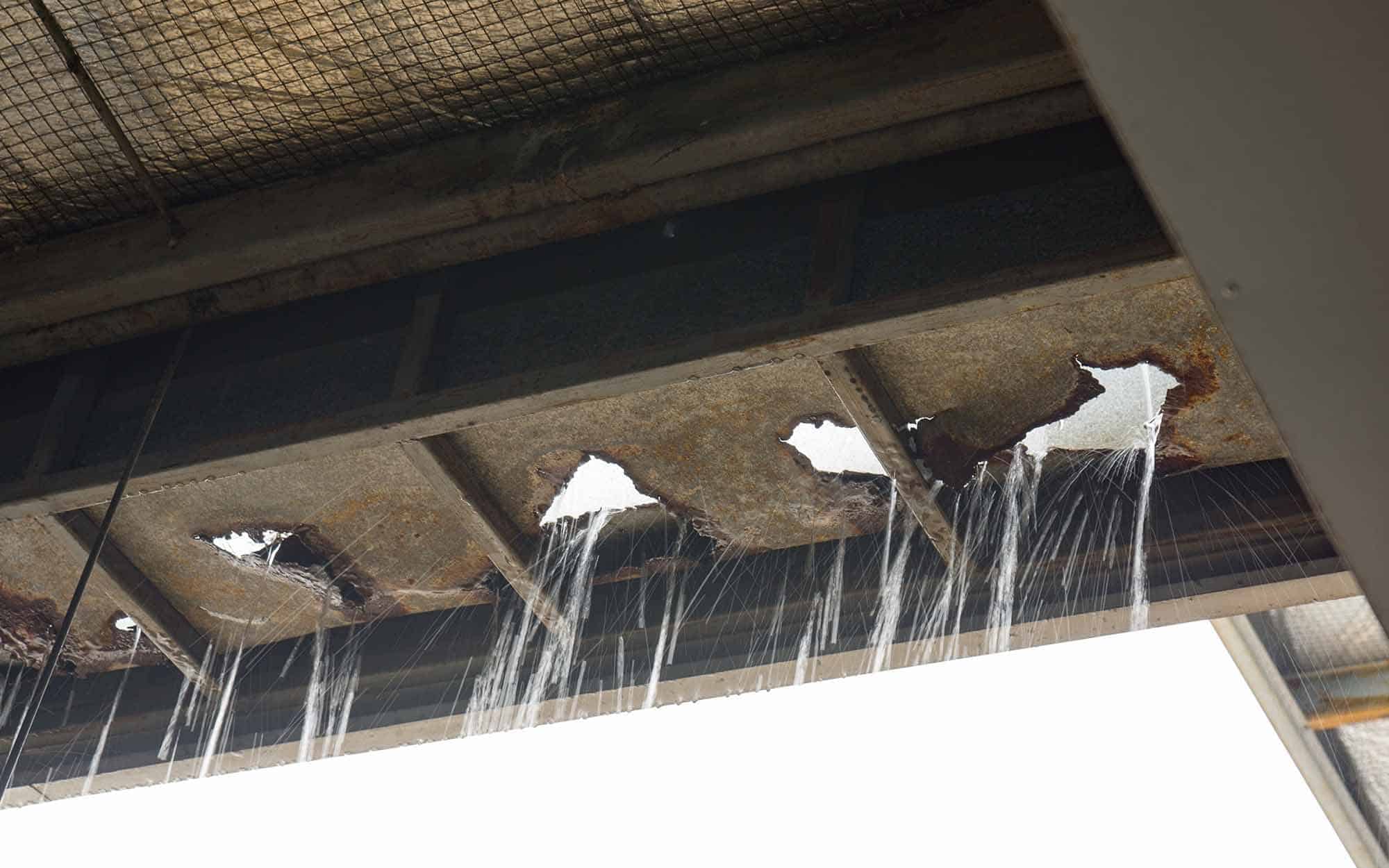
Related Blogs

image block

What Is Trenchless Sewer Pipe Repair and How Does It Work? 

When house owners in Las Vegas think about sewer problems, the first thing that comes to their mind is torn up yards, driveways which are completely destroyed and countless weeks of noisy construction that disturb them and the whole neighborhood. For several years traditional sewer pipe repair meant that the home has to go through extensive digging process that […]

image block

Why Annual Leak Inspections Are Worth It

Plumbing is one of those things in your home that you never think about—until something goes wrong. A dripping faucet, hidden pipe leak, or sudden water stain on the ceiling can turn into an expensive repair if left unchecked. That’s why scheduling an annual leak inspection is one of the smartest investments you can make […]

image block

Preventive Tips to Avoid Future Water Leaks

When it comes to home maintenance, few issues are as costly or frustrating as unexpected water leaks. A small drip can quietly lead to major damage — weakening walls, floors, and even your home’s foundation. The good news? With the right preventive strategies, homeowners can avoid future water leaks and save thousands in repairs. At […]

image block

Causes of Sewer Smells in Bathrooms and Kitchens

When you step into your bathroom or kitchen, the last thing you expect to notice is an unpleasant odor. Yet many homeowners find themselves wondering why their space smells like a sewer. These sewer smells are not just bothersome — they can be signs of underlying plumbing issues that may pose risks to your home’s […]

image block

Common Signs of a Broken Sewer Pipe

When it comes to maintaining your home’s plumbing system, few issues are as serious—and as easy to overlook—as a broken sewer pipe. Hidden underground or behind walls, your sewer line silently carries away wastewater from your home every day. But when it cracks, collapses, or clogs, it can lead to messy, unhealthy, and expensive consequences. […]

image block

Signs of Roof and Ceiling Leaks in Industrial Facilities

When managing an industrial facility, maintaining the integrity of the building structure is crucial. Among the most common and costly problems facility managers face are roof and ceiling leaks. These leaks not only threaten the building’s infrastructure but can also disrupt operations, damage inventory, and compromise safety. For industrial buildings—such as factories, manufacturing plants, and […]

newsletter-image

Our Newsletter


Stay informed about the latest in plumbing solutions, home maintenance tips, and special discounts.

    Privacy policy

    [bft-int-chk checked="true" ] Subscribe for the mailing list