You start your day with coffee readiness only to discover water leakage near your hot water heater upon waking up. At the beginning you consider it a noncritical situation because you believe it might be ordinary condensation. When you take a closer look at the water it continues to spread across the area.

The crucial question enters your mind about whether a leaking water heater should be considered an emergency situation. Hot water heater leaks usually require urgent attention from most situations.

A water heater is leaking transforms from an initial minor problem into a major household disaster within a short period. The delay in taking action allows water damage to occur together with mold growth and safety risks. The ability to recognize emergency situations regarding water heater leaks will help homeowners save money on repair expenses.

Our team provides water heater assistance to numerous Las Vegas residents. This guide explains the causes along with risks and solutions so you can identify proper responses when your system shows issues.

We provide immediate assistance for water heater leak situations through our service line (702) 745-5571.


Table of Contents

  1. Understanding the Problem: What Causes a Leaking Hot Water Heater
  2. Is a Leaking Hot Water Heater an Emergency?
  3. Warning signs that require urgent water heater leak attention
  4. The Risks of Ignoring a Leaking Hot Water Heater
  5. How Water Heater Cost Factors Into Repair vs. Replacement
  6. Quick Safety Steps to Take Before the Plumber Arrives
  7. Professional Repair vs. DIY: Why Choosing Experts Matters
  8. How Leak Experts USA Handles a Water Heater Leak in Las Vegas
  9. Preventing Future Leaks: Maintenance Tips Every Homeowner Should Know
  10. FAQs – Is a Leaking Hot Water Heater an Emergency?

Understanding the Problem: What Causes a Leaking Hot Water Heater

You must first identify the reason behind the situation to determine if it qualifies as an emergency. Various factors such as minor or major issues can cause a leaking hot water heater to occur.

Common causes include:

  • The drain valve located at the base of your tank needs proper sealing because otherwise water will leak out.
  • The T&P relief valve functions as a safety mechanism but continuous leakage occurs when it becomes faulty.
  • The tank’s interior will rust because of water minerals which results in pinhole leaks.
  • The tank develops cracks because of natural aging processes and wear alongside unexpected temperature fluctuations.
  • Excessive pressure puts stress on the tank and fittings, which can lead to leaks.

The identification of emergency status depends on the extent of leakage since slow leaks can be controlled while fast leaks may result in massive water loss over short periods.


Is a Leaking Hot Water Heater an Emergency?

Does a leaking hot water heater qualify as an emergency? Most of the time the best approach is to treat a leaking hot water heater as an emergency until further inspection verifies otherwise.

Here’s why:

  1. Water Damage Risk – Even a slow leak can warp flooring, damage drywall, and lead to costly repairs.
  2. Electrical Hazards – The danger of electric shock and fires increases when the water heater stands close to outlets and appliances.
  3. Health Concerns – Standing water can promote mold and mildew growth within 24–48 hours.
  4. Escalating Damage – A leak that originates inside the tank can grow worse over time.

A good rule of thumb: The following actions should be taken immediately:

  • If the leak is near electrical wiring, the water is spraying instead of dripping, or you can’t identify the source — call a plumber immediately.
  • Even if the leak is only a few drops because of a loose connection, you still need to schedule an inspection but you may have a bit more time.

The situation in Las Vegas where many homes contain water heaters in garage or closet spaces leads to extended periods of leak detection which results in more severe damage than expected.


Warning signs that require urgent water heater leak attention

The warning signs for urgent conditions can be identified through which methods? These warning signs should be considered:

  • A large puddle combined with continuous dripping indicates an extensive leak which demands immediate response.
  • The presence of rust-colored water indicates that your tank is corroding from within and you might need to replace it.
  • A hissing or popping sound coming water heater leaking from the tank could be a sign that pressure is building up inside the tank.
  • The main reason behind water temperature fluctuations in your system is sediment buildup or failing components.
  • A leak produces stagnant water which develops an unpleasant odor while bacteria multiply inside.

You should treat any situation that shows these symptoms as an emergency. The question remains whether a leaking hot water heater constitutes an emergency situation. These signs indicate a complete emergency situation.


The Risks of Ignoring a Leaking Hot Water Heater

A water heater leak can prove to be a costly mistake if not properly addressed. The unobtrusive nature of the leak does not indicate the extent of the resulting damage.

Potential risks include:

  • Water exposure to structural components causes damage to floor joists together with subflooring and drywall.
  • The growth of mold and mildew results in health problems together with expensive remediation costs.
  • A leak causes both water consumption and energy loss that results in higher utility bills.
  • A small part replacement today will cost less than a full replacement which may become necessary tomorrow.

Water heater maintenance expenses grow when people choose to disregard leaks since emergency replacement services tend to be more expensive than scheduled replacements.


How Water Heater Cost Factors Into Repair vs. Replacement

Homeowners must decide whether to fix or replace their water heater after detecting a leak. The choice depends on your water heater price and the present condition along with the age of your current unit.

Average costs in Nevada

The costs of water heater maintenance can be divided into two categories which are repairs and replacements.

The cost of fixing minor issues with valves and tightening connections ranges between $150 to $400 while significant repairs that require internal part or heating element replacements cost between $400 to $700.

The installation prices for standard tank water heaters range between $1,000 and $1,800 while tankless water heaters cost between $2,500 and $4,500 with installation.

Key factors affecting the cost:

  1. Type of Unit – Tank vs. tankless models have different repair and replacement prices.
  2. Extent of Damage – The cost of repair depends on the extent of tank damage since fixing a small valve leak costs less than repairing a complete tank rupture.
  3. Labor Rates – Emergency after-hours work often costs more.
  4. Unit Age – If your heater is more than 10–12 years old, replacement is usually more cost-effective than repair.

The company I work for provides Las Vegas homeowners with clear information about repair versus replacement costs prior to beginning any work. This allows you to choose a solution that does not contain unexpected costs.


Quick Safety Steps to Take Before the Plumber Arrives

The first response for Las Vegas water heater leak situations requires homeowners to execute these protective measures before the plumber arrives:

  1. Turn Off the Power
  2. Electric Heater: Flip the breaker switch in your electrical panel.
  3. Gas Heater: Turn the gas supply knob to the “OFF” position.
  4. Shut Off the Water Supply
  5. The shut-off valve located at the top of the heater requires a clockwise turn until it stops to stop the water supply.
  6. Drain the Tank (if necessary and safe)
  7. Lead the garden hose from the drain valve to a protected area for drainage.
  8. Move Items Away from the Leak Area
  9. Protect furniture, boxes, and electronics from water damage.
  10. Avoid Standing Water Contact
  11. Stay away from the area when water is near outlets or appliances until a professional arrives.

The steps will not resolve the leak problem but they minimize flooding risks and electrical hazards until professional assistance arrives.


Professional Repair vs. DIY: Why Choosing Experts Matters

Many homeowners feel the urge to repair water heater leaks after watching online tutorials although professional help usually yields better results.

The following reasons demonstrate why professional assistance provides superior benefits for water heater leak situations:

Risks of DIY Repairs:

  • Voided Warranty: Manufacturers often require professional installation or repairs.
  • Safety Hazards: Gas leaks, electrical shocks, or scalding water injuries are possible.
  • Incomplete Fixes: The lack of proper tools means you will stop the symptom but not address the root cause.

Benefits of Calling Us:

  • 24/7 emergency response for urgent situations.
  • Certified technicians who diagnose the exact cause.
  • Honest recommendations based on water heater cost and long-term value.
  • Full compliance with Nevada plumbing codes.

A leaking hot water heater constitutes an emergency according to what standards. The potential dangers and costs of DIY mistakes make the answer even clearer: yes.


How Leak Experts USA Handles a Water Heater Leak

Our emergency response to water heater leak calls in Las Vegas follows a procedure which combines fast service with both efficiency and stress reduction.

Our 5-Step Process:

  1. Immediate Phone Consultation: The plumber will arrive at your location while our staff provides safety guidance through the phone.
  2. On-Site Inspection: Our team identifies where the leak occurred and evaluates the affected area.
  3. Diagnosis & Options: Our team offers detailed repair versus replacement advice together with clear pricing information.
  4. Same-Day Repairs: Our team can perform the needed repair or replacement work during the initial visit in most cases.
  5. Post-Service Check: Our team verifies system efficiency and provides maintenance guidance to prevent upcoming system problems.

Our team delivers hot water restoration services to Las Vegas residents together with Summerlin, North Las Vegas, and Henderson areas for safe and immediate service.


Preventing Future Leaks: Maintenance Tips Every Homeowner Should Know

The cost of preventive maintenance is always more affordable than the expense of emergency repairs. The following tips will help you decrease the possibility of future water heater issues:

  • Schedule Annual Inspections: Professional check-ups catch small issues before they turn into emergencies.
  • Flush the Tank Yearly: Removes sediment buildup that can cause internal corrosion.
  • Check the Anode Rod: Replace it every 3–5 years to prevent rust.
  • Monitor Water Pressure: High pressure can shorten your heater’s lifespan.
  • Keep the Area Clear: Avoid storing items close to the unit to allow ventilation and make inspections easier.

Routine maintenance tasks help your water heater last longer while reducing its overall operating expenses.


FAQs – Is a Leaking Hot Water Heater an Emergency?

Q1: How quickly should I call a plumber if I notice a leak?

Right away. A gradual leak can rapidly worsen into severe water damage and mold growth and structural damage. Early action helps prevent wasted time and money and reduces your stress levels.


Q2: Can a leaking hot water heater be repaired, or will it always need replacement?

The decision to repair or replace depends on both the nature of the issue and the age of your water heater system. A leaking hot water heater can usually be fixed when the leak originates from a broken valve or disconnected plumbing. The safest and most cost-effective solution for a corroded tank is to replace the entire water heater system.


Q3: Does insurance covers water damage from a heater leak.

Homeowner’s insurance typically covers sudden accidental water damage that includes heater failure. If the leak happened because of poor maintenance over time your insurance claim will not be accepted. Always check your policy and keep your system in good working order to prevent potential disputes.


Q4: Is it safe to keep using a leaking hot water heater?

Absolutely not. Running a leaking unit poses greater risks because it increases the chances of flooding and electrical accidents and also poses a threat of tank failure. Your home and family safety depends on your immediate shutdown of both the water and power supply.

Leaking water heater requires immediate attention because you should treat it as an emergency situation. Fast action leads to reduced damage while minimizing repair expenses and giving you increased serenity.

Bottom Line: If you detect a leak, you must take immediate action because it is an emergency. Quick response means less damage, lower repair costs, and greater peace of mind.


Take immediate action to defend your property against water heater leaks.

A leaking hot water heater constitutes a situation that requires emergency intervention. Yes represents the safest possible response to this situation. The leaking water heater dangerous to your home and safety along with financial risks require you to handle this situation immediately.

We offer quick dependable affordable services for all types of plumbing needs ranging from valve repairs to complete system replacements. The Las Vegas home plumbing experts at our company deliver peace of mind to homeowners through their unique understanding of local plumbing requirements.

Call Leak Experts USA at (702) 745-5571 for immediate assistance or schedule an inspection through our online booking system. Your home requires the best treatment along with the best plumbing services.

Follow us on Instagram for regular updates!
Related Blogs

image block

Urgent Warning Signs of Outdoor Pipe Leaks

When it comes to maintaining a safe and comfortable home, one of the most overlooked but serious issues is hidden plumbing leaks outside your house. Unlike indoor drips that you can quickly spot under a sink, outdoor pipe leaks often go unnoticed until they cause extensive property damage, skyrocketing water bills, and even health hazards. […]

image block

Toilet Leaks Comparison: Tank Leaks vs. Base Leaks: Which Is Worse?

When it comes to plumbing problems at home, few things are as frustrating—or as damaging—as a leaking toilet. Whether it’s a trickle from the tank or a pool forming around base, toilet leaks can cause more than just an inconvenience. They lead to higher water bills, hidden water damage, and potential health risks if left […]

image block

The Most Expensive Bathroom Plumbing Leaks

When you think about the plumbing in your bathroom, you might imagine running water, refreshing showers, or maybe even a relaxing soak in the tub. What most homeowners don’t expect is how quickly bathroom plumbing leaks can turn from a minor inconvenience into one of the most costly leaks in your home. Bathrooms see constant […]

image block

Pool Return Line Leaks: A Hidden Plumbing Issue

When it comes to maintaining a swimming pool, most homeowners focus on visible concerns—clean water, balanced chemicals, and working equipment. But what about the hidden issues beneath the surface that quietly waste water and money? One of the most common yet often overlooked problems is pool return line leaks. These leaks can go unnoticed for […]

image block

Priority Fixes for Shower and Bathtub Leaks

When it comes to home maintenance, few issues cause as much frustration as shower and tub leaks. A small drip may seem harmless at first, but over time, it can waste thousands of gallons of water, increase your utility bills, and even cause costly structural damage to walls, floors, and ceilings. For homeowners, particularly in […]

image block

Pool Pump Leaks That Can Burn Out the Motor

When it comes to maintaining a healthy swimming pool, most homeowners think of cleaning the water, balancing chemicals, and ensuring the filter works. Yet, behind the scenes, one of the most critical pieces of equipment is your pool pump. It keeps the water circulating, ensures chemicals are properly mixed, and helps prevent algae growth. Unfortunately, […]

Imagine waking up to find a warm, damp patch on your living room floor, or noticing your water bill has doubled for no reason. These are classic red flags of a slab leak—one of the most serious plumbing problems a homeowner can face. Left unchecked, a slab leak can cause significant structural damage, encourage mold growth, and lead to costly repairs. The good news? With the right water damage restoration steps in place, you can prevent a bad situation from becoming a financial nightmare.

At Leak Experts USA, we’ve spent years helping homeowners address slab leaks quickly and effectively. Our team specializes in identifying leaks early, stopping the source, and restoring homes to their original condition. We know that when disaster strikes, speed and expertise make all the difference.


Table of contents

  1. Understanding Slab Leaks: Causes and Warning Signs
  2. The Risks of Ignoring a Slab Leak
  3. First Response: Immediate Actions to Take
  4. Step-by-Step Guide to Water Damage Restoration from a Slab Leak
  5. Water Damage Prevention Tips for Homeowners
  6. How Leak Experts USA Handles Slab Leak Restorations
  7. Cost Factors for Water Damage Restoration Steps
  8. FAQs – Slab Leaks and Restoration

Understanding Slab Leaks: Causes and Warning Signs

A slab leak occurs when water pipes located beneath your home’s concrete foundation develop cracks, holes, or loose connections. Because these pipes are hidden, leaks can go unnoticed for weeks—or even months—before visible damage appears.

Common Causes of Slab Leaks:

  • Pipe Corrosion – Often caused by hard water or chemical reactions between the pipe and surrounding soil.
  • Shifting Soil or Foundation Movement – Ground movement can strain and break underground pipes.
  • Poor Installation – If plumbing pipes were poorly fitted or kinked during construction, leaks may develop sooner.
  • High Water Pressure – Over time, excessive water pressure can stress and rupture pipes.

Early Warning Signs to Watch For:

  • Unexplained warm spots on the floor
  • Low water pressure throughout the home
  • Sudden spikes in water bills
  • The sound of running water when no taps are on
  • Moist or damp flooring

If you spot any of these signs, don’t wait—make a quick plumber call to prevent the situation from escalating.


The Risks of Ignoring a Slab Leak

Delaying repairs for a slab leak can lead to extensive damage, not just to your plumbing but to your entire home’s structure. Here’s why immediate action is so important:

  • Structural Damage – Water can erode the soil beneath your home, causing foundation cracks and uneven flooring.
  • Mold Growth – Damp, dark areas beneath flooring are the perfect breeding ground for mold and mildew.
  • Electrical Hazards – Water infiltration can damage wiring and increase the risk of electrical fires.
  • Increased Costs – What could have been a small repair may escalate into thousands of dollars in restoration expenses.

When it comes to slab leaks, time really is money. The sooner you follow the right water damage restoration steps, the better your chances of saving both your home and your wallet.

Leak detection

First Response: Immediate Actions to Take

If you suspect a slab leak, the actions you take in the first few hours can drastically reduce the extent of the damage.

1. Shut Off the Main Water Supply

Locate your home’s main shut-off valve and turn it off immediately to stop further water intrusion.

2. Call a Professional Right Away

A quick plumber call ensures that an expert can confirm the leak, start repairs, and prevent additional damage.

3. Move Furniture and Valuables

Relocate rugs, electronics, and furniture from the affected area to prevent secondary damage.

4. Document the Damage

Take photos and videos before any cleanup begins. This documentation can be invaluable when filing an insurance claim.

5. Avoid DIY Repairs for Hidden Leaks

Slab leaks require specialized detection equipment and repair techniques. Attempting a DIY fix can cause further harm to your plumbing and foundation.

By taking these steps promptly, you set the stage for an efficient and effective restoration process that can return your home to normal in less time.


Step-by-Step Guide to Water Damage Restoration from a Slab Leak

When a slab leak occurs, following the right water damage restoration steps can mean the difference between a quick fix and a months-long nightmare. We follow a proven process designed to stop the leak, minimize damage, and restore your home to its original condition.


Step 1: Quick Plumber Call for Emergency

Time is critical. The longer water seeps into your foundation, the more damage it can cause to flooring, drywall, and even your home’s structure.

A quick plumber call ensures that certified technicians arrive promptly with advanced inspection tools such as electronic listening devices, thermal imaging cameras, and pressure testing systems. These allow us to locate the exact source of the leak without unnecessary demolition.

We also provide a clear assessment of the damage and recommend the most efficient repair options. This early intervention is the foundation for effective water damage restoration steps.


Step 2: Stopping the Source of Water

Once the leak is found, our first priority is to stop it. This may involve temporarily capping the damaged section, rerouting water lines, or replacing broken pipe segments.

Stopping the water quickly not only prevents further flooding but also reduces the risk of secondary issues such as mold growth. At this stage, homeowners can already save hundreds—sometimes thousands—on repair costs compared to delaying action.


Step 3: Floor Drying and Moisture Removal

After the leak is stopped, we begin the floor drying process. Even if the surface appears dry, moisture can remain trapped beneath flooring materials and inside the concrete slab.

We use industrial-grade air movers, dehumidifiers, and moisture meters to ensure every affected area is thoroughly dried. This step is crucial because lingering moisture can weaken flooring adhesives, warp wood, and create the perfect breeding ground for mold.

We monitor humidity levels throughout the process to guarantee the space is completely dry before moving on. Proper floor drying is a cornerstone of professional water damage restoration steps.


Step 4: Sanitizing and Decontamination

Water from a slab leak may pass through soil before entering your home, carrying bacteria and other contaminants.

Our team uses eco-friendly cleaning agents and antimicrobial treatments to sanitize all affected surfaces, from floors to baseboards. This ensures your home is not only structurally sound but also safe for your family’s health.


Step 5: Structural Repair and Restoration

Finally, we address any physical damage caused by the leak. This may involve replacing damaged flooring, repairing drywall, or reinforcing compromised sections of the foundation.

In some cases, especially with older homes, we may recommend upgrades to your plumbing system to help with water damage prevention. Preventive measures now can save you from dealing with another costly leak in the future.

By following these water damage restoration steps in order, we ensure that every stage—from detection to full repair—is handled efficiently and professionally.


Water Damage Prevention Tips for Homeowners

While you can’t control every plumbing issue, there are smart strategies that greatly reduce your chances of facing another costly slab leak. Practicing water damage prevention not only protects your property but also saves you stress in the long run.

1. Schedule Annual Plumbing Inspections

A professional inspection can catch small leaks before they become major problems.

2. Install a detection System

Modern sensors can detect unusual water flow and automatically shut off your supply, minimizing potential damage.

3. Maintain Safe Water Pressure

High water pressure can stress pipes. Keep it within the recommended range of 40–60 psi.

4. Soften Hard Water

Installing a water softener helps prevent corrosion and mineral buildup inside pipes.

5. Respond Quickly to Warning Signs

If you notice damp flooring or hear running water when no fixtures are on, make a quick plumber call immediately to prevent further damage.

Taking these preventive steps helps ensure you won’t have to go through extensive water damage restoration process again in the near future.


How Leak Experts USA Handles Slab Leak Restorations

We’ve built our reputation as the most trusted provider of water damage restoration Las Vegas by combining advanced technology with unmatched customer care.

Here’s how we stand out:

  • Non-Invasive Leak Detection – We locate leaks without tearing up your floors unnecessarily.
  • Rapid Response – 24/7 emergency service for slab leaks and burst pipes.
  • Complete Restoration Services – From leak repair to floor drying and full structural restoration.
  • Transparent Pricing – No hidden fees, just honest assessments and upfront quotes.
  • Local Expertise – We understand the unique plumbing challenges faced by homes in Las Vegas and surrounding areas.

We’re committed to restoring not just your property, but also your peace of mind.


Cost Factors for Water Damage Restoration Steps

The cost of restoration after a slab leak varies based on several factors:

  • Extent of Damage – Larger affected areas cost more to repair.
  • Type of Flooring – Hardwood, tile, and carpet all require different restoration methods.
  • Leak Location – Deeper or harder-to-reach leaks may involve more labor.
  • Preventive Upgrades – Some homeowners choose to add upgrades for water damage prevention during restoration.

While some homeowners hesitate due to cost concerns, waiting too long to address a leak often leads to much higher expenses later. Early detection and prompt action are always the most affordable routes.


FAQs – Slab Leaks and Restoration

Q: How long does water damage restoration steps take after a slab leak?

A: The timeline depends on the severity, but most projects take anywhere from a few days to a week. This includes leak detection, complete floor drying, repairs, and final inspections to ensure no hidden moisture remains.


Q: Is water damage from a slab leak covered by insurance?

A: In many cases, yes—but coverage varies by policy. Documenting the damage, keeping receipts, and following prompt water damage restoration steps can increase your chances of approval.


Q: Can I handle a slab leak myself?

A: Due to the specialized tools and expertise required, slab leak repair and water damage restoration steps are best left to licensed professionals. Attempting DIY fixes may make the problem worse and jeopardize insurance claims.


Q: What’s the first thing I should do when I suspect a slab leak?

A: Shut off your water supply immediately and make a quick plumber call. The faster you act, the better your chances of minimizing damage.


Q: How can I prevent slab leaks in the future?

A: Regular plumbing inspections, maintaining stable water pressure, and using quality piping materials are effective water damage prevention measures.


Q: Do I have to replace my entire floor after a slab leak?

A: Not always. If the leak is caught early and water damage restoration steps are performed quickly, partial repairs may be enough.


Q: Can slab leaks cause structural damage?

A: Yes—unresolved leaks can weaken foundations, cause mold growth, and lead to costly repairs. Timely water remediation process are essential for safety and property value.


Protect Your Home Today

If you suspect a slab leak or see signs of water damage, don’t wait until it’s too late. The right water damage categories restoration steps can save your home from costly structural repairs and protect your family’s health.

At Leak Experts USA, we provide fast, reliable, and professional services across Henderson, Summerlin, North Las Vegas, Paradise, and the surrounding areas. Our water damage restoration Las Vegas team is available 24/7 to handle emergencies and restore your home to its best condition.

📞 Call us now at (702) 745-5571 or book online to schedule an inspection or request emergency service. Follow us on Instagram for regular updates!
Related Blogs

image block

Urgent Warning Signs of Outdoor Pipe Leaks

When it comes to maintaining a safe and comfortable home, one of the most overlooked but serious issues is hidden plumbing leaks outside your house. Unlike indoor drips that you can quickly spot under a sink, outdoor pipe leaks often go unnoticed until they cause extensive property damage, skyrocketing water bills, and even health hazards. […]

image block

Toilet Leaks Comparison: Tank Leaks vs. Base Leaks: Which Is Worse?

When it comes to plumbing problems at home, few things are as frustrating—or as damaging—as a leaking toilet. Whether it’s a trickle from the tank or a pool forming around base, toilet leaks can cause more than just an inconvenience. They lead to higher water bills, hidden water damage, and potential health risks if left […]

image block

The Most Expensive Bathroom Plumbing Leaks

When you think about the plumbing in your bathroom, you might imagine running water, refreshing showers, or maybe even a relaxing soak in the tub. What most homeowners don’t expect is how quickly bathroom plumbing leaks can turn from a minor inconvenience into one of the most costly leaks in your home. Bathrooms see constant […]

image block

Pool Return Line Leaks: A Hidden Plumbing Issue

When it comes to maintaining a swimming pool, most homeowners focus on visible concerns—clean water, balanced chemicals, and working equipment. But what about the hidden issues beneath the surface that quietly waste water and money? One of the most common yet often overlooked problems is pool return line leaks. These leaks can go unnoticed for […]

image block

Priority Fixes for Shower and Bathtub Leaks

When it comes to home maintenance, few issues cause as much frustration as shower and tub leaks. A small drip may seem harmless at first, but over time, it can waste thousands of gallons of water, increase your utility bills, and even cause costly structural damage to walls, floors, and ceilings. For homeowners, particularly in […]

image block

Pool Pump Leaks That Can Burn Out the Motor

When it comes to maintaining a healthy swimming pool, most homeowners think of cleaning the water, balancing chemicals, and ensuring the filter works. Yet, behind the scenes, one of the most critical pieces of equipment is your pool pump. It keeps the water circulating, ensures chemicals are properly mixed, and helps prevent algae growth. Unfortunately, […]

Leaks are one of the most frustrating plumbing issues a homeowner can face. They can hide behind walls, under floors, or beneath concrete slabs—slowly causing damage and driving up water bills without you even knowing. That’s where advanced methods like tracer-gas leak testing come in.

Unlike traditional methods that rely solely on listening devices or visible water damage, tracer gas detection uses science to identify even the smallest leaks with pinpoint accuracy. It’s fast, non-invasive, and highly reliable.

We’ve seen how hidden leaks can cause thousands of dollars in property damage if left undetected. That’s why we use this cutting-edge technology to help homeowners in Las Vegas and surrounding areas protect their properties and avoid costly repairs.

📞 Need expert help today? Call us at (702) 745-5571 for a free consultation on our inspection services.


Table of contents

  1. What is a Tracer Gas Leak Test?
  2. The Science Behind Tracer Gas Leak Detection
  3. Why Homeowners Should Consider Tracer Gas for Leak
  4. The Process
  5. The Role of Pipe Pressure Testing in Leak Detection
  6. Pinpoint Location: Accuracy You Can Trust
  7. Safety and Environmental Considerations
  8. Cost Factors and Value for Homeowners
  9. Why Choose Tracer Gas Leak Testing Over Traditional Methods?
  10. Why Choose Leak Experts USA for Tracer Gas Leak Detection
  11. FAQs – Tracer Gas Leak Testing for Homeowners

What is a Tracer Gas Leak Test?

A tracer gas leak test is one of the most accurate inspection techniques available today. The process involves introducing a safe, non-toxic gas into your plumbing or pipeline system. Because gas molecules are so small, they escape easily through even the tiniest holes or cracks in the system.

Sensitive detectors then scan the area above the pipeline, locating the exact point where the gas is escaping. This is especially useful in situations where leaks are hidden deep inside walls, under driveways, or within a home’s foundation.

Unlike traditional methods that might require guesswork or extensive excavation, tracer gas testing finds leaks without damaging your property—saving you both time and money.


The Science Behind Tracer Gas Leak Detection

So, how does this technology actually work? The science is surprisingly straightforward yet incredibly effective.

Tracer gas is usually a mixture of hydrogen (which is lighter than air and harmless in small concentrations) and nitrogen. Hydrogen molecules are much smaller than water molecules, meaning they can pass through tiny openings that water might not. This makes them ideal for locating micro-leaks that could otherwise go undetected.

In some cases, the helium leak method is used instead. Helium, being inert and non-reactive, is completely safe for both humans and plumbing systems. Detectors designed for helium are extremely sensitive, allowing professionals to identify leaks with incredible precision—even those as small as a pinhole.

Once the gas is injected, specialized sniffing devices detect its presence above the surface. If gas is detected, it’s a clear indication of a leak in that spot. This pinpoint location accuracy means minimal disruption during repairs.


Why Homeowners Should Consider Tracer Gas for Leak Detection

You might be wondering—why choose tracer gas testing over other inspection methods? Here are some compelling reasons:

  • Accuracy: It finds leaks that other methods often miss, including very small leaks in hidden areas.
  • Non-Invasive: No need for tearing up floors or breaking walls to guess where a leak might be.
  • Speed: The process can be completed quickly, minimizing water waste and preventing further damage.
  • Cost-Effective: Early detection means smaller repairs and lower costs in the long run.

For example, if a pipe under your slab is leaking, traditional methods might require breaking large sections of concrete just to search for the problem. With tracer gas leak testing, we can detect the leak location without unnecessary demolition—saving you from a major mess and a hefty repair bill.


The Process

We follow a proven process to ensure that every tracer gas leak test delivers accurate and trustworthy results. Here’s how we do it:

  1. Initial Assessment – We begin by inspecting your plumbing system and confirming the areas where a leak is suspected.
  2. Pipe Preparation – The water supply is shut off and the pipes are carefully drained to create the right conditions for testing.
  3. Pipe Pressure Testing – Before introducing tracer gas, we perform pipe pressure testing to determine if there’s a drop in pressure, which is a strong indication of a leak.
  4. Gas Injection – We inject a mixture of hydrogen and nitrogen (or sometimes helium) into the pipes.
  5. Detection Phase – Using sensitive equipment, we scan floors, walls, and surrounding areas to detect any escaping gas.
  6. Pinpoint Confirmation – Once a leak is detected, we confirm its exact location before planning repairs.

This method ensures minimal disruption and allows us to address the problem efficiently without unnecessary guesswork or demolition.


The Role of Pipe Pressure Testing in Leak Detection

Pipe pressure testing is an essential part of the process because it gives us a quick snapshot of the system’s health. During this step, we pressurize the pipes (using water or air) and monitor for pressure loss.

  • If the pressure holds steady, it’s unlikely there’s a leak in the tested section.
  • If pressure drops, it indicates that somewhere in the system, water or air is escaping—meaning it’s time for tracer gas to step in for more precise detection.

This combination of pressure testing and tracer gas ensures we’re not only doing inspections but also confirming the full integrity of your plumbing system. It’s a double layer of assurance for homeowners who want complete peace of mind.


Pinpoint Location: Accuracy You Can Trust

When it comes to leak detection, “close enough” just doesn’t cut it. That’s why we focus on pinpoint location technology. This means we don’t just tell you which area has a leak—we identify the exact spot so that repairs can be done with surgical precision.

Here’s why this matters:

  • Less property damage (no need to break into large areas unnecessarily)
  • Faster repairs and lower labor costs
  • Reduced downtime and inconvenience for you and your family

Our equipment can locate leaks in challenging areas such as:

  • Slab foundations
  • Behind tiled walls
  • Underground plumbing lines

The combination of tracer gas and pinpoint technology gives us an unmatched edge in inspection accuracy.


Safety and Environmental Considerations

Homeowners sometimes worry about the safety of introducing gas into their plumbing systems—but rest assured, the gases used in a tracer gas leak test are completely safe.

  • Hydrogen & Nitrogen: Harmless in small concentrations, non-flammable in the ratios we use, and leave no residue.
  • Helium Leak Method: Helium is inert, odorless, tasteless, and poses zero health risks. This makes it a preferred choice for sensitive environments.

From an environmental standpoint, tracer gases are eco-friendly. They don’t pollute water supplies, corrode pipes, or harm indoor air quality. In fact, by finding leaks earlier, they help conserve water—a win for both homeowners and the planet.


Cost Factors and Value for Homeowners

One of the most common questions we hear is, “How much does a tracer gas leak test cost?” While every home is different, several factors influence the final price:

  • Location of the Leak – Easier-to-access areas tend to be less expensive to test.
  • Property Size – Larger homes or properties with complex plumbing layouts require more time and resources.
  • Type of Plumbing – Older or specialty materials may require additional preparation.
  • Extent of the Problem – Multiple leaks or widespread issues take longer to diagnose.

Although tracer gas testing can cost slightly more upfront than basic detection methods, it saves money in the long run by preventing unnecessary demolition, reducing repair costs, and protecting your home from ongoing damage. In most cases, early detection pays for itself many times over.


Why Choose Tracer Gas Leak Testing Over Traditional Methods?

When it comes to finding hidden leaks, tracer gas leak testing stands out as one of the most advanced and efficient solutions available. Unlike conventional methods such as water flooding or thermal imaging, tracer gas technology uses a harmless gas mixture—often including hydrogen or helium—that is pressurized into the pipe system. The gas quickly escapes through even the tiniest crack, allowing our specialized equipment to detect the pinpoint location of the problem.

This approach has several advantages. First, it significantly reduces the need for destructive inspections, meaning walls, floors, and landscaping remain intact. Second, the process is highly sensitive, capable of identifying leaks as small as a few microns, making it ideal for early detection and preventing costly damage. Third, it’s versatile—effective for both water and gas systems, and perfectly compatible with pipe pressure testing for comprehensive diagnostics.

The helium leak method in particular has earned a reputation for unmatched precision, especially in complex plumbing layouts or large commercial properties. By using tracer gas leak detection Las Vegas services, you can save time, avoid unnecessary repairs, and gain peace of mind knowing the source of the leak is identified quickly and accurately.


Why Choose Leak Experts USA for Tracer Gas Leak Detection

When you need reliable, accurate results, choosing the right company is just as important as choosing the right method. Leak Experts USA is proud to be a trusted name for tracer gas leak detection Las Vegas homeowners rely on.

Here’s what sets us apart:

  • Local Expertise – We understand the unique plumbing challenges of Las Vegas, including soil movement, water hardness, and temperature fluctuations.
  • Certified Technicians – Our team is trained in both the hydrogen/nitrogen and helium leak method, ensuring the safest and most accurate detection possible.
  • State-of-the-Art Equipment – We use advanced sensors capable of detecting even the smallest leaks.
  • Customer-First Service – Clear communication, transparent pricing, and respect for your property are non-negotiables for us.

We’ve helped countless homeowners in Henderson, Summerlin, Paradise, and North Las Vegas protect their properties using this advanced technology—and we’d be honored to help you too.


FAQs – Tracer Gas Leak Testing for Homeowners

1. Is tracer gas leak testing safe for my family?

Absolutely. The gases used in tracer gas leak testing are non-toxic, non-flammable, and completely safe when applied in the small amounts needed for diagnostics. These gases are carefully introduced into your system by trained professionals, ensuring there’s no risk to your household or environment.


2. How long does the process take?

In most cases, the entire process can be completed within a few hours. The exact duration depends on factors such as the size of your property, the complexity of the plumbing or piping network, and the nature of the suspected leak.


3. Can tracer gas be used for both water and gas pipes?

Yes. Although tracer gas leak testing is most commonly performed on water systems, it can also be applied to certain types of gas lines. The versatility of this method makes it valuable for a variety of inspection needs.


4. Does tracer gas detection require breaking walls or floors?

Usually not. One of the greatest advantages of tracer gas leak testing is its non-invasive nature. It can often pinpoint leak locations without the need for destructive measures like breaking walls, digging floors, or tearing up landscaping.


5. Is the helium leak method more accurate than other tests?

Yes, especially when it comes to detecting micro-leaks that other methods may miss. The helium leak method is highly sensitive and can identify even the smallest leaks. However, our technicians assess each case individually to determine the most effective approach.

Tracer gas leak testing is a safe, precise, and efficient way to locate hidden leaks—saving you time, money, and unnecessary property damage.


Protect Your Home Today

Hidden leaks won’t fix themselves—and the longer they go unnoticed, the more damage they can cause. The good news? You can catch them early with advanced tracer gas leak testing from the professionals at Leak Experts USA.

Whether you’re dealing with unexplained water bills, damp spots, or suspected slab leaks, our expert team can help. We serve homeowners across Las Vegas offering the most precise and non-invasive detection methods available.

📞 Call us at (702) 745-5571 today or book online to schedule your inspection and get peace of mind knowing your home is in the hands of experts. Follow us on Instagram for regular updates!
Related Blogs

image block

Urgent Warning Signs of Outdoor Pipe Leaks

When it comes to maintaining a safe and comfortable home, one of the most overlooked but serious issues is hidden plumbing leaks outside your house. Unlike indoor drips that you can quickly spot under a sink, outdoor pipe leaks often go unnoticed until they cause extensive property damage, skyrocketing water bills, and even health hazards. […]

image block

Toilet Leaks Comparison: Tank Leaks vs. Base Leaks: Which Is Worse?

When it comes to plumbing problems at home, few things are as frustrating—or as damaging—as a leaking toilet. Whether it’s a trickle from the tank or a pool forming around base, toilet leaks can cause more than just an inconvenience. They lead to higher water bills, hidden water damage, and potential health risks if left […]

image block

The Most Expensive Bathroom Plumbing Leaks

When you think about the plumbing in your bathroom, you might imagine running water, refreshing showers, or maybe even a relaxing soak in the tub. What most homeowners don’t expect is how quickly bathroom plumbing leaks can turn from a minor inconvenience into one of the most costly leaks in your home. Bathrooms see constant […]

image block

Pool Return Line Leaks: A Hidden Plumbing Issue

When it comes to maintaining a swimming pool, most homeowners focus on visible concerns—clean water, balanced chemicals, and working equipment. But what about the hidden issues beneath the surface that quietly waste water and money? One of the most common yet often overlooked problems is pool return line leaks. These leaks can go unnoticed for […]

image block

Priority Fixes for Shower and Bathtub Leaks

When it comes to home maintenance, few issues cause as much frustration as shower and tub leaks. A small drip may seem harmless at first, but over time, it can waste thousands of gallons of water, increase your utility bills, and even cause costly structural damage to walls, floors, and ceilings. For homeowners, particularly in […]

image block

Pool Pump Leaks That Can Burn Out the Motor

When it comes to maintaining a healthy swimming pool, most homeowners think of cleaning the water, balancing chemicals, and ensuring the filter works. Yet, behind the scenes, one of the most critical pieces of equipment is your pool pump. It keeps the water circulating, ensures chemicals are properly mixed, and helps prevent algae growth. Unfortunately, […]

If you’re a homeowner with an inground pool, it’s easy to enjoy the sparkling water without thinking about what’s happening beneath the surface. But a hidden leak can slowly turn that relaxing backyard retreat into a costly headache. The truth is, understanding how to detect pool leaks in a inground pool is essential for protecting your investment and avoiding expensive repairs.

A pool leak is not just about losing water—it’s about losing money. Left unchecked, even a small leak can waste thousands of gallons of water, increase chemical usage, and cause damage to your pool’s structure or surrounding landscaping.

At Leak Experts USA, we’ve seen every type of pool leak imaginable, from hairline cracks in the pool shell to underground plumbing failures. Our experience in detecting leaks means we can pinpoint issues fast and help you make informed decisions before the damage spreads.


Table of Contents

  1. Understanding the Risks of Pool Leaks
  2. Common Signs You May Have a Pool Leak
  3. The Basics: How to Detect Pool Leaks in a Inground Pool
  4. Professional Pool Inspection Process Explained
  5. Equipment-Related Pool Leaks
  6. Structural Pool Leaks
  7. Underground Plumbing Leaks
  8. How the Pool Service Timeline Affects Leak Repair
  9. DIY vs Professional Detection – Which is Right for You?
  10. Preventing Future Pool Leaks
  11. Why Choose Leak Experts USA for Pool Leak Detection
  12. FAQs – How to Detect Pool Leaks in a Inground Pool

Understanding the Risks of Pool Leaks

While many homeowners believe water loss in a pool is normal, there’s a difference between natural evaporation and an actual leak. And that difference matters.

Here are some common risks when a pool leak goes unnoticed:

  • Structural Damage – Water escaping through cracks can erode soil beneath your pool, causing sinking or shifting.
  • Increased Utility Costs – You’ll spend more on water, heating, and chemicals to maintain the right levels.
  • Soil Erosion & Landscaping Issues – Persistent underground leaks can cause wet spots or uneven ground.
  • Equipment Strain – Pumps and filters work harder to maintain circulation, leading to premature wear and tear.

Professional services like swimming pool leak detection Las Vegas are designed to identify problems before they escalate. Catching the leak early is the difference between a quick repair and a full pool renovation.


Common Signs You May Have a Pool Leak

Before diving into the technical steps of how to detect pool leaks in a inground pool, it’s important to know the early warning signs. Recognizing these symptoms can save you time, money, and stress:

  1. Rapid Water Level Drop – If your pool loses more than ¼ inch per day, there may be a leak rather than evaporation.
  2. Unexplained Algae Growth – A leak disrupts chemical balance, creating conditions for algae to thrive.
  3. Cracks in Tiles or Decking – Small cracks can be entry points for water loss.
  4. Soggy Spots Around the Pool Area – Wet areas around the pool soil or grass patches near the pool can indicate underground leakage.
  5. Air Bubbles in Pump System – Continuous bubbles may mean water is being drawn from somewhere it shouldn’t be.

Spotting these issues early makes it easier to move into the pool inspection process and identify the exact source of the problem. Follow us on Instagram for regular updates!

Pool Leak Detection Centennial Hills

The Basics: How to Detect Pool Leaks in a Inground Pool

Finding a pool leak can feel overwhelming, but there are tried-and-true steps homeowners can take before calling in a professional. Here’s a simple, step-by-step approach to how to detect pool leaks in a inground pool on your own:

Step 1: Conduct a Visual Inspection

  • Look for cracks in the plaster, missing grout around tiles, or gaps in the skimmer throat.
  • Check the decking and coping for separation from the pool shell.

Step 2: Perform the Bucket Test (Water Loss Test)

  • Fill a bucket with pool water and place it on a pool step so the water inside matches the pool level.
  • Mark both water levels and wait 24 hours.
  • If the pool water drops more than the bucket water, you likely have a leak.

Step 3: Use a Dye Test

  • Turn off pool pumps so the water is still.
  • Apply pool-safe dye near suspected leak areas; watch if the dye is drawn toward a crack or fitting.

Step 4: Check Equipment and Fittings

  • Inspect filters, pumps, heaters, and return lines for signs of a pool leak or water accumulation.
  • Ensure all fittings and seals are tight.

Professional Pool Inspection Process Explained

While DIY testing can give you clues, the most accurate results come from a professional pool inspection process. We use advanced tools to locate even the most hidden leaks, saving you time and preventing unnecessary digging or guesswork.

Our Professional Process Includes:

  1. Pressure Testing – Isolates different sections of plumbing to check for leaks in underground pipes.
  2. Acoustic Listening Devices – Detects the sound of escaping water beneath surfaces.
  3. Underwater Inspection – Divers examine the pool shell, fittings, and drains for signs of damage.
  4. Dye Testing in Problem Areas – Pinpoints leaks too small for visual detection alone.

Not only is this process more thorough than DIY methods, but it also allows us to determine the fastest pool service timeline for repair, so you can enjoy your pool without extended downtime.


Equipment-Related Pool Leaks

Sometimes the problem isn’t in the pool shell or underground plumbing but in the equipment itself. Even the best-maintained systems can develop wear-and-tear issues over time.

Common Equipment Leak Sources:

  • Skimmer Leaks – Often caused by worn-out gaskets or cracks in the skimmer housing.
  • Filter Housing Cracks – High pressure and age can cause hairline fractures in the filter tank.
  • Pump Seal Failures – Worn or loose seals allow water to drip around the pump motor.
  • Heater Leaks – Corrosion inside the heat exchanger can cause steady water loss.

Catching these early in the pool inspection process not only saves money but also prevents equipment burnout from running dry.


Structural Pool Leaks

While equipment leaks are common, structural leaks can be more severe and costly to repair. These occur when water escapes through cracks or gaps in the pool shell, tile line, or decking.

Causes of Structural Leaks:

  • Ground movement or soil settling
  • Natural aging of pool materials
  • Improper installation of coping or tiles
  • Damage from freeze-thaw cycles (in certain climates)

Structural leaks are often more difficult for homeowners to identify without professional help. This is where knowing how to detect pool leaks in a inground pool becomes essential. If you spot small cracks or loose tiles, it’s best to get them assessed before they worsen.


Underground Plumbing Leaks

One of the trickiest issues to diagnose, underground leaks often occur in the pipes that carry water to and from your pool.

Signs of an Underground Leak:

  • Persistent wet spots or soft soil around the pool
  • Air bubbles coming from return jets even after priming the pump
  • Pool losing water only when the pump is running

Professionals use specialized pressure testing and listening devices to locate underground leaks without excessive digging. Our approach to pool leak detection Las Vegas is designed to isolate the problem quickly, protecting both your pool and your yard.


How the Pool Service Timeline Affects Leak Repair

The pool service timeline from detection to repair can vary based on the complexity of the leak:

  • Simple Above-Ground Equipment Leak – Often fixed the same day.
  • Structural Leak – May take a few days, especially if resurfacing is required.
  • Underground Plumbing Leak – Detection and repair may take 2–4 days, depending on pipe location and accessibility.

Acting quickly is key. The longer water escapes, the more extensive the damage becomes—turning what could have been a simple repair into a major renovation.


DIY vs Professional Detection – Which is Right for You?

Some leaks are easy to find on your own, while others require specialized equipment and expertise.

DIY Detection Works Best When:

  • The leak is visible (e.g., a crack or gasket issue)
  • You have time to perform a water loss test or dye test
  • The issue appears minor and not linked to underground plumbing

Professional Detection is Essential When:

  • Water loss continues despite DIY tests
  • The leak source is hidden or underground
  • You want an accurate diagnosis without unnecessary digging
  • You need a guaranteed repair within a reasonable pool service timeline

Our pool inspection process combines advanced water detection tools with years of hands-on experience, ensuring that no leak goes undetected.


Preventing Future Pool Leaks

Prevention is always cheaper than repair. Here are a few steps you can take to minimize leak risks:

  • Regular Inspections – Schedule an annual or bi-annual pool inspection process to catch small issues early.
  • Maintain Proper Chemical Balance – Imbalanced water can deteriorate pool surfaces and seals faster.
  • Monitor Water Levels – A sudden drop is often the first sign of a leak.
  • Protect Against Freeze Damage – In colder climates, winterize your pool properly to avoid expansion-related cracks.

Consistent care not only prevents costly repairs but also extends the lifespan of your pool.


Why Choose Leak Experts USA for Pool Leak Detection

When you need precise, efficient, and reliable pool leak detection, choosing the right team matters. We specialize in how to detect pool leaks in a inground pool and provide solutions tailored to your home’s needs.

Here’s why homeowners in Las Vegas and nearby areas trust us:

  • Certified Inspection Specialists – We use industry-leading equipment for accurate results.
  • Fast & Transparent Service – We provide clear timelines and upfront pricing, so there are no surprises.
  • Comprehensive Repairs – From small skimmer leaks to major underground plumbing issues, we handle it all.
  • Local Expertise – We understand the unique challenges pools face in our region’s climate and soil conditions.

📞 Call us today at (702) 745-5571 to schedule your professional inspection and enjoy peace of mind knowing your pool is in expert hands.


FAQs – How to Detect Pool Leaks in a Inground Pool

1. How can I tell if my pool is leaking or just evaporating?

One of the simplest ways to find a leaksw out is by performing a bucket water loss test. Fill a bucket with water and place it on your pool’s step so the water inside is at the same level as the pool. Mark both levels, then check after 24 hours. If the pool water level drops more than the bucket water, it’s a sign you likely have a leak rather than normal evaporation.


2. What’s involved in a professional pool inspection process?

A professional pool inspection process is thorough and highly accurate. It can include pressure testing of plumbing lines, acoustic listening devices to detect hidden leaks, dye testing to identify cracks, and even underwater inspections by certified divers. This ensures every potential problem area is examined before repairs begin.


3. How long is the average pool service timeline for repairs?

The pool service timeline depends on the complexity of the leak. Simple surface leaks may be fixed in a single day, while underground or structural leaks could require several days of work, especially if deck removal or pipe replacement is needed.


4. Is it expensive to fix a pool leak?

The cost varies depending on the leak’s location and severity. Early detection not only prevents further water loss but also keeps repair costs manageable.


5. Do you offer pool leak detection in Las Vegas?

Absolutely! We specialize in pool leak detection Las Vegas. Our trained technicians use advanced tools to ensure fast, accurate, and long-lasting repairs.


Protect Your Pool, Protect Your Investment

Knowing how to detect pool leaks in a inground pool can save you from unexpected repair bills and keep your backyard oasis in top shape. Whether you’ve noticed rapid water loss, cracks in the structure, or equipment issues, acting quickly is the smartest choice.

We make the pool inspection process straightforward and stress-free, giving you a clear diagnosis and repair plan within a reasonable pool service timeline.

📞 Call (702) 745-5571 or book online today to schedule your inspection and ensure your pool stays ready for years of enjoyment. Follow us on Instagram for regular updates!
Related Blogs

image block

Urgent Warning Signs of Outdoor Pipe Leaks

When it comes to maintaining a safe and comfortable home, one of the most overlooked but serious issues is hidden plumbing leaks outside your house. Unlike indoor drips that you can quickly spot under a sink, outdoor pipe leaks often go unnoticed until they cause extensive property damage, skyrocketing water bills, and even health hazards. […]

image block

Toilet Leaks Comparison: Tank Leaks vs. Base Leaks: Which Is Worse?

When it comes to plumbing problems at home, few things are as frustrating—or as damaging—as a leaking toilet. Whether it’s a trickle from the tank or a pool forming around base, toilet leaks can cause more than just an inconvenience. They lead to higher water bills, hidden water damage, and potential health risks if left […]

image block

The Most Expensive Bathroom Plumbing Leaks

When you think about the plumbing in your bathroom, you might imagine running water, refreshing showers, or maybe even a relaxing soak in the tub. What most homeowners don’t expect is how quickly bathroom plumbing leaks can turn from a minor inconvenience into one of the most costly leaks in your home. Bathrooms see constant […]

image block

Pool Return Line Leaks: A Hidden Plumbing Issue

When it comes to maintaining a swimming pool, most homeowners focus on visible concerns—clean water, balanced chemicals, and working equipment. But what about the hidden issues beneath the surface that quietly waste water and money? One of the most common yet often overlooked problems is pool return line leaks. These leaks can go unnoticed for […]

image block

Priority Fixes for Shower and Bathtub Leaks

When it comes to home maintenance, few issues cause as much frustration as shower and tub leaks. A small drip may seem harmless at first, but over time, it can waste thousands of gallons of water, increase your utility bills, and even cause costly structural damage to walls, floors, and ceilings. For homeowners, particularly in […]

image block

Pool Pump Leaks That Can Burn Out the Motor

When it comes to maintaining a healthy swimming pool, most homeowners think of cleaning the water, balancing chemicals, and ensuring the filter works. Yet, behind the scenes, one of the most critical pieces of equipment is your pool pump. It keeps the water circulating, ensures chemicals are properly mixed, and helps prevent algae growth. Unfortunately, […]

Your home’s plumbing system quietly transports wastewater while sustaining a comfortable and hygienic environment for your residence. Problems with your sewer line remain hidden from view until the point when a backup occurs or unpleasant odors appear and expensive repairs force your awareness.

The Sewer Video Scan provides you with this solution. A high-resolution camera allows plumbers to visually inspect sewer pipes directly so they can show you real-time images of any present damage and potential blockages and trouble areas.

Leak Experts USA has provided sewer problem detection and resolution services to Las Vegas residents and throughout neighbourhood areas.

This guide is designed for homeowners who have questions about when to schedule a sewer video scan. We’ll cover:

  • How the process works
  • Clear signs you need one
  • Situations where a scan is critical
  • Seasonal timing considerations
  • The difference between a video scan and a basic drain check service
  • How modern technology pinpoints the exact pipe blockage location
  • Why choosing a trusted local expert matters

You need immediate answers? Call us at (702) 745-5571 to receive a reliable professional sewer video scan.


Table of Contents

  1. What Is a Sewer Video Scan?
  2. How a Sewer Video Scan Works
  3. Signs It’s Time to Schedule One
  4. Common Situations That Require a Sewer Video Scan
  5. Seasonal Timing: When to Check Your Sewer Line
  6. Benefits of Early Scheduling
  7. Sewer Video Scan vs. Drain Check Service
  8. How Pipe Blockage Location Technology Works
  9. FAQs
  10. Why Homeowners Trust Leak Experts USA

What Is a Sewer Video Scan?

A Sewer Video Scan provides non-invasive plumbing video camera inspection through the use of a waterproof high-definition camera to view sewer line interiors. The inspection device consists of a flexible cable with a camera attached to it which is inserted through cleanout access points.

Traditional inspection methods which depend on educated guesses and digging do not match the precision of video scan technology to verify what occurs inside your pipes.

The examination can detect several problems which include:

  • Tree roots penetrate through cracked joints or broken sections of pipes.
  • Grease buildup and scale deposits
  • The collapse or sagging of pipe sections occurs.
  • Corrosion and rust damage
  • Misaligned pipe joints
  • A foreign object blocks the line.
  • Early signs of pipe decay.
  • Probe Sensors pipe diameters pressure launch points

A sewer video scan functions as an MRI for home plumbing by showing the complete condition to enable proper repair solutions.


How a Sewer Video Scan Works

The method is simple yet produces remarkable results.

  1. The plumber identifies either your sewer cleanout or uses a different entry point for access.
  2. The inspection tool uses a flexible rod equipped with a waterproof high-resolution camera to enter the sewer line.
  3. The plumber monitors a live video stream through a monitor display to examine the complete length of pipes.
  4. The exact pipe blockage location of identified blockages and cracks is detected using electronic locating equipment.
  5. You obtain a complete report with video evidence that demonstrates what the technician observed.

Our inspection equipment operates in confined pipe curves and extends across extended lengths while providing clear visual data regardless of dark or obstructed sewer pipes.


Signs It’s Time to Schedule One

The time to get a sewer video scan does not require a complete sewer backup to occur. Here are the red flags.

The following symptoms indicate your home needs a sewer video scan:

  • Multiple slow drains in sinks, showers, or tubs throughout your home.
  • The drain has clogged multiple times even after using a professional drain cleaning service.
  • Sewer odors which make your home smell bad and appear in your outdoor space.
  • Gurgling noises are heard from your toilet bowl and drain system.
  • Your yard develops abnormal wet areas together with areas that grow grass excessively.
  • Rodents and flying insects together with cockroaches find their way into homes due to sewer system leaks.

If you fail to detect these signs your minor plumbing issues may transform into expensive repair needs or require complete sewer line replacement.


Common Situations That Require a Sewer Video Scan

The Sewer Video Scan becomes essential during particular circumstances beyond routine maintenance procedures.

Home buyers need to schedule a video scan before property acquisition to detect existing plumbing issues in their future residence.

  • After major landscaping – Tree and shrub roots naturally seek moisture, which can lead them straight into your pipes.
  • Saturated soil from heavy rain or flooding causes underground pipes to become damaged.
  • If your home is over 20 years old – Aging pipes are more prone to cracks, corrosion, and sagging.

The analysis should be performed before starting major building work to guarantee the plumbing system’s ability to meet increased demand.

A video scan will give you reassurance about making big financial decisions before proceeding.


Seasonal Timing: When to Check Your Sewer Line

Performing a sewer video scan becomes more beneficial during particular seasonal periods:

  • Spring – Check for winter freeze damage and early root growth.
  • Fall – Prevent holiday backups before guests arrive.
  • After monsoon season – In areas with shifting soils, storms can cause pipe misalignment or collapse.

By scheduling seasonal inspections you will prevent sudden emergencies that occur when household activities reach their peak.


Benefits of Early Scheduling

Early sewer video scan procedures before symptom development provide multiple important advantages.

✅ Lower Repair Costs – Fix small cracks before they become major breaks.

✅ Professional Tools – The inspection tool helps identify specific problem points in the system through accurate precision repairs.

✅ Time Savings – Prevent extended downtime and disruption to your household.

✅ Property Protection – Avoid yard destruction from exploratory digging.

✅ Peace of Mind – Know your plumbing system is in good condition.


Sewer Video Scan vs. Drain Check Service

A drain check service will remove minor clogs yet it lacks the complete diagnostic capabilities of a Sewer Video Scan.

FeatureDrain Check ServiceSewer Video Scan
Clears simple clogs
Shows interior condition
Pinpoints damage location
Prevents recurring issues

How Pipe Blockage Location Technology Works

The advanced Sewer Video Scans demonstrate where problems exist along with their exact positions. The equipment features built-in transmitters which link to locating devices located above ground.

The location and depth of blockages and breaks can be precisely marked by the system for effective repair procedures. The inspection tools allow us to identify the exact positions where needed repairs should be made thus minimizing both expenses and damage to your landscaping.


FAQs – Sewer Video Scans

1. How often should I schedule a Sewer Video Scan?

For routine maintenance inspections perform the test every 2-3 years but seek immediate service if you observe any warning signs.


2. Is the process disruptive?

Not at all. No excavation work is needed except for necessary repairs and most inspections finish in less than one hour.


3. Can it detect leaks?

Yes. The camera detects both cracks and separations and corrosion that results in leaks.


4. Does it make sense to do this if I’ve never had a sewer problem?

Absolutely. Many major sewer issues develop silently and are far cheaper to fix when caught early.


5. Will I get a copy of the video?

Yes. You get both video and written reports so you will have complete documentation.


Why Homeowners Trust Leak Experts USA

Leak Experts USA stands as the main choice for sewer video scans among homeowners in Las Vegas. Here’s why:

  • Certified, experienced technicians who understand local soil conditions and common sewer issues.
  • State-of-the-art equipment for high-definition imaging and accurate blockage location.
  • Transparent pricing with no hidden fees.
  • Local expertise in neighborhoods like Anthem, and Summerlin.
  • Comprehensive service including sewer camera inspection Las Vegas, repairs, and preventative maintenance.

Book your Sewer Video Scan today by calling (702) 745-5571 or book online to safeguard your home’s plumbing system. Follow us on Instagram for regular updates

Related Blogs

image block

Urgent Warning Signs of Outdoor Pipe Leaks

When it comes to maintaining a safe and comfortable home, one of the most overlooked but serious issues is hidden plumbing leaks outside your house. Unlike indoor drips that you can quickly spot under a sink, outdoor pipe leaks often go unnoticed until they cause extensive property damage, skyrocketing water bills, and even health hazards. […]

image block

Toilet Leaks Comparison: Tank Leaks vs. Base Leaks: Which Is Worse?

When it comes to plumbing problems at home, few things are as frustrating—or as damaging—as a leaking toilet. Whether it’s a trickle from the tank or a pool forming around base, toilet leaks can cause more than just an inconvenience. They lead to higher water bills, hidden water damage, and potential health risks if left […]

image block

The Most Expensive Bathroom Plumbing Leaks

When you think about the plumbing in your bathroom, you might imagine running water, refreshing showers, or maybe even a relaxing soak in the tub. What most homeowners don’t expect is how quickly bathroom plumbing leaks can turn from a minor inconvenience into one of the most costly leaks in your home. Bathrooms see constant […]

image block

Pool Return Line Leaks: A Hidden Plumbing Issue

When it comes to maintaining a swimming pool, most homeowners focus on visible concerns—clean water, balanced chemicals, and working equipment. But what about the hidden issues beneath the surface that quietly waste water and money? One of the most common yet often overlooked problems is pool return line leaks. These leaks can go unnoticed for […]

image block

Priority Fixes for Shower and Bathtub Leaks

When it comes to home maintenance, few issues cause as much frustration as shower and tub leaks. A small drip may seem harmless at first, but over time, it can waste thousands of gallons of water, increase your utility bills, and even cause costly structural damage to walls, floors, and ceilings. For homeowners, particularly in […]

image block

Pool Pump Leaks That Can Burn Out the Motor

When it comes to maintaining a healthy swimming pool, most homeowners think of cleaning the water, balancing chemicals, and ensuring the filter works. Yet, behind the scenes, one of the most critical pieces of equipment is your pool pump. It keeps the water circulating, ensures chemicals are properly mixed, and helps prevent algae growth. Unfortunately, […]

Suspect a natural gas leak and propane are valuable energy sources that power heating systems, stoves, water heaters, and other essential home appliances. While these fuels are efficient and convenient, they also carry risks — particularly when a leak occurs. Even a small leak can cause dangerous health problems, increase the risk of fire or explosion, and damage property.

Knowing how detect a gas leak quickly is more than just a homeowner skill — it’s a vital safety measure for protecting your family, your home, and your community.

We’ve been called out to countless homes to address suspected gas leaks. Our mission is simple: respond quickly, detect accurately, and restore safety.

In this comprehensive guide, we’ll walk you through the signs, detection methods, and emergency steps to take if you suspect a leak. We’ll also share professional insight on prevention and why choosing the right detection service matters.

📞 If you think you might have detect a gas leak right now, leave your home and call us immediately at (702) 745-5571.


Table of Contents

  1. Why Gas Leak Awareness Is Essential
  2. Understanding the Dangers of Gas Leaks
  3. Common Warning Signs of a Gas Leak
  4. Step-by-Step: How Detect a Gas Leak in Your Home
  5. Why a Gas Safety Check Could Save Your Life
  6. Emergency Response Actions to Take Immediately
  7. How Professionals Detect a Gas Leak with Precision
  8. Preventive Measures to Avoid Future Gas Leaks
  9. Why Leak Experts USA Is the Trusted Local Choice
  10. FAQs – Detect a Gas Leak and Safety

Why Gas Leak Awareness Is Essential

Gas leaks don’t always come with dramatic warning signs. In many cases, they start small — a loose fitting here, a cracked pipe there — and develop over time. Without prompt action, these leaks can lead to:

  • Explosions or fires when gas comes into contact with sparks or flames
  • Carbon monoxide poisoning from incomplete combustion
  • Long-term respiratory issues from prolonged exposure to fumes
  • Expensive repairs to damaged infrastructure

In Las Vegas and nearby areas, where gas-powered appliances are common in both older homes and new builds, awareness is the first line of defense. The sooner you can detect a gas leak, the safer everyone will be.


Understanding the Dangers of Gas Leaks

Before learning how to spot them, it’s important to understand why gas leaks are so dangerous:

  • Highly flammable: Even a small leak can cause a major explosion if exposed to a spark.
  • Invisible and odorless (in natural gas safety form): Utility companies add a sulfur-like smell to make leak detection easier, but leaks can still go unnoticed.
  • Health hazards: Inhaling gas can cause dizziness, headaches, nausea, fatigue, and in severe cases, loss of consciousness.

When you understand the stakes, you realize why gas safety check appointments and quick emergency response are so critical.


Common Warning Signs of a Gas Leak

While advanced tools are the most accurate way detect a gas leak, homeowners can often identify early warning signs through their senses and observation.

Smell:

  • The most distinctive indicator is the “rotten egg” smell added to gas.

Sound:

  • Hissing or whistling noises near gas lines, appliances, or meters.

Sight:

  • Dead patches of grass above buried gas lines.
  • Bubbling water or soil disturbance outdoors.
  • Unexplained condensation on windows.

Health Symptoms:

  • Headaches, dizziness, fatigue, or nausea indoors.
  • Symptoms improving when you leave the property.

Step-by-Step: How to Detect a Gas Leak in Your Home

If you suspect a leak, you can take some safe, preliminary steps before calling a professional:

1. Use Your Senses

  • You smell natural gas for the sulfur-like odor.
  • Listen for hissing sounds.
  • Look for unusual outdoor ground changes or plant death.

2. Perform a Soap and Water Test

  • Mix dish soap with water.
  • Apply to pipe joints or suspected areas.
  • Watch for bubbles forming — a clear sign of gas escaping.

3. Check Appliances

  • Make sure pilot lights are lit.
  • Inspect flexible hoses for cracks or wear.

Important: If you detect a strong smell or loud hissing, skip these steps and move to emergency evacuation immediately.


Why a Gas Safety Check Could Save Your Life

A gas safety check is more than just routine maintenance — it’s a proactive defense against danger. Professionals will:

  • Measure gas pressure to ensure safe flow levels.
  • Inspect all visible and accessible pipework.
  • Verify secure appliance connections.
  • Ensure ventilation systems are functioning properly.

At Leak Experts USA, we recommend an annual gas safety check for all households, especially in older properties or homes with heavy gas usage. It’s a small investment for significant peace of mind.


Emergency Response Actions to Take Immediately

If you detect a gas leak, time is critical. Here’s what to do:

Do:

  • Evacuate everyone from the property.
  • Call your gas supplier at (702) 745-5571.
  • Open windows and doors to ventilate — only if it’s safe to do so.

Don’t:

  • Use electrical switches or devices indoors.
  • Light matches or candles.
  • Attempt to repair the leak yourself.

Our emergency response team is available 24/7 to serve homeowners in Las Vegas and surrounding neighborhoods. Follow us on Instagram for regular updates!
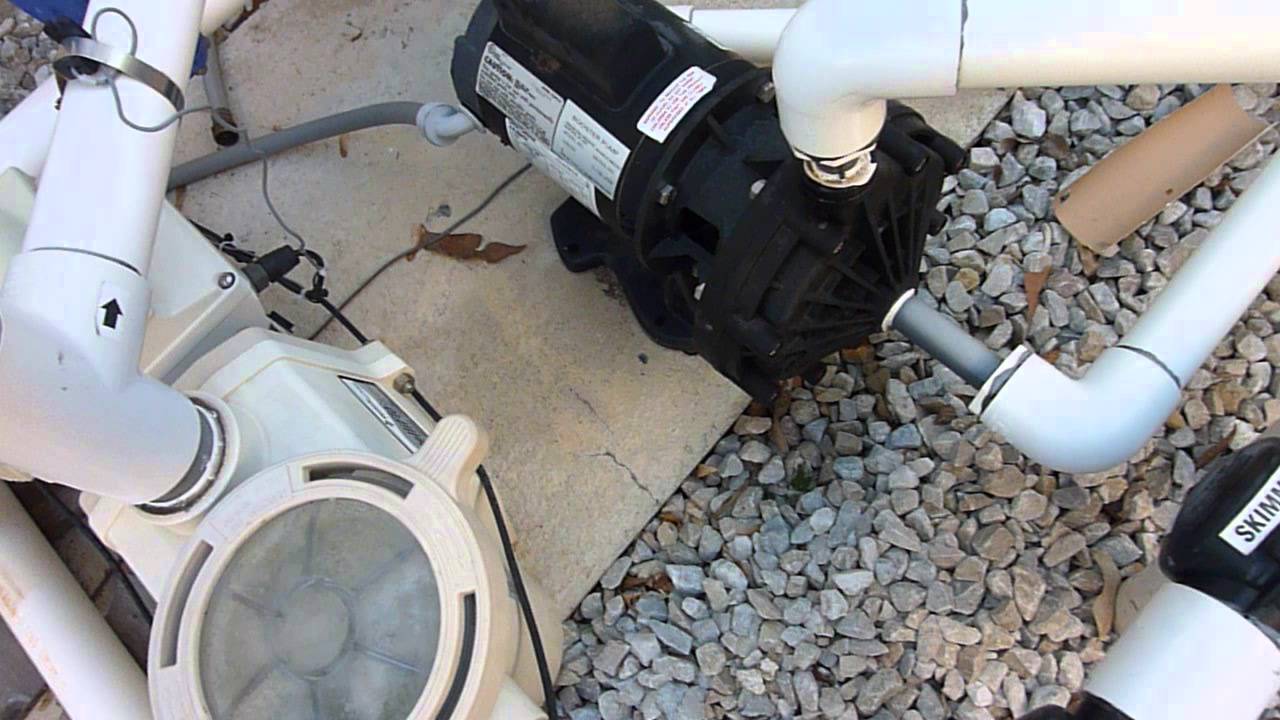

How Professionals Detect a Gas Leak with Precision

At Leak Experts USA, we use advanced tools for tracer gas leak detection Las Vegas residents can rely on:

  • Electronic Gas Detectors to sense even the smallest leaks.
  • Thermal Imaging Cameras to spot temperature variations linked to escaping gas.
  • Tracer Gas and Pressure Testing to pinpoint leak locations without major disruption.

This technology allows us to work quickly, accurately, and without unnecessary property damage.


Preventive Measures to Avoid Future Gas Leaks

Gas leaks can be prevented with proper care:

  • Schedule regular gas safety checks.
  • Replace aging or corroded pipes promptly.
  • Keep appliance vents clear.
  • Protect outdoor meters from impact or damage.
  • Teach everyone in the household how to recognize and respond to a leak.

By making prevention a habit, you can reduce the risk of emergencies and costly repairs.


FAQs – Gas Leak Detection and Safety

1. What’s the first thing I should do if I suspect a gas leak?

Leave the property immediately and call your gas company or Leak Experts USA from a safe distance.


2. Can I use my phone inside if I think there’s a leak?

No. Using electronics can create sparks that ignite gas. Always step outside before making calls.


3. How often should I schedule a gas safety check?

At least once per year — more frequently if you notice warning signs or own an older home.


4. Are gas leaks common in Las Vegas homes?

Yes, especially in homes with aging infrastructure or poor maintenance. Regular inspections greatly reduce the risk.


5. Can you detect underground gas leaks without digging?

Yes. Our advanced detection equipment allows us to pinpoint leaks with minimal disruption to your property.


Why Leak Experts USA Is the Trusted Local Choice

We’ve built our reputation across the Las Vegas area by putting safety and customer trust first. Homeowners choose Leak Experts USA because we offer:

  • 24/7 emergency response for urgent leaks.
  • Licensed, insured, and highly trained technicians.
  • Transparent, upfront pricing — no surprises.
  • Service across all major neighborhoods from Anthem to Summerlin.
  • The latest detection equipment for fast, non-invasive results.

When it comes to gas safety, you need more than just a repair service — you need a partner who values your home as much as you do.

📞 Call at (702) 745-5571 or book online today to schedule your inspection or get immediate help. Follow us on Instagram for regular updates!
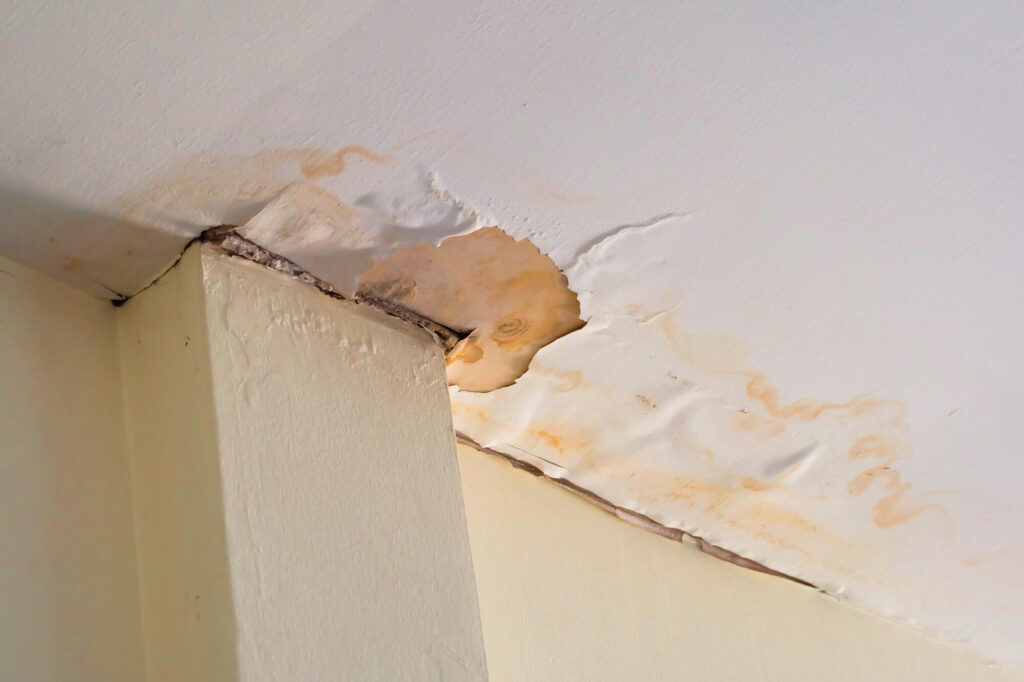
Related Blogs

image block

Urgent Warning Signs of Outdoor Pipe Leaks

When it comes to maintaining a safe and comfortable home, one of the most overlooked but serious issues is hidden plumbing leaks outside your house. Unlike indoor drips that you can quickly spot under a sink, outdoor pipe leaks often go unnoticed until they cause extensive property damage, skyrocketing water bills, and even health hazards. […]

image block

Toilet Leaks Comparison: Tank Leaks vs. Base Leaks: Which Is Worse?

When it comes to plumbing problems at home, few things are as frustrating—or as damaging—as a leaking toilet. Whether it’s a trickle from the tank or a pool forming around base, toilet leaks can cause more than just an inconvenience. They lead to higher water bills, hidden water damage, and potential health risks if left […]

image block

The Most Expensive Bathroom Plumbing Leaks

When you think about the plumbing in your bathroom, you might imagine running water, refreshing showers, or maybe even a relaxing soak in the tub. What most homeowners don’t expect is how quickly bathroom plumbing leaks can turn from a minor inconvenience into one of the most costly leaks in your home. Bathrooms see constant […]

image block

Pool Return Line Leaks: A Hidden Plumbing Issue

When it comes to maintaining a swimming pool, most homeowners focus on visible concerns—clean water, balanced chemicals, and working equipment. But what about the hidden issues beneath the surface that quietly waste water and money? One of the most common yet often overlooked problems is pool return line leaks. These leaks can go unnoticed for […]

image block

Priority Fixes for Shower and Bathtub Leaks

When it comes to home maintenance, few issues cause as much frustration as shower and tub leaks. A small drip may seem harmless at first, but over time, it can waste thousands of gallons of water, increase your utility bills, and even cause costly structural damage to walls, floors, and ceilings. For homeowners, particularly in […]

image block

Pool Pump Leaks That Can Burn Out the Motor

When it comes to maintaining a healthy swimming pool, most homeowners think of cleaning the water, balancing chemicals, and ensuring the filter works. Yet, behind the scenes, one of the most critical pieces of equipment is your pool pump. It keeps the water circulating, ensures chemicals are properly mixed, and helps prevent algae growth. Unfortunately, […]

Homeowners who live in Nevada’s warm climate typically wish to possess a swimming pool as their ultimate residential amenity. The discovery of leaks turns what seemed like an ideal situation into a complete disaster. The annual water loss from leaks amounts to thousands of gallons but they also cause expensive maintenance work and damage to structure and elevated utility expenses. We have seen at Leak Experts USA how unattended small leaks develop into major issues. Any pool owner must treat preventing pool leaks as their number one priority.

The guide will introduce fundamental pool maintenance in leak practices and water level monitoring tips and seasonal care methods to maintain your pool in perfect condition and prevent water leaks.

Call us at (702) 745-5571 for expert pool leak detection Las Vegas homeowners trust if you have any pool issues.


Table of Contents

  1. Why Preventing Pool Leaks Matters
  2. Common Causes of Pool Leaks
  3. Essential Pool Maintenance Tips
  4. How Water Level Monitoring Can Save You Money
  5. Seasonal Pool Care for Leak Prevention
  6. When to Call a Professionals
  7. FAQs – Preventing Pool Leaks
  8. Protect Your Investment

Why Preventing Pool Leaks Matters

A small decrease in water level appears unproblematic at first yet ignoring this issue leads to substantial financial losses. The water loss from a leaking pool damages both its structural elements and decking along with the surrounding outdoor landscaping. Leaks continuously damage the foundation of soil beneath swimming pools which results in structural damage through settling processes.

Preventing pool leaks remains essential because of crucial role of pool maintenance and reasons.
  • Water conservation: Water is a precious resource. Your efforts to stop leaks contribute directly to water conservation.
  • Cost savings: The accumulation of higher water bills together with chemical replacements and structural repairs leads to fast rising costs.
  • Maintenance: A well-maintained pool without leaks becomes an attractive feature which adds value to your property.
  • Avoiding long-term damage: Structural issues from leaks can cost tens of thousands to repair if neglected.

Common Causes of Pool Leaks

The initial step toward leak prevention requires knowledge of leak origins. Our team has identified the primary causes that affect pool leaks in Southern Highlands, The Lakes and Paradise pools.

  1. Cracked pool shell occurs because of ground shifting together with freeze-thaw cycles or improper construction techniques.
  2. Worn-out fittings or gaskets – around lights, skimmers, and returns.
  3. The inground pool leak detection system can experience breakage through soil movement that causes pipe cracks.
  4. Damaged pool liner – tears or punctures from sharp objects or age.
  5. Tile and coping deterioration – broken grout or loose tiles can allow water seepage.

Regular inspection enables the detection of these problems at an early stage which simplifies the process of preventing pool leaks.

Pool Leak Detection North Las Vegas NV
Preventing Pool Leaks: Maintenance Tips for Homeowners 4

Essential Pool Maintenance Tips

The preventing pool leaks depends heavily on regular pool maintenance. Every homeowner should adopt these maintenance steps.

✅ Keep water chemistry balanced

Pool surfaces together with gaskets and liners suffer degradation when pH levels remain unbalanced or chlorine concentrations become too high. You need to test your water at least once each week.

✅ Inspect pool equipment regularly

Regular equipment inspections should focus on pumps together with filters and heaters to detect any drips and signs of rust or corrosion.

✅ Maintain proper water levels

Preventing pool leaks more easily when the water level exists outside its recommended range because this creates additional strain on skimmers and pumps.

✅ Check for cracks and wear

You should inspect the shell and decking as well as tile for any visible damage while walking around your pool.

✅ Clean debris promptly

Over time leaves and branches together with dirt particles will cause liner or plaster damage and staining.

Proper pool maintenance will both extend the life expectancy of your pool and minimize the chances of leaks occurring.


How Water Level Monitoring Can Save You Money

The integration of water level monitoring technology proves to be an effective tool for detecting early signs of water leaks.

This is the procedure to follow:

  • Fill a bucket with water and position it on the pool step while marking the water levels in both the bucket and the pool. Leave it for 24 hours. If the water level in the pool falls below the marked level in the bucket, it means there is a leak in the system.
  • Automatic water levelers are installed to maintain proper water levels while also protecting the pumps.
  • The following checks should be made after storms and after high pool usage because water levels may shift temporarily: Check after heavy use or storms: Extra splashing or rainfall can temporarily alter water levels, but consistent drops should be investigated.

Preventing pool leaks in the early stages through water level monitoring helps prevent costly repairs amounting to thousands of dollars.


Seasonal Pool Care for Leak Prevention

The same principle applies to your HVAC system or landscaping as it does to your pool because it requires seasonal pool care to remain in excellent condition.

Spring

  • Inspect pool for winter damage.
  • Check plumbing lines and fittings before filling.

Summer

  • Enhance the frequency of water testing up to twice weekly during busy periods.
  • Keep an eye out for signs of leaks after hosting pool parties or engaging in high-traffic activities.

Fall

  • Adequate leaf clearing is required to protect the pool from staining as well as structural damage.
  • Inspect covers and safety equipment.

Winter

  • A periodic operation of equipment should be performed during the mild winters in Las Vegas.
  • A pool cover should be placed on the pool to stop accumulation of debris.

Implementing seasonal pool care at regular intervals helps you identify problems before they develop into major leaks.


When to Call a Professionals

The detection of some leaks is straightforward but professional leak detection equipment and knowledge are needed to identify others. Contact us if you observe any of the following signs:

  • Sudden spikes in water bills
  • Sadly, the most common signs of a leak include wet patches or damp soil surrounding the pool area
  • Algae growth despite proper chemical levels
  • Air bubbles in return lines
  • The need to add water more than once a week

Our certified technicians employ advanced leak detection tools such as dye testing, pressure testing and electronic listening devices to identify leak sources quickly and precisely.


FAQs – Preventing Pool Leaks

1. How often should I check my pool for leaks?

Regular inspections should be conducted monthly to check for leaks by doing a visual assessment and performing the bucket test. Early detection is key to preventing pool leaks and costly repairs.


2. Can poor water chemistry cause leaks?

Yes. Unbalanced water can cause damage to plaster, liners and seals which may result in leaks in the long run. Regular testing is essential.


3. What’s the most common sign of a pool leak?

A persistent reduction in water levels beyond normal evaporation levels is the most apparent indication of a leak. In addition to the level drop, you may observe both dampness on the surrounding soil and the formation of algae in the pool water.


4. Should I drain my pool if I suspect a leak?

Not without professional guidance. Draining can cause structural damage in some cases. Before any action, call us for an inspection.


5. How much water loss is normal for a pool?

The normal water loss from pool evaporation amounts to 1/4 inch per day. Any water loss exceeding this amount should be investigated for a leak.


Protect Your Investment

The pool serves as more than a swimming area because it represents a substantial investment for your residential property and personal way of life. By following preventing pool leaks tips, maintaining your pool regularly, monitoring water levels and performing seasonal pool care you can save money, reduce water usage and ensure your pool remains safe and enjoyable for multiple years.

Do not hesitate to reach out to us. To get immediate assistance for your pool leak detection needs in Las Vegas, contact Leak Experts USA at (702) 745-5571 or schedule an appointment on our website.

Follow us on Instagram for regular updates!
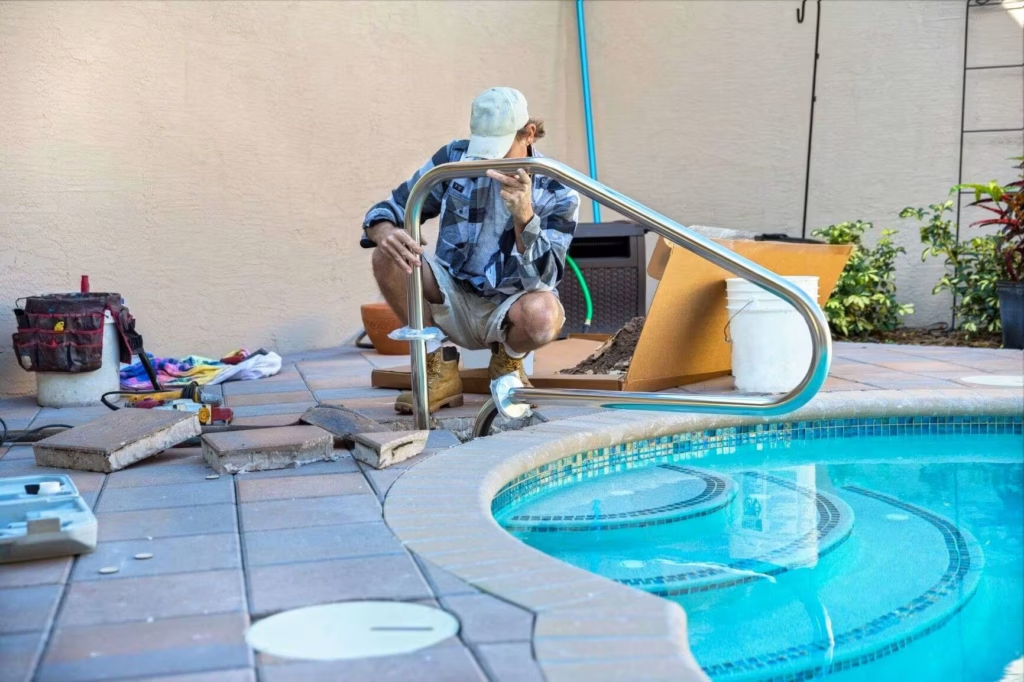
Related Blogs

image block

Urgent Warning Signs of Outdoor Pipe Leaks

When it comes to maintaining a safe and comfortable home, one of the most overlooked but serious issues is hidden plumbing leaks outside your house. Unlike indoor drips that you can quickly spot under a sink, outdoor pipe leaks often go unnoticed until they cause extensive property damage, skyrocketing water bills, and even health hazards. […]

image block

Toilet Leaks Comparison: Tank Leaks vs. Base Leaks: Which Is Worse?

When it comes to plumbing problems at home, few things are as frustrating—or as damaging—as a leaking toilet. Whether it’s a trickle from the tank or a pool forming around base, toilet leaks can cause more than just an inconvenience. They lead to higher water bills, hidden water damage, and potential health risks if left […]

image block

The Most Expensive Bathroom Plumbing Leaks

When you think about the plumbing in your bathroom, you might imagine running water, refreshing showers, or maybe even a relaxing soak in the tub. What most homeowners don’t expect is how quickly bathroom plumbing leaks can turn from a minor inconvenience into one of the most costly leaks in your home. Bathrooms see constant […]

image block

Pool Return Line Leaks: A Hidden Plumbing Issue

When it comes to maintaining a swimming pool, most homeowners focus on visible concerns—clean water, balanced chemicals, and working equipment. But what about the hidden issues beneath the surface that quietly waste water and money? One of the most common yet often overlooked problems is pool return line leaks. These leaks can go unnoticed for […]

image block

Priority Fixes for Shower and Bathtub Leaks

When it comes to home maintenance, few issues cause as much frustration as shower and tub leaks. A small drip may seem harmless at first, but over time, it can waste thousands of gallons of water, increase your utility bills, and even cause costly structural damage to walls, floors, and ceilings. For homeowners, particularly in […]

image block

Pool Pump Leaks That Can Burn Out the Motor

When it comes to maintaining a healthy swimming pool, most homeowners think of cleaning the water, balancing chemicals, and ensuring the filter works. Yet, behind the scenes, one of the most critical pieces of equipment is your pool pump. It keeps the water circulating, ensures chemicals are properly mixed, and helps prevent algae growth. Unfortunately, […]

When it comes to home maintenance, some problems hide beneath the surface—literally. One of the most costly and damaging issues a homeowner can face is a slab leak. Unlike a dripping faucet or a burst pipe in the wall, a slab leak signs occurs in the water lines running beneath your home’s concrete foundation. These leaks are not only difficult to detect but can also cause serious structural damage if ignored.

At Leak Experts USA, we’ve helped countless homeowners identify and fix slab leaks before they become major disasters. Knowing the signs you have a slab leak early on can save you thousands of dollars in repairs and keep your home safe and dry.

If you suspect a slab leak or any type of hidden water leak, this guide will walk you through the warning signs of a slab leak, the risks, and the next steps you should take.

📞 Need help now? Call us at (702) 745-5571 for immediate slab leak detection and repair.


Table of Contents

  1. What Is a Slab Leak?
  2. Why Slab Leaks Happen
  3. Early Signs Of Slab Leak Every Homeowner Should Watch For
  4. How Hidden Water Leaks Impact Your Home
  5. Health and Safety Risks: Mold and More
  6. Professional Diagnosis and Repair
  7. Why Leak Experts USA Is the Region’s Most Trusted Solution
  8. FAQs About Slab Leaks

What Is a Slab Leak?

A slab leak occurs when the water lines running beneath your home’s concrete foundation develop cracks or holes. Because these pipes are buried under a thick concrete slab, the leak is concealed from plain sight, making it one of the trickiest plumbing issues to detect without professional equipment.

Slab leaks can happen in both fresh water and sewer lines. Left untreated, they can undermine the foundation, cause mold growth, and even compromise your home’s structural integrity.


Why Slab Leaks Happen

There are several reasons a slab leak signs might occur, including:

  • Pipe corrosion from contact with soil and concrete
  • Shifting soil due to seasonal changes or seismic activity
  • Poor installation during original construction
  • Abrasion from pipes rubbing against concrete
  • Water chemistry issues, such as high acidity or hardness

Understanding the cause helps in both prevention and repair. We use advanced diagnostic tools to pinpoint the cause before recommending the best repair method.


Early Slab Leak Signs Every Homeowner Should Watch For

Spotting a slab leak signs early can make the difference between a quick fix and a major renovation. Here are the top slab leak signs to look out for:

1 Unexplained Increase in Water Bills

If your water bill has suddenly spiked without any noticeable change in usage, you may have a hidden water leak. Over time, even a tiny leak might lose hundreds of gallons.

2 Warm or Wet Spots on the Floor

Walk barefoot around your home—do you feel warm areas on tile or hardwood floors? Warm spots often indicate a hot water line leaking under the slab. Wet spots, especially on carpet, are also major red flags.

3 Sound of Running Water When All Taps Are Off

If you can hear water running or hissing but all fixtures are shut off, there’s a good chance a leak is happening out of sight.

4 Mold Growth or Musty Odors

Persistent moisture beneath flooring can lead to mold growth, even if you can’t see it. Musty smells are often an early warning of slab leak signs of mold spores thriving in hidden areas.

5 Cracks in Walls or Flooring

Water damage beneath your foundation can cause soil shifting, which in turn leads to cracks in your drywall, baseboards, or tiles.


How Hidden Water Leaks Impact Your Home

Hidden water leaks aren’t just inconvenient—they’re costly and dangerous. Here’s why:

  • Structural damage: Water can erode the soil under your home, causing the slab to shift or settle unevenly.
  • Electrical hazards: Water near wiring can create dangerous short circuits.
  • Increased utility costs: Even a small leak can add hundreds to your annual water bill.

In neighborhoods like Southern Highlands, Spring Valley, and Henderson, where many homes sit on expansive clay soil, slab leak signs can be especially damaging due to soil movement.


Health and Safety Risks: Mold and More

One of the most dangerous side effects of a slab leak signs is mold growth. Mold can spread quickly through walls and flooring, triggering allergies, asthma, and other respiratory issues.

If you notice persistent dampness, unexplained health symptoms, or black or green spots near baseboards, it’s crucial to call a professional immediately.


Professional Diagnosis and Repair

Identifying slab leak signs without the right tools can be nearly impossible. That’s why Leak Experts USA uses advanced technology such as:

  • Electronic leak detection for pinpoint accuracy
  • Thermal imaging to locate warm water lines
  • Moisture meters to detect hidden dampness

When you search for slab leak signs and repair near me, you’ll find many options—but not all providers are created equal.

Our certified technicians offer:

  • Non-invasive leak detection to minimize property damage
  • Clear explanations of your repair options
  • Transparent pricing before any work begins

Why Leak Experts USA Is the Region’s Most Trusted Solution

We’ve built our reputation by delivering reliable plumbing services to homeowners across Las Vegas and surrounding areas. Here’s why we stand out:

  • 24/7 emergency service for urgent slab leak sings
  • State-of-the-art diagnostic tools for accuracy
  • Friendly, licensed, and insured technicians
  • Upfront pricing with no hidden fees

Our team is dedicated to keeping your home leak-free and your foundation strong.

📞 Call us at (702) 745-5571 today to schedule a professional slab leak signs inspection.


FAQs About Slab Leak Signs

Q1: Can I ignore a small slab leak signs?

No—small leaks grow over time and can cause major structural damage if not addressed quickly.


Q2: How long does slab leak signs to repair take?

Most repairs can be completed within one to two days, depending on the location and severity of the leak.


Q3: Does homeowner’s insurance cover slab leaks?

Coverage varies, but many policies include slab leak repair if the damage is sudden and accidental. Always check with your insurance provider.


Q4: Can slab leaks be prevented?

Regular plumbing inspections and water pressure checks can reduce your risk.


Let the Experts Protect Your Home

Slab leaks are serious, but they don’t have to become disasters. By recognizing the slab leak signs early—such as wet spots, unusual odors, or rising water bills—you can act quickly and avoid costly damage.

We specialize in detecting and repairing hidden water leaks with precision and care. Whether you’re in Downtown Las Vegas, Southern Highlands, Green Valley, or Centennial Hills, our goal is to restore your peace of mind and protect your investment.

📞 Call us today at (702) 745-5571 or book online for expert slab leak detection and repair. Follow us on Instagram for regular updates!
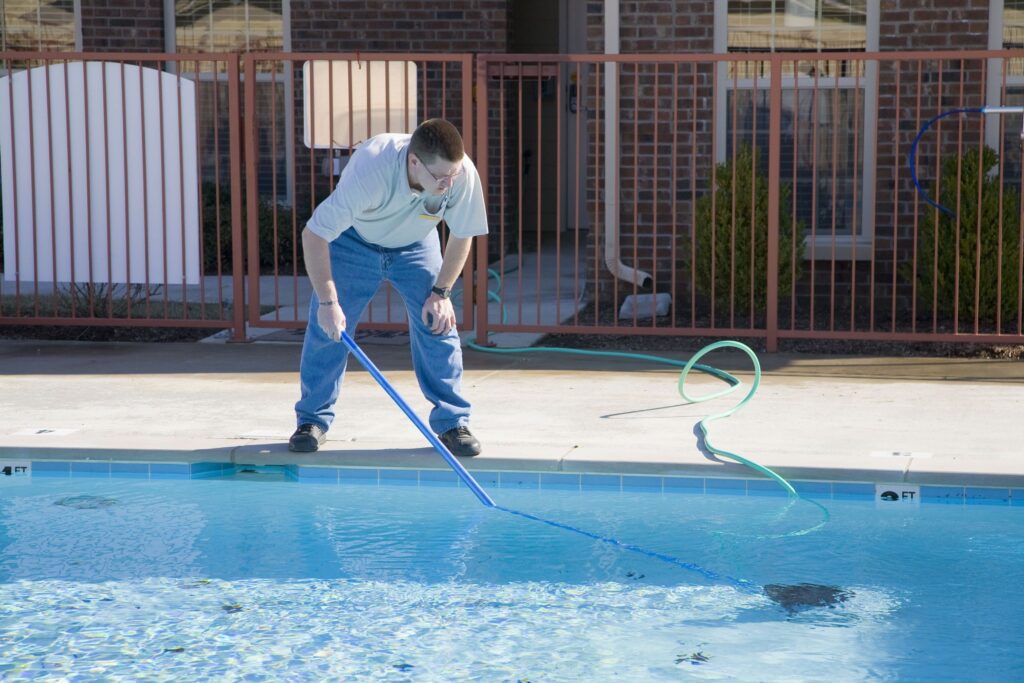
Related Blogs

image block

Urgent Warning Signs of Outdoor Pipe Leaks

When it comes to maintaining a safe and comfortable home, one of the most overlooked but serious issues is hidden plumbing leaks outside your house. Unlike indoor drips that you can quickly spot under a sink, outdoor pipe leaks often go unnoticed until they cause extensive property damage, skyrocketing water bills, and even health hazards. […]

image block

Toilet Leaks Comparison: Tank Leaks vs. Base Leaks: Which Is Worse?

When it comes to plumbing problems at home, few things are as frustrating—or as damaging—as a leaking toilet. Whether it’s a trickle from the tank or a pool forming around base, toilet leaks can cause more than just an inconvenience. They lead to higher water bills, hidden water damage, and potential health risks if left […]

image block

The Most Expensive Bathroom Plumbing Leaks

When you think about the plumbing in your bathroom, you might imagine running water, refreshing showers, or maybe even a relaxing soak in the tub. What most homeowners don’t expect is how quickly bathroom plumbing leaks can turn from a minor inconvenience into one of the most costly leaks in your home. Bathrooms see constant […]

image block

Pool Return Line Leaks: A Hidden Plumbing Issue

When it comes to maintaining a swimming pool, most homeowners focus on visible concerns—clean water, balanced chemicals, and working equipment. But what about the hidden issues beneath the surface that quietly waste water and money? One of the most common yet often overlooked problems is pool return line leaks. These leaks can go unnoticed for […]

image block

Priority Fixes for Shower and Bathtub Leaks

When it comes to home maintenance, few issues cause as much frustration as shower and tub leaks. A small drip may seem harmless at first, but over time, it can waste thousands of gallons of water, increase your utility bills, and even cause costly structural damage to walls, floors, and ceilings. For homeowners, particularly in […]

image block

Pool Pump Leaks That Can Burn Out the Motor

When it comes to maintaining a healthy swimming pool, most homeowners think of cleaning the water, balancing chemicals, and ensuring the filter works. Yet, behind the scenes, one of the most critical pieces of equipment is your pool pump. It keeps the water circulating, ensures chemicals are properly mixed, and helps prevent algae growth. Unfortunately, […]

A hidden water leak beneath your property can be one of the most expensive and destructive plumbing issues a homeowner can face. Unlike visible leaks, underground pipe leaks often go unnoticed until the damage is extensive—causing wasted water, structural issues, and inflated utility bills.

The good news? With modern underground pipe leak detection tools and techniques, locating and repairing these hidden issues has never been more accurate or efficient. At Leak Experts USA, we specialize in finding buried pipe leaks before they turn into major headaches, using state-of-the-art technology that minimizes disruption to your property.

Whether you live in Anthem, Green Valley, or anywhere in the valley, this guide will walk you through the most effective underground water leak detection methods available today.

📞 Suspect a leak under your property? Call (702) 745-5571 for a fast, expert inspection.


Table of Contents

  1. Understanding Underground Pipe Leaks
  2. Common Signs of Buried Pipe Leaks
  3. Why Professional Leak Detection Matters
  4. Top Tools for Underground Pipe Leak Detection
  5. Advanced Techniques for Pinpoint Accuracy
  6. Preventing Mainline Water Loss
  7. Repair Options After Leak Detection
  8. Cost Factors for Leak Detection and Repairs
  9. FAQs About Underground Pipe Leak Detector

Understanding Underground Pipe Leaks

Underground pipe leaks happen when a water supply or mainline pipe located beneath soil, pavement, or your home’s foundation develops a crack, hole, or loose joint. These leaks can occur in copper, PVC, PEX, or galvanized pipes—and they rarely announce themselves until damage is underway.

The primary causes include:
  • Corrosion from minerals in the soil or water.
  • Ground movement due to shifting soil or tree root intrusion.
  • Aging infrastructure that has reached the end of its service life.
  • Poor installation or use of substandard materials.

These issues can lead to significant mainline water loss and costly property repairs if not addressed quickly.

Pool Leak Detection Henderson NV
Underground Pipe Leak Detection: Tools and Techniques 6

Common Signs of Buried Pipe Leaks

Detecting an underground leak without the right tools is nearly impossible, but there are warning signs you can watch for:

  • Unexplained spikes in your water bill.
  • Wet, soggy patches in your yard.
  • Reduced water pressure in your home.
  • Unusual plant or grass overgrowth in specific areas.
  • The sound of running water when no fixtures are on.

If you notice any of these signs, contacting a professional for underground pipe leak detection should be your next step.


Why Professional Leak Detection Matters

While some homeowners may attempt to locate leaks themselves, the reality is that most underground leaks require specialized equipment and expertise.

Here’s why professional detection is essential:

  • Precision: Modern leak detection tools can pinpoint the exact leak location, avoiding unnecessary digging.
  • Speed: Trained technicians can diagnose the problem quickly, reducing water loss and damage.
  • Cost Savings: By identifying the leak accurately, you avoid paying for unnecessary excavation or repairs.

Our technicians undergo extensive training to handle everything from buried pipe leaks to large-scale mainline water loss situations—ensuring the repair process is as smooth and efficient as possible.


Top Tools for Underground Pipe Leak Detection

Technology has revolutionized how we find leaks hidden deep below the surface. The most effective tools include:

1. Acoustic Leak Detection Listening Devices

These devices amplify the sound of water escaping from a pipe. Skilled operators can distinguish leak noises from background sounds, even through soil and concrete.

2. Ground Penetrating Radar (GPR)

GPR sends radar pulses underground to map out utilities and identify anomalies that may indicate leaks.

3. Thermal Imaging Cameras

These detect temperature changes in the soil, revealing the path of leaking water—especially useful for hot water lines.

4. Leak Noise Correlators

Placed at different access points, these sensors measure the time it takes for leak noises to travel, allowing for precise location calculations.


Advanced Techniques for Pinpoint Accuracy

Beyond the tools, certain techniques make underground pipe leak detection even more reliable:

  • Tracer Gas Testing: A safe gas (often hydrogen or nitrogen) is injected into the pipe system; sensitive detectors then pick up the escaping gas at the leak site.
  • Pressure Testing: Monitoring for pressure drops helps confirm the presence of leaks before using more invasive methods.
  • Moisture Mapping: Specialized meters measure soil moisture to identify concentrated wet zones.

These approaches allow professionals to diagnose even the most elusive buried pipe leaks without tearing up your property unnecessarily.


Preventing Mainline Water Loss

Once a leak is fixed, preventing future issues should be a priority:

  • Schedule regular plumbing inspections.
  • Monitor your water bill for sudden changes.
  • Install pressure regulators to avoid strain on pipes.
  • Replace aging pipes proactively rather than waiting for failure.

For older homes in Las Vegas with frequent leaks, a full repipe Las Vegas service might be the most cost-effective long-term solution.


Repair Options After Leak Detection

After pinpointing a leak, repair strategies vary based on severity and location:

  • Spot Repairs: For isolated damage, the affected section can be dug up and replaced.
  • Pipe Lining: Similar to epoxy coating, a new lining is installed inside the pipe, sealing leaks from within.
  • Pipe Replacement: In cases of multiple leaks or severely deteriorated pipes, full replacement is recommended.

Your technician will discuss the most efficient and lasting solution for your specific situation.


Cost Factors for Leak Detection and Repairs

The cost of underground pipe leak detection and repair depends on:

  • Leak location and depth.
  • Pipe material and size.
  • Equipment required for detection.
  • Whether spot repair or full replacement is needed.

Basic leak detection may range from $300–$600, while complex detection involving GPR or tracer gas testing can cost more. Repairs vary widely but addressing the issue early often saves thousands.


FAQs About Underground Pipe Leak Detection

Q1: How accurate is professional underground leak detection?

Modern methods are extremely accurate, often pinpointing the leak within a few inches. This precision minimizes unnecessary digging and repair costs.


Q2: Can I use my water meter to check for leaks?

Yes. Turn off all water fixtures and observe the meter—if it’s still moving, you likely have a leak. However, this won’t tell you the location, which is where professionals come in.


Q3: Are acoustic devices effective in noisy environments?

Yes, skilled technicians can filter out ambient noise, but very loud environments may require additional detection methods.


Q4: Will leak detection damage my yard or driveway?

Most modern leak detection tools are non-invasive. Excavation only happens after the leak location is confirmed.


Q5: How long does leak detection take?

Most residential inspections take between 1–3 hours, depending on the complexity of the plumbing system.


Q6: Can underground leaks lead to structural damage?

Yes. Long-term water intrusion can weaken foundations, erode soil, and cause mold growth inside your home.


Q7: What’s the best way to avoid future buried pipe leaks?

Regular inspections, pressure regulation, and replacing aging pipes before they fail are the most effective preventative measures.


Protect Your Home from Hidden Water Damage

Underground leaks may be out of sight, but with the right tools and expertise, they’re never out of reach. At Leak Experts USA, we combine cutting-edge underground pipe leak detection equipment with years of hands-on experience to deliver fast, accurate results—saving you money, stress, and property damage.

From buried pipe leaks to major mainline water loss, our team is ready to respond anywhere in the valley, including Anthem, Green Valley, Southern Highlands, Summerlin, and beyond. Whether you need immediate repairs or a full repipe Las Vegas service, we’re your trusted local plumbing experts.

📞 Call us at (702) 745-5571 or schedule your inspection online today. Let’s stop that hidden leak before it causes major problems. Follow us on Instagram for regular updates!
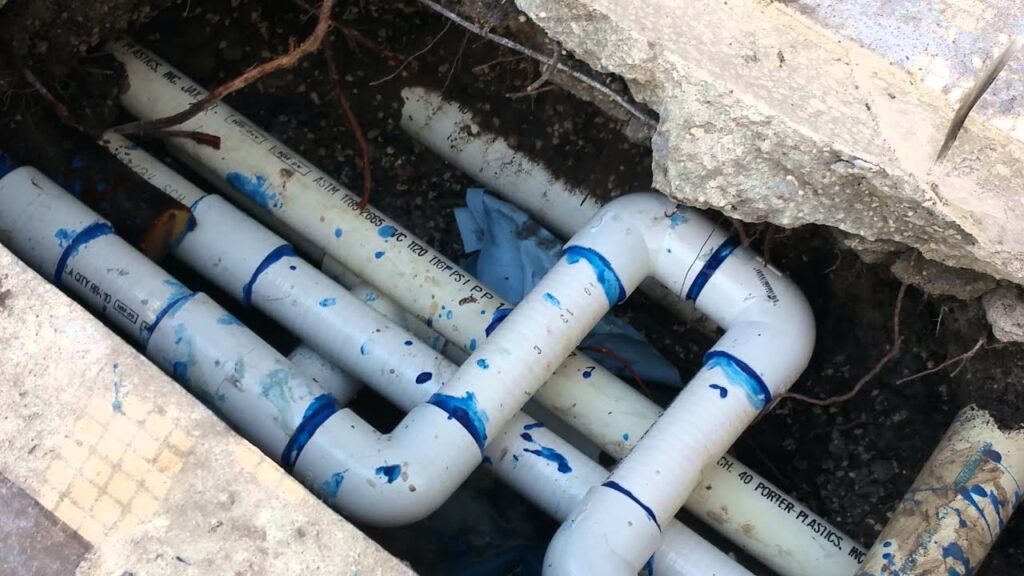
Related Blogs

image block

Urgent Warning Signs of Outdoor Pipe Leaks

When it comes to maintaining a safe and comfortable home, one of the most overlooked but serious issues is hidden plumbing leaks outside your house. Unlike indoor drips that you can quickly spot under a sink, outdoor pipe leaks often go unnoticed until they cause extensive property damage, skyrocketing water bills, and even health hazards. […]

image block

Toilet Leaks Comparison: Tank Leaks vs. Base Leaks: Which Is Worse?

When it comes to plumbing problems at home, few things are as frustrating—or as damaging—as a leaking toilet. Whether it’s a trickle from the tank or a pool forming around base, toilet leaks can cause more than just an inconvenience. They lead to higher water bills, hidden water damage, and potential health risks if left […]

image block

The Most Expensive Bathroom Plumbing Leaks

When you think about the plumbing in your bathroom, you might imagine running water, refreshing showers, or maybe even a relaxing soak in the tub. What most homeowners don’t expect is how quickly bathroom plumbing leaks can turn from a minor inconvenience into one of the most costly leaks in your home. Bathrooms see constant […]

image block

Pool Return Line Leaks: A Hidden Plumbing Issue

When it comes to maintaining a swimming pool, most homeowners focus on visible concerns—clean water, balanced chemicals, and working equipment. But what about the hidden issues beneath the surface that quietly waste water and money? One of the most common yet often overlooked problems is pool return line leaks. These leaks can go unnoticed for […]

image block

Priority Fixes for Shower and Bathtub Leaks

When it comes to home maintenance, few issues cause as much frustration as shower and tub leaks. A small drip may seem harmless at first, but over time, it can waste thousands of gallons of water, increase your utility bills, and even cause costly structural damage to walls, floors, and ceilings. For homeowners, particularly in […]

image block

Pool Pump Leaks That Can Burn Out the Motor

When it comes to maintaining a healthy swimming pool, most homeowners think of cleaning the water, balancing chemicals, and ensuring the filter works. Yet, behind the scenes, one of the most critical pieces of equipment is your pool pump. It keeps the water circulating, ensures chemicals are properly mixed, and helps prevent algae growth. Unfortunately, […]

newsletter-image

Our Newsletter


Stay informed about the latest in plumbing solutions, home maintenance tips, and special discounts.

    Privacy policy

    [bft-int-chk checked="true" ] Subscribe for the mailing list