When it comes to keeping your home safe and comfortable, few things are as important as a healthy plumbing system. Yet, many homeowners overlook one of the most common sources of water damage: kitchen sink pipe leaks. Whether it’s a slow drip under your sink or a hidden pipe problem that only shows up as water stains later, leaks can cause significant damage if left undetected.

At Leak Experts USA, we’ve helped countless homeowners in Summerlin, Henderson, Paradise, and North Las Vegas uncover and fix leaking kitchen pipes before they turned into expensive disasters. With our professional experience, we know exactly what to look for, how to identify the signs of kitchen leaks, and most importantly, how to repair them before they damage your cabinets, floors, or walls.

In this guide, we’ll walk you through the most common causes, warning signs, and solutions for under sink leaks, so you’ll know when to handle it yourself—and when it’s time to call in the experts.

📞 Need immediate help? Call us at (702) 745-5571 for fast and reliable plumbing services.


Table of Contents

  1. Why Kitchen Sink Pipe Leaks Are a Bigger Problem Than You Think
  2. Common Causes of Leaking Kitchen Pipes
  3. Early Signs of a Kitchen Leak You Shouldn’t Ignore
  4. How to Check for Under-Sink Water Damage
  5. DIY vs Professional Kitchen Plumbing Solutions
  6. How Under Sink Leaks Impact Your Home’s Value
  7. Hidden Dangers of Ignoring Kitchen Sink Pipe Leaks
  8. Preventing Future Kitchen Plumbing Leaks
  9. When to Call a Professional for Kitchen Plumbing Issues
  10. Why Leak Experts USA Is the #1 Choice for Homeowners
  11. FAQs About Kitchen Sink Leaks

Why Kitchen Sink Pipes Leaks Are a Bigger Problem Than You Think

It’s easy to shrug off a small drip under your kitchen sink. After all, how much damage can a tiny leak cause? The reality is, even a minor kitchen sink pipes leak can waste gallons of water, drive up utility bills, and create the perfect breeding ground for mold.

When water pools inside your cabinet, it not only damages wood and flooring but can also attract pests like cockroaches and ants. Left untreated, these leaks can seep into walls or the subfloor, creating under-sink water damage that requires costly repairs.

That’s why being proactive about spotting the signs of a kitchen leak is one of the smartest things you can do as a homeowner.


Common Causes of Leaking Kitchen Pipes

Not all leaks are the same. Some are caused by simple wear and tear, while others are the result of installation errors or external damage. Here are the top culprits behind leaking kitchen pipes:

  • Loose Connections: Over time, joints and fittings under your sink may loosen due to vibrations, temperature changes, or daily use.
  • Worn-Out Washers or Gaskets: Small rubber parts inside your faucet or drain connections can deteriorate and allow water to escape.
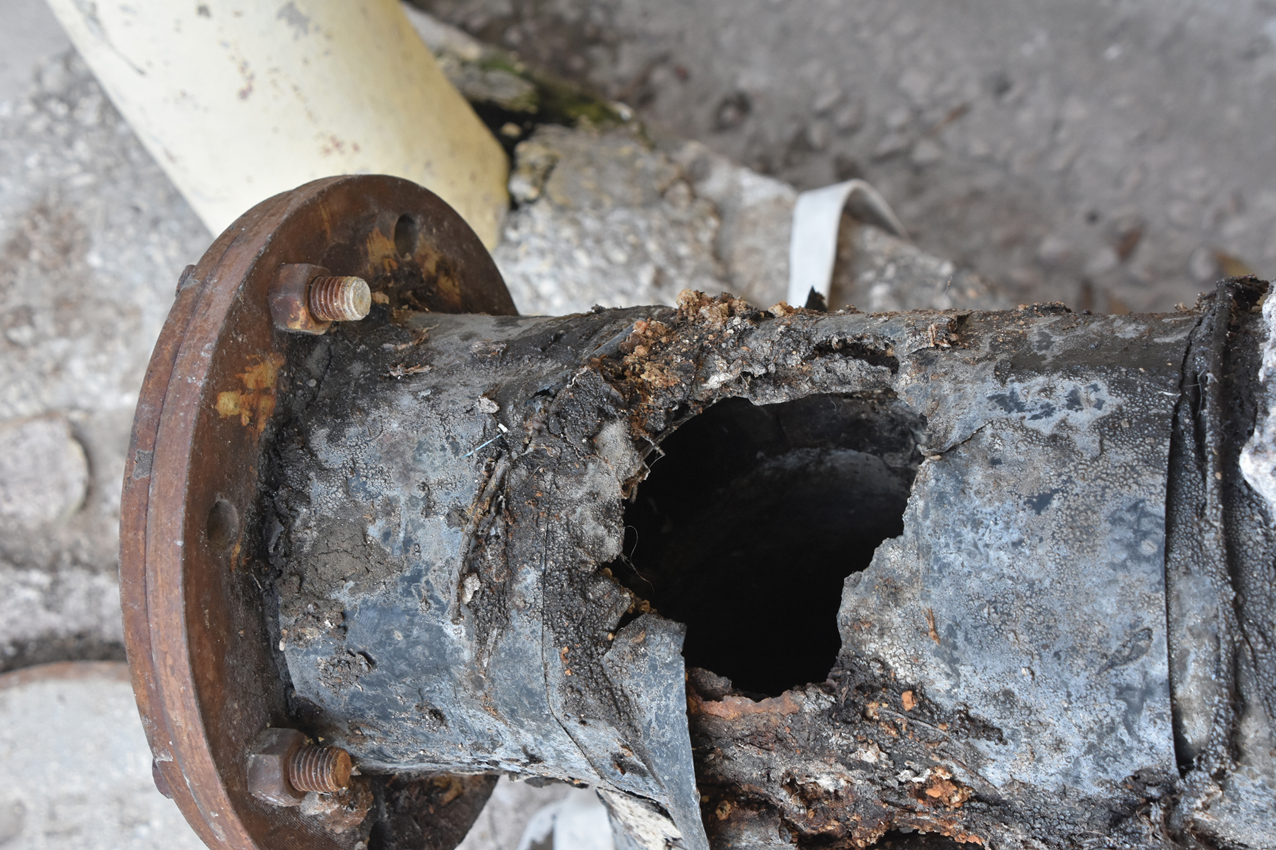
  • Corroded Pipes: Especially in older homes, metal pipes can corrode, leading to pinhole leaks.
  • Clogged Drains: Food particles, grease, and soap scum can build up, causing back pressure that forces water through weak points.
  • Cracked Pipes: Temperature fluctuations or accidental impact (like storing heavy items under the sink) can crack pipes.
  • Faulty Installation: Poor DIY jobs or rushed installations often lead to leaks soon after.

Understanding these root causes helps you not only identify leaks but also prevent them in the future.


Early Signs of a Kitchen Leak You Shouldn’t Ignore

Most homeowners discover kitchen sink pipes leaks only when they see standing water under their cabinets. But there are earlier, subtler warning signs you can catch if you know what to look for.

  • Musty Odors: Persistent dampness often creates a moldy or earthy smell under the sink.
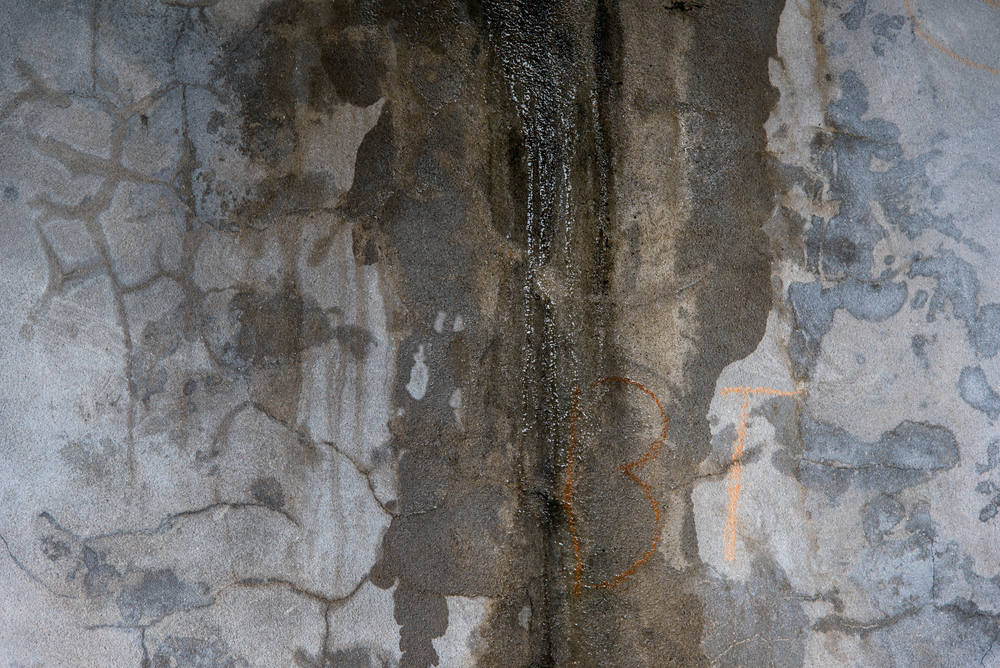
  • Discolored Cabinets: Water stains or warped wood inside your cabinet indicate under sink leaks.
  • Dripping Sounds: Even if you don’t see water, listen for faint dripping when the faucet is off.
  • Higher Water Bills: A small, unnoticed leak can significantly increase your monthly bill.
  • Slow Drainage: Backups in your kitchen sink pipes may signal a clog that’s also causing leaks.
  • Mold Growth: Black or green spots under the sink are clear indicators of under-sink water damage.

If you notice any of these signs, it’s best to act quickly before the problem worsens.
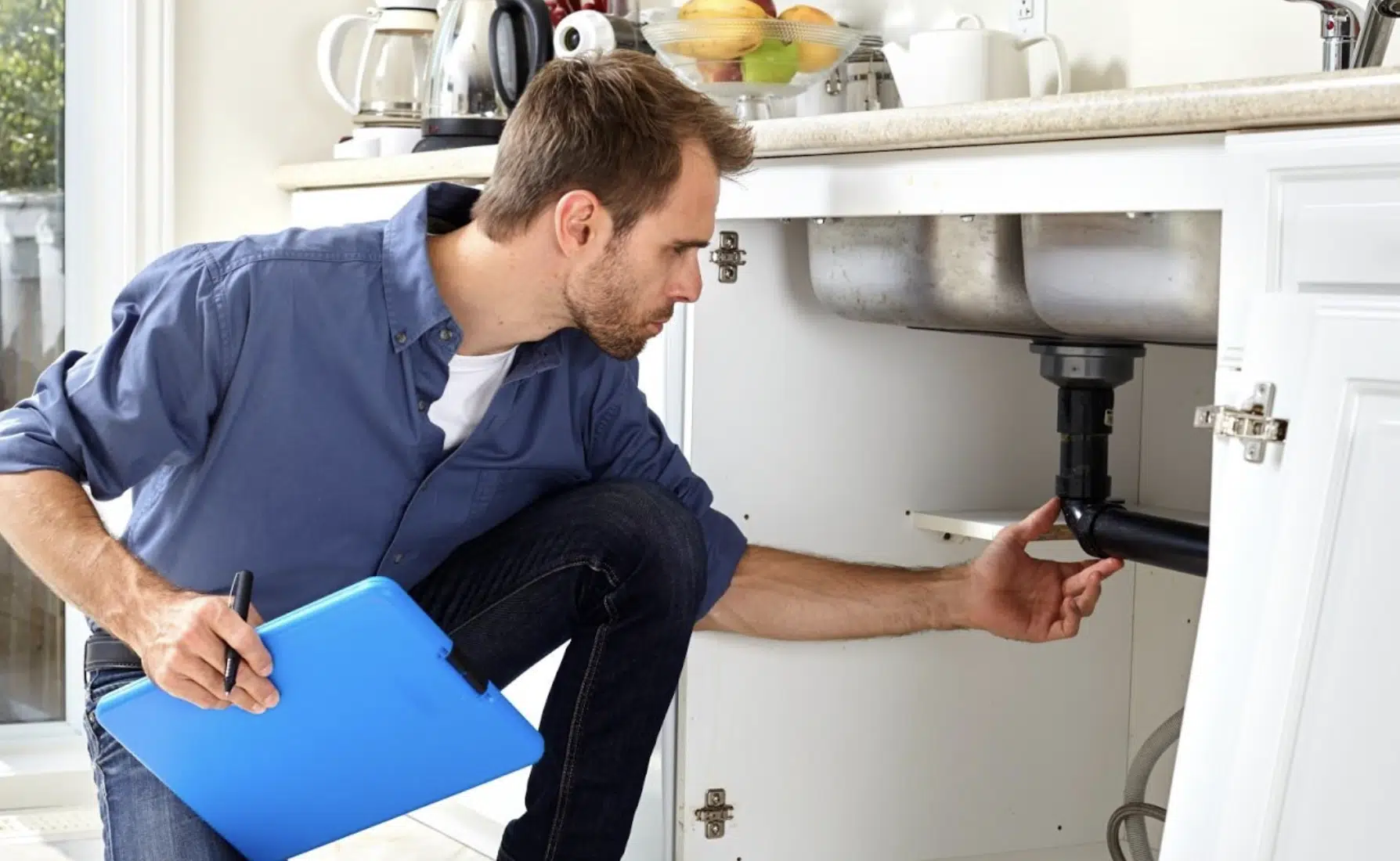
kitchen sink pipes leak

How to Check for Under-Sink Water Damage

If you suspect a leak, here’s a simple inspection routine you can do at home:

  1. Empty the Cabinet: Remove cleaning supplies or stored items for a clear view.
  2. Run the Faucet: Let both hot and cold water run for a minute.
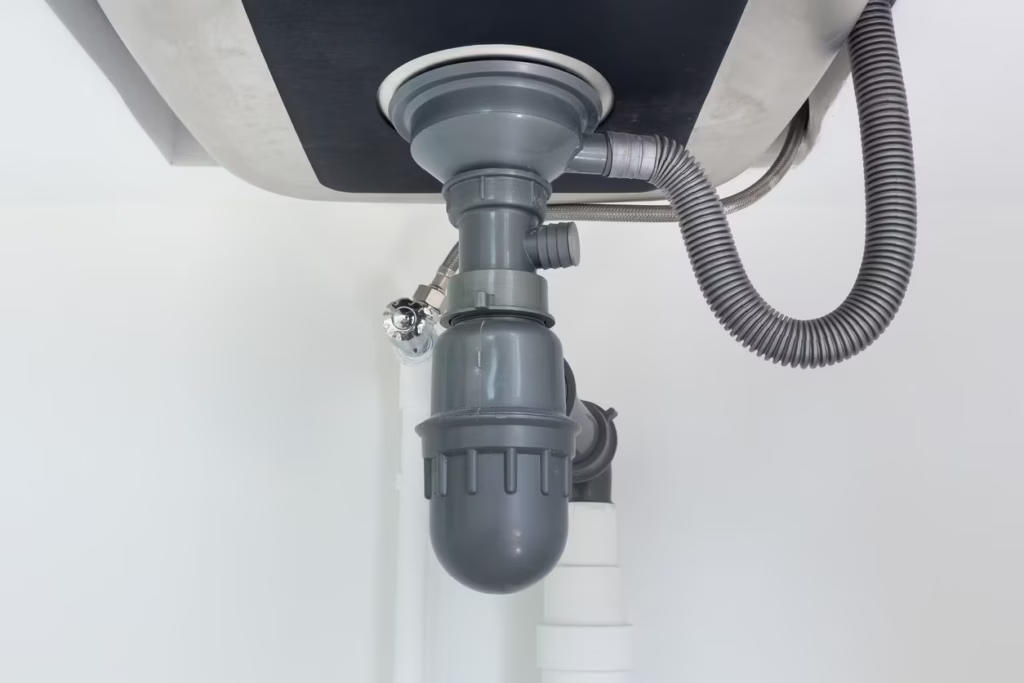
  3. Check the Pipes: Look for drips around joints, connections, and the P-trap.
  4. Wipe Surfaces: Use a paper towel to see if moisture is present where you can’t see it.
  5. Inspect the Floor: Feel for soft spots, buckling, or discoloration in flooring near the cabinet.

If you see any pooling water or dampness, you likely have a kitchen plumbing leak detection issue that requires attention.


DIY vs Professional Kitchen Plumbing Solutions

When it comes to fixing leaking kitchen pipes, the right solution depends on the severity of the leak.

DIY Fixes:

  • Tightening a loose connection with a wrench.
  • Replacing worn-out washers or gaskets.
  • Using plumber’s tape for small joint leaks.

These solutions are quick and inexpensive but may only provide temporary relief.

🔧 Professional Fixes:

  • Replacing corroded or cracked pipes.
  • Re-sealing drains and ensuring proper alignment.
  • Full professional kitchen plumbing services in Las Vegas that include leak detection, repair, and prevention.

Hiring experts like ours ensures the job is done right the first time, preventing repeat issues and costly long-term damage.


How Under Sink Leaks Impact Your Home’s Value

A hidden leak may not seem like a big deal today, but if you plan to sell your home, it can significantly lower property value.

  • Inspection Failures: Home inspectors quickly identify under sink leaks, and buyers see them as red flags.
  • Mold Remediation Costs: Visible mold can scare away potential buyers or lead to expensive repairs.
  • Cosmetic Damage: Stains, warped wood, or flooring issues lower the visual appeal of your kitchen.

Addressing leaks early not only protects your home but also preserves its long-term value.


Hidden Dangers of Ignoring Kitchen Sink Pipes Leaks

It’s easy to delay fixing a minor drip, but the risks of ignoring kitchen sink pipes leaks are greater than many homeowners realize. Even if you don’t see visible water, leaks can cause hidden problems that spread quietly over time.

Here’s what can happen if leaks are left untreated:

  • Mold Growth: Damp, dark cabinets provide the perfect environment for mold spores to thrive.
  • Structural Damage: Leaks can weaken flooring, subflooring, and even wall studs.
  • Pest Infestations: Water attracts pests such as termites, ants, and cockroaches.
  • Electrical Hazards: In severe cases, leaks near wiring can create dangerous short circuits.
  • Increased Costs: The longer you wait, the more expensive repairs become.

Fixing leaks early not only protects your plumbing but also safeguards your family’s health and home value.


Preventing Future Kitchen Plumbing Leaks

The best way to deal with leaks is to stop them before they happen. Here are some preventative measures:

  • Avoid Harsh Chemicals: They can eat away at pipes, causing cracks.
  • Don’t Overstuff Cabinets: Heavy items can bump or shift pipes.
  • Use Drain Strainers: Catch food scraps to prevent clogs.
  • Schedule Annual Inspections: Regular checks with professional plumbing company ensure early detection.
  • Replace Old Pipes: Modern piping materials resist corrosion and leaks better.

Proactive care saves you from sudden emergencies and unexpected bills.


When to Call a Professional for Kitchen Plumbing Issues

Not every leak requires immediate professional help—but many do. Knowing when to pick up the phone can save you from unnecessary stress.

Call a licensed plumber if you notice:

  • Recurring Leaks: Tightening pipes only works temporarily.
  • Water Damage: Stains, swelling, or warped cabinets mean it’s spreading.
  • Strong Odors: Persistent musty smells indicate mold.
  • Low Water Pressure: A hidden kitchen plumbing leak detection issue may be the cause.
  • Unclear Source: If you can’t find the exact location of the leak.

We specialize in comprehensive professional kitchen plumbing services in Las Vegas. From precise leak detection to long-term repair solutions, our team ensures your plumbing is restored quickly and efficiently.


Why Leak Experts USA Is the #1 Choice for Homeowners

When it comes to fixing kitchen sink pipes leaks, you need a team you can trust. At this company, we pride ourselves on being the most reliable plumbing company serving homeowners.

Here’s why our customers choose us time and again:

  • Certified Technicians: Every plumber is licensed, trained, and highly experienced.
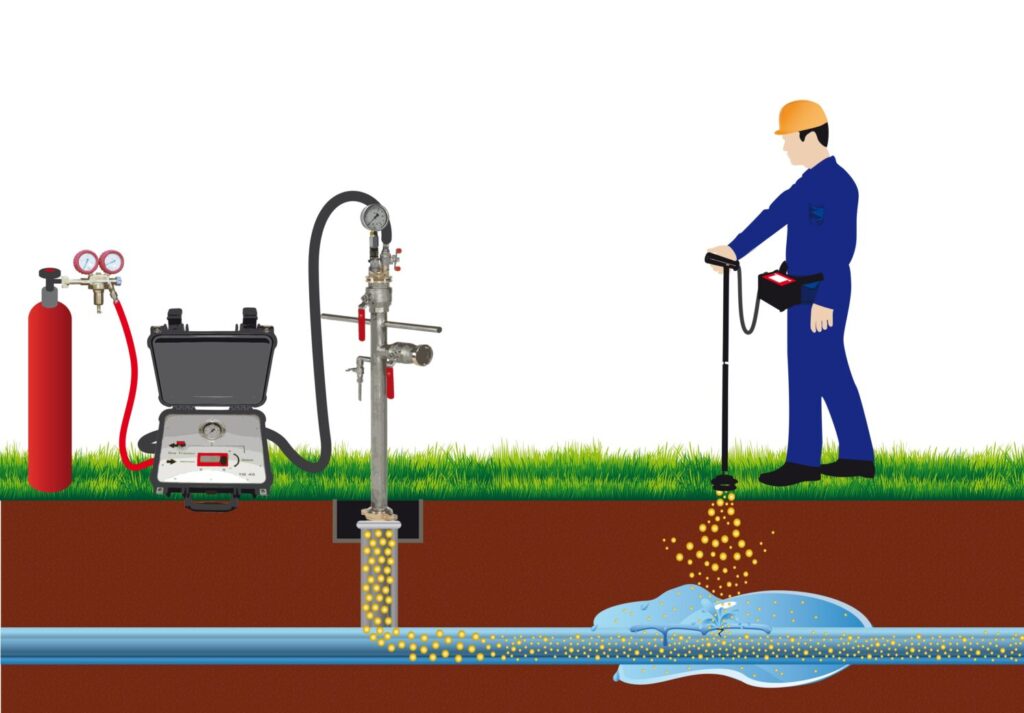
  • State-of-the-Art Tools: We use advanced kitchen plumbing leak detection equipment to find even the smallest leaks.
  • Transparent Pricing: No hidden fees, just honest and upfront estimates.
  • Emergency Service: Available when you need us most.
  • Local Expertise: We understand the unique plumbing challenges of Las Vegas homes.

📞 Don’t wait for a small drip to become a major headache. Call (702) 745-5571 today and let us protect your home.


FAQs About Kitchen Sink Leaks

Q1: How do I know if my kitchen sink pipes are leaking?

The most common signs and tips maintenance kitchen sink drain parts and pipe leaks include musty odors, damp or warped cabinet wood, visible water stains, or sudden increases in your water bill. You might also hear dripping sounds even when the faucet is turned off. If you notice any of these warning signs, it’s best to investigate right away before the problem causes serious under-sink water damage.


Q2: Can I fix a leaking pipe under my sink myself?

Yes—sometimes. Minor leaks caused by loose fittings or worn-out washers may be handled with a wrench, plumber’s tape, or a quick DIY adjustment. However, these fixes are often temporary. For long-term results and peace of mind, hiring professional kitchen plumbing services in Las Vegas is the safest option. A licensed plumber ensures the root cause is fixed, preventing future damage.


Q3: What should I do if I see water pooling under the sink?

Act fast. First, shut off the water supply to your sink to stop further leakage. Next, dry the area and remove any standing water to prevent mold growth or cabinet damage. Finally, call us at (702) 745-5571 for professional inspection and repair. Quick action reduces repair costs and protects your home.


Q4: How much does it cost to fix under sink leaks?

The cost depends on the cause and extent of the leak. Tightening a loose connection may be inexpensive, while replacing corroded pipes or repairing water damage will cost more. The good news is that catching leaks early usually keeps repairs affordable. At this company, we provide transparent pricing and free estimates so you’ll know exactly what to expect—no surprises.


Doubt that there’s a leak? Call us now!

A kitchen sink pipes leak maintenance tips might seem like a minor nuisance, but it can lead to major headaches if ignored. By learning how to identify early warning signs, inspecting your plumbing regularly, and knowing when to call the pros, you’ll save yourself time, money, and stress.

At Leak Experts USA, we’re committed to helping homeowners safeguard their kitchens from leaks and water damage. From under kitchen sink pipes leaks to full pipe replacements, our certified team is here to provide lasting solutions with unmatched customer service.

📞 Don’t ignore the drip. Call (702) 745-5571 today to schedule your inspection or repair with the trusted experts in Las Vegas plumbing. Follow us on Instagram for regular updates!
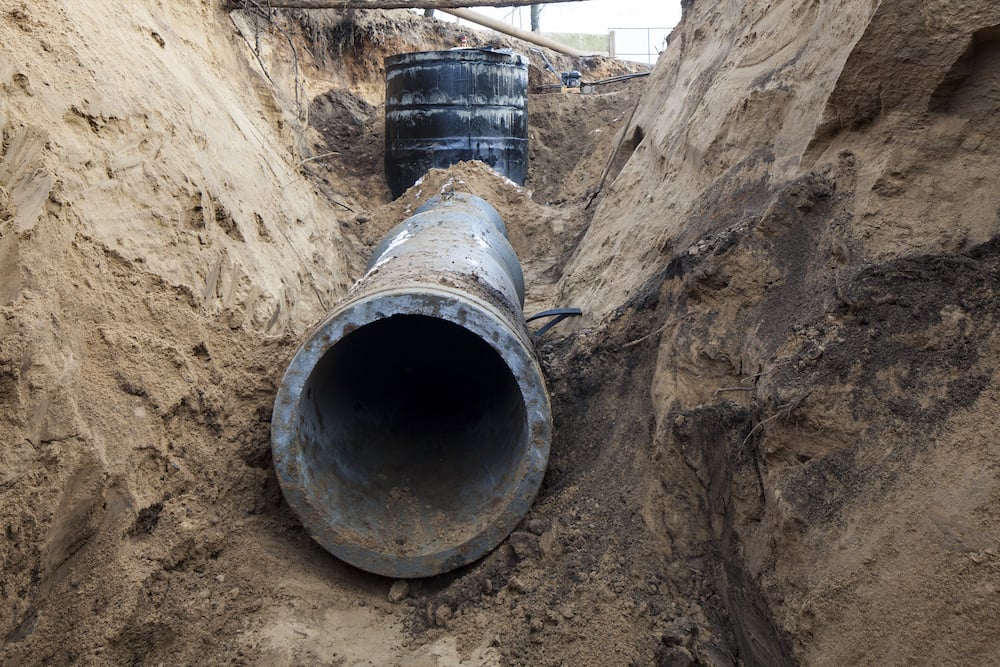
Related Blogs

image block

What Is Trenchless Sewer Pipe Repair and How Does It Work? 

When house owners in Las Vegas think about sewer problems, the first thing that comes to their mind is torn up yards, driveways which are completely destroyed and countless weeks of noisy construction that disturb them and the whole neighborhood. For several years traditional sewer pipe repair meant that the home has to go through extensive digging process that […]

image block

Why Annual Leak Inspections Are Worth It

Plumbing is one of those things in your home that you never think about—until something goes wrong. A dripping faucet, hidden pipe leak, or sudden water stain on the ceiling can turn into an expensive repair if left unchecked. That’s why scheduling an annual leak inspection is one of the smartest investments you can make […]

image block

Preventive Tips to Avoid Future Water Leaks

When it comes to home maintenance, few issues are as costly or frustrating as unexpected water leaks. A small drip can quietly lead to major damage — weakening walls, floors, and even your home’s foundation. The good news? With the right preventive strategies, homeowners can avoid future water leaks and save thousands in repairs. At […]

image block

Causes of Sewer Smells in Bathrooms and Kitchens

When you step into your bathroom or kitchen, the last thing you expect to notice is an unpleasant odor. Yet many homeowners find themselves wondering why their space smells like a sewer. These sewer smells are not just bothersome — they can be signs of underlying plumbing issues that may pose risks to your home’s […]

image block

Common Signs of a Broken Sewer Pipe

When it comes to maintaining your home’s plumbing system, few issues are as serious—and as easy to overlook—as a broken sewer pipe. Hidden underground or behind walls, your sewer line silently carries away wastewater from your home every day. But when it cracks, collapses, or clogs, it can lead to messy, unhealthy, and expensive consequences. […]

image block

Signs of Roof and Ceiling Leaks in Industrial Facilities

When managing an industrial facility, maintaining the integrity of the building structure is crucial. Among the most common and costly problems facility managers face are roof and ceiling leaks. These leaks not only threaten the building’s infrastructure but can also disrupt operations, damage inventory, and compromise safety. For industrial buildings—such as factories, manufacturing plants, and […]

Living in an apartment in the vibrant heart of the valley comes with incredible convenience, but it also comes with a unique set of challenges—especially when it comes to plumbing. Unlike single-family homes where you have sole control, leak issues in apartments are a shared responsibility that can quickly become a complex web of tenant vs. landlord duties. A small drip from an upstairs neighbor can become a major headache for you, and hidden leaks within walls can cause damage to multiple units.

At Leak Experts USA, we understand the urgency and complexity of handling plumbing leaks in apartments. We serve renters, property managers, and landlords across the region, providing swift, professional diagnostics and repairs that minimize disruption and protect your property. Whether you’re in a high-rise downtown or a garden complex in Henderson, knowing how to identify and address common leaks is your first line of defense.

This comprehensive guide will walk you through the most frequent leak issues in apartment plumbing, how to spot them early, your responsibilities, and when it’s time to call in the professionals.

📞 Facing a leak right now? Don’t wait. Call us at (702) 745-5571 for immediate, expert assistance.


Table of Contents

  1. Why Apartment Leaks Are a Unique Challenge
  2. Top 5 Most Common Leak Issues in Apartments
    1. Faulty Toilet Leaks
    2. Dripping Faucets & Showerheads
    3. Leaking Under-Sink Plumbing
    4. Water Heater Leaks
    5. Hidden Leaks in Walls & Ceilings
  3. How to Identify a Leak: Signs Every Renter and Owner Should Know
  4. Tenant vs. Landlord Responsibility: Who Fixes What?
  5. The Hidden Danger: Mold and Mildew from Undetected Leaks
  6. DIY Quick Fixes (And When to Absolutely Stop and Call a Pro)
  7. Why Professional Repair is Crucial for Multi-Unit Building Leaks
  8. Preventing Future Leaks: Proactive Tips for Apartments
  9. FAQs About Apartment Leaks

Why Apartment Leaks Are a Unique Challenge

Leaks in apartments are more than just an inconvenience; they are a multi-faceted problem. Because plumbing systems are interconnected, a leak in Unit B can quickly lead to water damage, mold growth, and structural issues in Unit A below it. This interconnected nature turns a simple repair into a coordinated effort between tenants, landlords, and maintenance crews.

Furthermore, apartment plumbing issues are often compounded by age. Many leak issues in apartments complexes in and around the Las Vegas area were built decades ago, and plumbing systems can be original to the building. Over time, pipes corrode, seals weaken, and water pressure fluctuations take their toll. For property managers, addressing these common apartment leaks quickly is essential to preserving the property’s value and keeping residents safe and happy.


Top 5 Most Common Leak Issues in Apartments

1. Faulty Toilet Leaks

The toilet is one of the most common sources of leak issues in apartments. A running toilet can waste hundreds of gallons of water a month, skyrocketing the property’s water bill.

  • Common Causes: A worn-out flapper valve is the prime suspect. This rubber seal degrades over time, allowing water to continuously trickle from the tank into the bowl. Other causes include a faulty fill valve, a cracked overflow tube, or a misadjusted flush handle.
  • Signs to Look For: The sound of constant running water, having to jiggle the handle to stop running, or visible water trickling down the sides of the bowl.

2. Dripping Faucets & Showerheads

That constant drip… drip… drip… is more than just an annoyance; it’s money literally going down the drain.

  • Common Causes: Internally, washers and O-rings wear out from repeated use. Mineral deposits from our hard Las Vegas water can also corrode fixtures and prevent them from sealing properly.
  • Signs to Look For: The signs are obvious: a steady drip from the spout or showerhead, often accompanied by mineral buildup around the aerator.

3. Leaking Under-Sink Plumbing

The cabinetry under your kitchen and bathroom sink is a dark harbor for plumbing leaks in apartments. These leaks often go unnoticed until they cause significant damage.

  • Common Causes: Loose slip-joint connections on P-traps, corroded pipes, cracked seals around drain baskets, or a malfunctioning garbage disposal connection.
  • Signs to Look For: A musty smell under the sink, visible water droplets on pipes or the bottom of the cabinet, warped or stained cabinetry, and even mold growth.

4. Water Heater Leaks

Typically located in closets or on patios, water heaters have a finite lifespan and can cause catastrophic flooding if they fail.

  • Common Causes: Sediment buildup causes corrosion inside the tank, leading to cracks. Connections at the inlet and outlet valves can loosen, and the temperature and pressure (T&P) relief valve can malfunction and leak.
  • Signs to Look For: A small puddle of water around the base of the heater, a dripping relief valve pipe, rust on the tank or connections, or a lack of hot water.

5. Hidden Leaks in Walls & Ceilings

These are the most severe type of leak issues in apartment plumbing because they are out of sight. They often originate from a leaking pipe within the wall for a shower, sink, or toilet.

  • Common Causes: Pinhole leaks in copper pipes due to our hard water, failed solder joints, or leaking supply line connections behind appliances.
  • Signs to Look For: Unexplained sounds of running water, damp or discolored patches on walls or apartment ceiling leaks, peeling paint or bubbling wallpaper, a sudden musty odor, or warped baseboards.
Silent Leaks

How to Identify a Leak: Signs Every Renter and Owner Should Know

Early detection is key to preventing minor leaks in apartments from becoming major disasters. Be on the lookout for:

  • Unexplained Increase in Water Bills: A sudden spike is a major red flag.
  • Sound of Running Water: When all faucets and appliances are off, listen carefully.
  • Visible Mold or Mildew: This indicates a persistent moisture problem.
  • Stains or Discoloration: Yellow or brownish circles on ceilings or under sinks.
  • Warping or Buckling: floors, walls, or cabinets.
  • Low Water Pressure: Could indicate a leak in the supply line restricting flow.

Tenant vs. Landlord Responsibility: Who Fixes What?

In Nevada, the landlord is generally responsible for maintaining a habitable premises, which includes maintaining the plumbing systems. As a tenant, you are typically responsible for damages caused by your negligence or misuse.

  • Landlord Typically Fixes: Burst pipes, leaks within walls, water heater failures, faulty plumbing fixtures (unless broken by the tenant), and drainage problems.
  • Tenant Typically Fixes: Clogs caused by the tenant (e.g., hair, grease, foreign objects), damage from improper use, and replacing worn-out washer/gaskets on a faucet (in some cases).

Always refer to your lease agreement and communicate with your property manager immediately upon discovering a leak.


The Hidden Danger: Mold and Mildew from Undetected Leaks

One of the most serious consequences of unresolved leak issues in apartments is the rapid growth of mold and mildew. In our desert climate, it’s easy to assume mold isn’t a threat, but the truth is, any hidden moisture source—like a slow drip behind a washing machine or a leaking pipe under a kitchen sink—creates a perfect, humid environment for mold spores to thrive.

This is a particularly insidious problem with multi-unit building leaks, as mold can spread through wall cavities and ventilation systems, affecting air quality in multiple units. The health implications can range from minor allergic reactions, like sneezing and skin irritation, to more severe respiratory problems for those with asthma or compromised immune systems.

For property owners, the financial liability is significant, as professional mold remediation is costly. The key to prevention is simple: address all plumbing leaks in apartments, both big and small, immediately. At the first sign of a musty odor or visible discoloration, it’s crucial to call a professional.

We not only fix the leak but can also assess the area for moisture damage, helping to ensure your apartment remains a safe and healthy environment. Ignoring a small drip today could lead to a major health hazard tomorrow.


DIY Quick Fixes (And When to Absolutely Stop and Call a Pro)

For a minor drip, you might try:

  • Faucet Drip: Tightening the aerator or replacing a washer (if you’re handy).
  • Running Toilet: Replacing the flapper valve—an inexpensive and easy fix.

STOP IMMEDIATELY and call a professional if:

  • You see water leak detection for apartments from a light fixture or electrical outlet ( electrocution hazard).
  • The leak is significant and you cannot shut the water off.
  • You suspect the water leak in apartment is behind a wall or ceiling.
  • There is any sign of mold.
  • The leak is related to the water heater or gas lines.

Trying to fix complex multi-unit building leaks yourself can lead to greater damage and liability.


Why Professional Repair is Crucial for Multi-Unit Building Leaks

For apartment plumbing repair Las Vegas, expertise matters. We bring specialized equipment to the job that amateurs and general maintenance crews often lack. We use:

  • Acoustic Listening Devices: To pinpoint the exact location of a hidden leak without tearing down walls.
  • Video Pipe Inspection Cameras: To see inside pipes and diagnose the root cause.
  • Thermal Imaging Cameras: To detect temperature differences caused by moisture within walls and floors.

Our methods are non-invasive, saving property owners thousands of dollars in unnecessary demolition and repair costs. We correctly diagnose the problem the first time, ensuring a permanent repair that protects the entire building.


Preventing Future Leaks: Proactive Tips for Apartments

  • For Tenants: Avoid pouring grease down drains, use hair catchers in showers, report minor drips immediately before they become major, and know where your unit’s main water shut-off valve is located.
  • For Landlords/Property Managers: Schedule annual plumbing inspections, proactively replace old water heaters and worn fixtures, consider repiping older buildings with PEX, and address tenant repair requests promptly.

FAQs About Leak Issues in Apartments

1. Who pays for the water damage to my belongings from a leak from another unit?

This is typically a matter for renter’s insurance. Your policy should cover damage to your personal property from a sudden leak issues in apartments. The landlord’s insurance covers the building itself. Always document the damage with photos and contact your insurance provider immediately.


2. What should I do first when I discover a leak?

  1. Stop the Source: If possible, shut off the water to the leaking fixture. If not, locate your unit’s main water shut-off valve.
  2. Contain the Water: Place buckets and towels to minimize spreading.
  3. Notify Your Landlord/Property Manager: Report it immediately, both verbally and in writing (email is best for documentation).
  4. Call a Professional Plumber: If it’s an emergency and you can’t reach management, you may need to call a pro to mitigate damage.

3. Are apartment leaks common in older buildings?

Yes. Older buildings are more susceptible to common leak issues in apartments due to aged plumbing materials like galvanized steel (which corrodes from the inside out) or older copper pipes with worn solder joints.


4. Can a small leak really cause that much damage?

Absolutely. A small, persistent leak promotes mold and mildew growth, which can cause health issues and require expensive remediation. It can also rot wood framing, destroy drywall, and compromise structural integrity over time.


Don’t Let Leak Issues in Apartment Disrupt Your Life

Whether you’re a renter dealing with a persistent drip or a property manager handling multi-unit building leaks, a swift, professional response is non-negotiable. We are the trusted name for apartment plumbing repair Las Vegas and all surrounding communities, including Henderson, Summerlin, North Las Vegas, and Paradise.

We offer:

  • 24/7 Emergency Water Leak Detectors Response
  • Advanced, Non-Invasive Leak Detection
  • Clear, Upfront Pricing & Free Estimates
  • Repairs that Minimize Disruption for Tenants
  • Work Guaranteed to Satisfy Both Tenants and Property Owners

📞 Don’t let a leak turn into a catastrophe. Contact the experts trusted by landlords and renters alike. Call Leak Experts USA today at (702) 745-5571 for fast, reliable, and professional service. Follow us on Instagram for regular updates!
Related Blogs

image block

What Is Trenchless Sewer Pipe Repair and How Does It Work? 

When house owners in Las Vegas think about sewer problems, the first thing that comes to their mind is torn up yards, driveways which are completely destroyed and countless weeks of noisy construction that disturb them and the whole neighborhood. For several years traditional sewer pipe repair meant that the home has to go through extensive digging process that […]

image block

Why Annual Leak Inspections Are Worth It

Plumbing is one of those things in your home that you never think about—until something goes wrong. A dripping faucet, hidden pipe leak, or sudden water stain on the ceiling can turn into an expensive repair if left unchecked. That’s why scheduling an annual leak inspection is one of the smartest investments you can make […]

image block

Preventive Tips to Avoid Future Water Leaks

When it comes to home maintenance, few issues are as costly or frustrating as unexpected water leaks. A small drip can quietly lead to major damage — weakening walls, floors, and even your home’s foundation. The good news? With the right preventive strategies, homeowners can avoid future water leaks and save thousands in repairs. At […]

image block

Causes of Sewer Smells in Bathrooms and Kitchens

When you step into your bathroom or kitchen, the last thing you expect to notice is an unpleasant odor. Yet many homeowners find themselves wondering why their space smells like a sewer. These sewer smells are not just bothersome — they can be signs of underlying plumbing issues that may pose risks to your home’s […]

image block

Common Signs of a Broken Sewer Pipe

When it comes to maintaining your home’s plumbing system, few issues are as serious—and as easy to overlook—as a broken sewer pipe. Hidden underground or behind walls, your sewer line silently carries away wastewater from your home every day. But when it cracks, collapses, or clogs, it can lead to messy, unhealthy, and expensive consequences. […]

image block

Signs of Roof and Ceiling Leaks in Industrial Facilities

When managing an industrial facility, maintaining the integrity of the building structure is crucial. Among the most common and costly problems facility managers face are roof and ceiling leaks. These leaks not only threaten the building’s infrastructure but can also disrupt operations, damage inventory, and compromise safety. For industrial buildings—such as factories, manufacturing plants, and […]

When it comes to your home’s plumbing, the sewer line is the silent workhorse—responsible for carrying waste and wastewater safely away from your home. But unlike a leaky faucet or a clogged sink, sewer line issues often remain hidden until they cause major headaches. By the time you notice foul odors, slow drains, or unexpected puddles in the yard, the damage might already be extensive—and costly to fix.

That’s why regular inspections are so important. Just like you’d have a mechanic check your car before a long road trip, having a plumber perform a sewer inspection can prevent small sewer inspection problems from becoming big disasters.

At Leak Experts USA, we’ve helped countless homeowners across Las Vegas and nearby areas catch problems early through professional inspections. With our advanced tools and years of experience, we make it easy to identify sewer line problems and repairs before they spiral into emergencies.

This guide will walk you through the most common sewer line issues found during inspections, what causes them, and how timely action can save you thousands in repairs.


Table of Contents

  1. What Is a Sewer Line Issues Inspection?
  2. Top 8 Common Sewer Line Issues Found During Inspections
  3. How Sewer Line Inspections Prevent Bigger Problems
  4. Sewer Line Repair Options After an Inspection
  5. How to Know When You Need a Sewer Line Inspection
  6. Why Choose Leak Experts USA for Sewer Line Inspections
  7. FAQs – Sewer Line Issues and Inspections

What Is a Sewer Line Issues Inspection?

A mainline inspection is the process of checking the main sewer pipe that connects your home’s plumbing to the municipal sewer system or your septic tank. This is done using a specialized sewer camera, which is fed into the pipe through a cleanout. The camera sends a live feed to the plumber, allowing them to see exactly what’s going on inside your sewer line issues without digging up your yard.

Benefits of a mainline inspection include:

  • Accurate diagnosis: We can see the exact cause and location of blockages, leaks, or damage.
  • Preventive maintenance: Spotting small sewer line issues like hairline cracks or early signs of sewer tree root intrusion before they escalate.
  • Cost savings: Avoiding unnecessary excavation or guesswork repairs.

For homeowners, the peace of mind alone is worth it. Even if everything seems fine, a regular mainline inspection can give you the reassurance that your sewer system is in top shape.

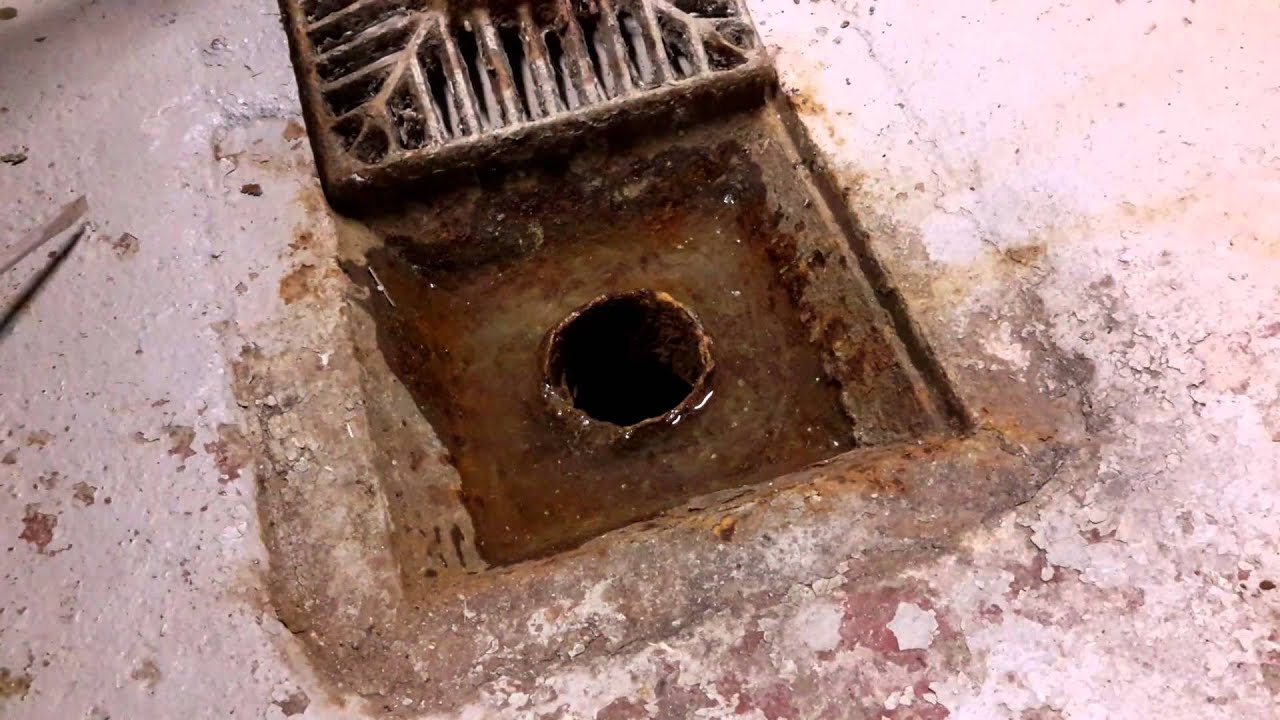
leak detection checkup

Top 8 Common Sewer Line Problems Found During Inspections

1. Tree Root Intrusion

If your yard has trees or large shrubs, their roots could be making their way into your sewer line right now. Roots naturally seek out moisture, and tiny leaks or loose joints in your pipes are like beacons to them. Once inside, the roots expand and create blockages, sometimes even breaking the pipe apart.

Warning signs:

  • Frequent clogs in multiple drains.
  • Gurgling noises from toilets.
  • Lush green patches in your lawn.

Left untreated, tree root intrusion can cause severe sewer line issues requiring major repairs. We often spot these during inspections, and with the right tools, we can remove the roots and recommend solutions to prevent them from coming back.


2. Cracks and Fractures

Over time, sewer lines—especially older clay or cast-iron pipes—can develop cracks or fractures. Causes include shifting soil, seasonal temperature changes, and general wear and tear. Even minor cracks can allow wastewater to leak out, leading to property damage and potential health hazards.

Warning signs:

  • Sewer odors in your yard or basement.
  • Increased pest activity (rodents and insects are attracted to sewer leaks).
  • Sinkholes or depressions in the yard.

During inspections, our cameras can detect these cracks with pinpoint accuracy. Fixing them early can prevent the need for full pipe replacement and help you avoid more extensive sewer line issues in the future.


3. Corrosion and Pipe Deterioration

Older sewer lines made of galvanized steel or cast iron are prone to corrosion. Over time, the metal deteriorates, leading to leaks, blockages, and reduced water flow. Corrosion can also create rough surfaces inside the pipe, catching debris and accelerating clogs.

Warning signs:

  • Water discoloration.
  • Reduced drainage efficiency.
  • Multiple clogs within a short timeframe.

Corrosion is often a sign the pipe is reaching the end of its lifespan. In these cases, we may recommend replacement or relining to avoid further sewer line issues.


4. Pipe Misalignment (Bellied Pipes)

A sewer pipe is designed to maintain a consistent slope so waste flows smoothly to the municipal system. Over time, soil movement, poor installation, or even construction activity near your home can cause parts of the pipe to sink or “belly.” This creates a low point where water and waste collect, eventually causing blockages and unpleasant odors.

Warning signs:

  • Repeated blockages in the same drain.
  • Slow-flowing wastewater despite snaking or plunging.
  • Gurgling sounds in plumbing fixtures.

Our inspection cameras can easily identify bellies in the line, allowing us to recommend targeted solutions before these sewer line issues escalate into emergencies.


5. Clogs and Blockages from Debris

Not all clogs are caused by tree root intrusion or pipe damage. Everyday items—like grease, wipes, feminine hygiene products, and even excess toilet paper—can accumulate over time, creating significant blockages. These clogs may start small but can quickly turn into complete obstructions, especially if they get caught on cracks or rough spots inside the pipe.

Warning signs:

  • Multiple drains backing up simultaneously.
  • Water backing up in showers or tubs when flushing the toilet.
  • Bad smells coming from drains.

During a mainline inspection, our team can see exactly what’s causing the blockage and recommend safe, effective removal methods.


6. Collapsed Sewer Lines

Sometimes, the damage to a sewer line is so severe that it fully collapses. This can happen in very old pipes or after significant structural damage from shifting soil, heavy vehicle traffic overhead, or aggressive root growth. A collapsed sewer line stops wastewater flow completely and requires immediate repair or replacement.

Warning signs:

  • Complete loss of drainage in all fixtures.
  • Strong sewage odor indoors and outdoors.
  • Sudden and severe yard flooding.

A collapsed line is one of the most urgent sewer line issues, and it’s something we’re equipped to handle quickly.


7. Leaks and Water Infiltration

Leaks in sewer lines can occur through small cracks, deteriorated joints, or loose connections. Not only does this waste water, but it can also cause mold, property damage, and soil erosion around your home. In some cases, groundwater can infiltrate the pipe, overwhelming your system.

Warning signs:

  • Damp spots in your yard even during dry weather.
  • Persistent foul smells.
  • Higher-than-normal water bills.

Addressing leaks early is essential to prevent them from leading to bigger sewer line issues down the road.


8. Scaling and Mineral Buildup

In areas with hard water—like much of Las Vegas—minerals such as calcium and magnesium can build up on the inside of pipes. Over time, this scaling narrows the diameter of the pipe, restricting flow and creating more opportunities for blockages.

Warning signs:

  • Gradually slowing drains.
  • Low water pressure in multiple fixtures.
  • Increased frequency of clogs.

Our sewer cameras can spot scaling during routine inspections, allowing us to recommend cleaning or other preventive measures before the buildup becomes a major problem.


How Sewer Line Inspections Prevent Bigger Problems

Regular inspections are like annual health checkups for your plumbing system. By catching sewer line issues early, you can:

  • Prevent property damage caused by leaks or backups.
  • Avoid costly excavation and replacement.
  • Keep your home safe from contamination and foul odors.

A mainline inspection can reveal small problems—like tiny cracks or early tree root intrusion—that might not cause symptoms yet but could cost thousands to fix later. This proactive approach means you spend less time dealing with emergencies and more time enjoying a smoothly running home.

We specialize in detailed camera inspections that provide a clear, accurate picture of your sewer line’s health. Our experts then guide you through the best solutions for keeping your system problem-free.


Sewer Line Repair Options After an Inspection

Once we’ve identified the problem, the next step is finding the right fix. Depending on the type and severity of the damage, repair options include:

Traditional Trench Repairs

  • The classic method involves digging to expose the damaged section and replacing it.
  • Best for collapsed lines or severe cracks.
  • More invasive but sometimes necessary for long-term stability.

Trenchless Repair Methods

  • Pipe Bursting: Pulls a new pipe through the old one while breaking the old pipe apart.
  • Pipe Relining: Creates a new pipe inside the old one using a resin-coated liner.
  • Less disruption to landscaping and faster turnaround times.

If you’re in need of sewer line repair Las Vegas, we offers both traditional and trenchless solutions. We tailor our approach based on your home’s needs, budget, and the specific sewer line issues found during inspection.

And because we know how disruptive plumbing repairs can be, we prioritize fast, efficient service for homeowners in Las Vegas and surrounding areas.


How to Know When You Need a Sewer Line Inspection

Many homeowners wait until there’s a major plumbing problem before calling for help. But by then, the damage to your sewer line might be extensive—and expensive to fix. Scheduling a mainline inspection before issues escalate can save you a lot of money and stress.

Here are some signs it’s time to call Leak Experts USA:

  • Multiple slow drains in the home, even after cleaning.
  • Sewage backups in sinks, tubs, or toilets.
  • Persistent foul odors from drains or the yard.
  • Unexplained wet spots or patches of extra-green grass in your lawn.
  • Gurgling noises when using plumbing fixtures.

Even without visible symptoms, we recommend having a mainline inspection every 1–2 years—especially if your home is older, has large trees nearby, or you’ve had sewer line issues in the past.


Why Choose Leak Experts USA for Sewer Line Inspections

When it comes to your home’s sewer system, experience and precision matter. We combine advanced equipment with years of expertise to deliver accurate diagnoses and effective solutions.

Here’s why homeowners in Henderson, Summerlin, Paradise, and Las Vegas trust us:

  • Cutting-Edge Technology: Our high-resolution sewer cameras identify everything from small cracks to severe tree root intrusion.
  • Expert Technicians: Trained and certified to handle all types of sewer line issues, from minor clogs to complete line replacements.
  • Honest Assessments: We’ll explain exactly what’s going on, show you video evidence, and provide clear repair options.
  • Fast Response Times: We know plumbing problems can’t wait, so we offer same-day service whenever possible.
  • Long-Term Solutions: Whether it’s a quick fix or a full replacement, we focus on preventing future problems.

Our mission is simple: to protect your home, save you money, and keep your plumbing running smoothly for years to come.


FAQs – Sewer Line Issues and Inspections

1. How often should I schedule a sewer inspection?

Most homes benefit from a professional mainline inspection every 1–2 years. If you have older pipes, large trees nearby, or a history of plumbing problems, annual inspections are best.


2. Can tree root intrusion be prevented?

While you can’t always stop roots from growing toward moisture, we can install root barriers or recommend ongoing maintenance to keep them out of your sewer line.


3. Are trenchless repairs as durable as traditional methods?

Yes—when done by professionals, trenchless methods like pipe relining can last decades and are just as reliable as full pipe replacement.


4. How long does a typical sewer line last?

Depending on the material, sewer lines can last 50–100 years. However, factors like soil conditions, hard water, and poor installation can shorten their lifespan, leading to sewer line issues sooner.


5. What’s the cost of a sewer inspection?

We offer competitive, transparent pricing and will give you a full breakdown before starting work.


Protect Your Home Today

Your sewer line works silently in the background, but when problems arise, they can disrupt your entire home. The good news? With regular inspections, you can catch issues early and avoid costly repairs.

Whether you’re dealing with slow drains, bad odors, or you just want peace of mind, our team is here to help. From tree root intrusion to stubborn cracks, we’ve seen—and fixed—it all.

📞 Call us at (702) 745-5571 or book online today for expert sewer line repair Las Vegas and professional inspections that keep your plumbing running smoothly. Serving Las Vegas and surrounding areas, we’re your trusted partner for lasting solutions to all your sewer line issues. Follow us on Instagram for regular updates!
Related Blogs

image block

What Is Trenchless Sewer Pipe Repair and How Does It Work? 

When house owners in Las Vegas think about sewer problems, the first thing that comes to their mind is torn up yards, driveways which are completely destroyed and countless weeks of noisy construction that disturb them and the whole neighborhood. For several years traditional sewer pipe repair meant that the home has to go through extensive digging process that […]

image block

Why Annual Leak Inspections Are Worth It

Plumbing is one of those things in your home that you never think about—until something goes wrong. A dripping faucet, hidden pipe leak, or sudden water stain on the ceiling can turn into an expensive repair if left unchecked. That’s why scheduling an annual leak inspection is one of the smartest investments you can make […]

image block

Preventive Tips to Avoid Future Water Leaks

When it comes to home maintenance, few issues are as costly or frustrating as unexpected water leaks. A small drip can quietly lead to major damage — weakening walls, floors, and even your home’s foundation. The good news? With the right preventive strategies, homeowners can avoid future water leaks and save thousands in repairs. At […]

image block

Causes of Sewer Smells in Bathrooms and Kitchens

When you step into your bathroom or kitchen, the last thing you expect to notice is an unpleasant odor. Yet many homeowners find themselves wondering why their space smells like a sewer. These sewer smells are not just bothersome — they can be signs of underlying plumbing issues that may pose risks to your home’s […]

image block

Common Signs of a Broken Sewer Pipe

When it comes to maintaining your home’s plumbing system, few issues are as serious—and as easy to overlook—as a broken sewer pipe. Hidden underground or behind walls, your sewer line silently carries away wastewater from your home every day. But when it cracks, collapses, or clogs, it can lead to messy, unhealthy, and expensive consequences. […]

image block

Signs of Roof and Ceiling Leaks in Industrial Facilities

When managing an industrial facility, maintaining the integrity of the building structure is crucial. Among the most common and costly problems facility managers face are roof and ceiling leaks. These leaks not only threaten the building’s infrastructure but can also disrupt operations, damage inventory, and compromise safety. For industrial buildings—such as factories, manufacturing plants, and […]

In the fast-paced world of business, the last thing you want to deal with is a hidden plumbing leak slowly eating away at your profits. Leaks aren’t just a nuisance—they can disrupt operations, damage your property, harm your reputation, and even lead to costly shutdowns. Yet, many businesses don’t realize the danger until it’s too late.

A leak detection checkup is your first line of defense against these silent problems. By catching leaks early, you can save thousands of dollars in repairs, reduce water waste, and maintain a safe, professional environment for your employees and customers.

We’ve helped countless offices, retail spaces, and commercial properties avoid disaster through our advanced detection technology and professional inspections. Whether you run a busy retail shop, a multi-floor office building, or a restaurant, our team can find and fix issues before they turn into major emergencies.

📞 Call us today at (702) 745-5571 to schedule a professional Leak Detection Checkup and protect your business investment.


Table of Contents

  1. Why Leak Detection is Critical for Businesses
  2. Understanding a Professional Leak Detection Checkup
  3. Top Signs You Need a Leak Detection Checkup
  4. Risks of Ignoring Plumbing Leaks in Businesses
  5. How Leak Experts USA Performs a Leak Detection Checkup
  6. Preventative Maintenance Tips for Businesses
  7. Why Choose Leak Experts USA for Your Leak Detection Needs
  8. FAQs

Why Leak Detection is Critical for Businesses

A plumbing leak in a commercial property is more than a maintenance headache—it’s a potential business risk. Water damage can compromise the safety of your building, destroy expensive equipment, and force you to close your doors while repairs take place.

The problem is that many leaks remain hidden for weeks or even months. They might be behind walls, under floors, or in ceilings, quietly wasting water and creating the perfect environment for mold growth. By the time visible damage appears, repair costs can be significantly higher.

In our work providing office water leak repair, we’ve seen firsthand how a simple drip can lead to thousands in structural damage if ignored. Worse, leaks in public areas—like restrooms or customer spaces—can harm your brand’s image.

That’s why a leak detection checkup isn’t just about fixing problems—it’s about protecting your revenue, your staff’s health, and your reputation.

Tracer Gas Leak Detection Enterprise

Understanding a Professional Leak Detection Checkup

A leak detection checkup is a comprehensive inspection of your plumbing system using advanced technology to find leaks you can’t see. We use tools like:

  • Acoustic Listening Devices – Detects the sound of water escaping under pressure.
  • Thermal Imaging Cameras – Identifies temperature changes caused by leaks.
  • Moisture Meters – Measures hidden dampness behind walls and under floors.

Unlike a basic maintenance check, a professional inspection pinpoints the exact location of leaks without unnecessary demolition. This means faster repairs, minimal disruption, and lower costs.

Whether you manage a large office complex or a small storefront, regular inspections can prevent emergencies and keep your property in top condition. And for industries like hospitality or healthcare, where water safety is crucial, leak detection is an essential part of compliance and customer care.


Top Signs You Need a Leak Detection Checkup

Even without specialized equipment, there are warning signs that indicate your business may have a hidden plumbing problem.

Sign 1: Unexplained Water Bill Spikes

One of the earliest indicators of a hidden leak is an unexpected increase in your monthly water bill. If your usage hasn’t changed but your bill has suddenly jumped, it’s time to investigate.

These water bill spikes are often caused by small leaks running continuously in hidden areas. Over time, they add up—not only in wasted water but in long-term damage to your building.

A quick leak detection checkup can identify these leaks before they drain your budget further.


Sign 2: Visible Water Damage or Stains

Water stains on ceilings, peeling paint, or warped walls in your office or retail space are signs that water is infiltrating your building materials.

These issues aren’t just cosmetic—they indicate an ongoing leak that can weaken structural components over time. We’ve handled retail plumbing leaks where merchandise and display fixtures were ruined simply because the source wasn’t found early leak detection enough.


Sign 3: Musty Odors in Office or Retail Spaces

A persistent musty smell often means there’s moisture trapped somewhere it shouldn’t be—usually behind walls or under flooring.

This dampness can encourage mold growth, which can cause health issues for staff and customers. If you notice unpleasant odors in certain parts of your business, it’s wise to book a leak detection checkup immediately.


Sign 4: Low Water Pressure in Fixtures

When multiple fixtures—such as sinks or restrooms—start experiencing low pressure, it may signal a leak or blockage in your plumbing system.

In commercial environments, low pressure can disrupt operations, especially in restaurants, gyms, or salons where water is used constantly. Identifying the cause quickly helps avoid downtime and costly repairs.


Sign 5: Unusual Sounds from Plumbing Systems

If you hear dripping, hissing, or running water when no fixtures are in use, that’s a clear red flag. These noises often mean water is escaping somewhere it shouldn’t be—possibly through a cracked pipe or faulty connection.

In commercial properties, these sounds can be masked by daily operations, so they often go unnoticed. A leak detection checkup uses acoustic equipment to locate these leaks accurately, even behind walls or under slabs.


Sign 6: Persistent Mold or Mildew Issues

Mold thrives in damp environments, and hidden leaks are the perfect trigger. If you’ve had repeated mold cleanups in certain areas, it’s likely you’re dealing with an ongoing water source feeding the problem.

For businesses, this is more than a maintenance concern—it’s a potential health liability. Customers and employees exposed to mold can develop respiratory issues, and in some industries, mold violations can even lead to shutdowns. This is one of the top reasons our office water leak repair services are called out.


Sign 7: Puddles or Damp Areas Around Property

Water pooling on floors, in landscaping, or near building foundations could mean an underground pipe has burst or is leaking.

In commercial complexes, exterior leaks can damage pavement, attract pests, and even cause slip hazards for visitors. A fast-response leak detection checkup ensures these outdoor leaks are caught before they lead to major property repairs.


4. Risks of Ignoring Plumbing Leaks in Businesses

Ignoring the signs of a leak isn’t just risky—it’s expensive. Here’s what can happen when problems are left untreated:

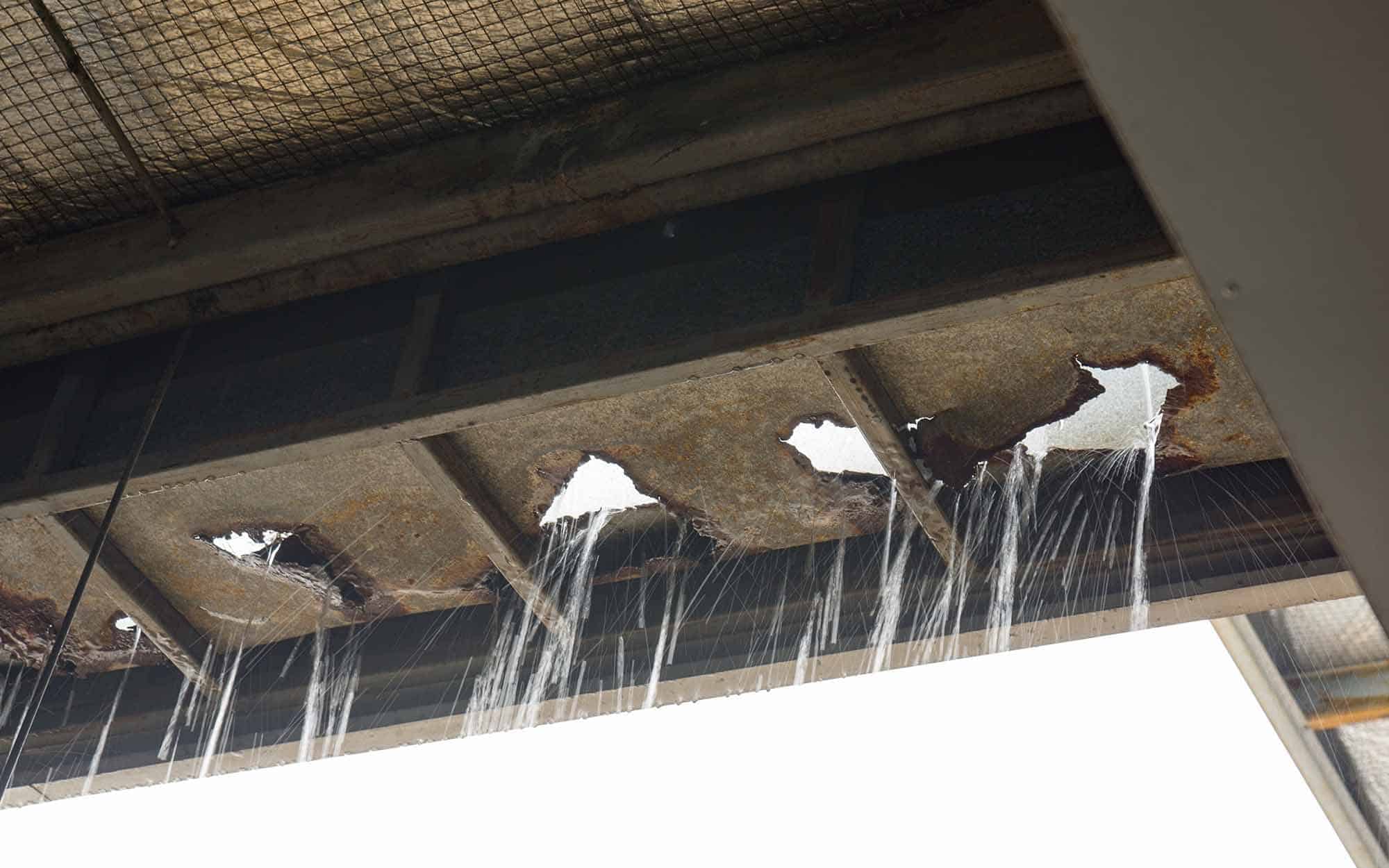
  • Structural Damage: Water can weaken walls, ceilings, and flooring, leading to costly renovations.
  • Increased Repair Costs: A small, inexpensive fix can quickly escalate into a full office water leak repair project.
  • Health Hazards: Standing water and moisture encourage bacteria and mold growth.
  • Operational Downtime: Shutting down for repairs can result in lost revenue and unhappy customers.

We’ve seen retail plumbing leaks cause thousands in merchandise losses—damage that could have been prevented with a routine checkup.


How Our Experts Performs a Leak Detection Checkup

When you call us, our process is designed for speed, accuracy, and minimal disruption. Here’s what you can expect:

  1. Initial Consultation: We discuss your concerns and review any visible signs of damage.
  2. Advanced Leak Detection: Using thermal imaging, acoustic tools, and moisture meters, we pinpoint leaks without unnecessary wall demolition.
  3. Detailed Report: You receive a full breakdown of findings, along with photos and repair recommendations.
  4. Repair Options: We provide transparent quotes, whether it’s a quick fix or a larger commercial plumbing Las Vegas project.

Our technicians work quickly so your business can keep operating smoothly, and we always prioritize safety and cleanliness during inspections.


Preventative Maintenance Tips for Businesses

While a leak detection checkup is key for finding existing leaks, preventative habits can help avoid future issues:

  • Schedule Annual Inspections: Regular checkups help spot early water leak detection and warning signs.
  • Monitor Your Water Bills: Keep an eye out for unexpected water bill spikes.
  • Train Employees: Encourage staff to report damp areas, odors, or changes in water pressure.
  • Install Smart Meters: These can alert you to leaks in real time.

Proactive maintenance means fewer emergencies and a healthier, safer workplace.


Why Choose Leak Experts USA for Your Leak Detection Needs

Not all leak detection services are created equal. At Leak Experts USA, we bring years of hands-on commercial plumbing experience and cutting-edge diagnostic tools to every job.

Here’s why businesses trust us:

  • Proven Expertise: We’ve handled everything from small retail plumbing leaks to large-scale corporate water system inspections.
  • Fast Turnaround: Same-day appointments available for urgent situations.
  • Minimal Disruption: We work around your schedule to avoid operational interruptions.
  • Local Knowledge: We understand the specific plumbing challenges in Las Vegas, Henderson, Summerlin, North Las Vegas, and Paradise.

📞 Call (702) 745-5571 today for a professional, hassle-free Leak Detection Checkup that keeps your business running smoothly.


FAQs – Leak Detection for Businesses

Q1: How often should my business get a Leak Detection Checkup?

It’s best to schedule a professional Leak Detection Checkup at least once a year. However, if you notice early warning signs—such as sudden water bill spikes, damp spots on walls or ceilings, musty odors, or unexplained moisture—it’s wise to arrange an inspection immediately. Early detection can prevent costly damage and operational disruptions.


Q2: What is the average cost of office water leak repair?

The cost depends on factors like leak location, severity, and repair complexity. Minor issues can be fixed affordably, while larger or hidden leaks may require more extensive work. Regular Leak Detection Checkups help identify problems early, often reducing overall repair expenses and avoiding major water damage.


Q3: Can retail plumbing leaks really affect my inventory?

Yes—retail plumbing leaks can lead to significant losses. Even small leaks can damage merchandise, display units, and packaging materials. Over time, this not only impacts revenue but can also affect customer trust if products are compromised. Prompt leak repair protects both your stock and your brand’s reputation.


Q4: How quickly can Leak Experts USA respond to emergencies?

We understand that time is critical for businesses. That’s why we offer same-day emergency response for urgent leaks. Our team works efficiently to contain the problem, carry out repairs, and minimize downtime so you can get back to business as quickly as possible.


Q5: Do you offer preventative maintenance plans for businesses?

Absolutely. Our customized maintenance plans include scheduled inspections, ongoing monitoring, and proactive repairs to keep your plumbing systems in top shape. This helps prevent future leaks, reduce unexpected costs, and maintain smooth business operations year-round.


Protect Your Business Before Leaks Strike

Water leaks might be hidden, but their impact can be devastating—damaging walls, flooring, equipment, and even your reputation. For businesses, a single undetected leak can lead to costly repairs, inventory loss, and operational downtime. That’s why proactive leak detection isn’t just a maintenance step—it’s a safeguard for your investment.

We specialize in helping businesses stay one step ahead. Our team uses advanced diagnostic tools and proven techniques to locate even the smallest leaks before they escalate. Whether you run a retail store, office, warehouse, or hospitality venue, our precision inspections help prevent surprises that could disrupt your operations.

We understand the unique challenges business owners face, so we work quickly, discreetly, and with minimal disruption to your daily activities. From annual checkups to emergency responses, we tailor our services to fit your schedule and needs.

Don’t let a hidden leak drain your profits. Take a proactive step today to protect your property, your people, and your peace of mind.

📞 Call (702) 745-5571 now or book online to schedule your professional leak detection checkup. Because in business, prevention isn’t just better than cure—it’s cheaper too. Follow us on Instagram for regular updates!
Related Blogs

image block

What Is Trenchless Sewer Pipe Repair and How Does It Work? 

When house owners in Las Vegas think about sewer problems, the first thing that comes to their mind is torn up yards, driveways which are completely destroyed and countless weeks of noisy construction that disturb them and the whole neighborhood. For several years traditional sewer pipe repair meant that the home has to go through extensive digging process that […]

image block

Why Annual Leak Inspections Are Worth It

Plumbing is one of those things in your home that you never think about—until something goes wrong. A dripping faucet, hidden pipe leak, or sudden water stain on the ceiling can turn into an expensive repair if left unchecked. That’s why scheduling an annual leak inspection is one of the smartest investments you can make […]

image block

Preventive Tips to Avoid Future Water Leaks

When it comes to home maintenance, few issues are as costly or frustrating as unexpected water leaks. A small drip can quietly lead to major damage — weakening walls, floors, and even your home’s foundation. The good news? With the right preventive strategies, homeowners can avoid future water leaks and save thousands in repairs. At […]

image block

Causes of Sewer Smells in Bathrooms and Kitchens

When you step into your bathroom or kitchen, the last thing you expect to notice is an unpleasant odor. Yet many homeowners find themselves wondering why their space smells like a sewer. These sewer smells are not just bothersome — they can be signs of underlying plumbing issues that may pose risks to your home’s […]

image block

Common Signs of a Broken Sewer Pipe

When it comes to maintaining your home’s plumbing system, few issues are as serious—and as easy to overlook—as a broken sewer pipe. Hidden underground or behind walls, your sewer line silently carries away wastewater from your home every day. But when it cracks, collapses, or clogs, it can lead to messy, unhealthy, and expensive consequences. […]

image block

Signs of Roof and Ceiling Leaks in Industrial Facilities

When managing an industrial facility, maintaining the integrity of the building structure is crucial. Among the most common and costly problems facility managers face are roof and ceiling leaks. These leaks not only threaten the building’s infrastructure but can also disrupt operations, damage inventory, and compromise safety. For industrial buildings—such as factories, manufacturing plants, and […]

A slab leak is one of the most costly and frustrating plumbing problems a Nevada homeowner can face — not only because of the slab leak repair cost, but also because of the hidden damage it can cause to your home’s foundation, flooring, and even air quality.

The problem? Many slab leaks remain unnoticed for weeks or even months, silently eroding the stability of your home and racking up huge water bills. That’s why understanding slab leak repair cost Nevada homeowners typically pay, as well as the cost factors that influence pricing, is so important.

We specialize in slab leak repair in Las Vegas residents can count on — with fast detection, non-invasive methods, and upfront pricing. Over the years, we’ve worked in homes across Las Vegas, Nevada, helping homeowners make informed decisions that protect both their properties and their wallets.

In this expanded guide, we’ll break down the average repair price, explain what influences plumbers slab leak repair services cost, explore different repair methods, and give you expert tips on prevention — so you’re fully prepared if a slab leak ever happens in your home.

📞 Need expert advice now? Call us at (702) 745-5571 to speak with a certified slab leak specialist.


Table of Contents

  1. What Is a Slab Leak and Why Is It So Serious?
  2. Common Causes of Slab Leaks in Nevada Homes
  3. How Much Does Slab Leak Repair Cost? (Average Repair Price)
  4. The Main Cost Factors That Influence Your Final Bill
  5. Different Repair Methods and Their Costs
  6. How to Spot a Slab Leak Early (and Avoid Thousands in Damage)
  7. The Real Cost of Delaying Repairs
  8. Professional vs DIY: Why This Job Isn’t for Amateurs
  9. How to Choose the Right Slab Leak Repair Company in Nevada
  10. FAQs – Slab Leak Cost Nevada
  11. Why Leak Experts USA Is the Preferred Choice

What Is a Slab Leak and Why Is It So Serious?

A slab leak happens when a water pipe beneath your home’s concrete foundation develops a break, crack, or hole. Because these pipes are hidden, you can’t see the leak directly. Over time, water seeps into the ground beneath your home, eroding soil, weakening the foundation, and potentially damaging floors, walls, and furniture.

The danger of slab leaks isn’t just the water loss — it’s the structural instability they cause. Left untreated, a slab leak can cost tens of thousands in property damage repairs, far exceeding the slab leak repair cost itself.


Common Causes of Slab Leaks in Nevada Homes

Homes in Nevada are more prone to slab leaks because of several environmental and structural factors:

  • Hard Water Mineral Buildup: Nevada water is rich in minerals like calcium and magnesium, which can corrode metal pipes over time.
  • Soil Expansion and Contraction: Desert soil expands when wet and contracts when dry, stressing the pipes beneath your foundation.
  • Pipe Age and Material: Older homes with copper piping may be more vulnerable to corrosion and pinhole leaks.
  • High Water Pressure: Excessive pressure can stress pipe joints, leading to premature failure.
  • Poor Installation: In some cases, improper construction techniques contribute to leaks years later.
Slab Leak Signs

How Much Does Slab Leak Repair Cost? (Average Repair Price)

For most homeowners, slab leak cost Nevada falls between $2,000 and $7,000, depending on the extent of the leak and the repair method used. The average repair price is typically between $3,500 and $5,500.

Here’s a quick overview:

Repair TypeAverage Cost Range
Spot Repair$2,000 – $4,000
Pipe Rerouting$3,500 – $7,000
Full Home Repipe$5,000 – $15,000

💡 Pro Tip: Acting quickly is the single most effective way to keep your slab leak repair cost down. Early detection can mean the difference between a simple fix and a full foundation overhaul.


The Main Cost Factors That Influence Your Final Bill

Every slab leak situation is unique, but these slab leak repair cost factors most often determine your total expense:

  1. Location of the Leak: A leak near the edge of the foundation is easier and cheaper to access than one in the center.
  2. Pipe Material: Copper repairs are usually more expensive than PEX or PVC.
  3. Access Method: Cutting into the slab from above is generally cheaper than tunneling underneath, though tunneling can preserve flooring.
  4. Extent of Damage: If water has damaged flooring, walls, or cabinetry, restoration costs add up.
  5. Labor Rates: Costs vary depending on the contractor’s expertise and your specific Nevada region.

Different Repair Methods and Their Costs

Not all slab leak repair costs are the same. Here are the most common methods:

Spot Repair

  • The most direct approach — open the slab directly above the leak and fix the damaged section.
  • Cost: $2,000 – $4,000
  • Best for: Single, easily accessible leaks in otherwise healthy plumbing systems.

Pipe Rerouting

  • Bypasses the damaged section of pipe by installing new lines above ground or through walls.
  • Cost: $3,500 – $7,000
  • Best for: Multiple leaks or when pipes are heavily corroded.

Full Home Repipe

  • Replaces all water supply lines in your home to eliminate the risk of future slab leaks.
  • Cost: $5,000 – $15,000
  • Best for: Older homes with widespread plumbing deterioration.

How to Spot a Slab Leak Early (and Avoid Thousands in Damage)

Catching a slab leak early can significantly reduce your slab leak repair cost. Look for these warning signs:

  • Unexplained water bill increases
  • Warm spots on your floor
  • The sound of running water when all taps are off
  • Damp carpet or flooring
  • Cracks forming in walls or flooring
  • Mold or mildew odors

If you notice any of these, contact Leak Experts USA immediately. Our slab leak repair services Las Vegas use non-invasive detection tools like thermal imaging and tracer gas to find leaks with minimal disruption.


The Real Slab Leak Repair Cost of Delaying

Some homeowners delay slab leak repairs to avoid upfront costs, but this usually backfires. Waiting too long can lead to:

  • Severe foundation damage requiring structural repairs
  • Mold remediation costs
  • Higher water bills month after month
  • Complete repiping needs instead of a simple fix

In many cases, the longer you wait, the more your repair bill climbs — often doubling or tripling in just a few months.


Professional vs DIY: Why This Job Isn’t for Amateurs

Slab leak repair cost isn’t a weekend DIY project. Without the right tools and experience, you risk:

  • Misdiagnosing the leak location
  • Damaging your foundation further
  • Overlooking additional leaks in your plumbing system

Licensed professional ensures accurate diagnosis, effective repairs, and long-term results — saving you money in the long run.


How to Choose the Right Slab Leak Repair Company in Nevada

When comparing contractors, look for:

  • Local Expertise — Knowledge of Nevada’s soil and water conditions
  • Licensing & Insurance — Protection for both you and the workers
  • Advanced Leak Detection Tools — To minimize property damage
  • Warranty — Peace of mind for your investment

FAQs – Slab Leak Cost Nevada

1. What’s the average repair price for a slab leak in Nevada?

Most homeowners pay between $3,500 and $5,500, but costs can be as low as $2,000 or as high as $15,000 depending on severity.


2. What cost factors affect my bill the most?

The leak’s location, repair method, and any associated water damage repairs will have the largest impact.


3. Does insurance cover slab leak repair cost?

Many policies cover the cost to access the leak but may not include plumbing repairs themselves. Always review your policy.


4. How do I know if I have a slab leak?

Watch for higher water bills, damp floors, warm spots, and the sound of running water when taps are off.


5. Is it worth repiping my home?

If your plumbing is old or prone to leaks, repiping can save money over time by preventing repeated slab leaks.


Why Leak Experts USA Is the Preferred Choice

At Leak Experts USA, we’ve built our reputation on trust, transparency, and top-tier service:

  • Free Estimates
  • Upfront Pricing — No hidden fees
  • State-of-the-Art Service Line Leak Detection
  • Repair Options to Fit Your Budget
  • Service Across All Nevada Communities

Whether you’re in Anthem, The Lakes, or Southern Highlands, our technicians arrive prepared to diagnose and repair your slab leak quickly and efficiently.

📞 Call us today at (702) 745-5571 or book online for your free consultation. Follow us on Instagram for regular updates!
Related Blogs

image block

What Is Trenchless Sewer Pipe Repair and How Does It Work? 

When house owners in Las Vegas think about sewer problems, the first thing that comes to their mind is torn up yards, driveways which are completely destroyed and countless weeks of noisy construction that disturb them and the whole neighborhood. For several years traditional sewer pipe repair meant that the home has to go through extensive digging process that […]

image block

Why Annual Leak Inspections Are Worth It

Plumbing is one of those things in your home that you never think about—until something goes wrong. A dripping faucet, hidden pipe leak, or sudden water stain on the ceiling can turn into an expensive repair if left unchecked. That’s why scheduling an annual leak inspection is one of the smartest investments you can make […]

image block

Preventive Tips to Avoid Future Water Leaks

When it comes to home maintenance, few issues are as costly or frustrating as unexpected water leaks. A small drip can quietly lead to major damage — weakening walls, floors, and even your home’s foundation. The good news? With the right preventive strategies, homeowners can avoid future water leaks and save thousands in repairs. At […]

image block

Causes of Sewer Smells in Bathrooms and Kitchens

When you step into your bathroom or kitchen, the last thing you expect to notice is an unpleasant odor. Yet many homeowners find themselves wondering why their space smells like a sewer. These sewer smells are not just bothersome — they can be signs of underlying plumbing issues that may pose risks to your home’s […]

image block

Common Signs of a Broken Sewer Pipe

When it comes to maintaining your home’s plumbing system, few issues are as serious—and as easy to overlook—as a broken sewer pipe. Hidden underground or behind walls, your sewer line silently carries away wastewater from your home every day. But when it cracks, collapses, or clogs, it can lead to messy, unhealthy, and expensive consequences. […]

image block

Signs of Roof and Ceiling Leaks in Industrial Facilities

When managing an industrial facility, maintaining the integrity of the building structure is crucial. Among the most common and costly problems facility managers face are roof and ceiling leaks. These leaks not only threaten the building’s infrastructure but can also disrupt operations, damage inventory, and compromise safety. For industrial buildings—such as factories, manufacturing plants, and […]

Do you have hard water at home? You probably do if you’ve noticed white stains or chalky residue on your faucets, showerheads, or bathroom tiles. These spots are caused by calcium and other mineral deposits left behind by hard water. While this buildup doesn’t pose any health concerns, it can become an eyesore and may eventually damage the finish on surfaces like tile, glass, porcelain, and metal. Fortunately, you can remove calcium buildup and bring back the clean look of your home fixtures.

Want to prevent calcium and other mineral buildup in the future? Contact Leak Experts USA to learn more about installing a water softener system in your home.

What Removes Calcium Buildup?

To stop mineral stains from becoming a major problem, it’s best to clean them as soon as you notice them. Over time, calcium can eat into surfaces and cause corrosion or even reduce the lifespan of your plumbing fixtures. The good news is that removing these deposits is simple, and you likely already have most of what you need at home. Items like vinegar, lemon juice, baking soda, mild cleaning agents, paper towels, rubber bands, and a toothbrush can all be helpful. Gloves and protective eyewear are also good to have on hand, especially if you’re using any strong cleaning products.

What Will Dissolve Calcium Deposits?

When it comes to dissolving calcium buildup, there are several safe and effective options. Lemon juice is a natural acid found in most kitchens and works especially well on metal fixtures. Squeeze a few lemons and pour the juice into a spray bottle to apply directly to the buildup. Just be careful not to get any juice in your eyes while handling it.

White vinegar is another common household product that works wonders on hard water stains. Soaking rags or paper towels in vinegar and wrapping them around the affected areas can help break down calcium over time.

For more serious buildup, a product like CLR (Lime and Calcium, and Rust Remover) can be very effective. This is particularly useful for toilets that develop rings around the waterline.

Another option is muriatic acid, which is much stronger and typically used in cases where there is heavy calcium buildup, such as in calcium buildup in pools or toilet bowls. Because it is highly corrosive, it’s important to handle muriatic acid with care. Wear proper protection and consider leaving this step to a professional if you’re not experienced with harsh chemicals.

How to Remove Calcium Buildup

Faucets and Showerheads

To clean buildup on faucets or showerheads, try tying a bag filled with vinegar around the fixture using a rubber band. Let it soak for a few hours to loosen the calcium. If you want a deeper clean, remove the showerhead or aerator completely and soak it in vinegar or your chosen cleaner. After soaking, scrub it with a toothbrush and wipe the area clean. Even though vinegar is not a harmful substance, it’s best to do this when children are not nearby, just to be safe.

Sinks, Bathtubs, Porcelain Toilets, and Ceramic Tile

To clean sinks, bathtubs, ceramic tiles, and porcelain toilets, you can use a combination of warm water, mild soap, white vinegar, and baking soda. First, clean the area with soap and water to remove as much residue as possible. Dry the surface with a towel. Then mix baking soda and vinegar to make a paste and apply it to the stained areas. Let the paste sit for a few minutes so it can break down the mineral buildup. Afterward, use a damp sponge to wipe it off.

Drains and Pipes

Calcium deposits don’t just affect visible surfaces. They can also form inside your drains and pipes, reducing water flow and water pressure over time. If left untreated, this buildup can lead to clogs or even the need to replace sections of your plumbing system. One way to avoid this is by installing a water softener, which reduces the amount of calcium and magnesium in your water supply. This not only helps your fixtures but also protects your plumbing system.

While drain cleaners like CLR can be used for temporary relief, they’re not ideal for long-term use. Many of these cleaners contain strong chemicals that are harmful to your skin and should be handled with caution.

Glass Shower Doors

If you have a glass shower door, you may have noticed cloudy spots where water has dried and left behind mineral traces. These stains can be cleaned using a solution of equal parts white vinegar and water. Spray it onto the surface and let it sit for about fifteen minutes. Then wipe it down with a clean cloth.

If you’re not a fan of the vinegar smell, another option is to mix baking soda with water to create a paste. Apply it to the glass and rinse it off with water afterward.

Final Thoughts

Although calcium buildup isn’t dangerous, it can affect your home’s appearance and cause long-term damage to fixtures and plumbing. Fortunately, simple solutions like vinegar, lemon juice, and baking soda can help you remove these stains and keep your surfaces looking clean. If you want to prevent the problem from returning, consider installing a water softener system in your home. Calcium buildup doesn’t have to be a permanent problem. With just a little effort and the right approach, you can keep your faucets, tiles, and pipes free from hard water residue. For expert help or to install a water softening system, contact the professionals at Leak Experts USA today or dial (702) 745-5571. Follow us on Instagram for regular updates!
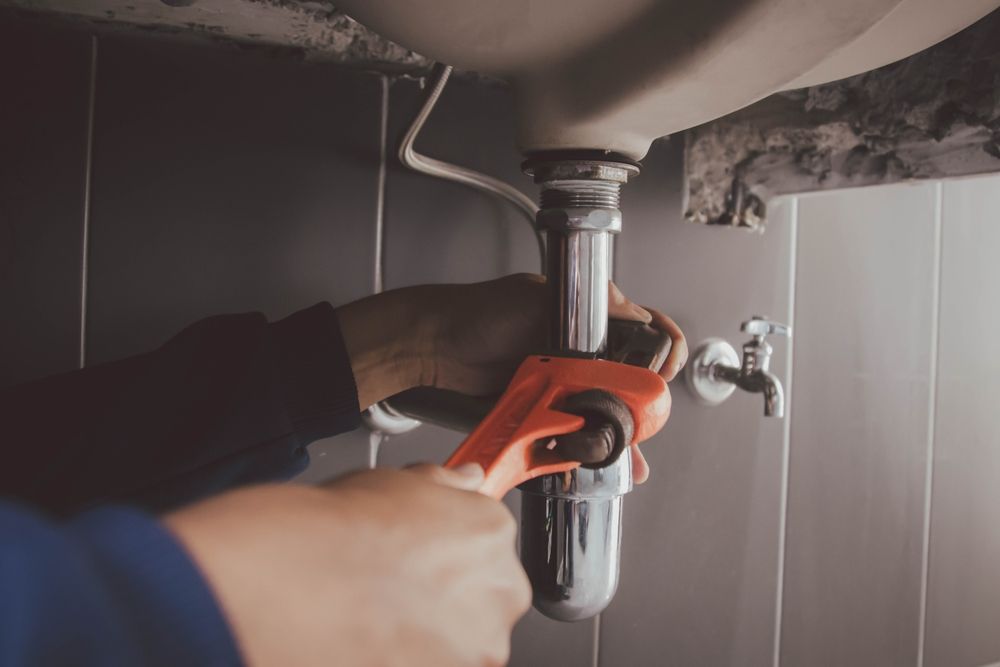
Related Blogs

image block

What Is Trenchless Sewer Pipe Repair and How Does It Work? 

When house owners in Las Vegas think about sewer problems, the first thing that comes to their mind is torn up yards, driveways which are completely destroyed and countless weeks of noisy construction that disturb them and the whole neighborhood. For several years traditional sewer pipe repair meant that the home has to go through extensive digging process that […]

image block

Why Annual Leak Inspections Are Worth It

Plumbing is one of those things in your home that you never think about—until something goes wrong. A dripping faucet, hidden pipe leak, or sudden water stain on the ceiling can turn into an expensive repair if left unchecked. That’s why scheduling an annual leak inspection is one of the smartest investments you can make […]

image block

Preventive Tips to Avoid Future Water Leaks

When it comes to home maintenance, few issues are as costly or frustrating as unexpected water leaks. A small drip can quietly lead to major damage — weakening walls, floors, and even your home’s foundation. The good news? With the right preventive strategies, homeowners can avoid future water leaks and save thousands in repairs. At […]

image block

Causes of Sewer Smells in Bathrooms and Kitchens

When you step into your bathroom or kitchen, the last thing you expect to notice is an unpleasant odor. Yet many homeowners find themselves wondering why their space smells like a sewer. These sewer smells are not just bothersome — they can be signs of underlying plumbing issues that may pose risks to your home’s […]

image block

Common Signs of a Broken Sewer Pipe

When it comes to maintaining your home’s plumbing system, few issues are as serious—and as easy to overlook—as a broken sewer pipe. Hidden underground or behind walls, your sewer line silently carries away wastewater from your home every day. But when it cracks, collapses, or clogs, it can lead to messy, unhealthy, and expensive consequences. […]

image block

Signs of Roof and Ceiling Leaks in Industrial Facilities

When managing an industrial facility, maintaining the integrity of the building structure is crucial. Among the most common and costly problems facility managers face are roof and ceiling leaks. These leaks not only threaten the building’s infrastructure but can also disrupt operations, damage inventory, and compromise safety. For industrial buildings—such as factories, manufacturing plants, and […]

newsletter-image

Our Newsletter


Stay informed about the latest in plumbing solutions, home maintenance tips, and special discounts.

    Privacy policy

    [bft-int-chk checked="true" ] Subscribe for the mailing list